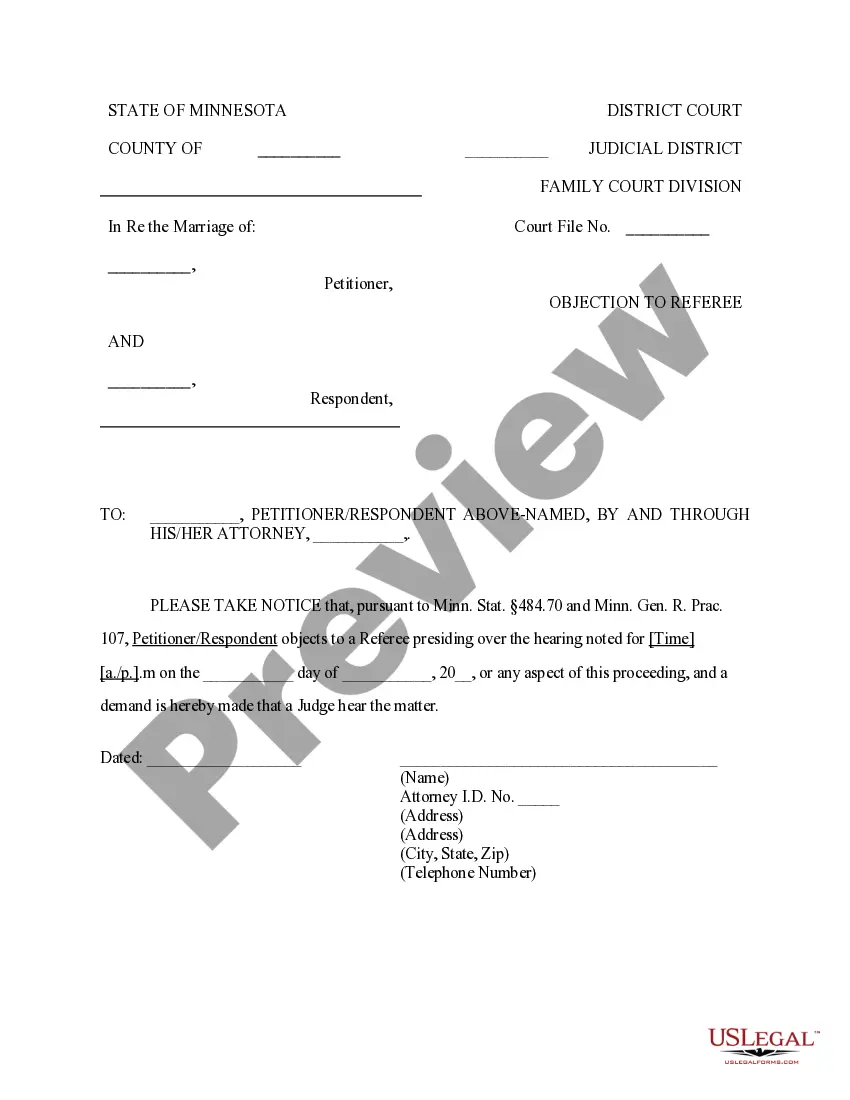
North Carolina Notice of Option for Recording
Description
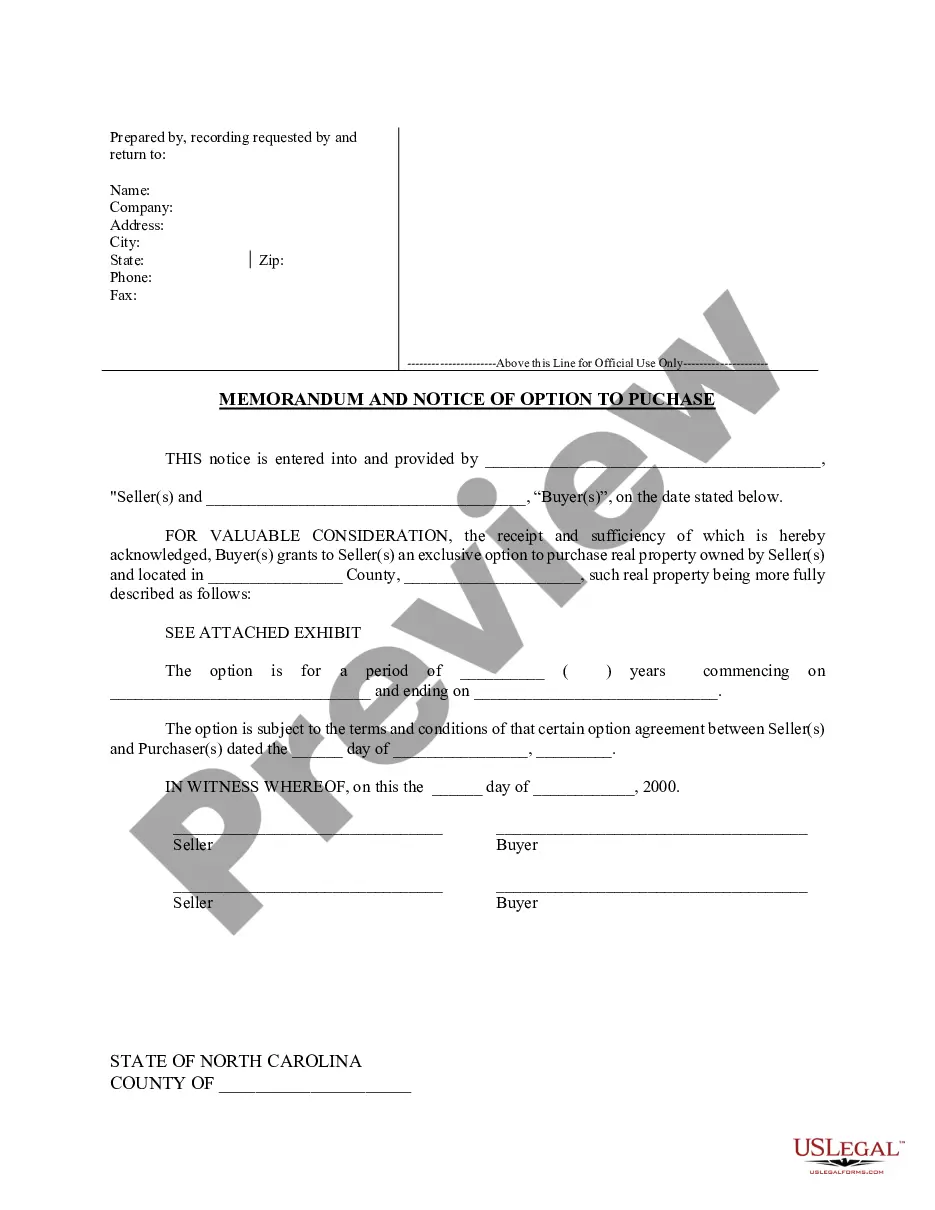
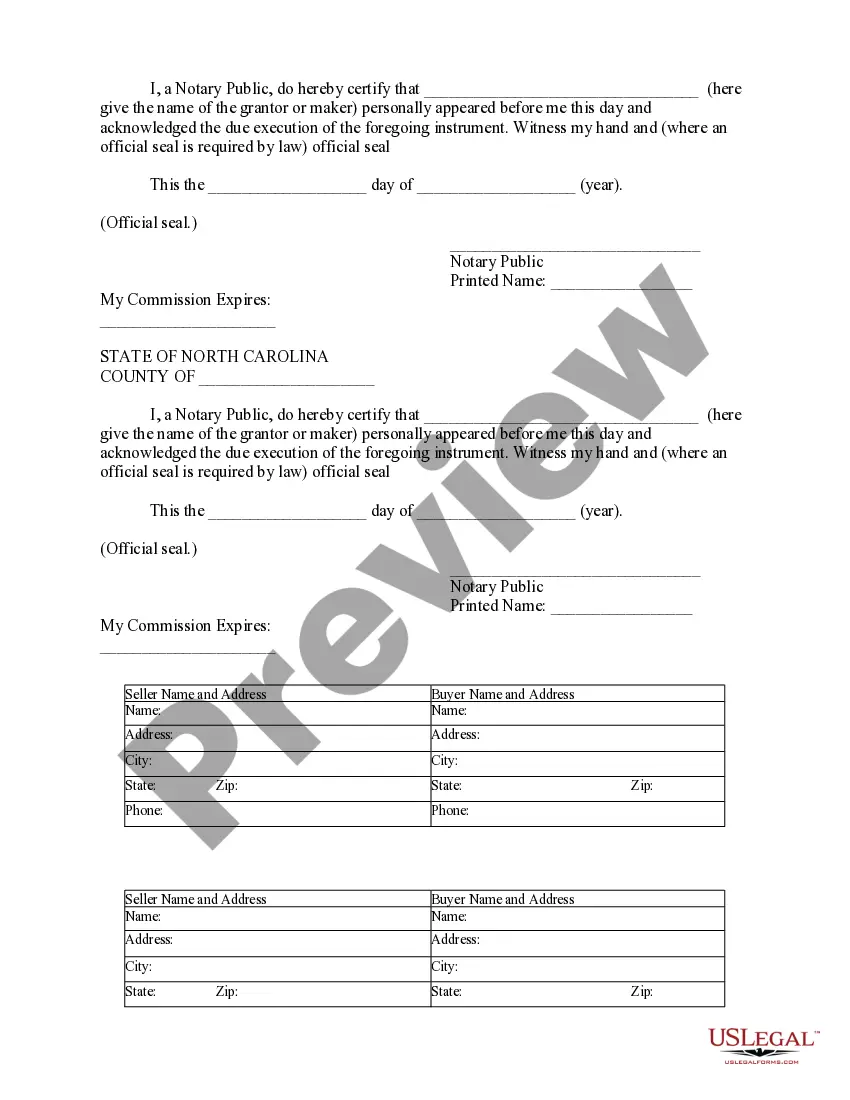
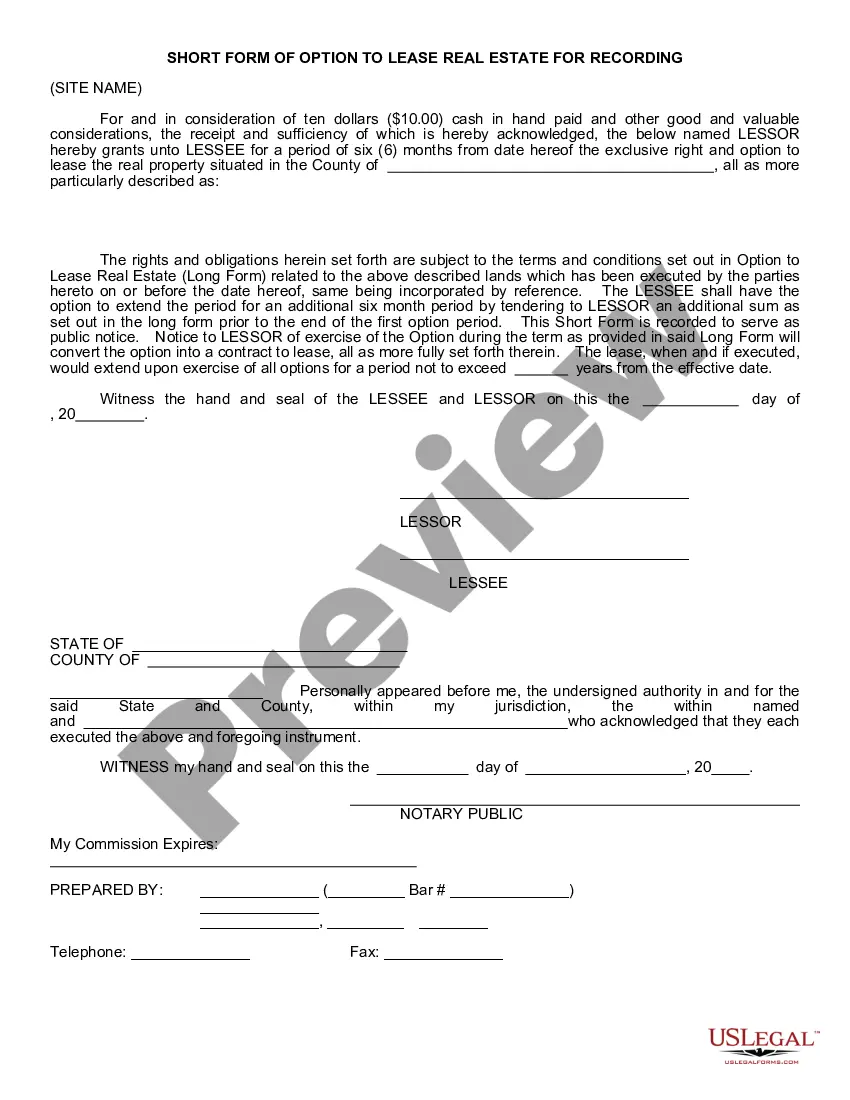
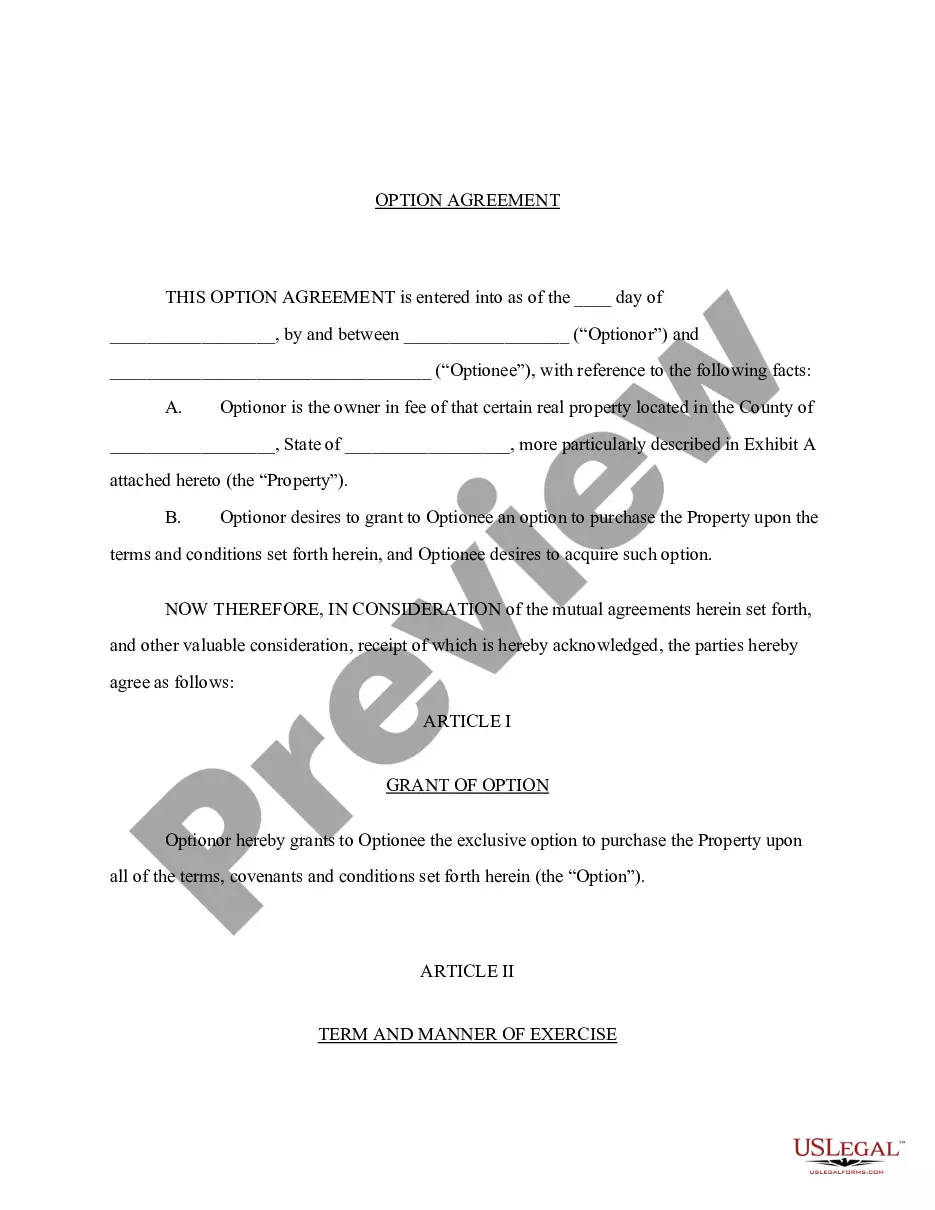


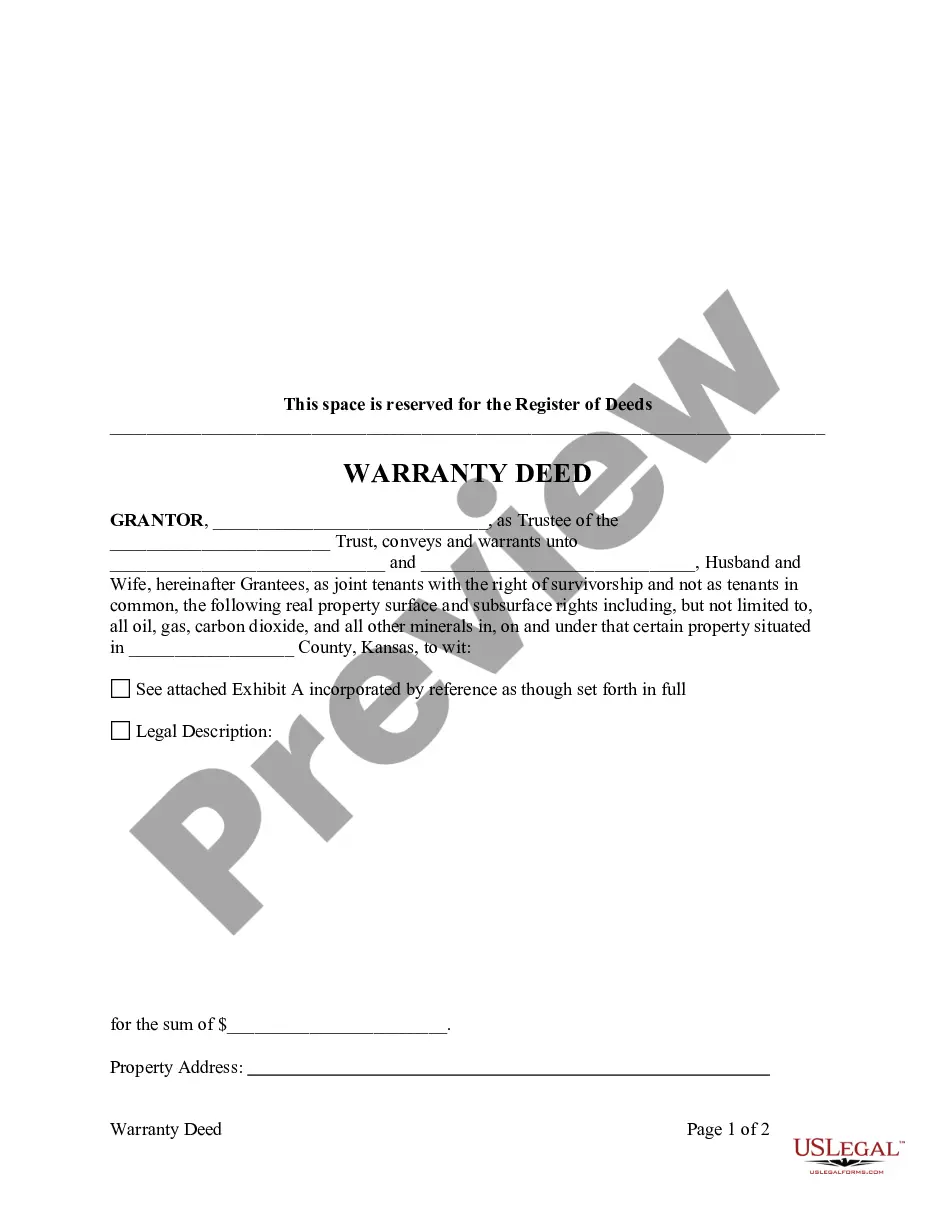
How to fill out North Carolina Notice Of Option For Recording?
Steer clear of expensive lawyers and locate the North Carolina Notice of Option for Recording you want at an affordable cost on the US Legal Forms platform.
Utilize our straightforward category feature to search for and download legal and tax forms. Review their descriptions and preview them prior to downloading.
Choose to receive the form in PDF or DOCX format. Click Download and locate your form in the My documents section. Feel free to save the template to your device or print it. After downloading, you can fill out the North Carolina Notice of Option for Recording either manually or using editing software. Print it out and use the form multiple times. Achieve more for less with US Legal Forms!
- Moreover, US Legal Forms offers users detailed instructions on how to acquire and fill out each template.
- US Legal Forms clients simply need to Log In and retrieve the specific document they require from their My documents section.
- Those who have not yet purchased a subscription must follow the steps outlined below.
- Ensure the North Carolina Notice of Option for Recording is applicable in your jurisdiction.
- If possible, review the description and utilize the Preview option before downloading the document.
- If you believe the document suits your needs, click Buy Now.
- If the form is incorrect, employ the search bar to find the correct one.
- Next, create your account and select a subscription plan.
- Make the payment via card or PayPal.
Form popularity
FAQ
Recording a property interest transfer means that everyone is on notice that the prior owner no longer is responsible for the real estate but that the new owner is in charge.In short, recording a property deed is not just the law; it's a good idea and offers both parties legal protections.
A deed is a legal instrument that evidences legal ownership of a parcel of real property, which includes land and any buildings on the land. To transfer ownership of land in North Carolina, the owner must execute and file a new deed with the register of deeds for the North Carolina county where the property is located.
Recording All deeds must be filed in the Register of Deeds in the County where the real estate is located. Signing (§ 47-38) All deeds must be signed with the Grantor(s) signing in front of a Notary Public.
When done properly, a deed is recorded anywhere from two weeks to three months after closing.
Leases with an initial term not exceeding seven years are not required to be recorded so long as each renewal term under the lease (a) is for seven years or fewer, and (b) may be effected or prevented by a party to the lease or its assigns.
Generally, recording of the lease protects the tenant against subsequent claims to the property. If the Landowner dies or sells the property during the lease term, a recorded lease helps ensure that the new owner adheres to the lease agreement (if that is specifically stated in the lease).
Adding someone to your house deed requires the filing of a legal form known as a quitclaim deed. When executed and notarized, the quitclaim deed legally overrides the current deed to your home. By filing the quitclaim deed, you can add someone to the title of your home, in effect transferring a share of ownership.
Failure to record a deed effectively makes it impossible for the public to know about the transfer of a property. That means the legal owner of the property appears to be someone other than the buyer, a situation that can generate serious ramifications.