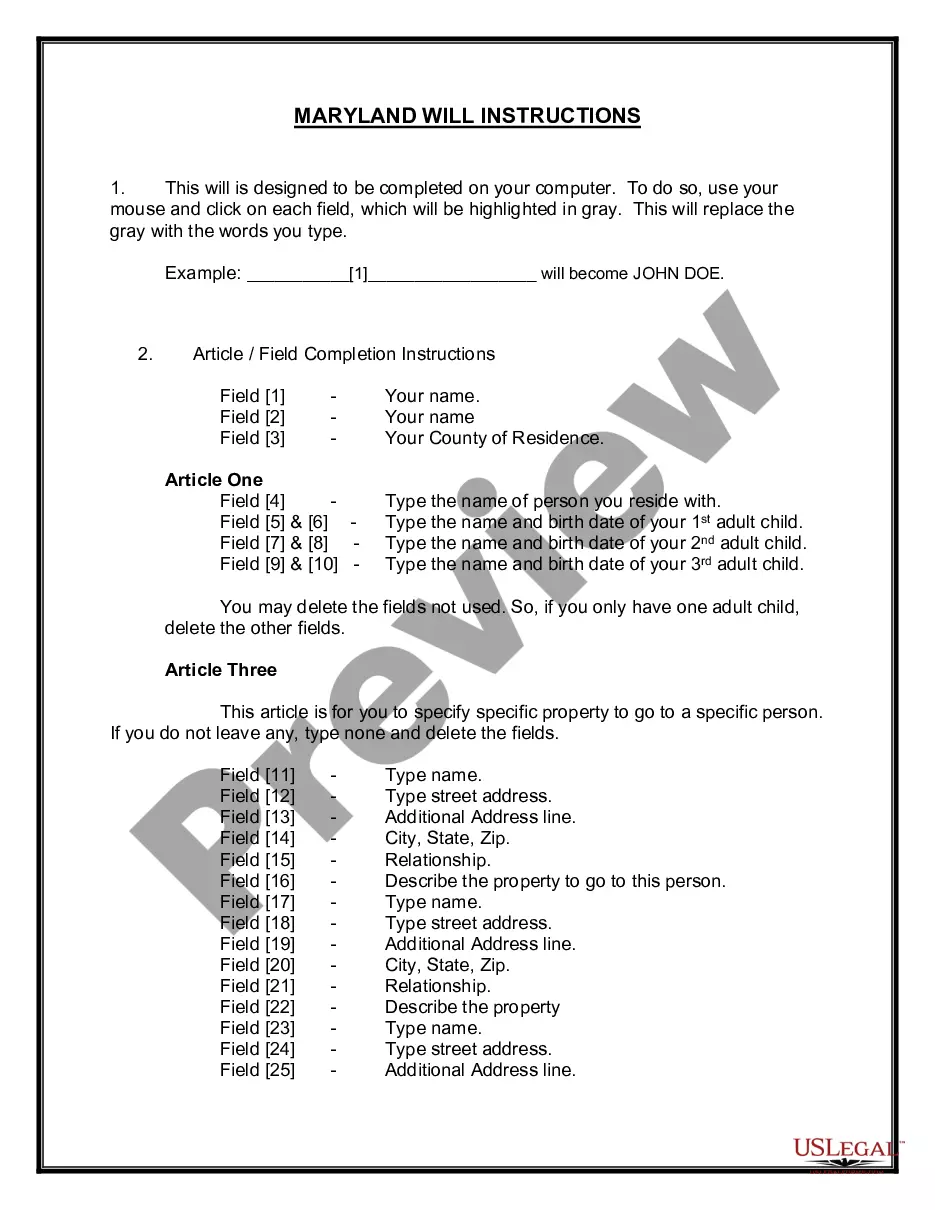
North Carolina Living Trust for Individual Who is Single, Divorced or Widow or Widower with No Children
What this document covers
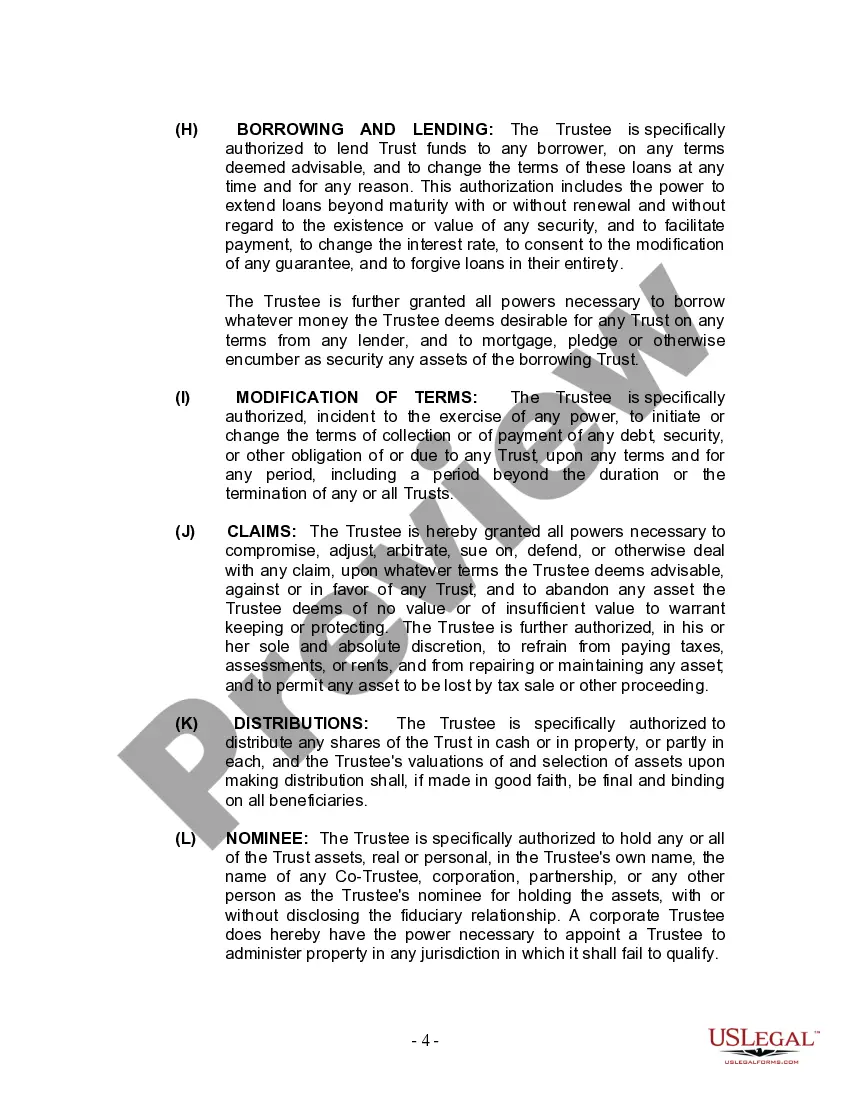
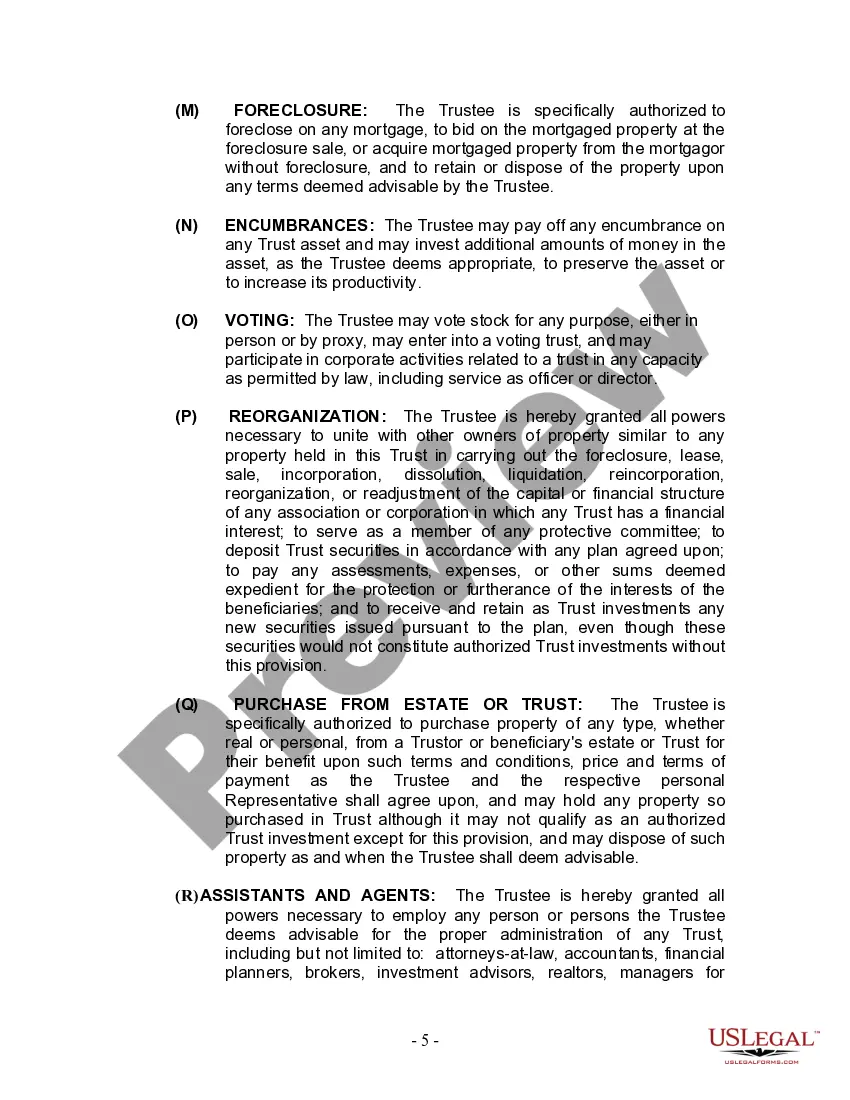
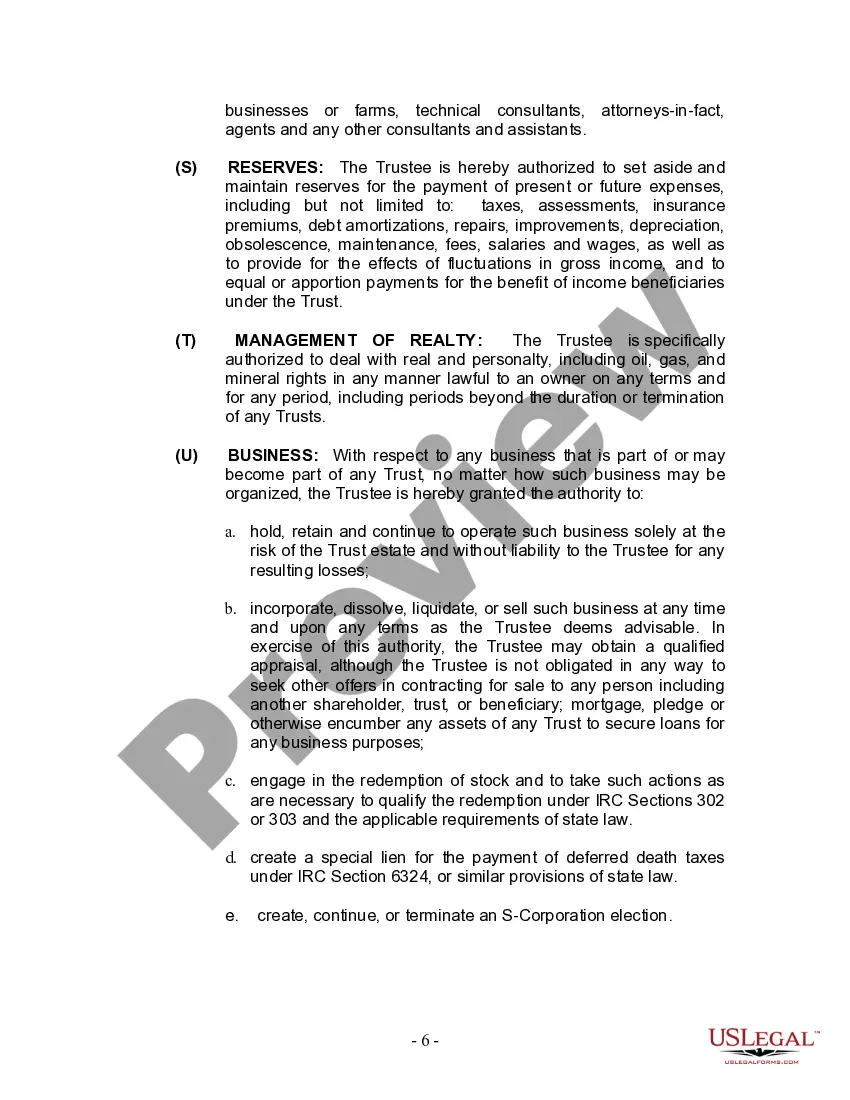
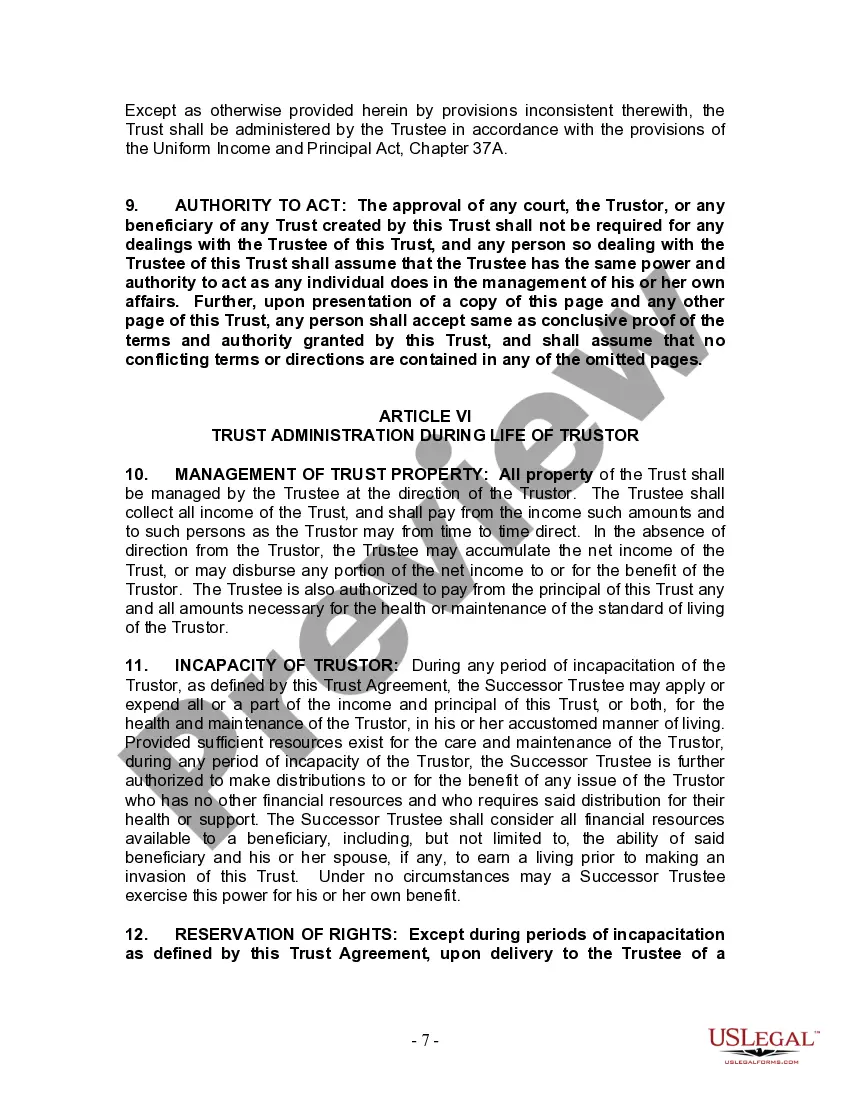
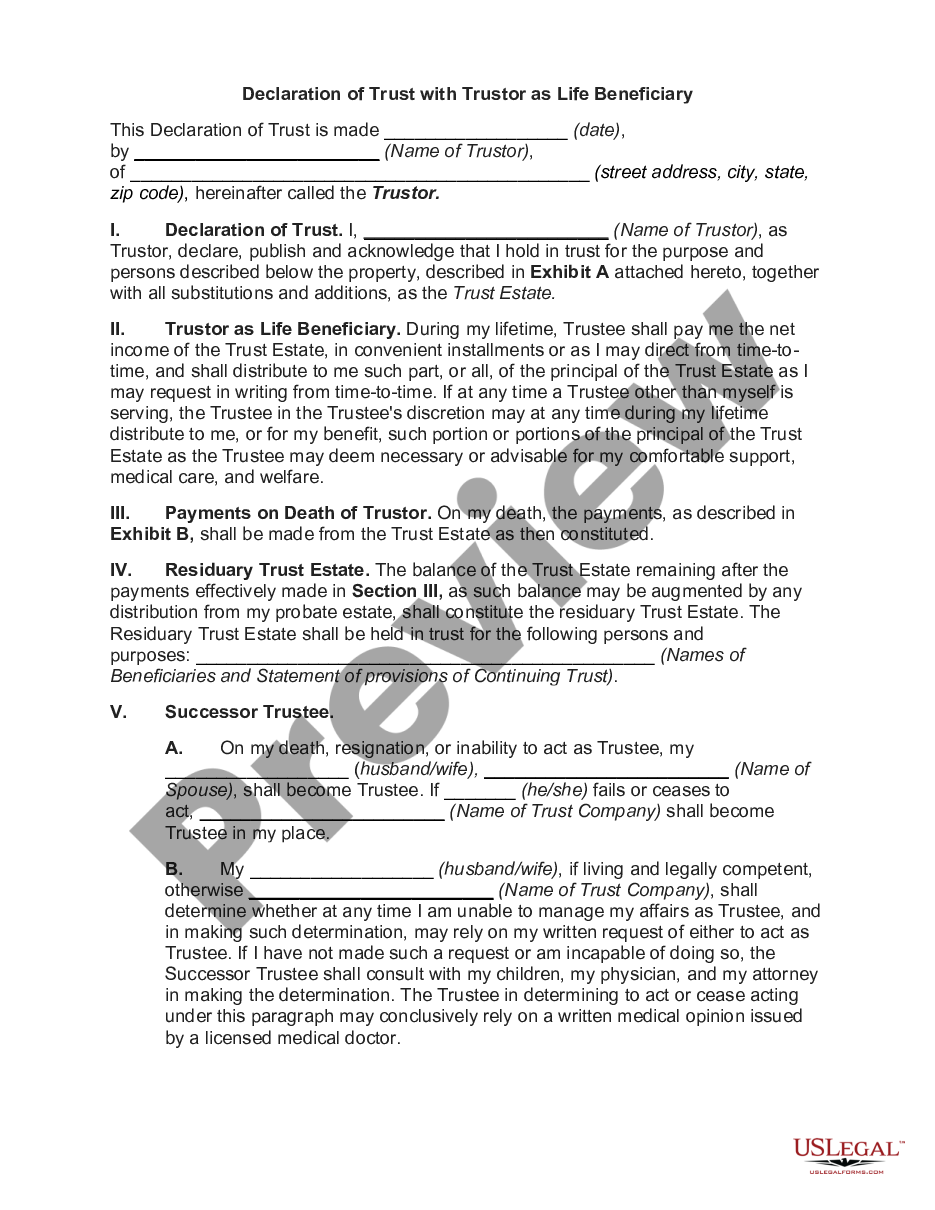
This Living Trust for Individuals Who are Single, Divorced, or a Widow or Widower with No Children is a legal document created to manage your assets during your lifetime and dictate their distribution after your death. Unlike a will, this trust helps avoid probate, allowing for smoother transitions of property ownership. This form is specifically designed for individuals without children, ensuring your wishes regarding asset management and distribution are clearly outlined and legally binding.
What’s included in this form
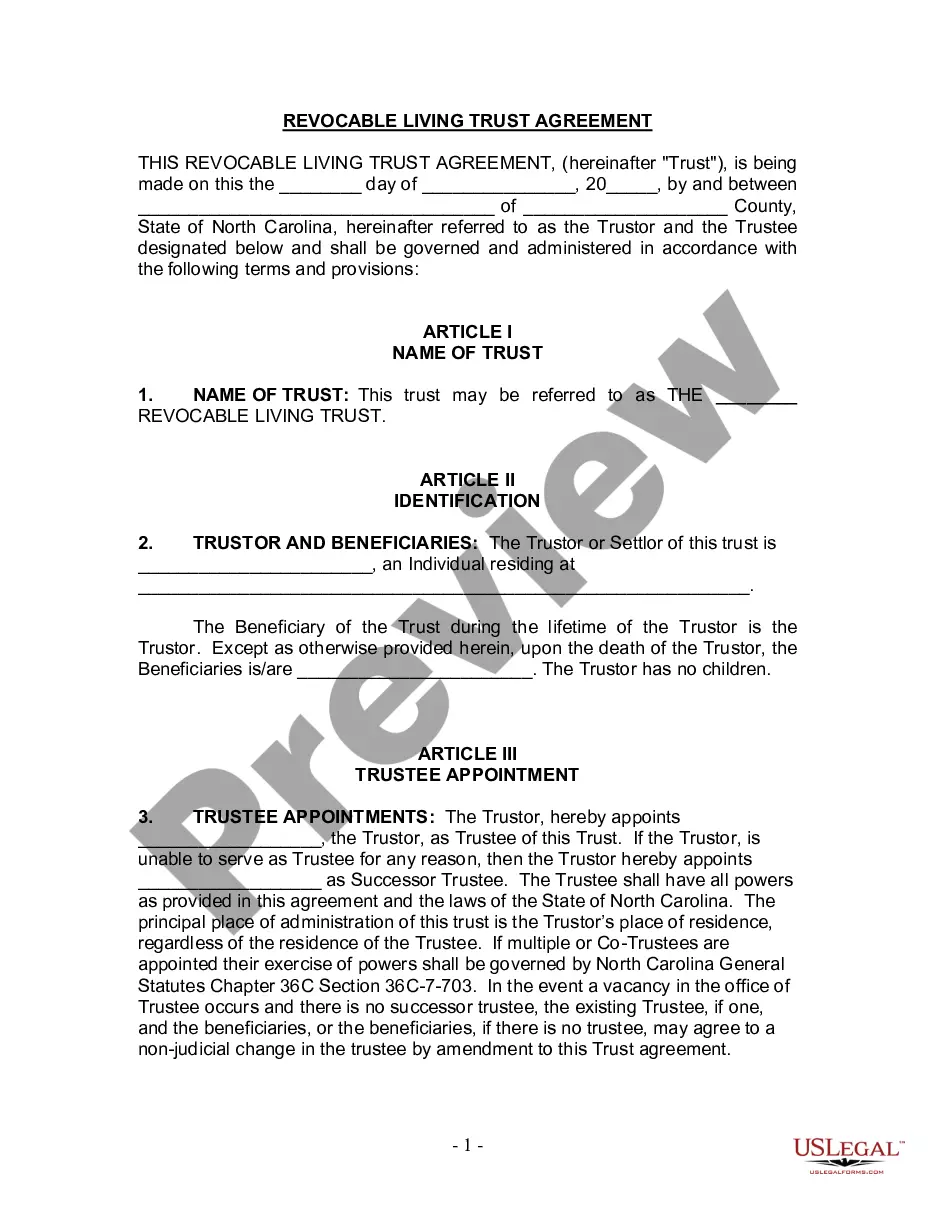
- Name of Trust: Designates the official name of the trust.
- Trustor Identification: Specifies the person creating the trust.
- Trustee Appointment: Names the individual responsible for managing the trust and its assets.
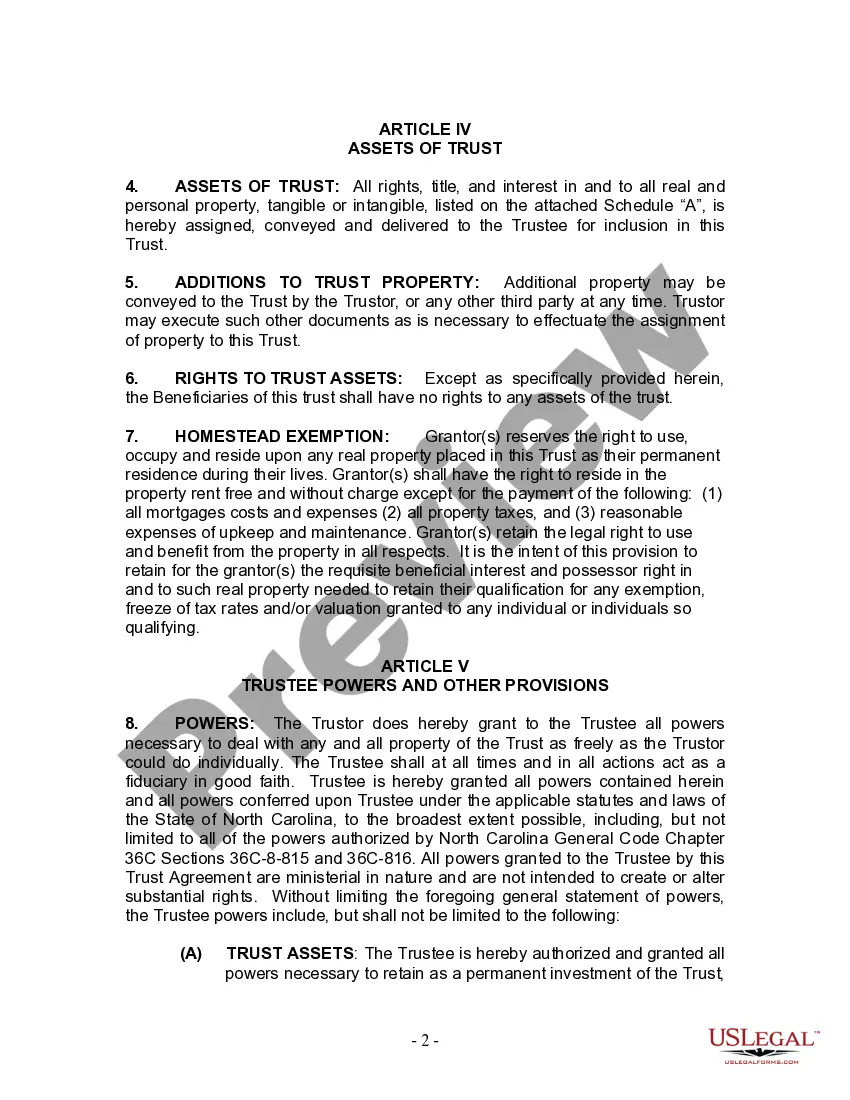
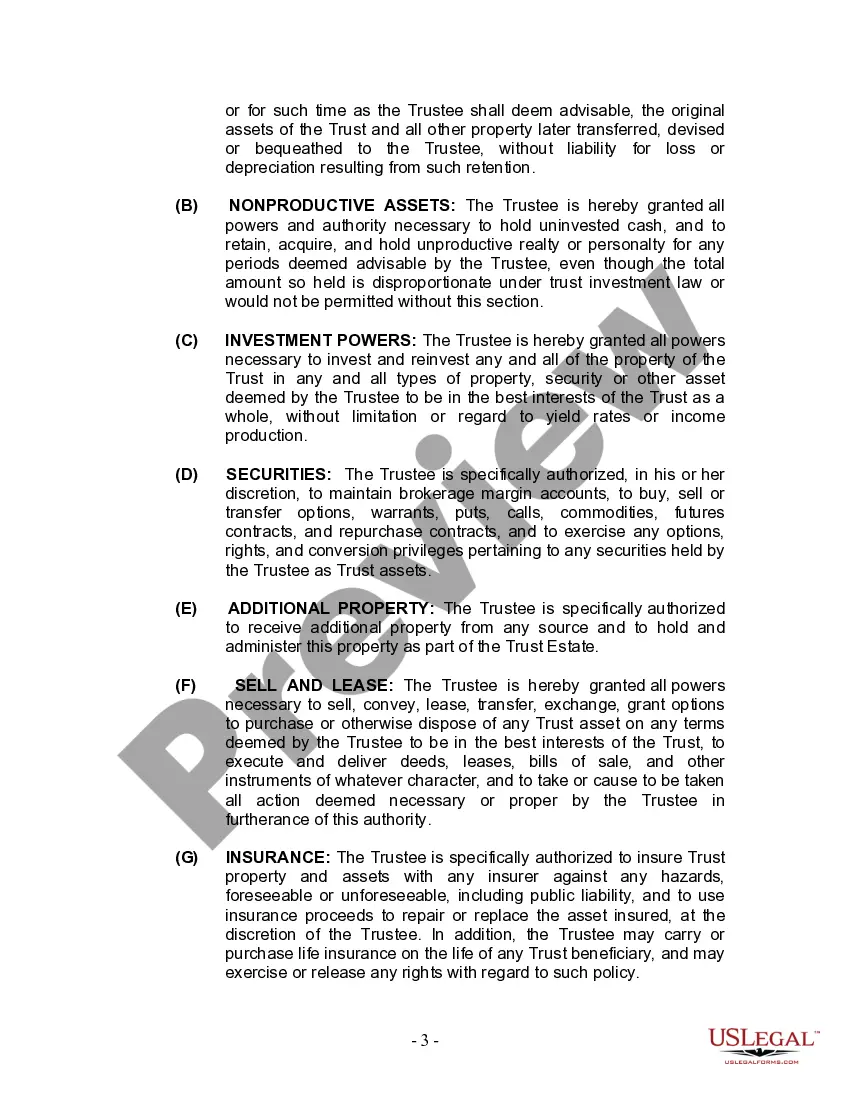
- Assets of Trust: Lists the properties and assets included in the trust.
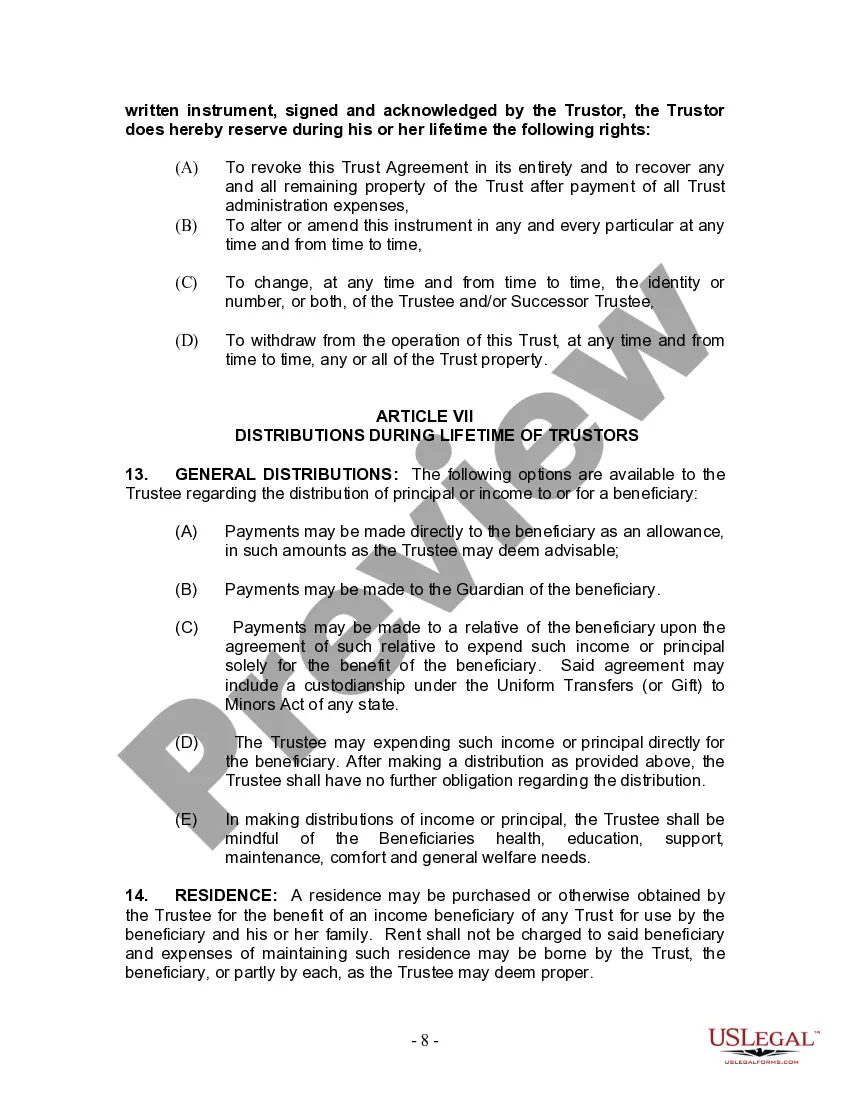
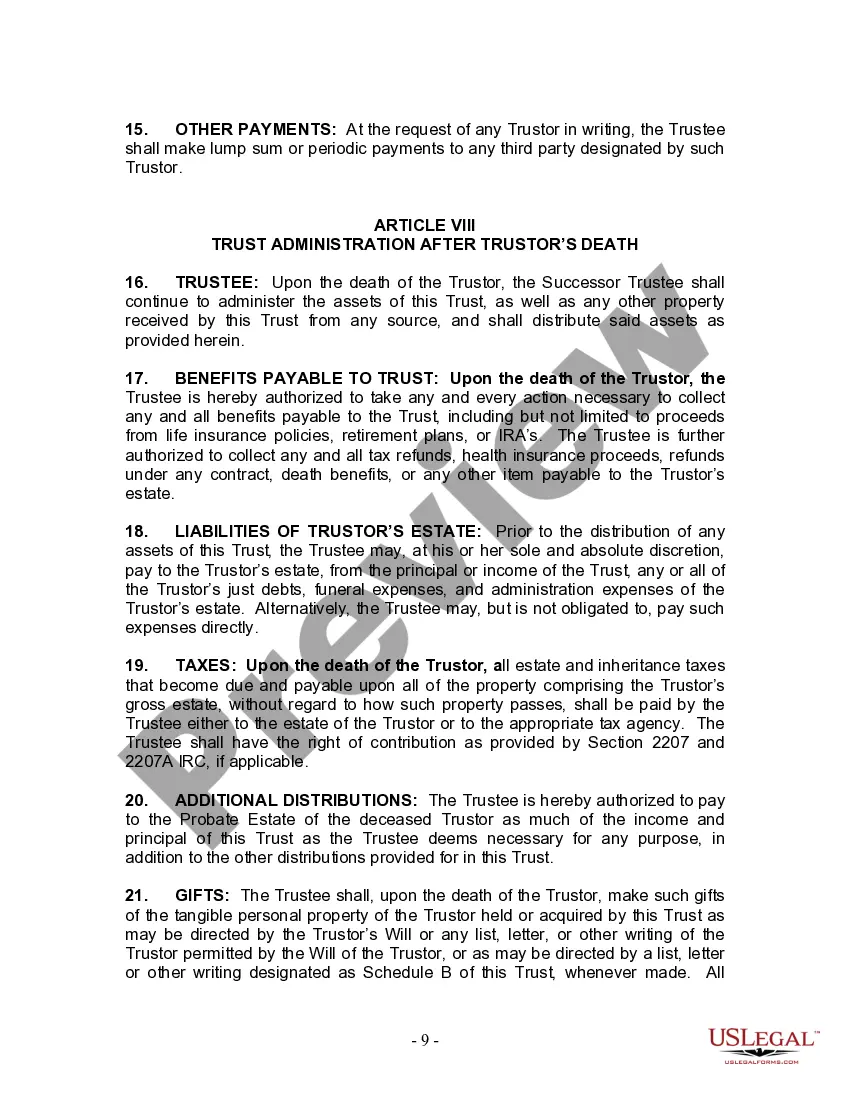
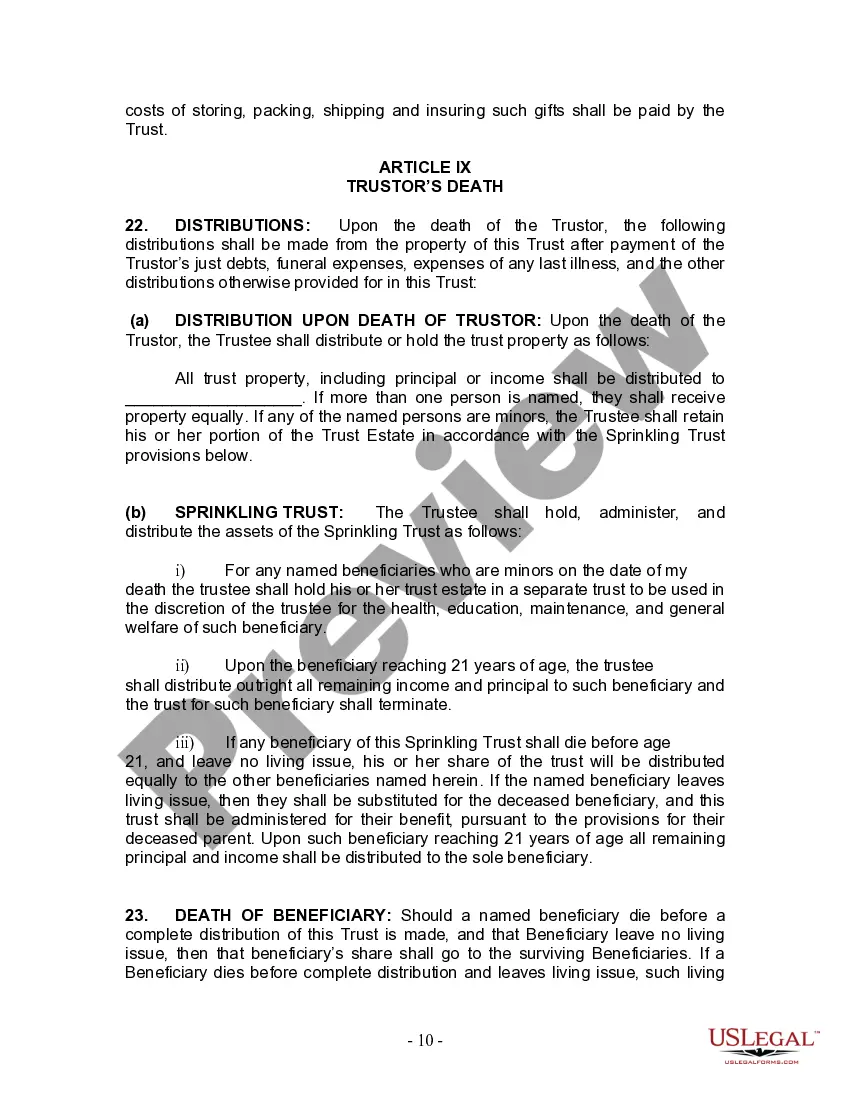
- Distribution Provisions: Outlines how assets will be distributed upon the death of the trustor.




When to use this form
This form is useful when you need to establish a living trust for the management of your assets during your lifetime and to ensure smooth succession after your death. You should consider using this document if you are single, divorced, or widowed, and do not have children. This trust can help you outline specific instructions regarding your assets, minimize the potential for disputes among beneficiaries, and avoid the lengthy probate process.
Who can use this document
- Individuals who are single, divorced, or widowed.
- People with no children seeking to create a comprehensive estate plan.
- Individuals interested in controlling their asset distribution during their lifetime and after death.
- Those wanting to avoid the probate process upon their passing.
Steps to complete this form
- Identify the parties involved: the trustor (you) and the trustee.
- Name the trust clearly in the designated section.
- Provide a complete list of assets you wish to place into the trust.
- Sign and date the document in the presence of a notary public, if required.
- Distribute copies to relevant parties, such as the trustee and beneficiaries.
Notarization requirements for this form
To make this form legally binding, it must be notarized. Our online notarization service, powered by Notarize, lets you verify and sign documents remotely through an encrypted video session.
Get your form ready online
Our built-in tools help you complete, sign, share, and store your documents in one place.
Make edits, fill in missing information, and update formatting in US Legal Forms—just like you would in MS Word.
Download a copy, print it, send it by email, or mail it via USPS—whatever works best for your next step.
Sign and collect signatures with our SignNow integration. Send to multiple recipients, set reminders, and more. Go Premium to unlock E-Sign.
If this form requires notarization, complete it online through a secure video call—no need to meet a notary in person or wait for an appointment.
We protect your documents and personal data by following strict security and privacy standards.

Make edits, fill in missing information, and update formatting in US Legal Forms—just like you would in MS Word.

Download a copy, print it, send it by email, or mail it via USPS—whatever works best for your next step.

Sign and collect signatures with our SignNow integration. Send to multiple recipients, set reminders, and more. Go Premium to unlock E-Sign.

If this form requires notarization, complete it online through a secure video call—no need to meet a notary in person or wait for an appointment.

We protect your documents and personal data by following strict security and privacy standards.
Common mistakes to avoid
- Failing to specify all intended assets for inclusion in the trust.
- Not updating the trust after significant life events, such as marriage or divorce.
- Neglecting to appoint a successor trustee.
- Overlooking the need for a formal notarization or witnessing if required.
Why complete this form online
- Convenience: Fill out the form at your own pace from anywhere.
- Editable: Make adjustments easily as your situation changes.
- Reliable: Created by licensed attorneys to ensure legal compliance.
Summary of main points
- This form establishes a living trust for individuals without children to simplify asset management and transfer.
- The trust takes effect during the trustor's lifetime and avoids the probate process after death.
- Proper completion and notarization are essential for the trust to be legally enforceable.
Looking for another form?
Form popularity
FAQ
How Much Does a Living Trust Cost in California? A common question that people ask when they're considering if a living trust is right for their family is how much it costs. On average, a living trust costs between $1000 and $5000 to put together.
The national average cost for a living trust for an individual is $1,100-1,500 USD. The national average cost for a living trust for a married couple is $1,700-2,500 USD. Part of the reason for this range in prices is the range of services that are available from various estate planning attorneys.
Figure out the type of trust you'll need. Are you single? Take inventory of everything you own. Pick your trustee. Draw up the trust document, either by yourself or with a lawyer. Sign the trust document in front of a notary. Fund the trust this means putting your property into the trust.
Funding a Trust Is Expensive... This is the major drawback to using a revocable living trust for many people, but it's not worth the time, money, and effort to create one if the trust isn't fully funded.
It is true that in some states (such as California) probate administration can be lengthy and expensive. North Carolina is not one of those states. The maximum court cost that can be saved in North Carolina by using a funded living trust is $3,000, and those costs are generally much less in most estates.
A "living trust" (also called an "inter vivos" trust by lawyers who can't give up Latin) is simply a trust you create while you're alive, rather than one that is created at your death under the terms of your will. The beneficiaries you name in your living trust receive the trust property when you die.
Administering a living trust after your death is not cost-free.Living trusts are much more expensive to set up and maintain than a will. Probate can often be avoided without using a living trust, by setting up "payable on death" accounts, making beneficiary designations, holding assets jointly, etc.