North Carolina General Warranty Deed from two Individuals to Husband and Wife
About this form
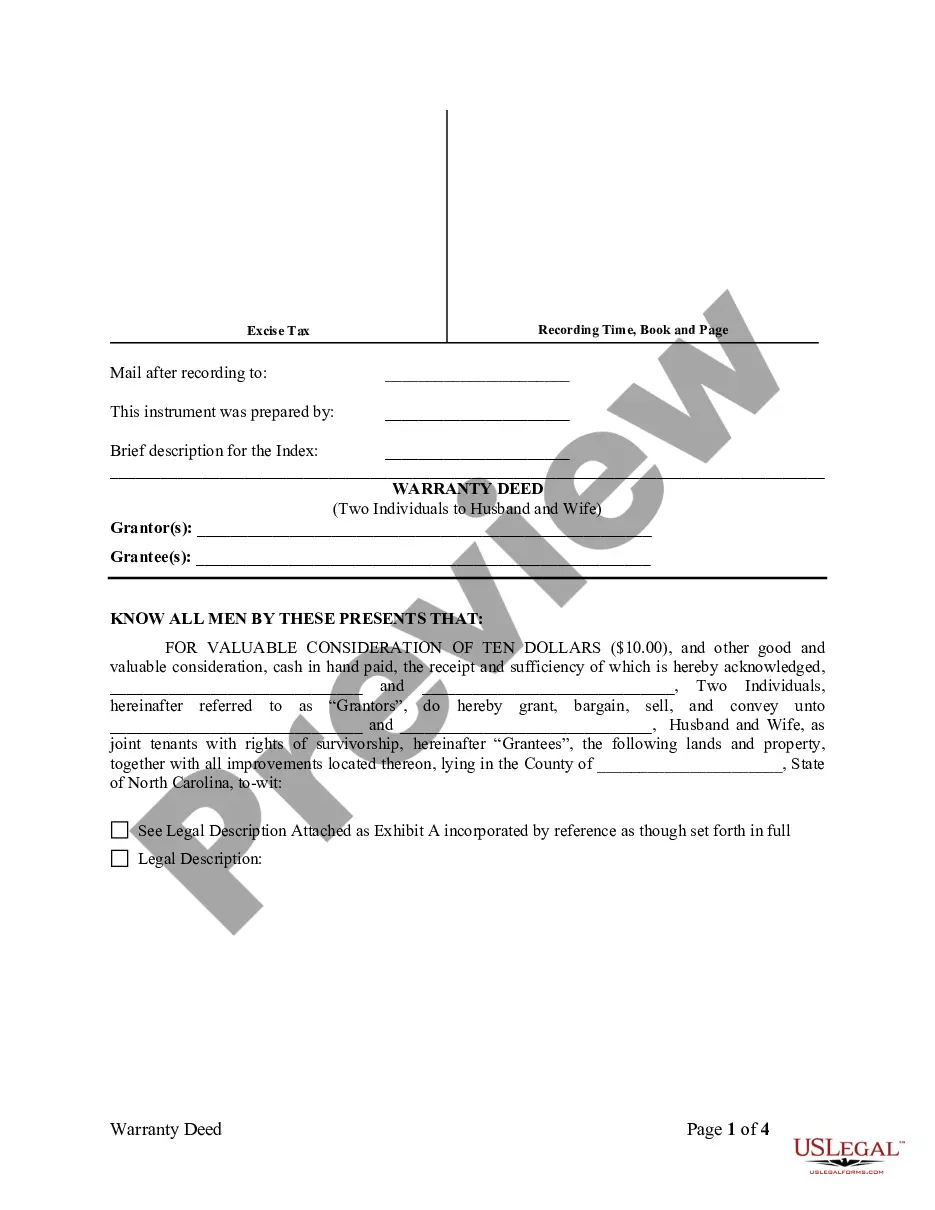
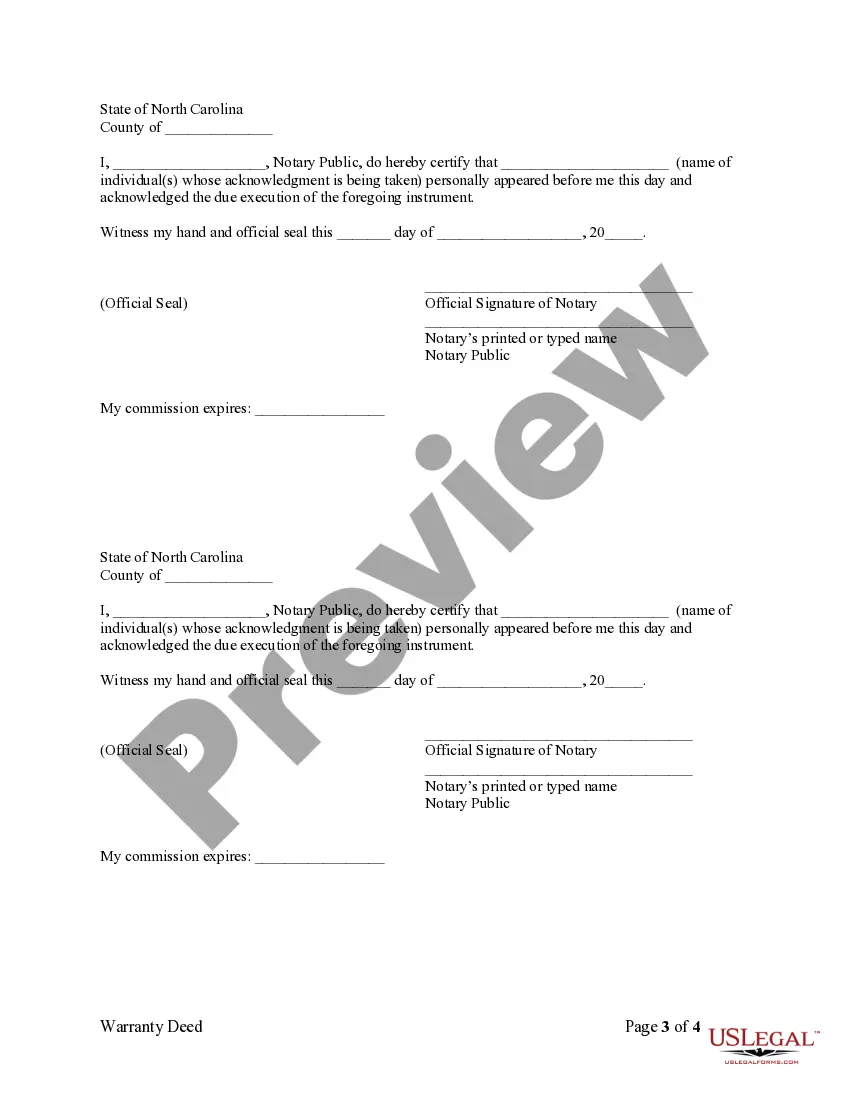
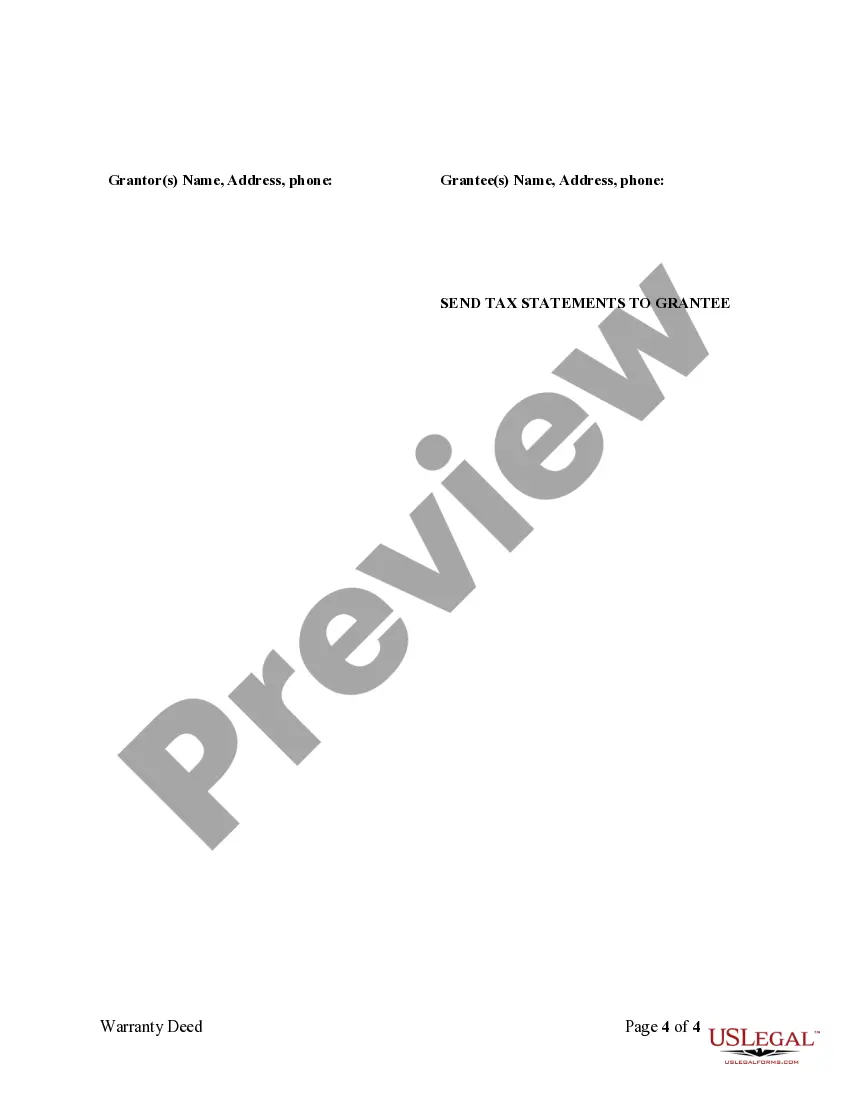
The General Warranty Deed from two Individuals to Husband and Wife is a legal document used to transfer real property ownership. This deed specifically involves two individuals (grantors) conveying property to a married couple (grantees). Unlike other types of deeds, a General Warranty Deed provides the highest level of protection for the grantees, as it includes warranties against any title defects. This form ensures that ownership is transferred without encumbrances, except for specified exclusions.
Main sections of this form
- Grantors: The names of the two individuals transferring the property.
- Grantees: The names of the husband and wife receiving the property.
- Legal description: A detailed description of the property being conveyed, often attached as an exhibit.
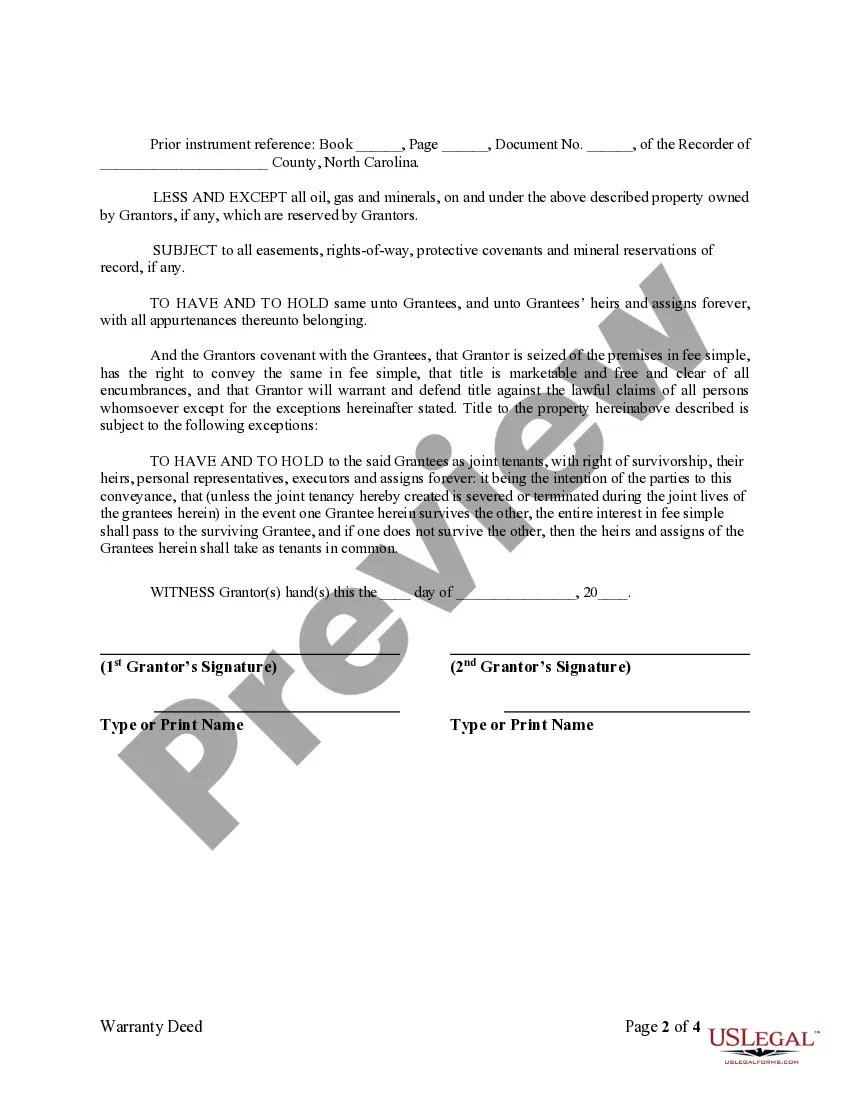
- Rights of survivorship: Specifies how ownership will pass to the surviving spouse in case of death.
- Exceptions: Noted exclusions such as mineral rights or easements that may affect the property.





Common use cases
This form is commonly used in real estate transactions when two individuals wish to transfer property ownership to a husband and wife. It is particularly useful in scenarios such as gifting property, transferring assets during estate planning, or consolidating ownership into a marital structure. This deed should be utilized when the grantors want to ensure the new owners have full rights to the property, including the right of survivorship.
Who needs this form
- Individuals who are transferring real property to a couple.
- Husbands and wives who are receiving property from other individuals.
- Those involved in estate planning or family transfers of property.
- Homeowners looking to consolidate property into marital ownership.
Steps to complete this form
- Identify the grantors and grantees by entering their full names in the appropriate fields.
- Provide a legal description of the property being transferred, referring to the attached Exhibit A.
- Specify any exceptions or reservations regarding the property in the designated section.
- Sign and date the form in the presence of a notary public.
- Ensure that any local recording requirements are completed after the deed is signed.
Does this form need to be notarized?
Notarization is required for this form to take effect. Our online notarization service, powered by Notarize, lets you verify and sign documents remotely through an encrypted video session, available 24/7.
Get your form ready online
Our built-in tools help you complete, sign, share, and store your documents in one place.
Make edits, fill in missing information, and update formatting in US Legal Forms—just like you would in MS Word.
Download a copy, print it, send it by email, or mail it via USPS—whatever works best for your next step.
Sign and collect signatures with our SignNow integration. Send to multiple recipients, set reminders, and more. Go Premium to unlock E-Sign.
If this form requires notarization, complete it online through a secure video call—no need to meet a notary in person or wait for an appointment.
We protect your documents and personal data by following strict security and privacy standards.

Make edits, fill in missing information, and update formatting in US Legal Forms—just like you would in MS Word.

Download a copy, print it, send it by email, or mail it via USPS—whatever works best for your next step.

Sign and collect signatures with our SignNow integration. Send to multiple recipients, set reminders, and more. Go Premium to unlock E-Sign.

If this form requires notarization, complete it online through a secure video call—no need to meet a notary in person or wait for an appointment.

We protect your documents and personal data by following strict security and privacy standards.
Common mistakes
- Failing to include the complete legal description of the property.
- Not specifying exceptions or reservations clearly.
- Inaccurate names or incorrect spellings of grantors and grantees.
- Omitting signatures or the date from the document.
- Not having the form notarized when required by local law.
Why complete this form online
- Convenience of downloading the form at any time without the need for a physical visit.
- Editability allows users to customize the document to fit their specific situation.
- Access to templates drafted by licensed attorneys ensures legal compliance.
- Quick access to state-specific versions simplifies the process for users.
Looking for another form?
Form popularity
FAQ
It's important to note that a warranty deed does not actually prove the grantor has ownership (a title search is the best way to prove that), but it is a promise by the grantor that they are transferring ownership and if it turns out they don't actually own the property, the grantor will be responsible for compensating
The answer is yes. Parties to a transaction are always free to prepare their own deeds. If you do so, be sure your deed measures up to your state's legal regulations, to help avert any legal challenge to the deed later.
The North Carolina general warranty deed is used to transfer property in North Carolina from one person to another legally.In other words, the seller is liable to the buyer if the buyer finds out there was an undisclosed claim against the property.
A Survivorship Deed transfers residential or commercial property from one property owner (the grantor) to another (the grantee) while allowing them to avoid going through probate when they (the grantor) passes away. The parties transferring property in a Survivorship Deed must have full ownership of the property.
A married person buying property individually The owner needs to sign, but their spouse may not be required to sign documents at closing. North Carolina has a specific statute allowing a married buyer of real estate to sign their purchase-money Deed of Trust without requiring the signature of the buyer's spouse.
General Warranty Deed (with Survivorship Rights) Couples who hold title to property as unmarried, but wish to have Survivorship Rights. Each party has a full ownership interest in the property. The property will pass instantly to the survivor upon the death of the other without probate.
A warranty deed is a document often used in real estate that provides the greatest amount of protection to the purchaser of a property. It pledges or warrants that the owner owns the property free and clear of any outstanding liens, mortgages, or other encumbrances against it.
A warranty deed, also known as a general warranty deed, is a legal real estate document between the seller (grantor) and the buyer (grantee). The deed protects the buyer by pledging that the seller holds clear title to the property and there are no encumbrances, outstanding liens, or mortgages against it.
With a Survivorship Deed in place, when one of the parties in a joint tenancy dies, the other party (or parties) takes over the deceased party's interest in the property instead of it passing to the deceased's heirs or beneficiaries.