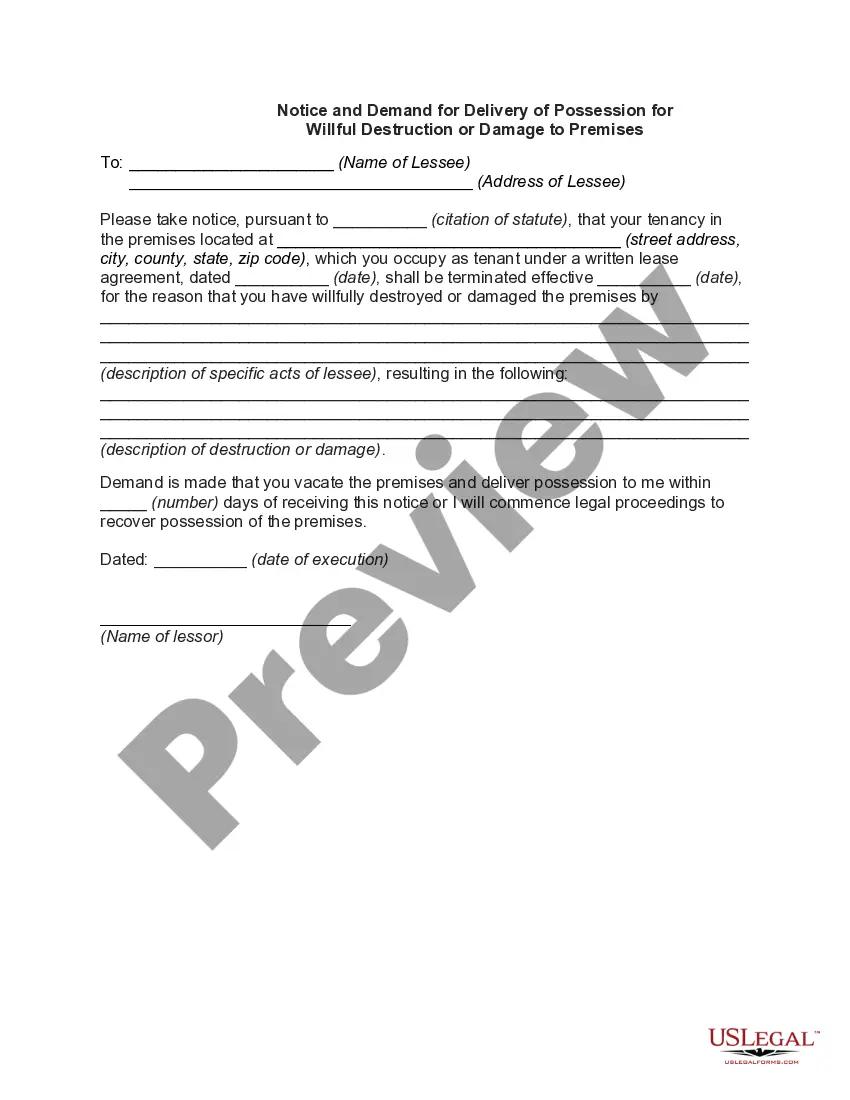
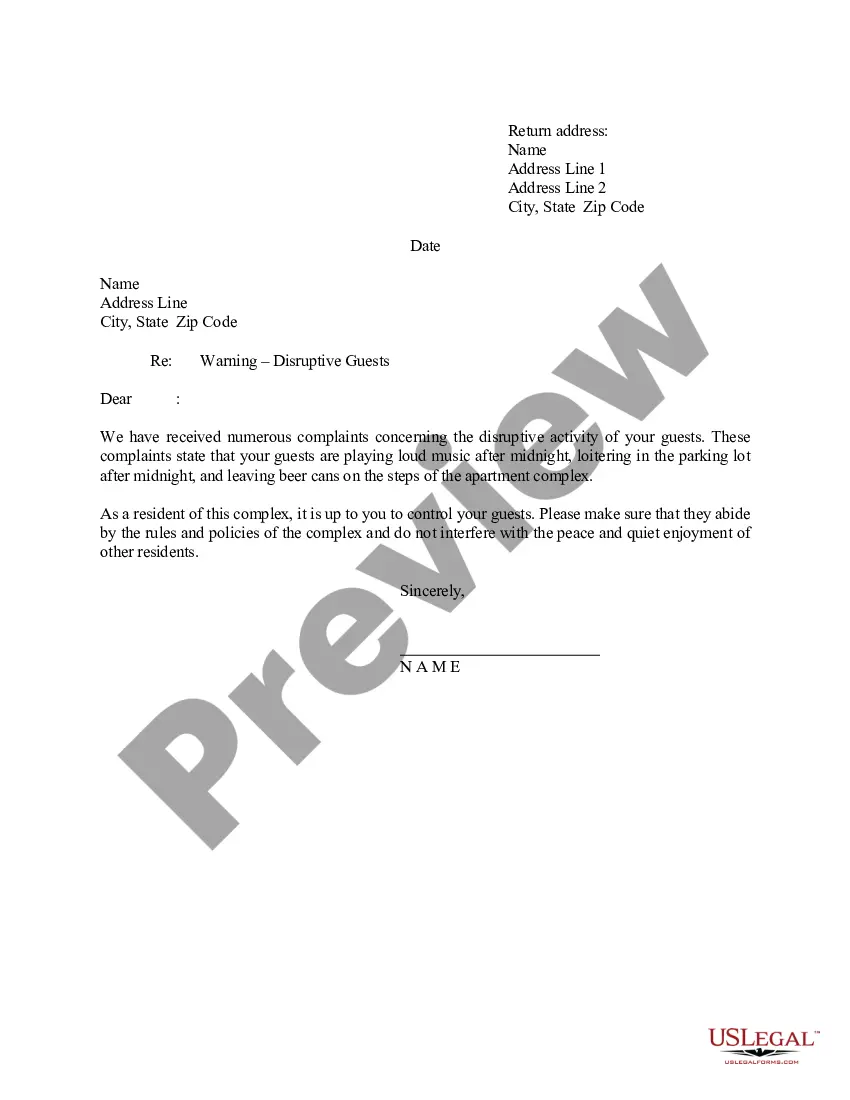
Mississippi Letter from Landlord to Tenant where Tenant Complaint was caused by the deliberate or negligent act of Tenant or Tenant's guest
Understanding this form
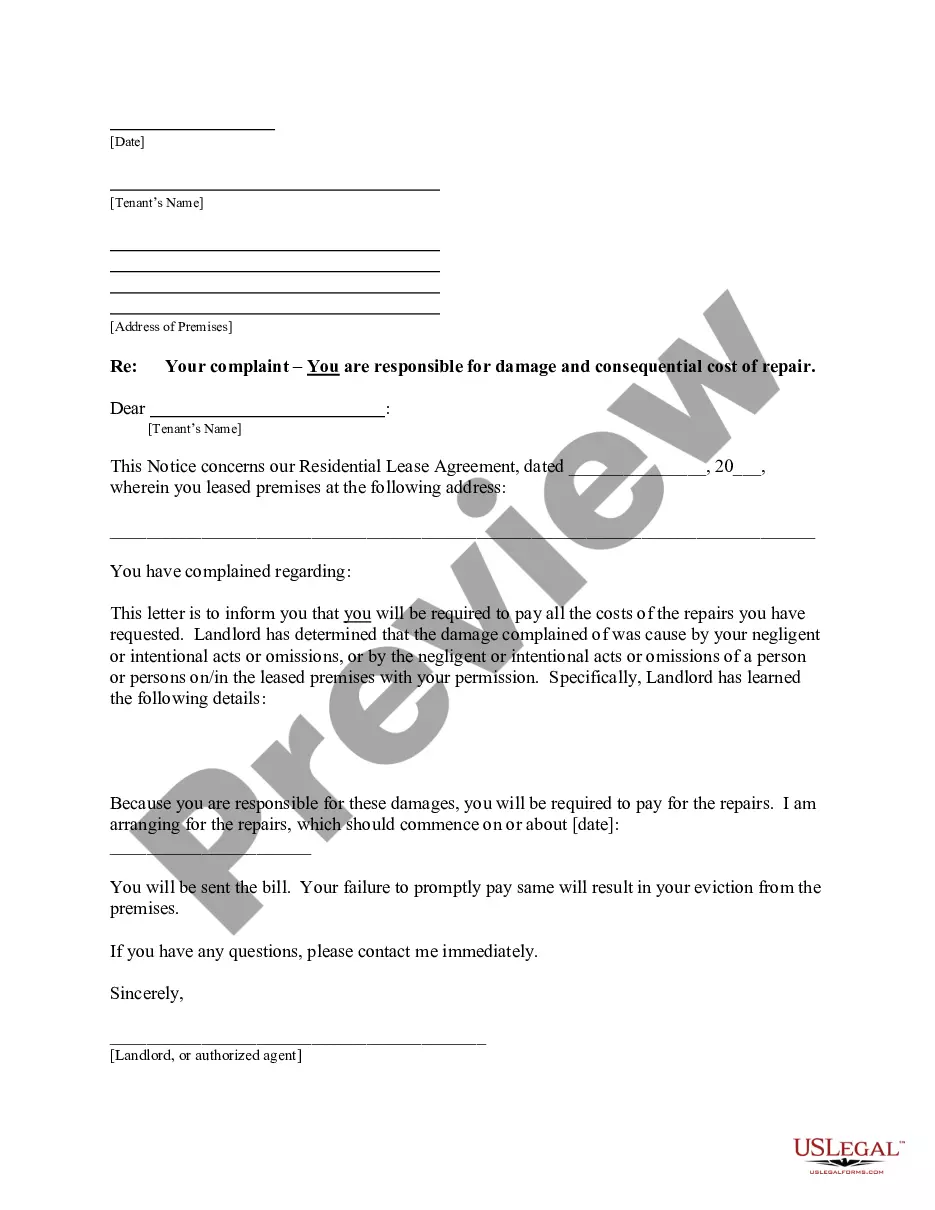
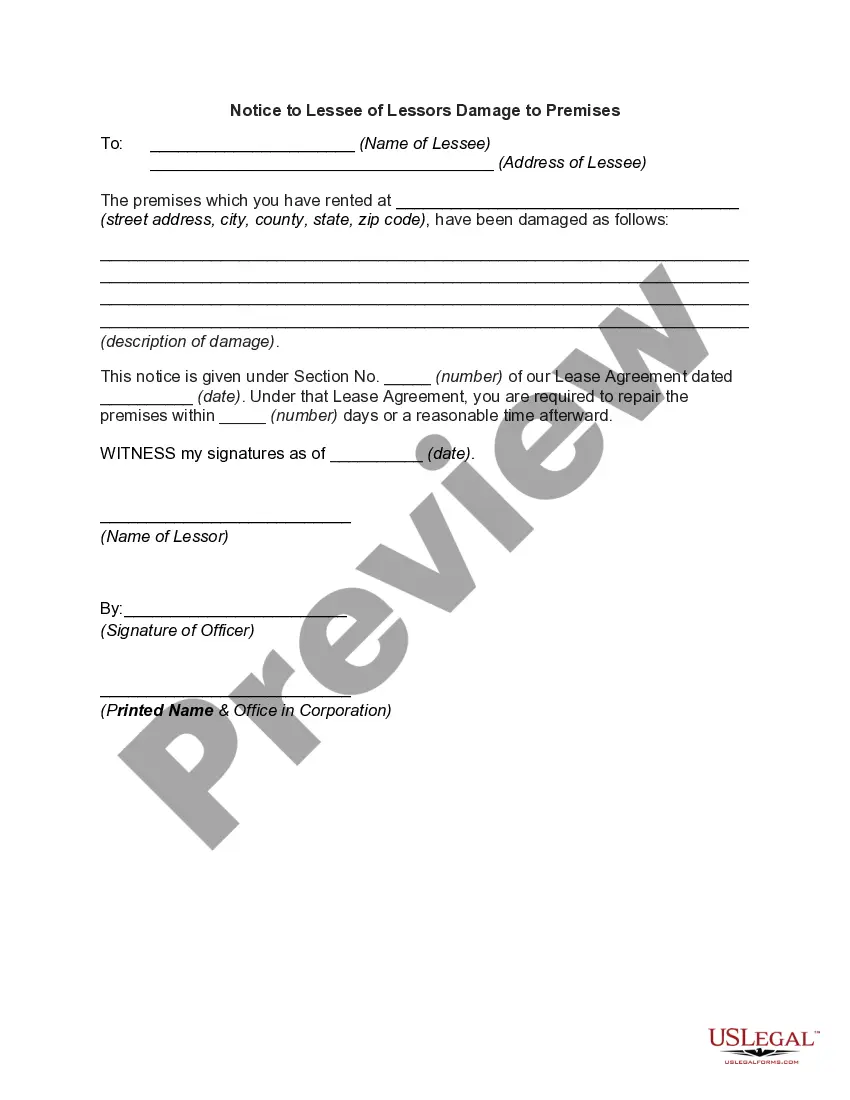
This letter from the landlord to the tenant serves to address a tenant's request for repairs. It is specifically used when the landlord determines that the damage was caused by the negligent or deliberate actions of the tenant or the tenant's guest. This form is important as it clarifies the responsibilities regarding repair costs and helps manage expectations about repairs in a rental situation, differing from general repair request forms that do not specify fault.
What’s included in this form
- Identification of the landlord and tenant.
- Description of the damages and repairs requested.
- Explanation of the cause of the damage related to the tenantâs actions.
- Statement on the landlord's decision regarding payment for repairs.
- Instructions for the tenant to contact the landlord with questions.
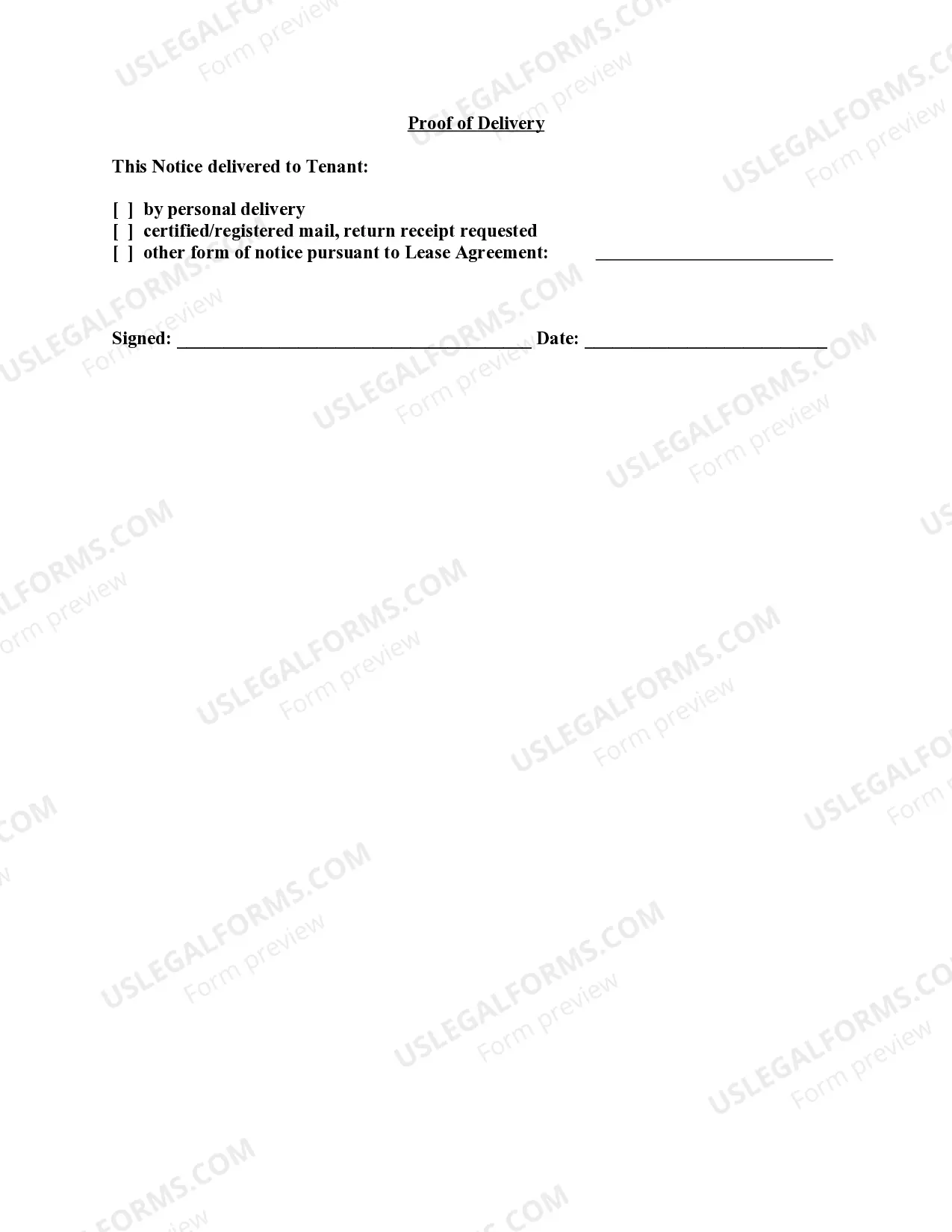
- Proof of delivery method for the notice to the tenant.


When to use this form
This form should be used when a landlord needs to officially inform a tenant that their request for repair coverage will not be honored due to damage caused by their own negligence or intentional actions. Typical scenarios include damage resulting from a tenantâs careless behavior or actions taken by guests for whom they are responsible.
Who can use this document
- Landlords seeking to respond formally to repair requests from tenants.
- Property management professionals who need to address tenant-related damages.
- Real estate attorneys advising landlords on tenant matters.
How to complete this form
- Identify and enter the names of both the landlord and tenant at the top of the document.
- Clearly describe the nature of the damage and the requested repairs from the tenant.
- Explain the reasons for the landlord's determination that the damage was caused by the tenant or their guest.
- Sign and date the letter to ensure proper documentation.
- Choose the method of delivery and record the proof of delivery method used to inform the tenant.
Notarization requirements for this form
This form does not typically require notarization unless specified by local law. Always check local regulations to confirm any notarization requirements for tenant-related communications.
Get your form ready online
Our built-in tools help you complete, sign, share, and store your documents in one place.
Make edits, fill in missing information, and update formatting in US Legal Forms—just like you would in MS Word.
Download a copy, print it, send it by email, or mail it via USPS—whatever works best for your next step.
Sign and collect signatures with our SignNow integration. Send to multiple recipients, set reminders, and more. Go Premium to unlock E-Sign.
If this form requires notarization, complete it online through a secure video call—no need to meet a notary in person or wait for an appointment.
We protect your documents and personal data by following strict security and privacy standards.

Make edits, fill in missing information, and update formatting in US Legal Forms—just like you would in MS Word.

Download a copy, print it, send it by email, or mail it via USPS—whatever works best for your next step.

Sign and collect signatures with our SignNow integration. Send to multiple recipients, set reminders, and more. Go Premium to unlock E-Sign.

If this form requires notarization, complete it online through a secure video call—no need to meet a notary in person or wait for an appointment.

We protect your documents and personal data by following strict security and privacy standards.
Common mistakes to avoid
- Failing to clearly state the reason for denial of repair costs.
- Not providing sufficient details about the damage.
- Ignoring the appropriate delivery method for official correspondence.
- Neglecting to sign the letter, which can make it less effective.
Why complete this form online
- Quick and easy access to legal documentation without the need for physical paperwork.
- Editable templates allow landlords to customize forms to fit specific situations.
- Reliability of forms prepared by licensed attorneys to ensure compliance with current laws.
Legal use & context
- This form serves as a legal notice to the tenant regarding their responsibilities, ensuring clarity in rental agreements.
- It helps create an official record that can be referenced in case of future disputes or legal proceedings.
What to keep in mind
- This letter clarifies the landlord's position regarding repair costs resulting from tenant actions.
- Using a formal notice is essential for maintaining clear communication and legal protection.
- Understanding the differences in responsibilities can help prevent future conflicts between landlords and tenants.
Looking for another form?
Form popularity
FAQ
State that you will be making a complaint. Explain why you are making a complaint and make sure to add your account of the event and other supporting facts. Let the management know what steps you wish to be made to address your complaint. End on a positive tone.
In the majority of the cases above, the landlord's responsibility is to their own tenant, but there are some instances where you might be held legally accountable.Future tenants could find that they are unwelcome when they move into your property, and keeping the neighbours onside is always a good idea.
Explain that you are making a complaint. Relate what the complaint is actually about and make sure to include the specific details about the complaint, especially an account of the event. Inform the management of what you wish to be done regarding the complaint that you are making. End on a positive tone.
Respectfully state that you are making a complaint. Explain the reason behind you making the complaint, making sure to put in the various reasons why you are making the complaint. Relate to the reader what you wish to be done about your complaint. End on a positive tone.
Report the anti social behaviour If you know your neighbour is renting and who from, talk to their landlord first - this might be a private landlord, housing association or the council. If that doesn't sort out the problem you can go to the council if you haven't already talked to them.
Sample Noise Complaint Letter Dear Landlord/Manager's Name, I am writing to formally request your help in dealing with an ongoing issue with my neighbor. I have lived in your apartment number or address for the last three years and have greatly enjoyed my experience in this building.