Mississippi Designation of Expert Witnesses
Description
Key Concepts & Definitions
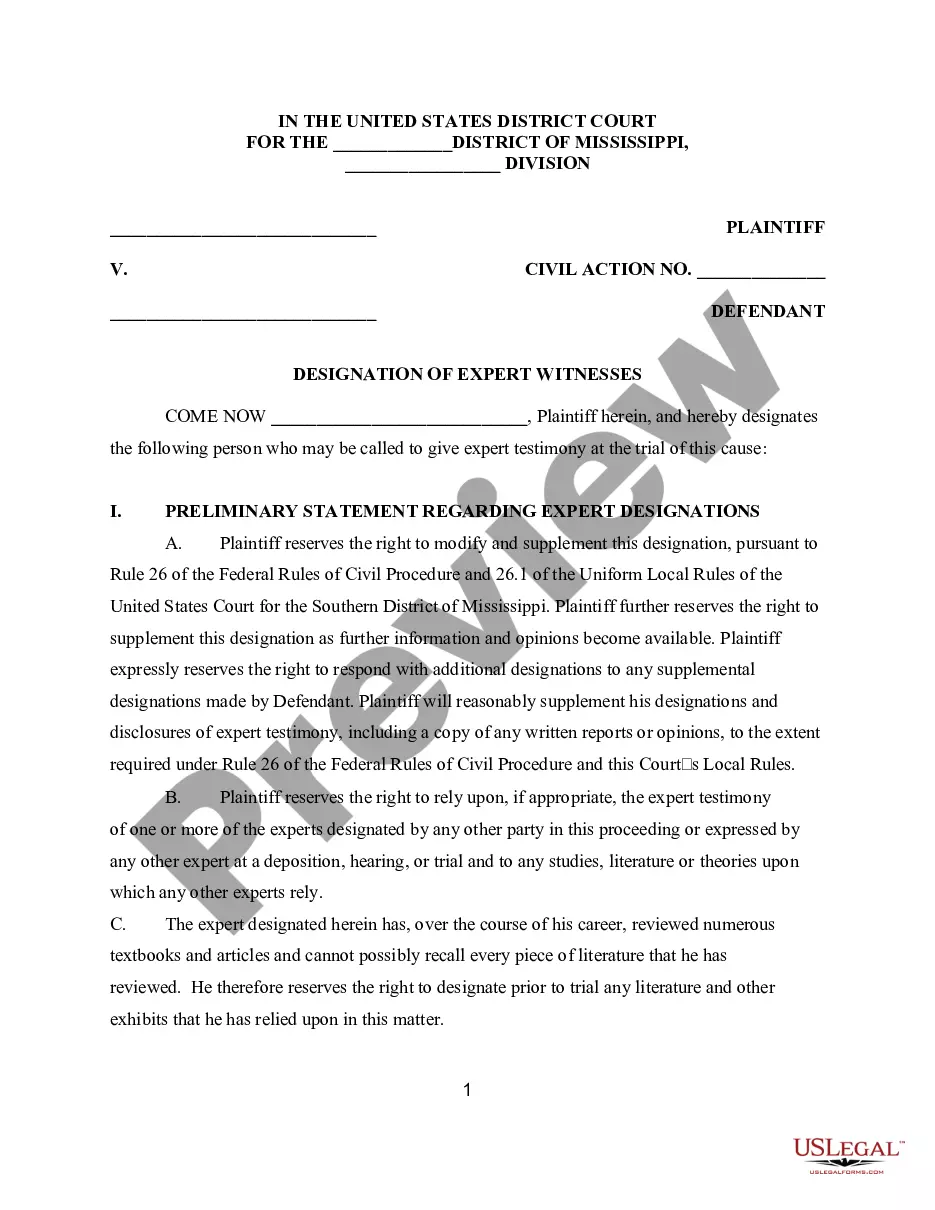
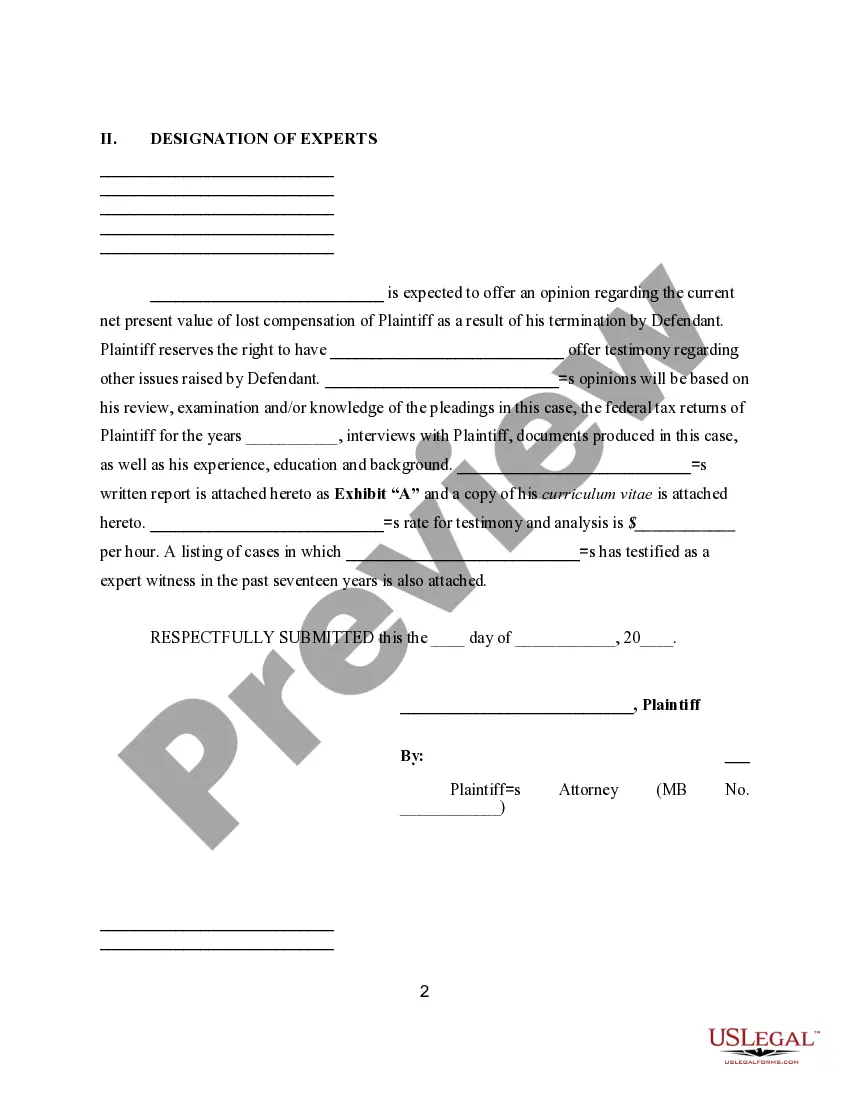
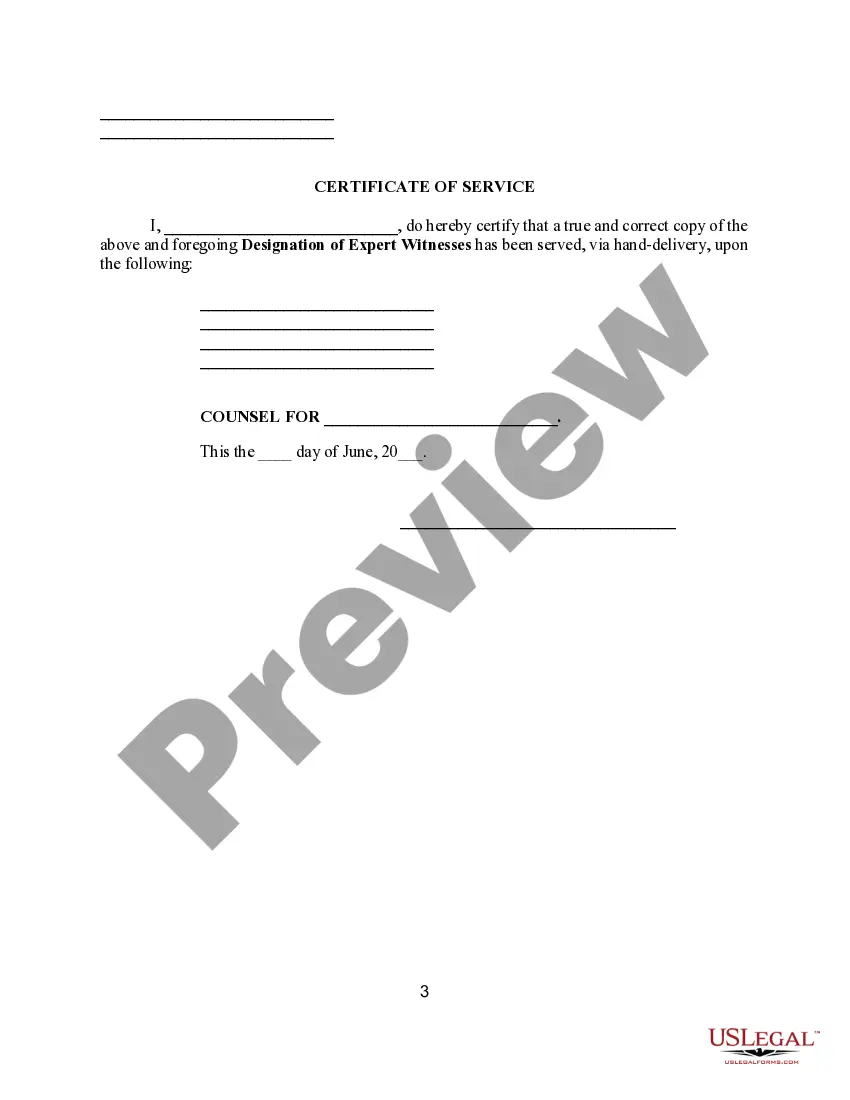
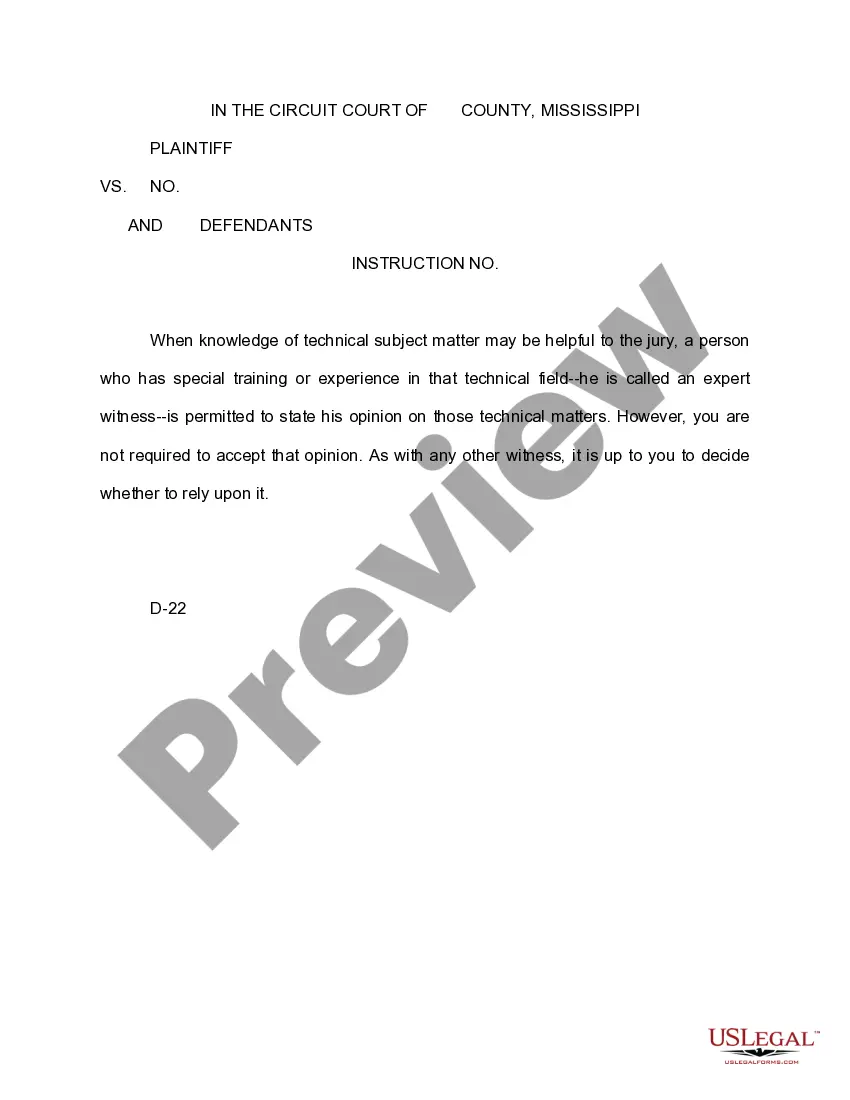
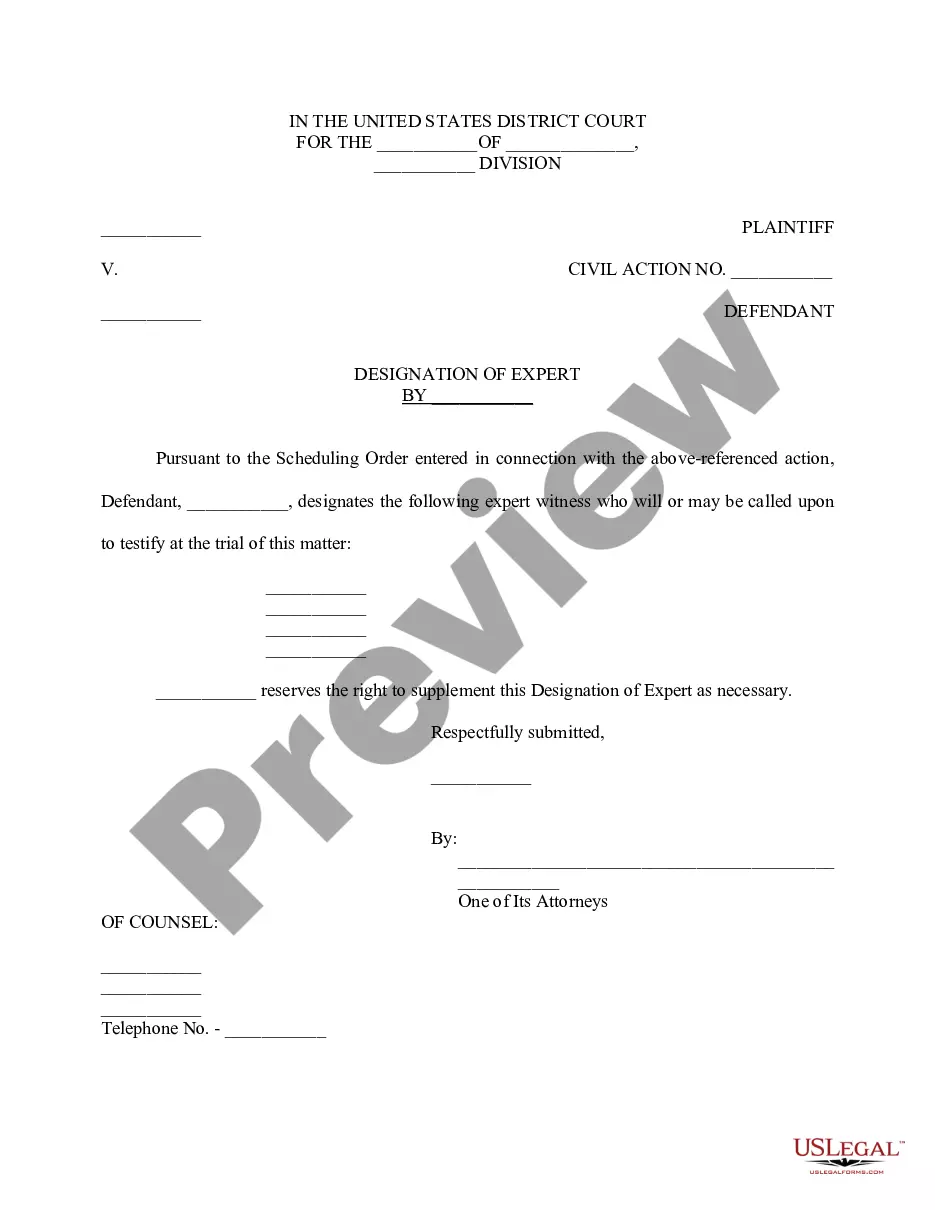
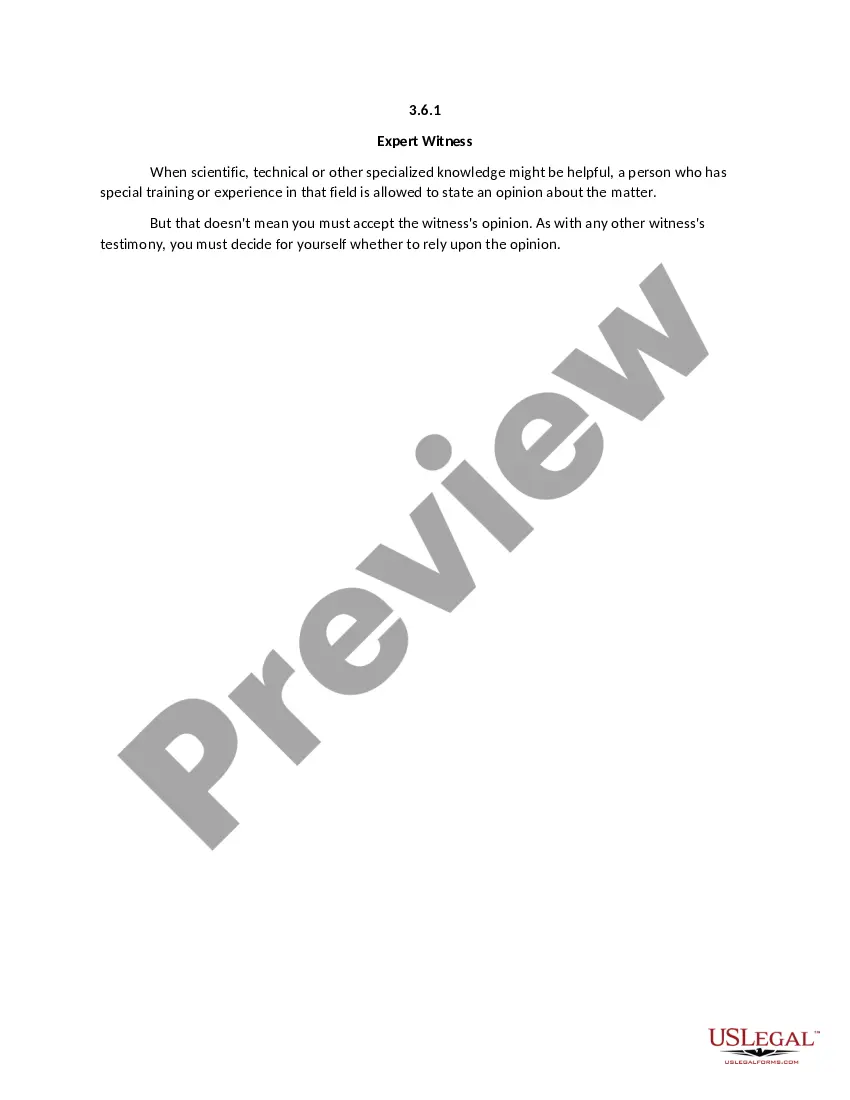
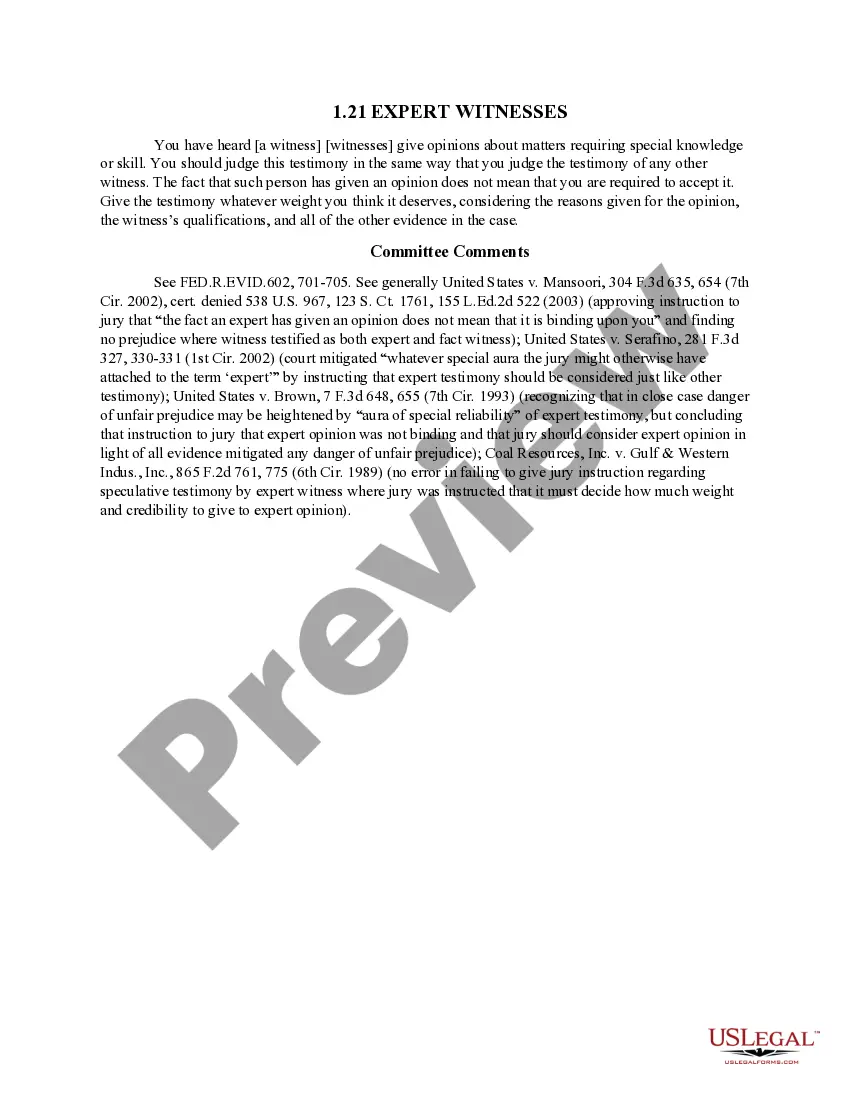
Designation of expert witnesses refers to the formal process in legal proceedings within the United States whereby parties identify and appoint expert witnesses. These experts provide specialized knowledge in various fields such as medicine, engineering, financial services, and more to assist judges and juries in understanding complex issues relevant to a case.
Step-by-Step Guide on Designating Expert Witnesses
- Identify the Need for an Expert: Assess your case to determine the areas where expert testimony could be crucial.
- Select the Right Expert: Choose an expert with the required qualifications and, ideally, with courtroom experience.
- Draft and File a Designation Statement: Officially document and submit your expert witness list to the court and opposing counsel, adhering to jurisdictional deadlines and rules.
- Prepare Your Expert: Ensure that your expert is fully briefed on the case, including the legal issues and facts, and is prepared to provide a clear, concise, and well-substantiated testimony.
Risk Analysis
- Challenge of Qualifications: Opposing counsel may challenge your expert's qualifications leading to potential disqualification.
- Variability in Expert Testimony: Inconsistency in testimony or a poorly prepared witness can undermine the credibility of the case.
- High Costs: Employing expert witnesses can be expensive, influencing the financial dynamics of pursuing a case.
Best Practices for Designating Expert Witnesses
Opt for experts with not only the right credentials but also experience in legal settings. Prepare a robust and detailed designation report, and engage in thorough pre-trial preparations with your expert to anticipate and address potential challenges.
Common Mistakes & How to Avoid Them
- Improper Vetting: Ensure comprehensive vetting of an expert's background and credentials to avoid objections.
- Lack of Preparation: Provide detailed, case-specific orientation to avoid ineffective testimonies.
- Filing Errors: Adhere to all local legal procedural rules for timely and correctly formatted submissions.
FAQ
- What is an expert witness? An individual with specialized knowledge or expertise called upon to provide testimony in legal proceedings.
- Can any expert be a witness in court? Experts must have recognized qualifications in their field and must be accepted by the court.
- How crucial is the timing of an expert witness designation? Timely designation is critical as failure to adhere to deadlines can result in the disqualification of the witness.
How to fill out Mississippi Designation Of Expert Witnesses?
Obtain a downloadable Mississippi Designation of Expert Witnesses with just a few clicks in the most comprehensive collection of legal electronic files.
Locate, acquire, and print professionally created and certified samples on the US Legal Forms platform. US Legal Forms has been the leading provider of affordable legal and tax documents for US citizens and residents online since 1997.
After downloading your Mississippi Designation of Expert Witnesses, you can fill it out in any online editor or print it and complete it manually. Utilize US Legal Forms to access 85,000 expertly drafted, state-specific documents.
- Customers with an existing subscription must Log In to their US Legal Forms account, download the Mississippi Designation of Expert Witnesses, and find it stored in the My documents section.
- Users without a subscription must adhere to the following steps.
- Ensure your document complies with your state's specifications.
- If applicable, browse through the form's description for further information.
- If available, examine the form for additional content.
- When confident the template meets your needs, click on Buy Now.
- Create a personal account.
- Choose a subscription plan.
- Pay via PayPal or credit card.
- Download the document in Word or PDF format.
Form popularity
FAQ
In the federal courts, judges determine the credibility of expert witnesses in a pre-trial Daubert hearing. See Daubert v. Merrell Dow Pharmaceuticals, 509 U.S. 579 (1993). In considering witnesses' qualifications, judges may consider information that is not admissible as evidence.
An expert witness testifies voluntarily by agreement with one of the parties or the court. Unlike a fact witness, an expert is entitled to compensation for participation in the case. A key distinction between a fact witness and an expert witness is that an expert witness may provide an opinion.
A person who has seen the person writing or signing. This is mentioned under section 6o of the act. When the court himself compares the document in question with any other document which is proved genuine in the court.
Essentially, expert evidence is opinion evidence or, the opinion of the expert. The primary function of the expert witness is to assist the court in reaching its decision by providing independent expert/technical analysis and opinion on an issue(s), based on the information provided by those instructing him.
The witness must be competent in the subject matter. They may be qualified through knowledge, skill, practical experience, train- ing, education, or a combination of these factors. Minimally, the expert witness must know underlying methodology and procedures employed and relied upon as a basis for the opinion.
Expert witnesses play an essential role in most complex commercial litigation, providing critical testimony to link the testimony of lay fact witnesses with causation or liability. For that reason, expert witnesses are a critical part of your trial team necessary to make your case.
California courts are currently divided on how to designate retained experts versus non-retained experts.A representation that the expert agrees to testify at trial. A statement that the expert is familiar with the case and will give a meaningful deposition about their testimony, opinions and basis for those opinions.
Expert witnesses are important to many cases. They help jurors understand complex and nuanced information, they provide a sense of objectivity and credibility, and they integrate with the legal team to enhance the strength of the entire case.
According to Federal Rule of Evidence 702, expert witnesses must have knowledge, skill, experience, training, or education which will help the trier of fact to understand the evidence or to determine a fact in issue. This is a very broad standard.