Expert Witnesses
What this document covers
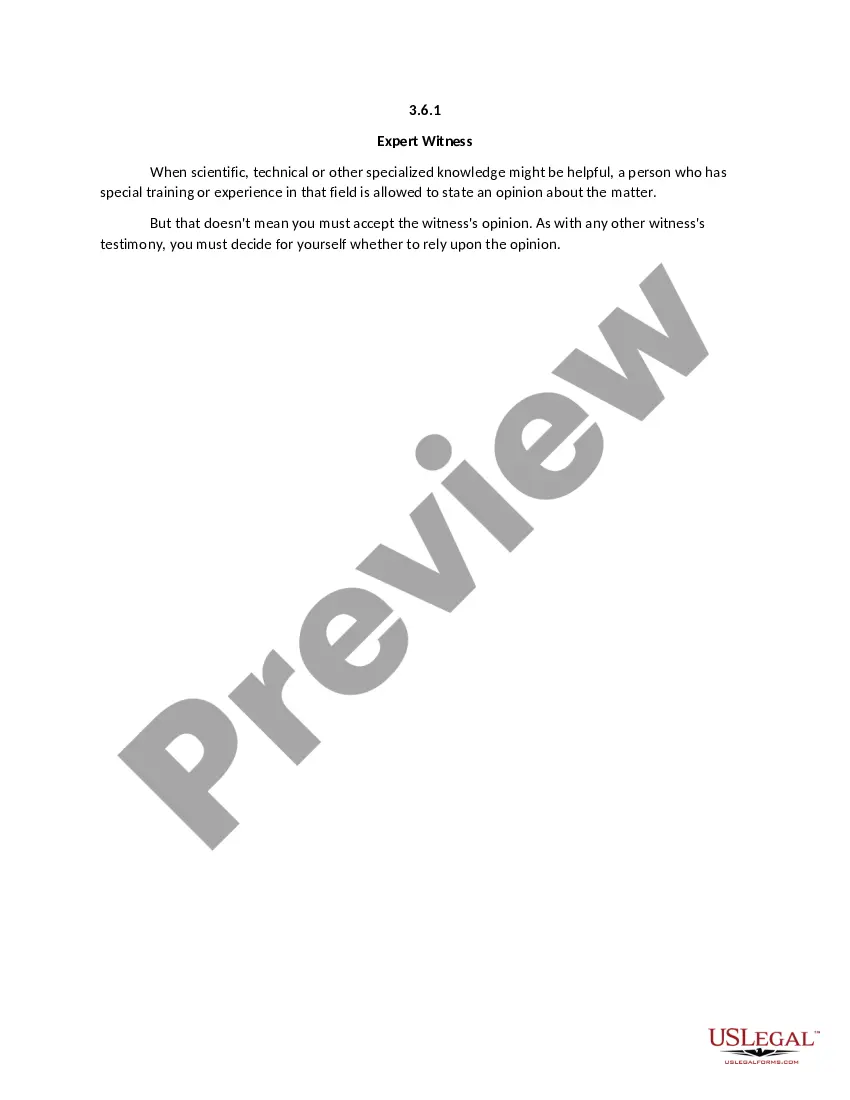
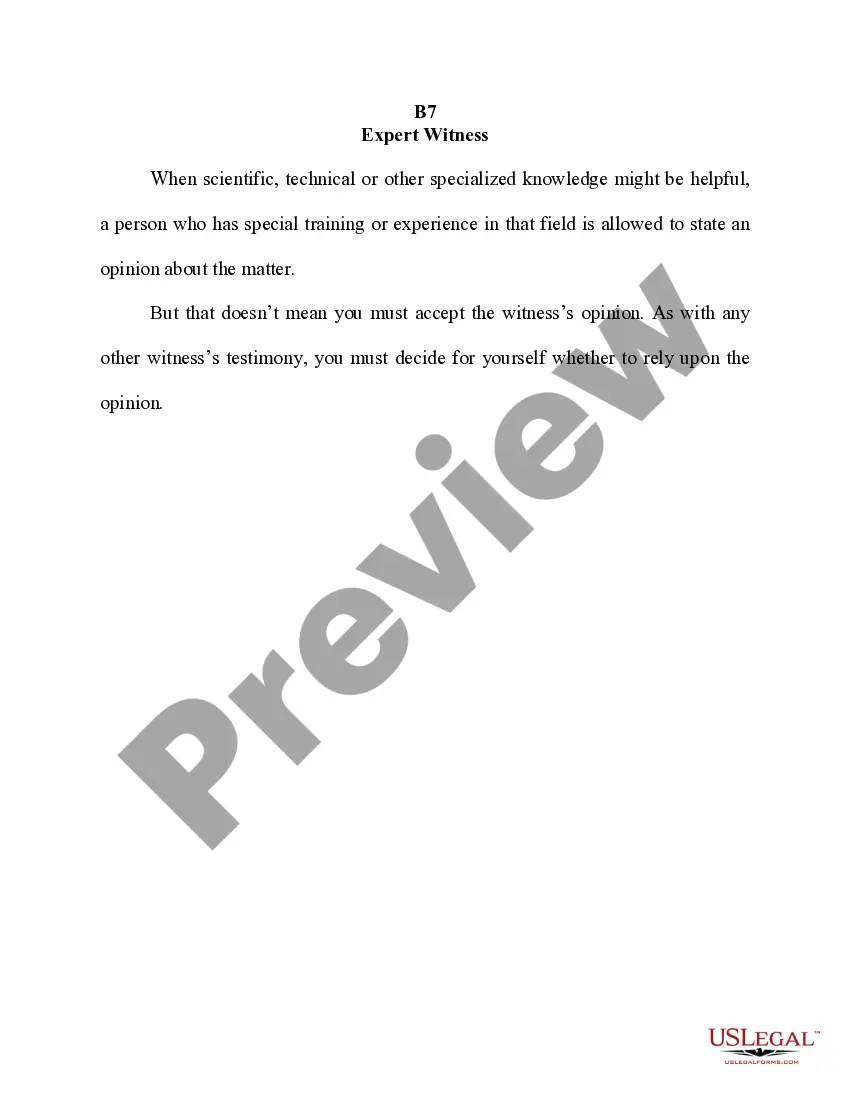
The Expert Witnesses form is designed to facilitate the process of utilizing expert testimony in legal proceedings. Unlike other forms that may request witness information, this form specifically outlines the necessary components to prepare an expert witness for a case, ensuring that their insights are properly documented and presented. This form helps to establish the expert's credentials and the context in which their expertise will be utilized.
Main sections of this form
- Identification of the expert witness, including their qualifications and experience.
- Overview of the case for which the expert's opinion will be used.
- Clarification of the expert's role and the specific topics of expertise.
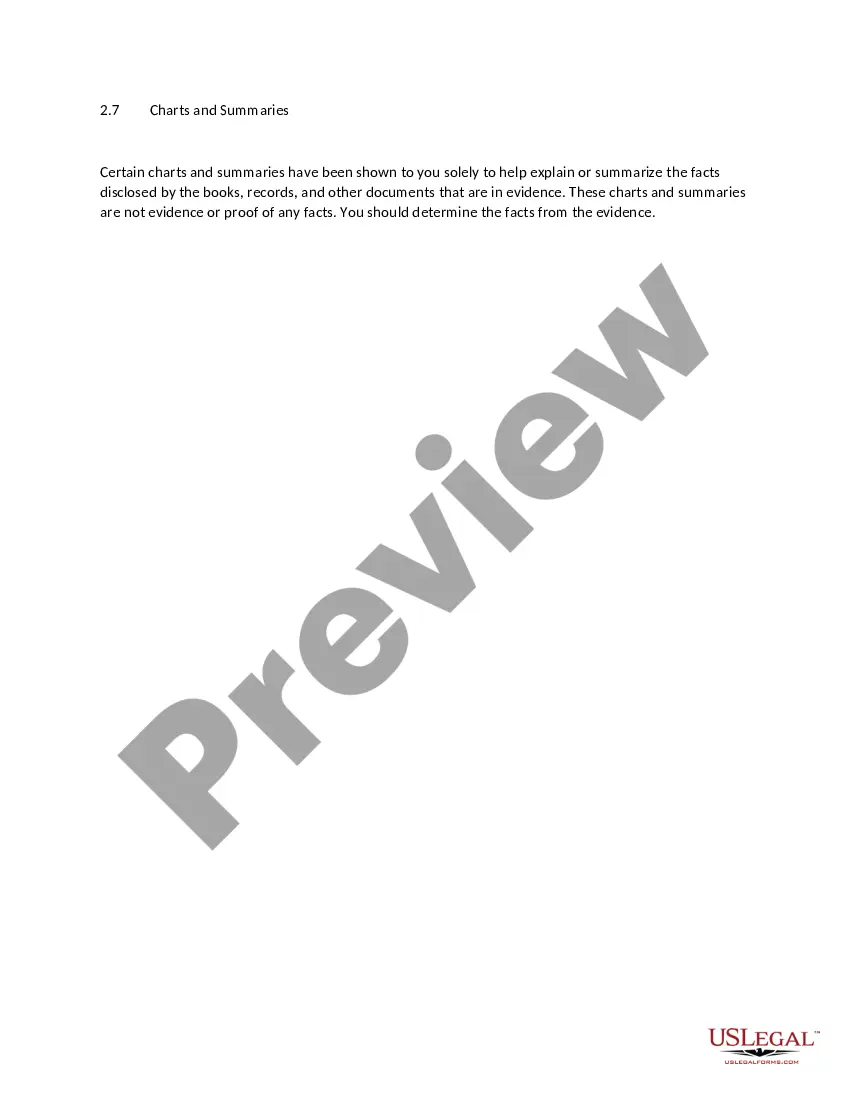
- Charts and summaries that highlight relevant facts and information in a comprehensible manner.
- Signature lines for both the witness and the party requesting the testimony.
Common use cases
This form should be used when a party in a legal case intends to present expert testimony. It is applicable in situations where expert insight is crucial for interpreting complex evidence or providing specialized knowledge that may influence the outcome of the case. Use this form to ensure that the expert's qualifications and opinions are well-documented and properly submitted to the court.
Who needs this form
- Attorneys representing clients in civil or criminal cases that require expert testimony.
- Expert witnesses who need to provide their backgrounds and insights formally.
- Parties involved in litigation seeking to introduce expert opinions as part of their case strategy.
Instructions for completing this form
- Identify and enter the expert witness's full name and professional credentials.
- Provide a summary of the case that necessitates the expert's testimony.
- Detail the expert's relevant experience and specific areas of expertise.
- Include any charts or summaries that support the expert's opinions.
- Ensure that both the expert and the requesting party sign and date the form.
Is notarization required?
Notarization is generally not required for this form. However, certain states or situations might demand it. You can complete notarization online through US Legal Forms, powered by Notarize, using a verified video call available anytime.
Get your form ready online
Our built-in tools help you complete, sign, share, and store your documents in one place.
Make edits, fill in missing information, and update formatting in US Legal Forms—just like you would in MS Word.
Download a copy, print it, send it by email, or mail it via USPS—whatever works best for your next step.
Sign and collect signatures with our SignNow integration. Send to multiple recipients, set reminders, and more. Go Premium to unlock E-Sign.
If this form requires notarization, complete it online through a secure video call—no need to meet a notary in person or wait for an appointment.
We protect your documents and personal data by following strict security and privacy standards.

Make edits, fill in missing information, and update formatting in US Legal Forms—just like you would in MS Word.

Download a copy, print it, send it by email, or mail it via USPS—whatever works best for your next step.

Sign and collect signatures with our SignNow integration. Send to multiple recipients, set reminders, and more. Go Premium to unlock E-Sign.

If this form requires notarization, complete it online through a secure video call—no need to meet a notary in person or wait for an appointment.

We protect your documents and personal data by following strict security and privacy standards.
Common mistakes
- Failing to accurately represent the expert's qualifications.
- Neglecting to specify the areas of expertise relevant to the case.
- Omitting necessary signatures or dates, which can invalidate the form.
Why complete this form online
- Convenient access to expert witness documentation templates.
- Edit and customize the form easily to suit your specific case needs.
- Reliable templates drafted by licensed attorneys ensure compliance with legal standards.
Looking for another form?
Form popularity
FAQ
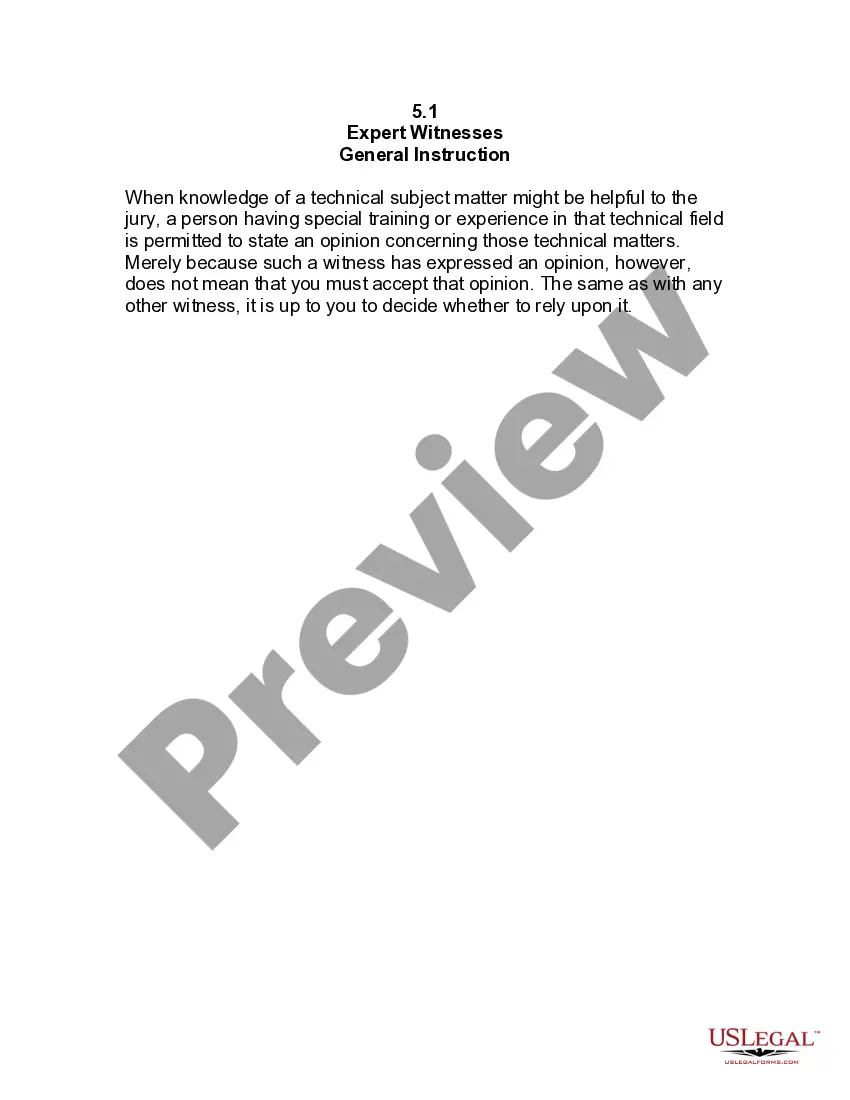
The term ?expert witness? refers to a person who is called to testify during a trial because of his knowledge or skills in a field relevant to the case. An expert witness, for example, could be a blood spatter analyst who can testify about the type of weapon used to commit a murder.
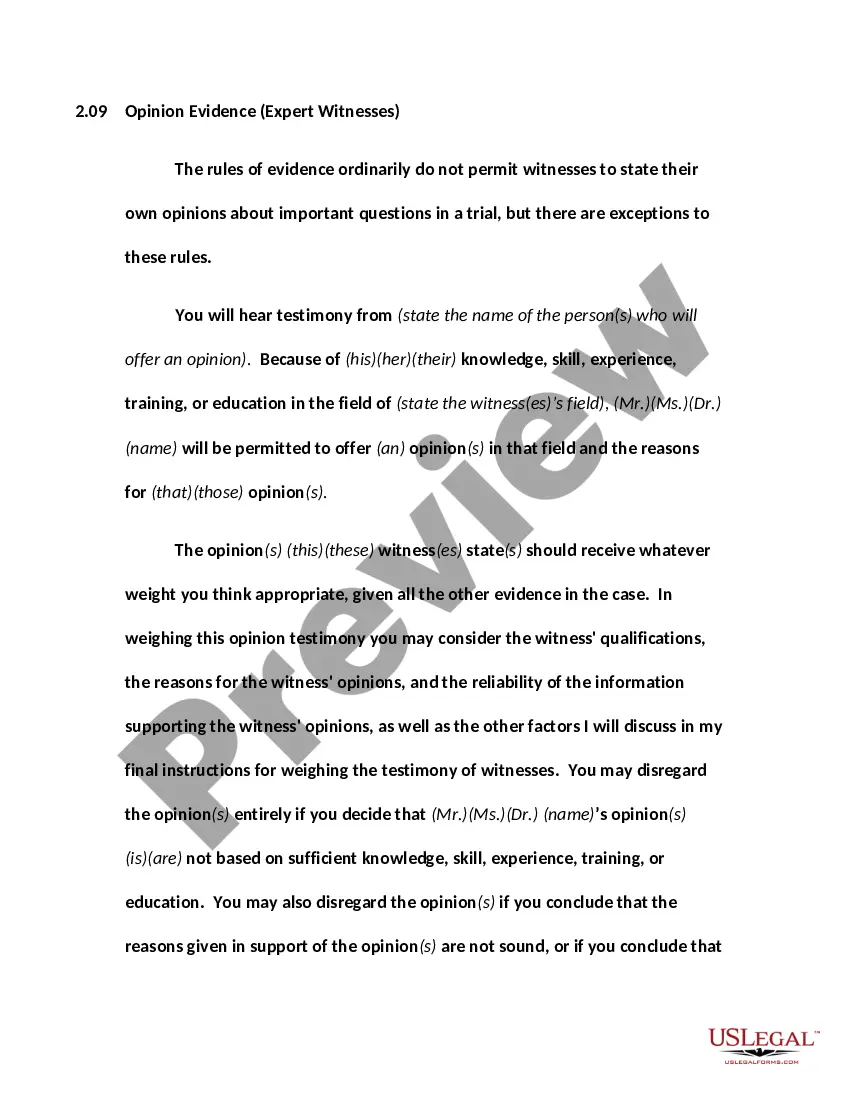
If scientific, technical, or other specialized knowledge will assist the trier of fact to understand the evidence or to determine a fact in issue, a witness qualified as an expert by knowledge, skill, experience, training, or education, may testify thereto in the form of an opinion or otherwise. ( Pub. L.
Expert witnesses are key in the courtroom, as more complicated disputes need clear explanation to a jury. But, there's little agreement on what makes a great witness. GLG Law's David Solomon gives four characteristics to look for?clear communication, coachability, confidence, and candor.
The expert witness plays an important role as an educator for the attorneys, the judge and the jury. The expert must be able to review the specific case and recognize which aspects of the care and interventions, provided or not provided, are clinically significant.
An expert cannot be paid contingent upon the outcome of a case, and should be free from financial incentives that would tempt him or her to testify untruthfully. The ABA rules also state that lawyers may not persuade experts to testify in areas outside their expertise.
They are not allowed to expound any deductions based on the facts. However, in cases in which specialized knowledge is required, expert witnesses are called to present their opinions based on scientific facts. However, judges cannot check the credentials of persons testifying as experts.
Expert witnesses must have knowledge, skill, experience, training, or education, which should help understand the evidence or determine a fact in an issue. Different jurisdictions may have different ways in which these requirements can be met.
Rule 703 permits an expert to base opinion testimony on personal knowledge, evidence admitted at trial, or evidence not admitted so long as it supplies the kind of facts or data that experts in the field ?reasonably rely? on in forming an opinion.