Michigan Living Trust Property Record
What this document covers
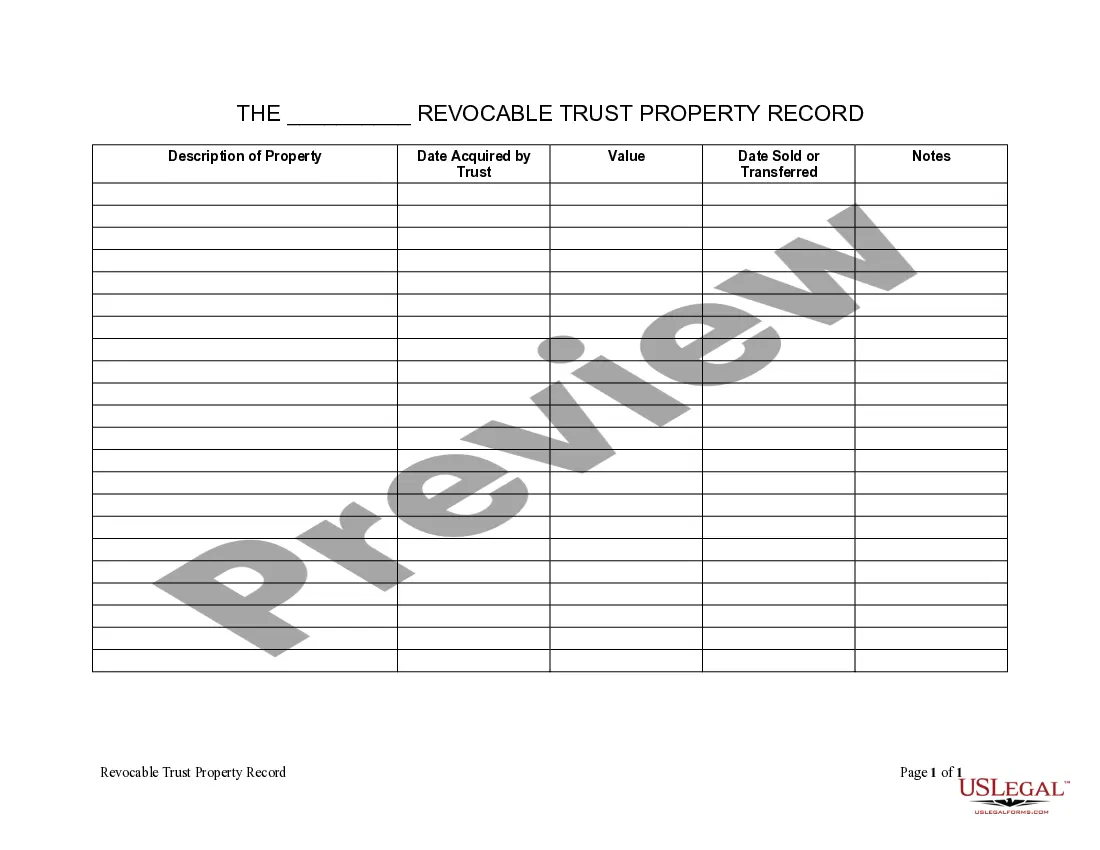
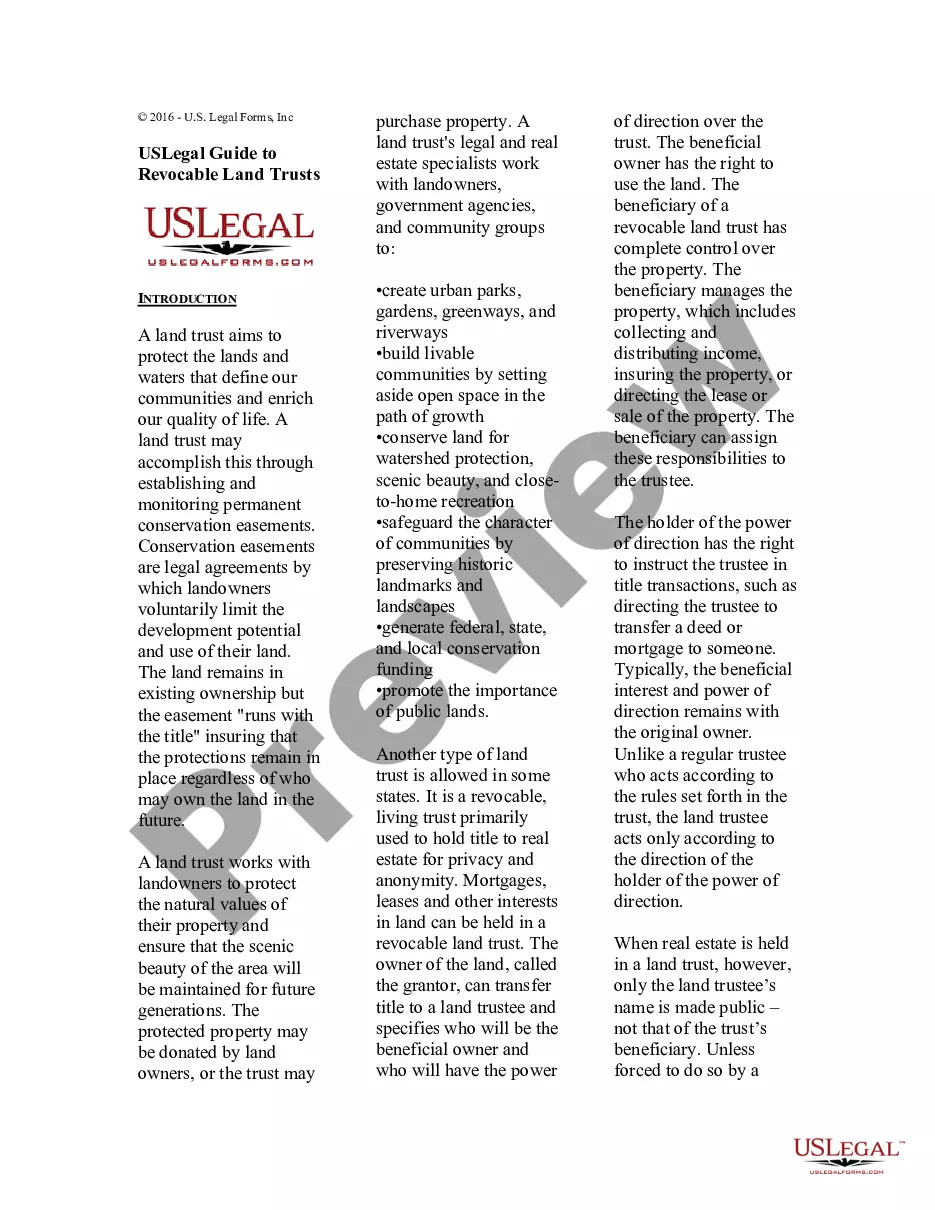
The Living Trust Property Record is a specialized inventory form designed for individuals who have established a living trust. This form is crucial for documenting all assets and properties held within the trust, allowing the Trustee to manage estate planning effectively. Unlike other estate planning documents, this form focuses specifically on asset documentation, ensuring clarity and accountability in the management of trust assets.
What’s included in this form
- Description of Property: A detailed account of each asset held by the trust.
- Date Acquired by Trust: The specific date each asset was transferred into the trust.
- Value: The current assessed value of each property listed in the trust.
- Date Sold or Transferred: A record of when any property was sold or transferred out of the trust.


Situations where this form applies
This form is used when setting up or maintaining a living trust. It is particularly helpful when adding new assets to the trust or tracking the status of existing properties. Use this form to ensure all trust properties are properly accounted for and valued, which is essential during estate planning and distribution processes.
Intended users of this form
This form is intended for:
- Trustees managing a living trust.
- Individuals creating a living trust for estate planning purposes.
- Beneficiaries wanting to keep track of trust assets.
Steps to complete this form
- Identify the properties to be listed in the trust.
- Provide a brief description of each property to ensure clarity.
- Enter the date each asset was acquired by the trust.
- Record the current value of each property for accurate accounting.
- Include the dates of any sales or transfers of properties from the trust.
Does this form need to be notarized?
In most cases, this form does not require notarization. However, some jurisdictions or signing circumstances might. US Legal Forms offers online notarization powered by Notarize, accessible 24/7 for a quick, remote process.
Get your form ready online
Our built-in tools help you complete, sign, share, and store your documents in one place.
Make edits, fill in missing information, and update formatting in US Legal Forms—just like you would in MS Word.
Download a copy, print it, send it by email, or mail it via USPS—whatever works best for your next step.
Sign and collect signatures with our SignNow integration. Send to multiple recipients, set reminders, and more. Go Premium to unlock E-Sign.
If this form requires notarization, complete it online through a secure video call—no need to meet a notary in person or wait for an appointment.
We protect your documents and personal data by following strict security and privacy standards.
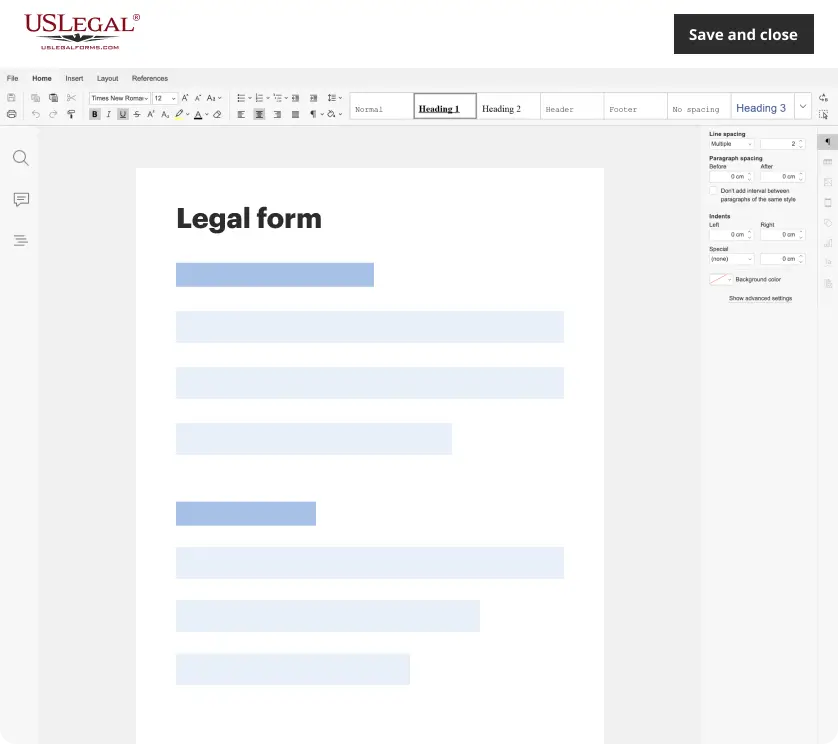
Make edits, fill in missing information, and update formatting in US Legal Forms—just like you would in MS Word.
Download a copy, print it, send it by email, or mail it via USPS—whatever works best for your next step.
Sign and collect signatures with our SignNow integration. Send to multiple recipients, set reminders, and more. Go Premium to unlock E-Sign.

If this form requires notarization, complete it online through a secure video call—no need to meet a notary in person or wait for an appointment.
We protect your documents and personal data by following strict security and privacy standards.
Typical mistakes to avoid
- Failing to provide detailed descriptions of assets.
- Not updating the form promptly when properties change status.
- Leaving out dates of acquisition or transfer, leading to confusion.
Benefits of using this form online
- Easy access and download of the form anytime, anywhere.
- Editable templates allow for customization to fit individual needs.
- Reliable forms prepared by licensed attorneys, ensuring legal validity.
Summary of main points
- The Living Trust Property Record is essential for tracking assets held in a living trust.
- Detailing property descriptions, acquisition dates, and values aids in organized estate management.
- Regular updates help maintain an accurate reflection of trust assets.
Looking for another form?
Form popularity
FAQ
While trusts offer many benefits, there are some disadvantages, like the potential loss of certain tax benefits and costs associated with establishing and maintaining the trust. Additionally, transferring your house may require additional paperwork and legal guidance as reflected in the Michigan Living Trust Property Record. Consider these factors carefully and consult with a legal professional before making your decision.
To title assets in a living trust, you must change the title of the assets from your name to the name of the trust. This may involve preparing new deeds or titles for real estate or personal property. By ensuring that all titles are accurately updated in the Michigan Living Trust Property Record, you secure your assets and streamline their management.
Listing property in a trust involves identifying the assets you want to include and preparing relevant documentation. Your property should be titled in the name of the trust to ensure it is officially recognized in the Michigan Living Trust Property Record. Working with a legal expert can streamline this process and provide peace of mind.
To place your property in a trust in Michigan, you will need to prepare a trust agreement and execute a deed transferring the title of the property to the trust. Once completed, make sure to update the Michigan Living Trust Property Record for accuracy. This straightforward process helps you manage your assets effectively.
In Michigan, you do not have to file a trust with the court to create a valid living trust. Instead, the trust's documents should be kept in a safe place. To ensure everything is in order, consulting an expert can help clarify the implications for your Michigan Living Trust Property Record.
Accessing your Michigan Living Trust Property Record is straightforward. You can visit your local county clerk’s office where the trust is registered, as they maintain official records. Additionally, many counties offer online databases for you to search trust records conveniently. Consider using US Legal Forms for assistance in navigating the process and ensuring you have the correct documents.
In Michigan, trusts are generally not considered public records, which offers privacy for the grantor and beneficiaries. However, details may become public if the trust is involved in probate proceedings. Establishing a well-documented Michigan Living Trust Property Record allows you to keep your personal affairs private while ensuring that your wishes are honored.
Filing a trust in Michigan generally means preparing the trust document and ensuring it complies with state laws. While there is no formal filing process with the state, keeping personal copies and sharing them with beneficiaries is essential. For an easy and accurate way to create your trust and maintain your Michigan Living Trust Property Record, explore US Legal Forms.
Filing a living trust in Michigan involves creating the trust document and then funding the trust by transferring assets into it. You do not need to file the trust with the court; however, it is wise to keep a copy in a secure location. For more guidance on this process, consider using US Legal Forms to help you establish a thorough Michigan Living Trust Property Record.
To ensure a trust is valid in Michigan, it must be in writing and signed by the grantor. Additionally, the grantor must intend to create a trust and there must be a clear beneficiary named. Proper documentation, including the creation of a Michigan Living Trust Property Record, is essential to establishing a valid trust and safeguarding your assets.