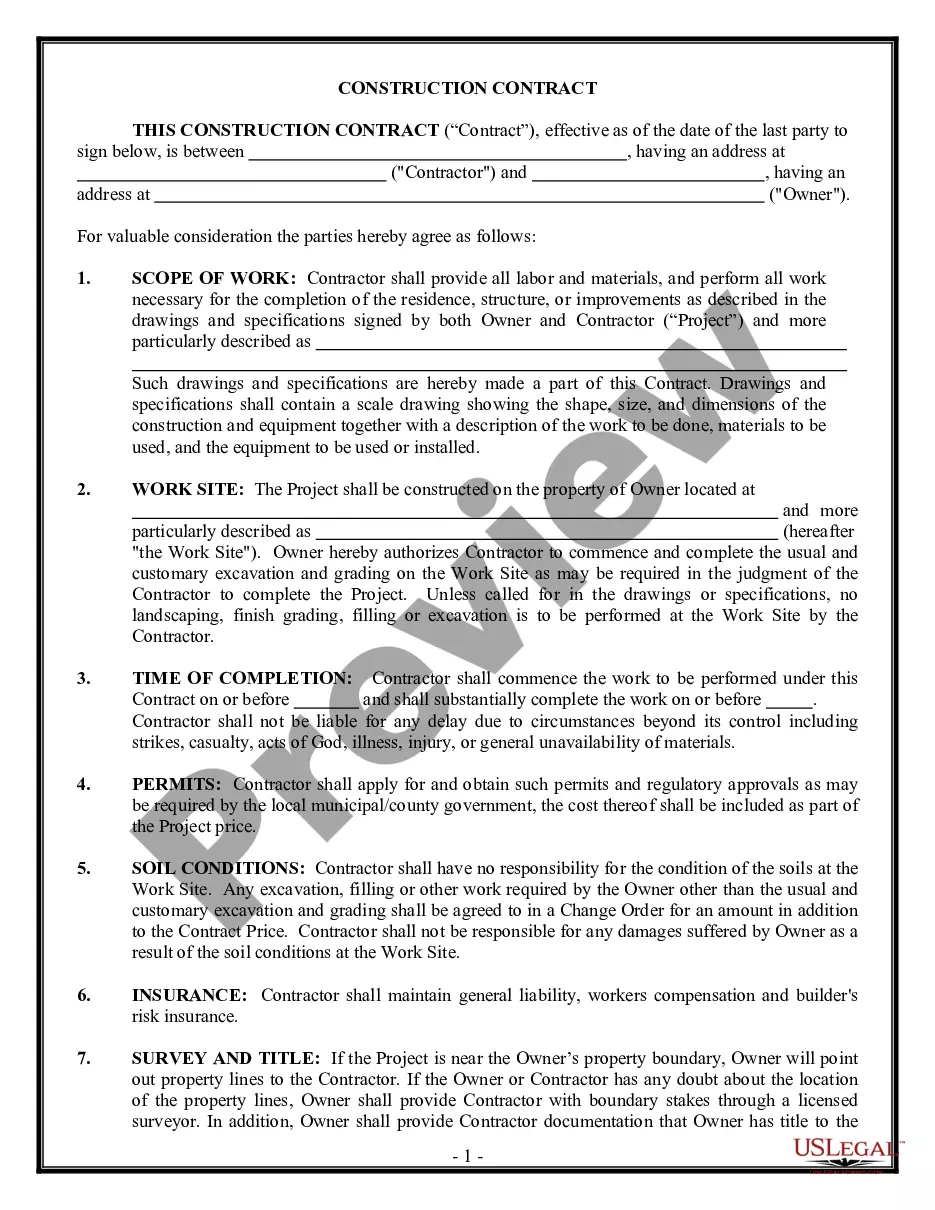
Michigan Warranty Deed - One Individual to Two Individuals
Overview of this form
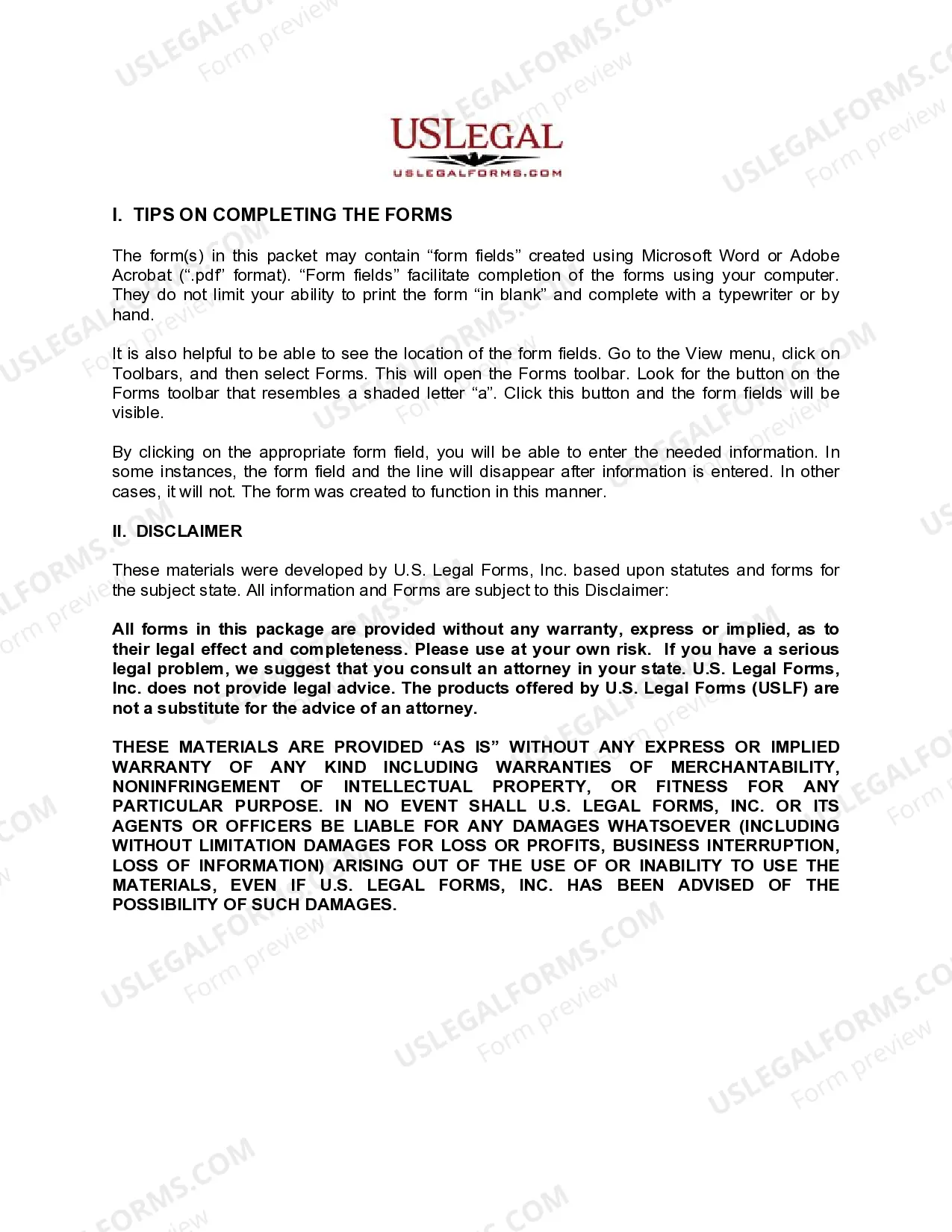
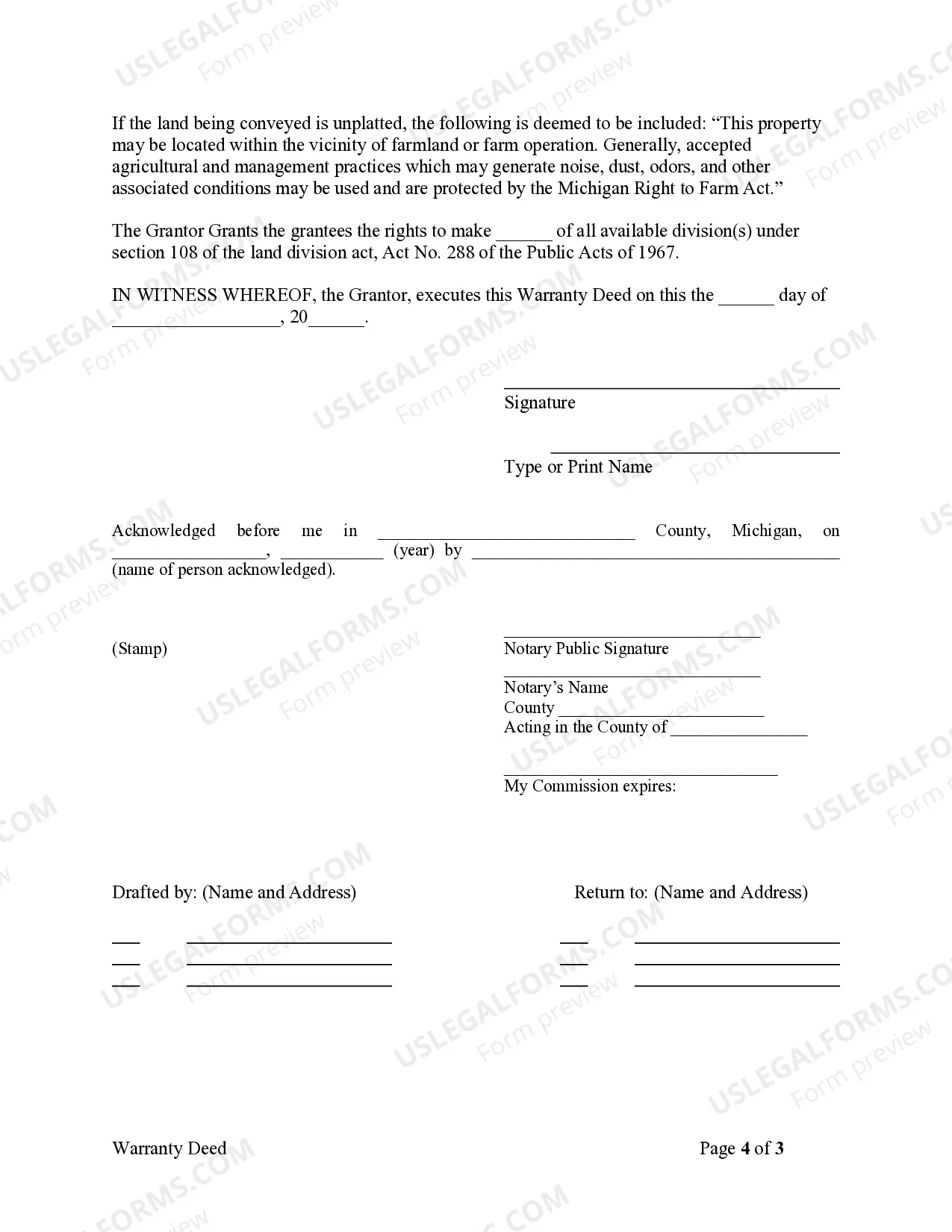
A Warranty Deed - One Individual to Two Individuals is a legal document in which one individual, known as the Grantor, transfers the ownership of property to two individuals, referred to as the Grantees. This form provides a warranty, ensuring that the Grantor has clear title to the property and the right to convey it. This type of deed differs from quitclaim deeds, as it offers a guarantee against any future claims on the property.
What’s included in this form
- Details of the Grantor, including name and address.
- Names and addresses of the Grantees.
- Description of the property being conveyed.
- Clause outlining the warranty of title by the Grantor.
- Signatures of the Grantor and any required witnesses.







When this form is needed
This Warranty Deed should be used when an individual wishes to transfer property ownership to two individuals, such as in a joint purchase of real estate, inheritance situations, or when co-owners are involved. It's particularly useful in scenarios where ownership rights need to be legally documented and protected against future claims.
Who can use this document
- Individuals transferring property to two co-owners.
- Homeowners who want to add partners or family members to their property deed.
- People involved in property inheritances requiring a legal transfer of ownership.
How to complete this form
- Identify the Grantor by entering their full name and address.
- Enter the full names and addresses of the two Grantees.
- Provide a detailed description of the property being transferred, including the legal description.
- Include the Grantorâs signature, ensuring it is witnessed where necessary.
- Ensure the deed is appropriately dated.
Notarization guidance
This form must be notarized to be legally valid. US Legal Forms provides secure online notarization powered by Notarize, allowing you to complete the process through a verified video call.
Get your form ready online
Our built-in tools help you complete, sign, share, and store your documents in one place.
Make edits, fill in missing information, and update formatting in US Legal Forms—just like you would in MS Word.
Download a copy, print it, send it by email, or mail it via USPS—whatever works best for your next step.
Sign and collect signatures with our SignNow integration. Send to multiple recipients, set reminders, and more. Go Premium to unlock E-Sign.
If this form requires notarization, complete it online through a secure video call—no need to meet a notary in person or wait for an appointment.
We protect your documents and personal data by following strict security and privacy standards.
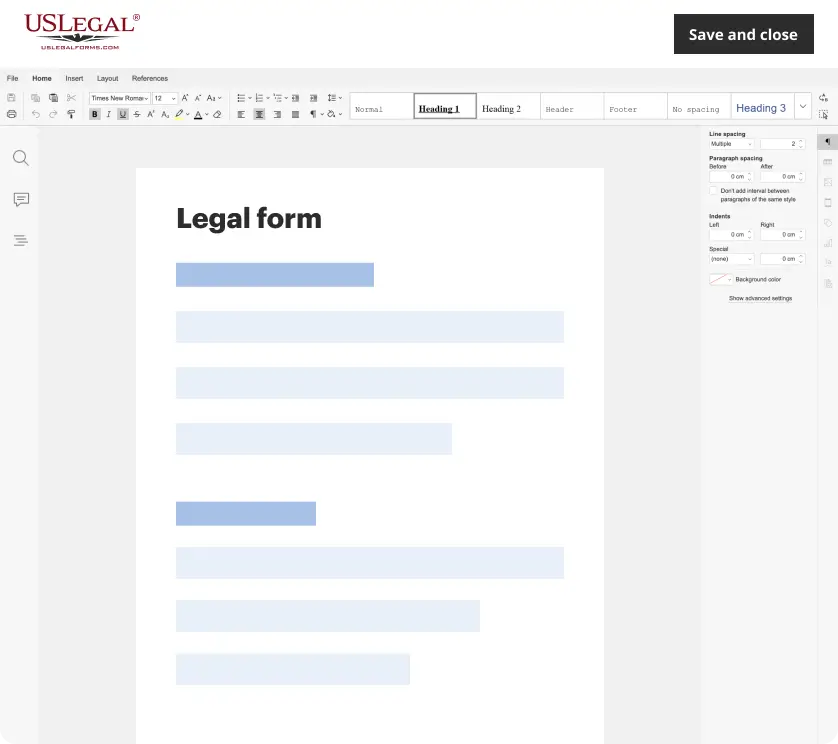
Make edits, fill in missing information, and update formatting in US Legal Forms—just like you would in MS Word.
Download a copy, print it, send it by email, or mail it via USPS—whatever works best for your next step.
Sign and collect signatures with our SignNow integration. Send to multiple recipients, set reminders, and more. Go Premium to unlock E-Sign.
If this form requires notarization, complete it online through a secure video call—no need to meet a notary in person or wait for an appointment.
We protect your documents and personal data by following strict security and privacy standards.
Common mistakes
- Missing signatures from the Grantor or witnesses.
- Failing to provide a complete legal description of the property.
- Using outdated forms that do not comply with current state laws.
Why complete this form online
- Convenient access to download and complete the form at your own pace.
- Editability ensures you can make necessary changes before finalizing the document.
- Reliability of forms drafted by licensed attorneys ensures legal accuracy.
Looking for another form?
Form popularity
FAQ
Adding someone to your house deed requires the filing of a legal form known as a quitclaim deed. When executed and notarized, the quitclaim deed legally overrides the current deed to your home. By filing the quitclaim deed, you can add someone to the title of your home, in effect transferring a share of ownership.
Adding someone to your house deed requires the filing of a legal form known as a quitclaim deed. When executed and notarized, the quitclaim deed legally overrides the current deed to your home. By filing the quitclaim deed, you can add someone to the title of your home, in effect transferring a share of ownership.
A personal representative deed and warranty deed are the same only in that they both convey ownership of land. The types of title assurance that the different deeds provide to the new owner are very different.
To add a co-owner, the bank would have to create a new home loan agreement, which must be registered after paying the due stamp duty and registration charges. The bank would also insist on making the co-owner a co-borrower in the home loan applicable.
If you've recently married and already own a home or other real estate, you may want to add your new spouse to the deed for your property so the two of you own it jointly. To add a spouse to a deed, all you have to do is literally fill out, sign and record a new deed in your county recorder's office.
Michigan laws allow an individual to add another person to their property deed through the use of a quitclaim deed. A quitclaim deed is used when a property owner wants to transfer ownership and all rights to a property to another individual or group of individuals.
To sign over property ownership to another person, you'll use one of two deeds: a quitclaim deed or a warranty deed.
In most states you can file a disclaimer or deed of disclaimer that says specifically you were placed in title without your knowledge or consent and disclaim the deed.
To add your spouse to your property deed: Have your lawyer do a Michigan Quit Claim Deed for you and then record it with your County's Register of Deeds. If you croak before you get it recorded, your property goes into probate, instead of to your spouse.