Maine Landlord Agreement to allow Tenant Alterations to Premises
What is this form?
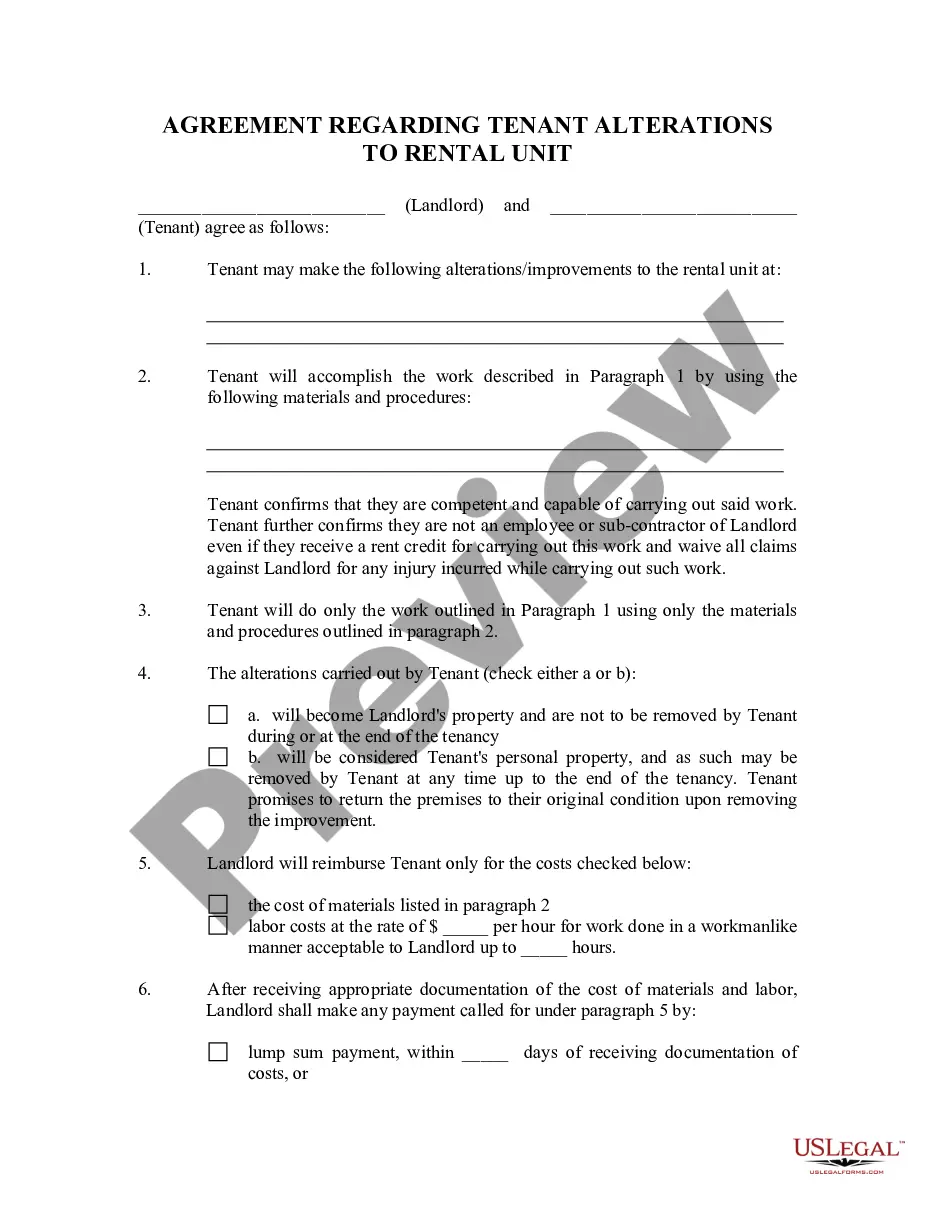
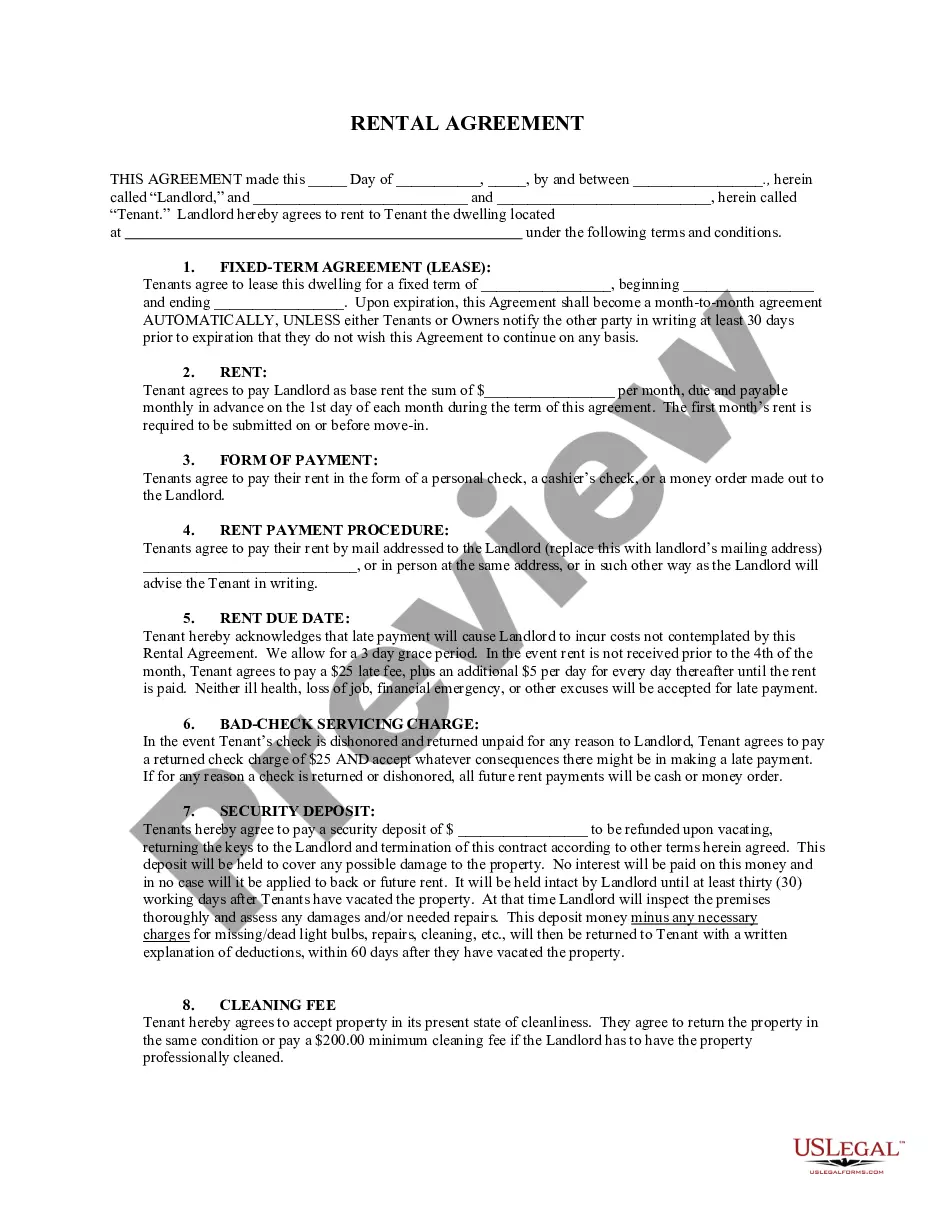
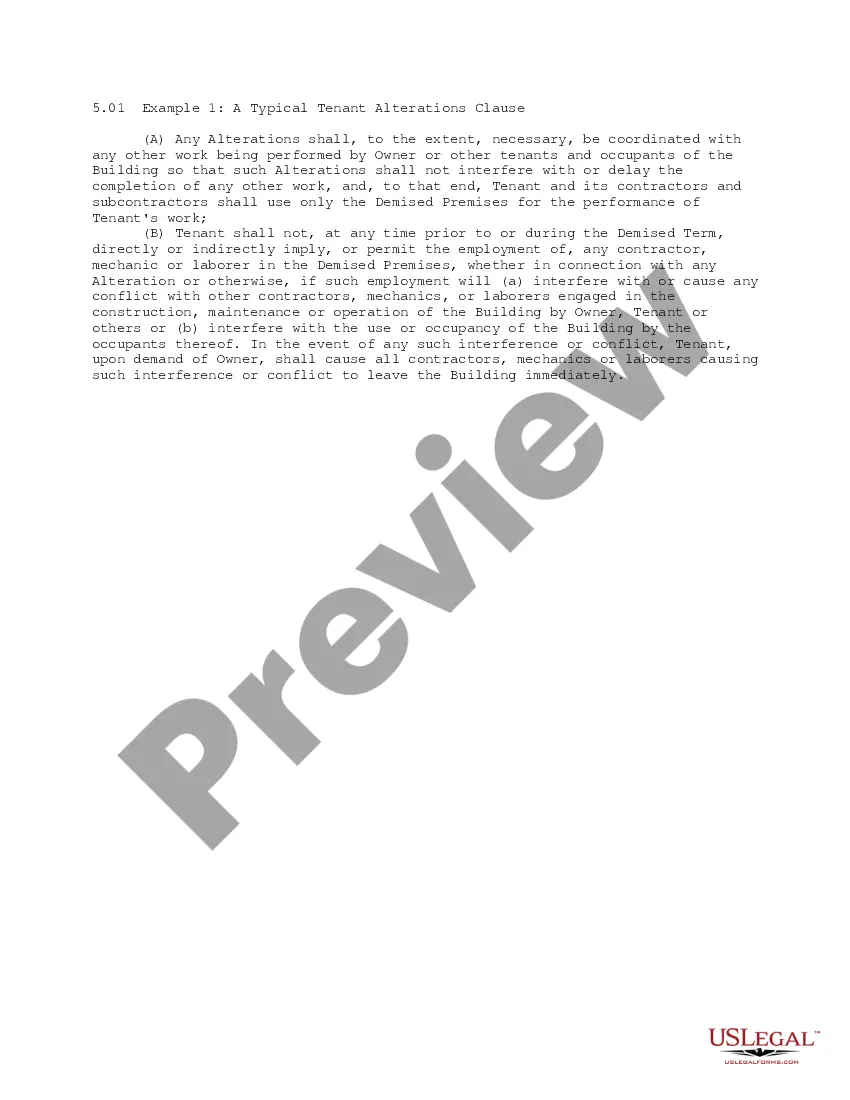
The Landlord Agreement to allow Tenant Alterations to Premises is a legal document that outlines the terms under which a tenant can make changes to a rented property. This agreement clarifies what alterations can be made, who pays for them, and what happens to the alterations when the tenancy ends. It serves as an essential tool for both landlords and tenants to prevent misunderstandings, ensuring that both parties are aware of their rights and responsibilities concerning the rental unit modifications.
Form components explained
- Identification of the landlord and tenant parties involved.
- Specification of the permitted alterations or improvements to the rental unit.
- Details on who will own the alterations after completion.
- Cost agreements for materials and labor, including reimbursement terms.
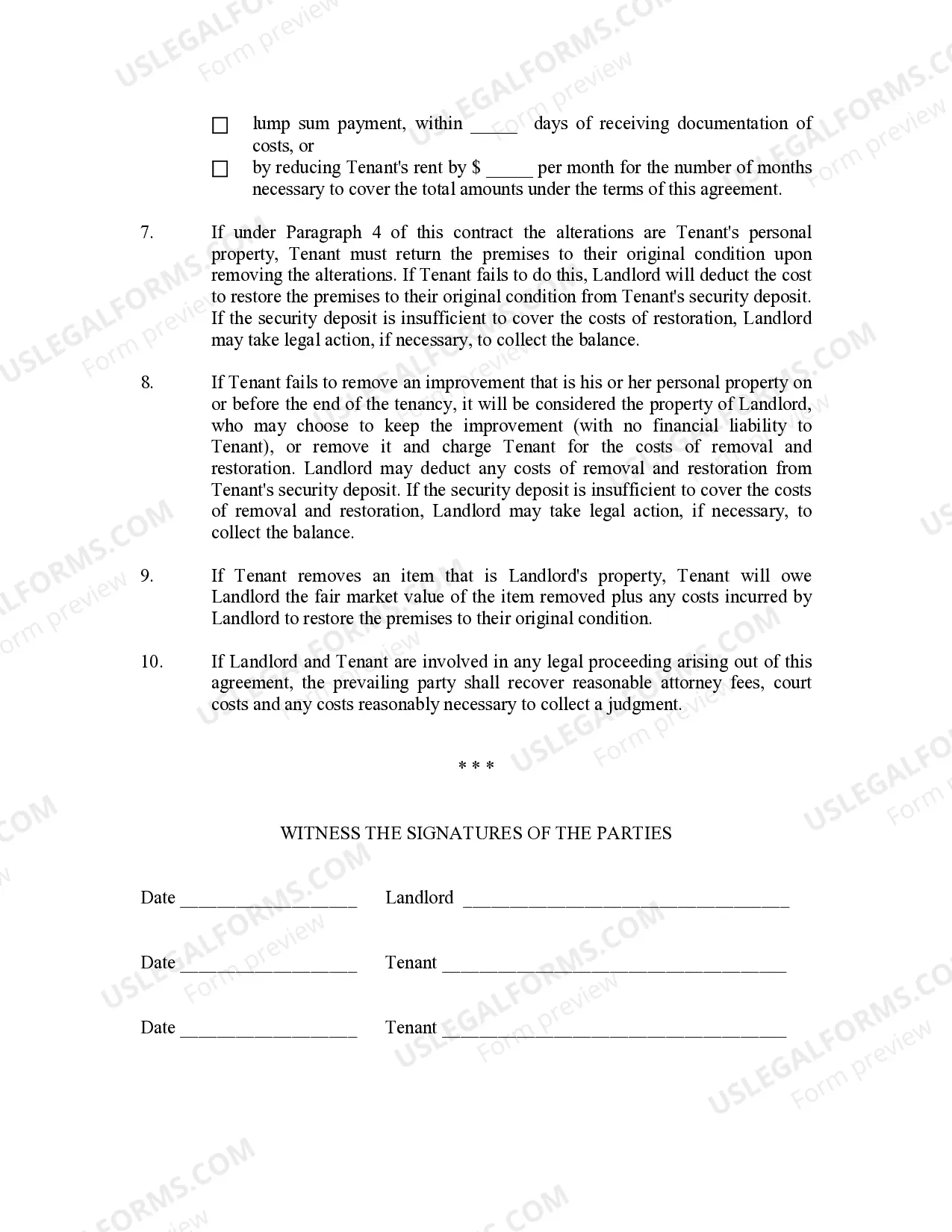
- Conditions under which alterations must be removed or restored upon lease termination.
- Clauses regarding legal proceedings and recovery of attorney fees.
Common use cases
This form is useful when a tenant wishes to make alterations or improvements to a rental property, such as remodeling a room, installing fixtures, or making repairs. It provides clarity on what changes are acceptable and protects both the landlord and tenant from potential disputes regarding the property alterations.
Intended users of this form
- Landlords who wish to permit tenants to make changes to their rental properties.
- Tenants planning to make significant alterations or improvements to their rented residences.
- Real estate professionals or property managers overseeing rental agreements.
How to prepare this document
- Identify the landlord and tenant by entering their full names.
- Specify the property address where alterations will occur.
- Outline the permitted alterations in detail in the appropriate section.
- Agree on payment terms for materials and labor, including reimbursement methods.
- Ensure all parties sign and date the agreement to make it legally binding.
Does this form need to be notarized?
This form does not typically require notarization to be legally valid. However, some jurisdictions or document types may still require it. US Legal Forms provides secure online notarization powered by Notarize, available 24/7 for added convenience.
Get your form ready online
Our built-in tools help you complete, sign, share, and store your documents in one place.
Make edits, fill in missing information, and update formatting in US Legal Forms—just like you would in MS Word.
Download a copy, print it, send it by email, or mail it via USPS—whatever works best for your next step.
Sign and collect signatures with our SignNow integration. Send to multiple recipients, set reminders, and more. Go Premium to unlock E-Sign.
If this form requires notarization, complete it online through a secure video call—no need to meet a notary in person or wait for an appointment.
We protect your documents and personal data by following strict security and privacy standards.
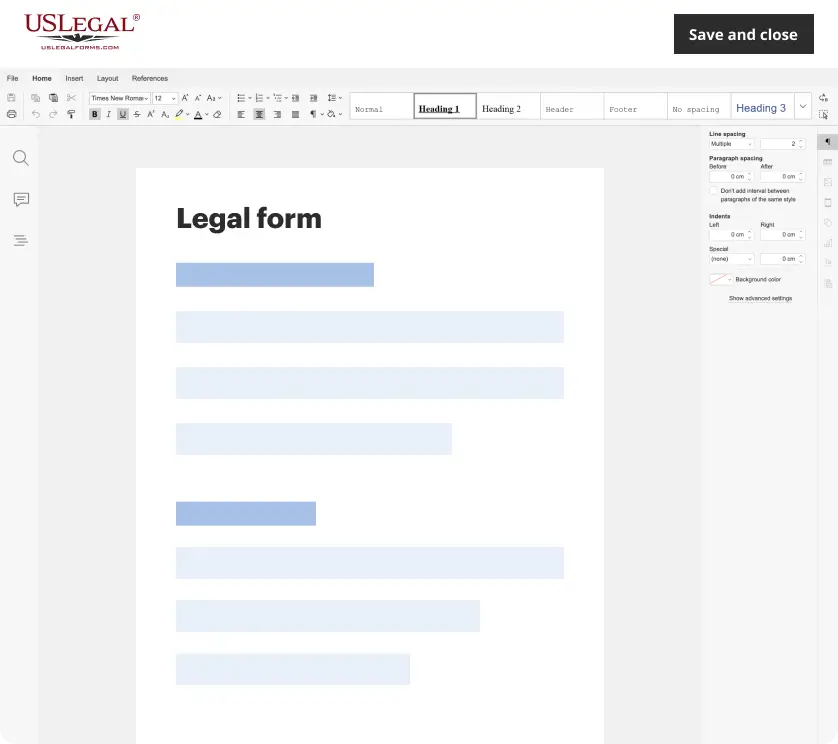
Make edits, fill in missing information, and update formatting in US Legal Forms—just like you would in MS Word.
Download a copy, print it, send it by email, or mail it via USPS—whatever works best for your next step.
Sign and collect signatures with our SignNow integration. Send to multiple recipients, set reminders, and more. Go Premium to unlock E-Sign.
If this form requires notarization, complete it online through a secure video call—no need to meet a notary in person or wait for an appointment.
We protect your documents and personal data by following strict security and privacy standards.
Typical mistakes to avoid
- Failing to specify all alterations clearly, leading to misunderstandings.
- Not discussing reimbursement costs before beginning any work.
- Neglecting to sign the agreement, which makes it unenforceable.
- Overlooking local laws that may impact landlord-tenant relationships.
Why use this form online
- Convenience of accessing and completing the form from anywhere.
- Editability ensures you can make changes easily before finalizing.
- Reliability of using attorney-drafted templates tailored to legal requirements.
What to keep in mind
- Using a Landlord Agreement for tenant alterations clarifies responsibilities and expectations.
- The form protects both parties by outlining specific terms related to property modifications.
- Clear documentation helps to avoid misunderstandings and potential conflicts when ending a tenancy.
Looking for another form?
Form popularity
FAQ
The lease addendum templates allow a landlord or tenant to make changes to a current residential or commercial lease agreement. Instead of changing the actual lease agreement, an addendum is a document added to a lease agreement outlining the prearranged modifications.
A lease addendum allows a landlord or tenant to make changes to a current residential or commercial lease agreement.Once both parties agree and sign, the addendum should be added to the original lease.
Changing the tenancy agreement A tenancy agreement can normally only be changed if both you and your landlord agree. If you both agree, the change should be recorded in writing, either by drawing up a new written document setting out the terms of the tenancy or by amending the existing written tenancy agreement.
Your landlord can change a rental agreement at any time during the term of the agreement, with or without your consent. Changes must be made with adequate notice; notice periods are 30 days in most states. Changing a lease is harder because both parties must consent to almost any change.
Effective January 1, 2020, AB 1482 imposes rent caps on most residential rental properties in California and imposes just cause eviction requirements.For a tenancy that starts or renews on or after July 1, 2020, the notification must be provided as an addendum to the lease or rental agreement.
An addendum must include the basic elements of any landlord/tenant agreement. You should include the date, the address of the rental property and the names of each party just as you would in the original lease.
The written agreement between the owner and the tenant for the lease of the contract unit to the tenant. The lease includes the tenancy addendum prescribed by HUD. PHA. Public Housing Agency.
Who Can Amend the Lease? When a landlord and tenant sign a lease agreement it forms a legally binding contract. The lease cannot be altered except through another written agreement signed by both parties unless the original lease specifically gives a party the power to change something on their own.