Rhode Island Application for Sublease
Overview of this form
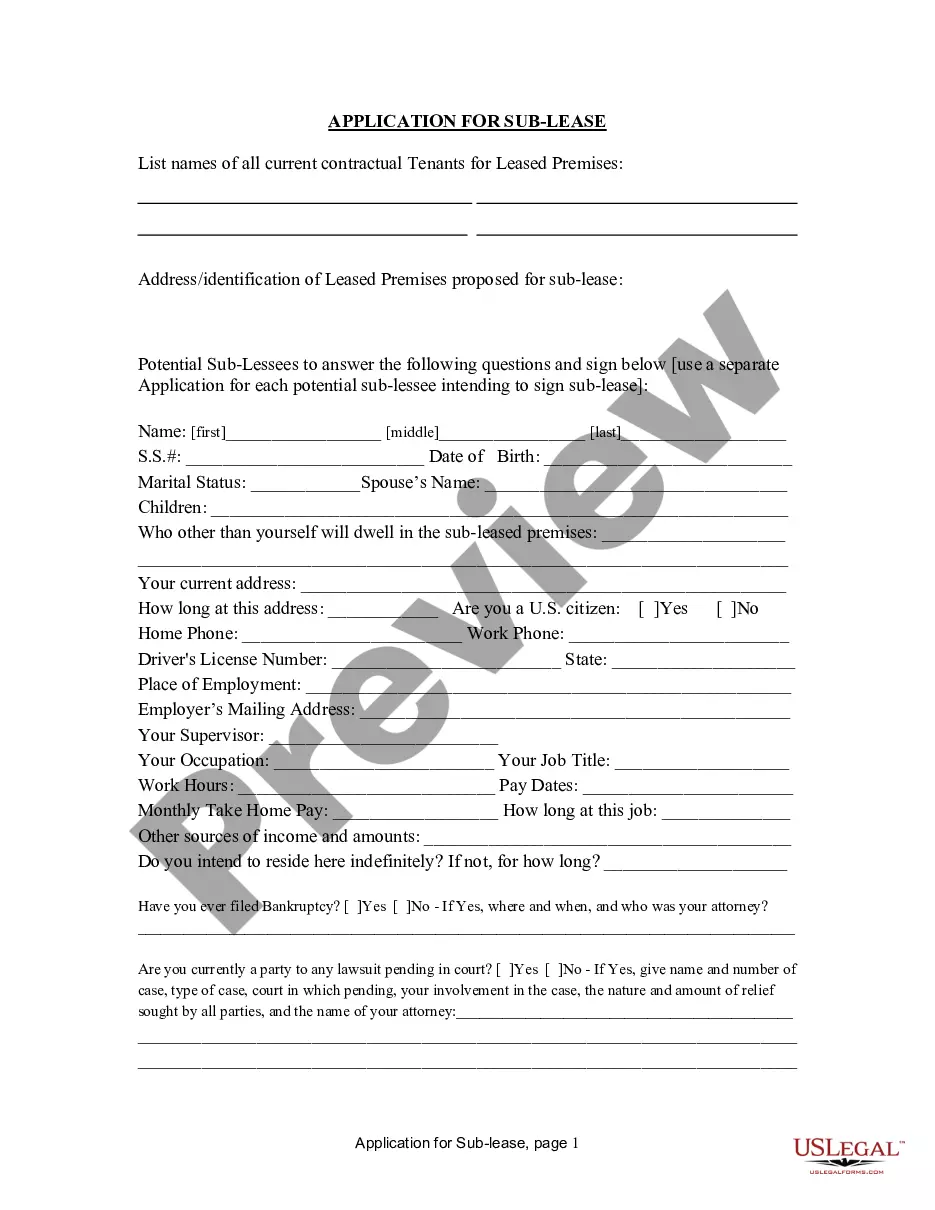
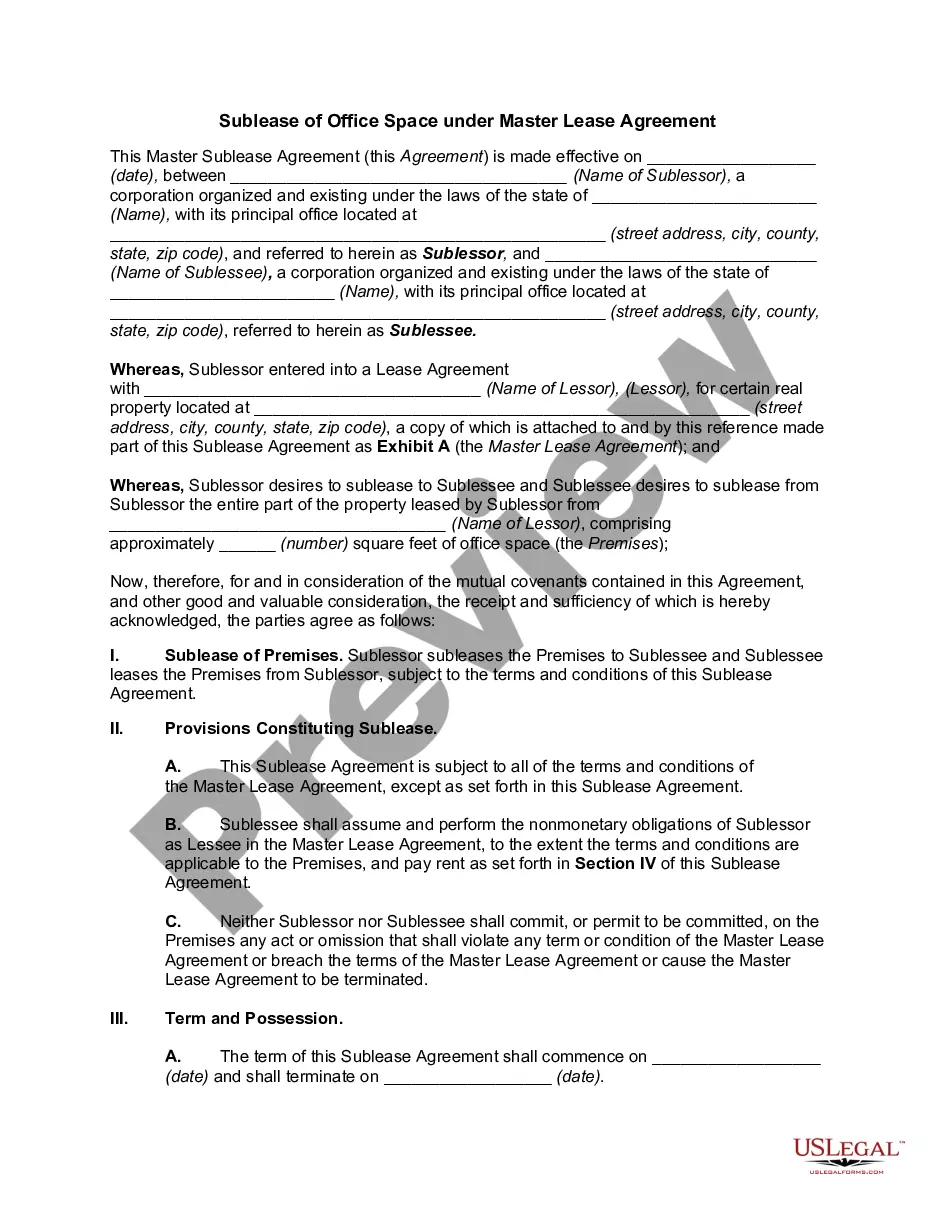
The Application for Sublease is a formal request from a potential sub-tenant to the landlord for permission to sublease a rental property. This application contains crucial information that the landlord will consider when deciding whether to approve or deny the sublease. Unlike a standard lease agreement, this form specifically addresses the prospective sub-tenantâs qualifications and intentions regarding occupancy and compliance with lease terms.
What’s included in this form
- Marital status and personal information including spouse and children.
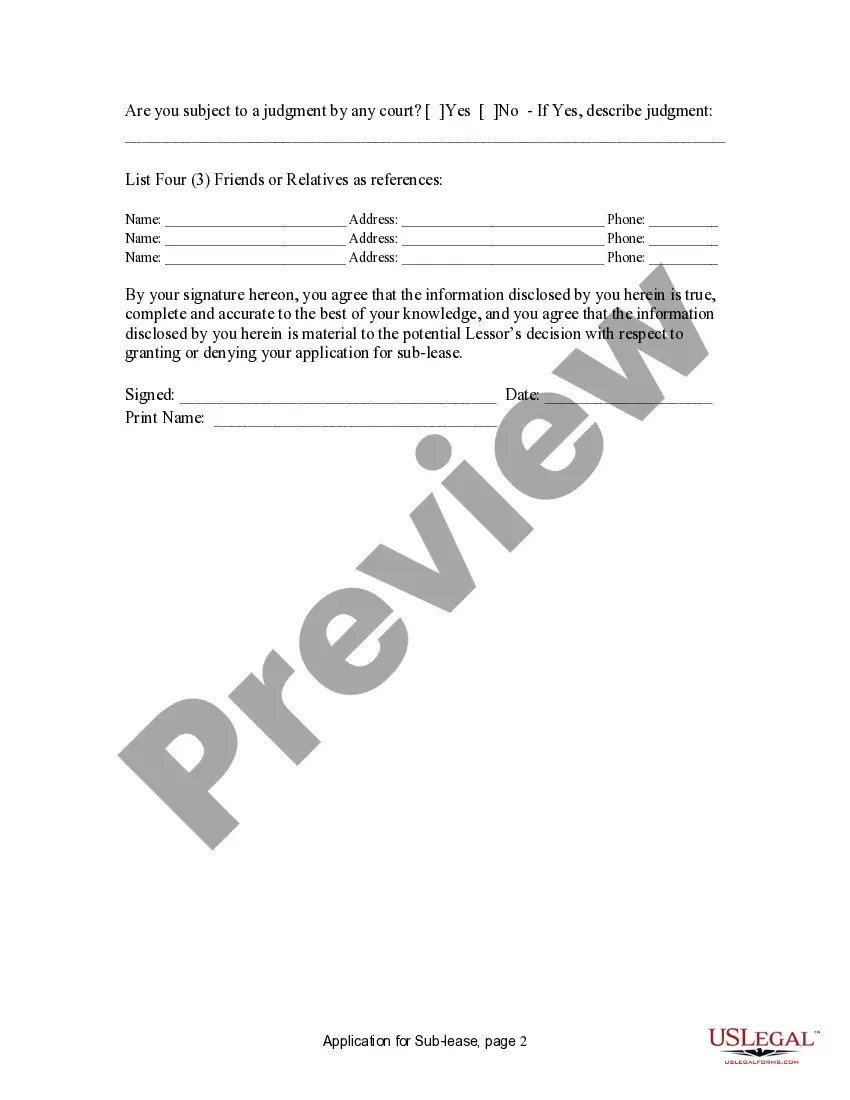
- Details of additional occupants who will reside in the subleased premises.
- Current address and employment information of the applicant.
- Financial information including income and pay dates.
- Disclosure of bankruptcy or ongoing legal matters.
- References consisting of friends or relatives.
Situations where this form applies
This application should be used when a tenant wishes to sublease their rental unit to another individual. It is commonly utilized in situations where a tenant temporarily relocates for work, school, or personal reasons and needs someone to take over the lease obligations during their absence. Completing this application is vital for obtaining the landlord's consent to sublease the property legally.
Intended users of this form
- Current tenants looking to sublet their rental property.
- Sub-tenants seeking approval from a landlord before taking over a lease.
- Individuals who need to provide financial and personal information for landlord review.
How to complete this form
- Provide your marital status and details of your family members.
- List any additional occupants who will live in the subleased space.
- Fill in your current address and length of stay.
- Include your employment information, salary details, and duration of employment.
- Disclose any prior bankruptcies or ongoing lawsuits.
- Sign and date the application, confirming the accuracy of your information.
Does this form need to be notarized?
This form does not typically require notarization unless specified by local law. Always verify local regulations to ensure compliance.
Get your form ready online
Our built-in tools help you complete, sign, share, and store your documents in one place.
Make edits, fill in missing information, and update formatting in US Legal Forms—just like you would in MS Word.
Download a copy, print it, send it by email, or mail it via USPS—whatever works best for your next step.
Sign and collect signatures with our SignNow integration. Send to multiple recipients, set reminders, and more. Go Premium to unlock E-Sign.
If this form requires notarization, complete it online through a secure video call—no need to meet a notary in person or wait for an appointment.
We protect your documents and personal data by following strict security and privacy standards.

Make edits, fill in missing information, and update formatting in US Legal Forms—just like you would in MS Word.

Download a copy, print it, send it by email, or mail it via USPS—whatever works best for your next step.

Sign and collect signatures with our SignNow integration. Send to multiple recipients, set reminders, and more. Go Premium to unlock E-Sign.

If this form requires notarization, complete it online through a secure video call—no need to meet a notary in person or wait for an appointment.

We protect your documents and personal data by following strict security and privacy standards.
Avoid these common issues
- Failing to include all required personal and financial details.
- Not disclosing prior bankruptcies or legal issues.
- Leaving out references, which can affect approval chances.
- Not signing and dating the form before submission.
Advantages of online completion
- Convenience of accessing and filling out the form from any location.
- Ability to edit the document easily before finalizing.
- Reliability, as the form is drafted by licensed attorneys to meet specific legal standards.
Legal use & context
- This form establishes a formal request for subletting, creating a paper trail for all parties involved.
- It helps protect the rights of the landlord, tenant, and sub-tenant by ensuring transparency.
- Approval by the landlord is typically required to avoid lease violations.
Quick recap
- The Application for Sublease is essential for tenants seeking to sublease their rental unit.
- Accurate and complete information increases the likelihood of approval.
- Understanding local laws regarding subleasing is crucial.
Looking for another form?
Form popularity
FAQ
Writing Your Sublease. State the name of the parties and the date of the contract. Identify the full names of each party and what their role is in the contract. The original leaseholder of the property is the Tenant and the person subletting the property is the Subtenant.
You lack references or have poor references Not providing any references, or having someone give you a poor reference, could cause the apartment manager or landlord to deny your application.
Name the parties. A simple rental agreement form needs to name the parties signing the lease and where they live. Describe the premises. Define the term of the lease. Set how much rent is owed. Assign a security deposit amount. Finalize the lease.
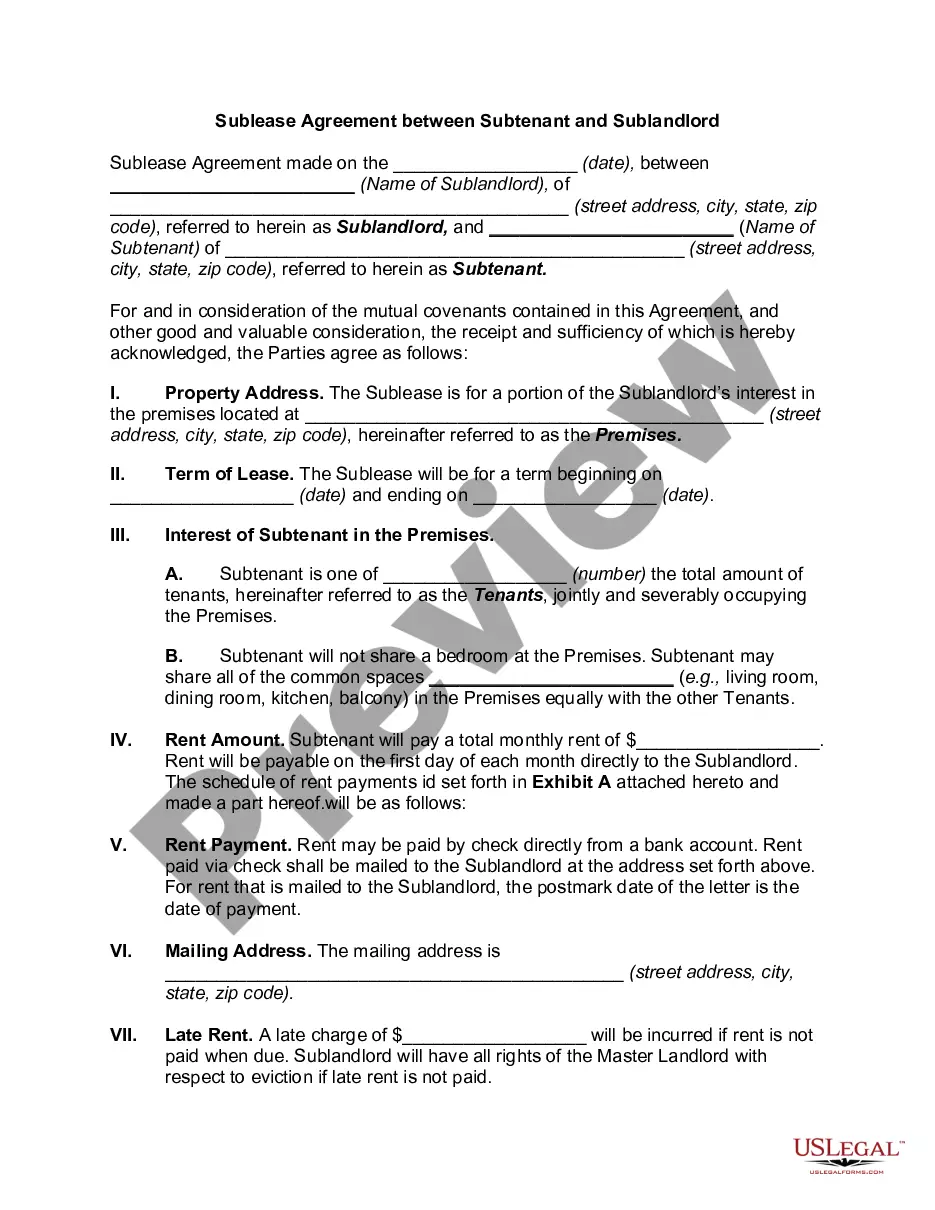
The names of the parties (the tenant, the subtenant and the landlord); information of the master/original lease; the term of the sublease and whether the sublease is fixed or periodic; and. the amount of rent payable (if different from the master lease).
On your sublease agreement, include a list of various areas of the property (including the subtenant's room, hardwood floors, walls, exterior, etc.) and note its condition. And since you and your subtenant will need to abide by the original lease that you signed, it's important to include this with your sublease.
Record a liability calculated as the present value of the remaining minimum lease payments due under the original (head) lease, reduced by the present value of any estimated sublease income, Write off the deferred rent from the original lease, and. Record a loss on the income statement for the difference.
Subleasing occurs when the tenant transfers a part of their legal tenancy to a third-party as a new tenant.That means that if a new subtenant does not pay rent for three months, the original tenant that subleased the property is liable to the landlord for the overdue rent amount and any late fees.
To know what rights you have as a subletter, as well as if you're allowed to be there in the first place, make sure to read the original lease between the landlord and the original renter before signing a sublet agreement. Also know that you have the chance to negotiate a rental price with the original renter.