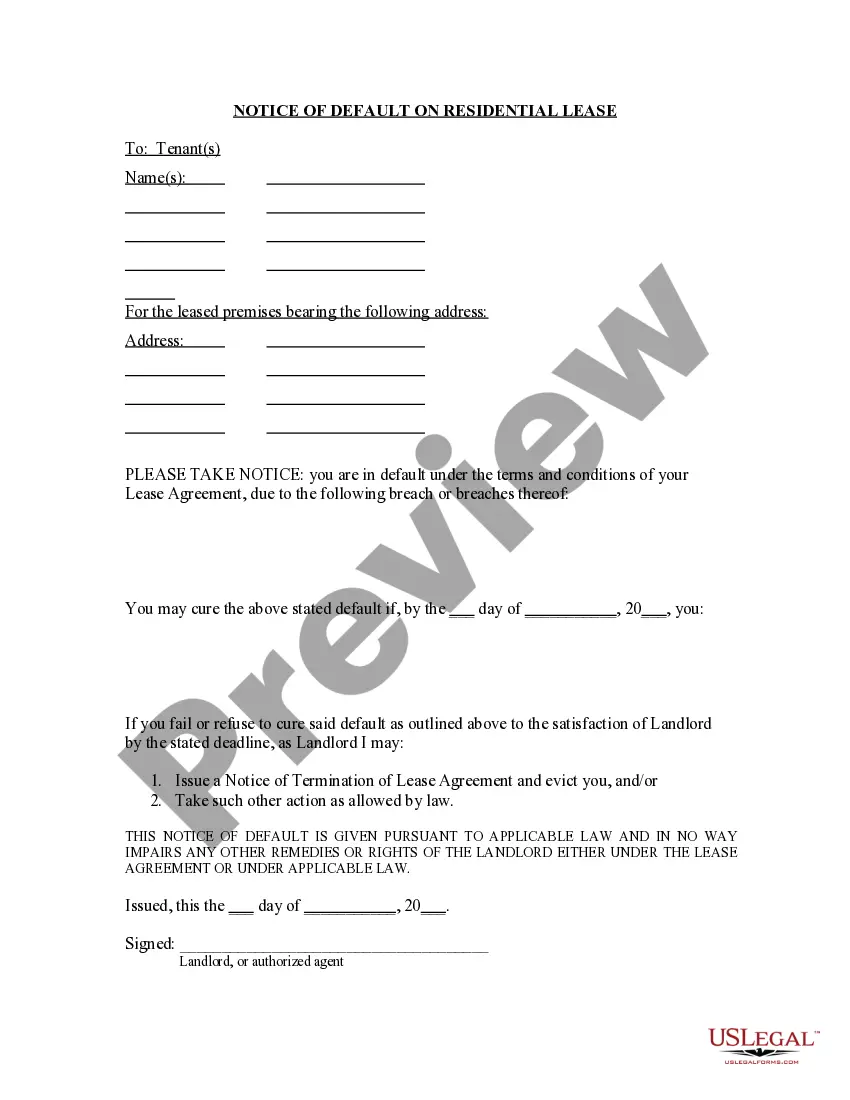
Maryland Notice of Default in Payment of Rent as Warning Prior to Demand to Pay or Terminate for Residential Property
What is this form?
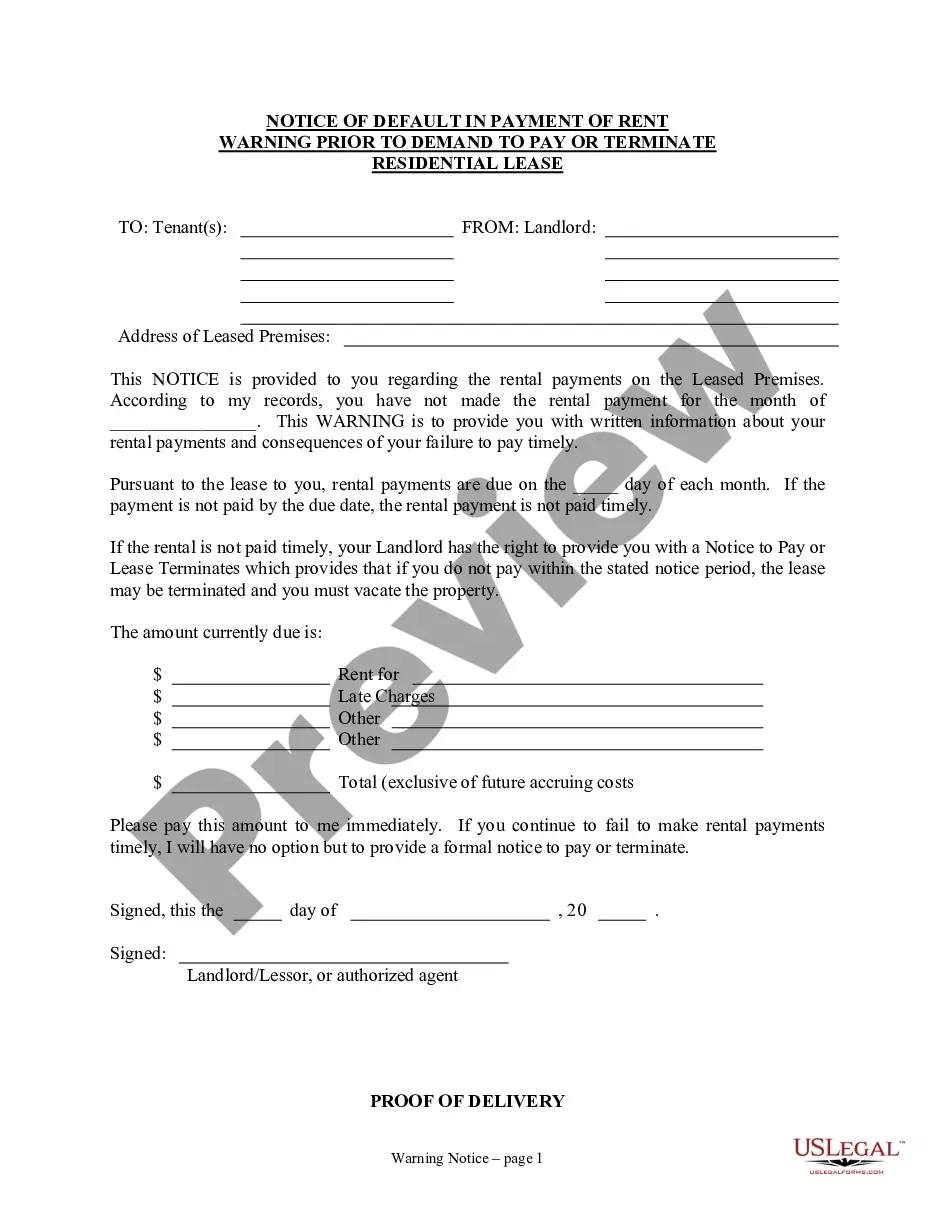
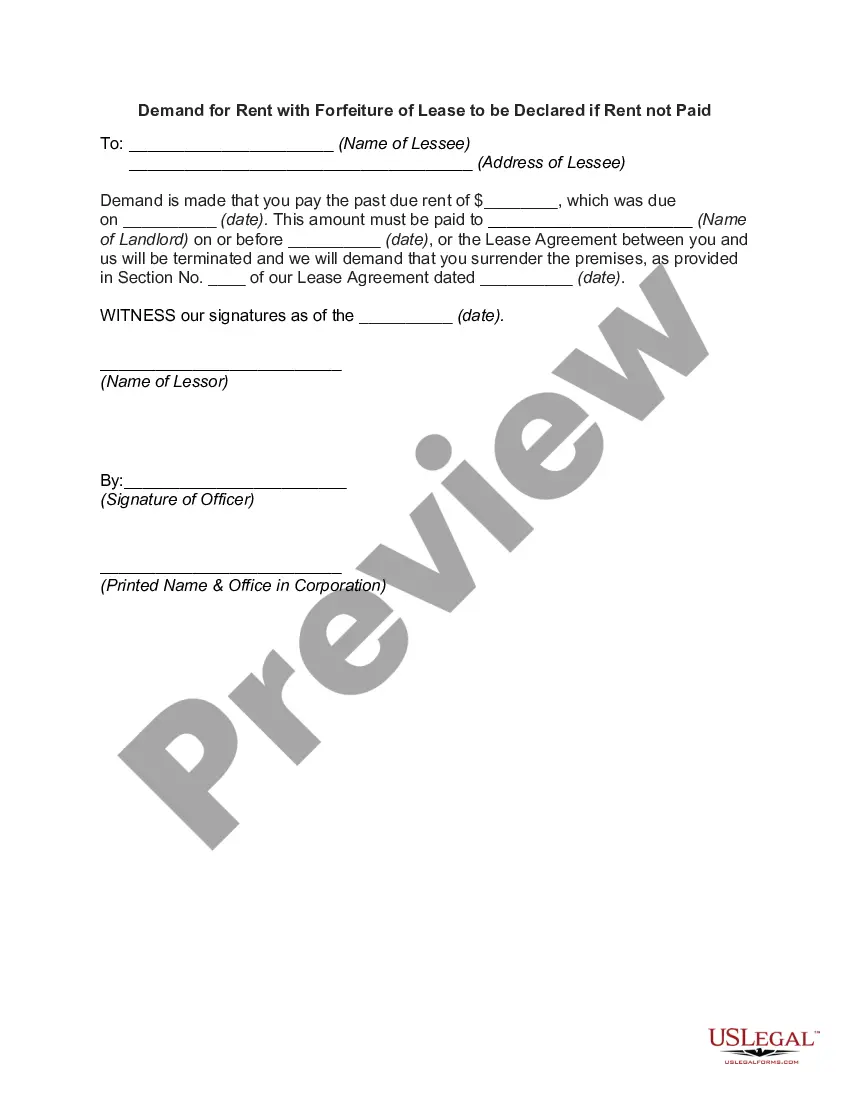
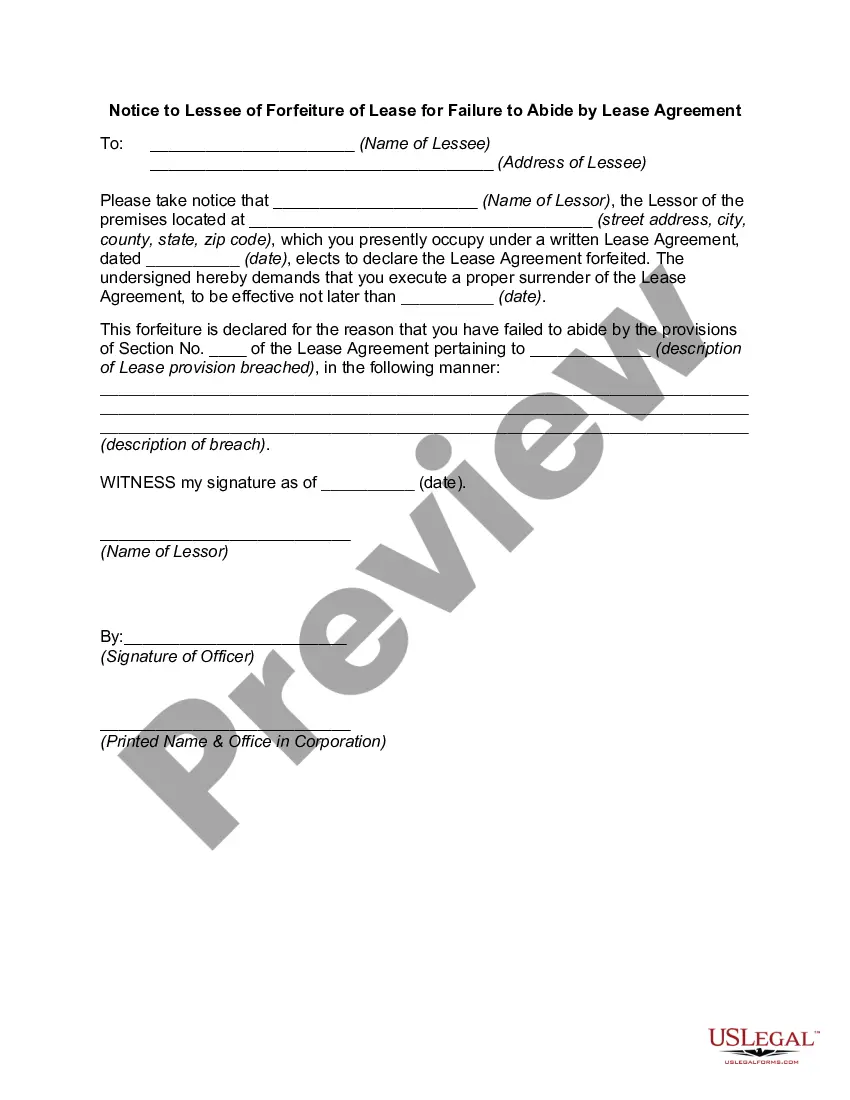
The Notice of Default in Payment of Rent as Warning Prior to Demand to Pay or Terminate for Residential Property serves as an official notification from a landlord to a tenant regarding unpaid rent. This form highlights the tenant's default and outlines the potential consequences of failing to address the payment. Unlike a formal eviction notice, this document acts as a preliminary warning, allowing the tenant an opportunity to remedy the situation before more severe actions are taken.
Key parts of this document
- A header indicating the purpose of the notice.
- Identification of the tenant and landlord, including contact details.
- Specific month for which rent has not been paid.
- Details on rental payment due dates and consequences of non-payment.
- A summary of the total amount due, including any late fees.
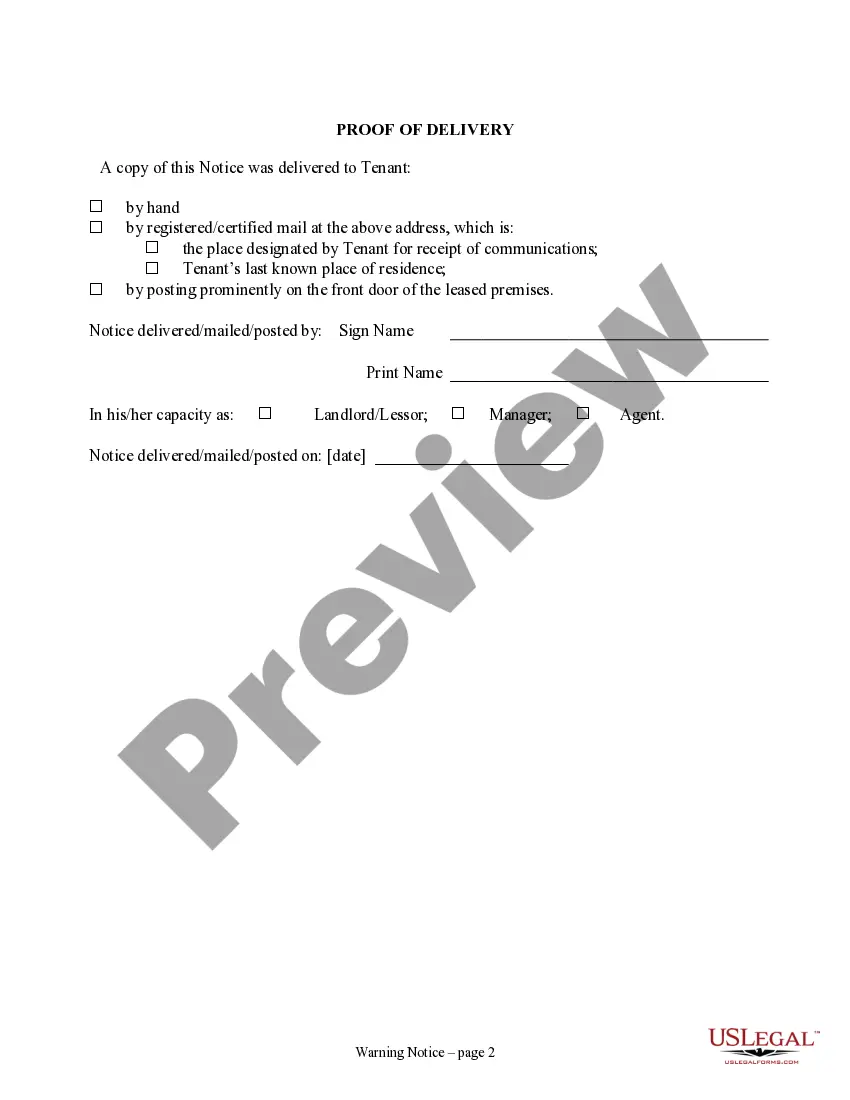
- Proof of delivery section to document how the notice was communicated to the tenant.


When to use this document
This form should be used when a landlord wishes to formally alert a tenant about a missed rent payment before proceeding with more serious legal actions like eviction. It is particularly useful in situations where communication has broken down, and the landlord wants to ensure the tenant is aware of the overdue payment and the repercussions of continued non-payment.
Who should use this form
- Landlords managing residential properties who need to address rent payment issues.
- Property managers acting on behalf of landlords to notify tenants of defaults.
- Tenants who want to understand a formal notice they have received regarding overdue rent payments.
How to prepare this document
- Identify the parties involved by entering the landlord's and tenant's names and addresses.
- Specify the month for which the rent has not been paid.
- Clearly state the due date for the rental payment.
- List the total amount due, including any late charges.
- Sign and date the notice to validate the document.
- Document how the notice was delivered to the tenant in the proof of delivery section.
Notarization guidance
Notarization is generally not required for this form. However, certain states or situations might demand it. You can complete notarization online through US Legal Forms, powered by Notarize, using a verified video call available anytime.
Get your form ready online
Our built-in tools help you complete, sign, share, and store your documents in one place.
Make edits, fill in missing information, and update formatting in US Legal Forms—just like you would in MS Word.
Download a copy, print it, send it by email, or mail it via USPS—whatever works best for your next step.
Sign and collect signatures with our SignNow integration. Send to multiple recipients, set reminders, and more. Go Premium to unlock E-Sign.
If this form requires notarization, complete it online through a secure video call—no need to meet a notary in person or wait for an appointment.
We protect your documents and personal data by following strict security and privacy standards.

Make edits, fill in missing information, and update formatting in US Legal Forms—just like you would in MS Word.

Download a copy, print it, send it by email, or mail it via USPS—whatever works best for your next step.

Sign and collect signatures with our SignNow integration. Send to multiple recipients, set reminders, and more. Go Premium to unlock E-Sign.

If this form requires notarization, complete it online through a secure video call—no need to meet a notary in person or wait for an appointment.

We protect your documents and personal data by following strict security and privacy standards.
Common mistakes
- Failing to include the specific rental month for which payment is missed.
- Not providing accurate contact information for both landlord and tenant.
- Omitting the total amount due and the breakdown of late fees if applicable.
- Neglecting to sign and date the notice, making it invalid.
Advantages of online completion
- Easy access to professionally drafted legal templates that are compliant with state laws.
- Conveniently downloadable and ready to use, saving time and effort.
- Editable forms that allow for customization according to specific situations.
- Reliable legal documents that help landlords assert their rights effectively.
Legal use & context
- This notice is a preliminary step in the eviction process for non-payment of rent.
- It helps establish a formal record of communication with the tenant regarding their payment obligations.
- Failure to follow the proper procedure may affect the landlord's rights in a potential eviction case.
Summary of main points
- The Notice of Default is essential for landlords to inform tenants of late payments.
- It outlines the consequences of failing to pay rent on time.
- Landlords should adhere to state-specific laws regarding notices and eviction procedures.
Looking for another form?
Form popularity
FAQ
A default letter for rent serves as a formal notice to the tenant, indicating that they have failed to make their rent payment on time. This letter is crucial in the process of managing residential properties, as it initiates communication regarding the unpaid rent. The Maryland Notice of Default in Payment of Rent as Warning Prior to Demand to Pay or Terminate for Residential Property is an important document that landlords can use to outline the specifics of the missed payment and the consequences that may follow. Utilizing platforms like USLegalForms can help you generate this essential document efficiently and ensure compliance with Maryland laws.
When a tenant defaults on rent, the landlord typically initiates the process of delivering a Maryland Notice of Default in Payment of Rent as Warning Prior to Demand to Pay or Terminate for Residential Property. This document serves as a formal warning and outlines the steps the landlord may take if the rent remains unpaid. It is crucial for landlords to follow legal processes to protect their rights while maintaining a professional relationship with tenants. Consulting resources, like US Legal Forms, can simplify this process and ensure compliance with local laws.
To write a rent reminder notice, begin by clearly stating the date and amount due. Include the tenant's name and property address to ensure clarity. Incorporate the Maryland Notice of Default in Payment of Rent as Warning Prior to Demand to Pay or Terminate for Residential Property to inform the tenant of their obligations. Lastly, encourage open communication by inviting the tenant to discuss any issues they might be facing.
A 'default on rent' occurs when a tenant fails to make their rent payment on the due date. This situation can lead to serious consequences, including a Maryland Notice of Default in Payment of Rent as Warning Prior to Demand to Pay or Terminate for Residential Property. Understanding this concept is crucial for both tenants and landlords, as it helps in navigating rental agreements effectively. If you're facing issues related to rent defaults, consider utilizing tools and resources from USLegalForms to help manage your tenancy responsibilities.
In Maryland, a tenant can typically face eviction after being at least one month behind on rent. However, the exact trigger for eviction may vary based on the lease and the landlord's policies. The Maryland Notice of Default in Payment of Rent as Warning Prior to Demand to Pay or Terminate for Residential Property plays a significant role in this process. It serves as a formal warning that highlights the necessary steps before eviction can occur.
To terminate a tenancy in Maryland, you need to provide your tenant with appropriate written notice. Generally, if a tenant has been renting for a year or longer, at least 90 days’ notice is required. If the tenancy lasts less than a year, a 30-day notice suffices. This process is crucial, especially when considering the Maryland Notice of Default in Payment of Rent as Warning Prior to Demand to Pay or Terminate for Residential Property.
In Maryland, the minimum time for an eviction notice varies based on the situation. Typically, landlords must provide at least 60 days' notice before beginning an eviction process for non-payment of rent. This aligns with the Maryland Notice of Default in Payment of Rent as Warning Prior to Demand to Pay or Terminate for Residential Property. Understanding the proper notice period can help ensure a smoother transition for both tenants and landlords.