New Mexico Notice of Default in Payment of Rent as Warning Prior to Demand to Pay or Terminate for Residential Property
Description
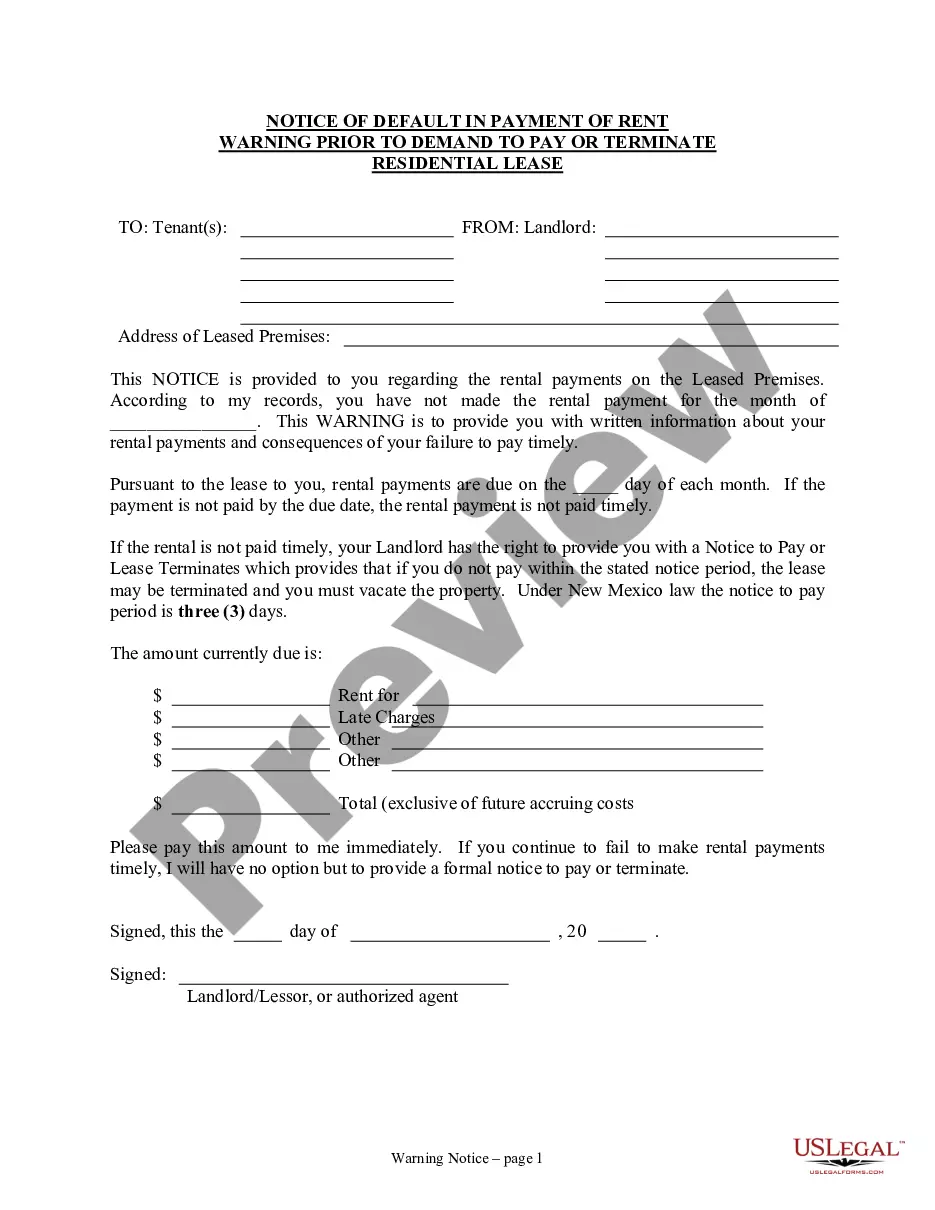
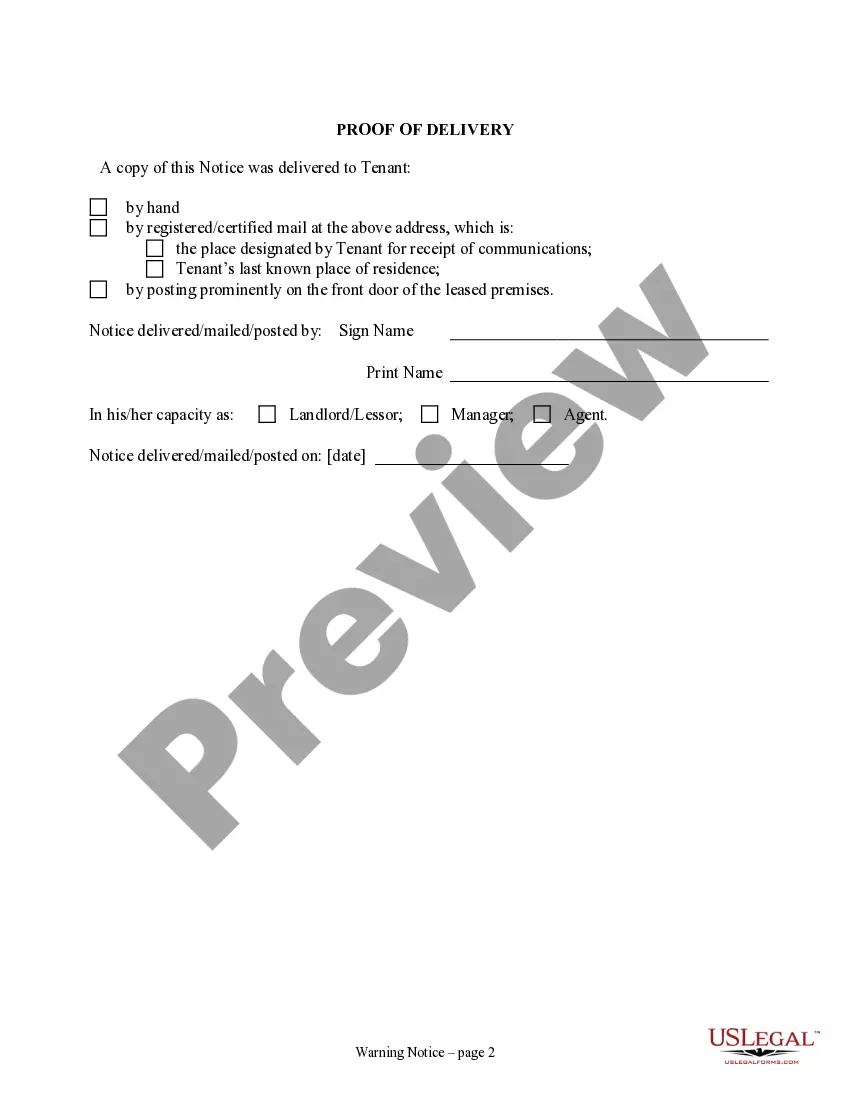
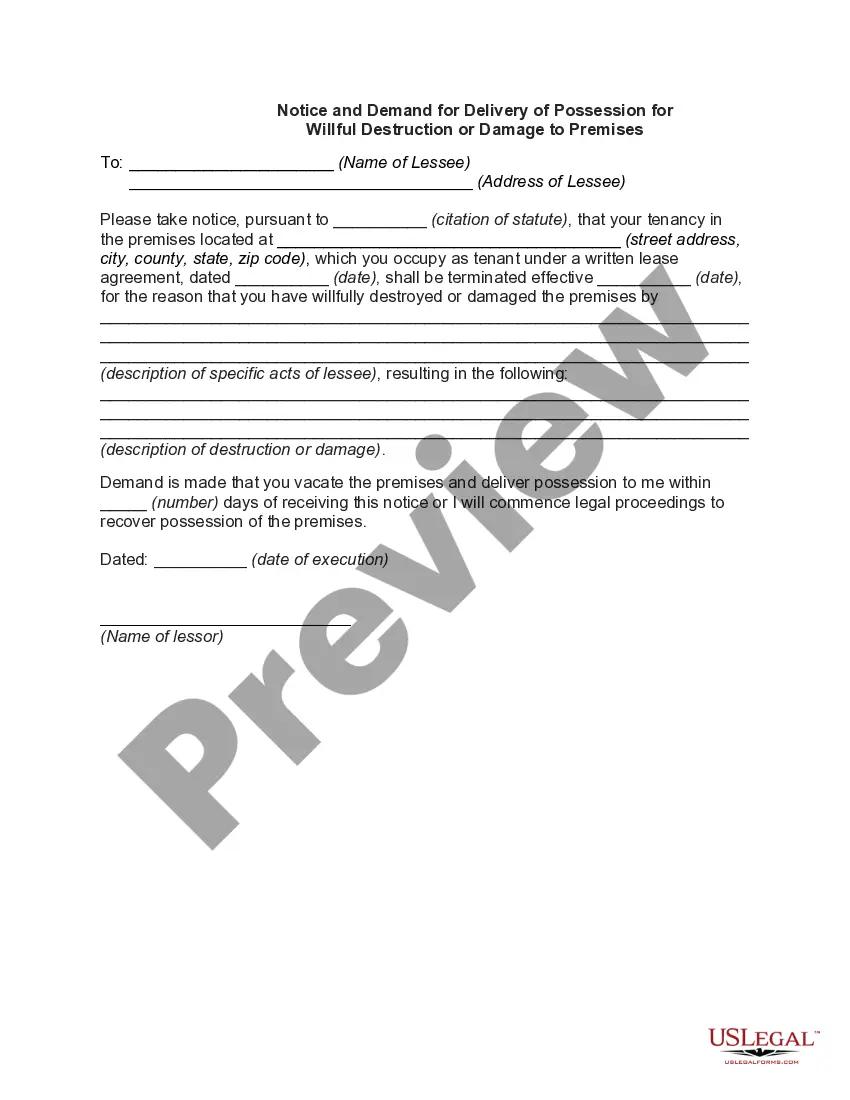
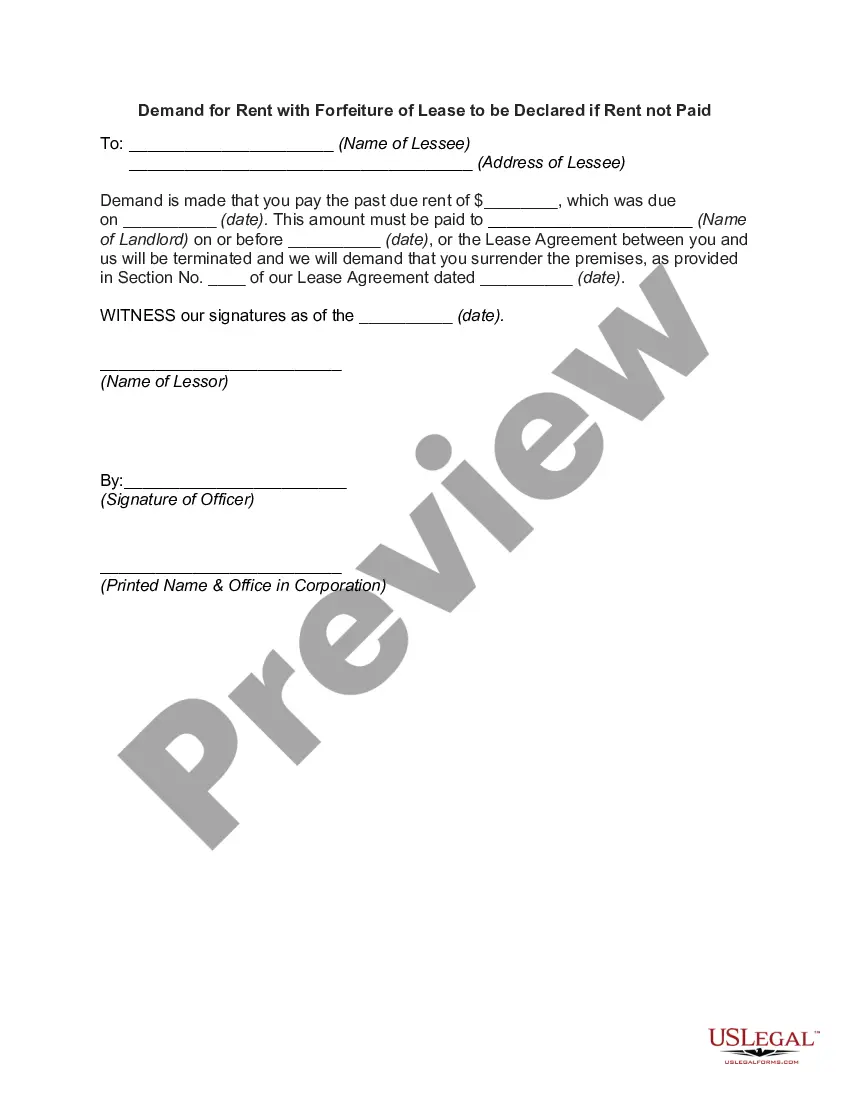
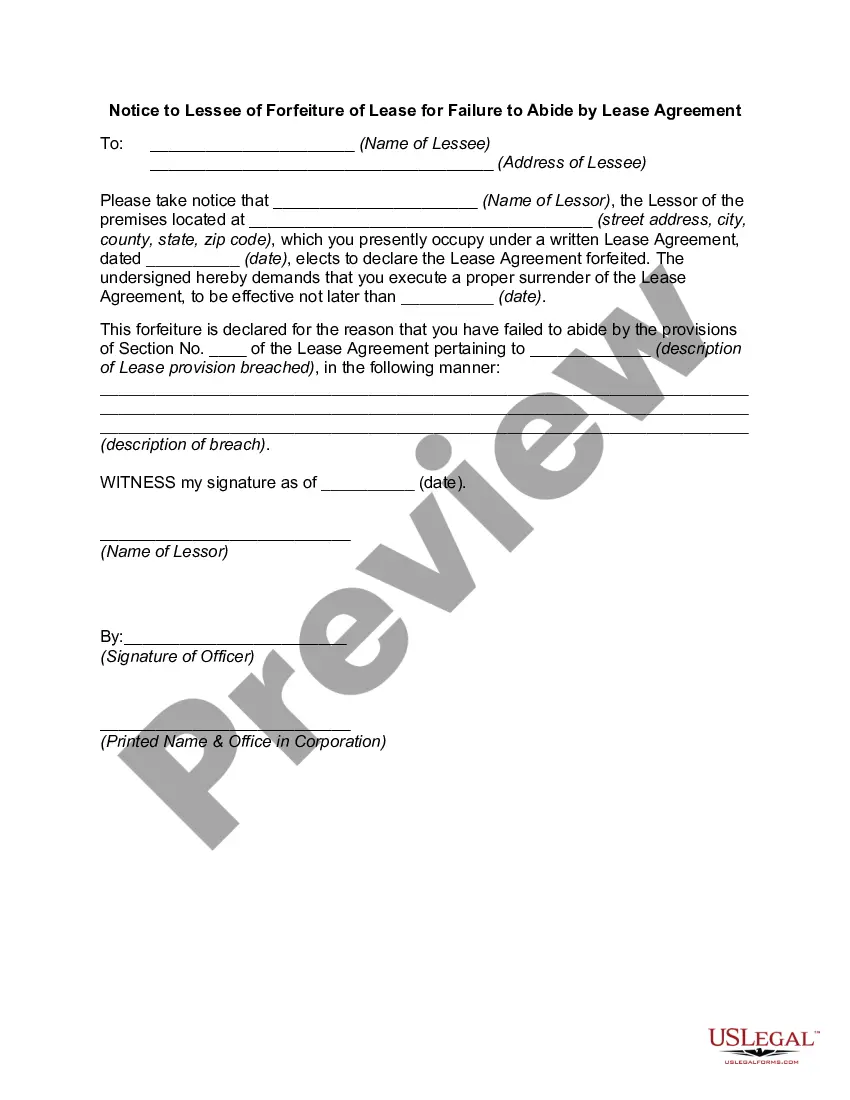


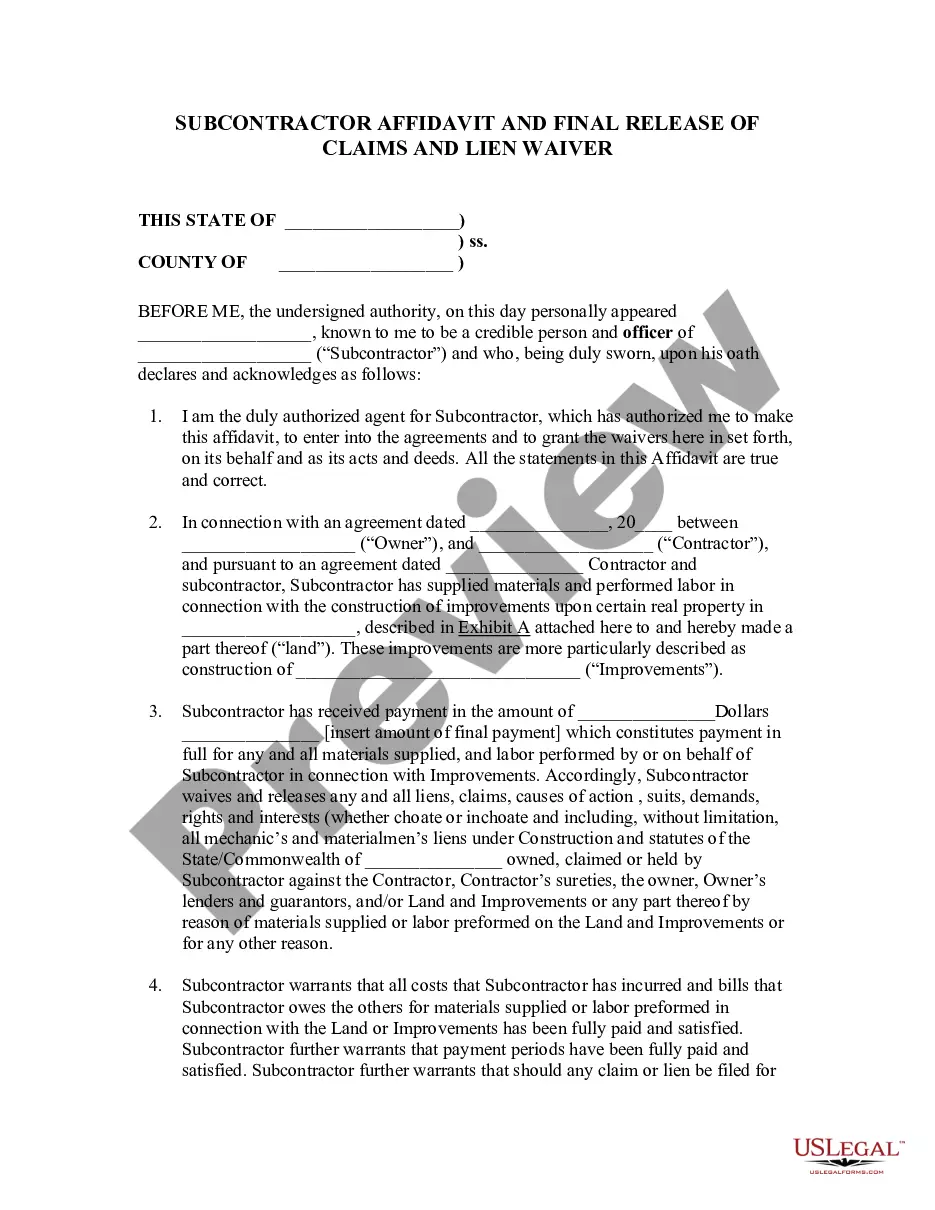
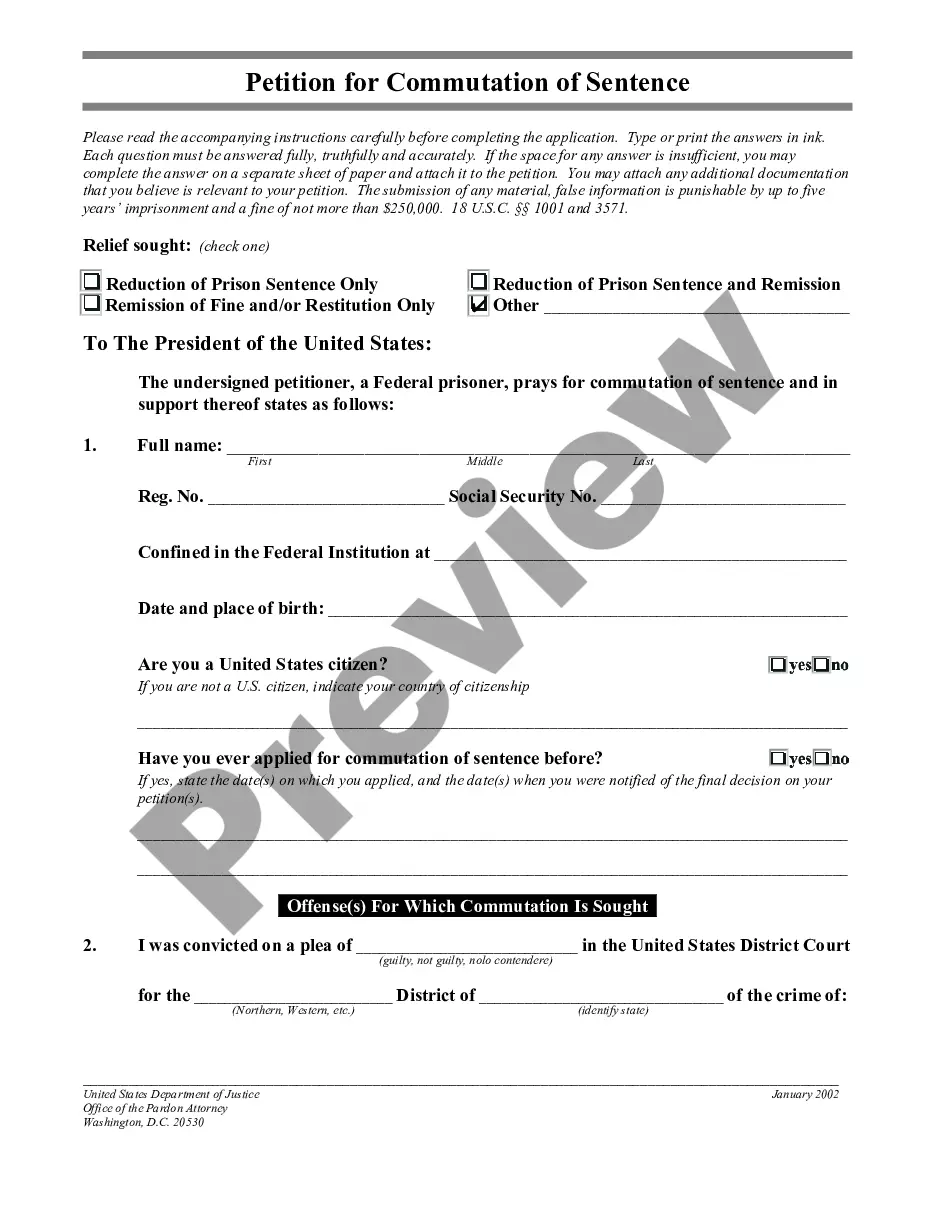
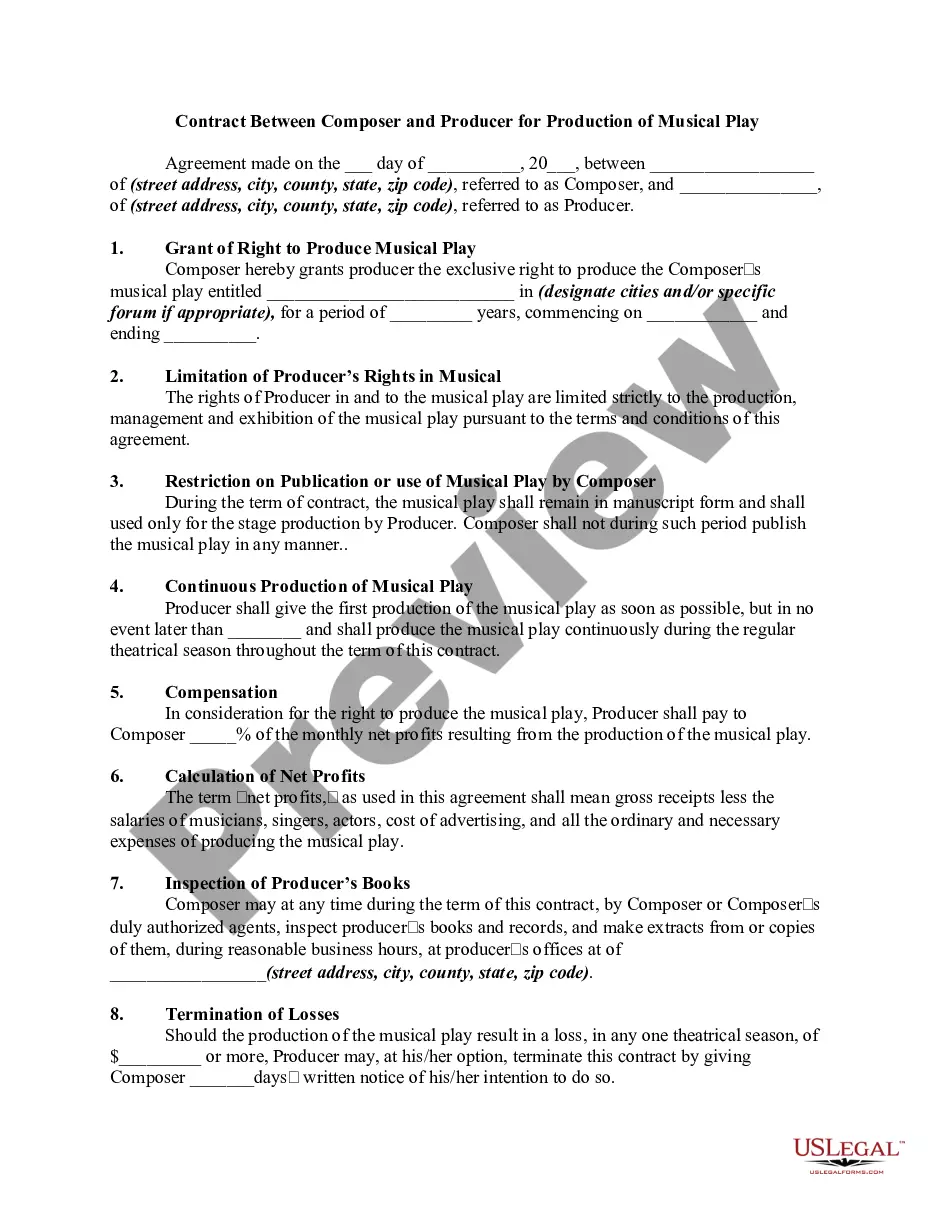
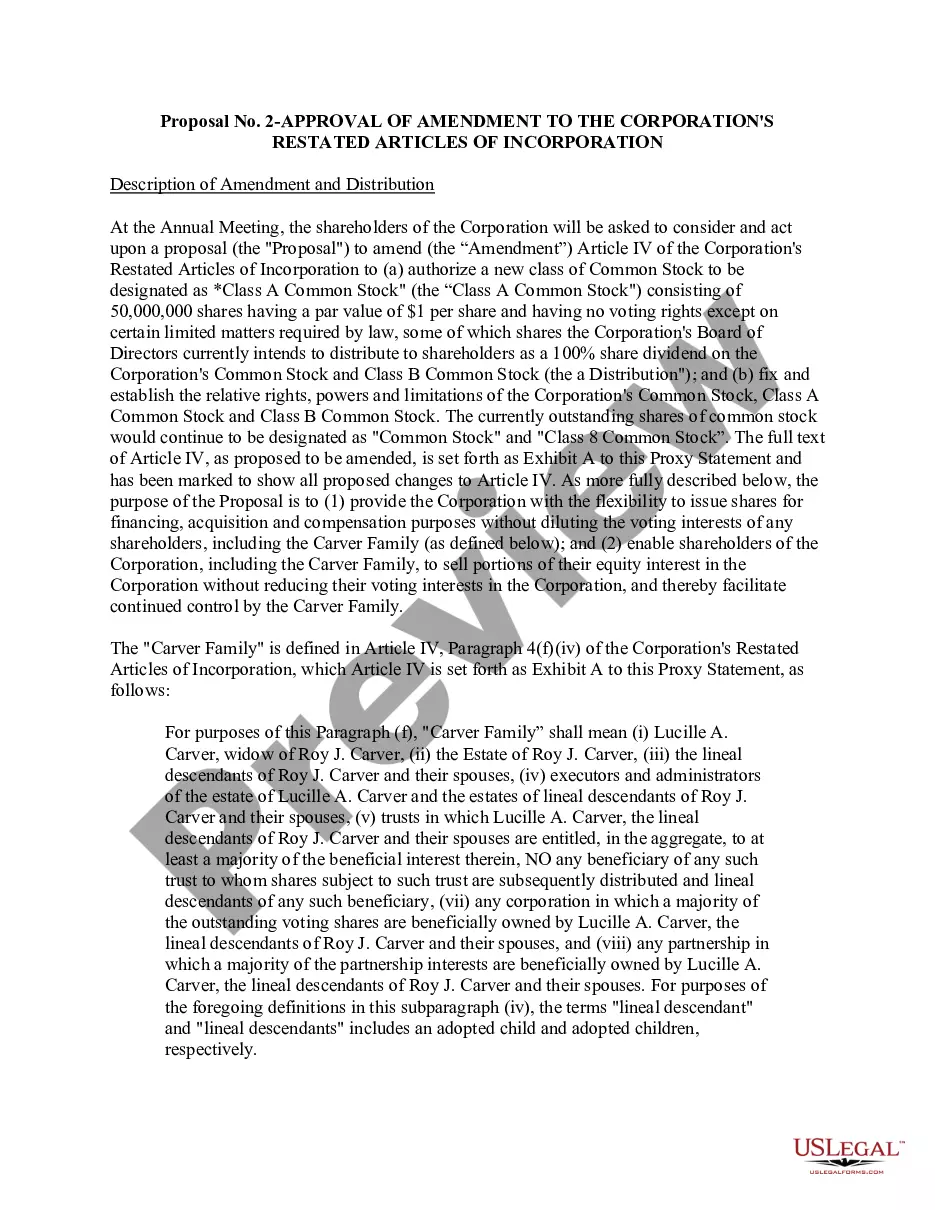
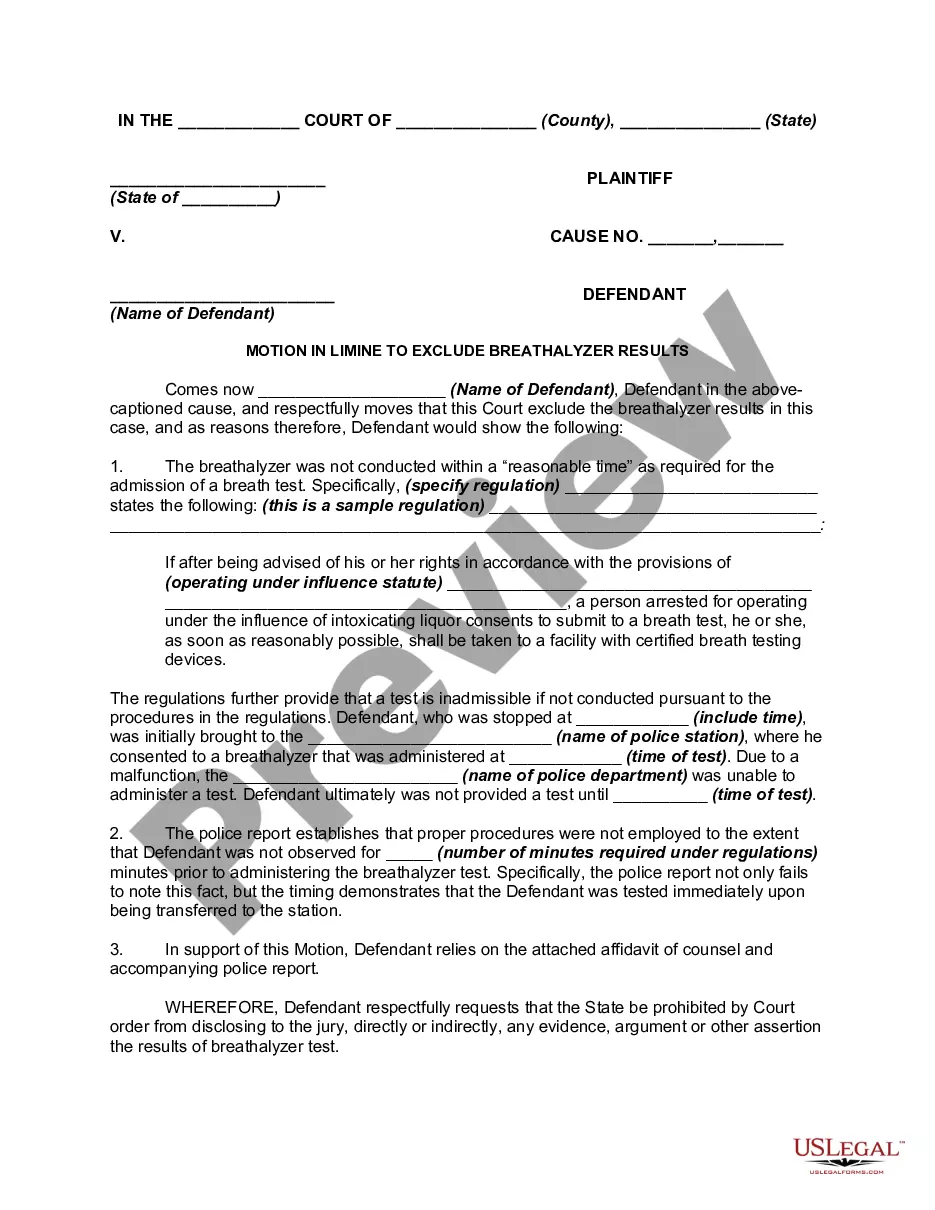
How to fill out New Mexico Notice Of Default In Payment Of Rent As Warning Prior To Demand To Pay Or Terminate For Residential Property?
US Legal Forms is actually a special platform to find any legal or tax template for filling out, including New Mexico Notice of Default in Payment of Rent as Warning Prior to Demand to Pay or Terminate for Residential Property. If you’re tired of wasting time searching for appropriate samples and spending money on papers preparation/lawyer charges, then US Legal Forms is precisely what you’re looking for.
To experience all the service’s advantages, you don't need to install any software but just choose a subscription plan and sign up your account. If you already have one, just log in and get an appropriate template, download it, and fill it out. Downloaded documents are saved in the My Forms folder.
If you don't have a subscription but need to have New Mexico Notice of Default in Payment of Rent as Warning Prior to Demand to Pay or Terminate for Residential Property, take a look at the recommendations listed below:
- Double-check that the form you’re looking at applies in the state you want it in.
- Preview the sample and look at its description.
- Click Buy Now to access the sign up webpage.
- Pick a pricing plan and continue registering by providing some information.
- Select a payment method to complete the registration.
- Download the document by choosing your preferred file format (.docx or .pdf)
Now, submit the document online or print out it. If you feel unsure about your New Mexico Notice of Default in Payment of Rent as Warning Prior to Demand to Pay or Terminate for Residential Property form, contact a lawyer to review it before you decide to send out or file it. Start hassle-free!
Form popularity
FAQ
Type your letter. Concisely review the main facts. Be polite. Write with your goal in mind. Ask for exactly what you want. Set a deadline. End the letter by stating you will promptly pursue legal remedies if the other party does not meet your demand. Make and keep copies.
Someone owes you money. There are various reasons that one party may owe money to another. Someone owes you an obligation in some way. For insurance claims after an injury.
Many courts require you to make a formal demand for payment before filing your lawsuit. But even if writing a formal demand letter isn't legally necessary, there are two reasons why sending one makes sense: In as many as one-third of all disputes, your demand letter will catalyze settlement.
Use a letterhead. Outline the facts/story leading up to the demand letter in a chronological manner. State the legal basis for your claim. State how you will pursue legal action if your demand is not met, and include a timeline within which the demand is to be met.
A demand letter is the cheapest way to try and resolve a legal dispute. The law firm will write a demand letter to the person that owes you money. The payment letter will say that the person should pay the debt owing or your business might pursue legal action.
Courts like to see that efforts have been made to settle disputes. Sending a demand letter by certified mail (with return receipt requested) and by regular mail provides proof that you made the effort. In some cases, sending a demand letter is required before going to court.
1Type your letter.2Concisely review the main facts.3Be polite.4Write with your goal in mind.5Ask for exactly what you want.6Set a deadline.7End the letter by stating you will promptly pursue legal remedies if the other party does not meet your demand.8Make and keep copies.How to Write a Demand Letter WashingtonLawHelp.org Helpful\nwww.washingtonlawhelp.org > resource > how-to-write-a-demand-letter
Although an attorney often writes the demand letter, you can also do it yourself in several cases:If you have a fairly simple legal issue and you want to go through the process yourself, without an attorney. If you want to clarify your thoughts on what happened and what you want.