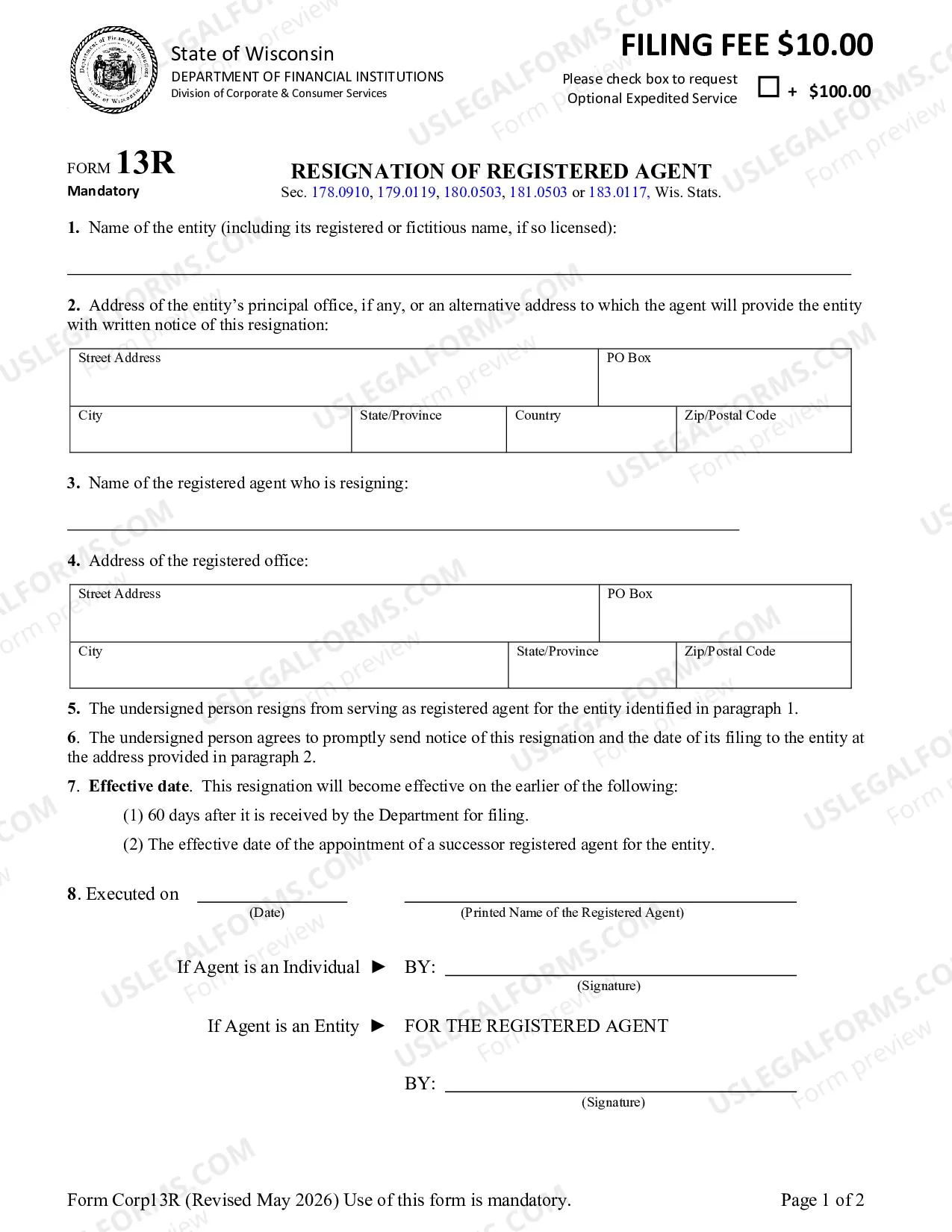
Massachusetts Notice of Contract - Individual
About this form
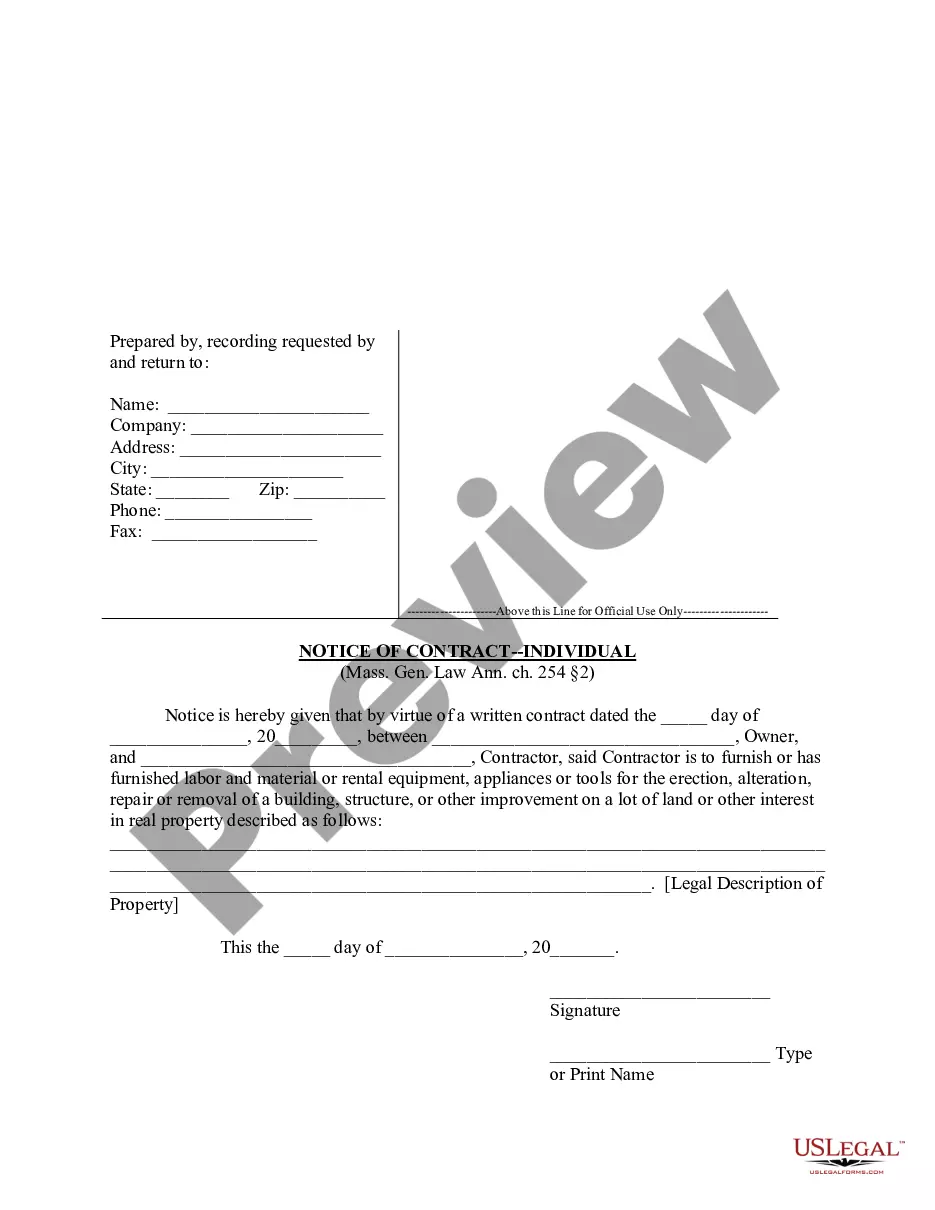
The Notice of Contract - Individual is a legal document used in Massachusetts to record a contract between an owner and a contractor. This form is essential for perfecting a lien on a property by notifying the relevant authorities about labor or materials provided under a written contract. Unlike other construction-related forms, this document must be filed within specified time limits to ensure enforceability under Massachusetts law.
Key components of this form
- Name and contact information of the parties involved.
- The date and details of the written contract.
- Description of the property where work is being performed.
- Signature of the individual completing the notice.
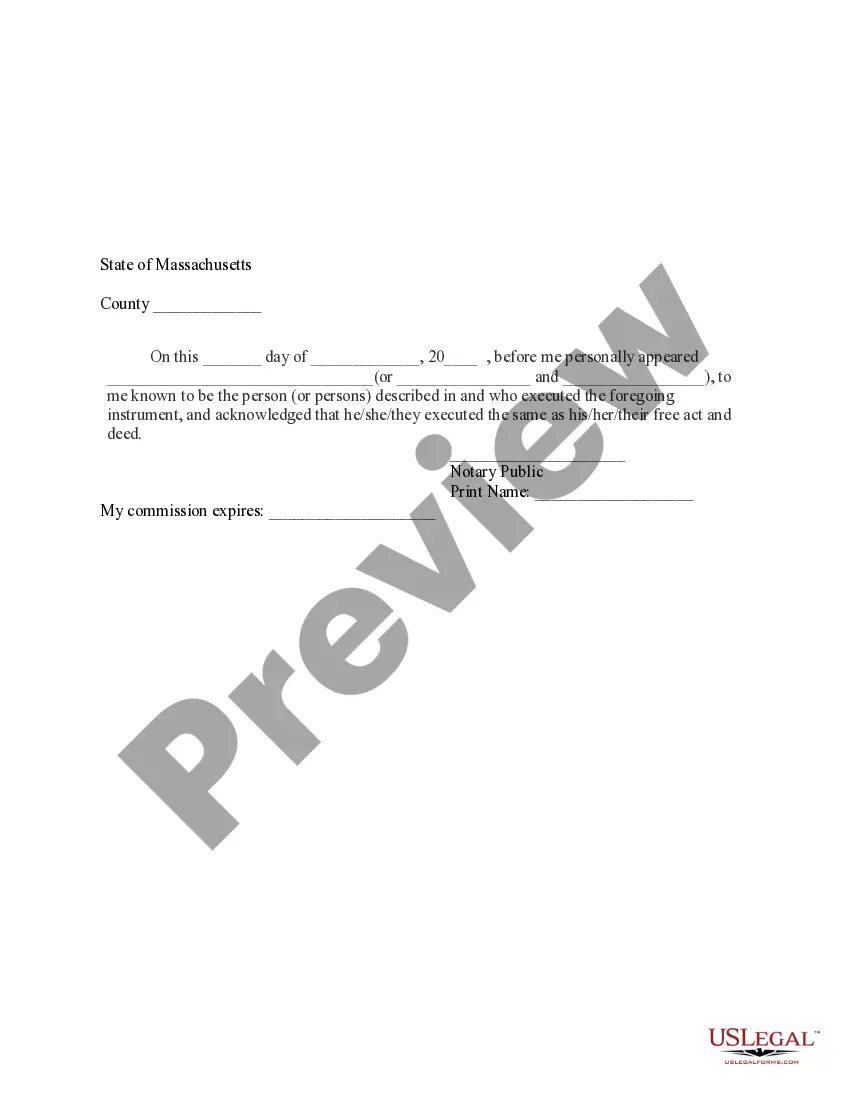
- Notary acknowledgment section for legal validation.
When this form is needed
This form should be used when a contractor has provided labor or material for the construction, alteration, repair, or removal of a building or structure. Specifically, it is necessary when the contractor needs to secure their right to a lien against the property due to unpaid work or materials delivered. It must be recorded in the registry of deeds shortly after the contract is executed, adhering to the designated timeframe outlined in Massachusetts law.
Who can use this document
- Contractors seeking to assert a lien on a property they have worked on.
- Property owners entering into contracts for construction-related services.
- Individuals involved in real estate transactions requiring formal notification of work done.
Completing this form step by step
- Identify all parties involved and fill in their names and contact details.
- Specify the date of the written contract.
- Provide a detailed legal description of the property affected by the contract.
- Sign and date the document where indicated.
- Obtain notarization to ensure the form is legally valid.
Does this document require notarization?
Yes, this form must be notarized to be legally valid. US Legal Forms offers integrated online notarization services, available 24/7. You can securely complete the notarization via a video call, ensuring legal equivalence without the need for travel.
Get your form ready online
Our built-in tools help you complete, sign, share, and store your documents in one place.
Make edits, fill in missing information, and update formatting in US Legal Forms—just like you would in MS Word.
Download a copy, print it, send it by email, or mail it via USPS—whatever works best for your next step.
Sign and collect signatures with our SignNow integration. Send to multiple recipients, set reminders, and more. Go Premium to unlock E-Sign.
If this form requires notarization, complete it online through a secure video call—no need to meet a notary in person or wait for an appointment.
We protect your documents and personal data by following strict security and privacy standards.

Make edits, fill in missing information, and update formatting in US Legal Forms—just like you would in MS Word.

Download a copy, print it, send it by email, or mail it via USPS—whatever works best for your next step.

Sign and collect signatures with our SignNow integration. Send to multiple recipients, set reminders, and more. Go Premium to unlock E-Sign.

If this form requires notarization, complete it online through a secure video call—no need to meet a notary in person or wait for an appointment.

We protect your documents and personal data by following strict security and privacy standards.
Avoid these common issues
- Failing to provide a complete legal description of the property.
- Not signing the form before notarization.
- Missing the deadline for filing the notice after contract execution.
Why use this form online
- Immediate access to download and print the form as needed.
- Convenient editing options to customize the form for personal use.
- Reliable templates reviewed by licensed attorneys to ensure compliance.
Main things to remember
- The Notice of Contract is essential for securing contractor rights under Massachusetts lien laws.
- Timely filing is crucial to avoid losing lien privileges.
- Proper completion and notarization of the form are necessary for legal enforceability.
Looking for another form?

Form popularity
FAQ
Receiving a letter from the Massachusetts Department of Revenue typically indicates that there may be a tax-related matter requiring your attention. This could involve your business activities, or specifically, how they're documented under the Massachusetts Notice of Contract - Individual. It's vital to address these letters promptly to avoid penalties. Consulting with experts can make the process clearer.
If you entered into the contract over the phone, online or on your doorstep, you have 14 calendar days to cancel the contract under the Consumer Contracts Regulations.If you want to cancel a credit agreement, the Consumer Credit Act gives you a 14-day cooling-off period to cancel the agreement.
You shouldn't pay more than 10 percent of the estimated contract price upfront, according to the Contractors State License Board.
There is a federal law (and similar laws in every state) allowing consumers to cancel contracts made with a door-to-door salesperson within three days of signing. The three-day period is called a "cooling off" period.
Massachusetts law prohibits a contractor requiring an initial deposit of over 33% of the total contract price unless special materials are ordered. Any contractor demanding over a 33% deposit should raise a huge red flag .
While both verbal and written contracts are enforceable under Massachusetts law, verbal contracts are more difficult to enforce in many situations. To enforce a contract, the court must be able to know and understand the essential terms of the agreement.
Rescission. One other way to terminate a contract is to rescind a contract. So some contracts legally have a rescission clause or a cancellation period. Canceling the contract returns, the people, or both parties involved to the contract back to the way things were before they signed the contract.
The 72-hour contract law allows consumers the right to cancel a contract during what is referred to as a "cooling off" period. The timeframe for canceling is usually 72 hours, which means a consumer has until midnight after the third day the contract is signed.
For lawsuits dealing with contracts in Massachusetts, the statute of limitations is typically six years after the contract was broken.
Massachusetts law only provides for cooling-off periods in extremely limited situations. merchant's usual place of business, you have three days to cancel the contract.