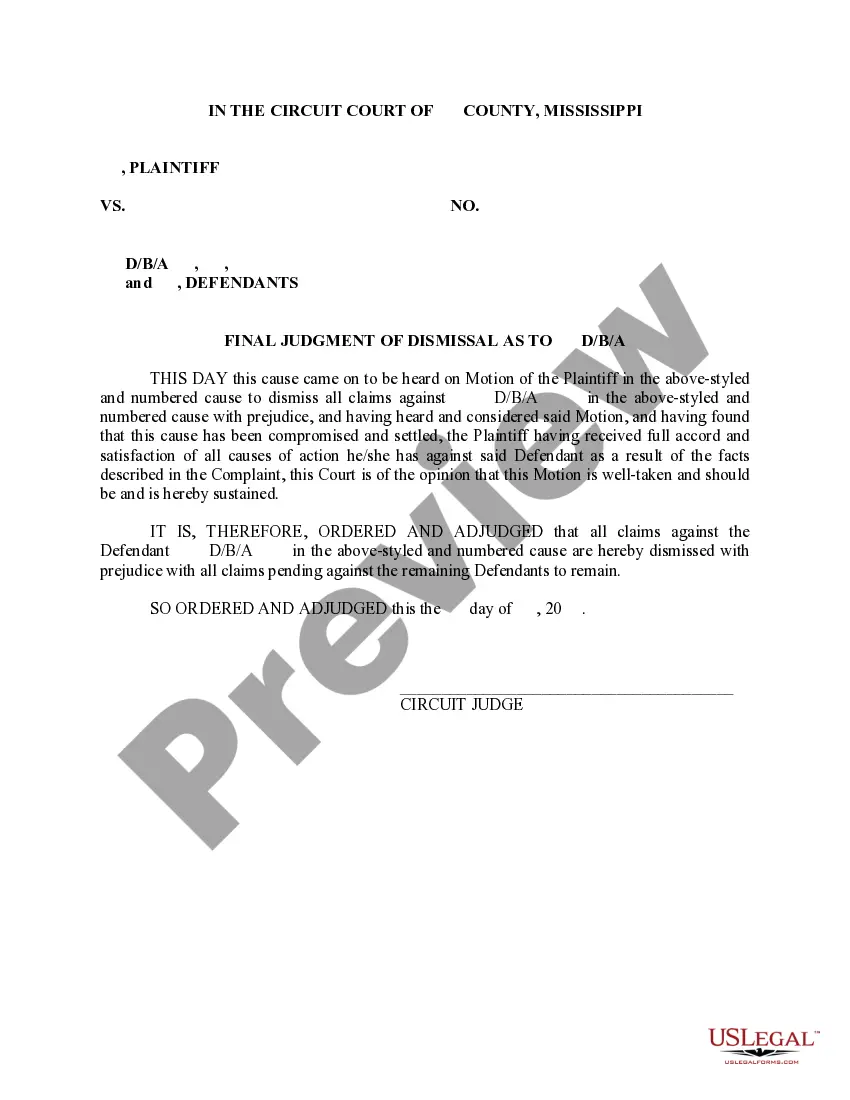
Louisiana Commercial Sublease
What is this form?
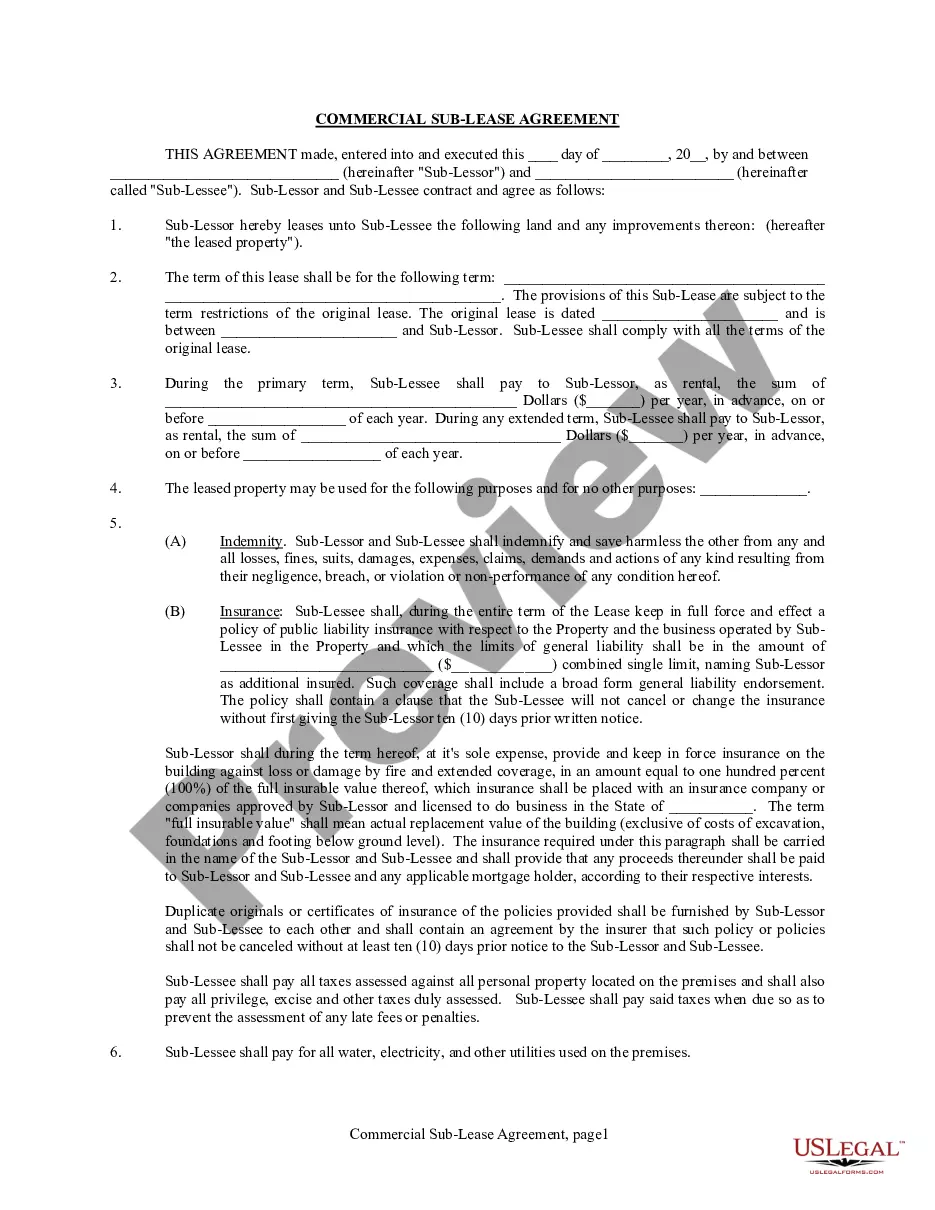
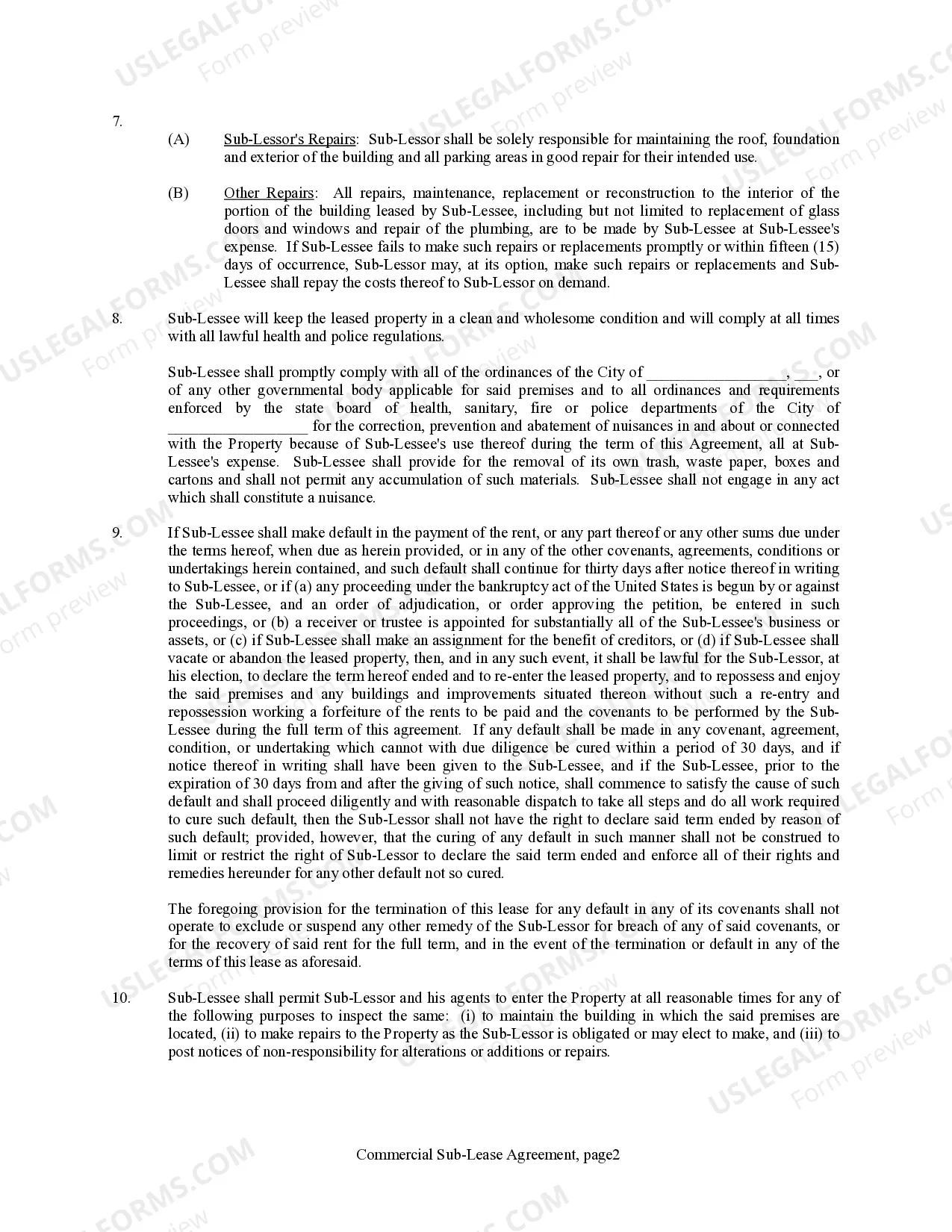
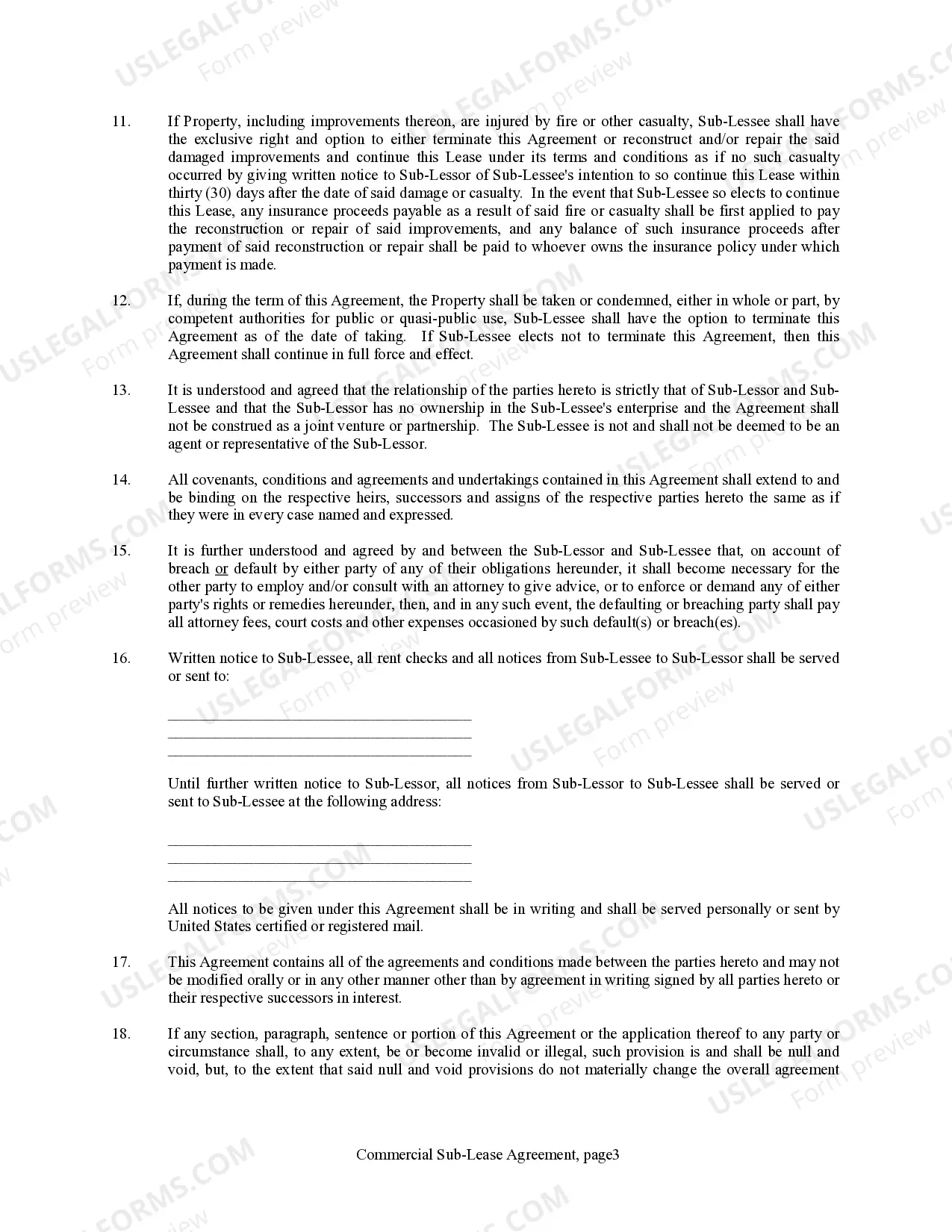
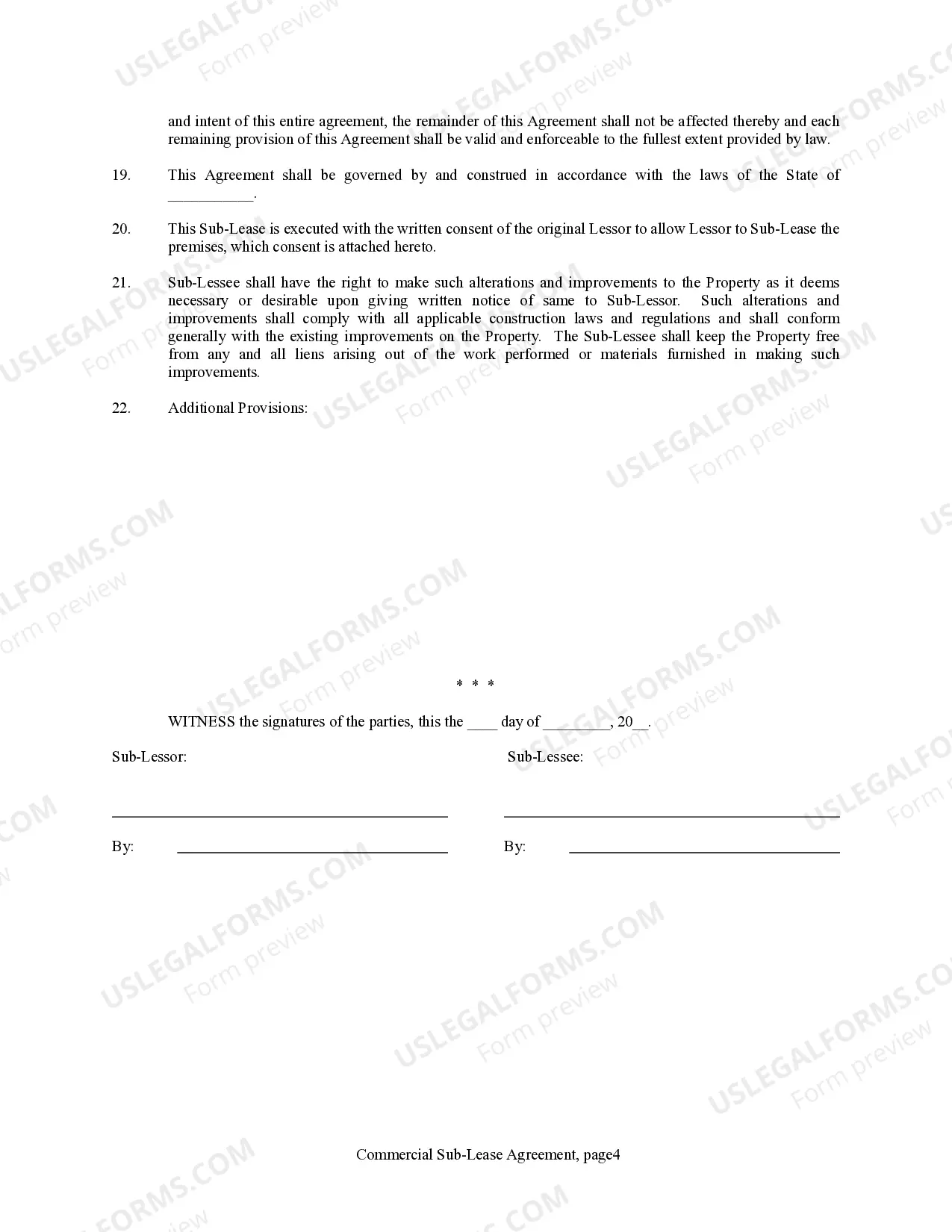
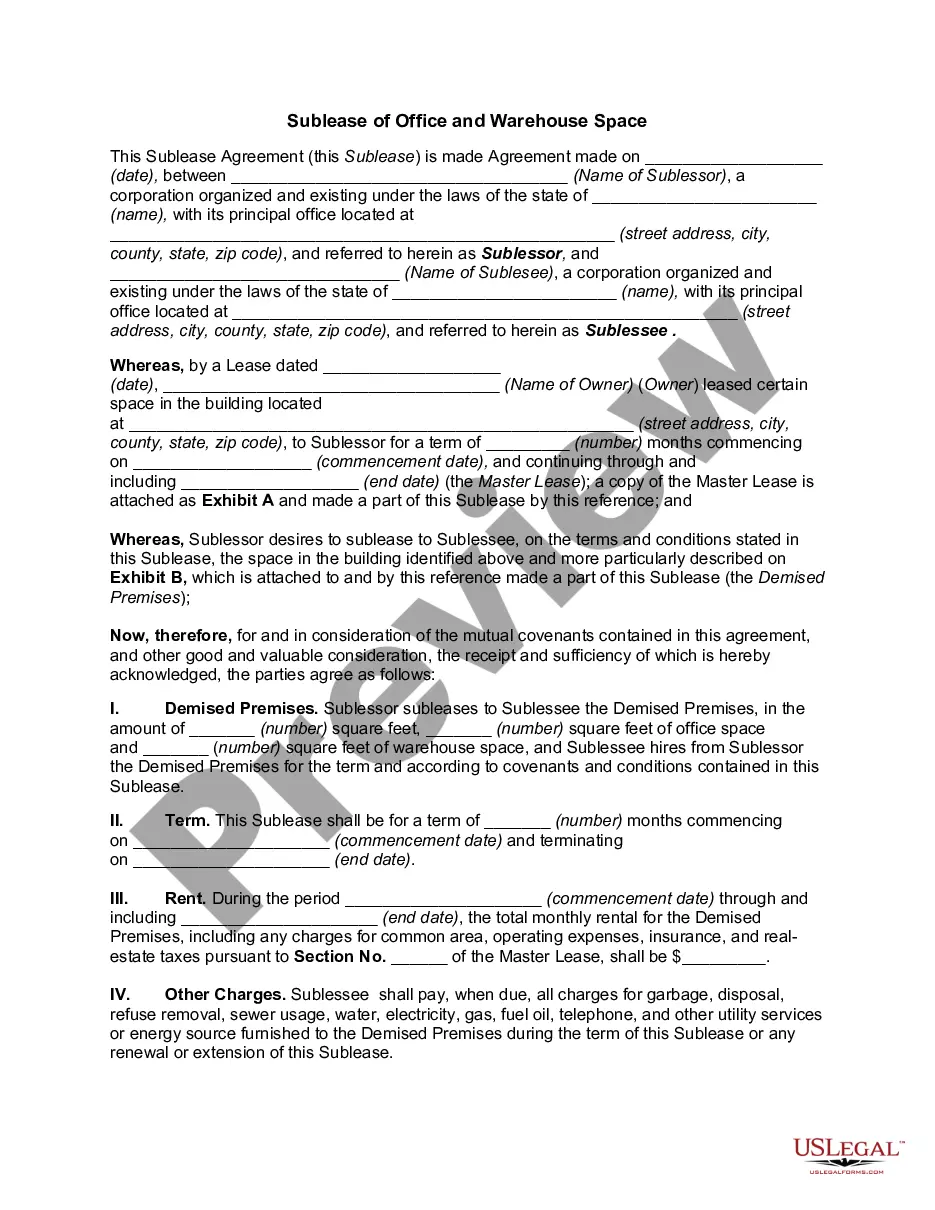
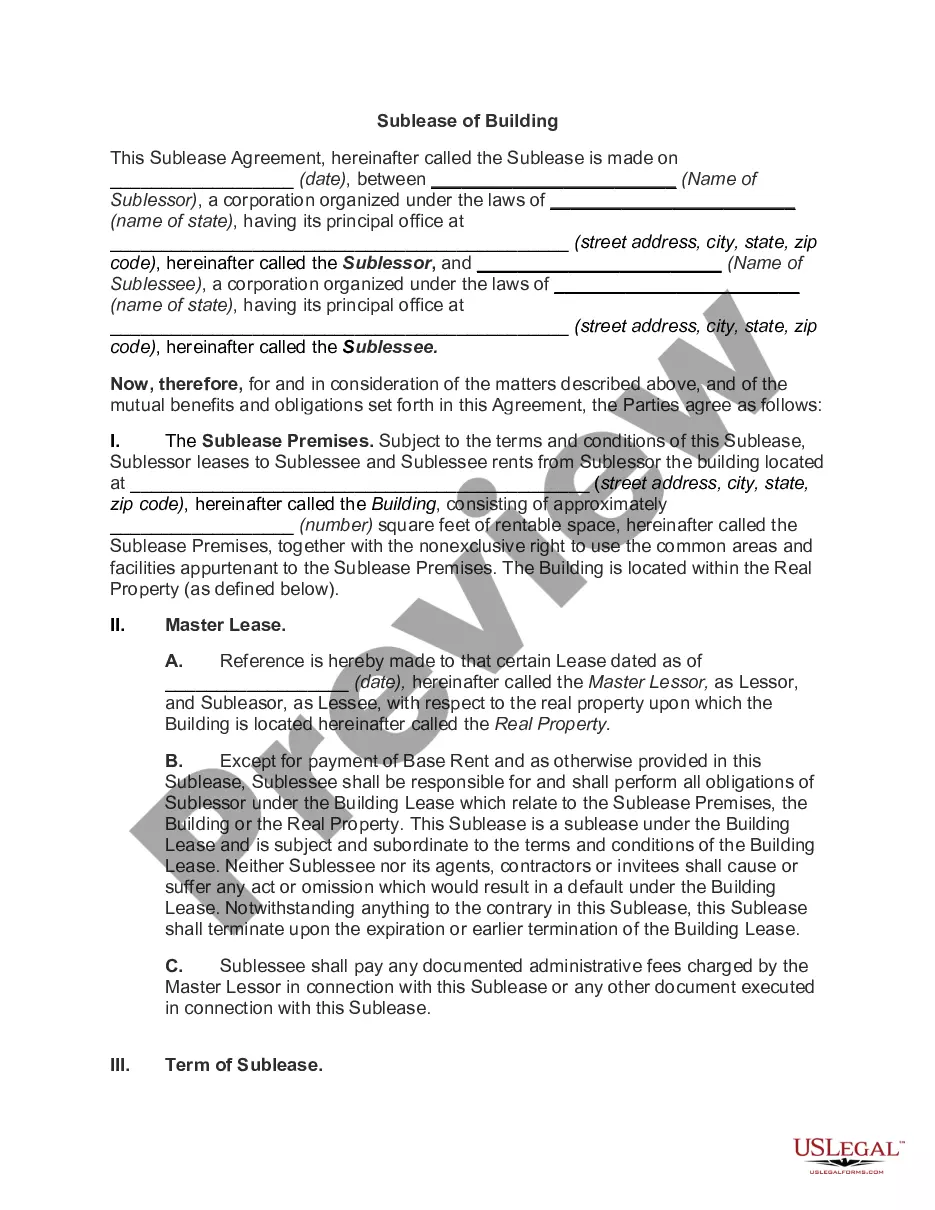
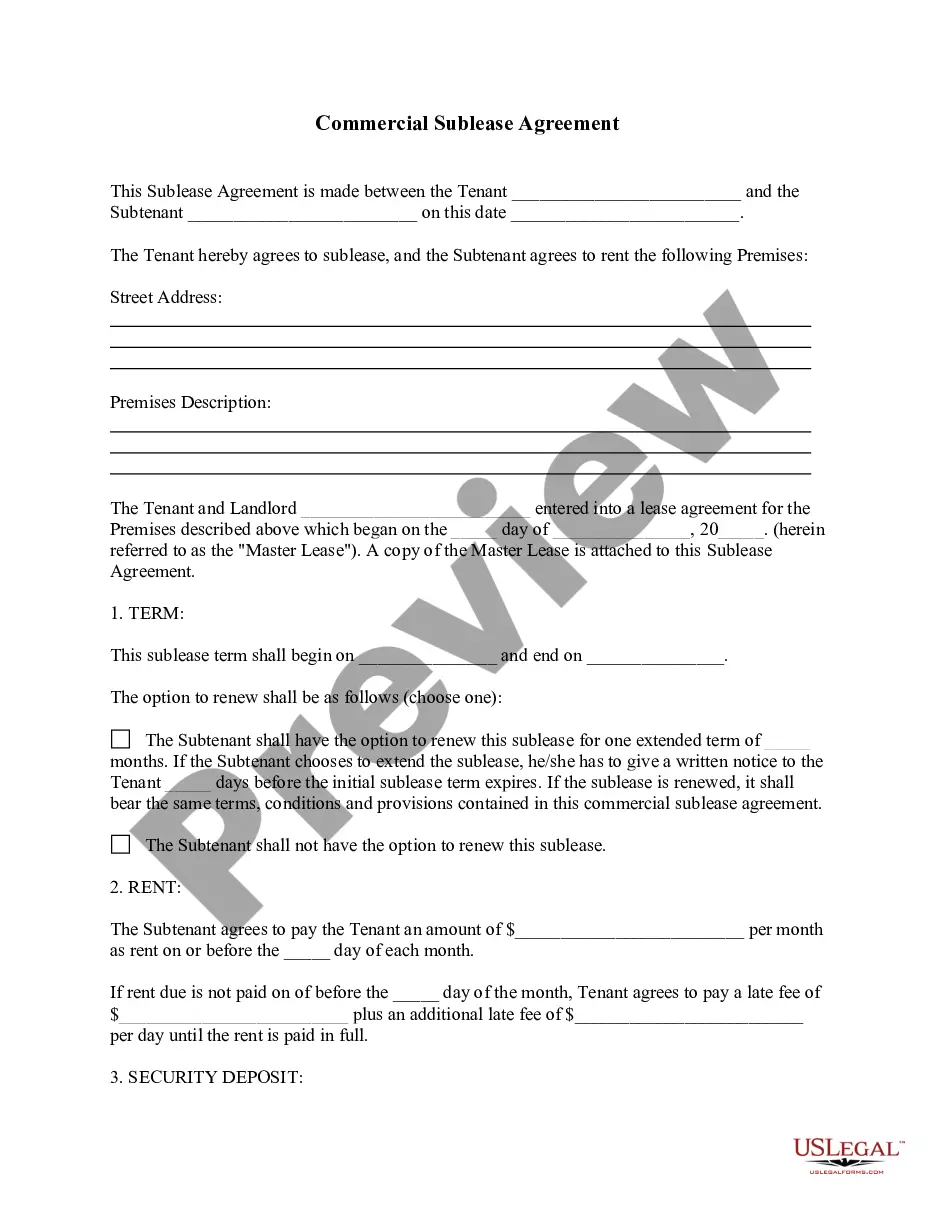
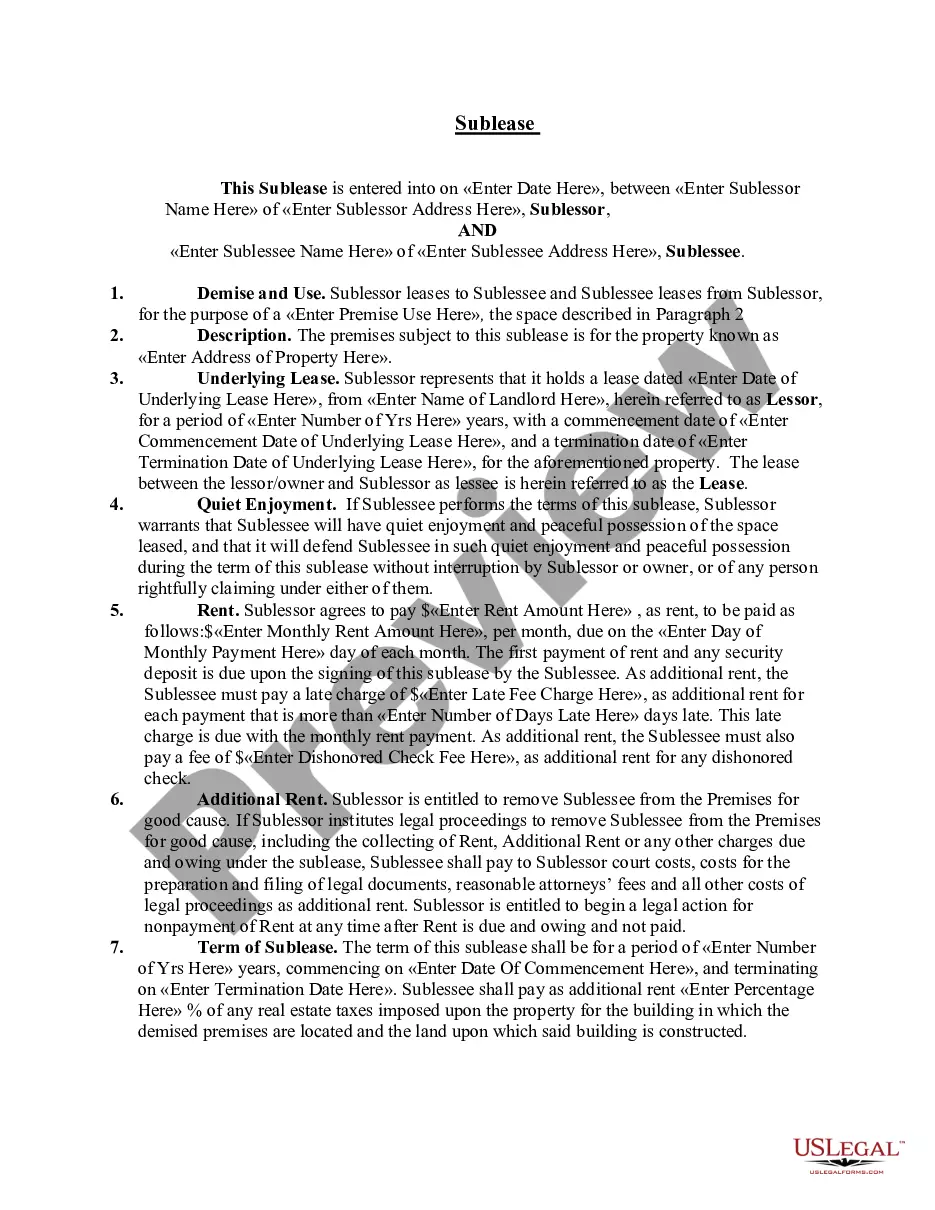
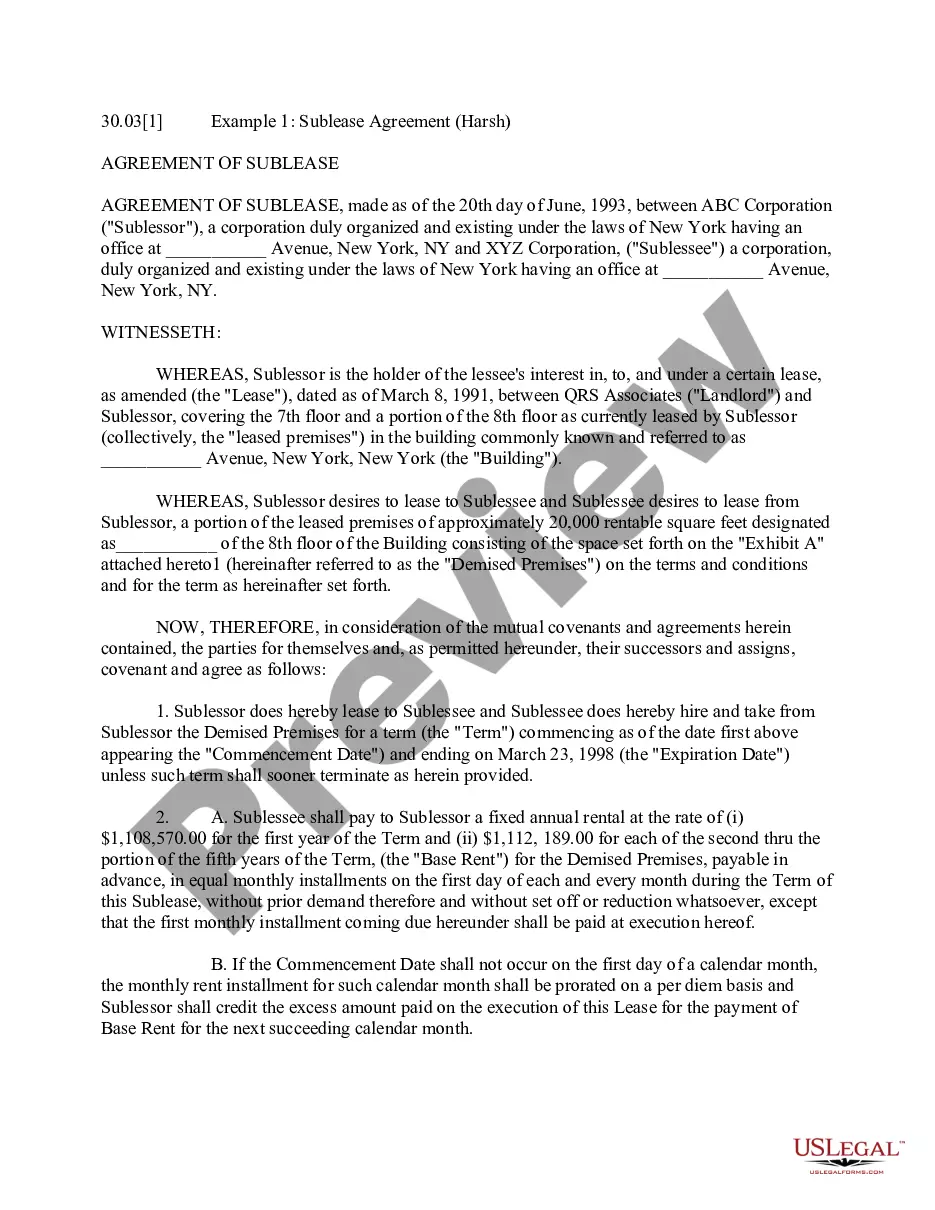
The Commercial Sublease form is a legal agreement that enables the Sub-Lessor to lease commercial property to a new tenant, referred to as the Sub-Lessee. This form outlines the terms under which the property can be used, the rental amount, and conditions that the Sub-Lessee must adhere to, ensuring that the agreement aligns with the original lease. It is important to differentiate this form from a standard lease agreement, as it focuses specifically on subleasing commercial space rather than establishing a direct landlord-tenant relationship.
Form components explained
- Identification of the parties: Names of the Sub-Lessor and Sub-Lessee.
- Description of the leased property: Details about the land and any improvements included.
- Rental terms: Specifies rental amount and payment schedule.
- Permitted use: Defines how the leased property can be used by the Sub-Lessee.
- Insurance requirements: Outlines necessary coverage and indemnity agreements.
- Default and termination clauses: Conditions under which the lease may be terminated.
When to use this form
This Commercial Sublease form is useful in scenarios where the primary tenant (Sub-Lessor) wishes to lease the property to another tenant (Sub-Lessee) while remaining responsible to the original landlord. Common situations include businesses that need to downsize, relocate, or temporarily vacate a space but still want to retain their lease rights. This form ensures that all parties understand their rights and obligations under the sublease arrangement.
Who this form is for
- Commercial property owners looking to sublease their space.
- Businesses needing to pass on their rental obligations temporarily.
- Individuals or entities acting as tenants under an original lease agreement.
Completing this form step by step
- Identify the parties involved by filling in the names of the Sub-Lessor and Sub-Lessee.
- Specify the property details, including location and any improvements made to it.
- Clearly state the rental amount and the payment schedule.
- Define the permitted use of the property to ensure compliance with the original lease.
- Include necessary insurance details and indemnity clauses for liability protection.
Notarization guidance
In most cases, this form does not require notarization. However, some jurisdictions or signing circumstances might. US Legal Forms offers online notarization powered by Notarize, accessible 24/7 for a quick, remote process.
Get your form ready online
Our built-in tools help you complete, sign, share, and store your documents in one place.
Make edits, fill in missing information, and update formatting in US Legal Forms—just like you would in MS Word.
Download a copy, print it, send it by email, or mail it via USPS—whatever works best for your next step.
Sign and collect signatures with our SignNow integration. Send to multiple recipients, set reminders, and more. Go Premium to unlock E-Sign.
If this form requires notarization, complete it online through a secure video call—no need to meet a notary in person or wait for an appointment.
We protect your documents and personal data by following strict security and privacy standards.

Make edits, fill in missing information, and update formatting in US Legal Forms—just like you would in MS Word.

Download a copy, print it, send it by email, or mail it via USPS—whatever works best for your next step.

Sign and collect signatures with our SignNow integration. Send to multiple recipients, set reminders, and more. Go Premium to unlock E-Sign.

If this form requires notarization, complete it online through a secure video call—no need to meet a notary in person or wait for an appointment.

We protect your documents and personal data by following strict security and privacy standards.
Common mistakes
- Failing to include specific property details, leading to ambiguity.
- Not clarifying the rental terms, which may result in late payments.
- Overlooking necessary insurance requirements, exposing both parties to risk.
- Not obtaining consent from the original landlord when required.
Benefits of using this form online
- Immediate access to a professionally drafted legal document.
- Editable for specific details to meet your unique needs.
- Convenient and cost-effective way to handle lease agreements.
- Access to resources and support for any questions during the process.
Quick recap
- The Commercial Sublease form allows an existing tenant to lease property to another tenant under specific terms.
- It is crucial to adhere to original lease terms and ensure both parties understand their rights and obligations.
- Completing this form correctly is essential to avoid common pitfalls such as lack of clarity on property use or payment details.
Looking for another form?
Form popularity
FAQ
Leases with an initial term not exceeding seven years are not required to be recorded so long as each renewal term under the lease (a) is for seven years or fewer, and (b) may be effected or prevented by a party to the lease or its assigns.
Recording a lease means that it (or a Notice of Lease) is submitted to the public record, usually at the local Registry of Deeds following the signing of it by both parties. Generally, recording of the lease protects the tenant against subsequent claims to the property.
A commercial sublease is an agreement between a tenant currently leasing a property, a new tenant looking for space, and the property owner. When you sublease your space you are the sublessor (or sublandlord) and your new tenant is the sublessee (or subtenant).
Evaluate the Length of the Lease. Research Comparable Rents. Look for Hidden Costs. Ask for Favorable Clauses. Check the Termination Clause Closely.
A Residential Sublease is a legally binding contract made between the original tenant of a rental property (sublandlord) and a new tenant (also known as a subtenant or a sublessee). The sublease gives the subtenant the right to share or to take over the rented premises from the original tenant.
Look for a clause: Re-read your lease and look for either a bailout clause or a co-tenancy clause. Ask: If you are in a good space in a popular area, your landlord will be more inclined to an early termination of the lease than if you are in a bad space in a hard-to-rent location.
Can a Landlord Break or Refuse to Renew a Commercial Lease? Your lease agreement is legally binding under contract law, but it can be broken in some circumstances. If you and the landlord agree to break the lease, you should both sign an agreement to protect you from future legal action.
Commercial landlords with multiple properties, or developments with more than one tenant, are generally loath to disclose to potential tenants the terms of leases into which they have previously entered.
Under California law, a lease does have to be in writing to be enforceable, but only when the lease is for a period of more than a year.There is, however, an additional legal doctrine called partial performance which does make oral contracts enforceable even if they are covered by the Statute of Frauds.