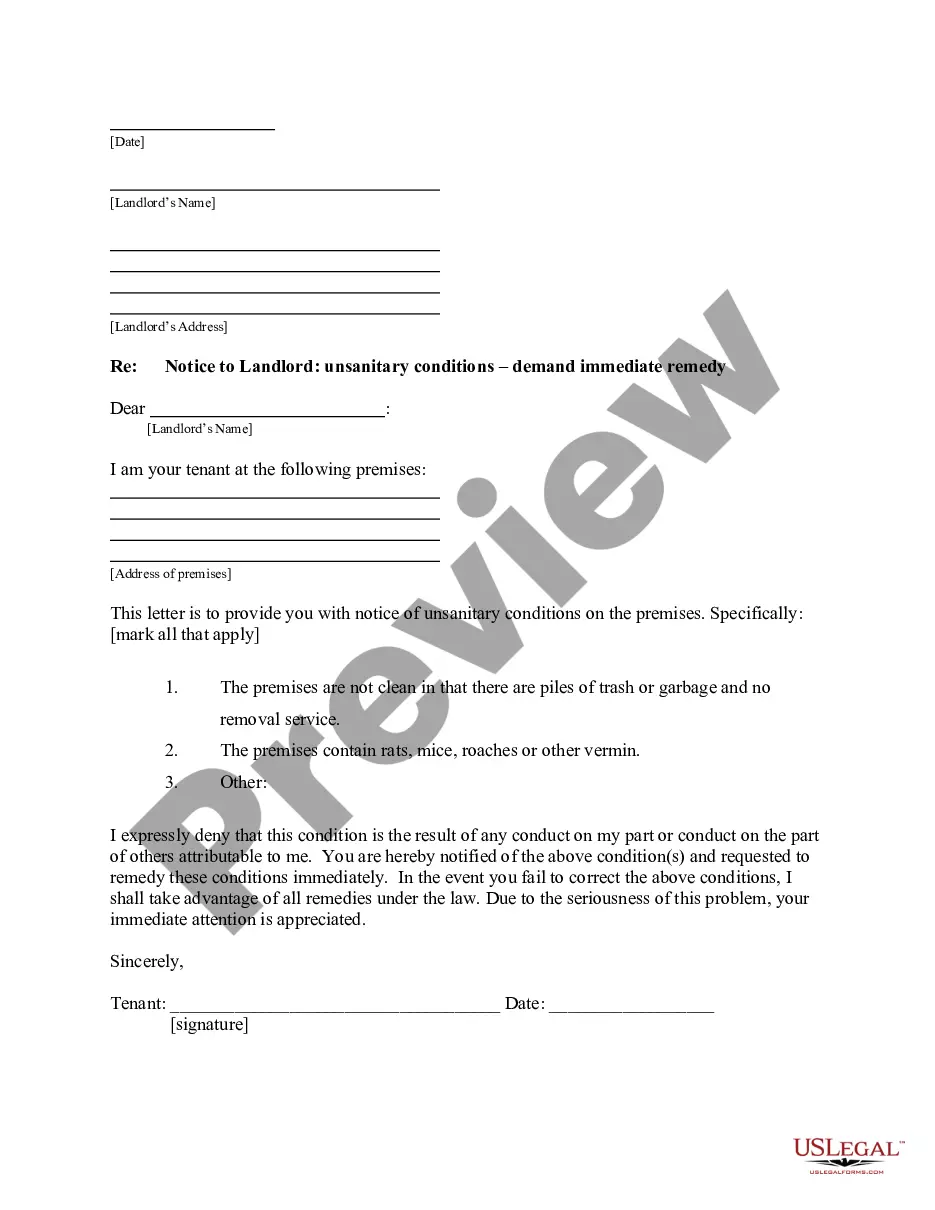
Minnesota Letter from Tenant to Landlord with Demand that landlord remove garbage and vermin from premises
What this document covers
This form is a Letter from Tenant to Landlord with Demand that the landlord remove garbage and vermin from the premises. It allows tenants to formally inform their landlord about unsanitary conditions that breach the lease agreement, and demands immediate repairs. This form is essential for tenants looking to address hazardous living conditions and seek prompt resolution.
Key components of this form
- Identification of the tenant and landlord.
- Description of the unsanitary conditions, including garbage and vermin.
- Statement denying responsibility for the conditions.
- Request for immediate remediation of the issues.
- Notice of intent to pursue legal remedies if issues are not resolved.
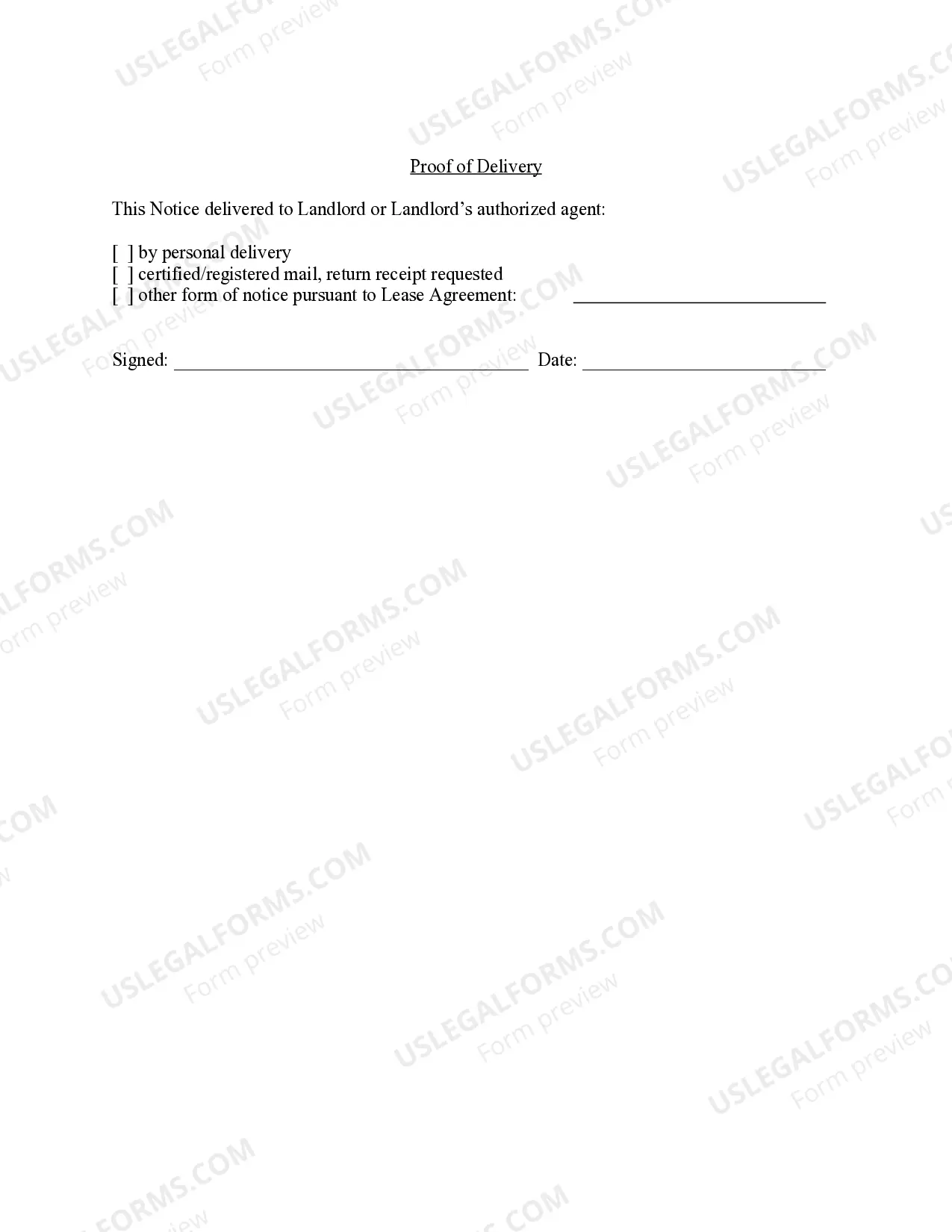
- Signature and date for proof of delivery.

When to use this form
This form should be used when a tenant discovers unsanitary conditions within the rental property, such as an infestation of vermin or an accumulation of garbage that violates health and safety standards. It is important to act promptly to protect your living environment and preserve rights as a tenant under the lease agreement.
Who should use this form
- Tenants residing in rental properties experiencing unsanitary conditions.
- Individuals who wish to formally document complaints to their landlord.
- Renters who believe their landlord has breached the lease agreement.
How to complete this form
- Identify the parties involved, including the tenant's and landlord's names.
- Clearly describe the unsanitary conditions, detailing the presence of garbage and vermin.
- Include a statement denying responsibility for the conditions.
- Specify a request for immediate action by the landlord.
- Sign and date the letter to formalize the demand.
- Ensure proof of delivery method is recorded upon sending the notice.
Is notarization required?
This form does not typically require notarization unless specified by local law. It is advisable to check your local regulations to ensure compliance and add legitimacy to your demand.
Get your form ready online
Our built-in tools help you complete, sign, share, and store your documents in one place.
Make edits, fill in missing information, and update formatting in US Legal Forms—just like you would in MS Word.
Download a copy, print it, send it by email, or mail it via USPS—whatever works best for your next step.
Sign and collect signatures with our SignNow integration. Send to multiple recipients, set reminders, and more. Go Premium to unlock E-Sign.
If this form requires notarization, complete it online through a secure video call—no need to meet a notary in person or wait for an appointment.
We protect your documents and personal data by following strict security and privacy standards.

Make edits, fill in missing information, and update formatting in US Legal Forms—just like you would in MS Word.

Download a copy, print it, send it by email, or mail it via USPS—whatever works best for your next step.

Sign and collect signatures with our SignNow integration. Send to multiple recipients, set reminders, and more. Go Premium to unlock E-Sign.

If this form requires notarization, complete it online through a secure video call—no need to meet a notary in person or wait for an appointment.

We protect your documents and personal data by following strict security and privacy standards.
Common mistakes to avoid
- Failing to include specific details about the unsanitary conditions.
- Not addressing the letter correctly to the landlord.
- Omitting the date or signature, which could invalidate the notice.
- Neglecting to keep a copy for personal records.
Benefits of using this form online
- Immediate access to a legally vetted template tailored for tenant needs.
- Easy to edit and customize based on specific situations.
- Convenient downloading options for secure record-keeping.
- Time-efficient, saving you the hassle of drafting a letter from scratch.
Legal use & context
- This letter serves as a formal notification to the landlord regarding lease violations.
- Failure to address the issues may lead to further legal action by the tenant.
- Maintaining a record of this communication is critical for any potential disputes.
Summary of main points
- Use this form to formally address unsanitary living conditions.
- Act promptly to enforce your rights as a tenant.
- Document all communications with your landlord for added protection.
- Review state-specific requirements to ensure compliance.
Looking for another form?
Form popularity
FAQ
In Minnesota, landlords often bear responsibility for providing garbage disposal services. This includes ensuring that tenants have access to proper waste management. If a landlord fails in this duty, tenants may consider drafting a Minnesota Letter from Tenant to Landlord with Demand that landlord remove garbage and vermin from premises to address the issue proactively.
When addressing a tenant about cleaning their apartment, be direct yet polite. Clearly state your concerns and the specific areas that need attention. If necessary, provide resources or suggest a Minnesota Letter from Tenant to Landlord with Demand that landlord remove garbage and vermin from premises to emphasize the importance of maintaining cleanliness.
While it is not always legally required, many landlords choose to have the property professionally cleaned between tenants. This practice helps ensure a fresh and welcoming environment. It also reduces the likelihood of pest issues, making it less likely that tenants will need to send a Minnesota Letter from Tenant to Landlord with Demand that landlord remove garbage and vermin from premises.
Writing about cleanliness involves being straightforward and respectful. You should emphasize the importance of hygiene and a tidy living space for everyone’s well-being. If there are specific cleanliness concerns, suggest that tenants refer to a Minnesota Letter from Tenant to Landlord with Demand that landlord remove garbage and vermin from premises to advocate for necessary changes.
In Minnesota, landlords are generally responsible for maintaining a habitable living environment, which includes pest control. If tenants encounter issues with garbage or vermin, they can use a Minnesota Letter from Tenant to Landlord with Demand that landlord remove garbage and vermin from premises. This letter serves as a formal request for action, ensuring that landlords address the situation promptly.
Uninhabitable conditions can include dangerous ones, such as holes in the floor, unsafe or exposed wiring, or non-working air conditioning in dangerously hot summer months. Gross infestations of roaches, fleas or other pests are also uninhabitable conditions.
You can file a lawsuit for negligence against the manager of a real estate property in the same way you can sue the owner of any type of business. Generally speaking, with certain exceptions, filing a lawsuit for negligence against a property manager is a straightforward process.
As a landlord, you're not technically liable for nuisance tenants or occupiers of your property. However, you may be liable if you've allowed the tenants to cause the nuisance or if, when renting out your property, you were aware that nuisance was inevitable or almost certainly going to occur.
Know your state's landlord/tenant laws. Read and respond to the court summons. Try to work out a settlement. Consider legal counsel. Show up for court. Look sharp and provide evidence.
If you're seeking damages for emotional distress caused by a landlord's discrimination, or punitive damages for especially blatant and intentional discrimination, a lawsuit may well be your best bet. Understand what's involved in suing your landlord. You may file a lawsuit in either federal or state court.