Multifamily Loan and Security Agreement (Non-Recourse) Between Borrower and Lender
What this document covers
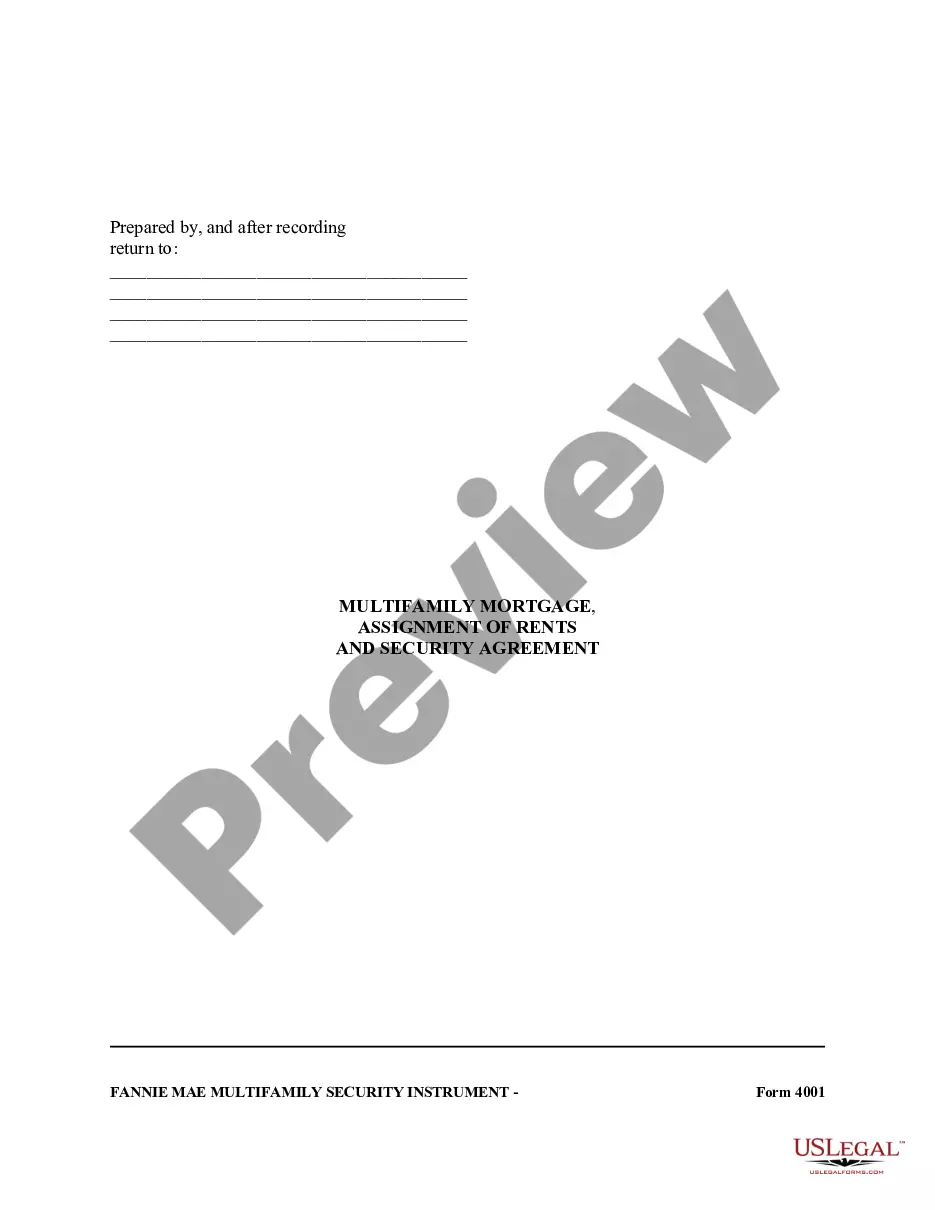
The Multifamily Loan and Security Agreement (Non-Recourse) is a legally binding document between a borrower and lender, tailored specifically for multifamily property financing. This agreement outlines the terms of a non-recourse loan, meaning the borrower is not personally liable for repaying the loan beyond the pledged property. Unlike traditional recourse loans, the lender's claims are limited to the collateral specified in the agreement, which primarily includes the mortgaged property itself.
Form components explained
- Definitions of key terms related to the mortgage loan.
- General mortgage loan terms, including payment obligations and interest rates.
- Details on borrower liability and exceptions to non-recourse provisions.
- Requirements for property management and maintenance by the borrower.
- Provision for handling liens, transfers, and assumptions of the loan.
- Guidelines for insurance and compliance with legal requirements.
When to use this form
This form is essential for property owners or investors seeking to finance multifamily real estate projects. It should be used when negotiating non-recourse loans that allow for multiple units, such as apartment complexes, but provide limited liability for the borrower regarding any potential default on the loan. This agreement is particularly useful when obtaining financing from lenders specializing in multifamily properties while minimizing personal risk.
Who this form is for
This form is intended for:
- Real estate investors financing multifamily properties.
- Property owners seeking to manage risk by securing a non-recourse loan.
- Lenders looking to structure loan agreements for multifamily housing.
- Legal professionals drafting financing agreements for real estate clients.
How to complete this form
- Identify the parties involved: Clearly state the names and roles of both the borrower and the lender.
- Specify the loan details: Include the amount of the loan, interest rate, payment schedules, and maturity date.
- Outline the security for the loan: Specify the properties being mortgaged as collateral for the loan.
- Review the terms of borrower liability: Indicate any limitations on borrower liability under the non-recourse provision.
- Complete all required schedules: Attach any relevant financial disclosures, ownership interest schedules, or additional documentation as specified by the form.
Notarization requirements for this form
This form does not typically require notarization unless specified by local law. It is advisable to check any state-specific requirements that may mandate notarization for certain documents pertaining to real estate transactions.
Get your form ready online
Our built-in tools help you complete, sign, share, and store your documents in one place.
Make edits, fill in missing information, and update formatting in US Legal Forms—just like you would in MS Word.
Download a copy, print it, send it by email, or mail it via USPS—whatever works best for your next step.
Sign and collect signatures with our SignNow integration. Send to multiple recipients, set reminders, and more. Go Premium to unlock E-Sign.
If this form requires notarization, complete it online through a secure video call—no need to meet a notary in person or wait for an appointment.
We protect your documents and personal data by following strict security and privacy standards.

Make edits, fill in missing information, and update formatting in US Legal Forms—just like you would in MS Word.

Download a copy, print it, send it by email, or mail it via USPS—whatever works best for your next step.

Sign and collect signatures with our SignNow integration. Send to multiple recipients, set reminders, and more. Go Premium to unlock E-Sign.

If this form requires notarization, complete it online through a secure video call—no need to meet a notary in person or wait for an appointment.

We protect your documents and personal data by following strict security and privacy standards.
Mistakes to watch out for
- Failing to accurately describe the property serving as collateral.
- Not including all required parties or their legal names.
- Overlooking the necessity for compliance with state-specific legal requirements.
- Neglecting to outline the borrowerâs responsibilities for property maintenance.
- Incorrectly calculating the loan amount or interest rate.
Advantages of online completion
- Convenience of instant access to a legally sound template.
- Editability allows for customization according to specific agreements.
- Confidence in the reliability of the form, as it has been drafted by licensed attorneys.
- Easy downloading for immediate use or record-keeping.
Looking for another form?

Form popularity
FAQ
A nonrecourse debt (loan) does not allow the lender to pursue anything other than the collateral. For example, if a borrower defaults on a nonrecourse home loan, the bank can only foreclose on the home. The bank generally cannot take further legal action to collect the money owed on the debt.
Risks associated with non-recourse loans include the potential loss of collateral for borrowers, the potential for insufficient collateral to cover the loan amount for lenders, the risk of collateral losing value over time, and the potential difficulty in recovering the full loan amount for lenders.
recourse loan is one in which the lender cannot go after more than the collateral offered for the loan. This type of loan is beneficial for the borrower because the lender cannot seize other assets to recoup their losses.
A Loan Agreement, also known as a term loan, demand loan, or a loan contract, is a contract that documents a financial agreement between two parties, where one is the lender and the other is the borrower. This contract specifies the amount of the loan, any interest charges, the repayment plan, and payment dates.
recourse loan is one in which a borrower uses their selfdirected IRA to purchase real estate as another form of a taxsheltered retirement investment. A big advantage of this type of loan is the IRA account holder is not personally liable for repayment of the loan.
Unsecured debt, however, does not require any collateral but often involve higher interest rates due to the higher risk posed on the lender. The most common type of unsecured debt is credit card debt. The two common types of secured loans are recourse and non-recourse loans.
Security agreement - A legal instrument signed by a debtor granting a security interest to a lender in specified personal property pledged as collateral to secure a loan.
How Do I Know if My Loan Is Recourse or Non-Recourse? ing to the Internal Revenue Service (IRS), recourse debt holds the borrower personally liable for the repayment of the debt.In contrast, with a non-recourse loan, the lender can only take the collateral as payment if you default on the loan.