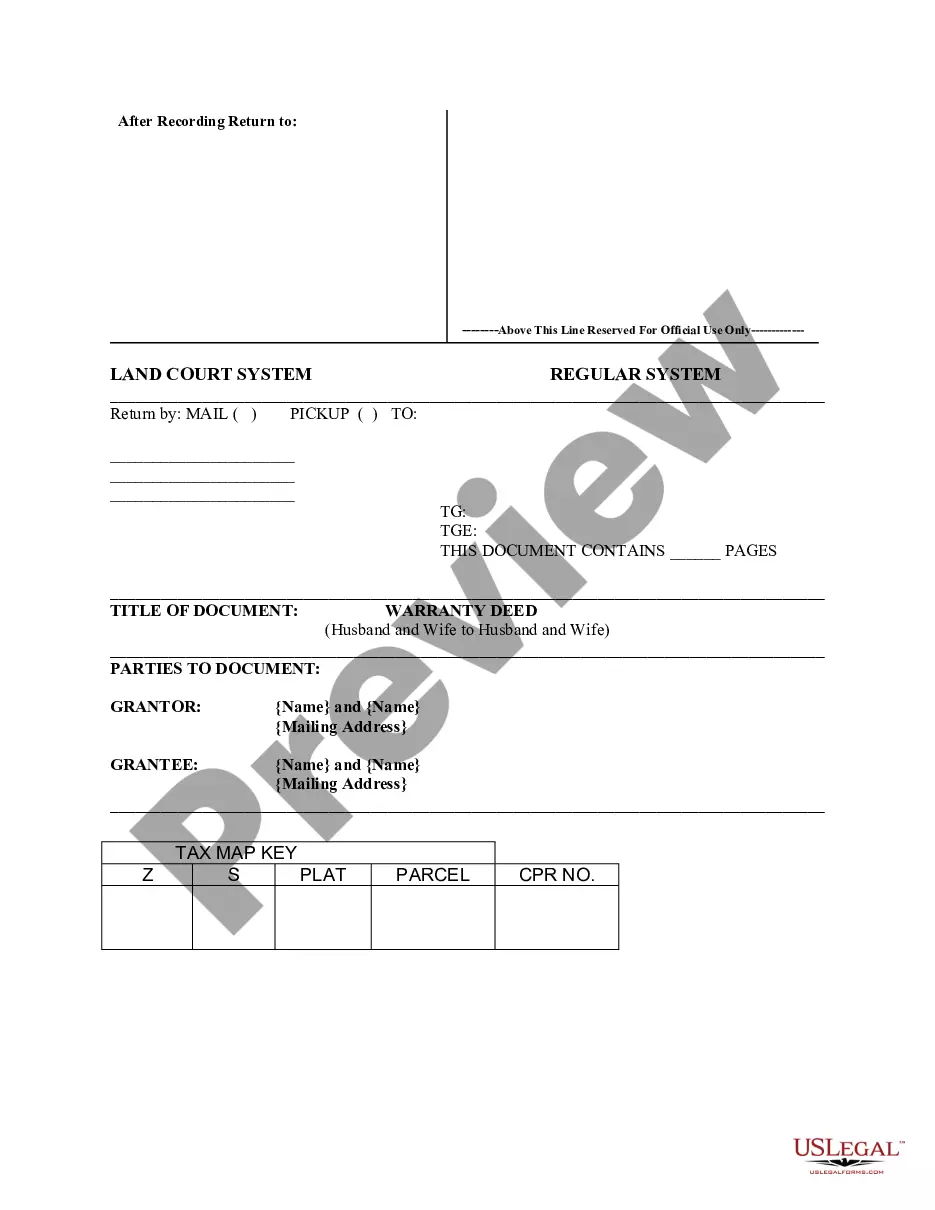
Loan Agreement for Property
Understanding this form
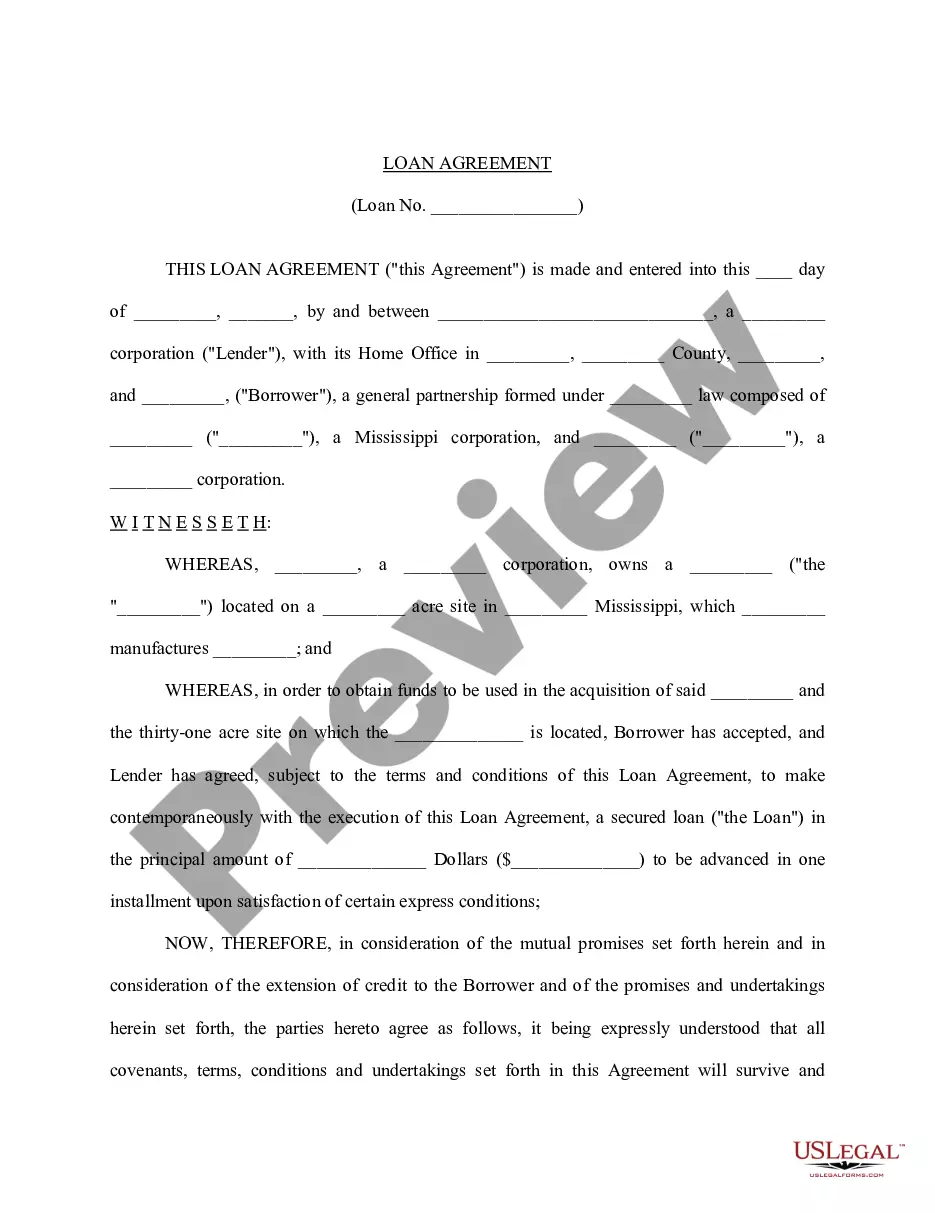
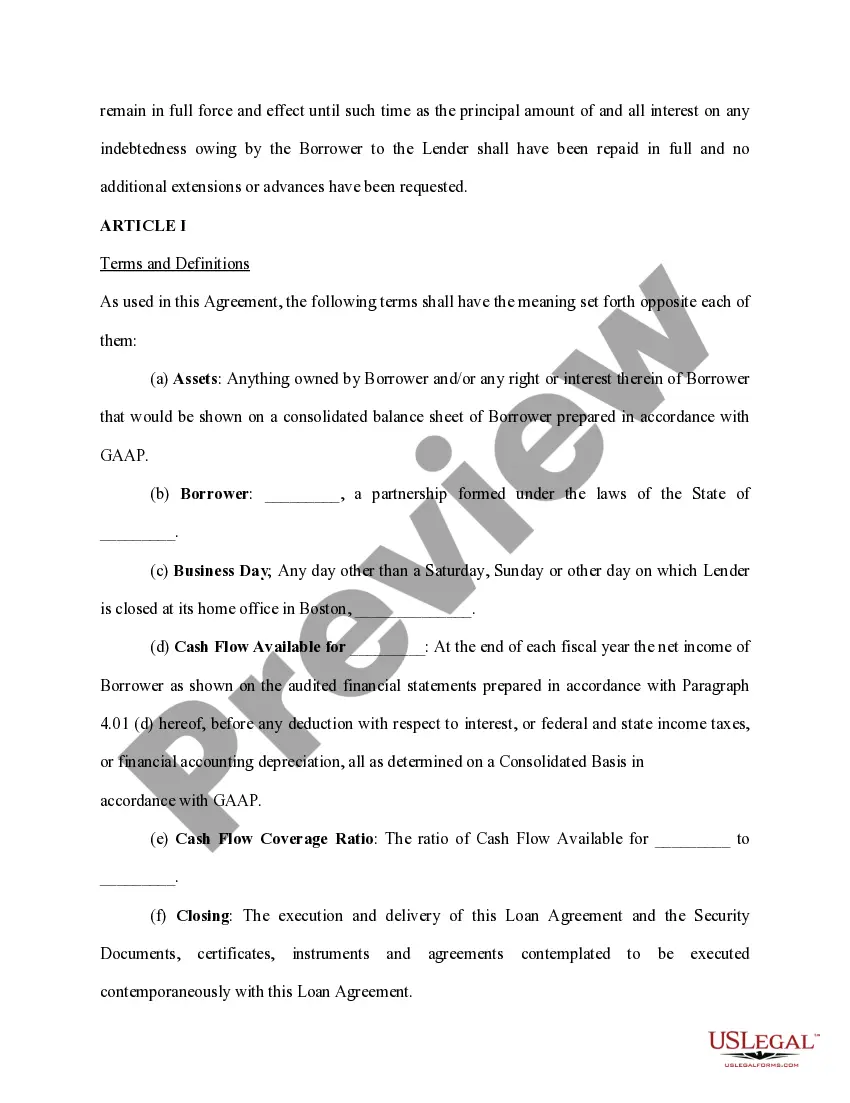
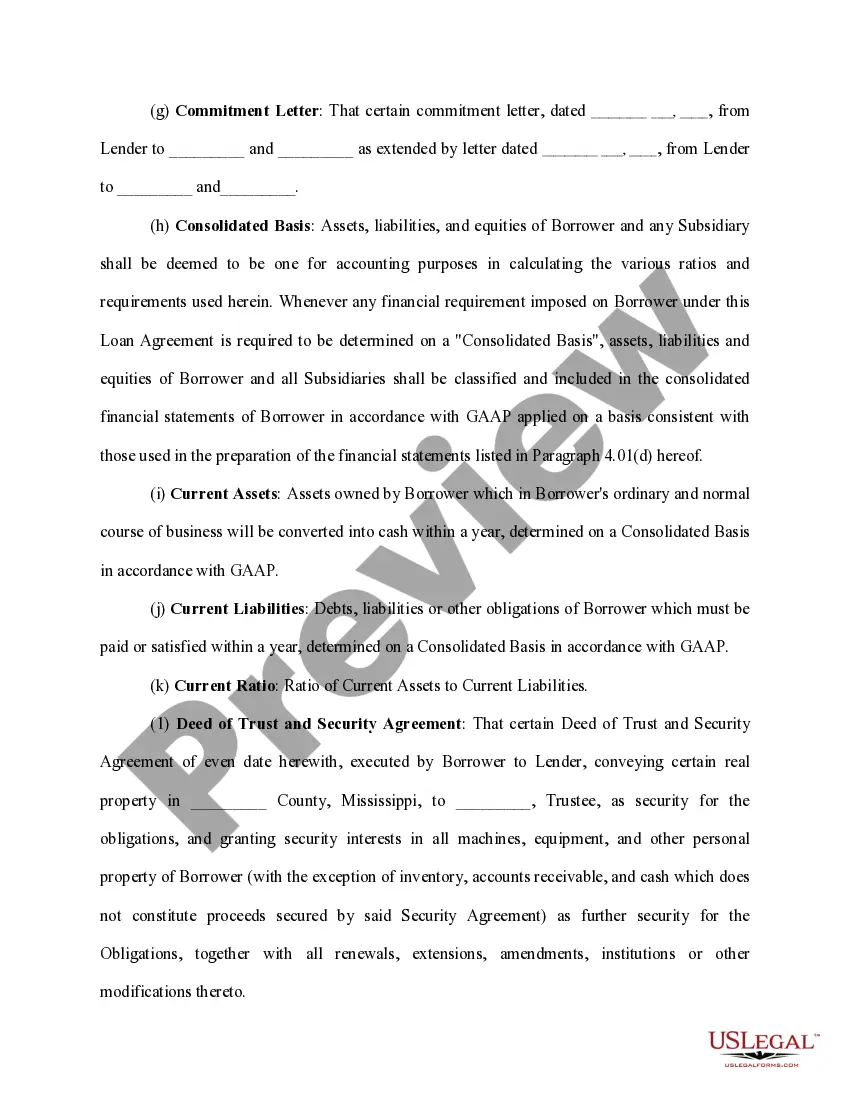
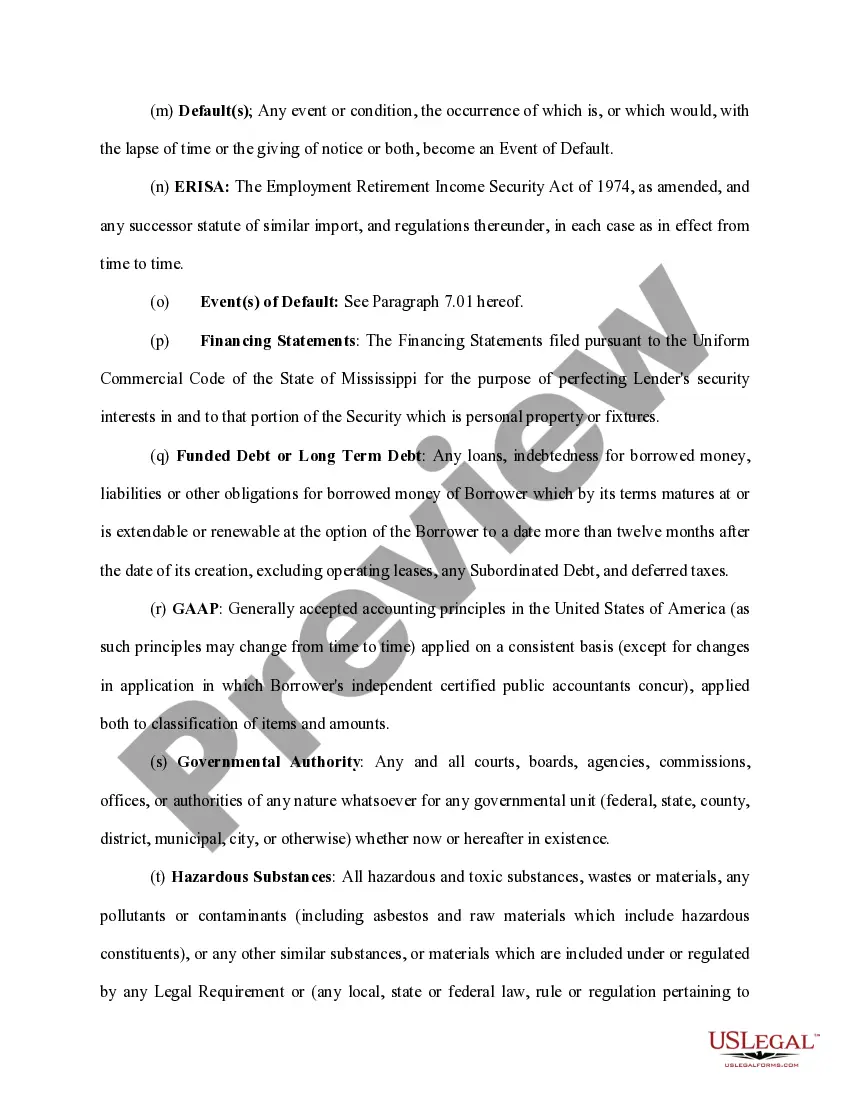
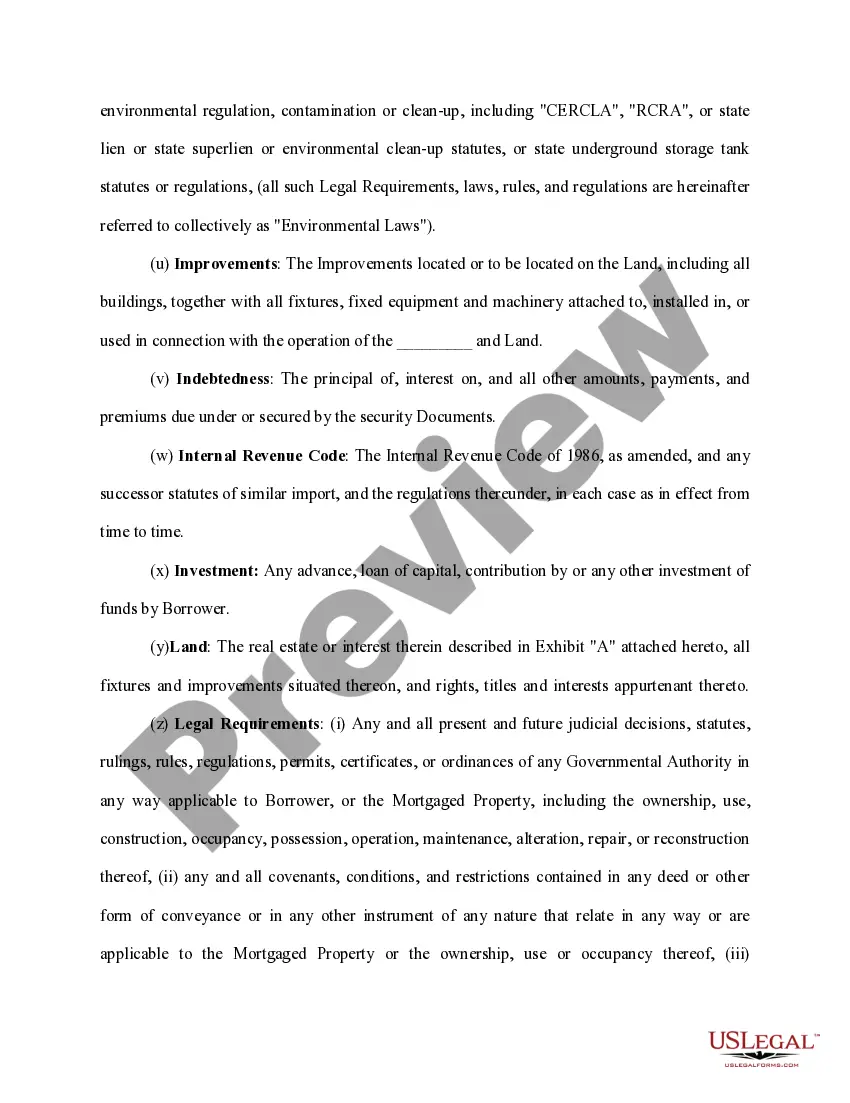
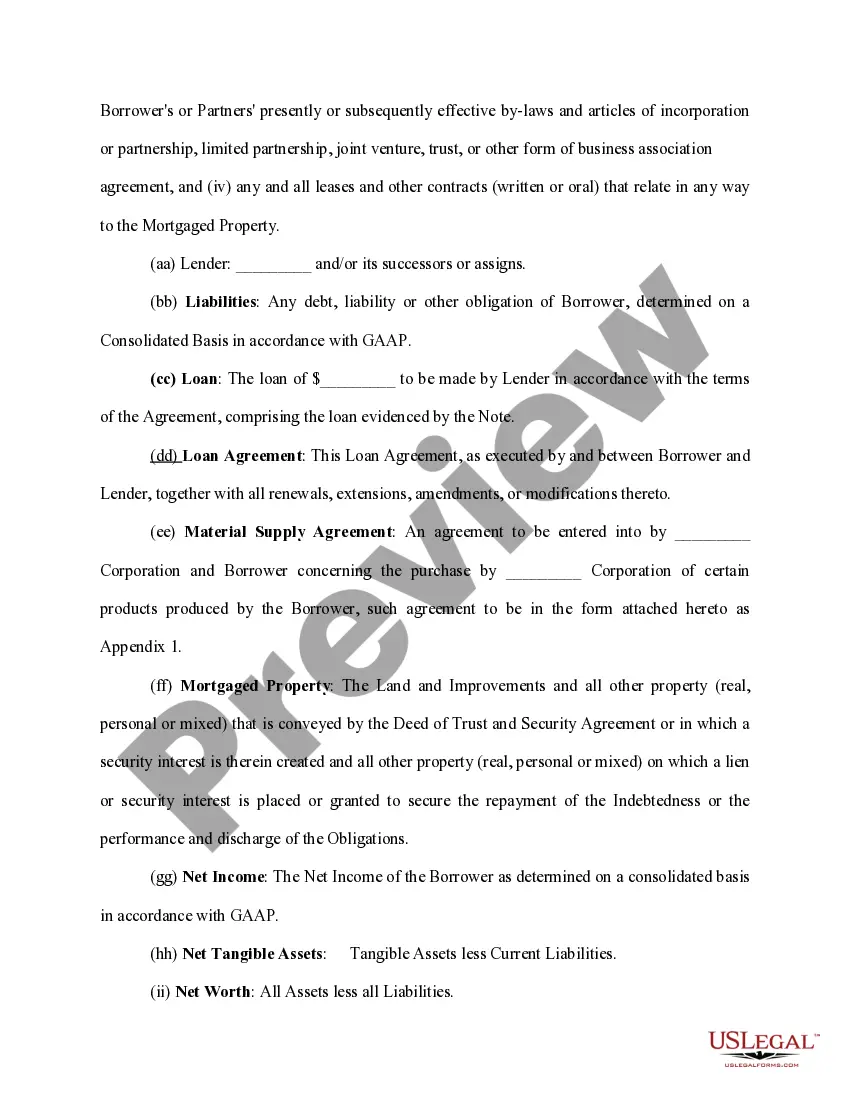
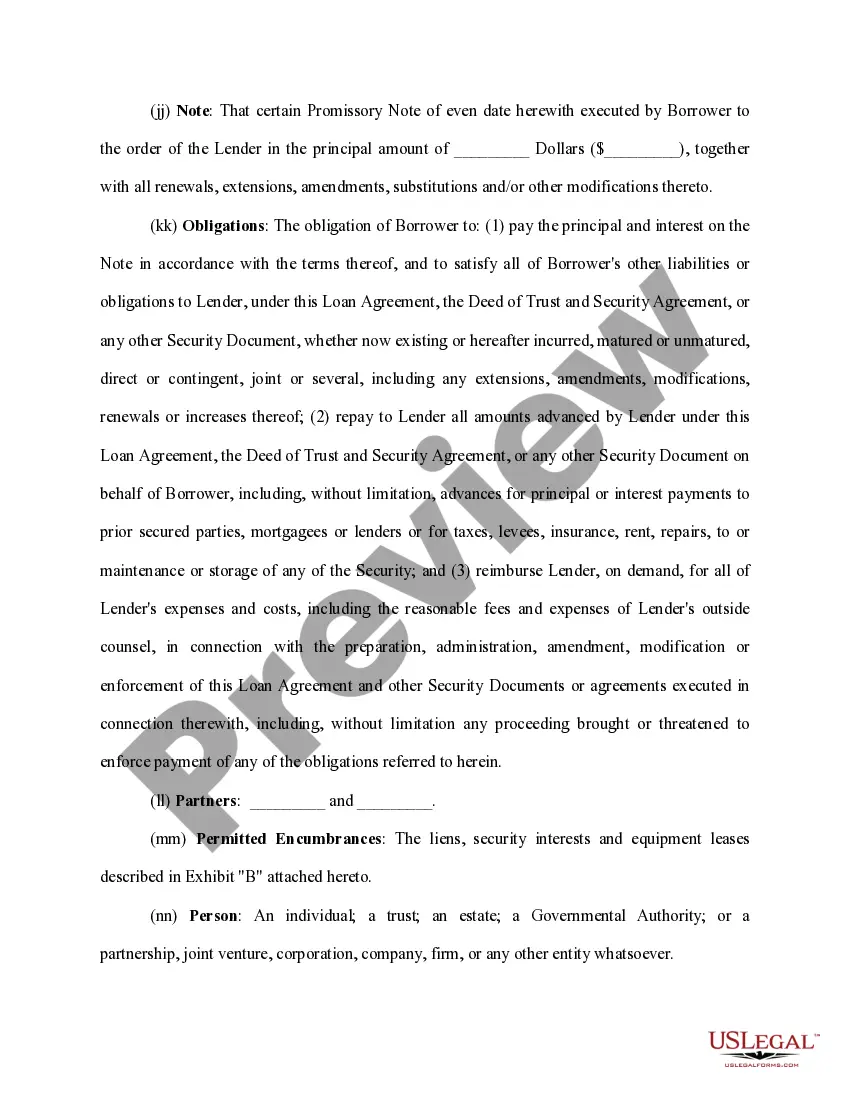
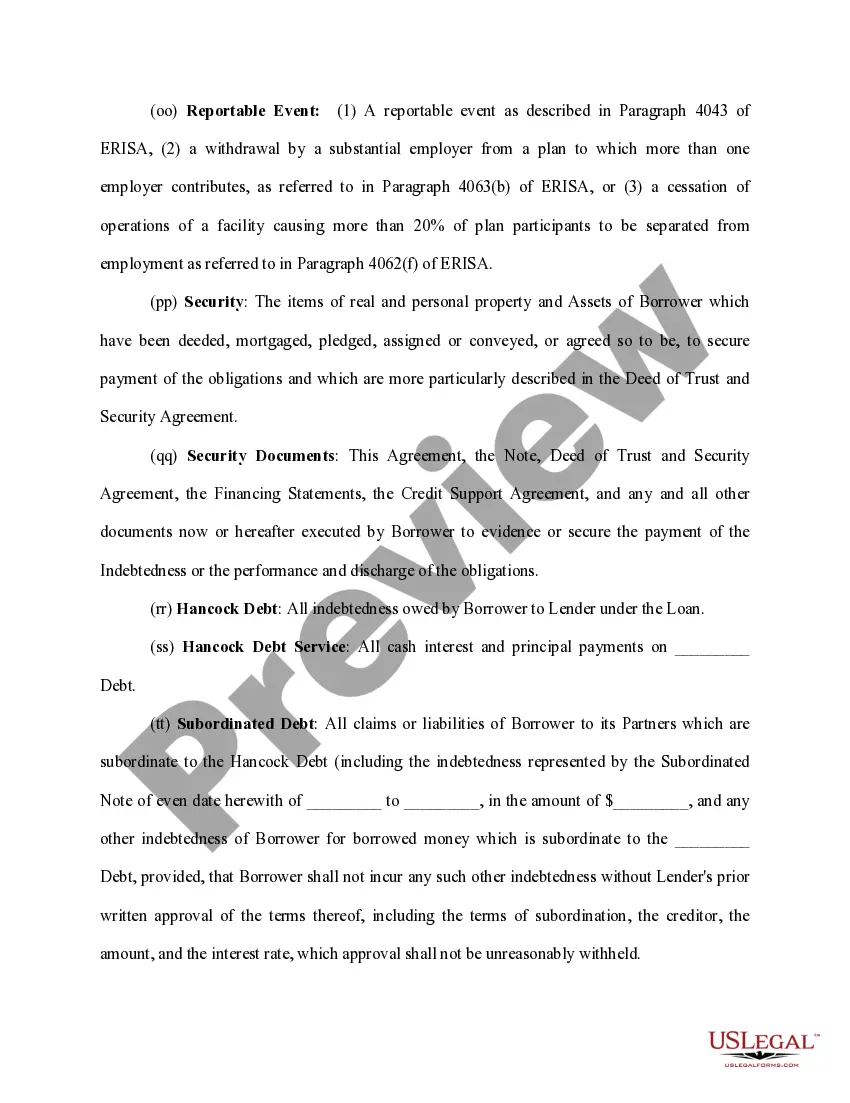
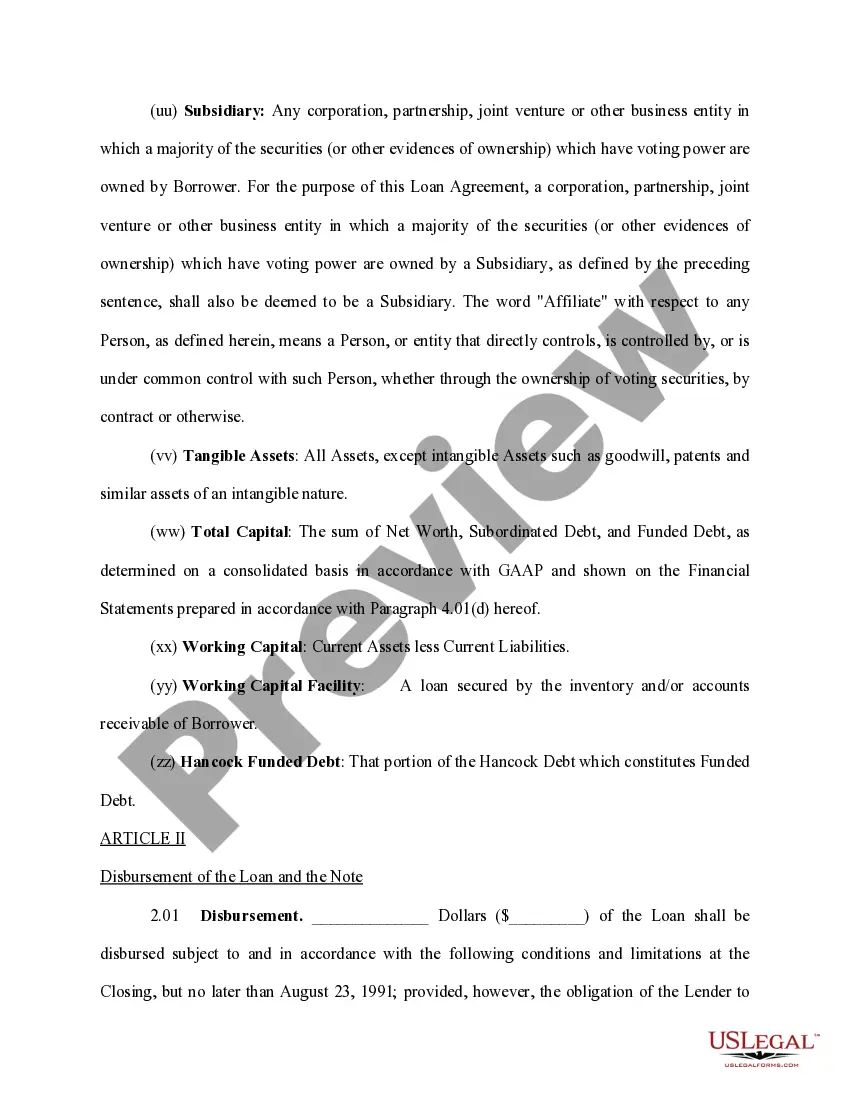
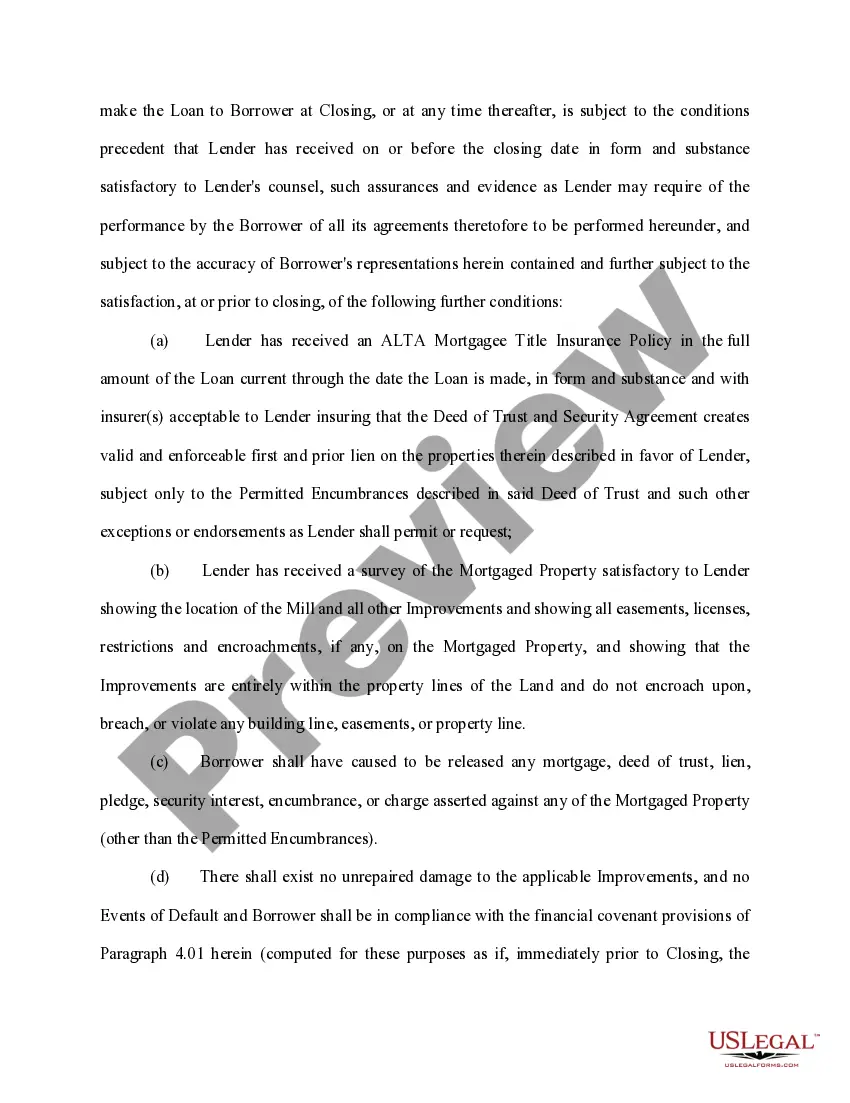
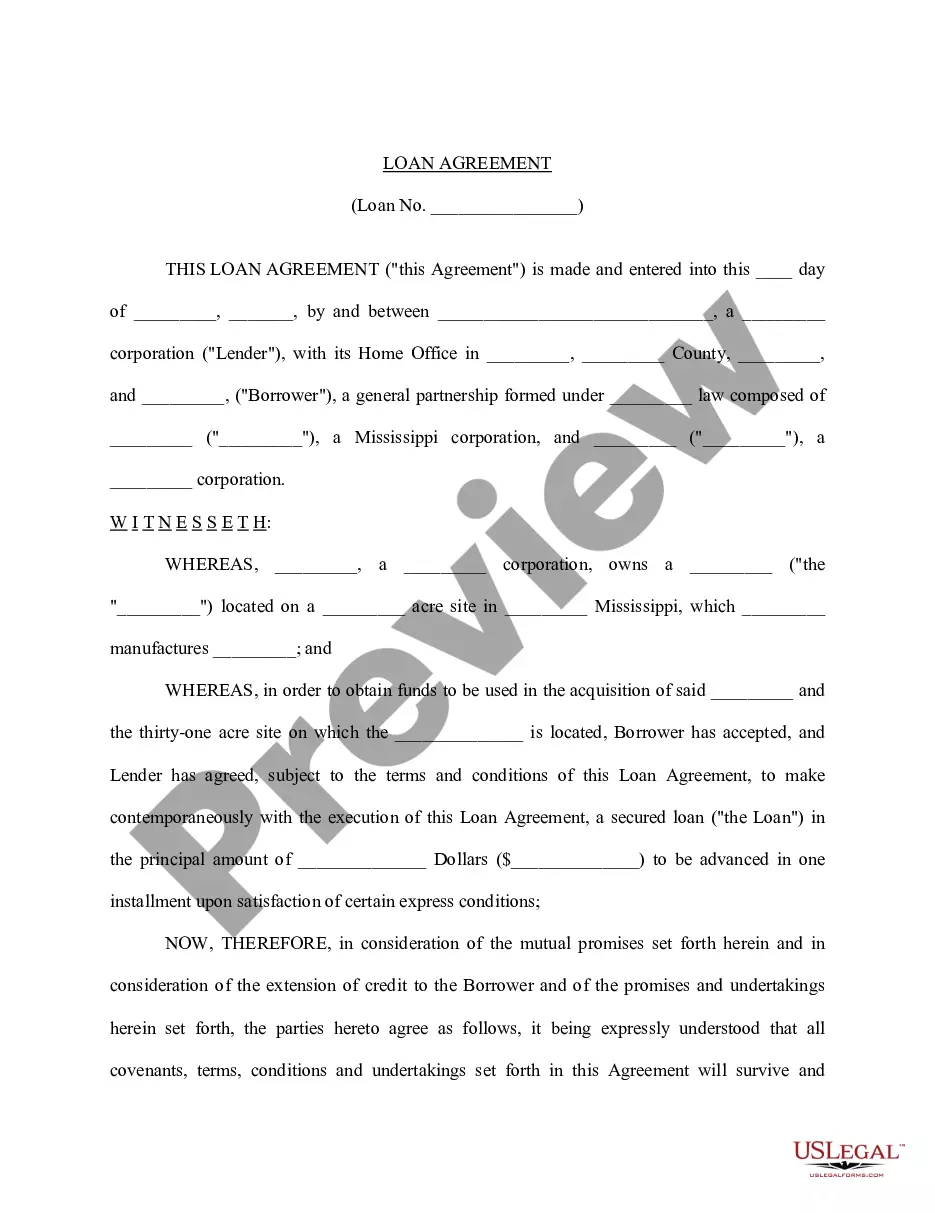
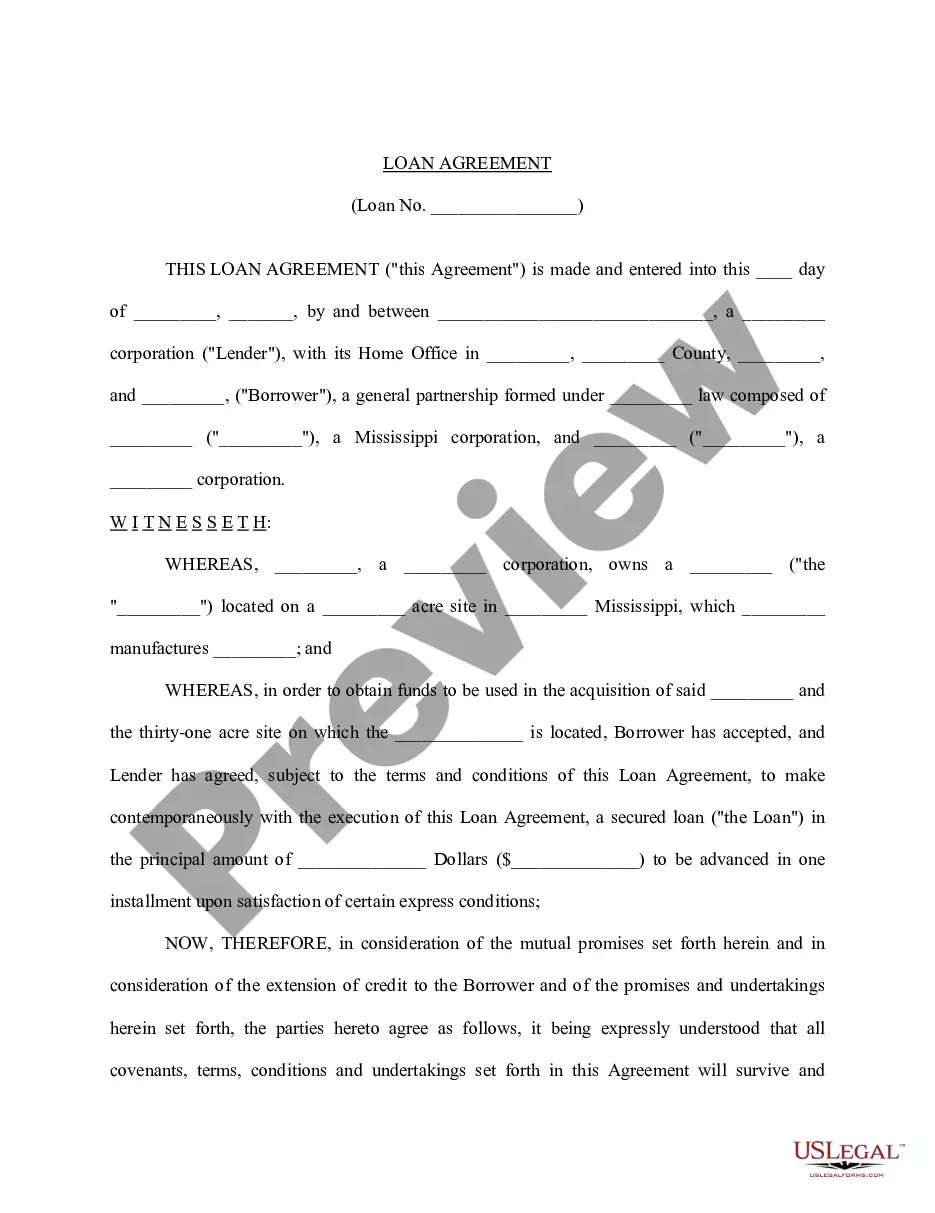
A Loan Agreement for Property is a legal contract between a lender and a borrower detailing the terms under which a loan is made for purchasing real property. This form specifies the responsibilities, obligations, and rights of both parties regarding the loan, which is secured by the property itself. Unlike simple loan agreements, this form includes provisions for collateral, interest rates, and repayment schedules to ensure clarity and mutual understanding between the lender and borrower.
Main sections of this form
- Identification of parties involved (lender and borrower)
- Loan amount and interest rate specifications
- Detailed repayment terms and schedules
- Conditions that may lead to default
- Legal protections for both borrower and lender regarding the property
- Provisions for collateral securing the loan

When to use this form
This form should be used when an individual or business is borrowing money to purchase real property, such as a home, commercial building, or investment property. It is essential in situations where the loan is secured by the property itself, ensuring that both the lenderâs interest is protected and that the borrower understands the terms of repayment and their obligations.
Who this form is for
Individuals or entities looking to borrow money for real estate purchases should consider using this Loan Agreement. It is suitable for:
- Home buyers financing their first home purchase
- Real estate investors acquiring rental properties
- Business owners looking to purchase commercial real estate
- Partners in a business forming a collective financial agreement
How to prepare this document
- Identify the parties involved by filling in the names and addresses of the lender and borrower.
- Specify the loan amount and interest rate to be applied to the principal loan.
- Enter terms regarding repayment schedules, including due dates and payment methods.
- Include any conditions that could lead to a default of the loan, such as missed payments.
- Sign and date the agreement in the presence of a notary, if required by state law.
Notarization requirements for this form
This form does not typically require notarization unless specified by local law. However, having the document notarized can provide an additional layer of legal validation and is recommended for ensuring the enforceability of the agreement.
Get your form ready online
Our built-in tools help you complete, sign, share, and store your documents in one place.
Make edits, fill in missing information, and update formatting in US Legal Forms—just like you would in MS Word.
Download a copy, print it, send it by email, or mail it via USPS—whatever works best for your next step.
Sign and collect signatures with our SignNow integration. Send to multiple recipients, set reminders, and more. Go Premium to unlock E-Sign.
If this form requires notarization, complete it online through a secure video call—no need to meet a notary in person or wait for an appointment.
We protect your documents and personal data by following strict security and privacy standards.

Make edits, fill in missing information, and update formatting in US Legal Forms—just like you would in MS Word.

Download a copy, print it, send it by email, or mail it via USPS—whatever works best for your next step.

Sign and collect signatures with our SignNow integration. Send to multiple recipients, set reminders, and more. Go Premium to unlock E-Sign.

If this form requires notarization, complete it online through a secure video call—no need to meet a notary in person or wait for an appointment.

We protect your documents and personal data by following strict security and privacy standards.
Common mistakes
- Failing to include all parties' names or details, leading to ambiguity.
- Neglecting to specify the interest rate clearly, which can lead to disputes.
- Not understanding the terms and conditions of default, which may result in unintended consequences.
- Overlooking state-specific requirements that could invalidate the agreement.
Advantages of online completion
- Convenient access to a comprehensive legal template designed by licensed attorneys.
- Easy customization to fit specific transaction details without extensive legal knowledge.
- Immediate download and printing, allowing for quick execution of the agreement.
Legal use & context
- This agreement is legally binding once signed by both parties, ensuring enforceability in a court of law.
- It outlines the rights of both the borrower and lender, protecting against potential defaults.
- Compliance with state-specific laws concerning loan agreements is essential for the document's validity.
Main things to remember
- The Loan Agreement for Property is crucial for any legal borrowing arrangement tied to real estate.
- It clearly defines the loan's terms, responsibilities, and consequences of default.
- Consulting legal assistance may help to further clarify terms and protect all parties involved.
Looking for another form?
Form popularity
FAQ
For a personal loan agreement to be enforceable, it must be documented in writing and signed by both parties. You may choose to keep a copy in your county recorder's office if you wish, though it's not legally necessary. It's sufficient for both parties to keep their own copy, ideally in a safe place.
Loan agreements are binding contracts between two or more parties to formalize a loan process.Loan agreements typically include covenants, value of collateral involved, guarantees, interest rate terms and the duration over which it must be repaid.
Identity of the Parties. The names of the lender and borrower need to be stated. Date of the Agreement. Interest Rate. Repayment Terms. Default provisions. Signatures. Choice of Law. Severability.
Come up with a schedule for repayment. Use a family contract template that includes a repayment schedule. Set and interest rate. Put your agreement in writing. Keep payment records.
Starting the Document. Write the date at the top of the page. Write the Terms of the Loan. State the purpose of the personal payment agreement and the terms for returning the money. Date the Document. Statement of Agreement. Sign the Document. Record the Document.
The most basic loan agreement is commonly called an "IOU." These are typically used between friends or relatives for small amounts of money, and simply state the dollar amount that is owed. They do not usually say when payment is due, nor include any interest provisions.
A loan agreement does not require a notary signature. The purpose of a notary seal is to provide evidence that the signature is genuinely the signature of the person signing.
State the purpose for the loan. #Set forth the amount and terms of the loan. Your agreement should clearly state the amount of money you're lending your friend, the interest rate, and the total amount your friend will pay you back.
A personal loan agreement is a legally binding document regardless of whether the lender is a financial institution or another person.As a borrower, you could be sued by the lender or lose the asset or assets used to secure the loan.