Kentucky Warranty Deed from Individual to Husband and Wife
What is this form?
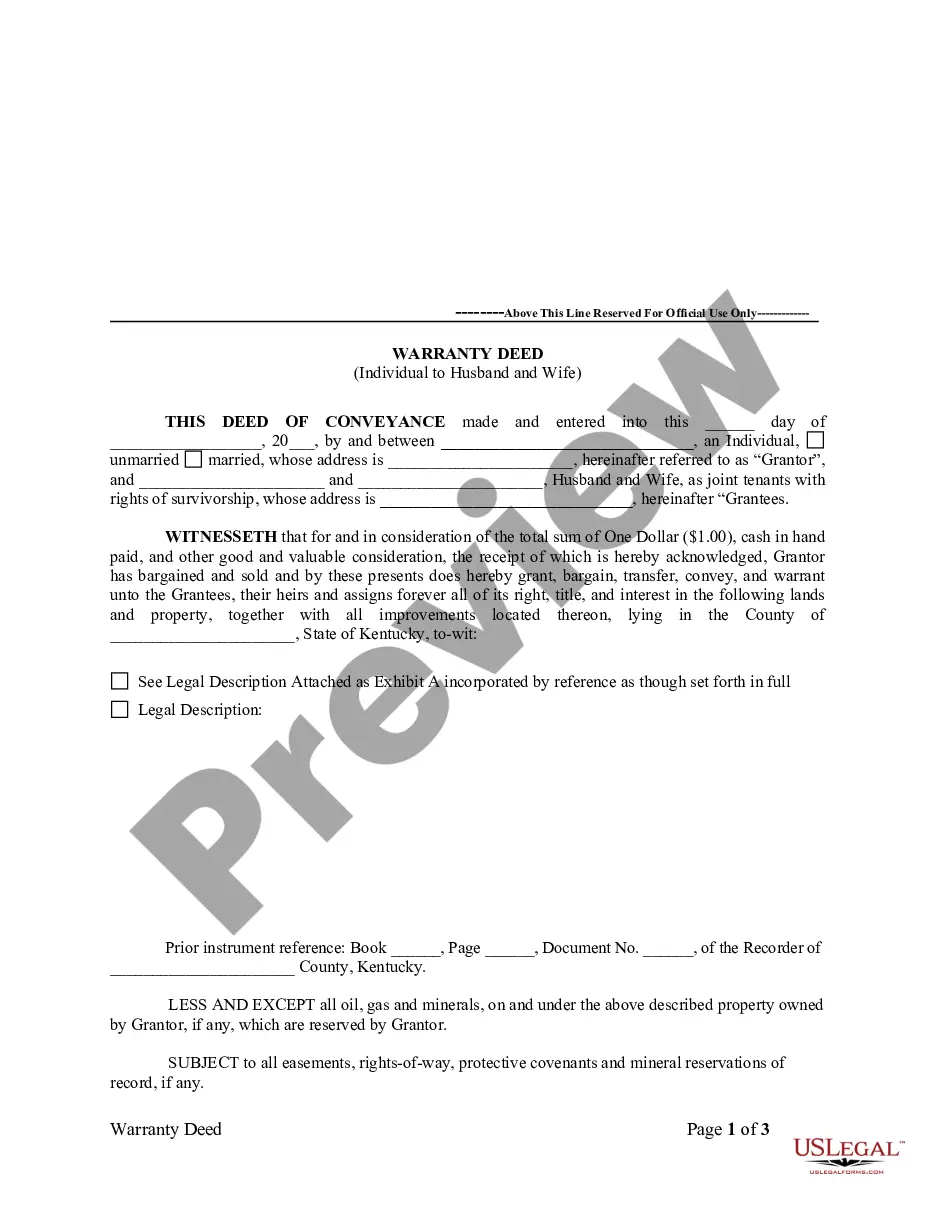
The Warranty Deed from Individual to Husband and Wife is a legal document used to convey property from one individual (the Grantor) to a married couple (the Grantees). This form outlines the rights and interests being transferred and includes specific clauses about mineral rights and joint tenancy, which sets it apart from other deed forms. It ensures that the property is owned equally by both spouses with rights of survivorship, meaning that if one partner passes away, the other retains full ownership of the property.
Main sections of this form
- Identification of the Grantor as an individual and the Grantees as a married couple.
- A statement confirming the consideration or payment involved in the transfer.
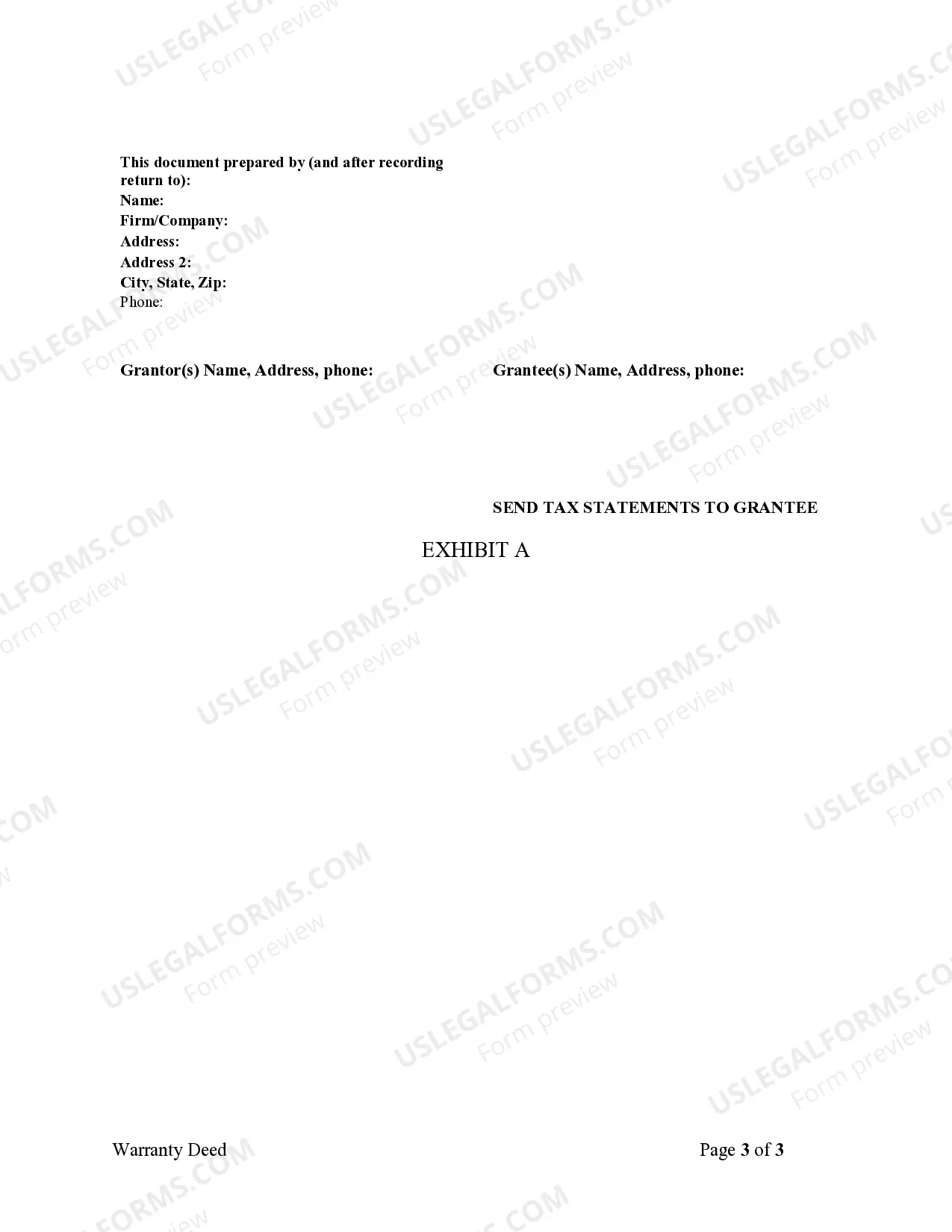
- A legal description of the property being conveyed.
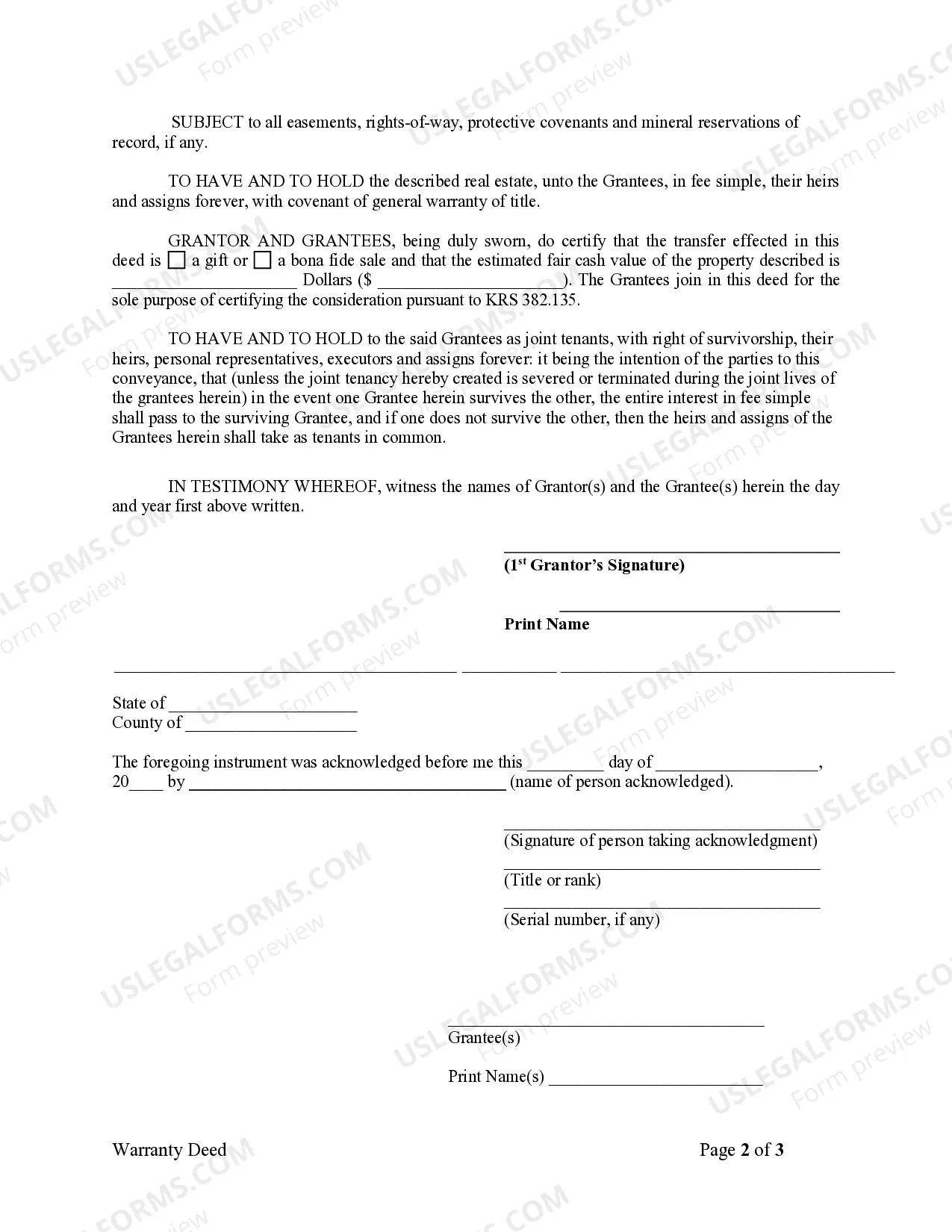
- Clauses regarding mineral rights and joint tenancy with rights of survivorship.
- Signature lines for the Grantor, Grantees, and notary public.






Situations where this form applies
This Warranty Deed should be used when an individual wishes to transfer property to a married couple, typically for estate planning purposes, transferring family property, or consolidating ownership of a primary residence. It is particularly useful when both spouses want to ensure that the property automatically passes to the surviving spouse in the event of death.
Who can use this document
This form is intended for:
- Individuals looking to transfer real property to a husband and wife.
- Couples who want to establish joint ownership with rights of survivorship.
- Homeowners planning their estate to simplify asset transfer upon death.
Completing this form step by step
- Identify the parties involved: the Grantor (individual) and the Grantees (husband and wife).
- Fill in the date of the deed and the addresses of the Grantor and Grantees.
- Provide a description of the property being transferred, including any relevant legal descriptions.
- Specify the consideration amount for the property transfer, usually stated as one dollar.
- Sign the form in the presence of a notary public, ensuring the document is properly notarized.
Does this form need to be notarized?
Notarization is required for this form to take effect. Our online notarization service, powered by Notarize, lets you verify and sign documents remotely through an encrypted video session, available 24/7.
Get your form ready online
Our built-in tools help you complete, sign, share, and store your documents in one place.
Make edits, fill in missing information, and update formatting in US Legal Forms—just like you would in MS Word.
Download a copy, print it, send it by email, or mail it via USPS—whatever works best for your next step.
Sign and collect signatures with our SignNow integration. Send to multiple recipients, set reminders, and more. Go Premium to unlock E-Sign.
If this form requires notarization, complete it online through a secure video call—no need to meet a notary in person or wait for an appointment.
We protect your documents and personal data by following strict security and privacy standards.

Make edits, fill in missing information, and update formatting in US Legal Forms—just like you would in MS Word.

Download a copy, print it, send it by email, or mail it via USPS—whatever works best for your next step.

Sign and collect signatures with our SignNow integration. Send to multiple recipients, set reminders, and more. Go Premium to unlock E-Sign.

If this form requires notarization, complete it online through a secure video call—no need to meet a notary in person or wait for an appointment.

We protect your documents and personal data by following strict security and privacy standards.
Common mistakes
- Failing to complete the legal description of the property.
- Not getting signatures from both Grantees or the Grantor.
- Neglecting notarization, which can invalidate the deed.
- Providing incorrect information about the Grantor's marital status.
Benefits of completing this form online
- Convenience: Easily download and complete the form from home.
- Editability: Fillable fields allow for quick updates and personal adjustments.
- Reliability: Forms are drafted by licensed attorneys to ensure legal compliance.
Looking for another form?

Form popularity
FAQ
Retrieve your original deed. Get the appropriate deed form. Draft the deed. Sign the deed before a notary. Record the deed with the county recorder. Obtain the new original deed.
The mortgage company usually prepares this deed as part of the loan package and delivers it to the title company for you to sign at closing. The title company is commonly the trustee to the deed and holds legal title to the property until the loan gets fully repaid.
Step 1: Find your KY quitclaim form. Step 2: Gather the information you need. Step 3: Enter the information about the parties. Step 4: File the deed in the County Clerk's office of the county where the property is located, along with the consideration certificate.
Technically, any seller (attorney or non-attorney) can prepare their own deed; however, it must contain all the correct language, for the specific situation, in order for it to do what you want it to do2026and in order for it to be acceptable for recording by the county clerk's office in the county in which the property
Generally, the lender sends the documents to be recorded after the closing. The recording fees are included in your closing costs. Typically, the lender will provide you with a copy of the deed of trust after the closing. The original warranty deeds are often mailed to the grantee after they are recorded.
Either (1) a sworn, notarized certificate signed by the grantor or his agent and the grantee or his agent, that the consideration reflected in the deed is the full consideration paid for the property, or (2) a sworn, notarized certificate signed by the grantor or his agent and the grantee or his agent, stating that the
A deed must be executed by the grantor(s) in presence of the prescribed number of witnesses set forth by the local jurisdiction. It must be delivered to (delivery) and accepted by the grantee (acceptance.)