Kansas Trim Carpenter Contract for Contractor
Understanding this form
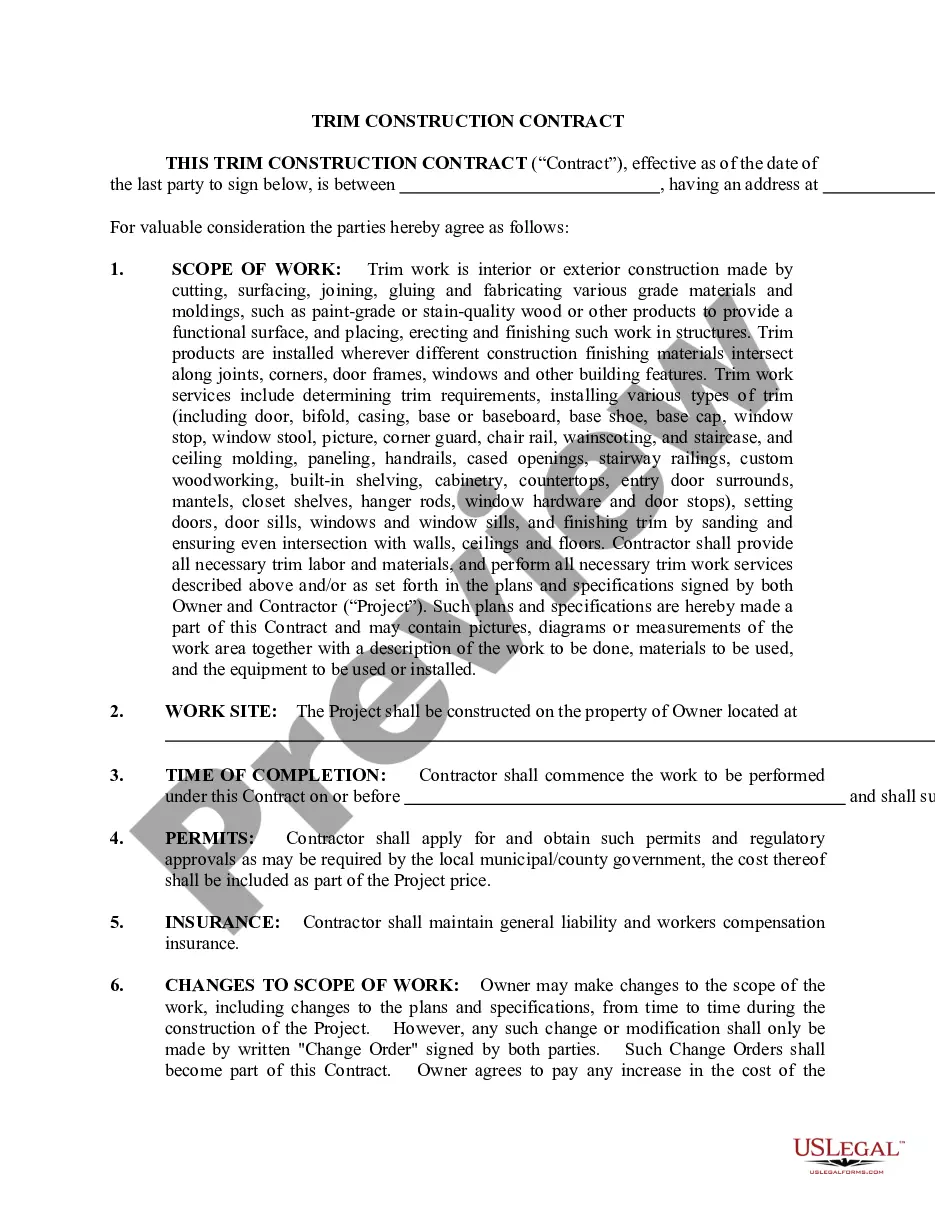
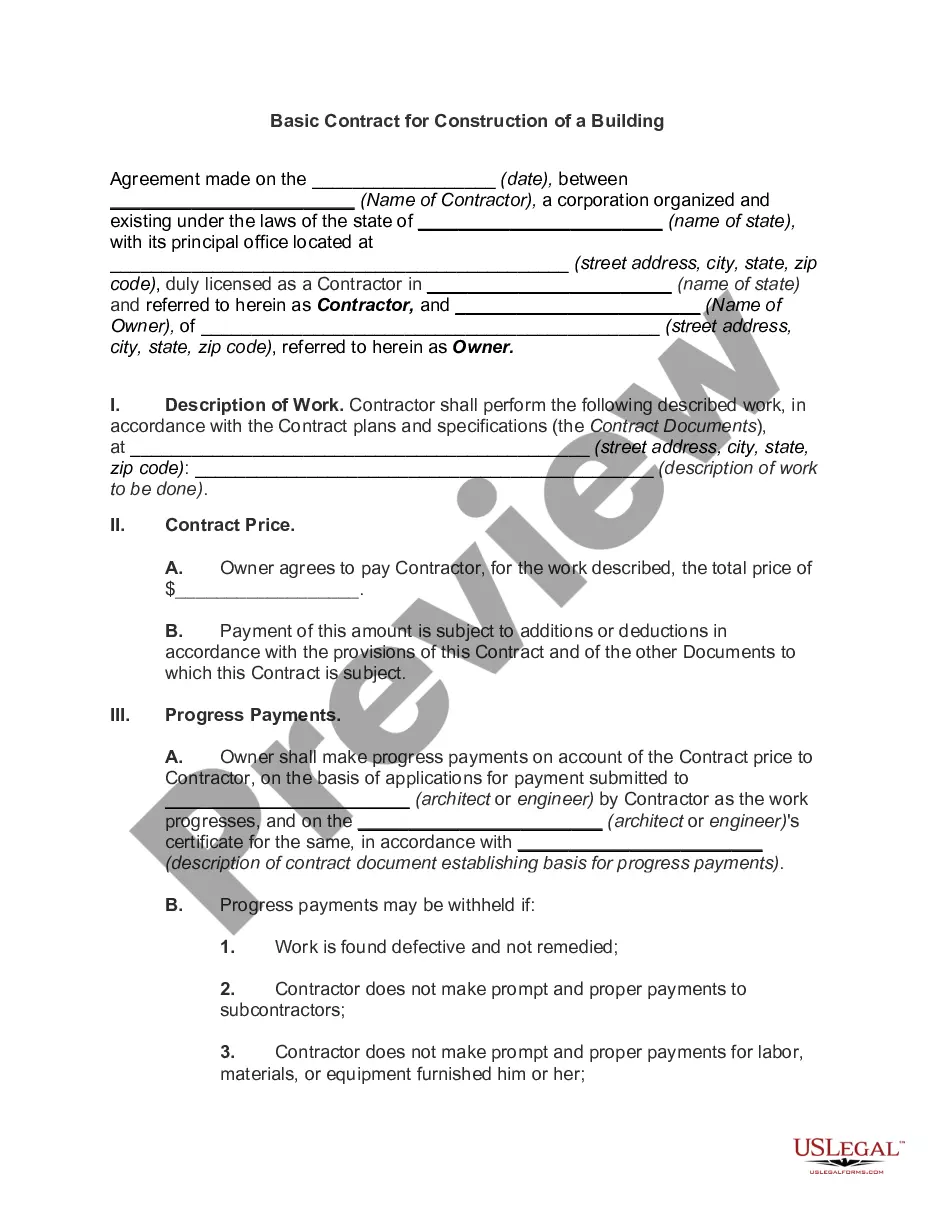
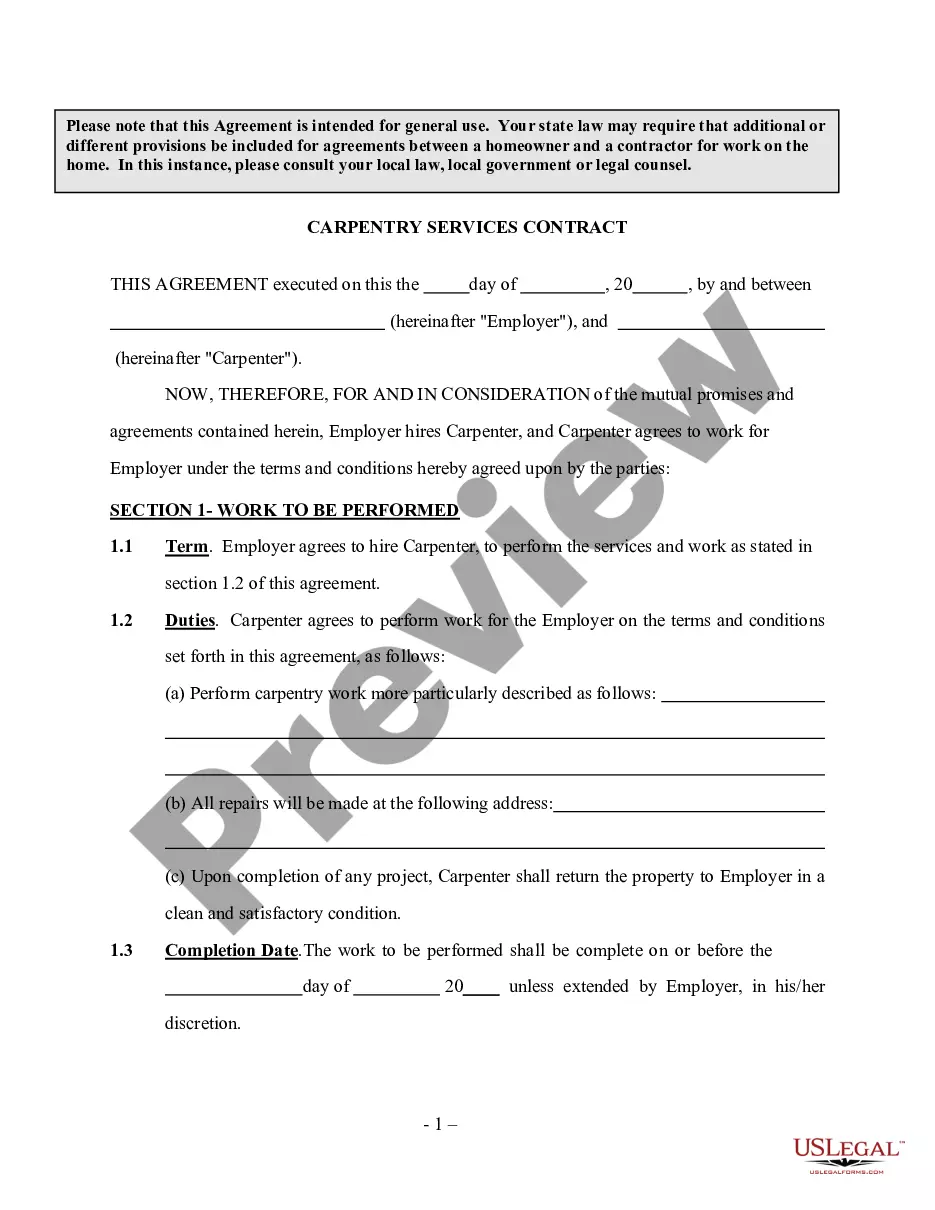
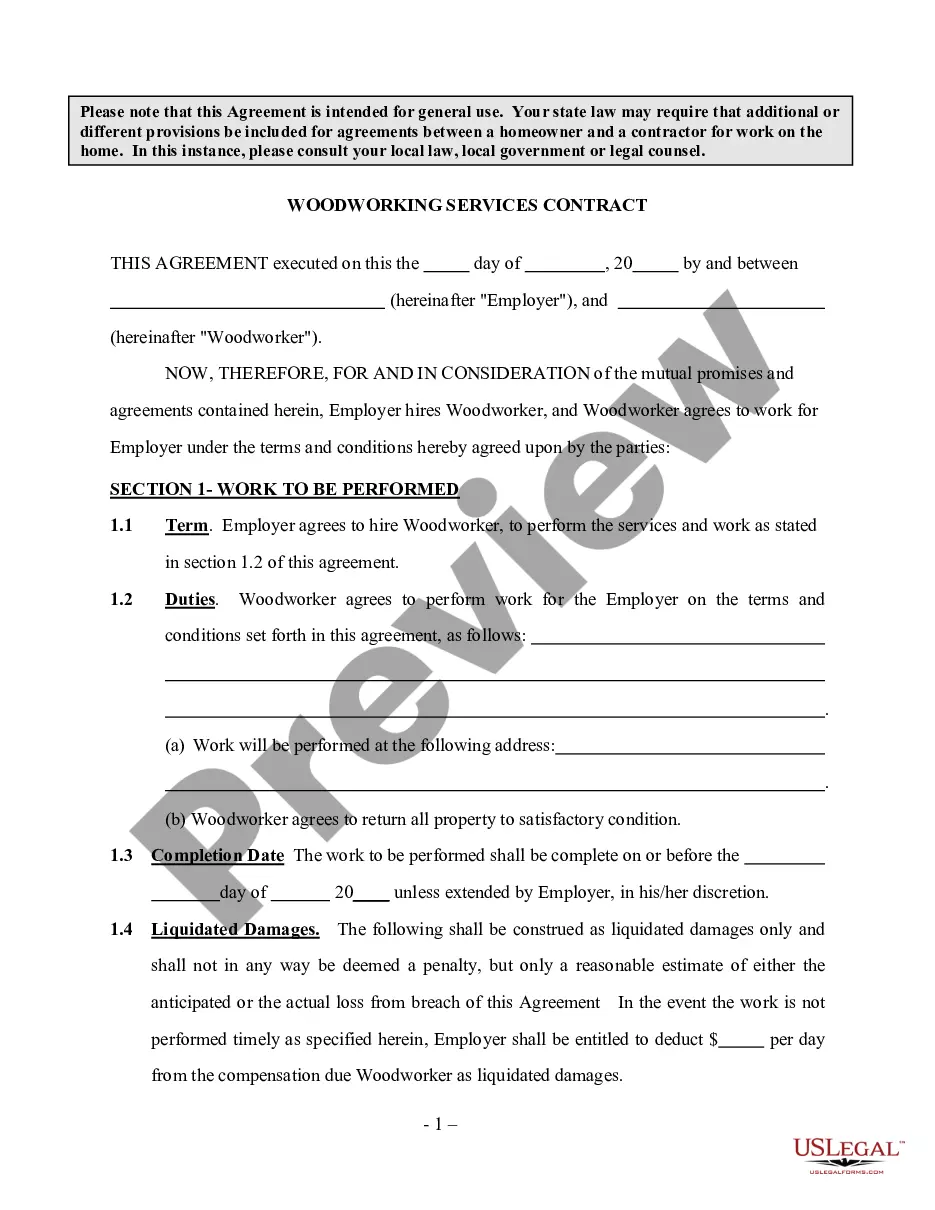
The Trim Carpenter Contract for Contractor is a vital legal document that establishes an agreement between trim carpenter contractors and property owners. This contract outlines the terms of the project, including payment arrangements, responsibilities related to permits, insurance requirements, and procedures for change orders. Unlike generic contracts, this form is specifically tailored to comply with the laws of Kansas, ensuring that both parties are protected and obligations are clearly defined.
What’s included in this form
- Permits: Requires the contractor to obtain necessary permits included in the project price.
- Insurance: Mandates that the contractor maintain general liability and workers' compensation insurance.
- Changes to Scope of Work: Outlines how changes to the work will be handled through written change orders.
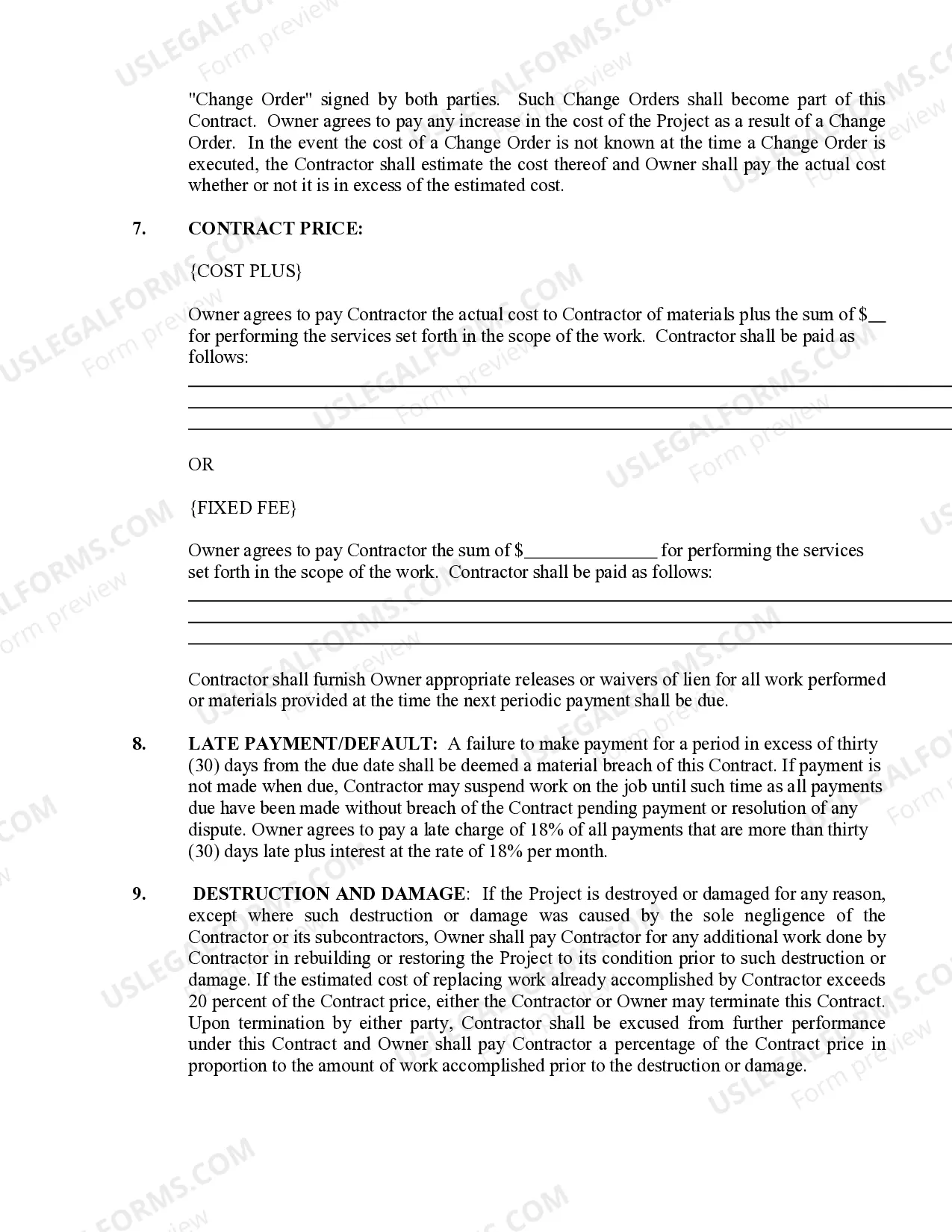
- Contract Price: Specifies the overall project cost and conditions for payment adjustments.
- Destruction and Damage: Details responsibilities in case of project damage and conditions for contract termination.
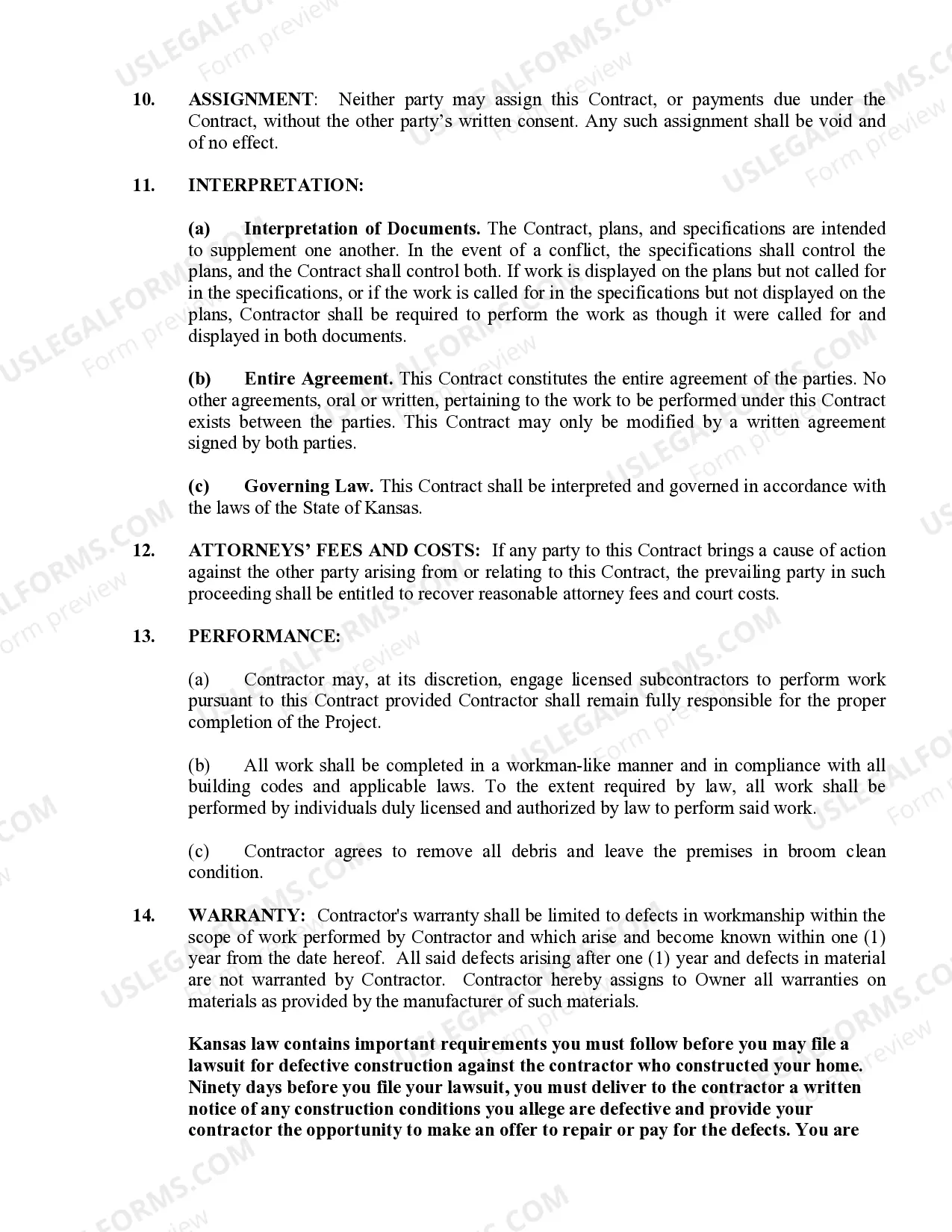
- Warranty: Limits warranty to defects in workmanship for one year after completion.
When to use this document
This form should be used when a property owner hires a trim carpenter contractor for a specific project. It is relevant in scenarios that involve any trim work, such as installing moldings, door casings, or other interior features. The contract provides clarity on work scope, payment arrangements, and responsibilities, making it essential for establishing a professional relationship between the contractor and the property owner.
Who this form is for
- Property owners seeking to hire a contractor for trim work.
- Trim carpenter contractors looking to establish clear terms of agreement with clients.
- Individuals or businesses involved in renovation or construction projects requiring specialized trim work.
Instructions for completing this form
- Identify the parties: Clearly state the names and contact information of both the contractor and the property owner.
- Specify the property: Include the address where the trim work will take place.
- Enter project details: Describe the scope of work to be performed, including any specific details about materials or design.
- Outline payment terms: Indicate whether the payment arrangement is cost plus or fixed fee and specify the total contract price.
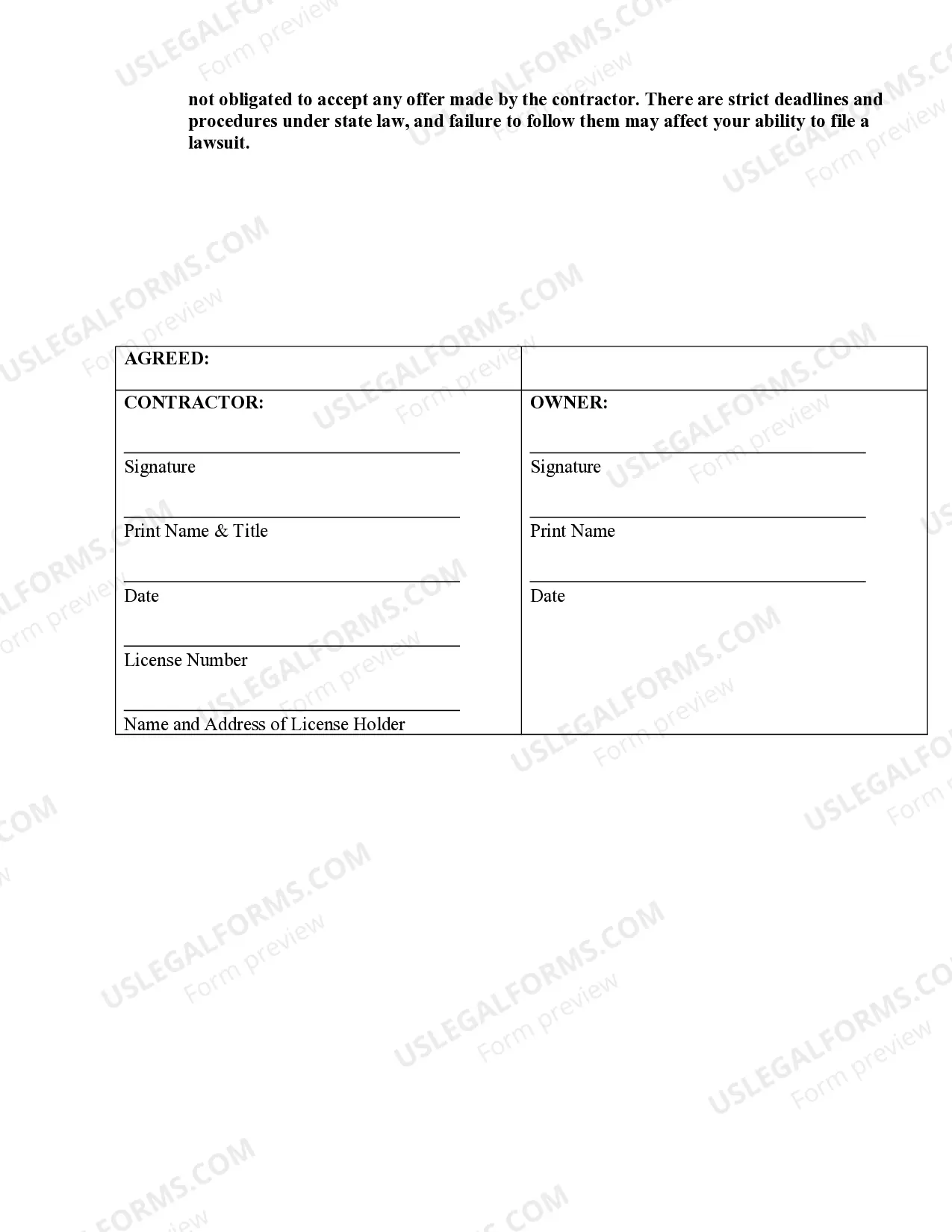
- Sign and date: Ensure both parties sign and date the contract to make it legally binding.
Is notarization required?
This form does not typically require notarization unless specified by local law. However, having a notary present can add an additional layer of validation for both parties.
Get your form ready online
Our built-in tools help you complete, sign, share, and store your documents in one place.
Make edits, fill in missing information, and update formatting in US Legal Forms—just like you would in MS Word.
Download a copy, print it, send it by email, or mail it via USPS—whatever works best for your next step.
Sign and collect signatures with our SignNow integration. Send to multiple recipients, set reminders, and more. Go Premium to unlock E-Sign.
If this form requires notarization, complete it online through a secure video call—no need to meet a notary in person or wait for an appointment.
We protect your documents and personal data by following strict security and privacy standards.

Make edits, fill in missing information, and update formatting in US Legal Forms—just like you would in MS Word.

Download a copy, print it, send it by email, or mail it via USPS—whatever works best for your next step.

Sign and collect signatures with our SignNow integration. Send to multiple recipients, set reminders, and more. Go Premium to unlock E-Sign.

If this form requires notarization, complete it online through a secure video call—no need to meet a notary in person or wait for an appointment.

We protect your documents and personal data by following strict security and privacy standards.
Avoid these common issues
- Failing to include specific project details, which can lead to misunderstandings later.
- Not addressing changes to scope of work upfront, potentially resulting in disputes.
- Neglecting to specify insurance requirements, which could leave parties vulnerable.
- Signing without reviewing all sections, leading to missing critical terms.
Benefits of using this form online
- Instant access: Download and use the contract immediately after purchase.
- Easy customization: Easily adjust the form to fit specific project needs.
- Legal assurance: Forms are drafted by licensed attorneys to ensure compliance with state laws.
- Cost-effective: Save on legal fees by using DIY templates that simplify the contract process.
Legal use & context
- This contract is legally binding when signed by both parties and can be enforced in court if disputes arise.
- The agreement is designed to protect the interests of both the property owner and the contractor.
- Failure to adhere to contract terms can result in legal ramifications, including potential lawsuits.
Key takeaways
- The Trim Carpenter Contract provides a clear framework for carpentry projects between contractors and property owners.
- Understanding the responsibilities regarding permits, insurance, and changes to the work scope is crucial for both parties.
- This contract adheres to Kansas state laws, ensuring compliance and legal enforceability.
Looking for another form?
Form popularity
FAQ
What does a Finish Carpenter do? From a general standpoint, Finish Carpenters create and repair building frameworks and structures, such as stairways, floorboards, doorframes, rafters, and other partitions.
Carpentry is a building trade concerned with the constructing, assembling, and repairing of wooden structures.Finish carpentry, as the name implies, entails such activities as putting the trim and casing around joints and openings, hanging doors, attaching hardware, and building in shelves and closets.
There are several ways to become a carpenter. The most common way is to do a three or four-year apprenticeship that includes technical and paid on-the-job training. Unions and trade associations usually sponsor apprenticeships. You can find registered apprenticeships, categorized by job title, at "MyNextMove.org".
Rough Carpentry refers to the framing or erecting of a wooden structure, while Finish Carpentry is the setting in place, over the rough frame, of all finishing members both exterior and interior.
Finish carpenters are skilled professionals who perform the final touches on homes after the structure is fully built. These carpenters must carry out various tasks such as installing doors, building bookshelves, and adding designs to window and door trims.
Name of contractor and contact information. Name of homeowner and contact information. Describe property in legal terms. List attachments to the contract. The cost. Failure of homeowner to obtain financing. Description of the work and the completion date. Right to stop the project.
Get it in writing. Keep it simple. Deal with the right person. Identify each party correctly. Spell out all of the details. Specify payment obligations. Agree on circumstances that terminate the contract. Agree on a way to resolve disputes.
Yes, absolutely. Starting work without a signed contract means that your position isn't clear, or even worse it's weak.It also means that the contract is legally enforceable and will be able to support you if you decide to take legal action.
Finish carpentry encompasses all work done inside a house after framing, sheathing, wiring, plumbing, insulation and drywall have been installed. This includes door and window installation and trim, fitting interior doors, wood and laminate flooring installation, wainscoting, crown molding and cabinet installation.