Indiana Excavator Contract for Contractor
About this form
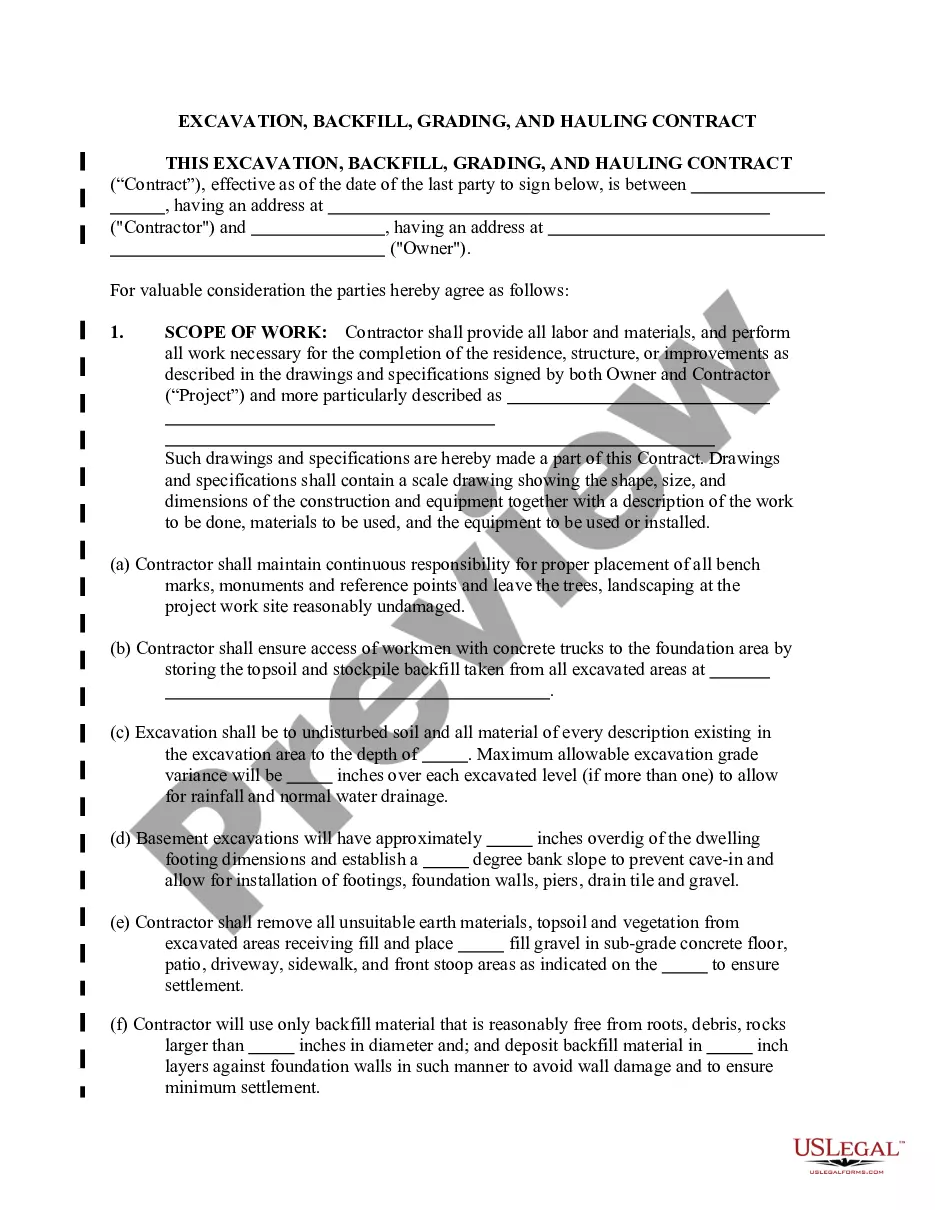
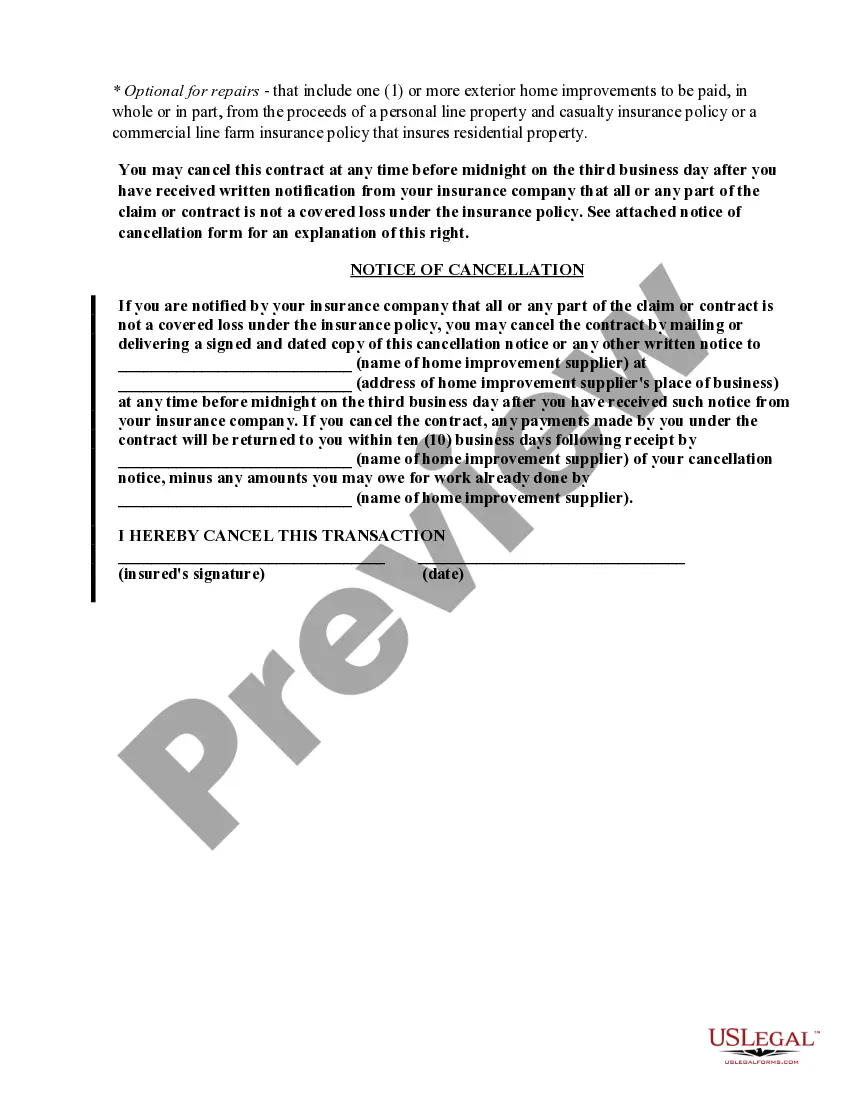
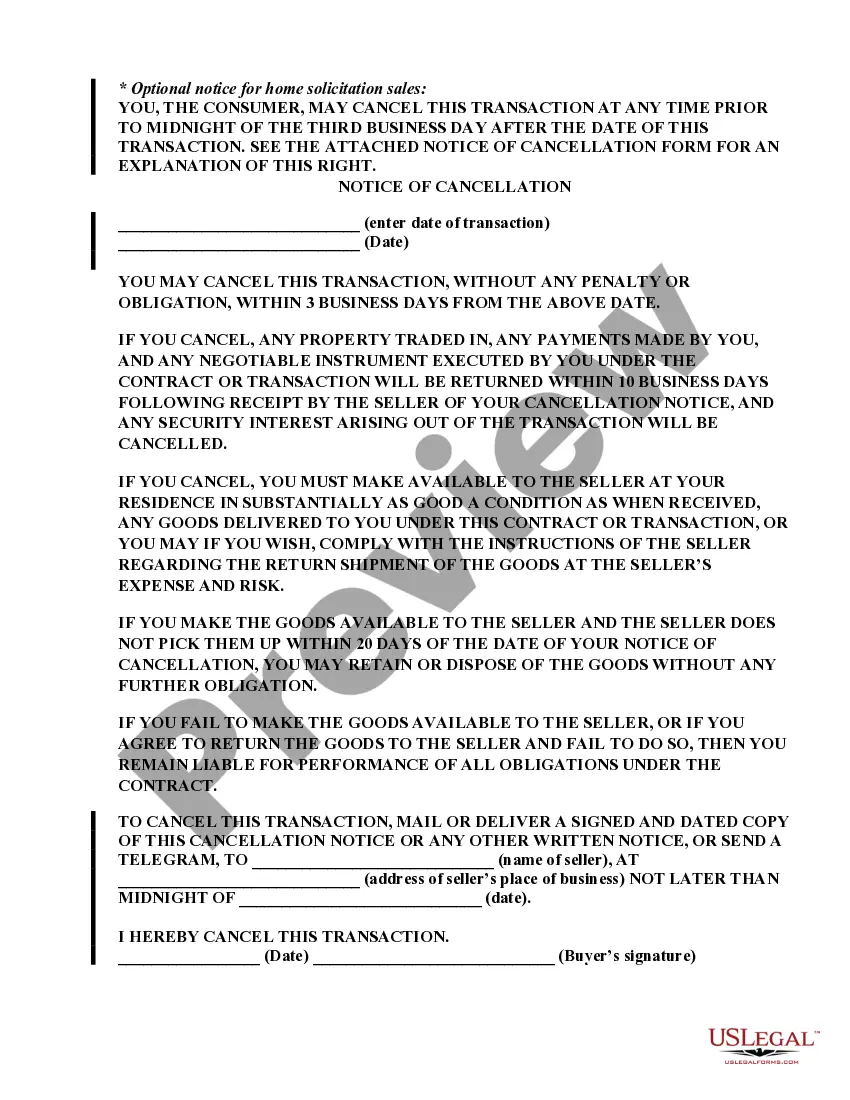
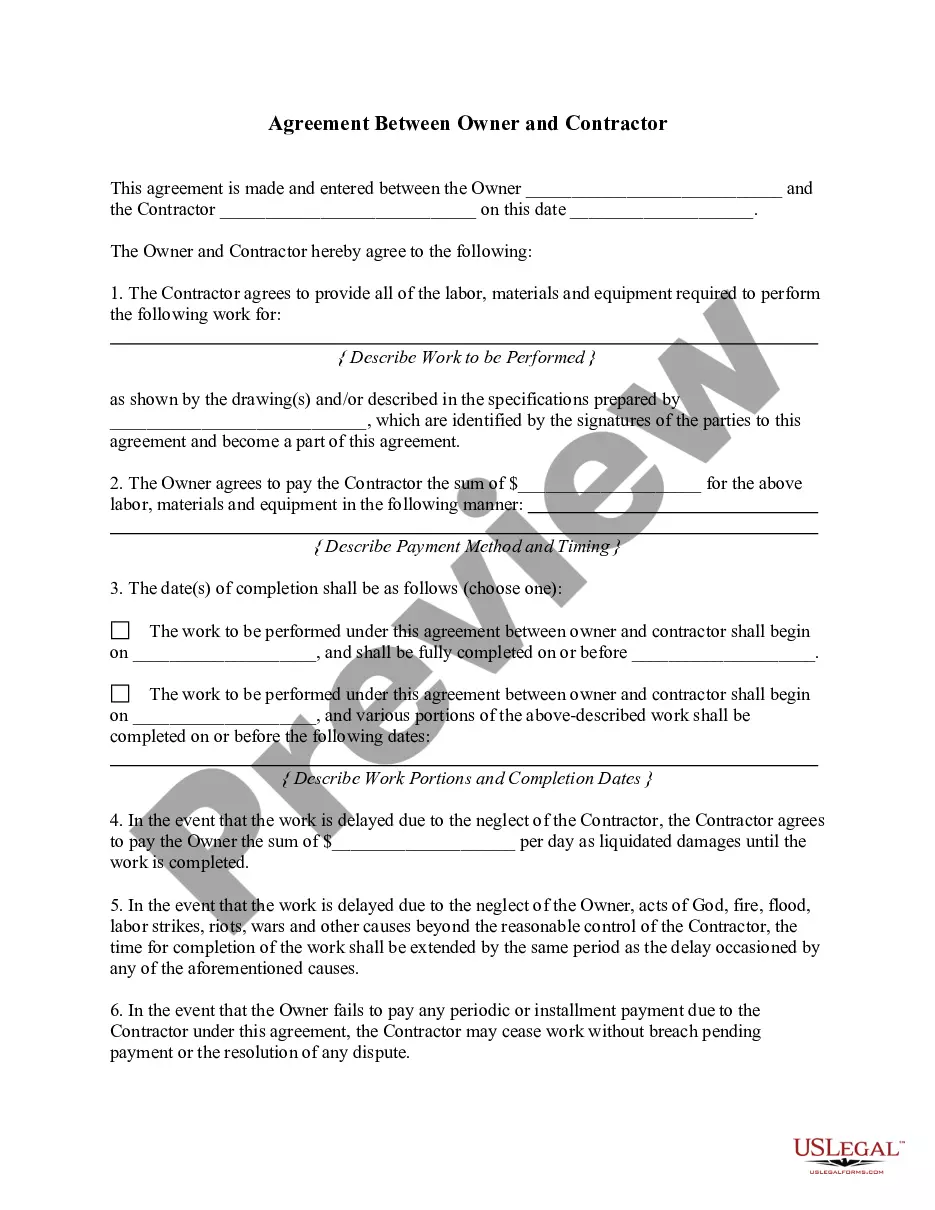
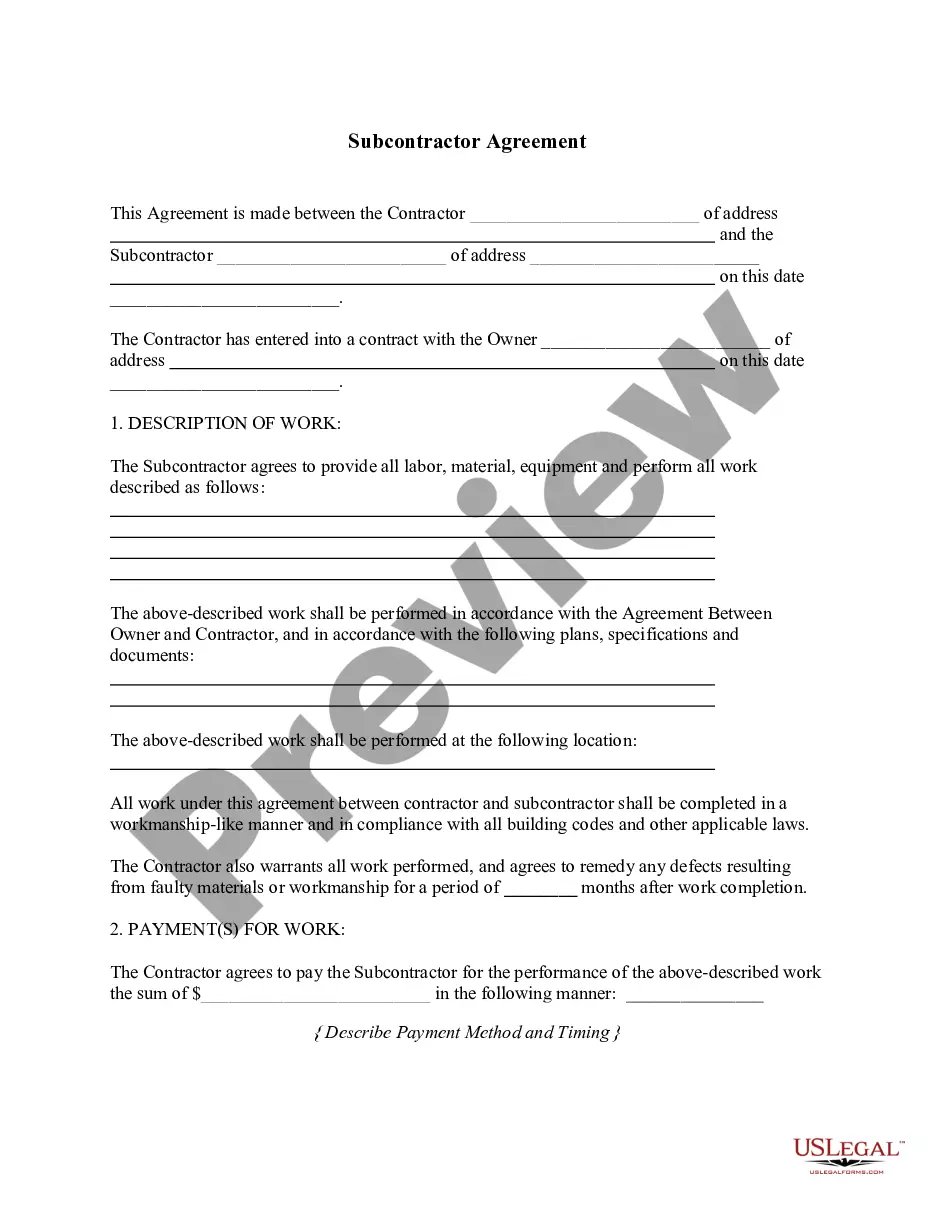
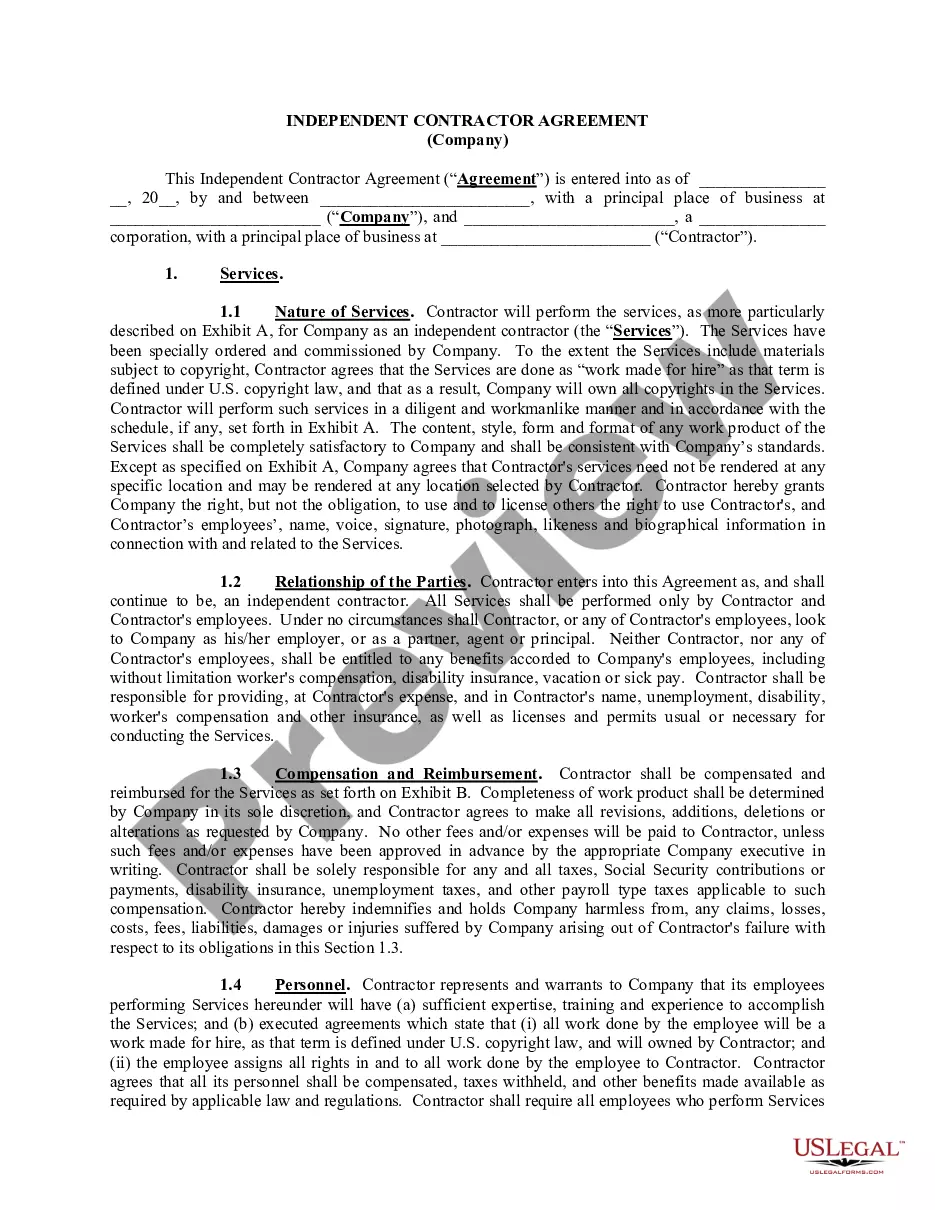
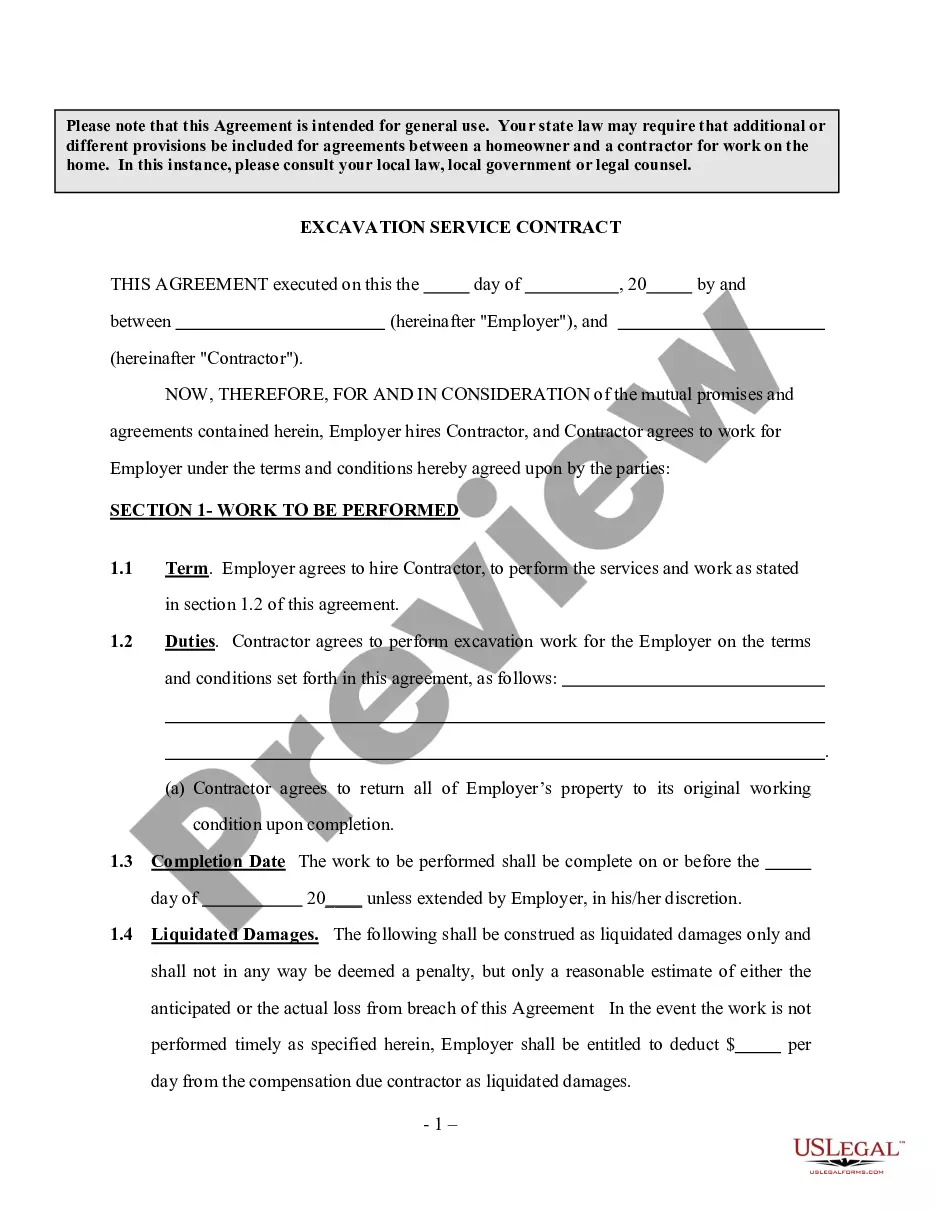
The Excavator Contract for Contractor is a legal agreement designed for use between excavator contractors and property owners. This form outlines the terms of work related to excavation projects and may include either a cost-plus or fixed fee payment structure. Unlike other contracts, this document specifically addresses important aspects such as change orders, insurance, and site safety, ensuring compliance with Indiana state laws.
Form components explained
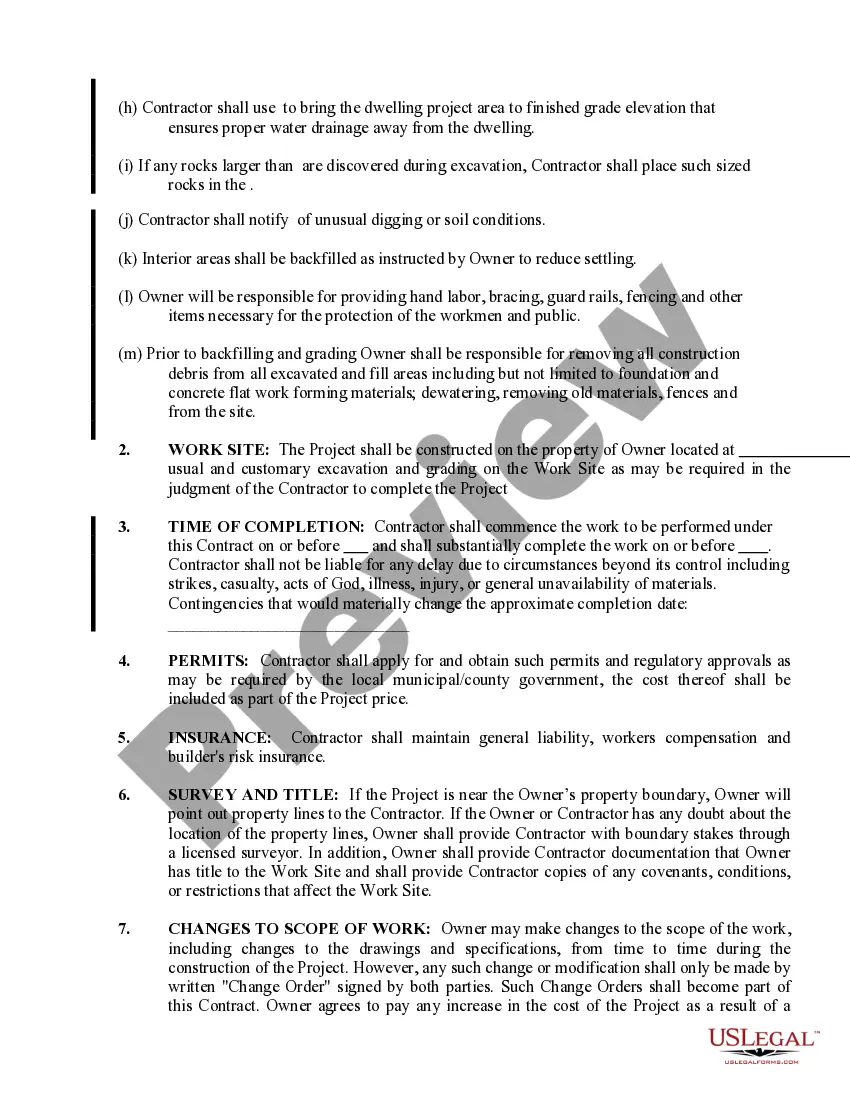
- Responsibilities of the owner, including site safety measures like bracing and fencing.
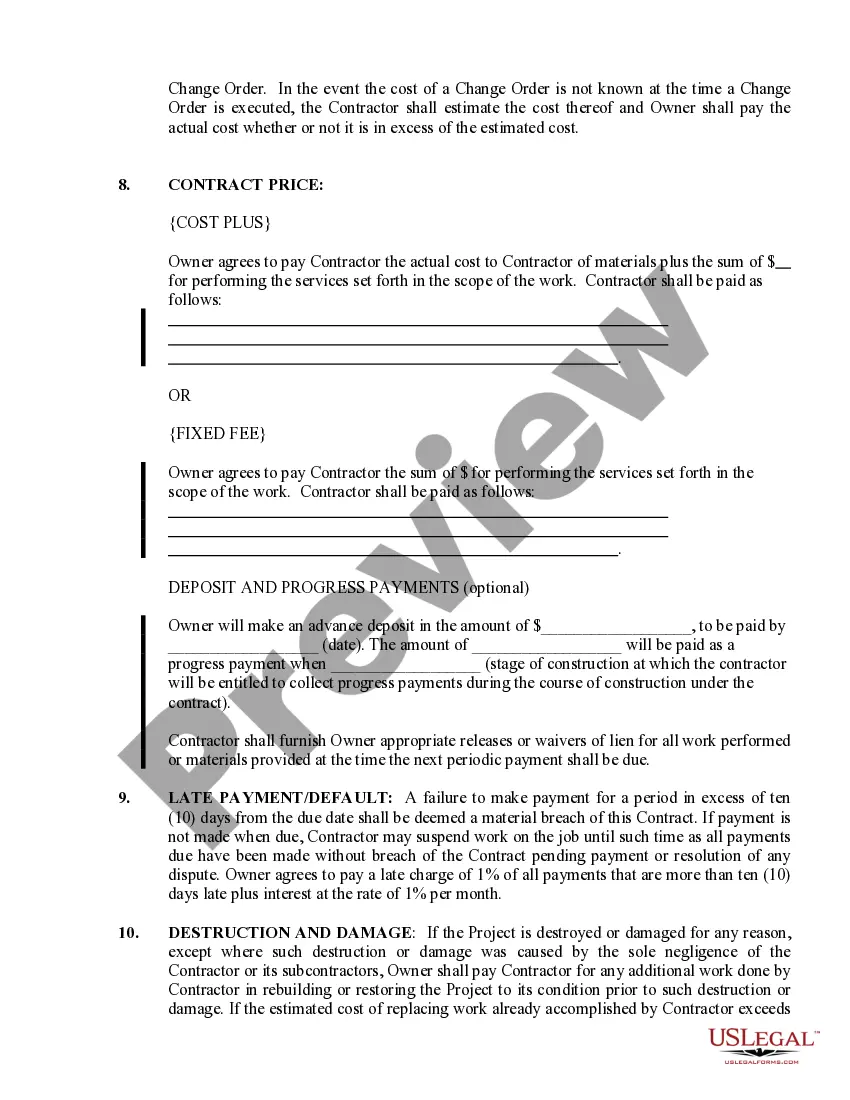
- Requirement for the contractor to obtain necessary permits and local regulatory approvals.
- Specifications regarding insurance coverage maintained by the contractor.
- Provisions for survey and title confirmation to clarify property boundaries.
- Terms addressing payment delays and consequences for late payments.
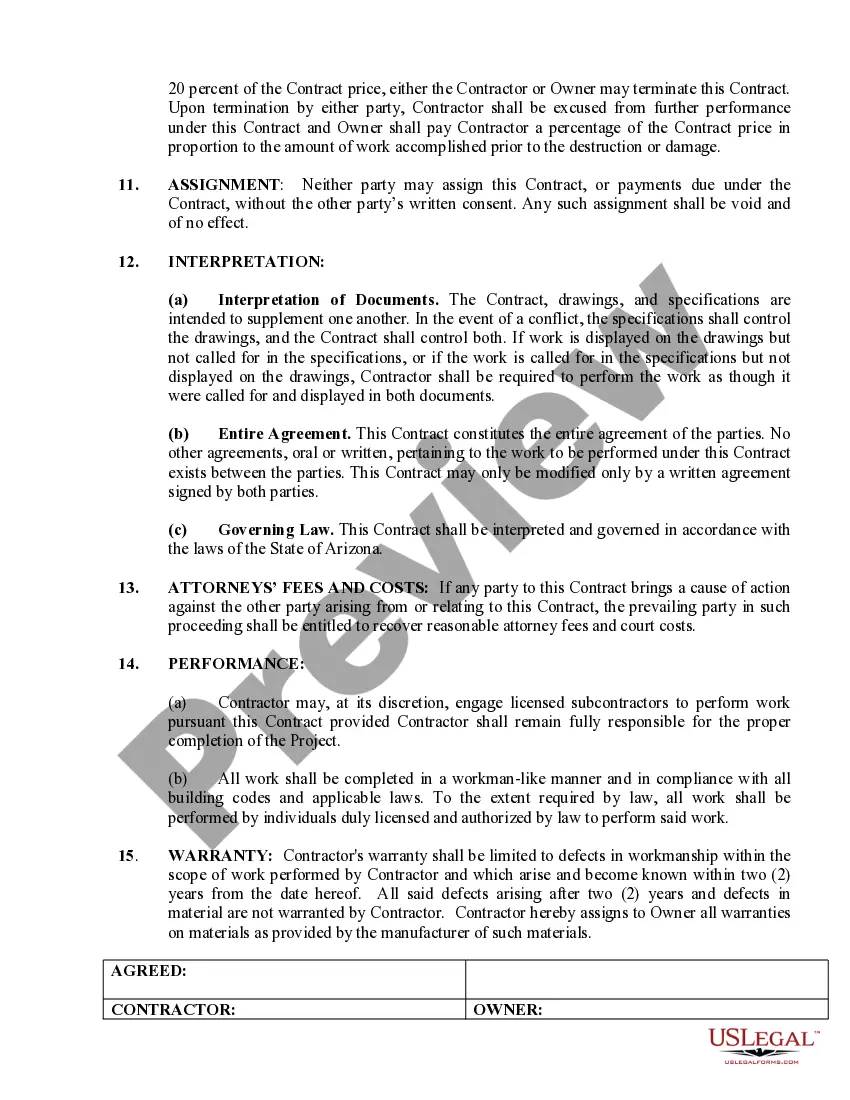
- Clauses dealing with destruction or damage to the project site during work.

When to use this form
This form should be used when an excavator contractor is engaged for projects that require clear agreements on the scope of work, payment details, site safety, and legal responsibilities. It is particularly essential for projects that involve substantial excavation work on residential or commercial properties in Indiana.
Who needs this form
This form is intended for:
- Excavator contractors providing services in Indiana.
- Property owners who are hiring excavators for various construction projects.
- Individuals or businesses looking to outline clear payment and work guidelines related to excavation tasks.
Steps to complete this form
To complete the Excavator Contract for Contractor:
- Identify the parties involved, including the contractor and property owner details.
- Specify the scope of work, including project details and any special instructions.
- Choose between a cost-plus or fixed fee payment arrangement and include relevant financial details.
- Enter dates, including the project timeline and payment schedule.
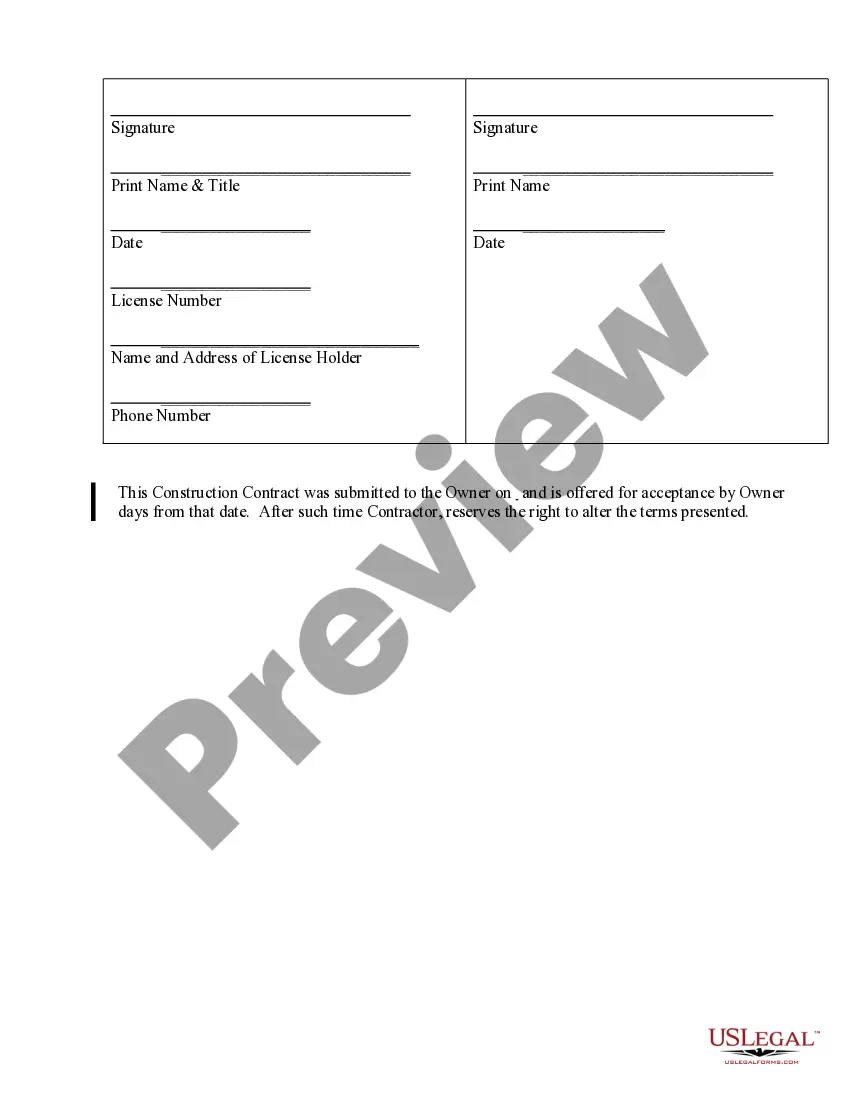
- Ensure signatures of both parties to finalize the contract.
Does this form need to be notarized?
This form does not typically require notarization unless specified by local law. Make sure to check any unique requirements in your jurisdiction.
Get your form ready online
Our built-in tools help you complete, sign, share, and store your documents in one place.
Make edits, fill in missing information, and update formatting in US Legal Forms—just like you would in MS Word.
Download a copy, print it, send it by email, or mail it via USPS—whatever works best for your next step.
Sign and collect signatures with our SignNow integration. Send to multiple recipients, set reminders, and more. Go Premium to unlock E-Sign.
If this form requires notarization, complete it online through a secure video call—no need to meet a notary in person or wait for an appointment.
We protect your documents and personal data by following strict security and privacy standards.
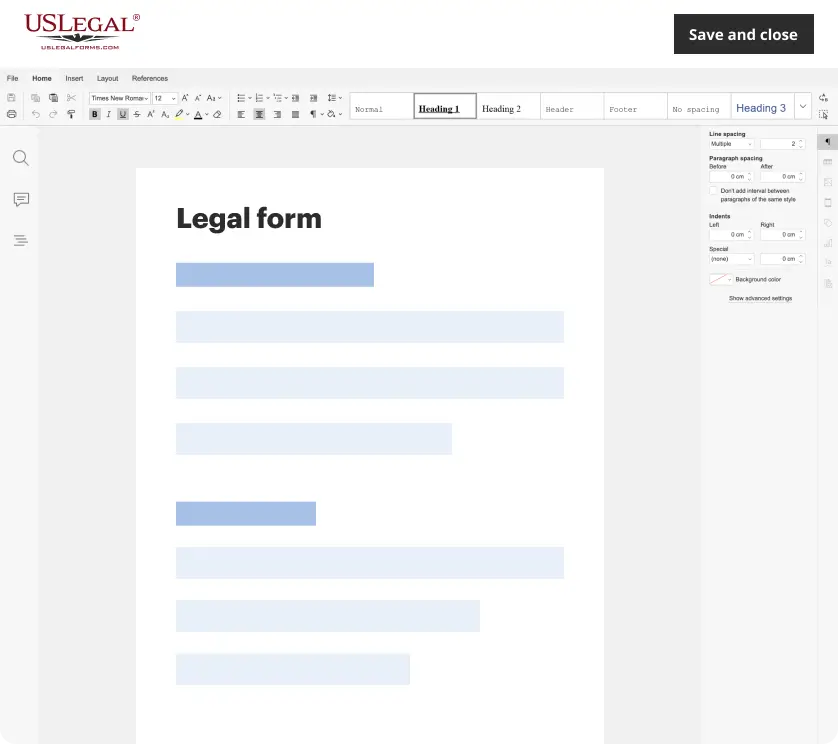
Make edits, fill in missing information, and update formatting in US Legal Forms—just like you would in MS Word.
Download a copy, print it, send it by email, or mail it via USPS—whatever works best for your next step.
Sign and collect signatures with our SignNow integration. Send to multiple recipients, set reminders, and more. Go Premium to unlock E-Sign.

If this form requires notarization, complete it online through a secure video call—no need to meet a notary in person or wait for an appointment.
We protect your documents and personal data by following strict security and privacy standards.
Avoid these common issues
- Failing to clarify payment terms, which may lead to disputes later.
- Neglecting to outline responsibilities for permits and insurance.
- Skipping the section on site safety measures may expose both parties to liability.
- Ignoring local laws that could necessitate additional clauses.
Benefits of completing this form online
- Convenience of downloading a reliable contract template tailored to Indiana laws.
- Ability to edit the form according to specific project needs.
- Clear guidelines that reduce the risk of misunderstandings between parties.
Looking for another form?


Form popularity
FAQ
Scope of Work, Selection Sheet and Drawings. License Number and Insurance. Description of Change Orders. Warranty information. Subcontractor Agreements. Payment schedule. Completion Schedule / Timeline. Clauses Required by Law.
Get it in writing. Keep it simple. Deal with the right person. Identify each party correctly. Spell out all of the details. Specify payment obligations. Agree on circumstances that terminate the contract. Agree on a way to resolve disputes.
Timeframe or key milestones of the project; hours of work; deliverables of the project; and. way the business will pay the contractor for their services.
Get it in writing. Keep it simple. Deal with the right person. Identify each party correctly. Spell out all of the details. Specify payment obligations. Agree on circumstances that terminate the contract. Agree on a way to resolve disputes.
An agreement between private parties creating mutual obligations enforceable by law. The basic elements required for the agreement to be a legally enforceable contract are: mutual assent, expressed by a valid offer and acceptance; adequate consideration; capacity; and legality.
Identifying/Contact Information. Title and Description of the Project. Projected Timeline and Completion Date. Cost Estimate and Payment Schedule. Stop Work Clause and Stop Payment Clause. Act of God Clause. Change Order Agreement. Warranty.
An estimate should be the contractor's best professional assessment, including the cost of hiring any subcontractors, the price of materials, and any other labor involved.
Your general contractor should provide proof of licensing, bonding and insurance before a project starts, but it's better to have it in hand before you sign any contracts. It's important that contractors carry any licensing and/or certification required for the specific trade or skill they practice.
Name of contractor and contact information. Name of homeowner and contact information. Describe property in legal terms. List attachments to the contract. The cost. Failure of homeowner to obtain financing. Description of the work and the completion date. Right to stop the project.