Illinois Special or Limited Power of Attorney for Real Estate Sales Transaction By Seller
What this document covers
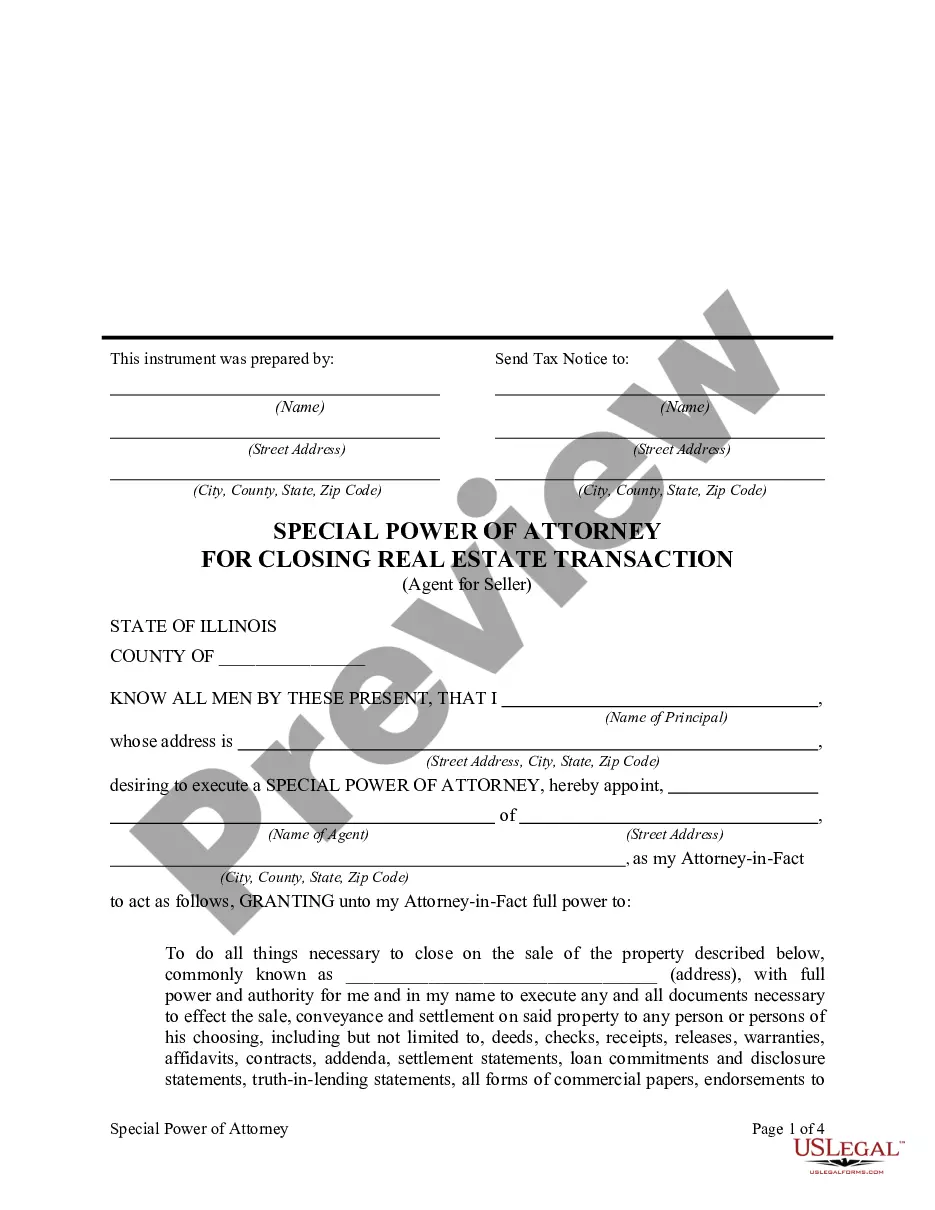
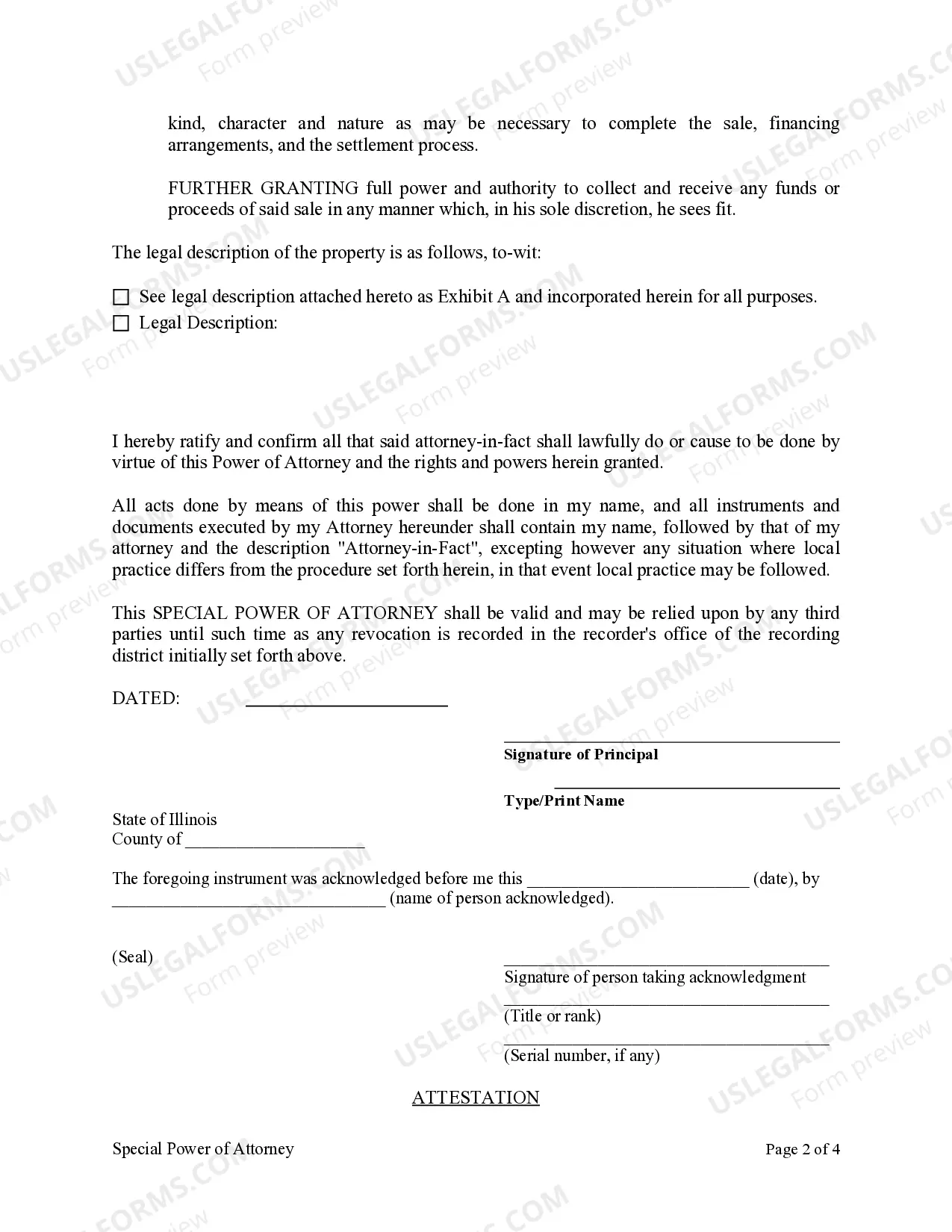
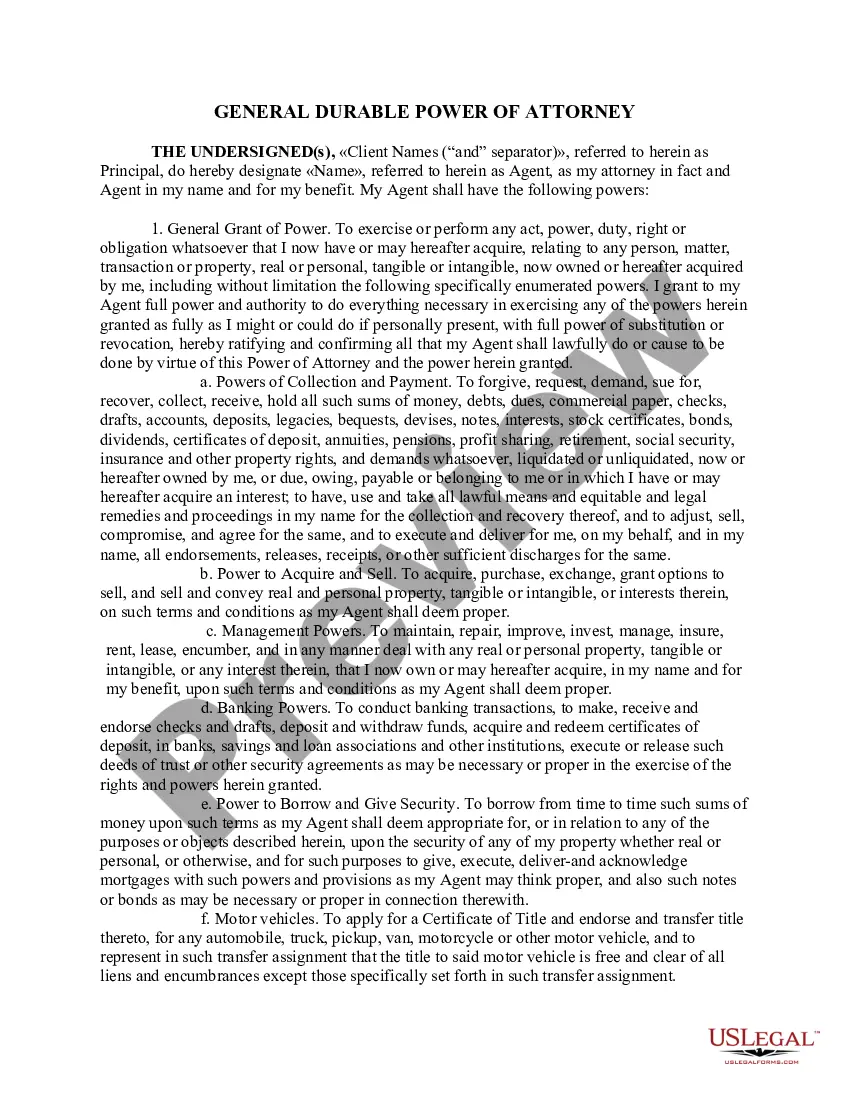
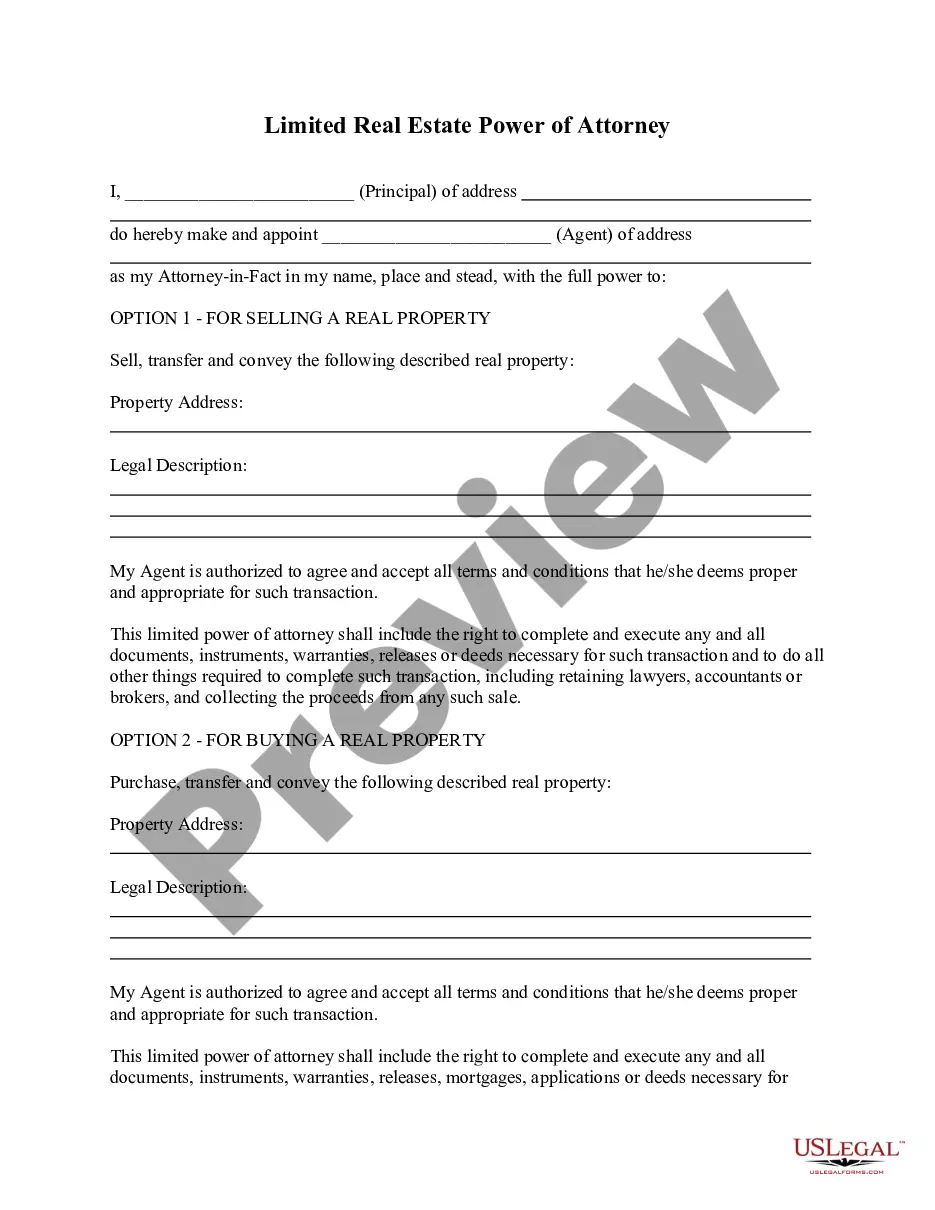
This Special or Limited Power of Attorney for Real Estate Sales Transaction By Seller form allows a seller to designate an attorney-in-fact to handle the sale of a specific parcel of real estate. Unlike a general power of attorney, this form is specifically tailored for real estate transactions, granting your representative the authority to execute the necessary documents and manage the sale process on your behalf.
Main sections of this form
- Designation of the attorney-in-fact authorized to act on the seller's behalf.
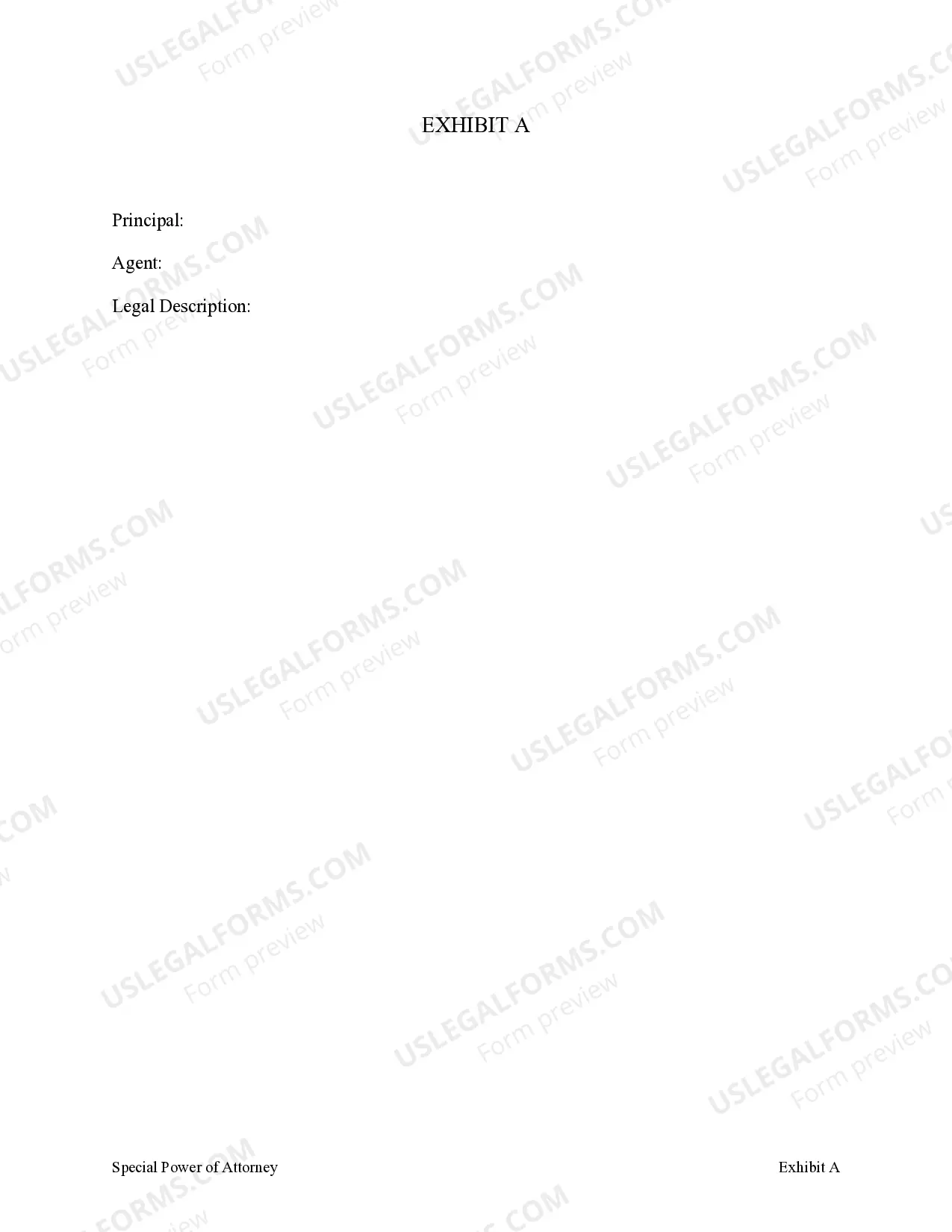
- A clear legal description of the property being sold.
- Detailed powers granted to the attorney-in-fact regarding the sale and receipt of proceeds.
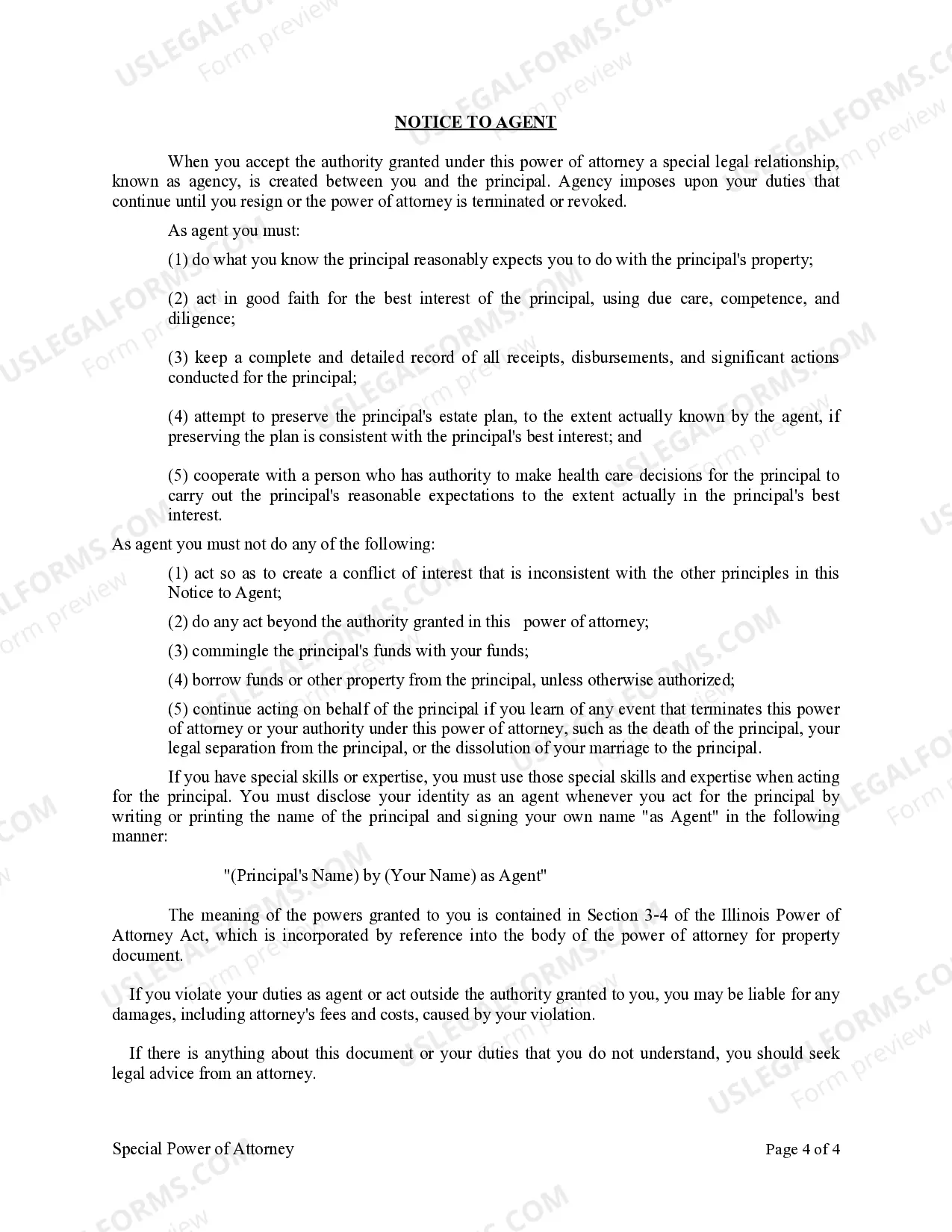
- Requirements for the attorney-in-fact to act in good faith and with due diligence.
When to use this form
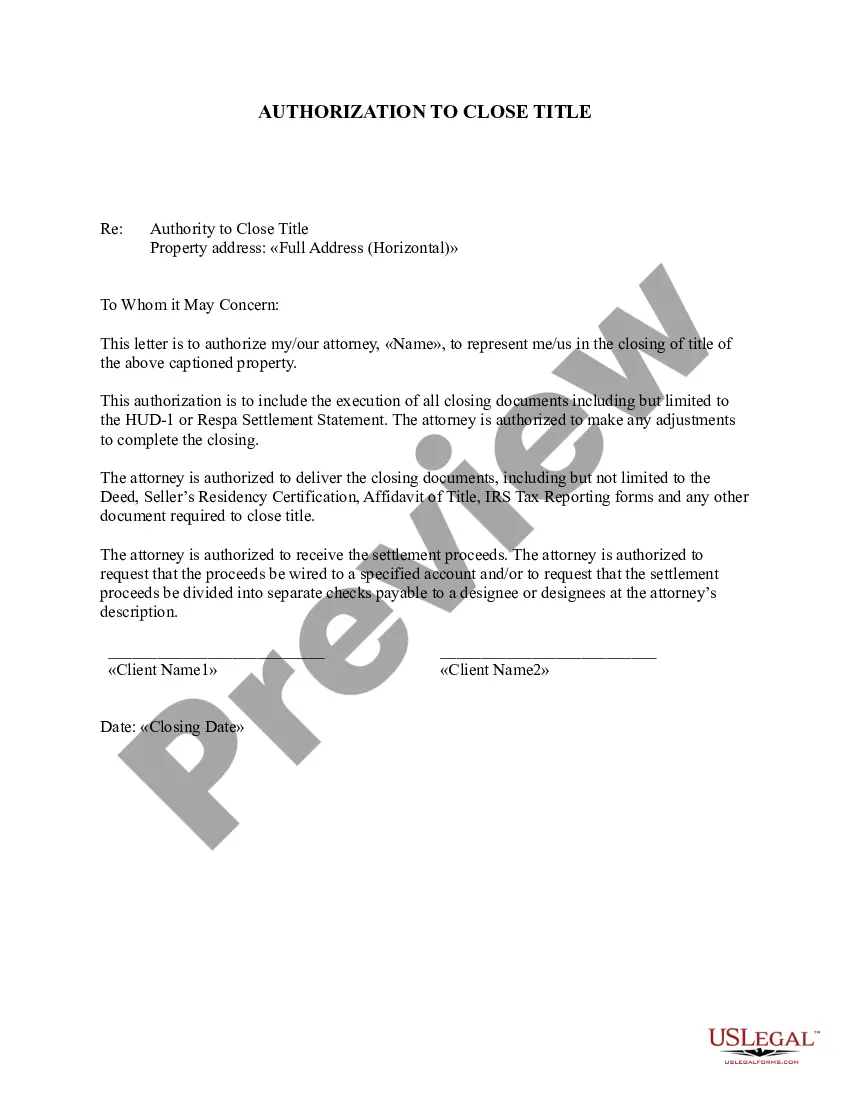
You should use this form when you, as the seller, are unable to be present for the closing of the sale of your real estate property. This may apply if you are out of state, have health issues, or simply cannot attend due to schedule conflicts. It allows your designated attorney-in-fact to manage all necessary legal and financial documents related to the sale.
Who should use this form
This form is intended for:
- Property sellers who need to appoint someone to act on their behalf.
- Individuals who are unable to attend the real estate transaction due to various reasons.
- Anyone who wishes to limit the powers granted to their attorney-in-fact specifically for real estate sales.
Instructions for completing this form
- Identify the seller and the attorney-in-fact in the appropriate fields.
- Provide a clear legal description of the real estate involved in the transaction.
- Specify the powers granted to the attorney-in-fact related to the sale.
- Enter the date and sign the document in the appropriate spaces.
- Ensure all parties involved understand their roles and responsibilities.
Is notarization required?
Notarization is required for this form to take effect. Our online notarization service, powered by Notarize, lets you verify and sign documents remotely through an encrypted video session, available 24/7.
Get your form ready online
Our built-in tools help you complete, sign, share, and store your documents in one place.
Make edits, fill in missing information, and update formatting in US Legal Forms—just like you would in MS Word.
Download a copy, print it, send it by email, or mail it via USPS—whatever works best for your next step.
Sign and collect signatures with our SignNow integration. Send to multiple recipients, set reminders, and more. Go Premium to unlock E-Sign.
If this form requires notarization, complete it online through a secure video call—no need to meet a notary in person or wait for an appointment.
We protect your documents and personal data by following strict security and privacy standards.

Make edits, fill in missing information, and update formatting in US Legal Forms—just like you would in MS Word.

Download a copy, print it, send it by email, or mail it via USPS—whatever works best for your next step.

Sign and collect signatures with our SignNow integration. Send to multiple recipients, set reminders, and more. Go Premium to unlock E-Sign.

If this form requires notarization, complete it online through a secure video call—no need to meet a notary in person or wait for an appointment.

We protect your documents and personal data by following strict security and privacy standards.
Mistakes to watch out for
- Failing to include a comprehensive legal description of the property.
- Not clearly stating the powers granted to the attorney-in-fact.
- Not signing or dating the form properly.
- Using outdated forms that may not comply with current laws.
Why complete this form online
- Convenient access to legal forms from anywhere, at any time.
- Easy to customize to meet your specific needs.
- Reliable templates drafted by licensed attorneys ensure legal compliance.
Looking for another form?
Form popularity
FAQ
Choosing between a General Power of Attorney and a Special Power of Attorney depends on your needs. A General Power of Attorney grants broad authority, while a Special Power of Attorney limits the agent's powers to specific tasks. If you're focused solely on a real estate transaction, an Illinois Special or Limited Power of Attorney for Real Estate Sales Transaction By Seller is often the better choice.
In many states, notarization is required by law to make the durable power of attorney valid. But even where law doesn't require it, custom usually does. A durable power of attorney that isn't notarized may not be accepted by people with whom your attorney-in-fact tries to deal.
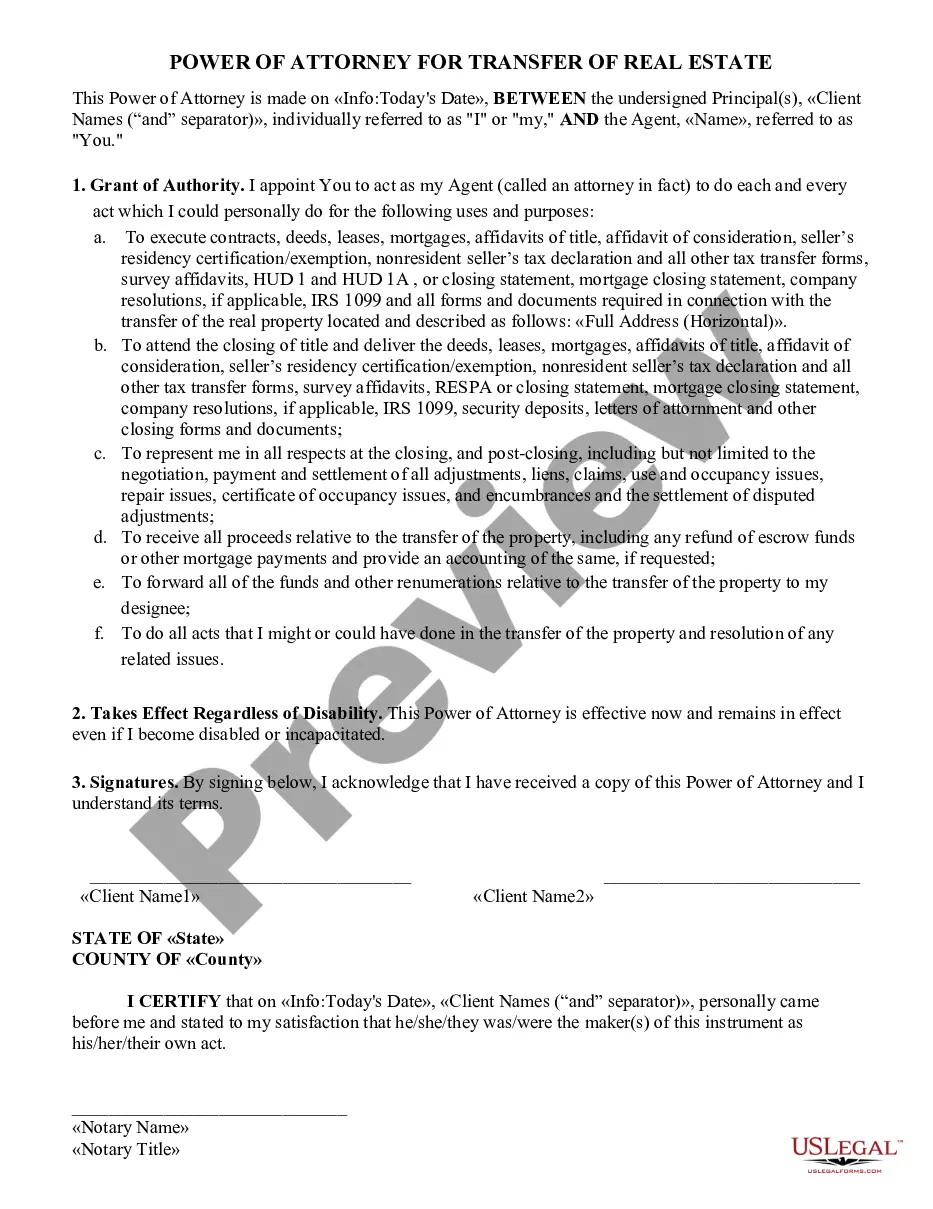
The POA can be a useful tool in residential real estate transactions when a necessary party will be unavailable to execute documents prior to or attend the closing.In order to be recorded, the POA presented must contain the original signature of the principal, and it must be notarized.
By giving someone the power to sign on their behalf, the Principal is giving the attorney-in-fact power to make decisions for them. When signing a POA, the Principal's signature must be notarized at the time and place it is signed. A local notary in any state of the U.S. is acceptable.
A power of attorney (POA) for a real estate closing is permissible if not all parties can make it to the settlement table, but is not to be used as a matter of convenience. A POA is written authorization to act in a legal capacity on another's behalf, in certain circumstances, which are laid out in the document.
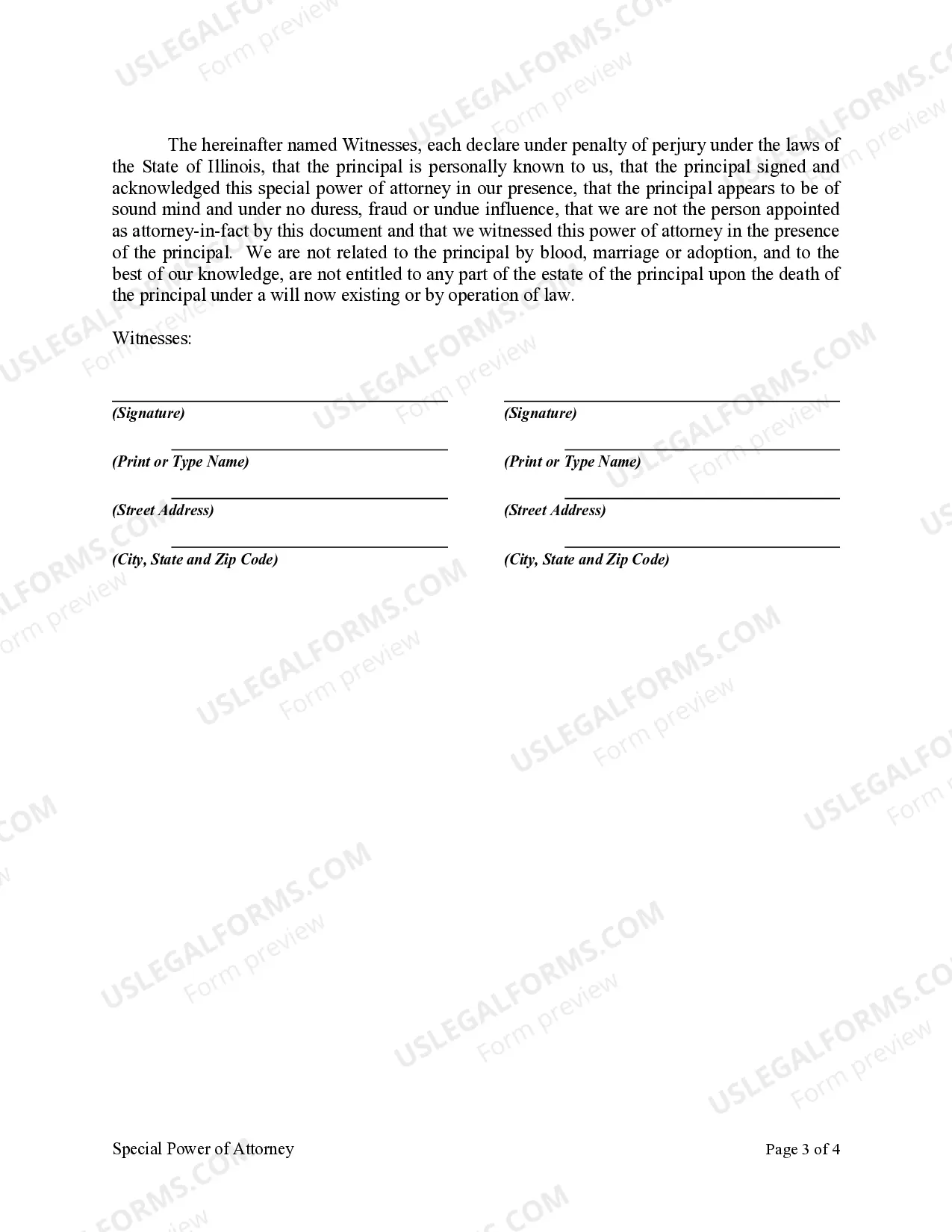
Finally, the power of attorney document requires the principal's notarized signature and at least one witness to be effective. Please note, according to Section 3-3.6 of the Illinois Power of Attorney Act, the requirement of at least one witness's signature applies to agencies created after June 9, 2000.
Do I Need to Have My Will Notarized? No, in Illinois, you do not need to notarize your will to make it legal.However, Illinois allows your will to be self-proved without a self-proving affidavit, as long as you sign and witness it correctly.
Finally, the power of attorney document requires the principal's notarized signature and at least one witness to be effective. Please note, according to Section 3-3.6 of the Illinois Power of Attorney Act, the requirement of at least one witness's signature applies to agencies created after June 9, 2000.
After the principal's name, write by and then sign your own name. Under or after the signature line, indicate your status as POA by including any of the following identifiers: as POA, as Agent, as Attorney in Fact or as Power of Attorney.
Name, signature, and address of the principal. Name, signature, and address of the agent. Properties and activities under the authority of the agent. Date of effect and termination of authority. Compensation to services of the agent.