Idaho Last Will and Testament for Widow or Widower with Minor Children
Understanding this form
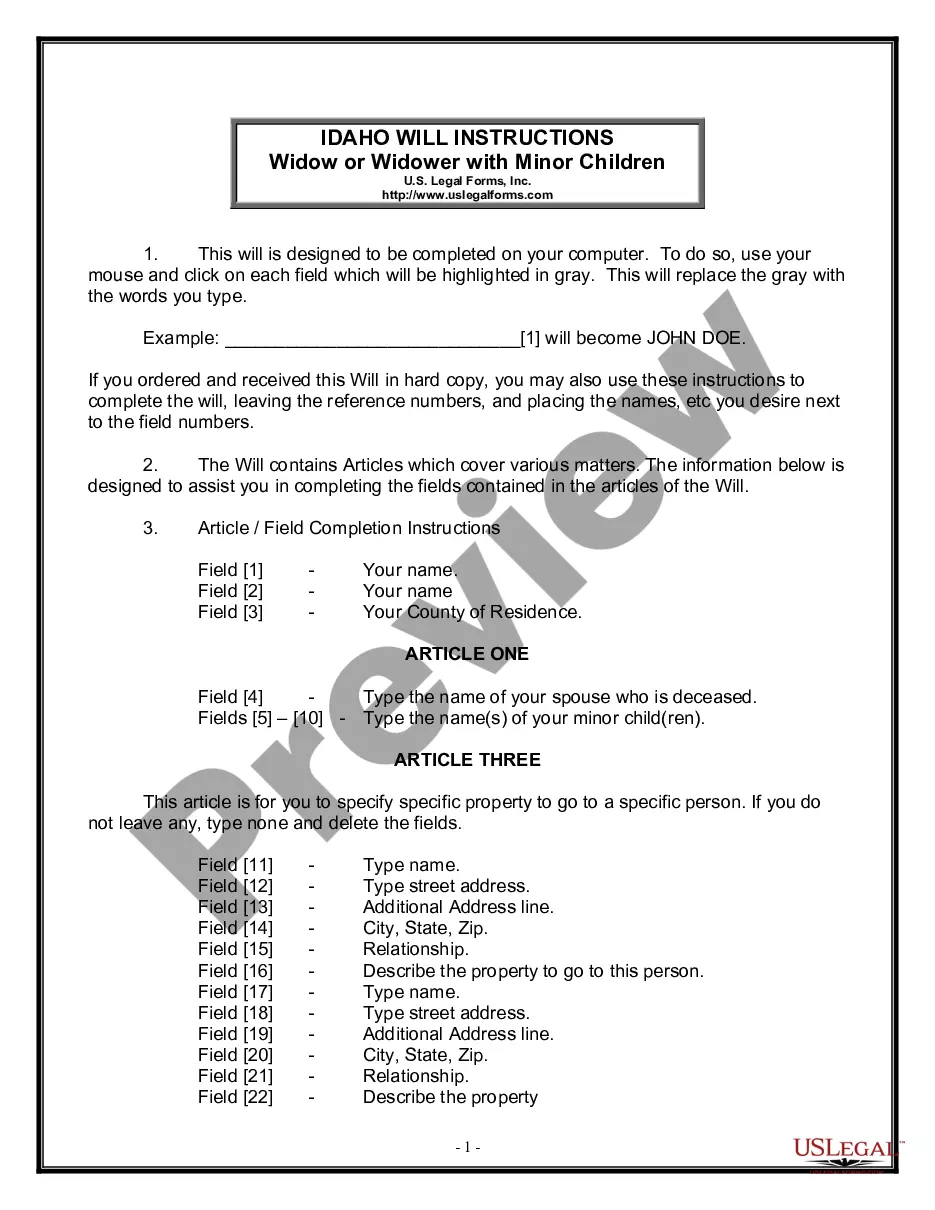
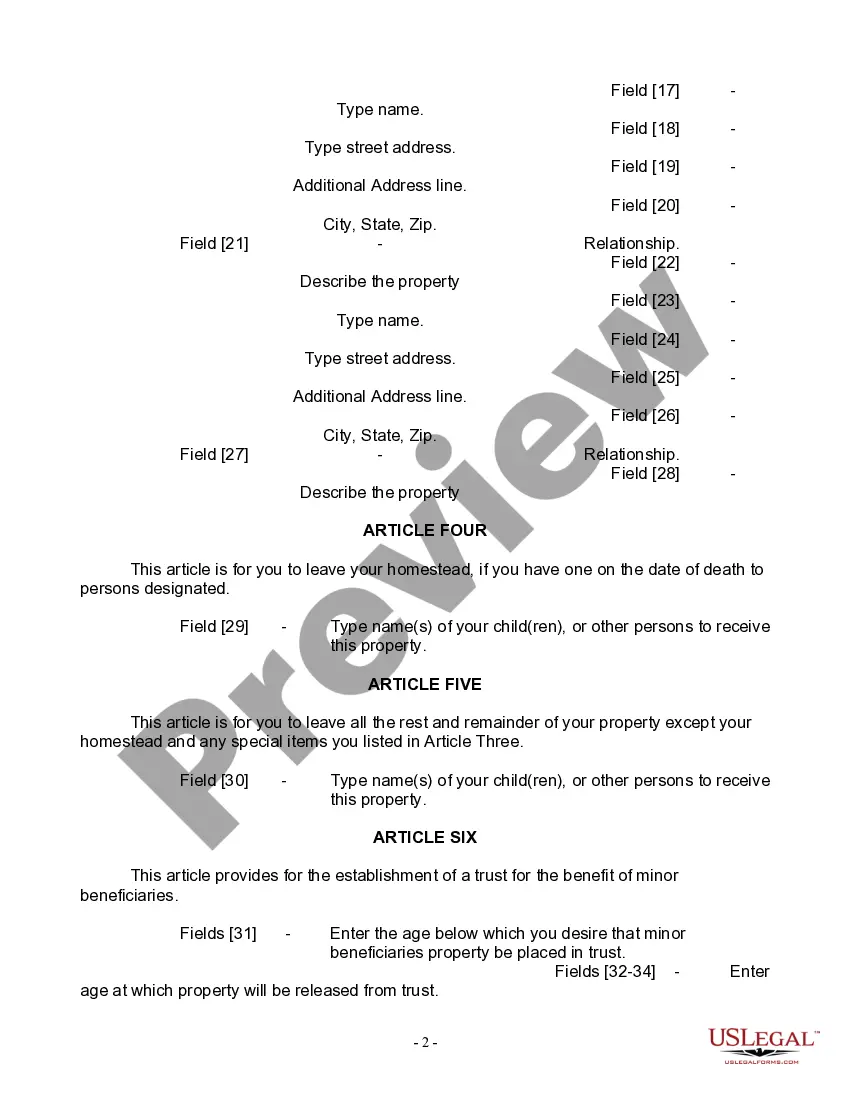
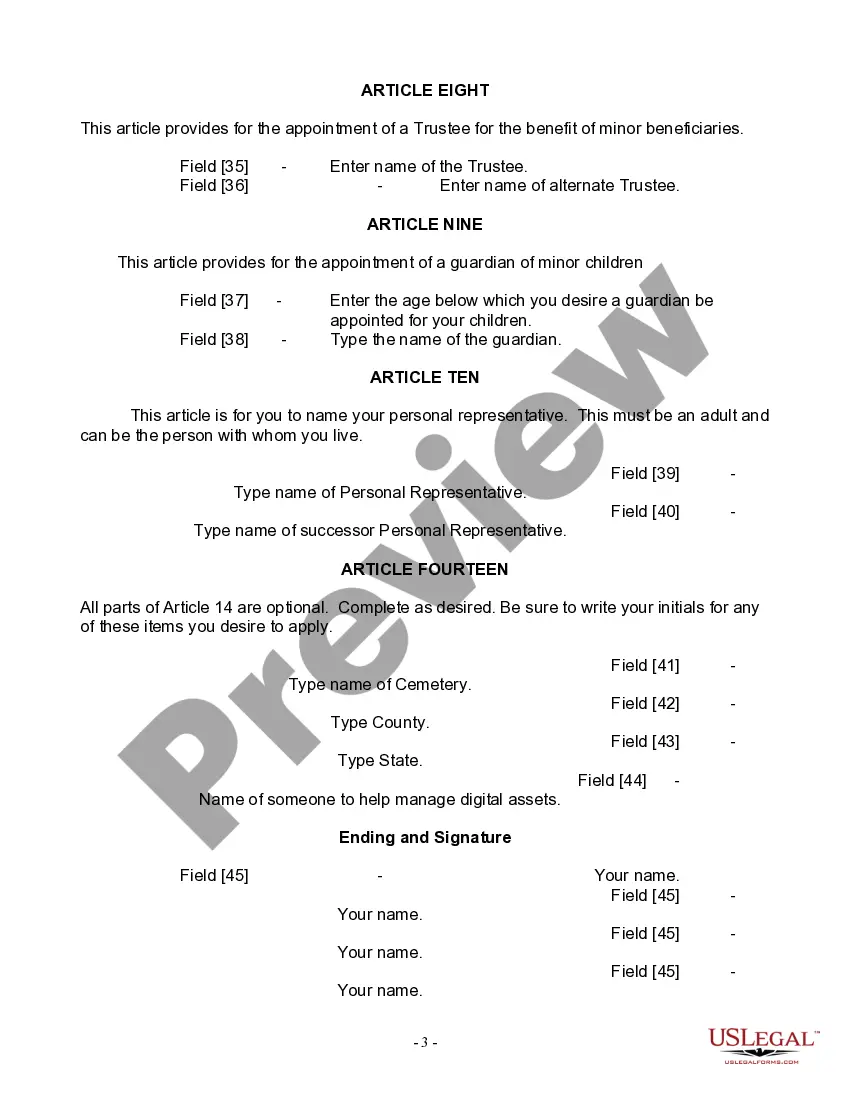
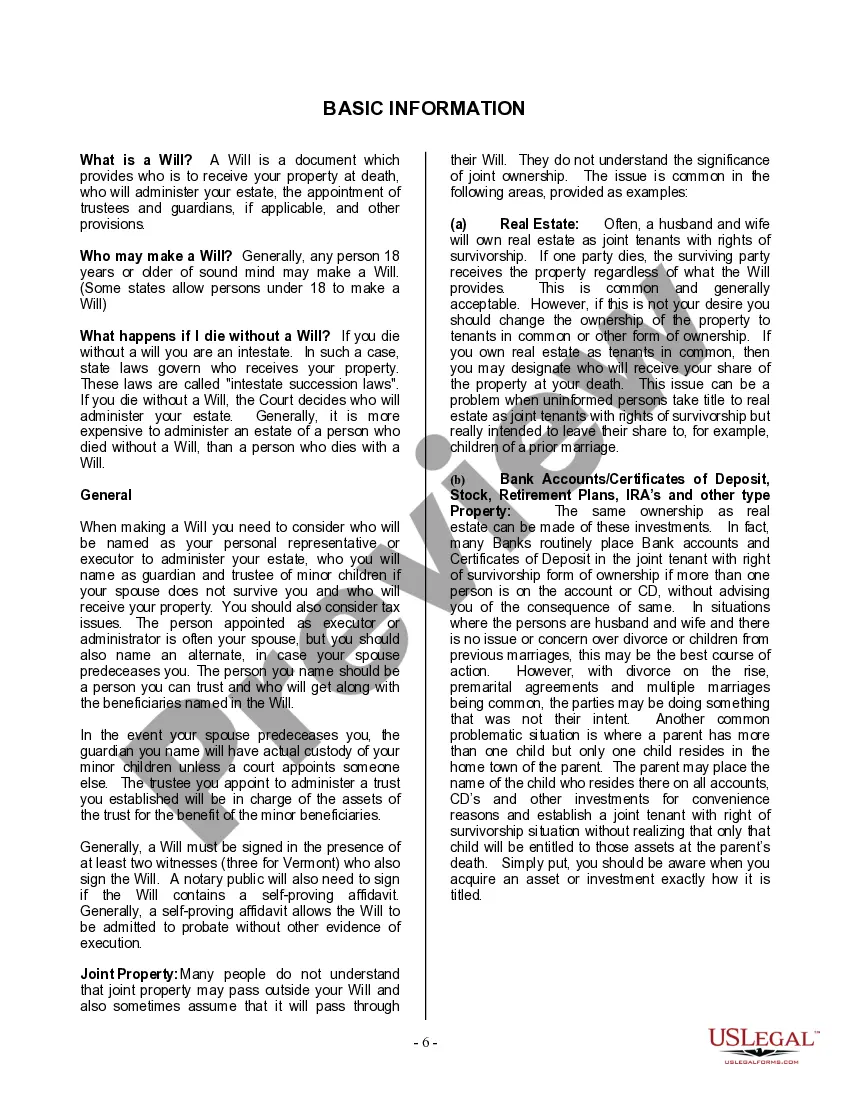
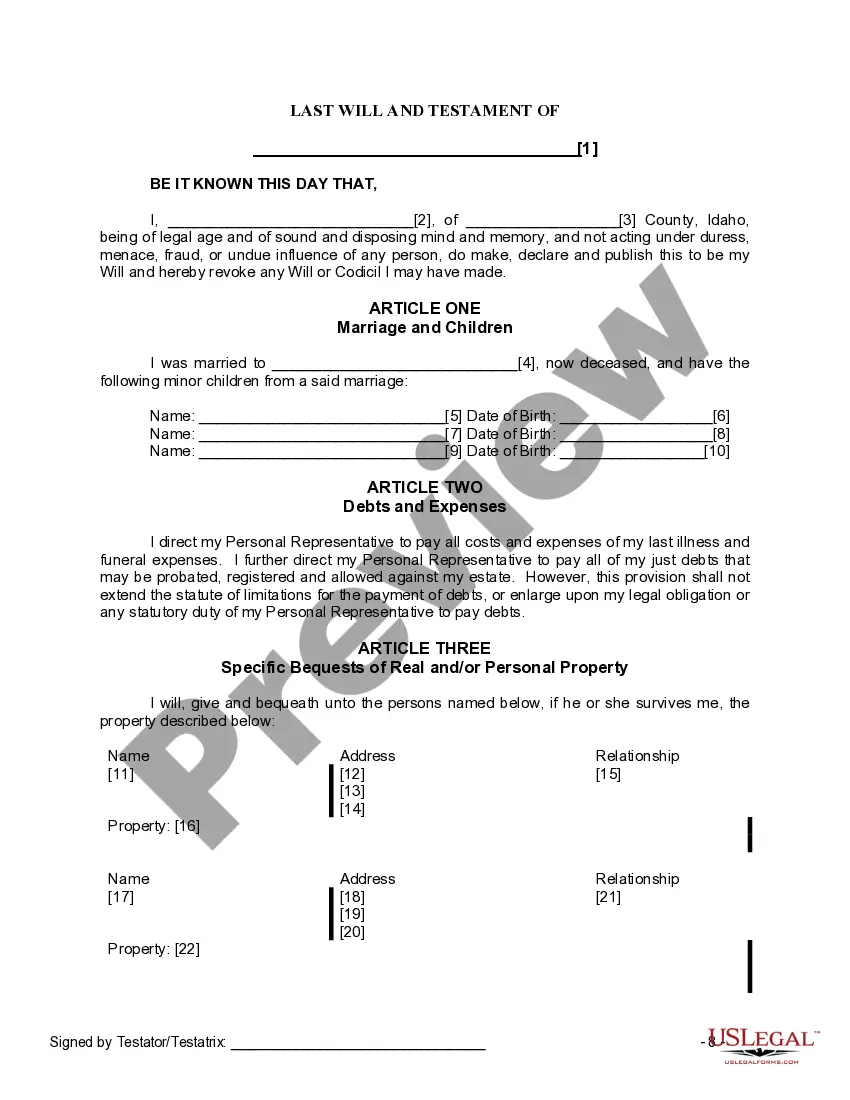
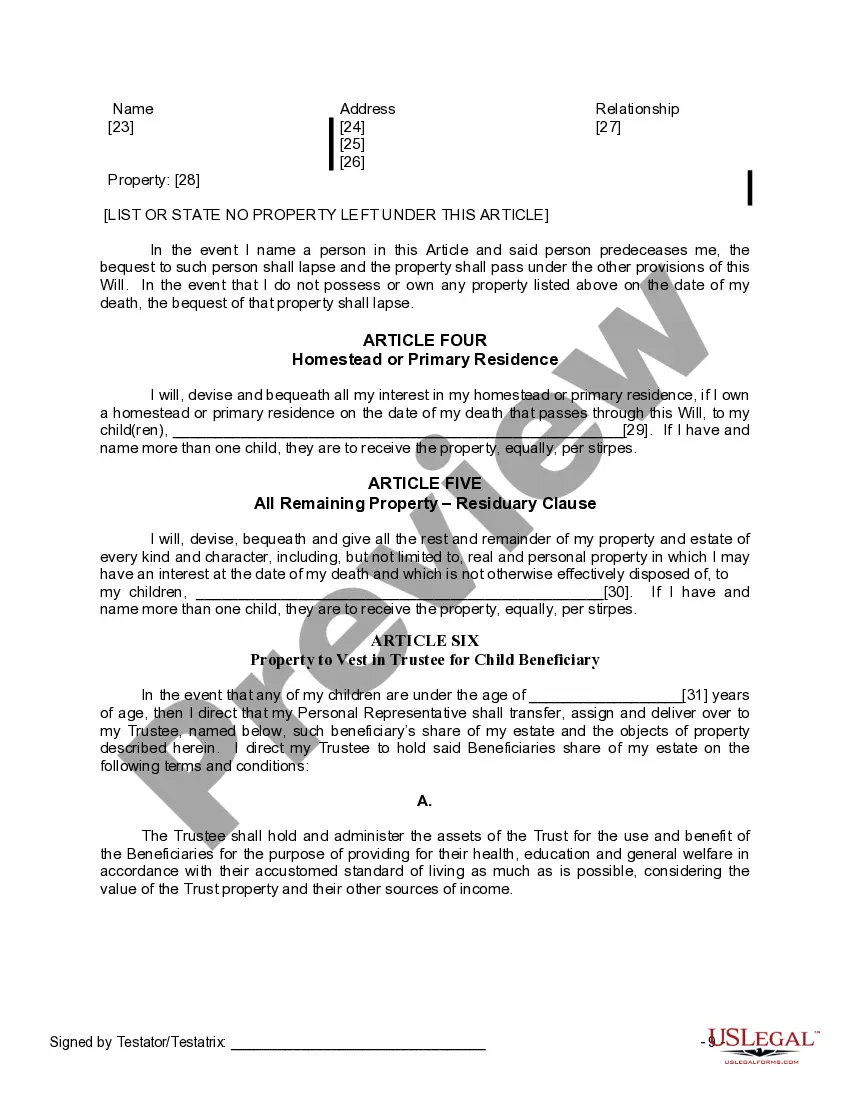
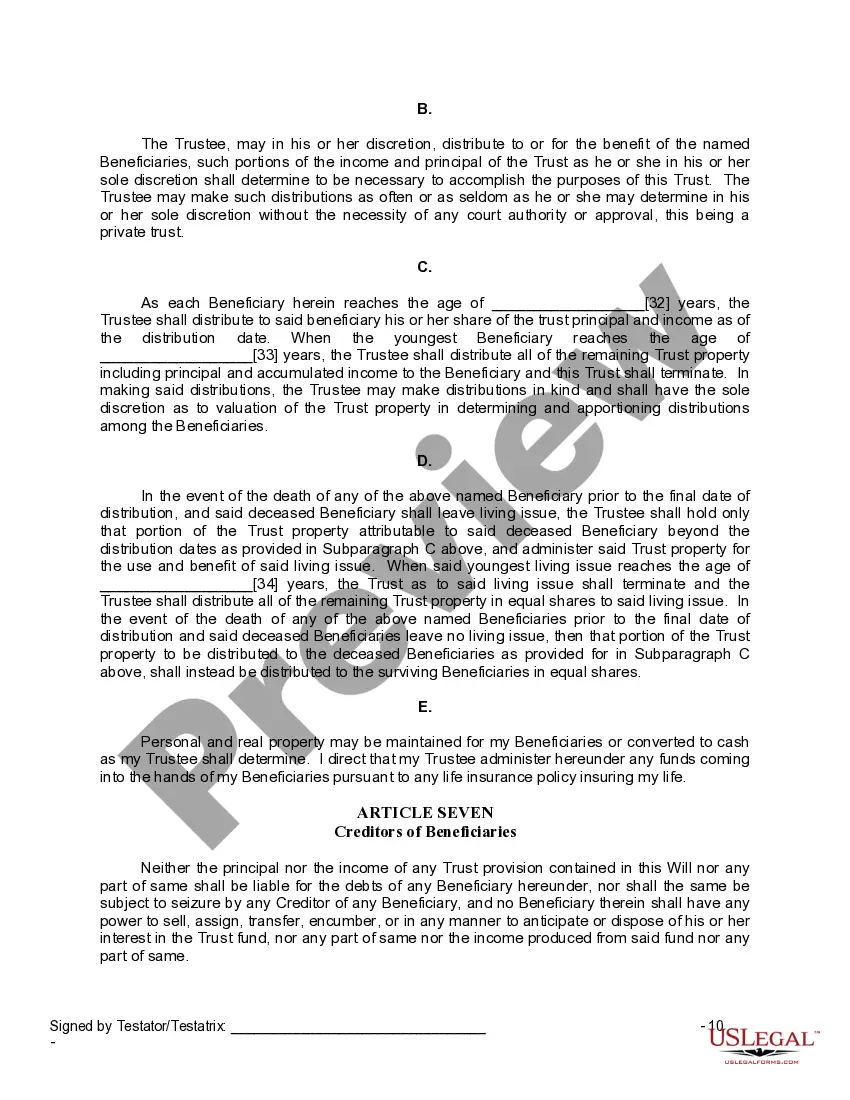
The Last Will and Testament for Widow or Widower with Minor Children is a legal document designed for individuals who have lost their spouse and have minor children. This form outlines how their assets will be distributed, names guardians for minor children, appoints a personal representative, and includes specific provisions for the care and management of the childrenâs inheritance. It differs from other wills by specifically addressing the unique concerns of widows or widowers with dependents.
What’s included in this form
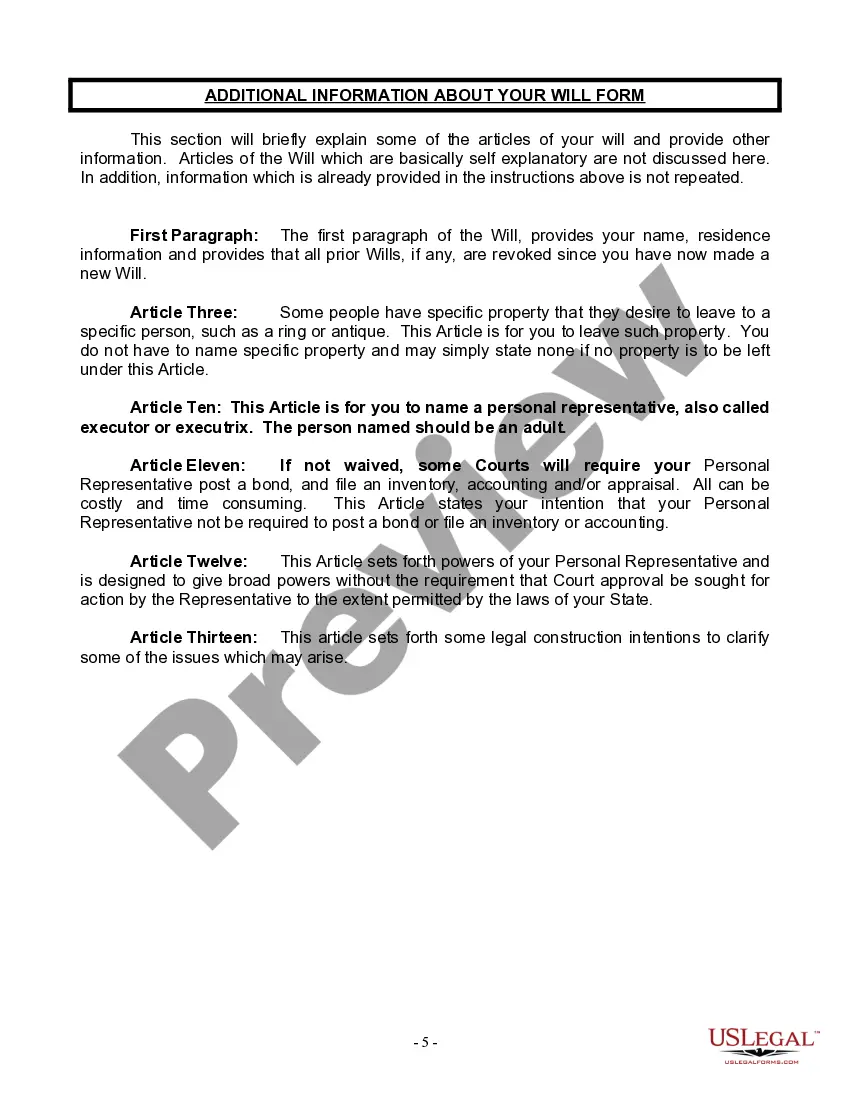
- Appointment of a personal representative or executor to manage the estate.
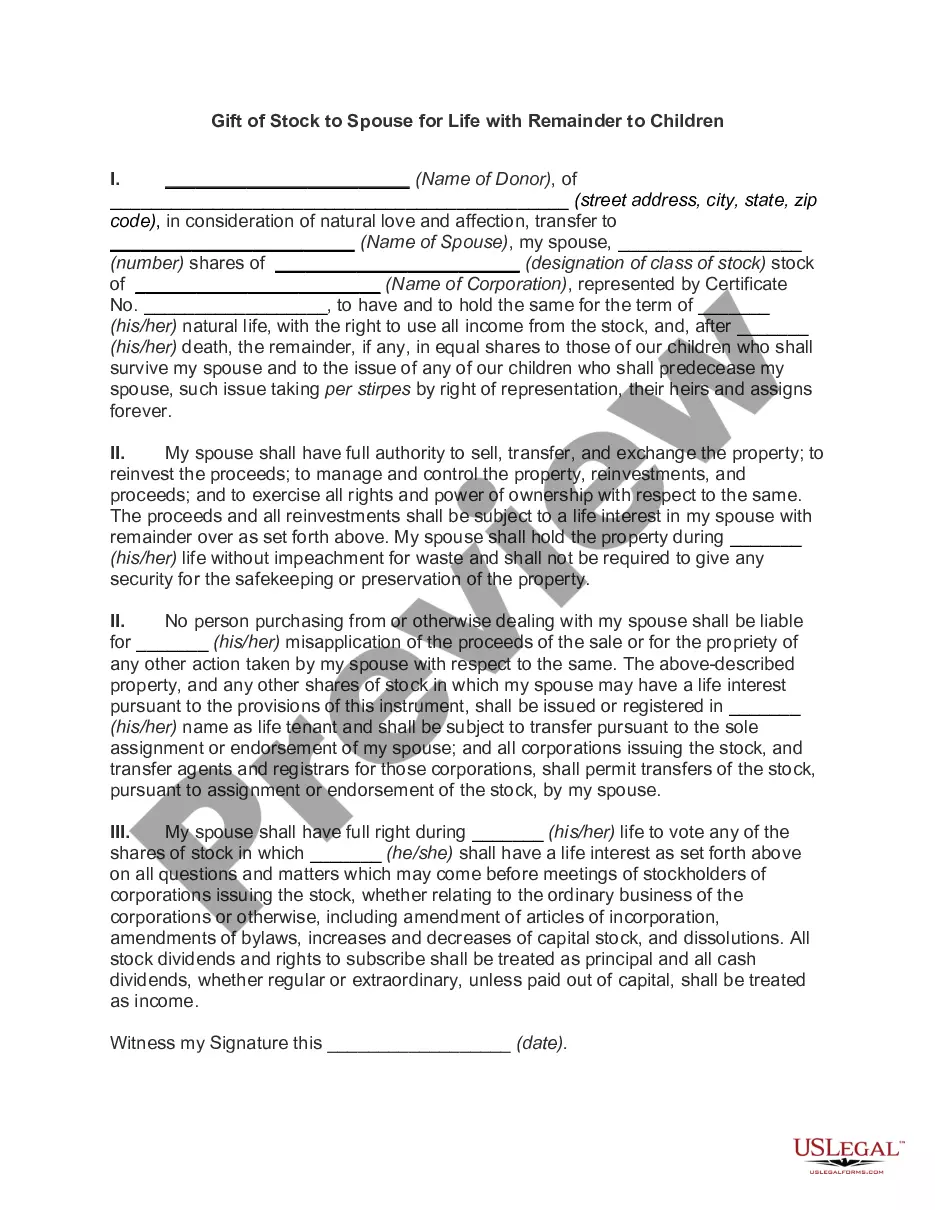
- Designation of property and assets for distribution among beneficiaries.
- Establishment of a trust for assets designated for minor children.
- Selection of a guardian for minor children in the event of the parentâs passing.
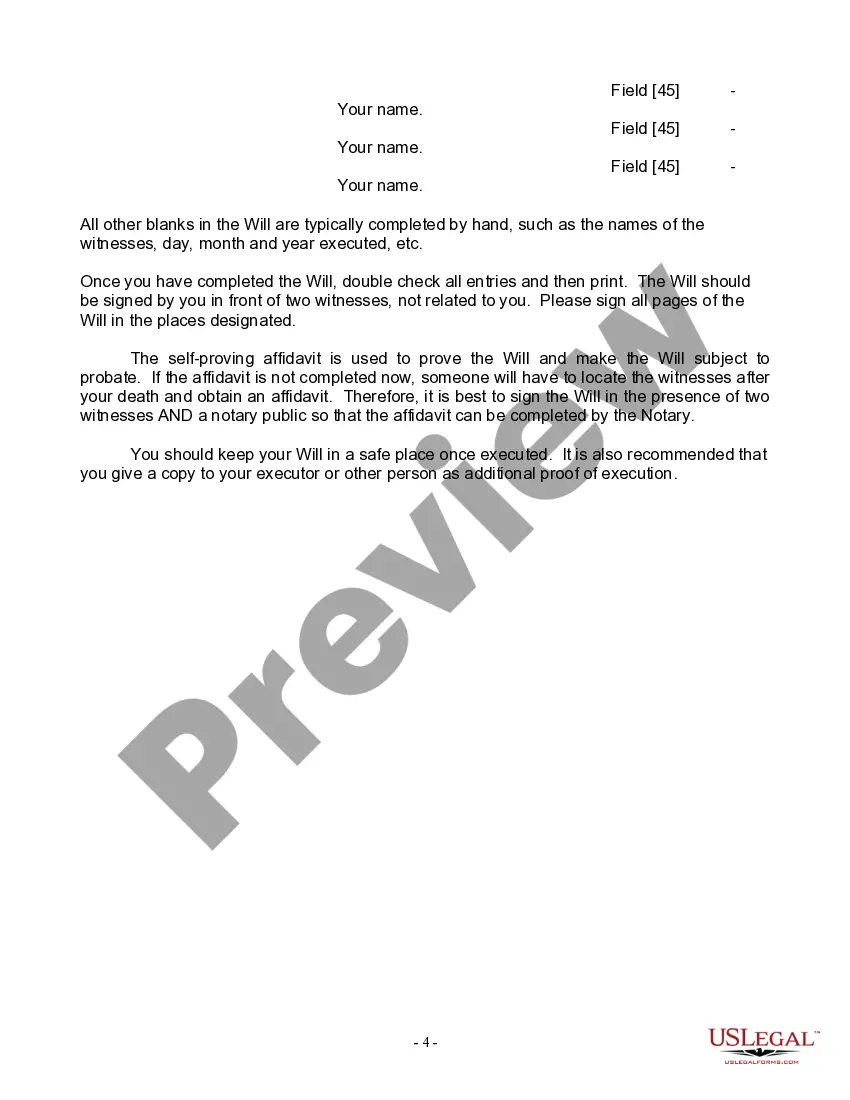
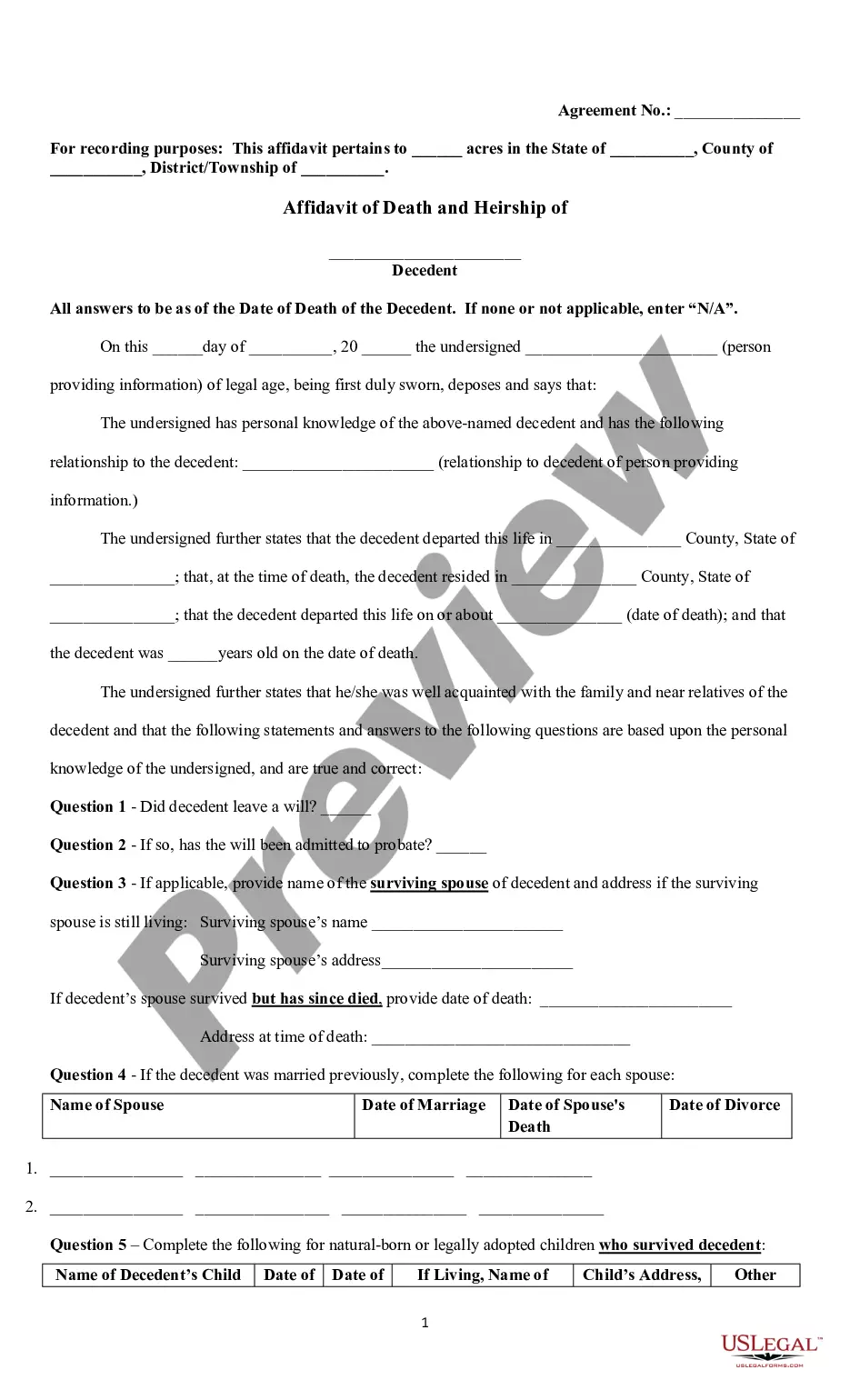
- Self-proving affidavit option for expediting the probate process.




When to use this document
This form should be used when a widow or widower with minor children wants to ensure their wishes are legally documented regarding the distribution of assets upon their death. It is essential in situations where the surviving parent wants to provide clarity on guardianship for children, management of funds for minors, and an outline of responsibilities for the personal representative.
Who can use this document
- Individuals who are widowed and have minor children.
- Surviving spouses looking to secure their children's financial future.
- Persons wanting to formalize specific wishes regarding estate distribution.
Instructions for completing this form
- Identify your name and residence in the designated fields.
- Enter the name of your deceased spouse and your minor children.
- Specify any specific property bequests or indicate if there are none.
- Designate a personal representative who will manage your estate.
- Sign the will in front of two witnesses and, if applicable, a notary public.
Is notarization required?
Yes, this form must be notarized to be legally valid if you choose to include the self-proving affidavit. This allows the will to be accepted in probate court without further evidence of execution. US Legal Forms offers integrated online notarization services available 24/7, making it easy and secure to finalize your will.
Get your form ready online
Our built-in tools help you complete, sign, share, and store your documents in one place.
Make edits, fill in missing information, and update formatting in US Legal Forms—just like you would in MS Word.
Download a copy, print it, send it by email, or mail it via USPS—whatever works best for your next step.
Sign and collect signatures with our SignNow integration. Send to multiple recipients, set reminders, and more. Go Premium to unlock E-Sign.
If this form requires notarization, complete it online through a secure video call—no need to meet a notary in person or wait for an appointment.
We protect your documents and personal data by following strict security and privacy standards.

Make edits, fill in missing information, and update formatting in US Legal Forms—just like you would in MS Word.

Download a copy, print it, send it by email, or mail it via USPS—whatever works best for your next step.

Sign and collect signatures with our SignNow integration. Send to multiple recipients, set reminders, and more. Go Premium to unlock E-Sign.

If this form requires notarization, complete it online through a secure video call—no need to meet a notary in person or wait for an appointment.

We protect your documents and personal data by following strict security and privacy standards.
Avoid these common issues
- Failing to have two witnesses sign the will, which may invalidate the document.
- Not updating the will after significant life changes.
- Overlooking the inclusion of a guardian for minor children.
Advantages of online completion
- Conveniently complete and edit the form from home.
- Access templates vetted by licensed attorneys for accuracy.
- Save time with instant downloads, avoiding lengthy legal consultations.
Quick recap
- The Last Will and Testament provides a clear plan for asset distribution.
- It is essential for widows or widowers with minor children to consider guardianship and trusts.
- Proper execution of the Will, including witness and notary requirements, is critical for legal validity.
- Regular updates to your Will can reflect changes in your family or financial situation.
Looking for another form?
Form popularity
FAQ
Wills Law in Idaho: Overview In the state of Idaho, testators must have their wills signed by at least two witnesses who either witnessed the actual signing, or the testator's own acknowledgment of the signing.Valid if signature and material provisions are in handwriting of testator; does not need witnesses.
The decision to draft your own will should be made hesitantly and only after careful consideration. Idaho law recognizes handwritten wills, referred to as holographic wills. Material provisions of the will and the signature must be in the handwriting of the person making the will.
Idaho law recognizes handwritten wills, referred to as holographic wills. Material provisions of the will and the signature must be in the handwriting of the person making the will.
Create the initial document. Start by titling the document Last Will and Testament" and including your full legal name and address. Designate an executor. Appoint a guardian. Name the beneficiaries. Designate the assets. Ask witnesses to sign your will. Store your will in a safe place.
In most situations, a will template is an easy and inexpensive way to make sure your wishes are known and carried out. Most people can get everything they need by using a will template, with little cost or hassle.
No, in Idaho, you do not need to notarize your will to make it legal. However, Idaho allows you to make your will "self-proving" and you'll need to go to a notary if you want to do that. A self-proving will speeds up probate because the court can accept the will without contacting the witnesses who signed it.
No, in Idaho, you do not need to notarize your will to make it legal. However, Idaho allows you to make your will "self-proving" and you'll need to go to a notary if you want to do that. A self-proving will speeds up probate because the court can accept the will without contacting the witnesses who signed it.
Must a living will be witnessed or notarized to be valid? No. As a result of changes to Idaho law made by the 2005 legislature, it is no longer necessary to have either a witness to your execution of a Living Will, nor to have your signature notarized.
A notarized will does not need to be probated.When a person dies leaving behind a will that is not notarized, the law requires that its validity be ascertained by a notary or by a court. Similarly, any non-notarized modification made to a will must be probated, whether the will is notarized or not.