Idaho Guaranty or Guarantee of Payment of Rent
What this document covers
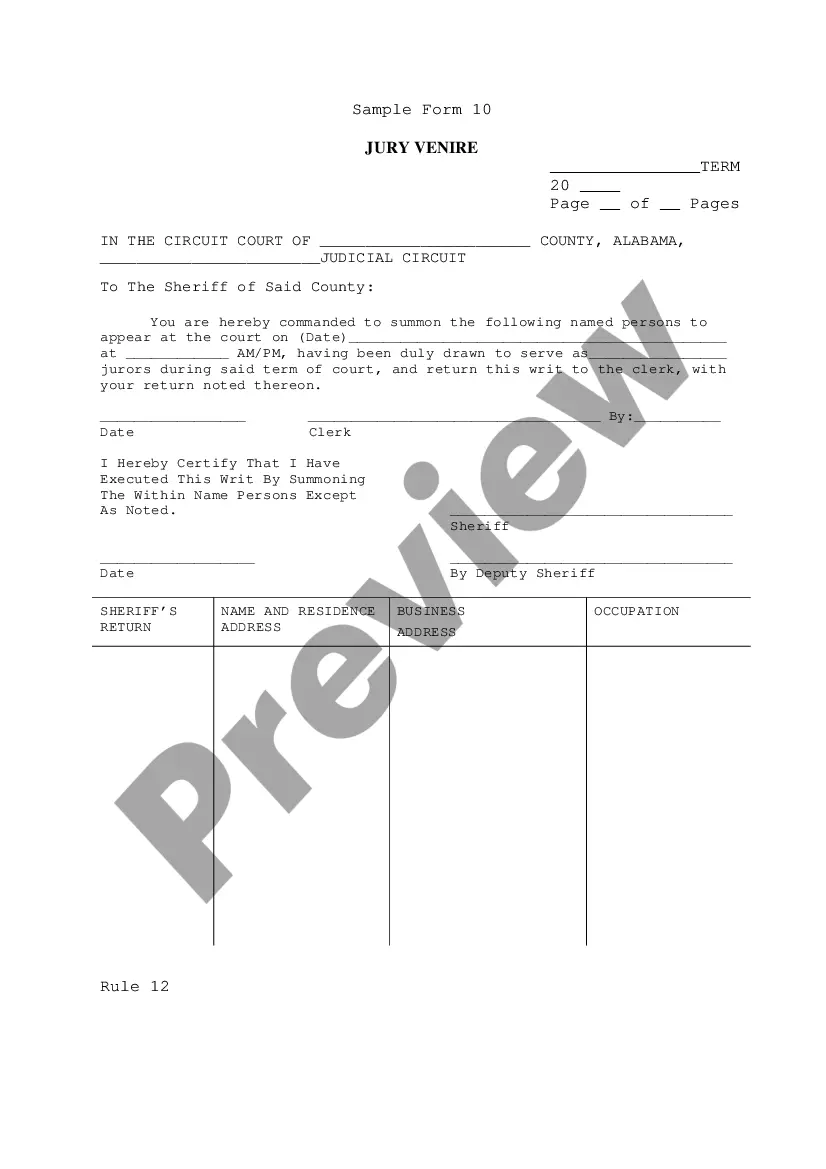
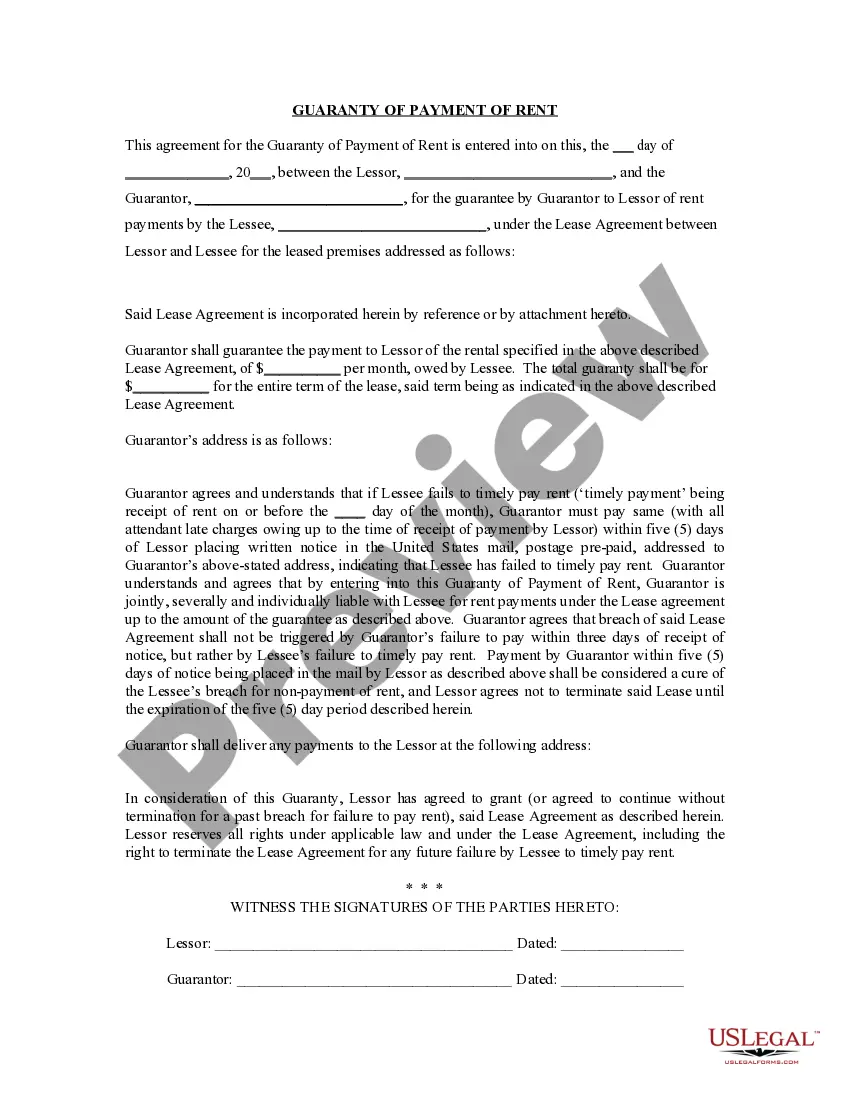
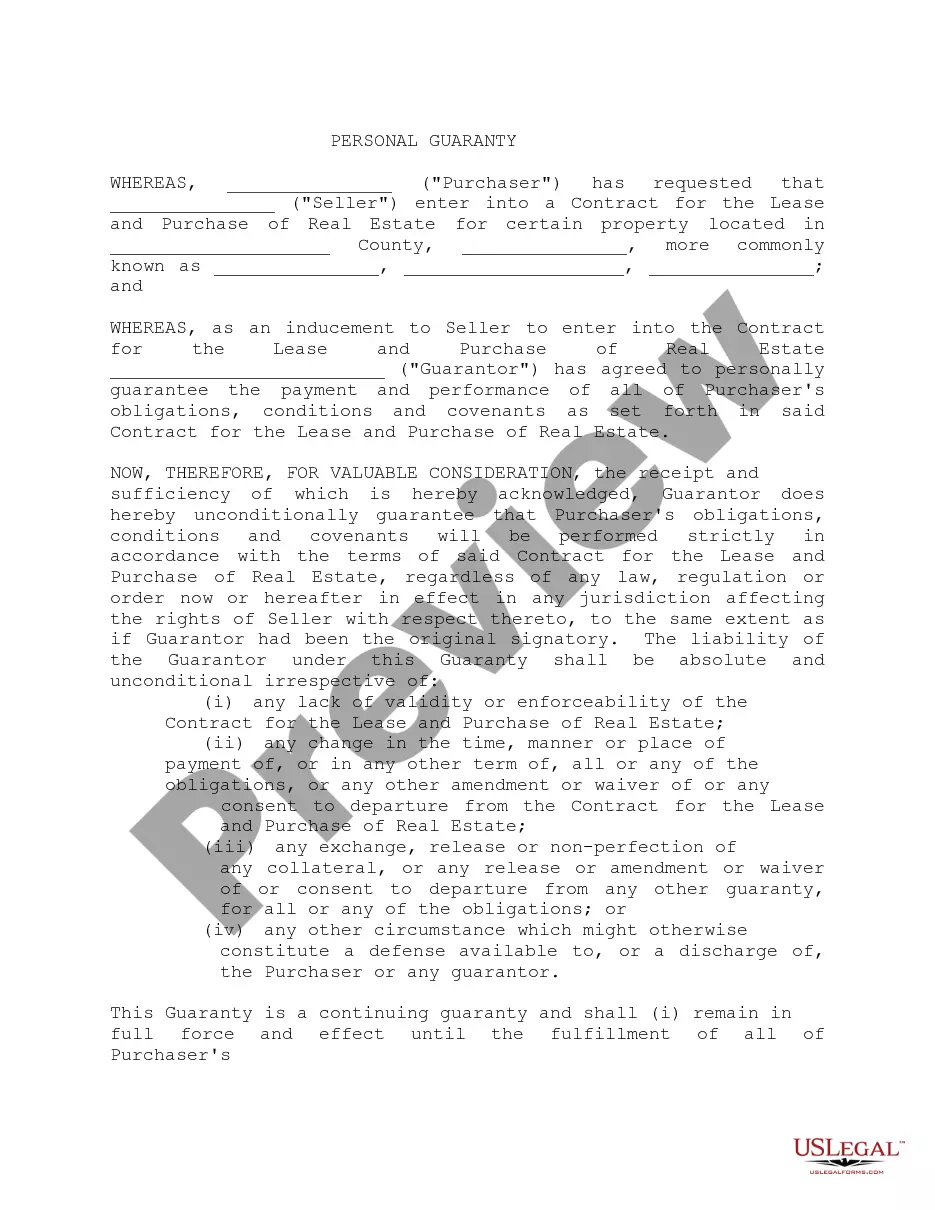
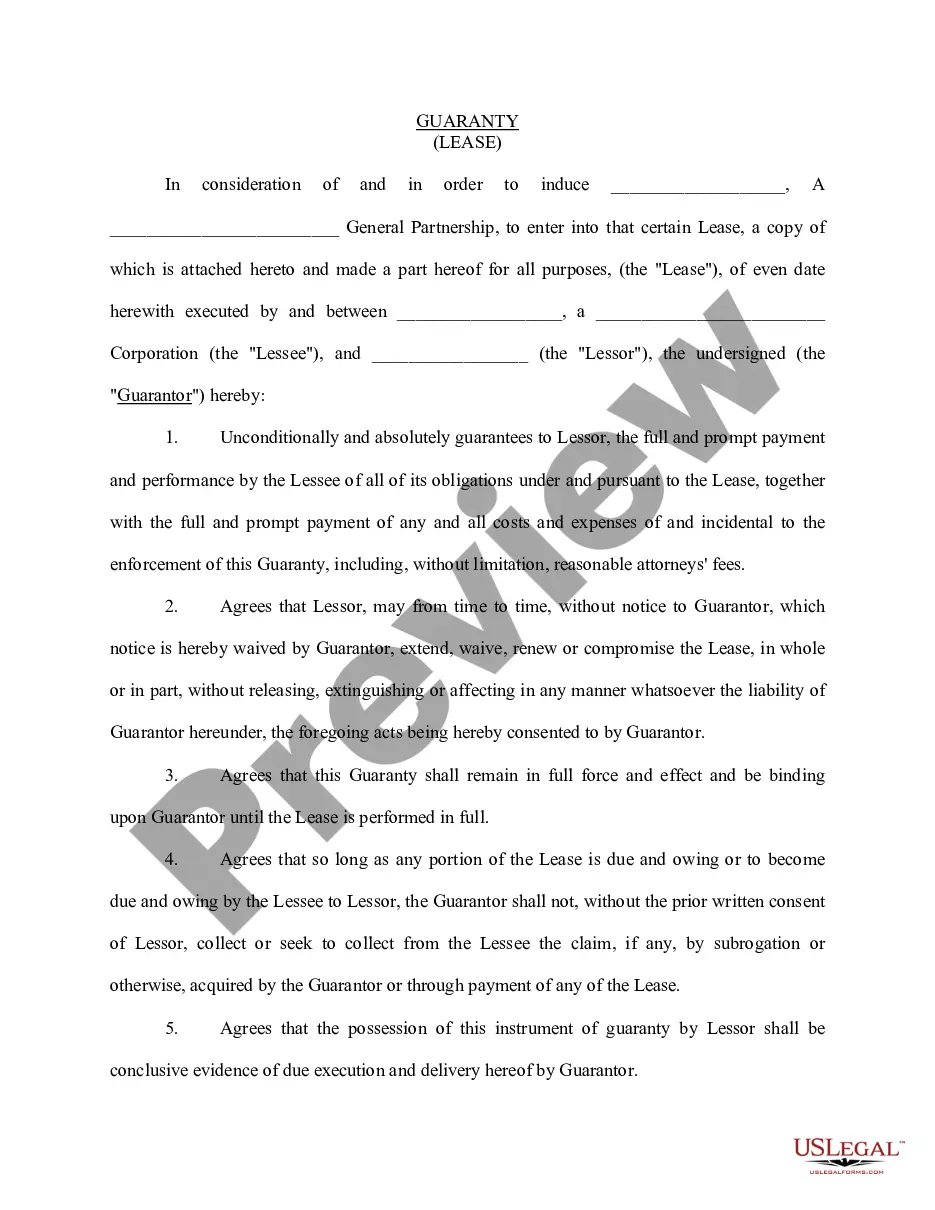
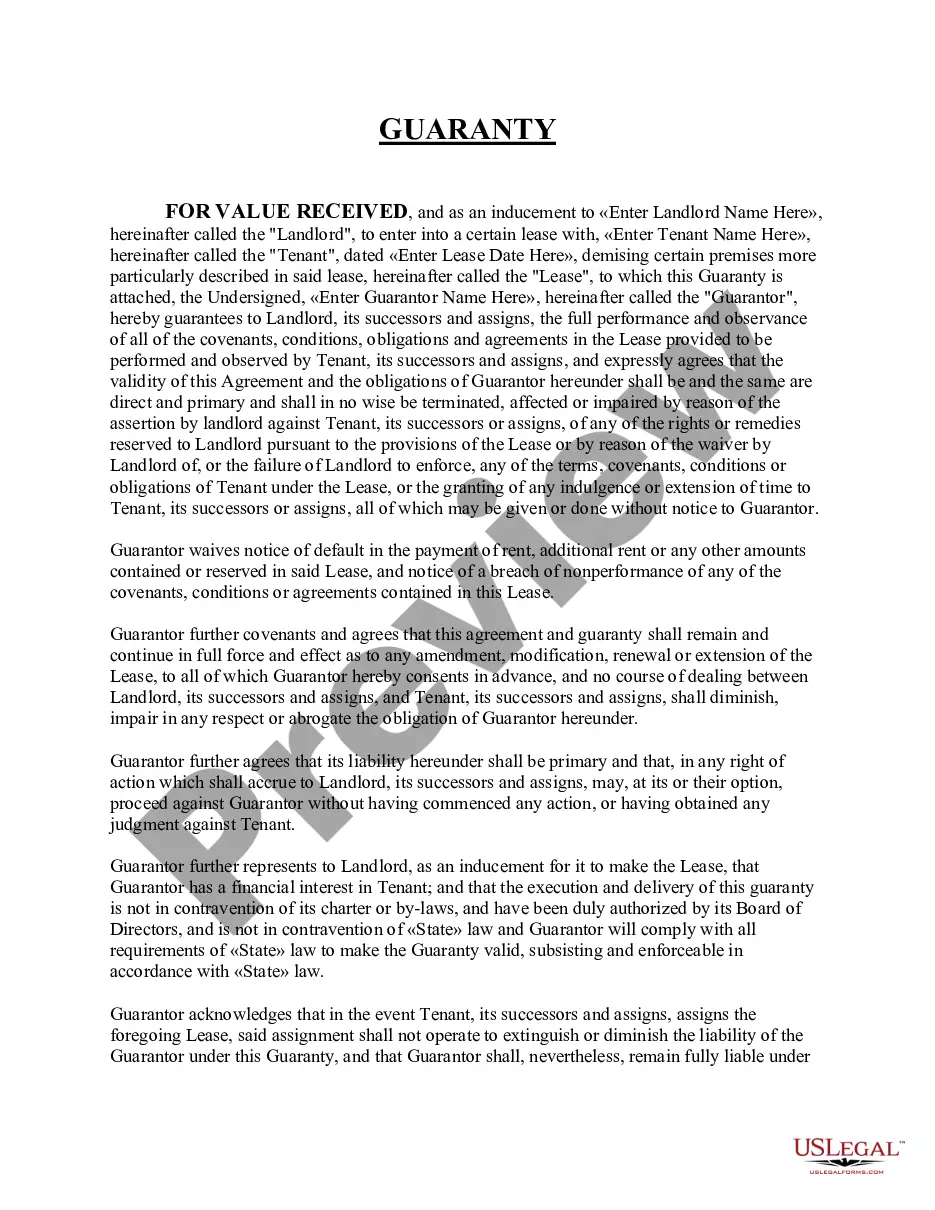
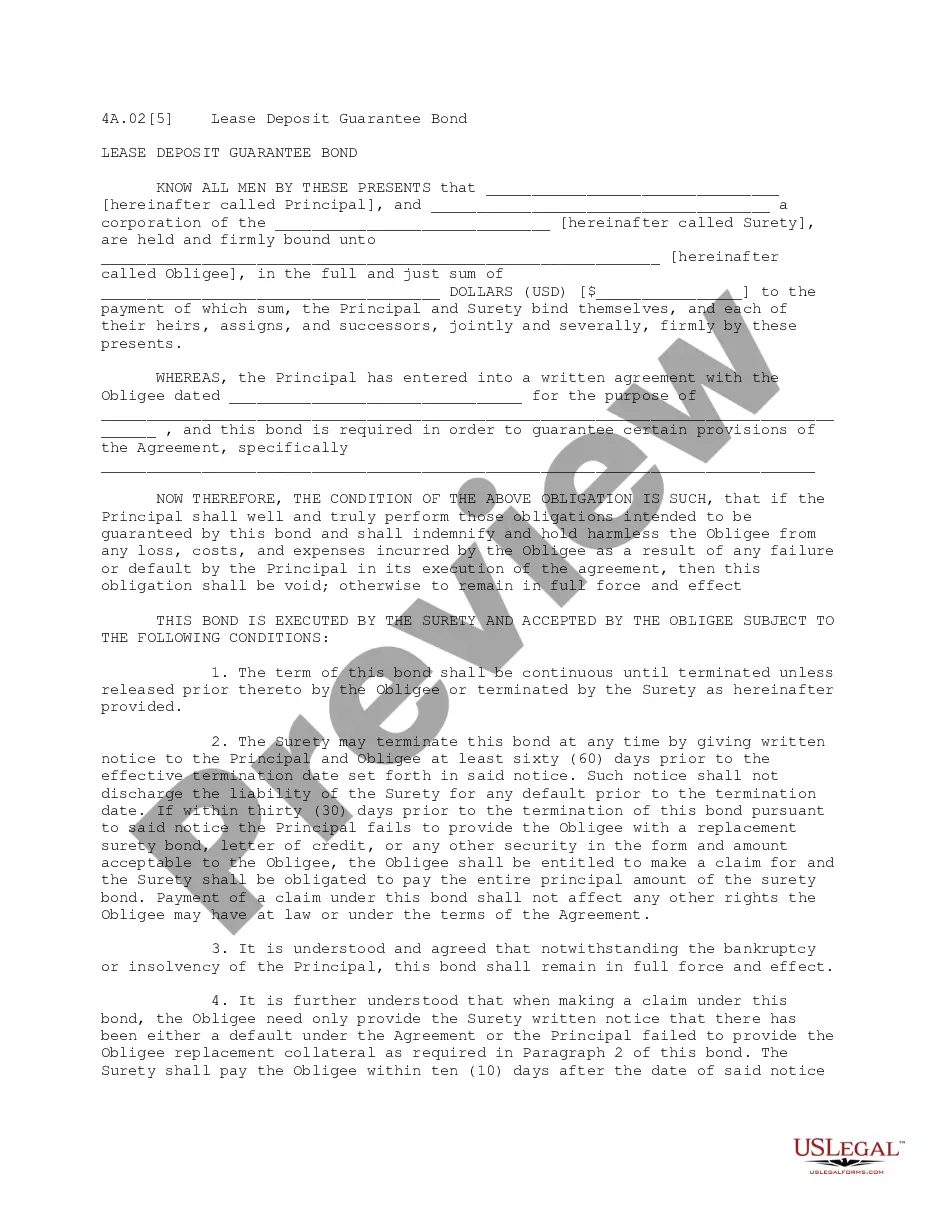
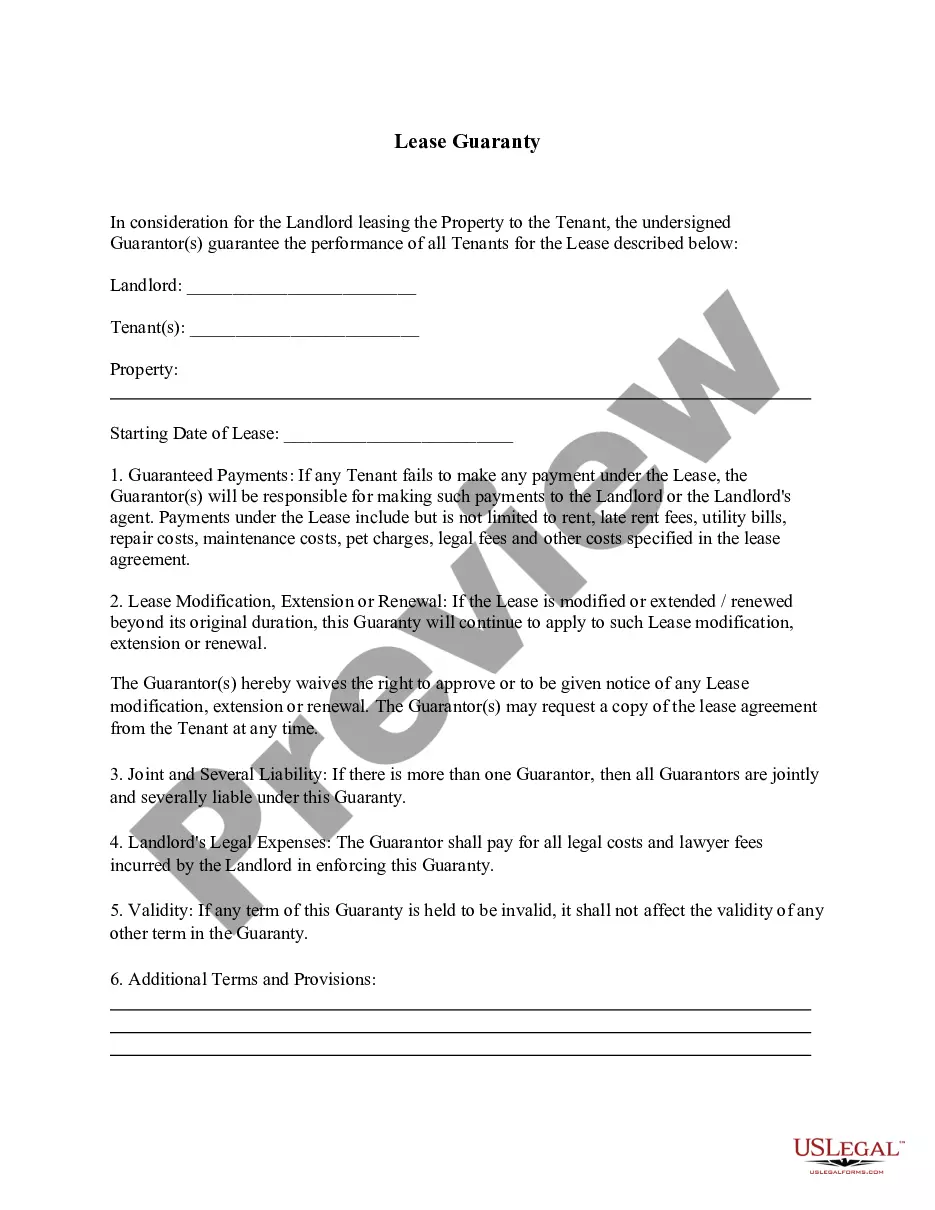
The Guaranty or Guarantee of Payment of Rent is a legal agreement where a guarantor pledges to cover the rent if the tenant is unable to do so. This contract defines the responsibilities of both the guarantor and the landlord, differing from rental agreements that solely involve tenants and landlords. By using this form, landlords gain assurance that their rent will be paid even if the tenant defaults.
Form components explained
- Identification of the guarantor and tenant.
- Details of the rental property covered by the agreement.
- Conditions that trigger the guarantor's obligation to pay.
- Signatures of all parties involved, including dates of agreement.
When to use this document
This form is essential when a tenant may not have sufficient financial history or creditworthiness to secure a lease. Landlords often require a guarantor to increase security in situations where the tenant is a first-time renter or has a low credit score. Use this form to formalize the agreement between the guarantor and the landlord, ensuring financial obligations are met.
Intended users of this form
This form is intended for:
- Landlords seeking a financial guarantee for rent payments.
- Guarantors willing to support a tenant's rental application.
- Tenants with limited credit history who need a guarantor to secure their lease.
Instructions for completing this form
- Identify the parties: Fill in the names and addresses of the guarantor and the tenant.
- Specify the property: Clearly state the address and details of the rental property involved.
- Detail payment obligations: Outline when the guarantor is required to make payments, including conditions for default.
- Enter dates and signatures: Ensure all parties sign and date the document to make it legally binding.
Does this form need to be notarized?
This form does not typically require notarization unless specified by local law. Make sure to verify any specific requirements in your jurisdiction.
Get your form ready online
Our built-in tools help you complete, sign, share, and store your documents in one place.
Make edits, fill in missing information, and update formatting in US Legal Forms—just like you would in MS Word.
Download a copy, print it, send it by email, or mail it via USPS—whatever works best for your next step.
Sign and collect signatures with our SignNow integration. Send to multiple recipients, set reminders, and more. Go Premium to unlock E-Sign.
If this form requires notarization, complete it online through a secure video call—no need to meet a notary in person or wait for an appointment.
We protect your documents and personal data by following strict security and privacy standards.

Make edits, fill in missing information, and update formatting in US Legal Forms—just like you would in MS Word.

Download a copy, print it, send it by email, or mail it via USPS—whatever works best for your next step.

Sign and collect signatures with our SignNow integration. Send to multiple recipients, set reminders, and more. Go Premium to unlock E-Sign.

If this form requires notarization, complete it online through a secure video call—no need to meet a notary in person or wait for an appointment.

We protect your documents and personal data by following strict security and privacy standards.
Mistakes to watch out for
- Failing to include accurate information for all parties involved.
- Not specifying the conditions under which the guarantor must pay.
- Forgetting to have all parties sign and date the agreement.
Why use this form online
- Convenient access to legally drafted forms at any time.
- Editable templates allow for quick customization to meet specific needs.
- Secure and reliable format ensures legal compliance.
Legal use & context
- The guaranty agreement is legally enforceable as long as it complies with state laws.
- Ensure that both parties understand their obligations to prevent future disputes.
- Consider consulting with a legal professional for complex situations.
Quick recap
- The Guaranty or Guarantee of Payment of Rent protects landlords by ensuring rent payment through a guarantor.
- Key components include identification of parties, property details, payment terms, and signatures.
- Common uses involve tenants with uncertain financial backgrounds needing additional assurance.
Looking for another form?

Form popularity
FAQ
It's very common for a guarantee to last as long as the tenancy lasts. So, if the tenant remains in the property for four years, you will continue to be responsible for any arrears or damages during that entire period. Most tenancies will run for a fixed term and will then continue on a month-by-month basis.
The Idaho law enacted in 1977 clearly specifies the rights of landlords and tenants. Some of the tenant rights include: Right to remain on the property until they're properly evicted by a court order. Right to have repairs made within a reasonable amount of time after a request is made.
It's very common for a guarantee to last as long as the tenancy lasts. So, if the tenant remains in the property for four years, you will continue to be responsible for any arrears or damages during that entire period. Most tenancies will run for a fixed term and will then continue on a month-by-month basis.
If you are a guarantor and no longer wish to be, you must obtain the consent or agreement from the landlord before you will be released from your liabilities, which, if the rent is in arrears, the landlord is unlikely to agree to.
Although renters must abide by the Homeowners' Association rules, they still have rights under the law. The property owner must also follow their home state's Landlord-Tenant Laws that include the Fair Housing Act and Fair Credit Reporting Act.
A landlord cannot evict a tenant without an adequately obtained eviction notice and sufficient time. A landlord cannot retaliate against a tenant for a complaint. A landlord cannot forego completing necessary repairs or force a tenant to do their own repairs.A landlord cannot remove a tenant's personal belongings.
Allow the landlord to enter the rental unit without providing proper notice as provided by law or the lease agreement; require the tenant's security deposit to cover damages not caused by the tenant or the tenant's guests;allow the landlord to seize a tenant's personal property if the tenant fails to pay rent.
A guaranty of lease is a covenant by the guarantor to be responsible for the obligations of the tenant.In these examples, a selective landlord would not enter into the lease without the tenant offering a creditworthy guarantor.
If the resident does not follow the notice and pay rent or move out in the stipulated time (3 days), then you have the right order for their eviction. For a lease violation, Idaho landlord-resident laws require that you must give your resident a 3-Day Notice to Comply or Vacate to begin the eviction process.