Idaho Letter from Landlord to Tenant for Failure to use electrical, plumbing, sanitary, heating, ventilating, air conditioning and other facilities in a reasonable manner
What is this form?
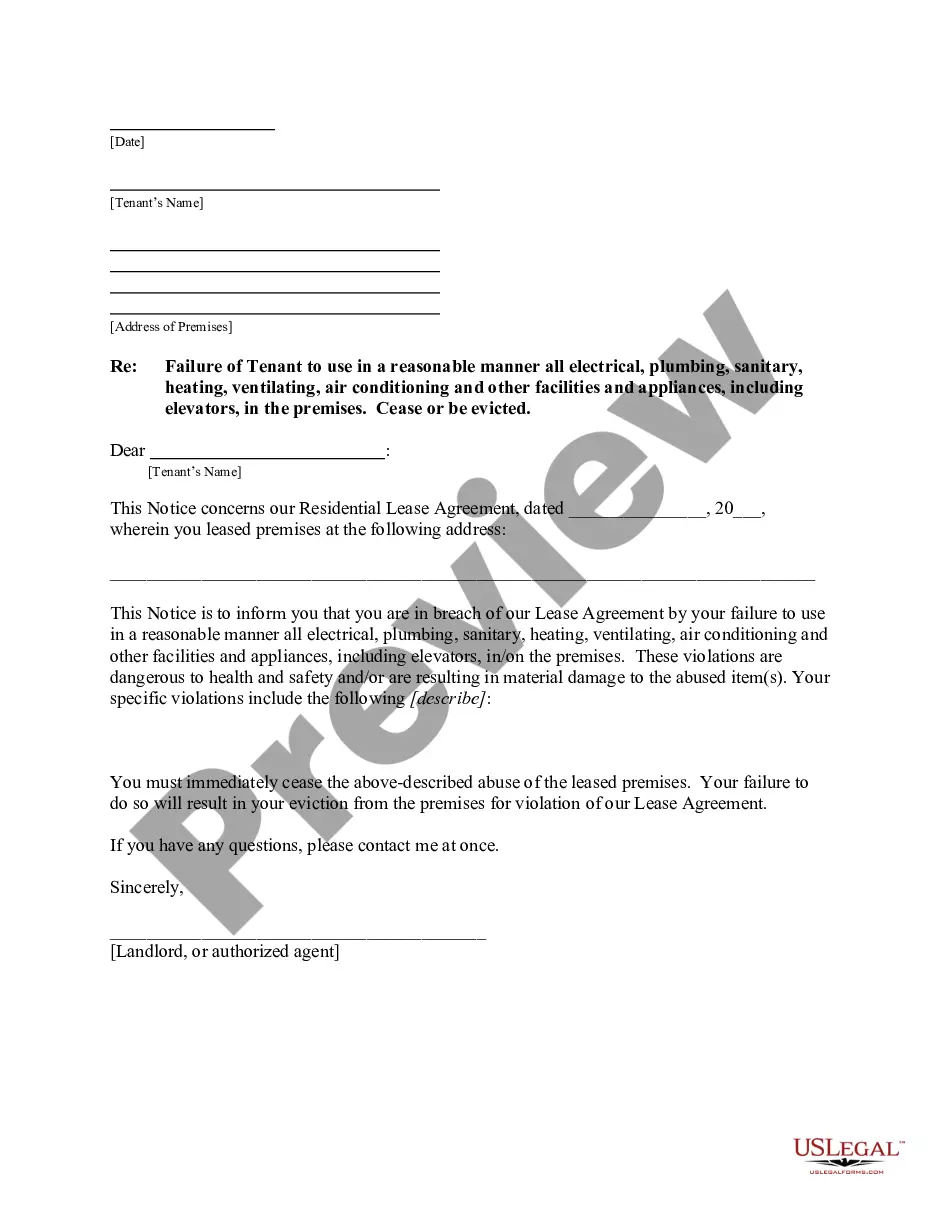
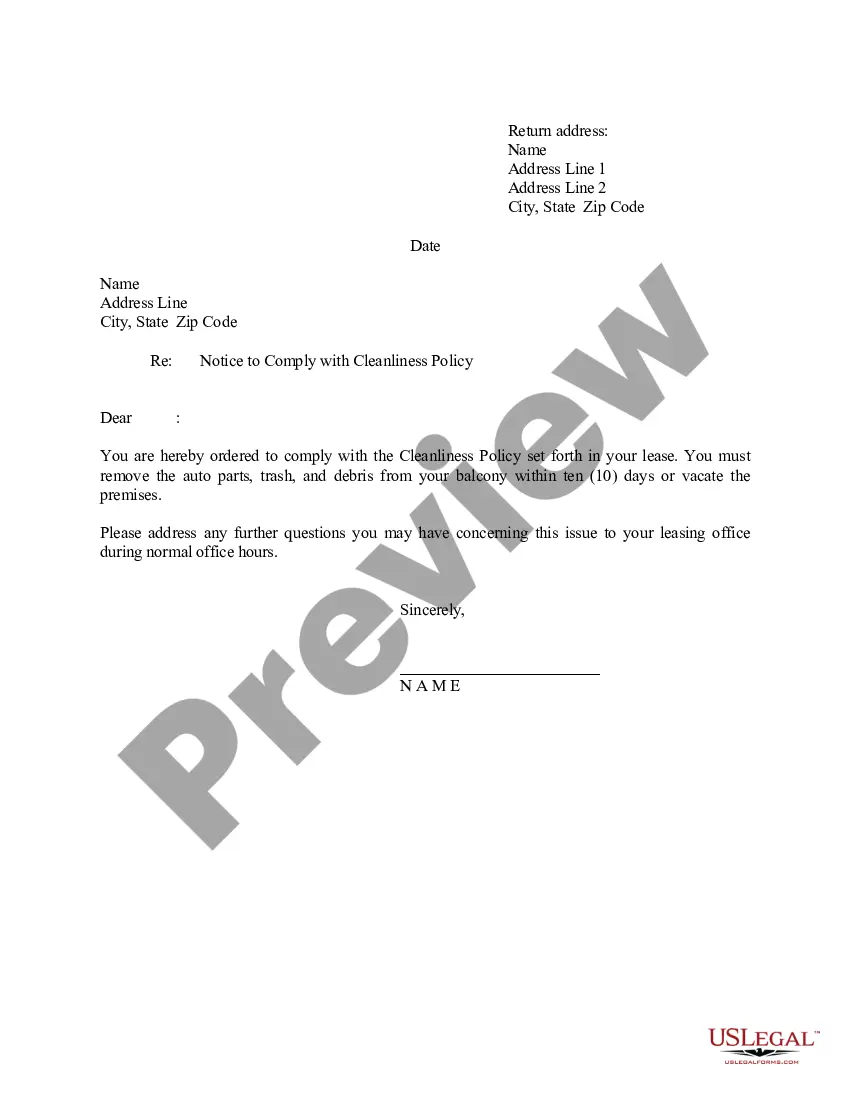
This form is a letter from a landlord to a tenant addressing the tenant's failure to use electrical, plumbing, and other essential facilities in a reasonable manner. It serves as a formal notice indicating that continued misuse may result in eviction. This letter is different from other eviction notices as it specifically highlights the misuse of facilities rather than a breach of lease terms in general.
What’s included in this form
- Identification of the landlord and tenant involved in the dispute.
- Details of the specific facilities that are being misused.
- A clearly stated warning regarding potential eviction if misuse continues.
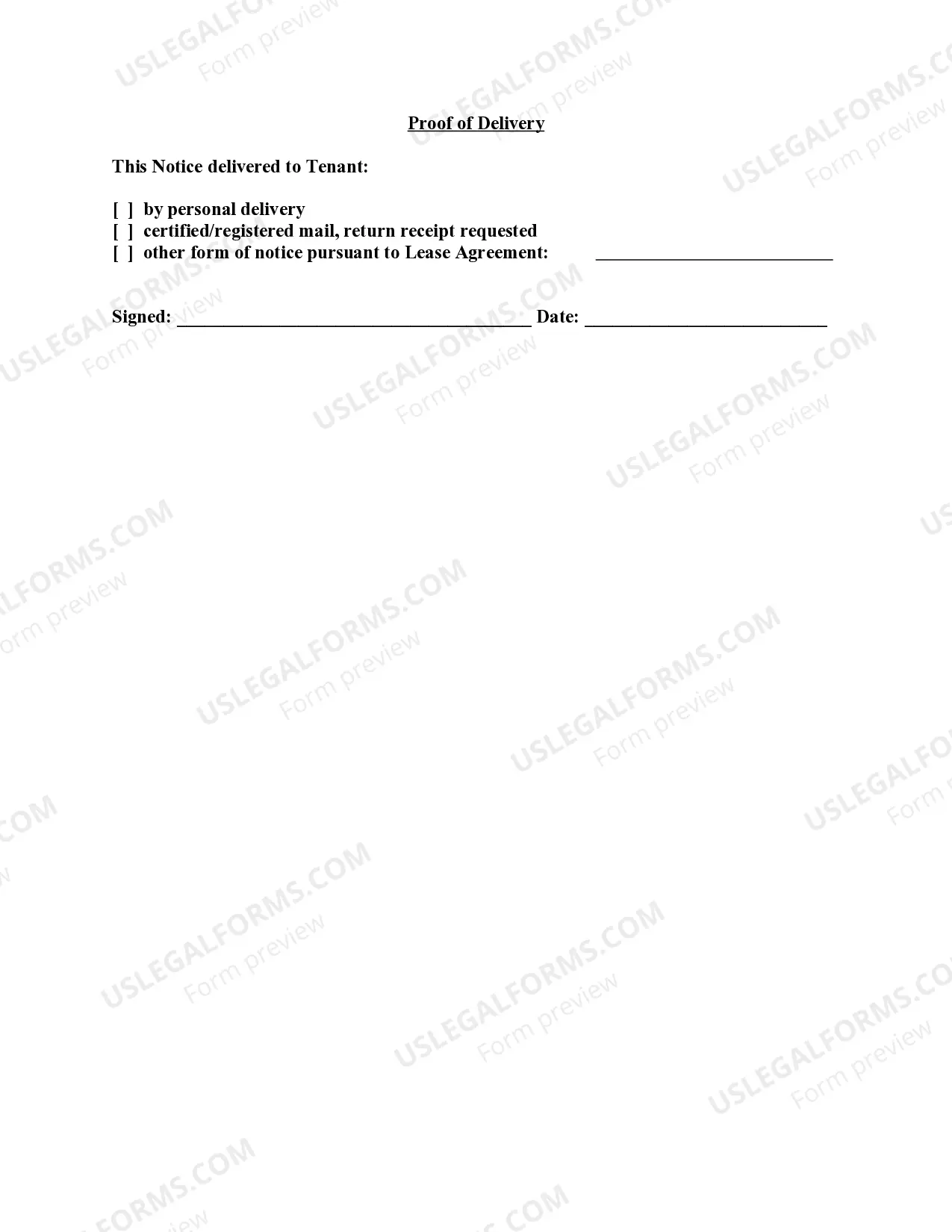
- Proof of delivery options to confirm the tenant received the notice.



When this form is needed
This form is used when a landlord needs to inform a tenant about improper use of utilities, such as electrical or plumbing systems, that could lead to damage or safety issues. It is particularly relevant in situations where prior discussions have not resolved the behavior, and a formal written notice is required to initiate corrective action.
Who this form is for
This form is suitable for:
- Landlords who rent out residential properties.
- Property managers overseeing multiple rental units.
- Tenants who need clarification about their use of facilities to avoid notice or eviction.
Steps to complete this form
- Identify the parties: Fill in the landlord's and tenant's names and addresses.
- Specify the issue: Describe the specific facilities being misused.
- State the consequences: Clearly state that continued misuse may lead to eviction.
- Include proof of delivery method: Choose how you will deliver the notice and indicate this on the form.
- Sign the letter: The landlord or their authorized agent should sign and date the form.
Notarization requirements for this form
This form does not typically require notarization unless specified by local law. However, ensuring accurate completion and delivery is crucial for legal efficacy.
Get your form ready online
Our built-in tools help you complete, sign, share, and store your documents in one place.
Make edits, fill in missing information, and update formatting in US Legal Forms—just like you would in MS Word.
Download a copy, print it, send it by email, or mail it via USPS—whatever works best for your next step.
Sign and collect signatures with our SignNow integration. Send to multiple recipients, set reminders, and more. Go Premium to unlock E-Sign.
If this form requires notarization, complete it online through a secure video call—no need to meet a notary in person or wait for an appointment.
We protect your documents and personal data by following strict security and privacy standards.

Make edits, fill in missing information, and update formatting in US Legal Forms—just like you would in MS Word.

Download a copy, print it, send it by email, or mail it via USPS—whatever works best for your next step.

Sign and collect signatures with our SignNow integration. Send to multiple recipients, set reminders, and more. Go Premium to unlock E-Sign.

If this form requires notarization, complete it online through a secure video call—no need to meet a notary in person or wait for an appointment.

We protect your documents and personal data by following strict security and privacy standards.
Common mistakes
- Failing to provide specific examples of misuse in the notice.
- Not delivering the notice properly, which may render it ineffective.
- Neglecting to keep a copy of the notice for records.
Why complete this form online
- Easy access to a professionally drafted document.
- Convenient to fill out and download at any time.
- Reliable format that complies with legal standards.
Legal use & context
- This form serves as an official record of the landlord's communication with the tenant, which may be required in any future legal disputes.
- Using this form appropriately can help protect the landlord's legal rights under the lease agreement.
Quick recap
- This form addresses specific instances of facility misuse by tenants.
- It is essential for landlords to document these communications to maintain legal protections.
- Proper completion and delivery of this form can help resolve issues without resorting to eviction.
Looking for another form?
Form popularity
FAQ
The Idaho law enacted in 1977 clearly specifies the rights of landlords and tenants. Some of the tenant rights include: Right to remain on the property until they're properly evicted by a court order. Right to have repairs made within a reasonable amount of time after a request is made.
Uninhabitable conditions can include dangerous ones, such as holes in the floor, unsafe or exposed wiring, or non-working air conditioning in dangerously hot summer months. Gross infestations of roaches, fleas or other pests are also uninhabitable conditions.
The NSW tenant factsheet states that urgent repairs, including blocked toilets, are the responsibility of the landlord. When urgent repairs are required, the tenant must notify the landlord as soon as possible - preferably in writing.
A. Landlords are responsible for most repairs in a rental property, including any appliances provided by the landlord for making use of the supply of water, gas, and electricity. Landlords are not responsible for repairs to appliances owned by their tenants.
If the resident does not follow the notice and pay rent or move out in the stipulated time (3 days), then you have the right order for their eviction. For a lease violation, Idaho landlord-resident laws require that you must give your resident a 3-Day Notice to Comply or Vacate to begin the eviction process.
If there is a problem, such as a burst pipe resulting from the landlord's failure to maintain the property, the tenant cannot be held responsible. If a tenant has detected a problem and reported it to the landlord, it is the owner's responsibility to fix them.
When you rent, your landlord is responsible for maintaining the functional aspects of your home such as plumbing, electricity, and heating. Landlords must also generally take action when flooding, a clogged pipe, pest infestation, or other problems occur.
A landlord cannot evict a tenant without an adequately obtained eviction notice and sufficient time. A landlord cannot retaliate against a tenant for a complaint. A landlord cannot forego completing necessary repairs or force a tenant to do their own repairs.A landlord cannot remove a tenant's personal belongings.
As stated in the Landlord and Tennant Act 1985, it is the landlord's responsibility to maintain their drainage, pipes and other areas of plumbing. If a drain becomes blocked through tenant misuse however, then the tenant is liable for the cost of repairs.