Iowa Revocation of Living Trust
About this form
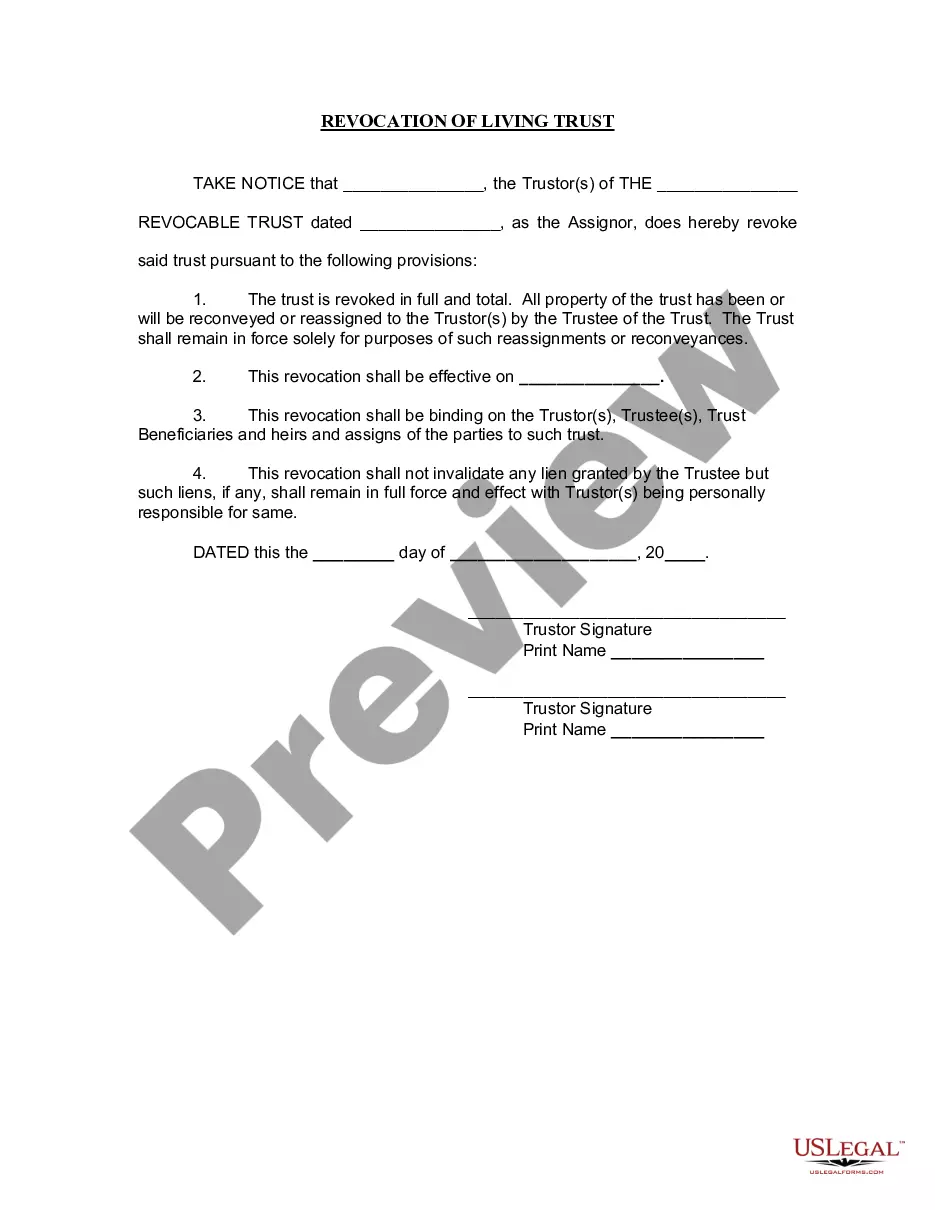
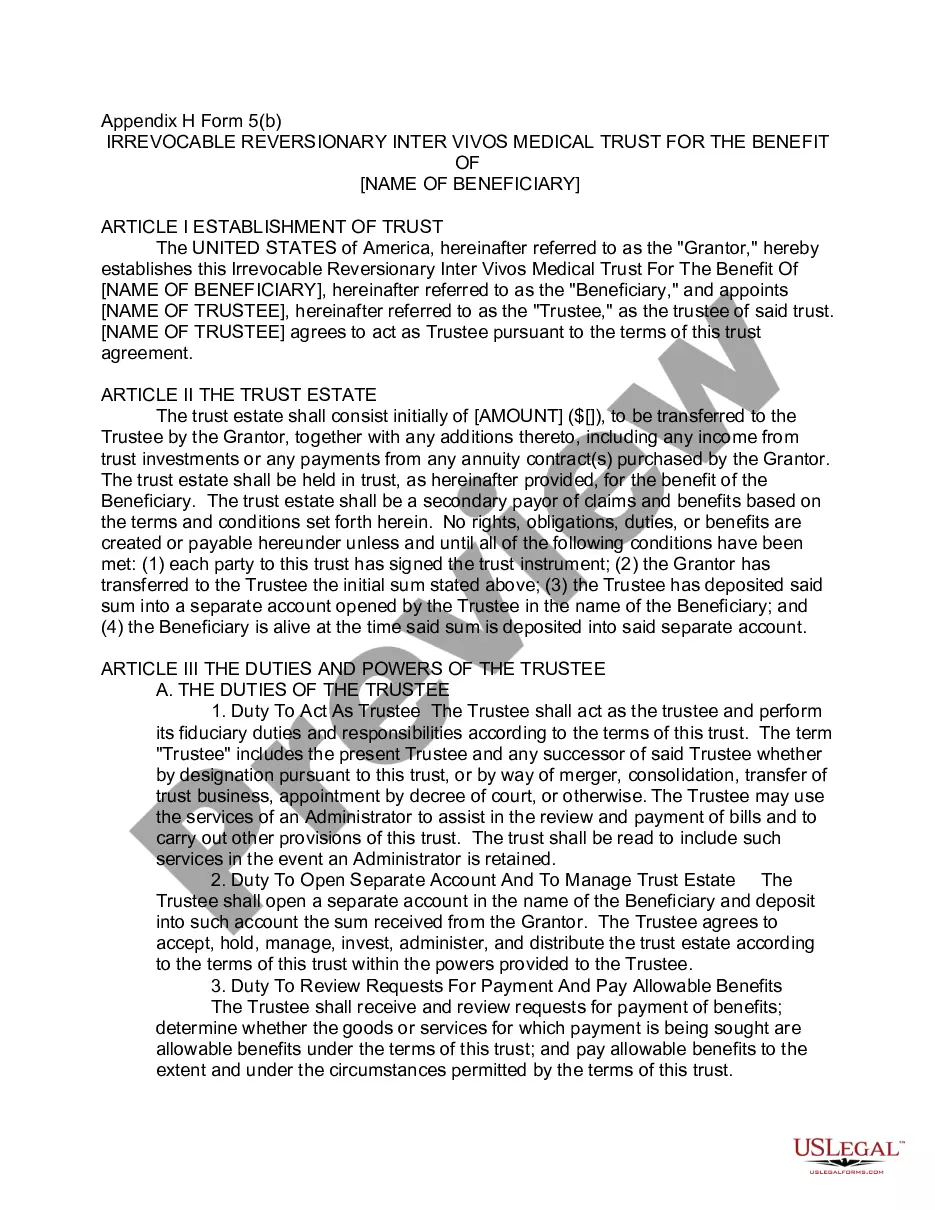
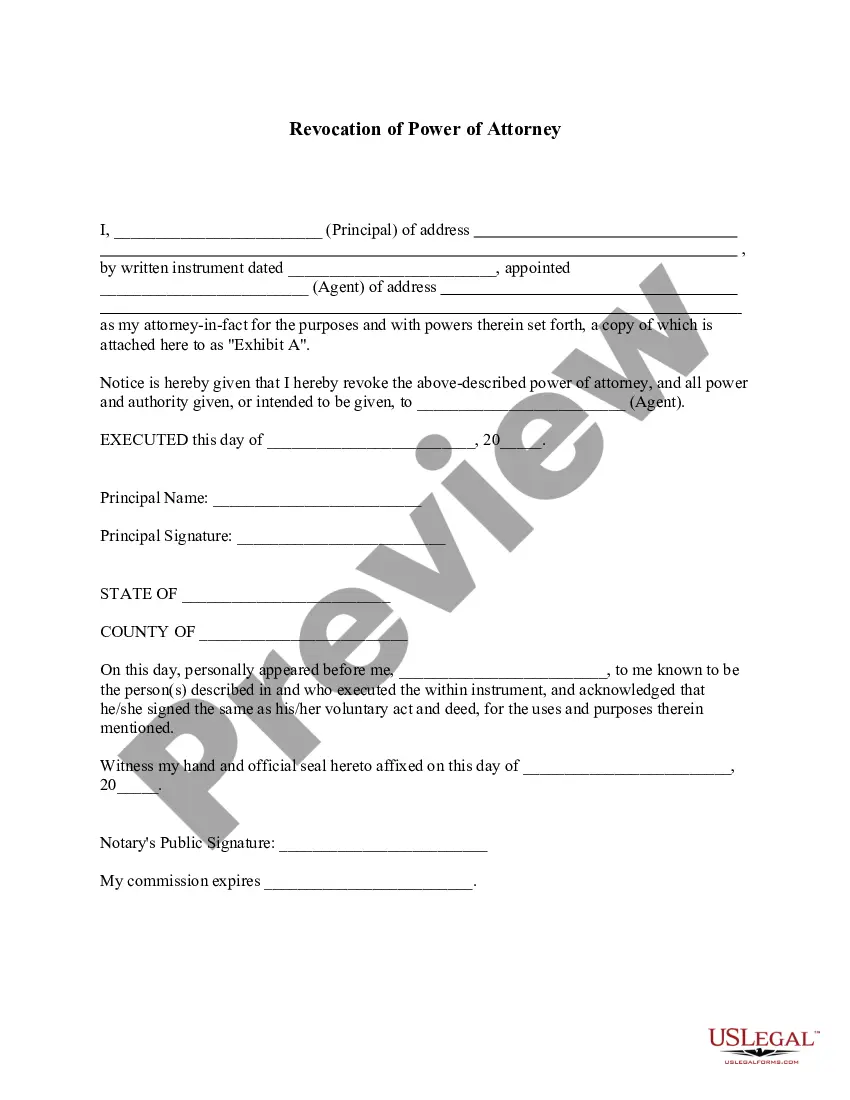
The Revocation of Living Trust form is a legal document used to formally cancel a living trust that was created during a person's lifetime. This form is essential for individuals who wish to revoke the legal arrangement where their assets and property are placed into a trust for estate planning purposes. Unlike other trust forms, this revocation specifically indicates a full cancellation of the trust and outlines the return of trust property to the original trustors. Notably, it must be signed in the presence of a notary public to be legally valid.
What’s included in this form
- Identifies the Trustor(s) and the trust being revoked.
- Declares a full and total revocation of the specified living trust.
- Addresses the return of trust property to the Trustor(s) by the Trustee.
- Includes an effective date for the revocation.
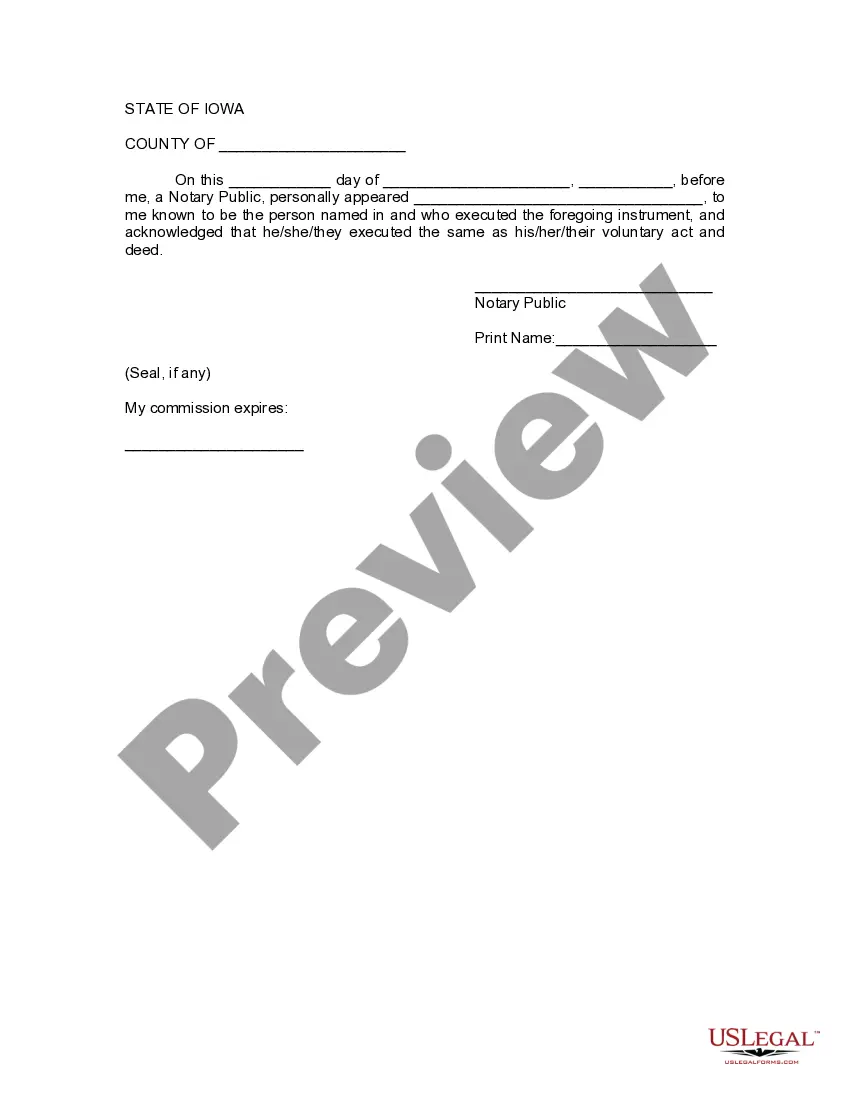
- Must be signed by the Trustor(s) and notarized.

Common use cases
This form is necessary when the creator of a living trust (the Trustor) decides to revoke the trust due to changes in their financial situation, intentions regarding asset distribution, or other personal reasons. It is often used when the Trustor wants to manage their estate differently or when they have decided to eliminate the trust altogether.
Who should use this form
- Individuals who are the Trustor(s) of a living trust that they wish to revoke.
- Users seeking to regain full control over their assets currently held in a trust.
- Individuals looking to update their estate planning and asset distribution strategies.
Instructions for completing this form
- Identify the Trustor(s) and the name of the living trust being revoked.
- Enter the effective date of the revocation.
- Have all Trustor(s) sign the document in the presence of a notary public.
- Ensure all property from the trust is acknowledged as returned to the Trustor(s).
- Keep a copy of the signed and notarized form for your records.
Notarization guidance
This form needs to be notarized to ensure legal validity. US Legal Forms provides secure online notarization powered by Notarize, allowing you to complete the process through a verified video call, available anytime.
Get your form ready online
Our built-in tools help you complete, sign, share, and store your documents in one place.
Make edits, fill in missing information, and update formatting in US Legal Forms—just like you would in MS Word.
Download a copy, print it, send it by email, or mail it via USPS—whatever works best for your next step.
Sign and collect signatures with our SignNow integration. Send to multiple recipients, set reminders, and more. Go Premium to unlock E-Sign.
If this form requires notarization, complete it online through a secure video call—no need to meet a notary in person or wait for an appointment.
We protect your documents and personal data by following strict security and privacy standards.

Make edits, fill in missing information, and update formatting in US Legal Forms—just like you would in MS Word.

Download a copy, print it, send it by email, or mail it via USPS—whatever works best for your next step.

Sign and collect signatures with our SignNow integration. Send to multiple recipients, set reminders, and more. Go Premium to unlock E-Sign.

If this form requires notarization, complete it online through a secure video call—no need to meet a notary in person or wait for an appointment.

We protect your documents and personal data by following strict security and privacy standards.
Common mistakes to avoid
- Failing to sign the document in front of a notary public.
- Not filling in all required information, such as names and dates.
- Failing to specify the effective date of the revocation.
Advantages of online completion
- Convenience of downloading and completing the form at your own pace.
- Access to professionally drafted templates created by licensed attorneys.
- Easy editability, allowing for quick adjustments to personal information.
Key takeaways
- The Revocation of Living Trust form is essential for trustors wishing to terminate an existing living trust.
- Proper completion and notarization are critical for the validity of the document.
- Understanding when and how to revoke a living trust can simplify estate planning and asset distribution.
Looking for another form?
Form popularity
FAQ
Revoking a revocable trust, particularly in Iowa, is a straightforward process. You typically just need to create a formal revocation document that states your intention to revoke the trust. Ultimately, the Iowa Revocation of Living Trust allows you to easily regain control over your assets, and USLegalForms can provide you with the necessary templates to simplify this process. Don't hesitate to reach out to ensure that you follow the appropriate legal steps.
To revoke a revocable living trust, you must follow the terms outlined in the trust agreement, often requiring a written notice of revocation. You should also properly notify any beneficiaries involved. An Iowa Revocation of Living Trust offers clarity and ease throughout this process. For additional assistance, consider using platforms like USLegalForms, which can provide the necessary resources and guidance.
A trust can be terminated through expiration, revocation, or by order of the court. Expiration occurs when the trust fulfills its intended purpose. Revocation happens when the grantor decides to cancel the trust, which is a common scenario with an Iowa Revocation of Living Trust. Lastly, a court may terminate a trust if it determines that the trust is no longer viable.
A trust can become null and void under specific circumstances, such as if the trust lacks proper legal formalities. For instance, if it does not meet state requirements or lacks the required signatures, it may not be recognized. Additionally, if the trust's purpose is illegal or against public policy, it can also be deemed void. Understanding the Iowa Revocation of Living Trust process can clarify these factors.
However, trust beneficiaries typically have certain rights in relation to the trust.If the trust is a revocable trustmeaning the person who set up the trust can change it or revoke it at any timethe trust beneficiaries other than the settlor have very few (if any) rights.
Once a California Trust becomes irrevocable, the Trust beneficiaries generally cannot be changed. That's the good news.
When a trust dissolves, all income and assets moving to its beneficiaries, it becomes an empty vessel. That's why no income tax return is required it no longer has any income. That income is charged to the beneficiaries instead, and they must report it on their own personal tax returns.
Right to Communication You have the right to be kept informed of any changes of the Trust. Right to Accounting You have the right to an accounting, such as assets the Trust holds, interest earned by the Trust, expenses paid out by the Trust.
EXAMPLE: Yvonne and Andre make a living trust together. Step 1: Transfer ownership of trust property from yourself as trustee back to yourself. Step 2: A revocation prints out with your trust document. Step 3: Complete the Revocation of Trust by filling in the date, and then sign it in front of a notary public.
A revocation of a will generally means that the beneficiaries will no longer receive the specified property or financial assets. A beneficiary may have been depending on the trust property for various reasons. If the revocation occurs at a certain time, it can cause legal conflicts in many cases.