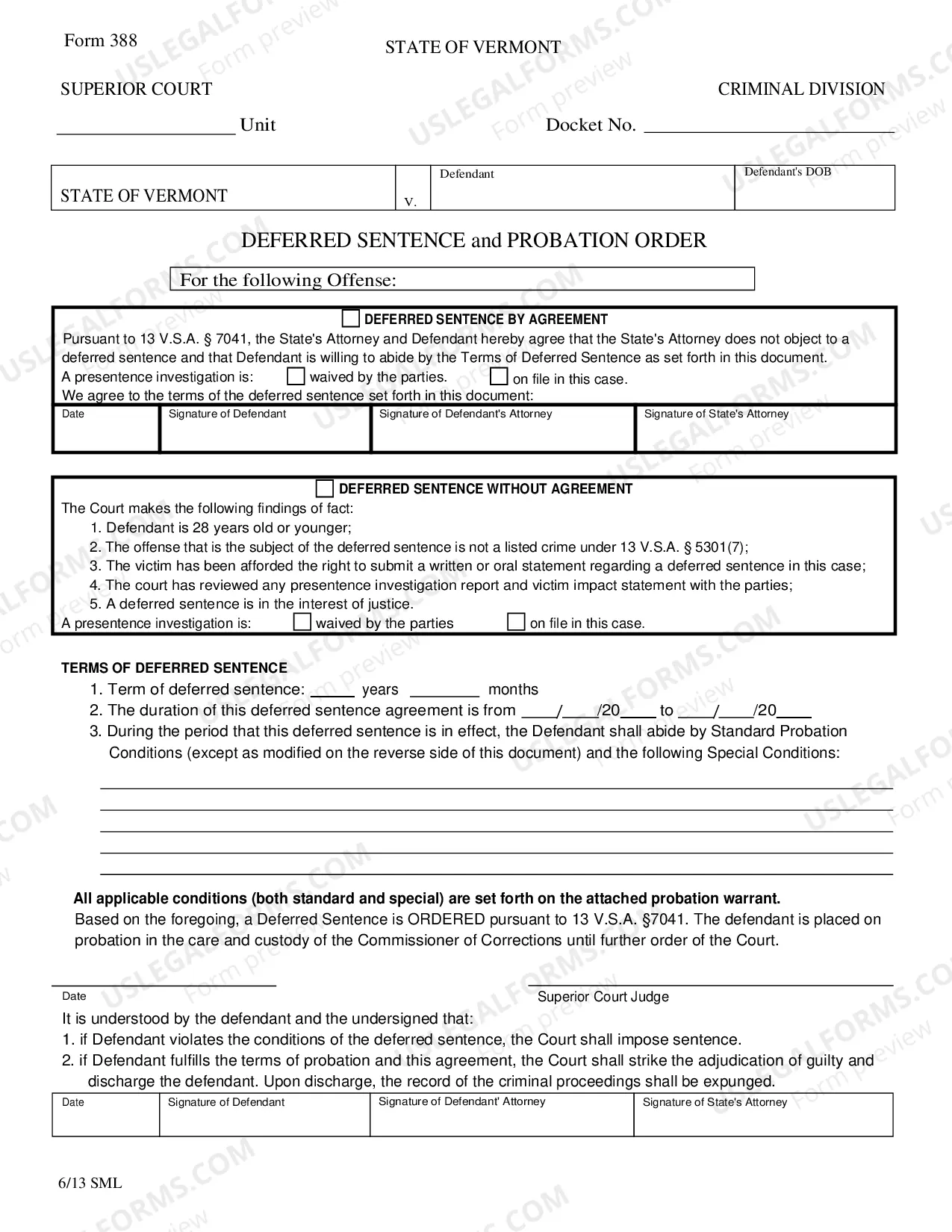
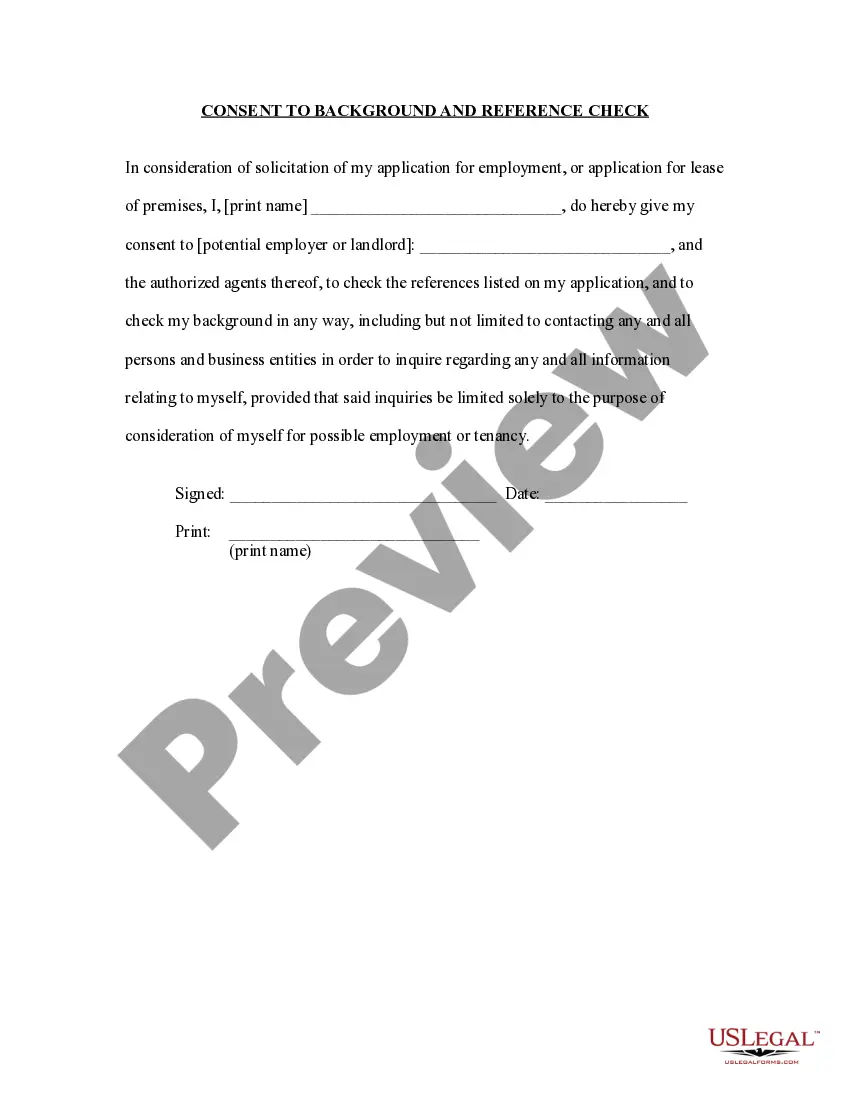
Iowa Tenant Consent to Background and Reference Check
About this form
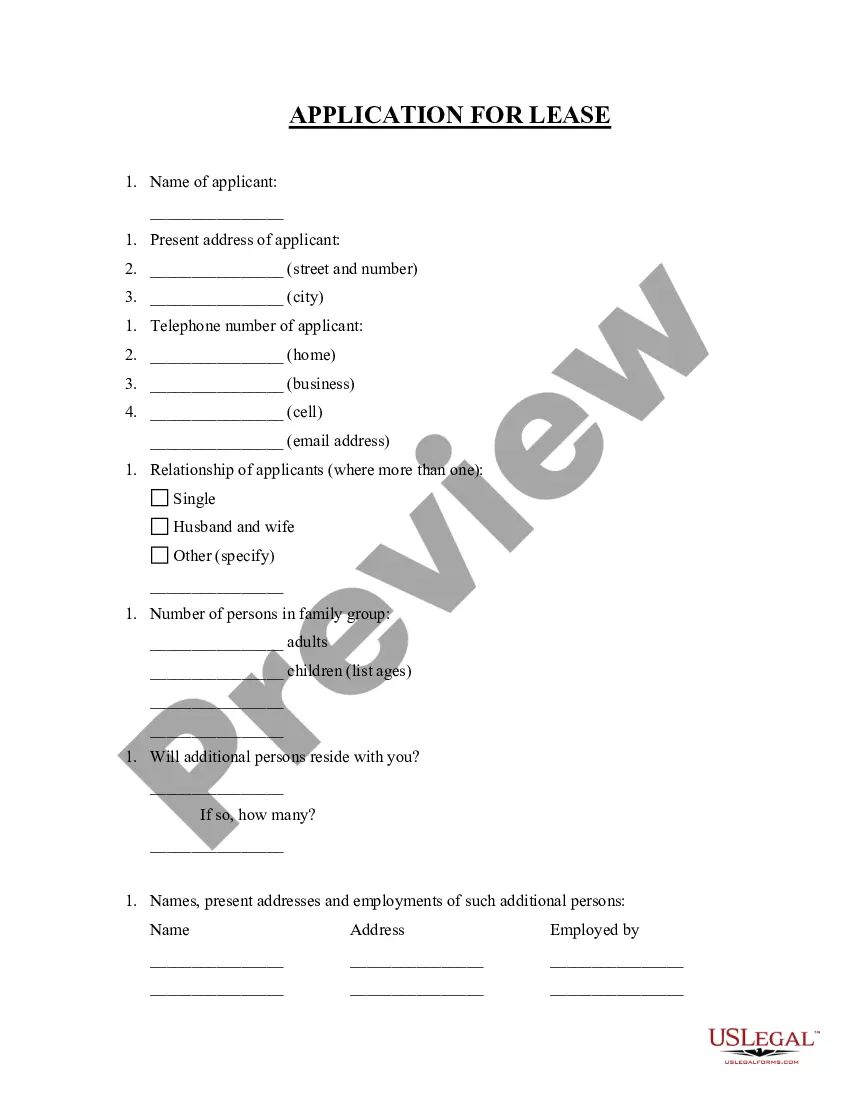
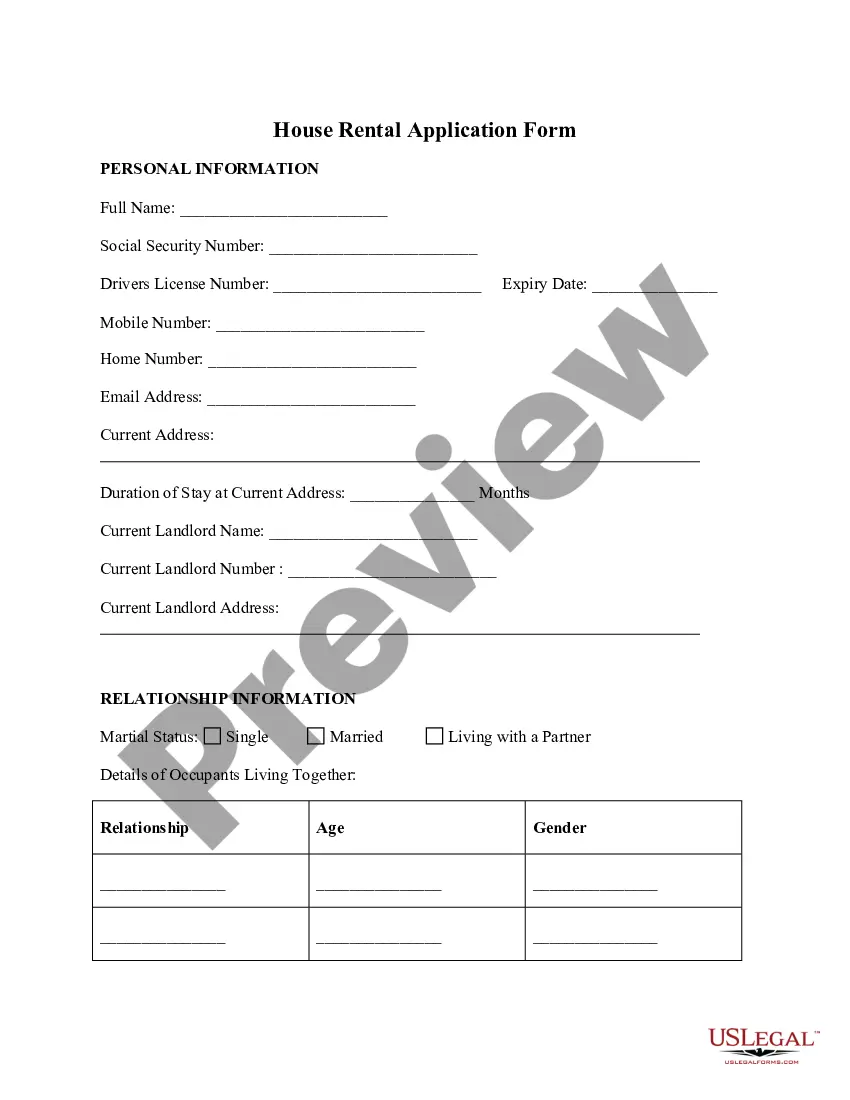
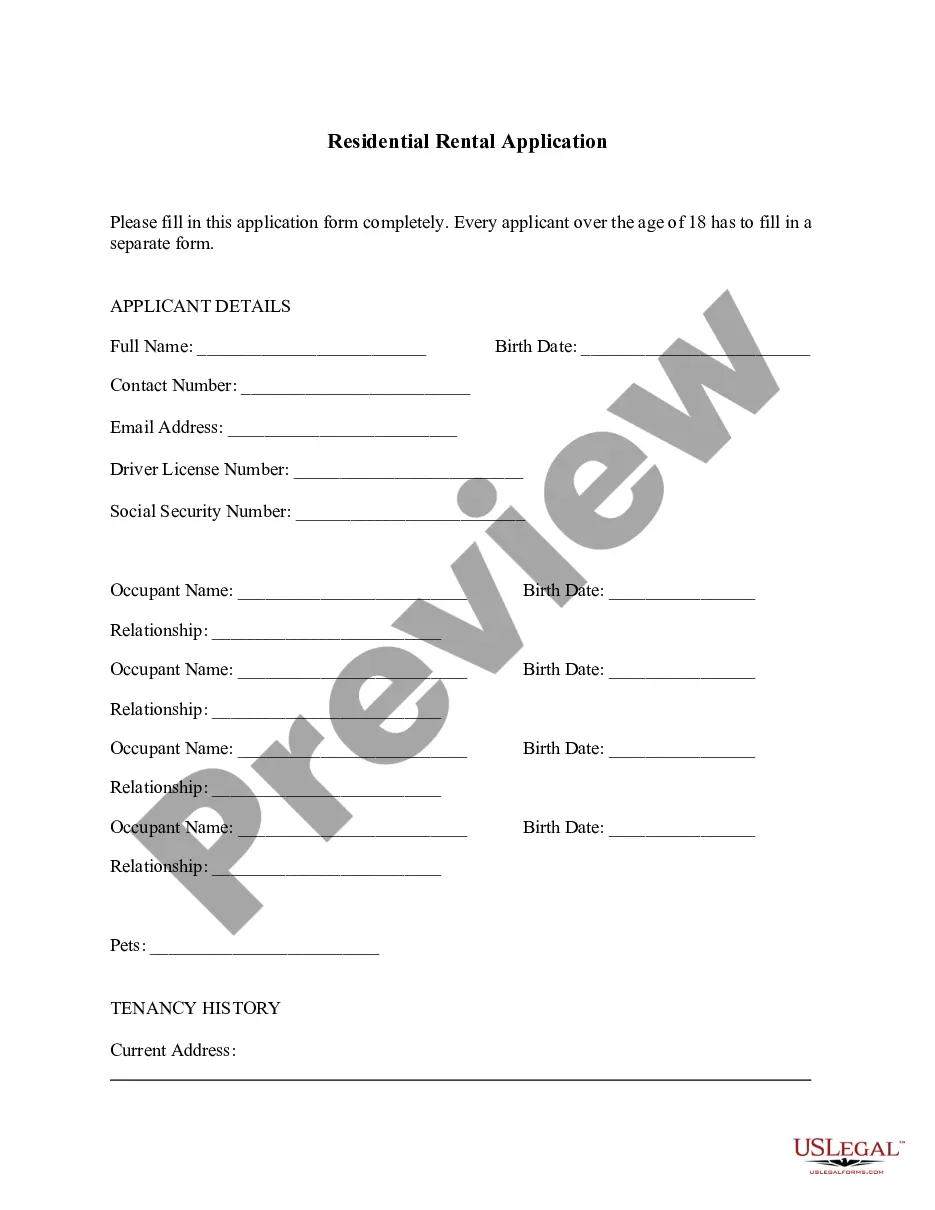
The Tenant Consent to Background and Reference Check is a legal document that allows a landlord to conduct a thorough background check on a potential tenant. This form is essential for landlords to verify the suitability of applicants by checking their criminal history and references, ensuring a safe and reliable renting environment. It differs from other lease-related forms by specifically focusing on obtaining the tenant's consent for this verification process.
Main sections of this form
- Tenant's name and signature: Required to give consent.
- Landlord's name: Identifies the person authorized to conduct the background check.
- Purpose of the check: States the intent to verify references and background information for tenancy.
- Date of consent: Documents when the tenant provided the authorization.
- Identification of the parties involved: Clarifies who is involved in the agreement.
When this form is needed
This form should be used by landlords when assessing potential tenants. It is particularly vital during the application process when a tenant submits an application for a lease. Using this form ensures that landlords receive proper consent to conduct background and reference checks, helping them make informed decisions before entering a rental agreement.
Who can use this document
- Landlords looking for tenant verification.
- Property managers overseeing rental applications.
- Tenants applying for a rental property who need to consent to screening.
How to complete this form
- Print your name: Clearly print your full name in the designated space.
- Identify the landlord: Enter the name of the landlord or property manager.
- Check references: Provide the necessary references that the landlord may contact.
- Sign and date the form: Complete the signature section and include the date of consent.
- Review completed form: Ensure all information is accurate and complete before submission.
Notarization guidance
In most cases, this form does not require notarization. However, some jurisdictions or signing circumstances might. US Legal Forms offers online notarization powered by Notarize, accessible 24/7 for a quick, remote process.
Get your form ready online
Our built-in tools help you complete, sign, share, and store your documents in one place.
Make edits, fill in missing information, and update formatting in US Legal Forms—just like you would in MS Word.
Download a copy, print it, send it by email, or mail it via USPS—whatever works best for your next step.
Sign and collect signatures with our SignNow integration. Send to multiple recipients, set reminders, and more. Go Premium to unlock E-Sign.
If this form requires notarization, complete it online through a secure video call—no need to meet a notary in person or wait for an appointment.
We protect your documents and personal data by following strict security and privacy standards.

Make edits, fill in missing information, and update formatting in US Legal Forms—just like you would in MS Word.

Download a copy, print it, send it by email, or mail it via USPS—whatever works best for your next step.

Sign and collect signatures with our SignNow integration. Send to multiple recipients, set reminders, and more. Go Premium to unlock E-Sign.

If this form requires notarization, complete it online through a secure video call—no need to meet a notary in person or wait for an appointment.

We protect your documents and personal data by following strict security and privacy standards.
Mistakes to watch out for
- Not signing the form, which invalidates the consent.
- Leaving out important details like the landlord's name.
- Failing to date the form, making it difficult to track when consent was given.
- Providing incorrect references, leading to delays in the application process.
Why complete this form online
- Convenience: Easily download and fill out the form at your convenience.
- Editable: Make necessary adjustments to the form as needed.
- Access to legal expertise: The form is drafted by licensed attorneys, ensuring compliance with applicable laws.
- Secure: Protects your information during the process of background checks.
Legal use & context
- Valid consent from the tenant is necessary for the landlord to conduct background checks.
- This form serves as proof of the tenant's authorization for landlords to collect sensitive information.
Summary of main points
- The Tenant Consent to Background and Reference Check is essential for responsible tenant screening.
- Proper completion is crucial to ensure legality and acceptance by landlords.
- Be aware of any specific local laws that may affect the use of this form.
Looking for another form?
Form popularity
FAQ
When communicating with a landlord, it's important to remain professional and polite. Avoid making negative comments about past landlords or giving the impression that you are untrustworthy. Additionally, refrain from making demands without reasonable justification, especially regarding Iowa Tenant Consent to Background and Reference Check, as this can raise red flags. Building a respectful relationship with your landlord can help facilitate a smoother renting experience.
To write a consent letter for a background check, clearly state your intent at the beginning of the letter. Include necessary information such as your name, address, and the purpose of the background check. Make sure to mention the Iowa Tenant Consent to Background and Reference Check, as providing context can help clarify your request. Finally, conclude the letter by providing your signature and date to formalize your consent.
Renters in Iowa have significant rights designed to protect them during their tenancy. These include the right to a habitable living space, the right to privacy, and protection against unfair eviction practices. Understanding these rights is essential for anyone considering an Iowa Tenant Consent to Background and Reference Check, as this process should not violate tenant rights. Staying informed empowers you to address any issues that may arise.
Most landlords in Iowa utilize comprehensive background checks that include credit history, criminal records, and rental history. This helps them assess potential tenants effectively and ensures a safe living environment for current residents. When understanding the Iowa Tenant Consent to Background and Reference Check, tenants should be aware of what information is being sought. Familiarizing yourself with these checks can empower you during the application process.
Consent to perform a background check is a formal agreement that allows someone to obtain your personal, employment, and criminal history. This consent must be obtained in writing before any screening takes place, particularly in the scope of the Iowa Tenant Consent to Background and Reference Check. Utilizing platforms like US Legal Forms can simplify this process, ensuring compliance with all relevant laws and regulations.
Consent to perform a background check is the explicit permission granted by an individual for a landlord or employer to access their personal information. This consent is essential in complying with legal regulations, especially when navigating the Iowa Tenant Consent to Background and Reference Check process. Ensuring you provide informed consent helps protect your privacy and strengthens the trust between you and your landlord.
In many cases, a background check cannot legally be conducted without your knowledge or consent. The Iowa Tenant Consent to Background and Reference Check process ensures that individuals are informed and agree before any screening occurs. This transparency protects your rights and helps maintain a positive landlord-tenant relationship.
In Iowa, background checks can typically reveal information spanning seven years, including criminal records and employment history. However, landlords may vary in how deeply they choose to investigate, depending on their policies. When you're involved in the Iowa Tenant Consent to Background and Reference Check process, be aware of how far back these checks may go and how this impacts your application.
Background screening consent refers to an individual's agreement for a landlord or employer to check their personal history. This consent is vital for legal and compliant background checks, particularly in the context of an Iowa Tenant Consent to Background and Reference Check. By giving consent, you ensure the process adheres to legal standards, protecting both parties involved.
The new law in California restricts certain inquiries during background checks, especially those related to criminal history. This law aims to enhance tenant rights and first-time job seekers. Understanding this law is crucial for anyone involved in the Iowa Tenant Consent to Background and Reference Check process, as it highlights the importance of consent and transparency when conducting screenings.