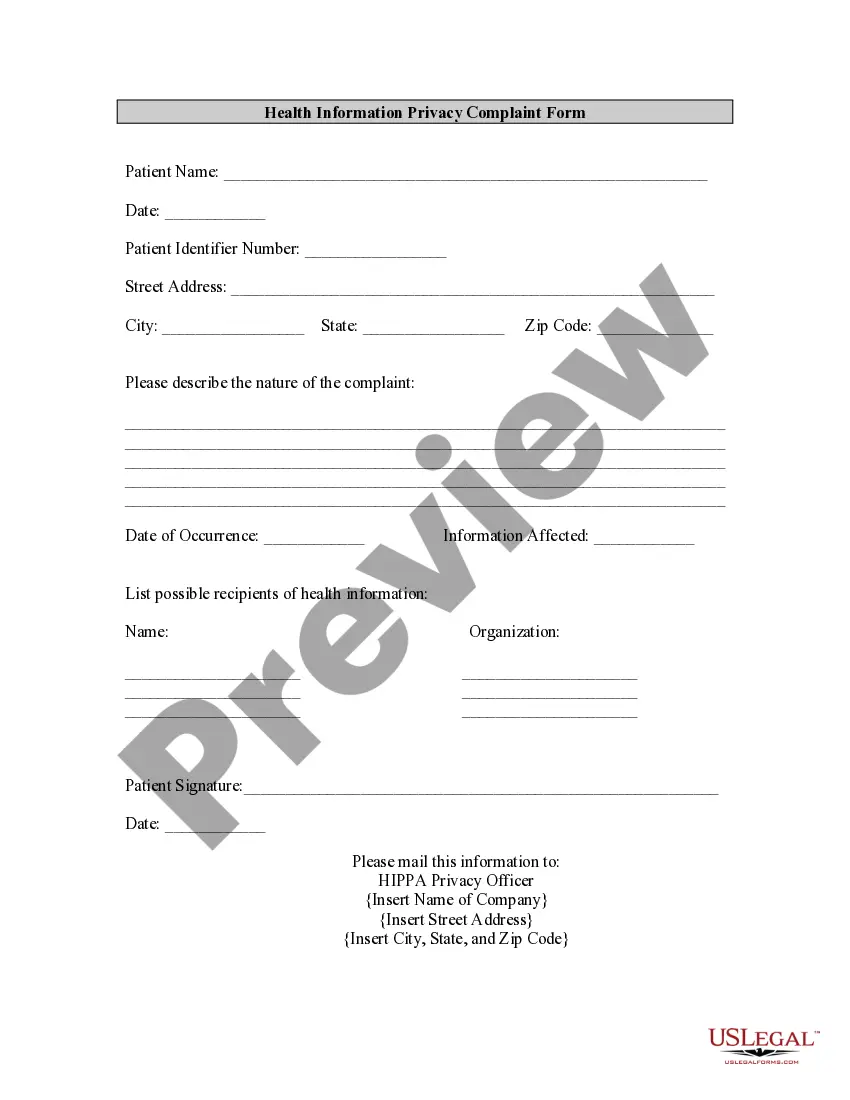
Georgia Revocation of Living Trust
What is this form?
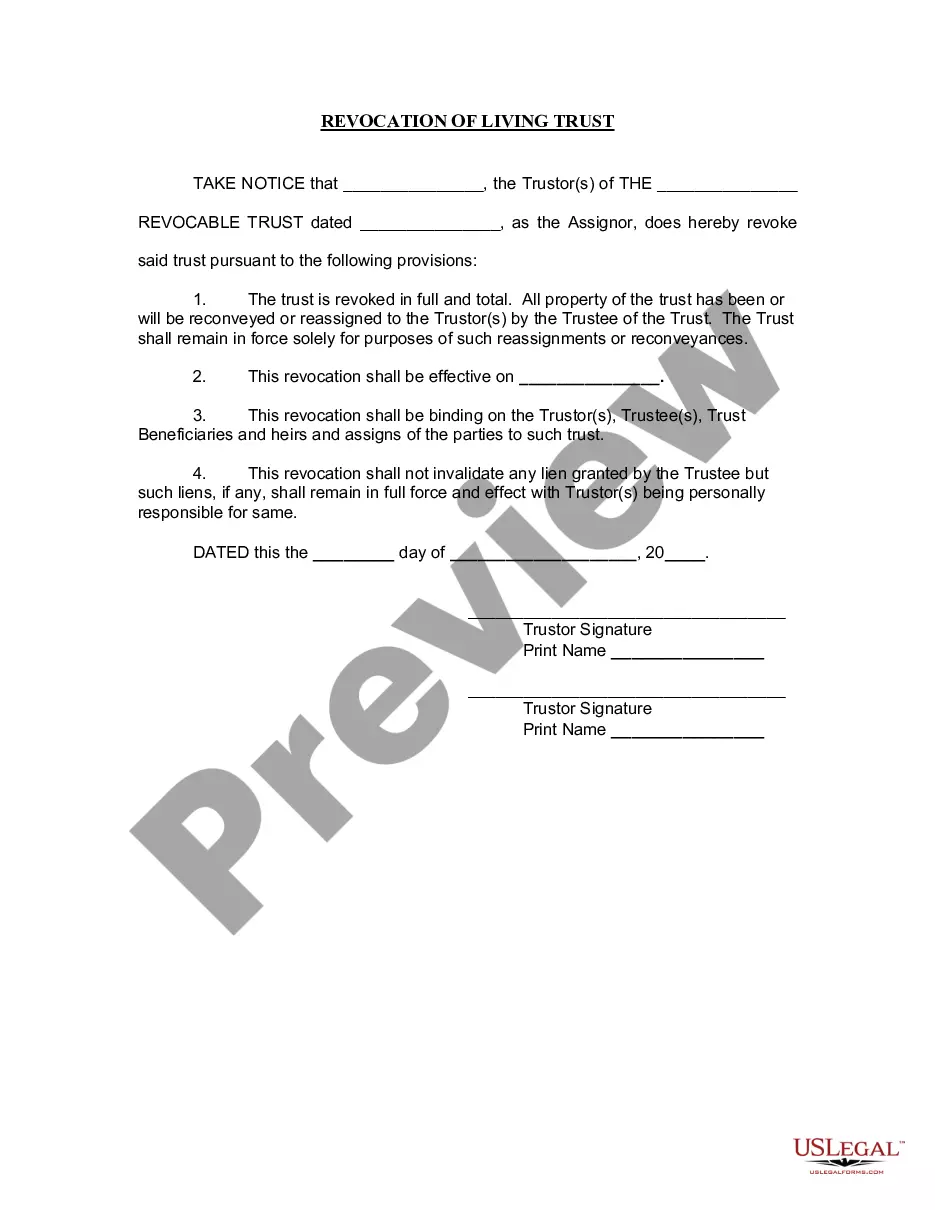
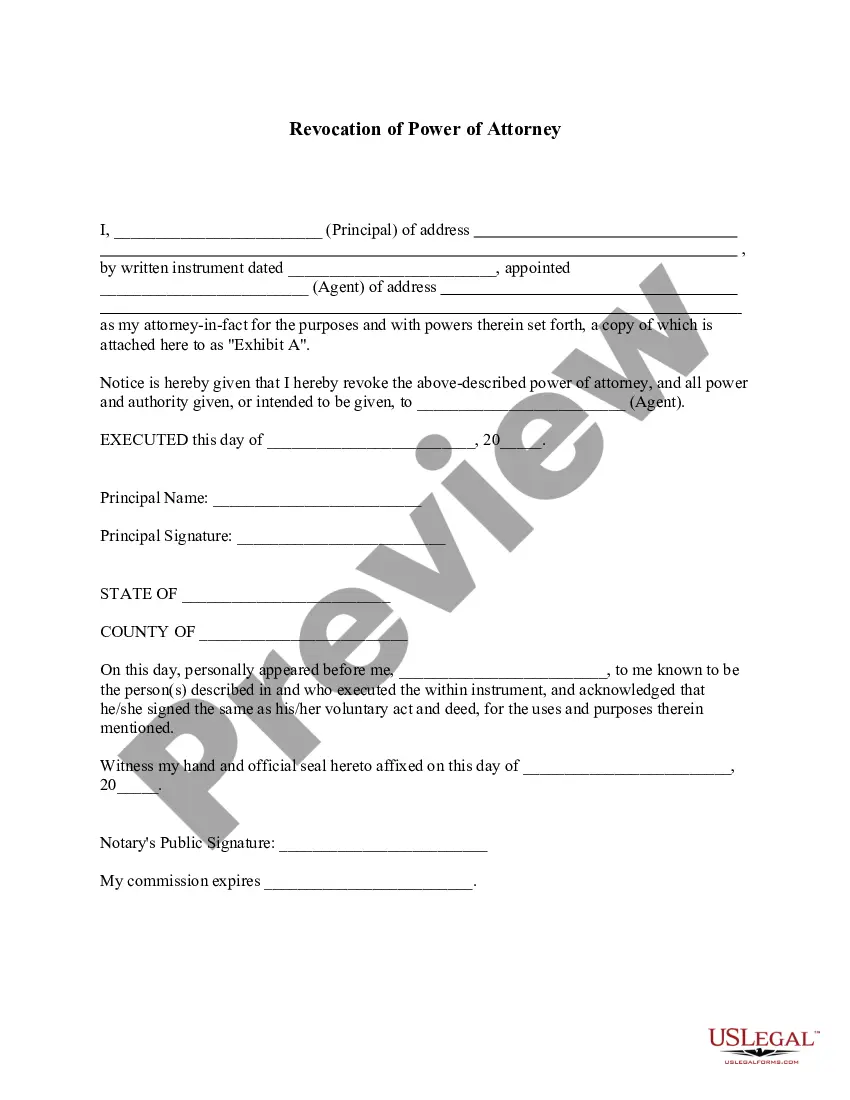
The Revocation of Living Trust form is a legal document used to nullify a previously established living trust. Unlike other estate planning documents, this form specifically serves to revoke the trust, ensuring that all assets held within it are returned to the trustor. It includes a declaration of the trust's revocation and must be executed in the presence of a notary public to be valid.
What’s included in this form
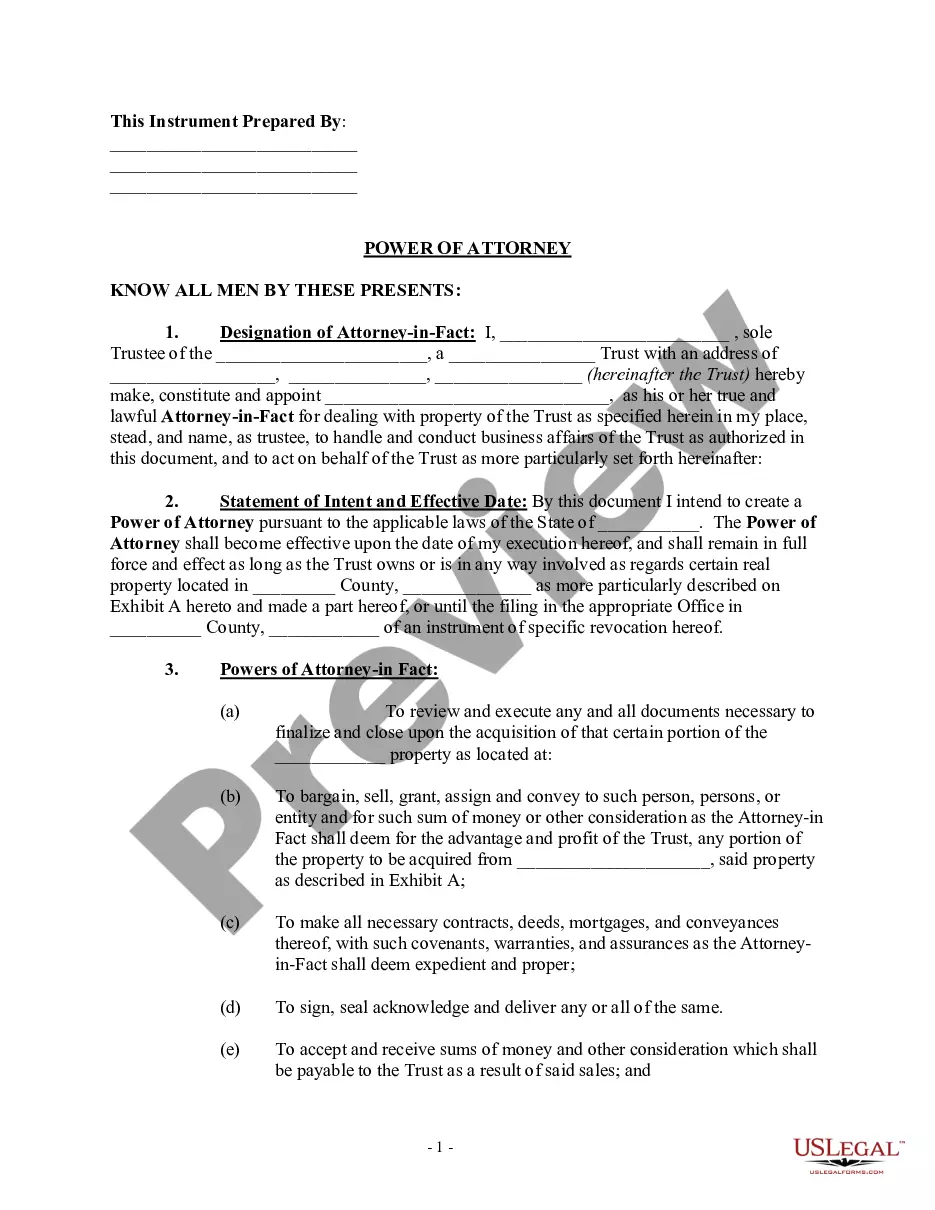
- Identification of the trustor(s) and the specific living trust being revoked.
- Statement of full and total revocation of the living trust.
- Confirmation that all property will be returned to the trustor(s).
- Effective date of the revocation.
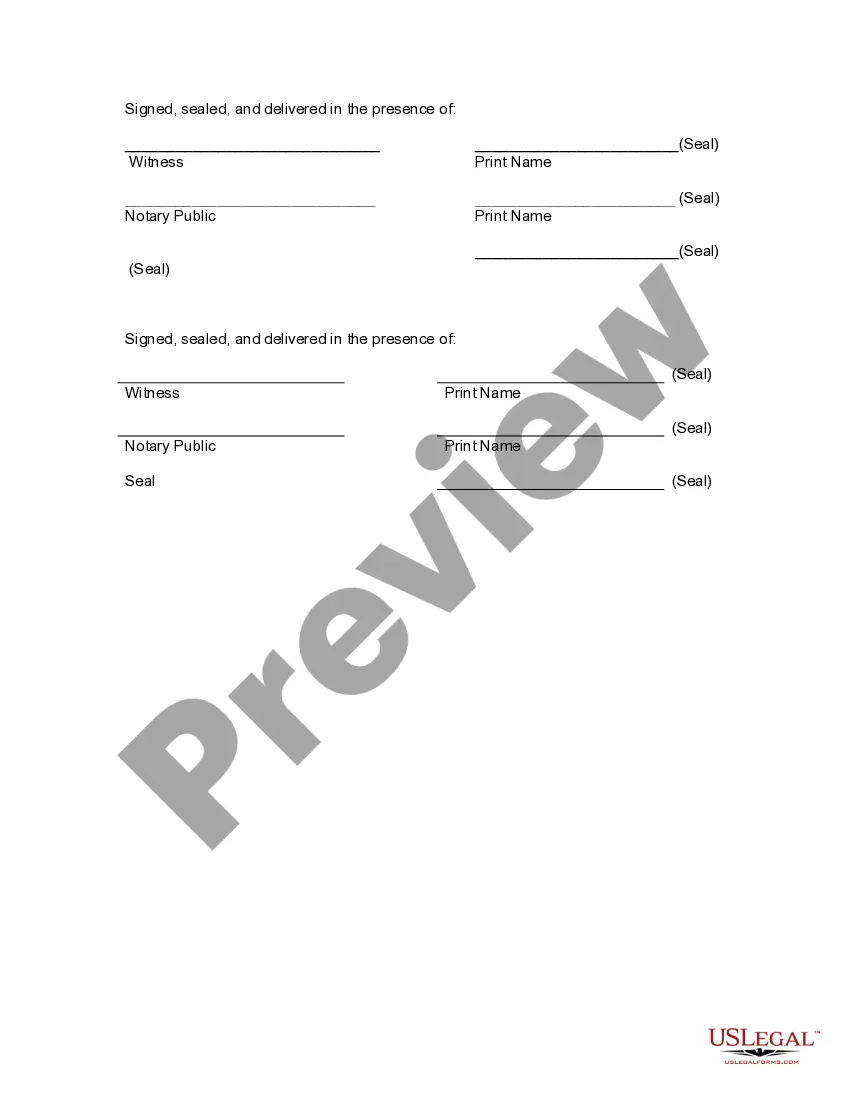
- Signature lines for the trustor(s) and witnesses, along with notarization requirements.
Situations where this form applies
This form should be used when a trustor decides to discontinue a living trust. Common scenarios include changes in financial circumstances, a shift in estate planning strategies, or when the trustor wishes to transfer assets elsewhere. It provides a clear and official way to revoke the trust, ensuring that beneficiaries and trustees are aware of the change.
Who should use this form
- Individuals who are trustors of a living trust that they wish to revoke.
- Trustees who have been directed by the trustor to carry out the revocation.
- Beneficiaries who need to understand changes to the trust structure.
Instructions for completing this form
- Identify the trustor(s) and enter their names at the beginning of the form.
- Specify the name and date of the revocable trust being revoked.
- Write the effective date for the revocation.
- Sign the document in the presence of a witness and notary public.
- Ensure all parties receive a copy of the signed form for their records.
Notarization guidance
To make this form legally binding, it must be notarized. Our online notarization service, powered by Notarize, lets you verify and sign documents remotely through an encrypted video session.
Get your form ready online
Our built-in tools help you complete, sign, share, and store your documents in one place.
Make edits, fill in missing information, and update formatting in US Legal Forms—just like you would in MS Word.
Download a copy, print it, send it by email, or mail it via USPS—whatever works best for your next step.
Sign and collect signatures with our SignNow integration. Send to multiple recipients, set reminders, and more. Go Premium to unlock E-Sign.
If this form requires notarization, complete it online through a secure video call—no need to meet a notary in person or wait for an appointment.
We protect your documents and personal data by following strict security and privacy standards.

Make edits, fill in missing information, and update formatting in US Legal Forms—just like you would in MS Word.

Download a copy, print it, send it by email, or mail it via USPS—whatever works best for your next step.

Sign and collect signatures with our SignNow integration. Send to multiple recipients, set reminders, and more. Go Premium to unlock E-Sign.

If this form requires notarization, complete it online through a secure video call—no need to meet a notary in person or wait for an appointment.

We protect your documents and personal data by following strict security and privacy standards.
Typical mistakes to avoid
- Failing to notarize the form, which may invalidate the revocation.
- Not specifying the correct name of the trust being revoked.
- Leaving out the effective date of the revocation.
Why use this form online
- Immediate access to the form without needing to visit a lawyer's office.
- Easy completion and editing process, allowing for quick adjustments as needed.
- Access to legal forms drafted by licensed attorneys, ensuring accuracy and compliance.
Key takeaways
- The Revocation of Living Trust is essential for terminating a living trust.
- This form ensures that trust property is returned to the trustor(s).
- Notarization is required for the revocation to be legally effective.
- Understanding when and how to use this form is crucial for effective estate planning.
Looking for another form?
Form popularity
FAQ
The Georgia Revocation of Living Trust form is a legal document used to nullify a previously established living trust. It includes a declaration of full revocation, identifies the trustor and the trust being revoked, and states that all property will be returned to the trustor. For validity, it must be signed by the trustor with witnesses and notarized.
To revoke a revocable trust in Georgia, identify the trustor(s) and the specific living trust being revoked, then execute a full revocation with an effective date. The form requires signatures of the trustor(s) and witnesses, and notarization, and it must be done in the presence of a notary public for validity.
Revocation can be accomplished by using this Georgia form to complete a full and total revocation, identify the trust, and confirm that all property will be returned to the trustor. The revocation requires the trustor’s signature, witnesses, an effective date, and notarization.
This form demonstrates one way to end a revocable living trust in Georgia by full revocation. It includes identification of the trustor and trust, a statement of revocation, and an effective date, along with signature lines for the trustor and witnesses and a notarization requirement. Execution in the presence of a notary is required for validity.
While many trusts may be terminated in several ways, this form focuses on revocation as a method to end a living trust in Georgia. It provides a full declaration of revocation and returns assets to the trustor, with signatures, witnesses, and notarization. Other termination methods would require different documents.
Georgia Revocation of Living Trust is used for full revocation of an existing living trust, including a declaration of revocation, an effective date, and property return to the trustor, plus signature lines, witnesses, and notarization. An amendment would modify terms without revoking the entire trust, so it does not use this revocation framework.