Florida Seller's Disclosure of Financing Terms for Residential Property in connection with Contract or Agreement for Deed a/k/a Land Contract
What is this form?
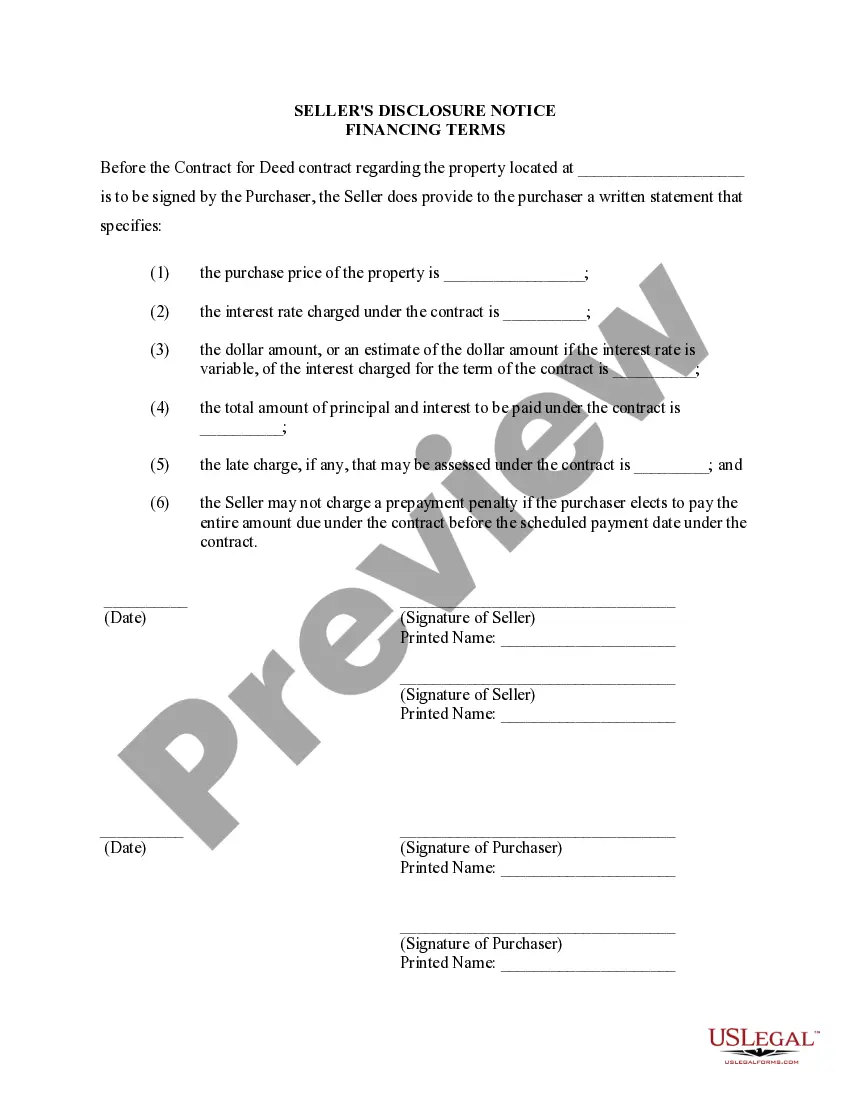
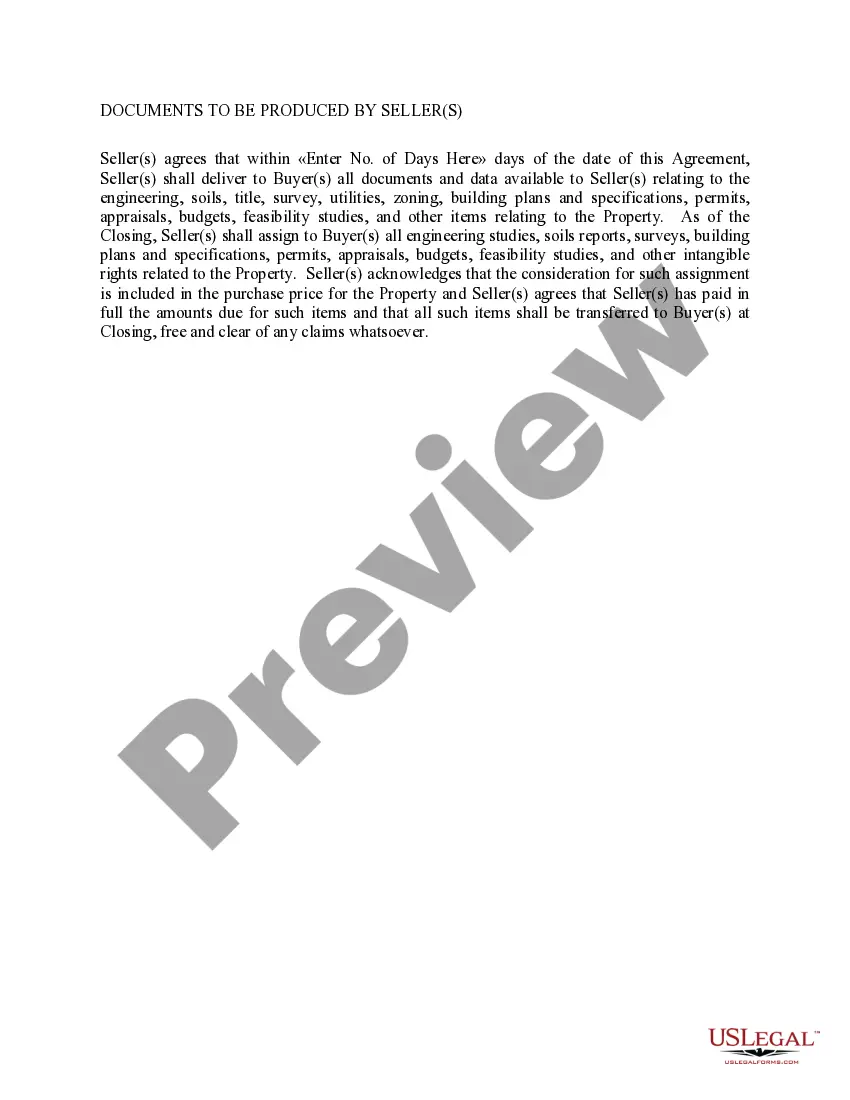
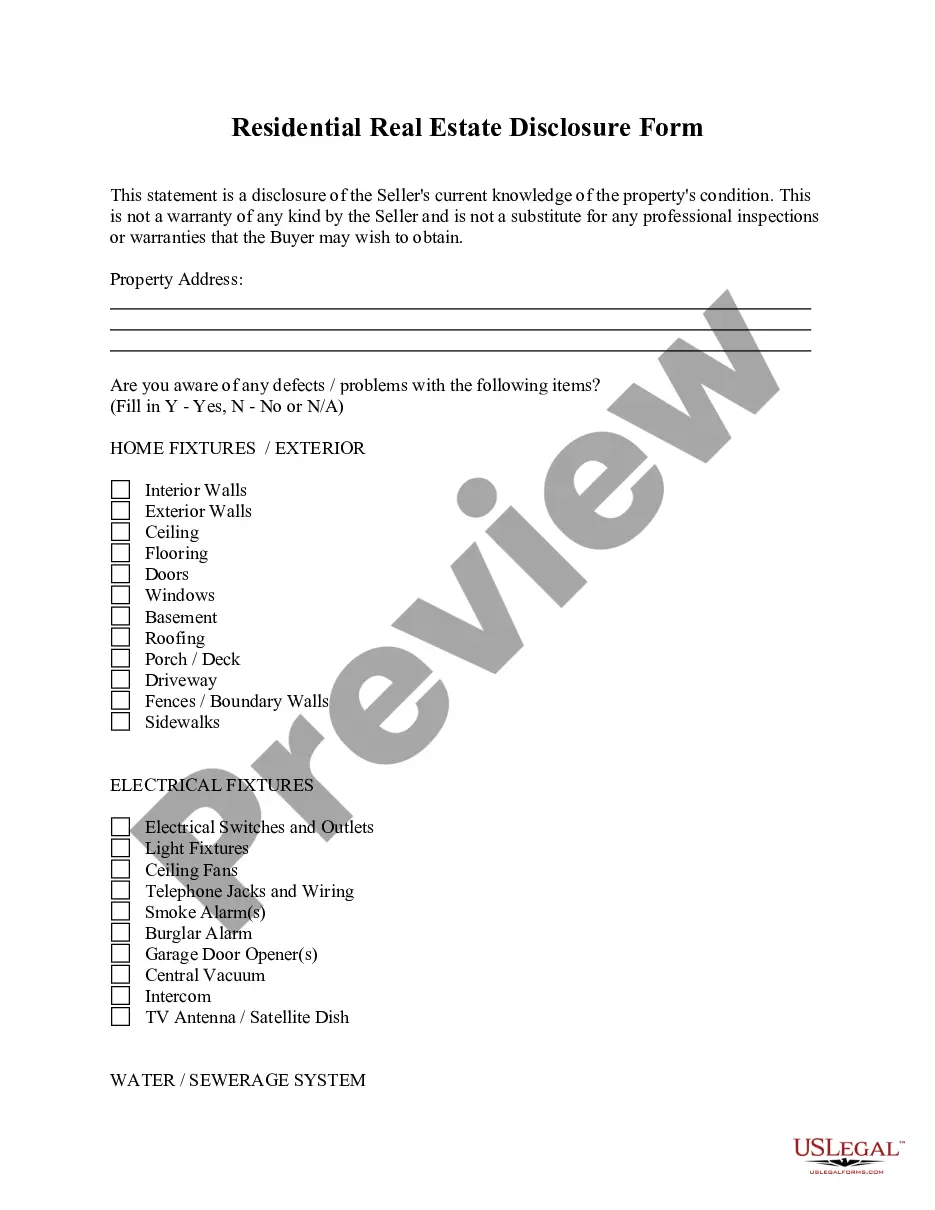
The Seller's Disclosure of Financing Terms for Residential Property is a crucial document that outlines the financing details related to a purchase agreement for residential properties. It serves to inform the purchaser about the purchase price, payment structure, interest rates, and any late charges applicable. This form is specifically designed for sellers to disclose these terms effectively to buyers before the contract signing, ensuring transparency in the transaction.
Key components of this form
- Purchase price of the property
- Payment schedule and amounts
- Interest rate applicable to the financing
- Details on late charges if payments are missed
- Signatures of both parties
When to use this form
This form should be used when a seller and purchaser enter into a contract for deed, also known as a land contract. It is essential in situations where the seller is financing the purchase of a residential property. Using this disclosure form helps set clear expectations about financial terms and avoids potential disputes later on.
Who can use this document
This form is intended for:
- Sellers of residential properties who are offering financing terms
- Purchasers looking to understand the financing structure of their property transaction
- Real estate agents facilitating property sales involving land contracts
Completing this form step by step
- Identify the seller and the purchaser involved in the transaction.
- Specify the property being sold, including its address and legal description.
- Determine and enter the purchase price for the property.
- Outline the payment structure, including amounts and due dates.
- State the interest rate and any late charges applicable.
- Obtain signatures from both the seller and purchaser to finalize the document.
Does this form need to be notarized?
This form does not typically require notarization unless specified by local law. It is still advisable to check relevant state regulations to ensure compliance with any supplemental requirements.
Get your form ready online
Our built-in tools help you complete, sign, share, and store your documents in one place.
Make edits, fill in missing information, and update formatting in US Legal Forms—just like you would in MS Word.
Download a copy, print it, send it by email, or mail it via USPS—whatever works best for your next step.
Sign and collect signatures with our SignNow integration. Send to multiple recipients, set reminders, and more. Go Premium to unlock E-Sign.
If this form requires notarization, complete it online through a secure video call—no need to meet a notary in person or wait for an appointment.
We protect your documents and personal data by following strict security and privacy standards.

Make edits, fill in missing information, and update formatting in US Legal Forms—just like you would in MS Word.

Download a copy, print it, send it by email, or mail it via USPS—whatever works best for your next step.

Sign and collect signatures with our SignNow integration. Send to multiple recipients, set reminders, and more. Go Premium to unlock E-Sign.

If this form requires notarization, complete it online through a secure video call—no need to meet a notary in person or wait for an appointment.

We protect your documents and personal data by following strict security and privacy standards.
Common mistakes
- Failing to specify the full purchase price clearly.
- Not outlining the payment terms in sufficient detail.
- Omitting necessary signatures from either party.
- Using vague terms that could lead to misinterpretation of financial obligations.
Advantages of online completion
- Convenient access to the form from any location.
- Editable templates allow for customization according to specific needs.
- Reliable and secure storage of completed documents.
Looking for another form?
Form popularity
FAQ
A land contract is a form of seller financing. It is similar to a mortgage, but rather than borrowing money from a lender or bank to buy real estate, the buyer makes payments to the real estate owner, or seller, until the purchase price is paid in full.
You can sell your house on a land contract with an outstanding loan balance if your lender agrees and if the contract doesn't have a due-on-sale clause.
Sign a Land Contract At a minimum, a land contract should list the address of the real estate and the full legal description of the property, the purchase price, down payment amount, the monthly payment amounts and term, number of payments to be made, and any balloon payment required.
No statute prevents selling your mortgaged home using a contract for deed.A mortgage lender, though, can immediately foreclose its loan if it discovers a contract for deed sale took place. Other than mortgage lender permission to sell your home via contract for deed, you have no easy way around the due-on-sale clause.
It is similar to a mortgage, but rather than borrowing money from a lender or bank to buy real estate, the buyer makes payments to the real estate owner, or seller, until the purchase price is paid in full. A buyer and a seller both sign the land contract covering agreed upon terms and conditions of the sale.
The main advantage of a land contract is that it's fairly easy to qualify for. As long as the seller is willing to go that route, there's little need for extensive credit checks. If the buyer defaults, the seller simply retains the property without the need of going through foreclosure.
At a minimum, a land contract should list the address of the real estate and the full legal description of the property, the purchase price, down payment amount, the monthly payment amounts and term, number of payments to be made, and any balloon payment required.
As the property is mortgaged, you can not sell part of the land without first getting your lender's consent.You may find that the lender wants to have a professional valuation carried out, for which you will have to pay and if there is still sufficient equity to support your mortgage you should get consent.
A: Yes you can, but you will need a good real estate attorney to do this for you, one that can structure this type of transaction.Ask someone who has recently sold a home or property, if they would recommend an attorney to get started.