Delaware Warranty Deed from Individual to LLC
What is this form?
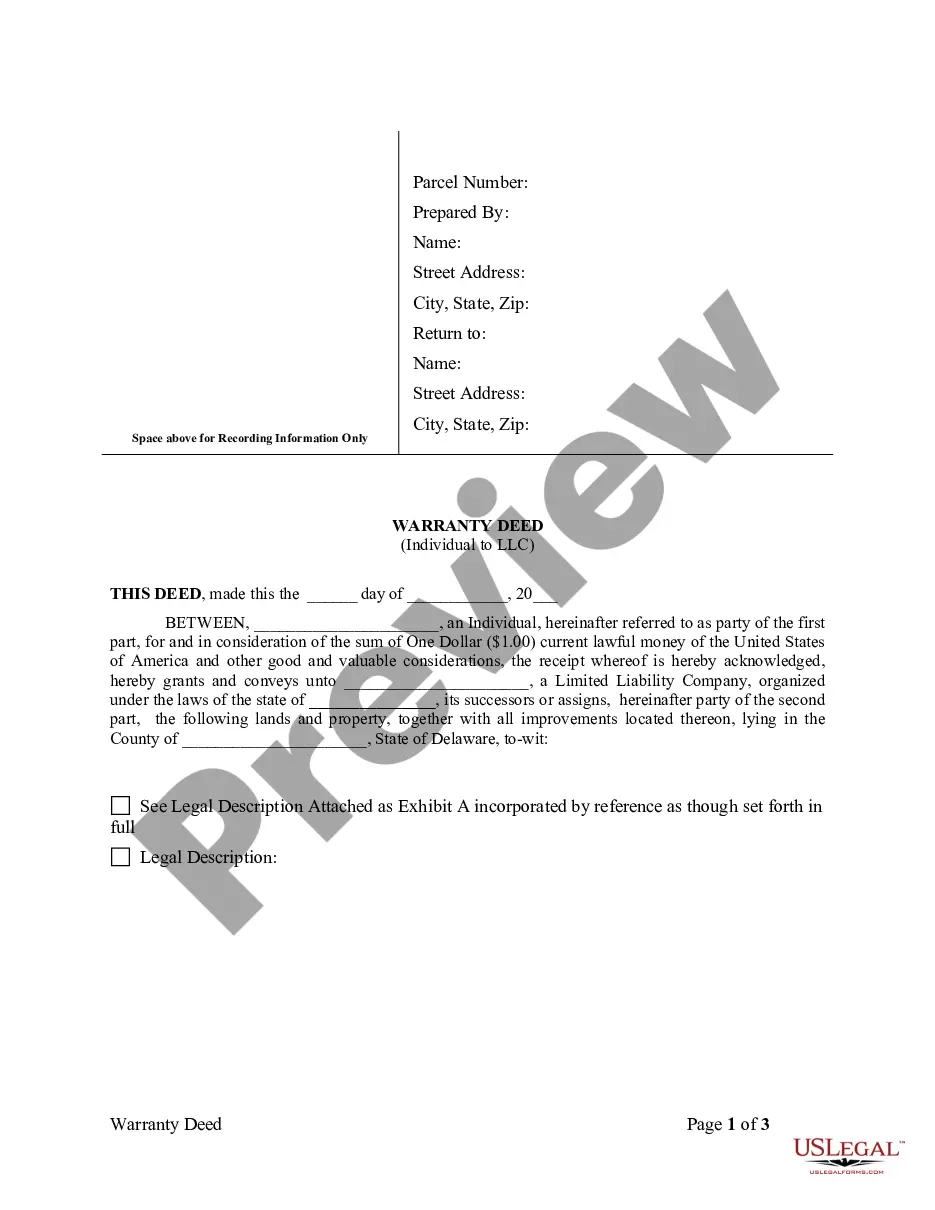
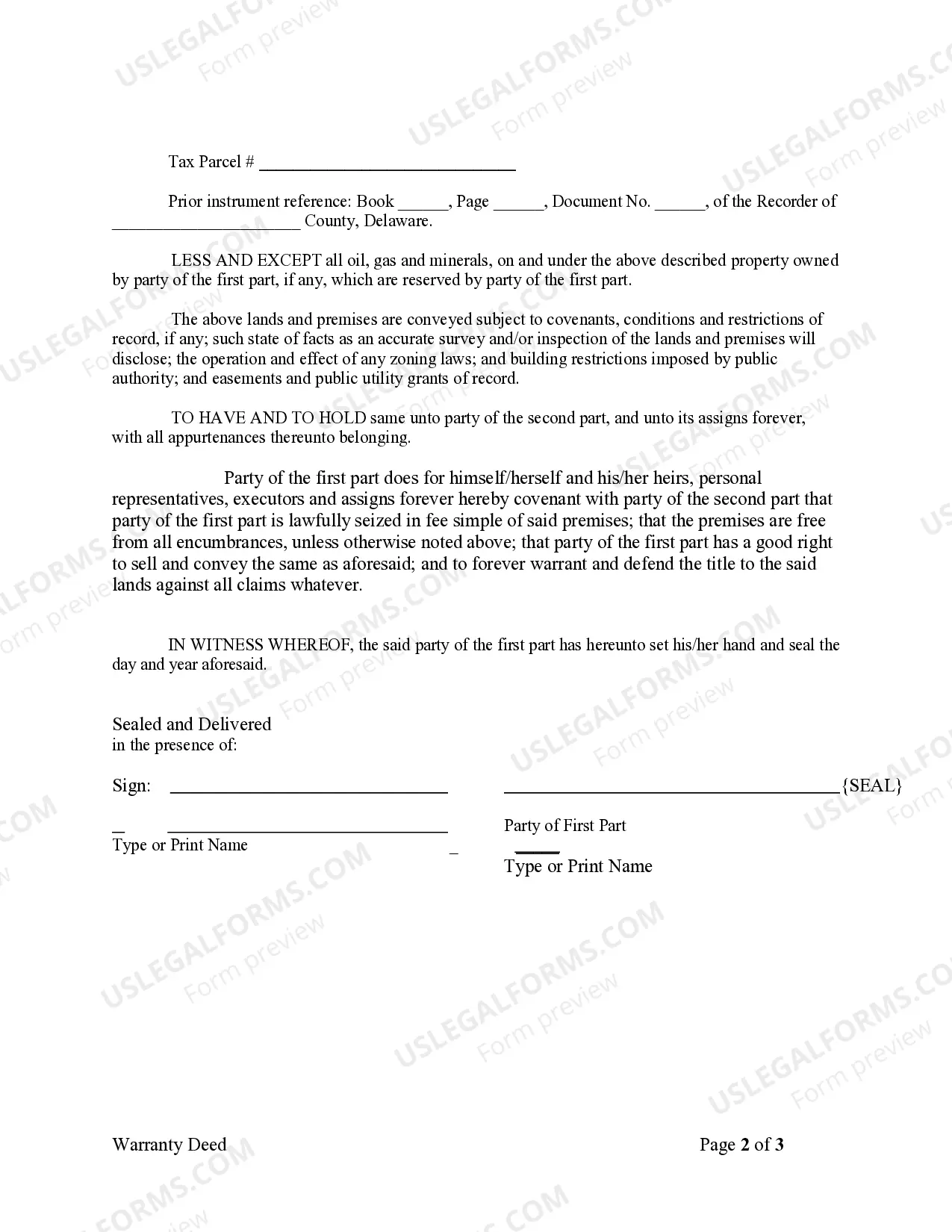
The Warranty Deed from Individual to LLC is a legal document used to transfer property ownership from an individual (the grantor) to a limited liability company (the grantee). This form provides a guarantee that the grantor holds legitimate title to the property and outlines the responsibilities that come with the transfer. Unlike other property transfer forms, this warranty deed ensures that the title is free from encumbrances, except for those specified in the document, which may include reservations such as oil, gas, and minerals.
Key parts of this document
- Identification of the grantor and grantee, including names and addresses.
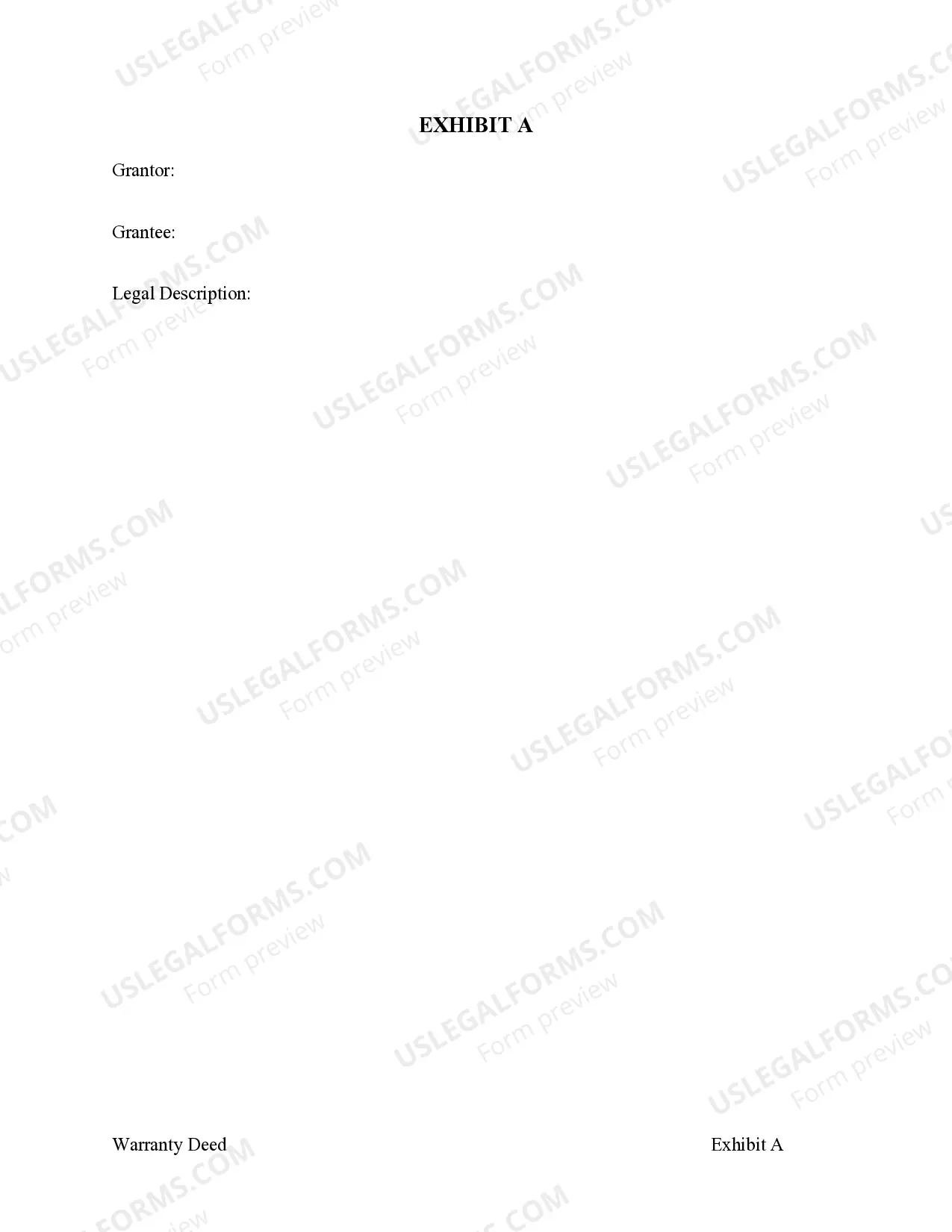
- Description of the property being transferred, which should be detailed in a legal description attachment.
- Clause stating the exceptions to the deed, which may include mineral rights.
- Covenant assuring the grantee that the grantor has a valid title and the right to convey the property.
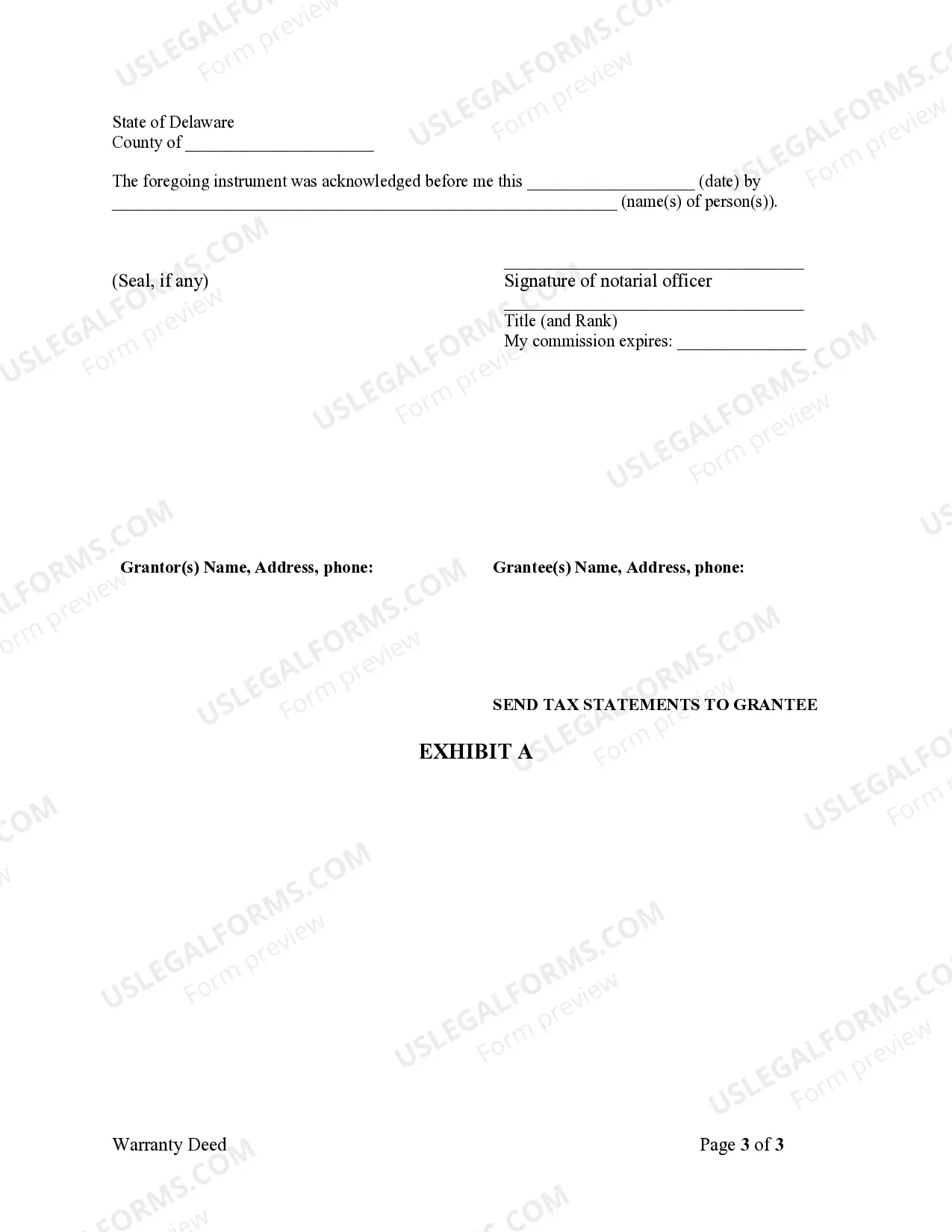
- Signature and date lines for the grantor, including a space for notarization.




When to use this document
This form is necessary when an individual wishes to convey real property to a limited liability company. It may be used in various scenarios, such as when a sole proprietor wants to protect personal assets by transferring property into a business entity, or when a real estate investor is formalizing the ownership structure of investment properties held in an LLC.
Intended users of this form
- Individuals transferring real estate to their own or another LLC.
- Business owners looking to formalize property holdings under a limited liability company.
- Real estate investors who wish to create a business structure to manage their properties.
- Anyone needing to convey title while ensuring lawful ownership protection.
How to complete this form
- Identify the grantor (the individual) and the grantee (the LLC) by providing their full names and addresses.
- Specify the property being transferred, referring to the legal description attached as Exhibit A.
- Include any exceptions to the deed, such as reserved rights to oil, gas, and minerals.
- Have the grantor sign and date the document in the presence of a notary or witness.
- Ensure all required fields are filled out to avoid any issues in the transfer process.
Notarization requirements for this form
This form needs to be notarized to ensure legal validity. US Legal Forms provides secure online notarization powered by Notarize, allowing you to complete the process through a verified video call, available anytime.
Get your form ready online
Our built-in tools help you complete, sign, share, and store your documents in one place.
Make edits, fill in missing information, and update formatting in US Legal Forms—just like you would in MS Word.
Download a copy, print it, send it by email, or mail it via USPS—whatever works best for your next step.
Sign and collect signatures with our SignNow integration. Send to multiple recipients, set reminders, and more. Go Premium to unlock E-Sign.
If this form requires notarization, complete it online through a secure video call—no need to meet a notary in person or wait for an appointment.
We protect your documents and personal data by following strict security and privacy standards.

Make edits, fill in missing information, and update formatting in US Legal Forms—just like you would in MS Word.

Download a copy, print it, send it by email, or mail it via USPS—whatever works best for your next step.

Sign and collect signatures with our SignNow integration. Send to multiple recipients, set reminders, and more. Go Premium to unlock E-Sign.

If this form requires notarization, complete it online through a secure video call—no need to meet a notary in person or wait for an appointment.

We protect your documents and personal data by following strict security and privacy standards.
Typical mistakes to avoid
- Not providing a complete or accurate legal description of the property.
- Omitting necessary signatures or dates from the grantor.
- Failing to include required exceptions or reservations in the deed.
- Not having the form notarized when necessary, based on state requirements.
Benefits of completing this form online
- Immediate availability of the form for download, allowing for quick property transactions.
- Editability options make it easy to customize the form to fit your specific needs.
- Reliable legal templates drafted by licensed attorneys, ensuring compliance with legal standards.
Main things to remember
- The Warranty Deed from Individual to LLC is essential for transferring property ownership to an LLC.
- Ensure that the legal description and any exceptions are accurately noted in the form.
- Notarization is required in most cases for the transfer to be legally recognized.
- Utilizing online resources can simplify and streamline the process of completing the deed.
Looking for another form?
Form popularity
FAQ
To transfer the deed of your house to an LLC, start by drafting a Delaware Warranty Deed from Individual to LLC. This document must include pertinent details such as the property's description and both your name and the LLC's name. Once completed and signed, submit it to your local clerk's office for recording. Always consider consulting with a property attorney to address any specific legal concerns.
To put your property under your LLC, you will need to execute a Delaware Warranty Deed from Individual to LLC. This legal document transfers ownership and should be filled out accurately, specifying your property details. After signing, file the deed with the local government to update public records. It's also wise to inform your insurance company about the ownership change to adjust your coverage.
Transferring a mortgage to your LLC is not a straightforward process. Most mortgages contain a 'due-on-sale' clause, which means the lender can demand full payment if you transfer ownership. That said, you can explore options with your lender to provide consent for the transfer or refinance the mortgage under your LLC. Consulting with a legal expert can help clarify your best course of action.
Transferring assets from personal ownership to your LLC starts with documenting the assets you wish to transfer. You'll want to create a Delaware Warranty Deed from Individual to LLC for real property. This deed should clearly describe the property and name your LLC as the new owner. After signing the deed, file it with the county recorder to ensure the transfer is legally recognized.
While an LLC offers liability protection, it also comes with potential disadvantages for property ownership. First, creating and maintaining an LLC incurs costs such as filing fees, taxes, and annual reports. Second, the transfer of property through a Delaware Warranty Deed from Individual to LLC may complicate your mortgage terms. Overall, weigh the benefits against these factors to ensure your strategy aligns with your goals.
When choosing an LLC for rental property, consider a single-member LLC for simpler management, or a multi-member LLC for shared ownership. The structure you select can affect liability, taxes, and operational decisions. Each option has its benefits, so it is wise to evaluate your specific needs and consult with a legal or financial advisor, especially when planning to execute a Delaware Warranty Deed from Individual to LLC.
To place your rental property in your LLC, you need to create a Delaware Warranty Deed from Individual to LLC. This legal document will transfer ownership from you to your business entity. After executing the deed, file it with your local county recorder's office. Additionally, review your lease agreements and insurance policies to reflect this change, ensuring everything is aligned with your LLC.
Yes, you can file a warranty deed yourself, including a Delaware Warranty Deed from Individual to LLC. However, it is crucial to follow your state's requirements accurately to avoid any legal issues. You may consider using platforms like US Legal Forms for guidance and templates to streamline the filing process. Taking the time to understand the steps ensures a smooth transfer.
To add a property to your existing LLC, you will typically need to execute a Delaware Warranty Deed from Individual to LLC. This deed transfers ownership from you personally to your LLC. Ensure that you file the deed with the local land records office to make the transfer official. Many people find it helpful to consult with a legal professional to navigate this process.
To transfer a warranty deed, you will need to complete the necessary paperwork that includes details about both the grantor and the grantee. After filling out the deed, have it signed, notarized, and then recorded with the appropriate local government office. This process ensures that the transfer is legally recognized and protects all parties involved.