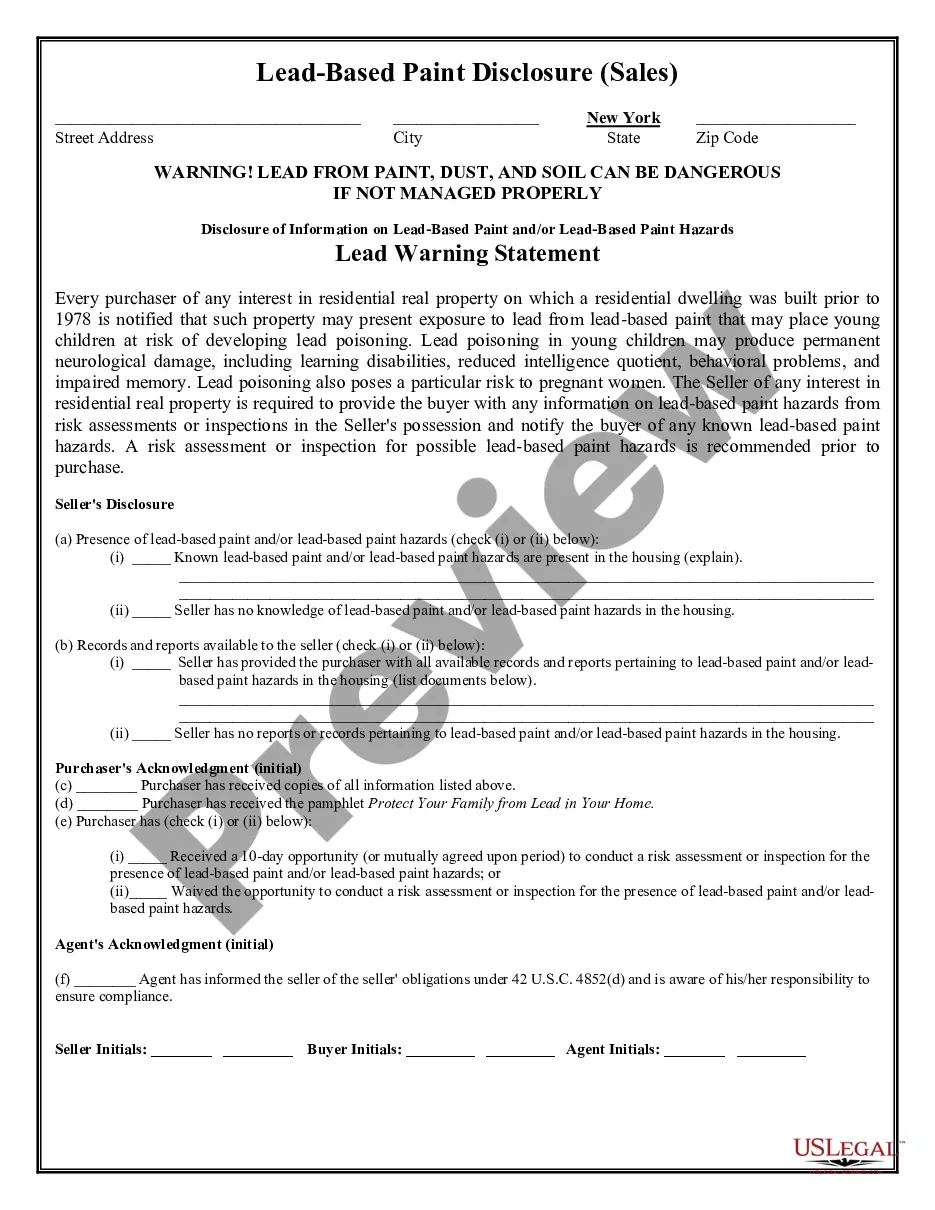
Connecticut Letter from Tenant to Landlord about Insufficient notice of rent increase
Overview of this form
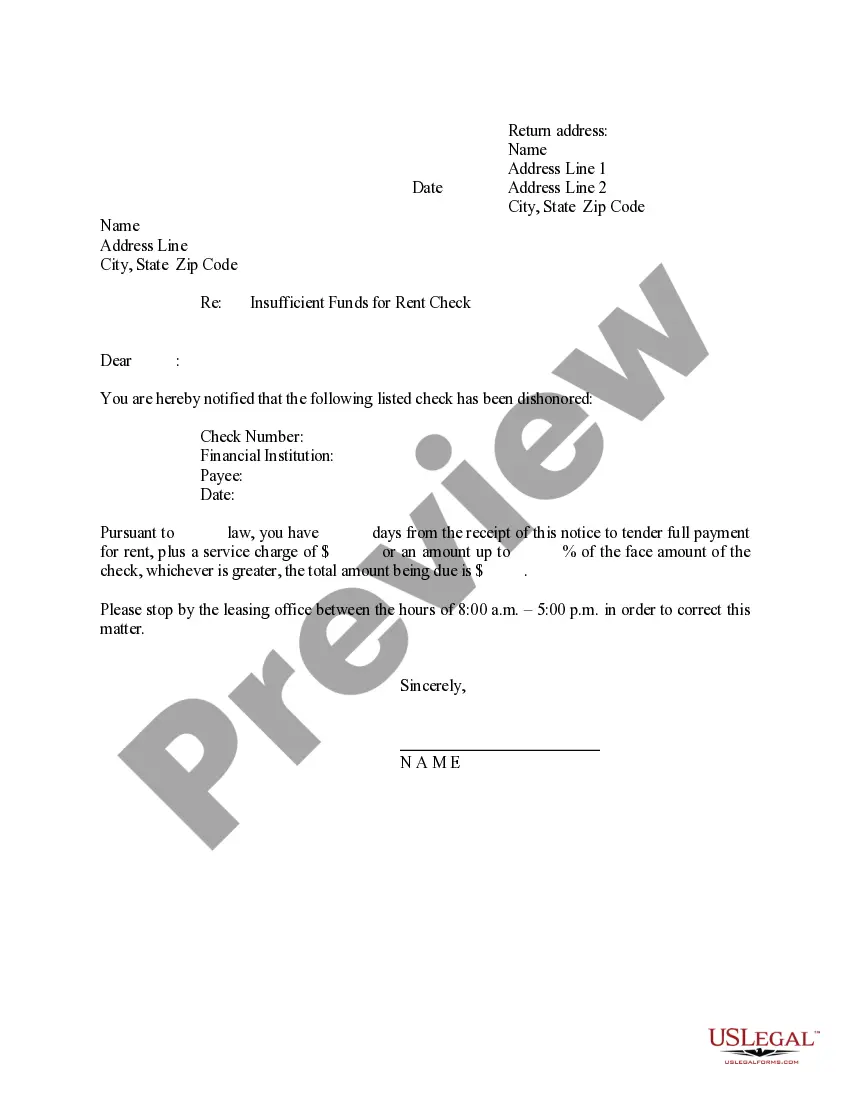
This form is a letter from a tenant to a landlord addressing insufficient notice of a rent increase. It clarifies that, according to law, the proposed rent increase cannot take effect until a full rental period has passed. This form specifically communicates the tenant's intention to continue paying the current rent until the proper notice is given, distinguishing it from other general tenant-landlord correspondence.
Form components explained
- Tenant's information: Includes the tenant's name and contact details.
- Landlord's information: Lists the landlord's name and address.
- Date: The date the letter is being sent.
- Statement of intent: A clear declaration of the tenant's intention to continue paying the current rent amount.
- Legal assertion: A reminder to the landlord about the requirement for proper notice of rent increases.
- Signature line: Space for the tenant's signature to validate the letter.
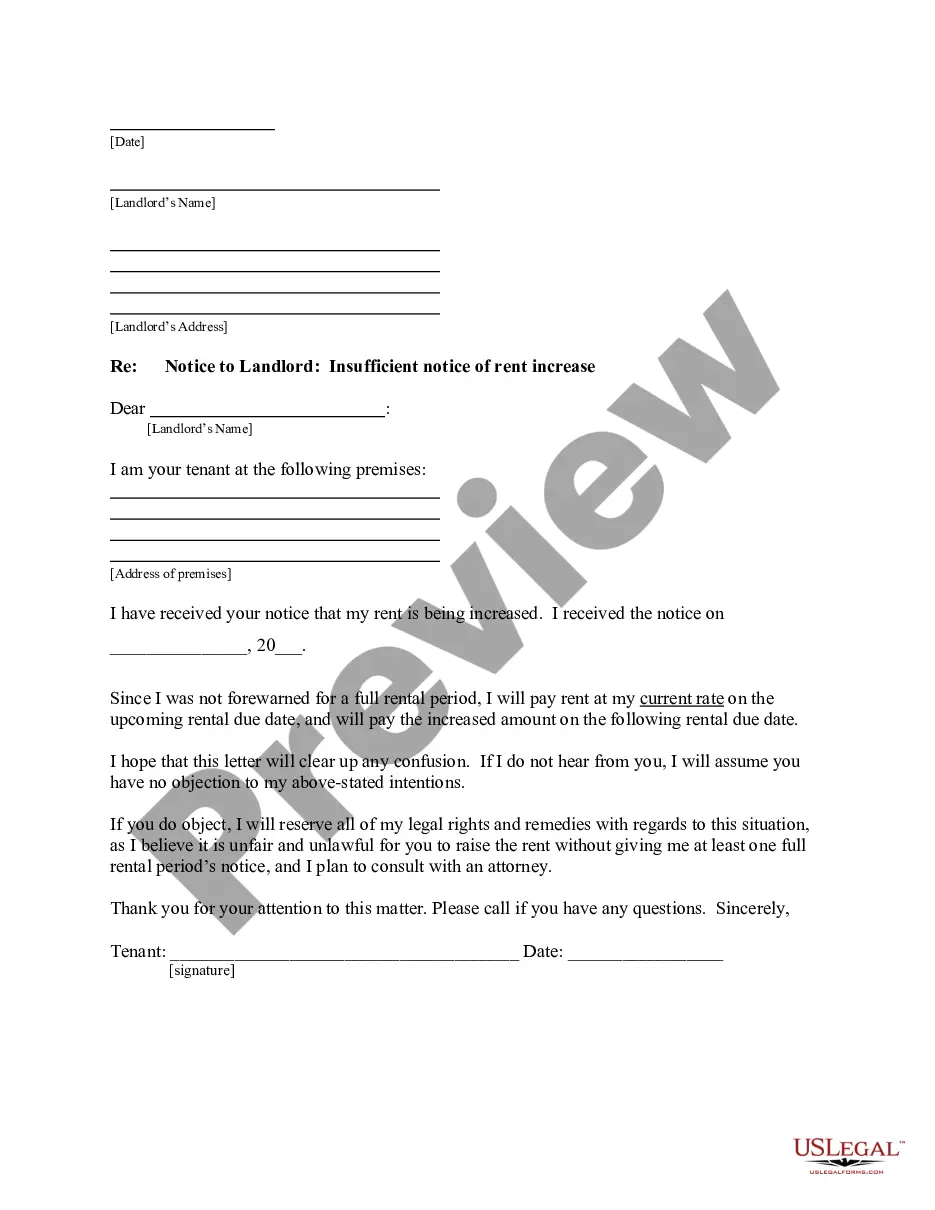
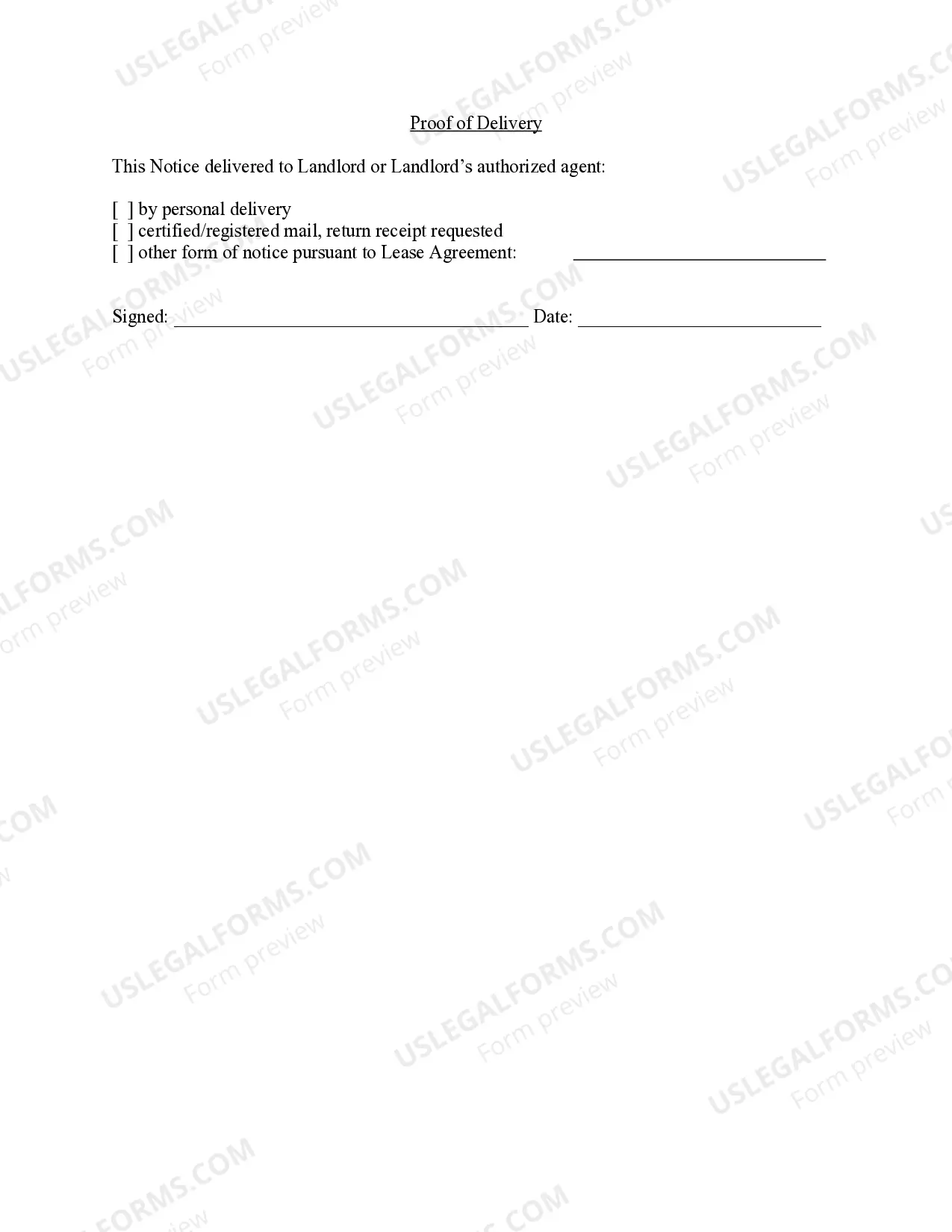
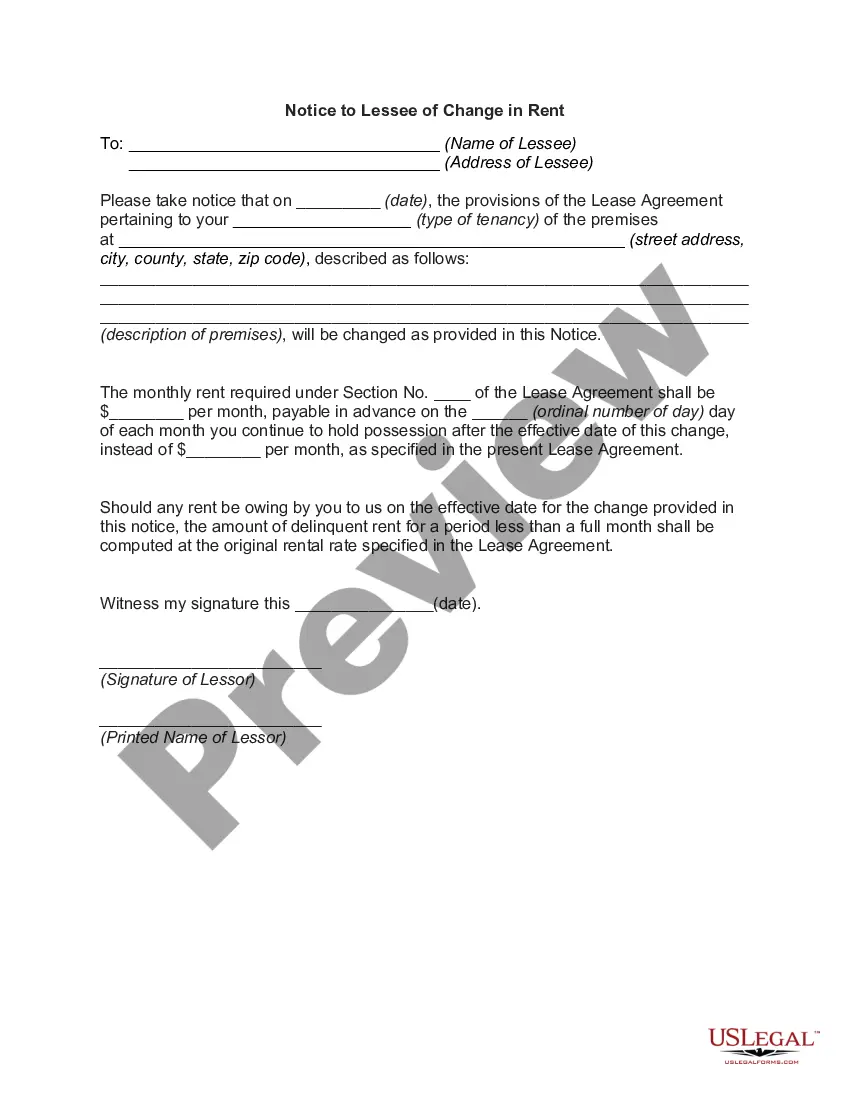

Common use cases
This form should be used when a tenant receives notice of a rent increase that does not comply with the legal requirements for notice, such as failing to provide adequate time for the tenant to prepare for the change. It is particularly relevant for tenants on month-to-month leases who wish to formally notify their landlord of their intent to only accept the increase after a full rental period's notice.
Who should use this form
- Current tenants receiving inadequate notice of a rent increase.
- Individuals on month-to-month rental agreements.
- Tenants seeking to clarify their legal rights related to rent increases.
Steps to complete this form
- Identify the parties: Enter both the tenant's and landlord's names and contact information.
- Specify the date: Write the date you are sending the letter.
- State your intention: Clearly state that you will continue to pay the current rent rate until proper notice is given.
- Include legal assertion: Mention your understanding of the law regarding notice requirements for rent increases.
- Sign the letter: Add your signature to validate the correspondence.
Notarization requirements for this form
This form usually doesn’t need to be notarized. However, local laws or specific transactions may require it. Our online notarization service, powered by Notarize, lets you complete it remotely through a secure video session, available 24/7.
Get your form ready online
Our built-in tools help you complete, sign, share, and store your documents in one place.
Make edits, fill in missing information, and update formatting in US Legal Forms—just like you would in MS Word.
Download a copy, print it, send it by email, or mail it via USPS—whatever works best for your next step.
Sign and collect signatures with our SignNow integration. Send to multiple recipients, set reminders, and more. Go Premium to unlock E-Sign.
If this form requires notarization, complete it online through a secure video call—no need to meet a notary in person or wait for an appointment.
We protect your documents and personal data by following strict security and privacy standards.

Make edits, fill in missing information, and update formatting in US Legal Forms—just like you would in MS Word.

Download a copy, print it, send it by email, or mail it via USPS—whatever works best for your next step.

Sign and collect signatures with our SignNow integration. Send to multiple recipients, set reminders, and more. Go Premium to unlock E-Sign.

If this form requires notarization, complete it online through a secure video call—no need to meet a notary in person or wait for an appointment.

We protect your documents and personal data by following strict security and privacy standards.
Avoid these common issues
- Failing to include important tenant or landlord information.
- Not specifying the date clearly.
- Omitting the statement of intent regarding rent payments.
- Not keeping a copy of the letter for personal records.
Why complete this form online
- Convenience: Access and complete the form from anywhere at any time.
- Editability: Easily modify the form to fit your specific circumstances.
- Reliability: Utilize a legally vetted document prepared by licensed attorneys.
Quick recap
- This letter formally addresses insufficient notice of rent increase.
- It protects your rights as a tenant by stipulating your payment intentions.
- Following proper procedures can help avoid legal disputes.
Looking for another form?






Form popularity
FAQ
When a landlord intends to raise the rent in Connecticut, they are required to give at least 30 days' written notice to the tenant before the increase takes effect. This notice period allows tenants to prepare for the upcoming changes. If the notice period is not met, tenants can file a complaint using a Connecticut Letter from Tenant to Landlord about Insufficient notice of rent increase, ensuring their voice is heard. Addressing such issues promptly can lead to a smoother resolution.
Connecticut does not impose a strict cap on rent increases, allowing landlords to increase rent as deemed appropriate. However, local ordinances or lease agreements may impose additional restrictions. Tenants who feel their rent increase is unreasonable can reference their rights in a Connecticut Letter from Tenant to Landlord about Insufficient notice of rent increase. This letter can serve to initiate a dialogue between the tenant and landlord regarding any discrepancies.
In Connecticut, a landlord must provide written notice to a tenant regarding a rent increase at least 30 days prior to the effective date of the increase. This rule ensures that tenants have sufficient time to adjust their budgets or seek other housing options. If the notice is insufficient, tenants can use a Connecticut Letter from Tenant to Landlord about Insufficient notice of rent increase to address the issue. This formal communication can help clarify the situation and protect tenant rights.
To effectively inform a tenant of a rent increase, begin with a respectful salutation and state the new rental amount. Include the effective date and any relevant reasons for the increase. This clear communication helps ensure the tenant understands the changes, minimizing misunderstandings and disputes.
In Connecticut, if a landlord chooses not to renew a lease, they must provide at least one month's notice. This requirement allows tenants adequate time to make alternate housing arrangements. Understanding these timelines can help tenants respond effectively, possibly with a Connecticut Letter from Tenant to Landlord about Insufficient notice of rent increase if necessary.
When crafting a letter to explain a rent increase, start with a courteous greeting and confirm important details such as the new rental amount and effective date. Clearly justify the reason for the increase and express appreciation for the tenant's residency. This format helps maintain a positive relationship.
To explain a rent increase to a tenant, provide clear reasons for the adjustment, such as increased property maintenance costs or market changes. Be transparent and emphasize the value they receive in return for the increased rent. A considerate explanation fosters trust and may mitigate negative reactions.
To effectively contest a rent increase in Connecticut, start by reviewing your lease agreement and state laws on rent increases. Document any insufficient notice given by the landlord, as this can strengthen your case. Communicating your concerns through a Connecticut Letter from Tenant to Landlord about Insufficient notice of rent increase can also be an effective approach to resolve disputes amicably.
In Connecticut, a landlord must provide at least one month's notice before increasing the rent for any rental agreement. If the lease is for a fixed term, the landlord should follow the terms outlined in the lease. This timely notification is crucial for tenants to understand their financial responsibilities, especially in relation to any Connecticut Letter from Tenant to Landlord about Insufficient notice of rent increase.
To write a formal letter to a tenant, begin with your name and address, followed by the date. Then, include the tenant's name and address. Clearly state the purpose of the letter, and use polite language to express your message. Be professional and ensure the content reflects legal standards.