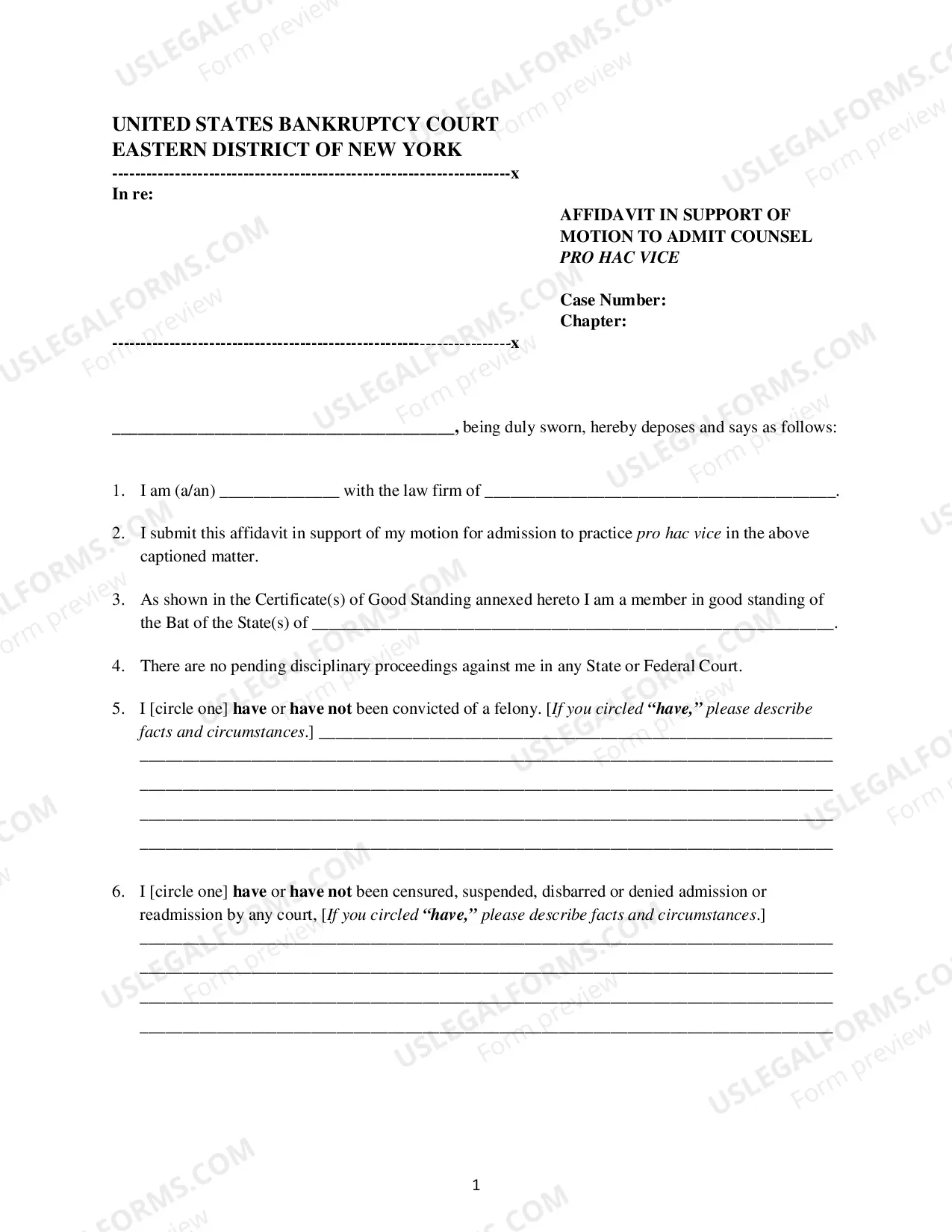
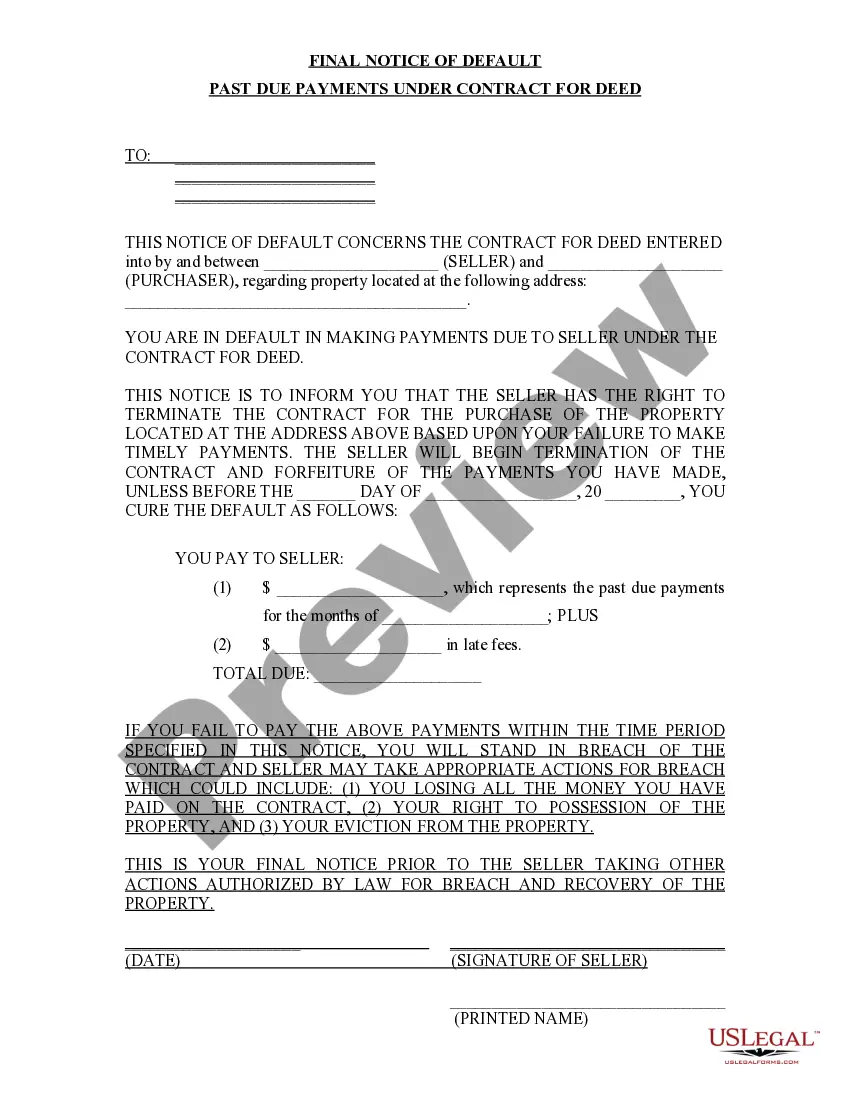
Connecticut Final Notice of Default for Past Due Payments in connection with Contract for Deed
What this document covers
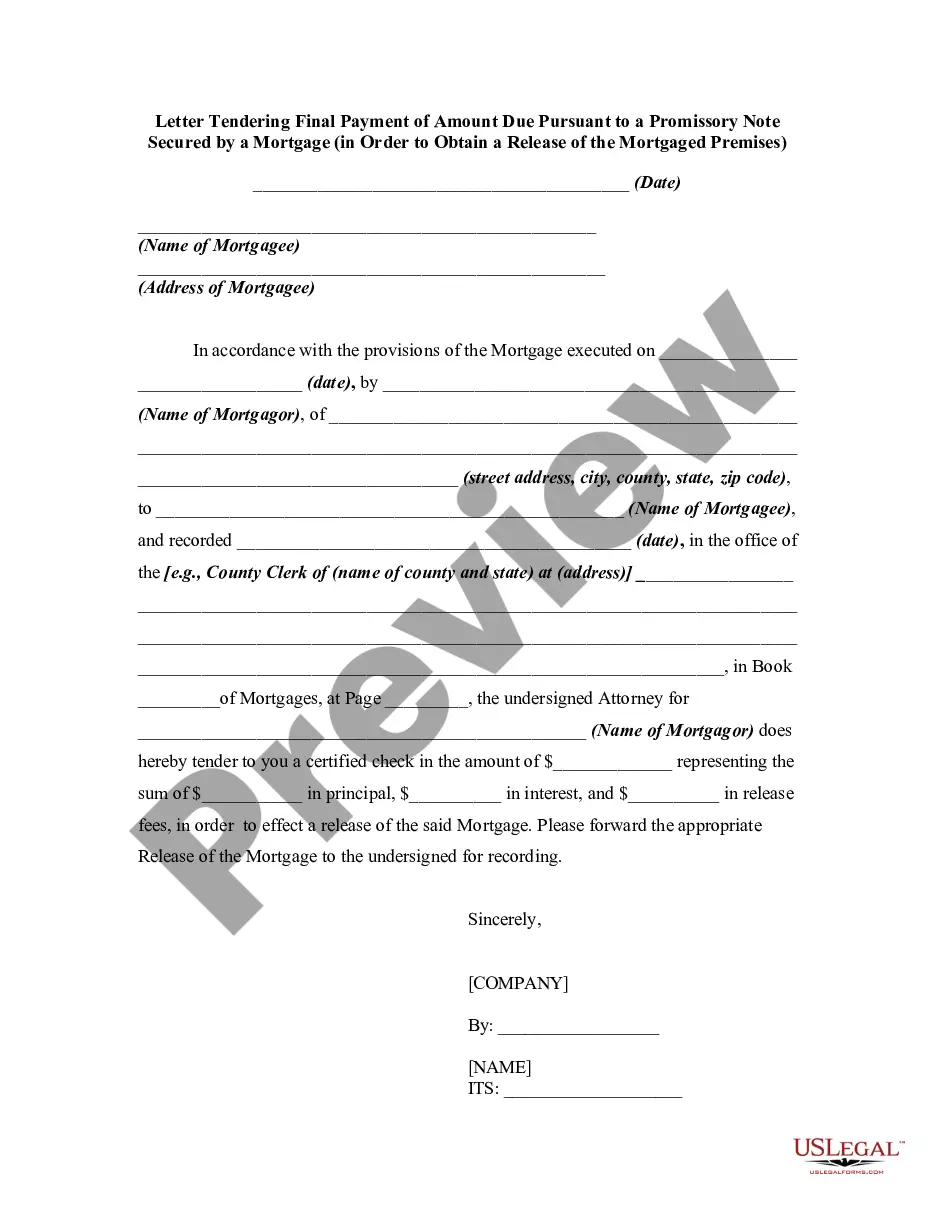
The Final Notice of Default for Past Due Payments in connection with Contract for Deed notifies the purchaser of their failure to make timely payments for a property purchase under a contract for deed. This form serves as a crucial step before the seller can take legal action, outlining the default and providing a final opportunity for the purchaser to remedy the situation. Unlike regular payment reminders, this notice indicates potential termination of the contract and forfeiture of payments if the default is not cured by the specified date.
What’s included in this form
- Parties involved: Names of the seller and purchaser.
- Property details: Address of the property under the contract for deed.
- Default notification: A clear statement of the payment default and its implications.
- Remedy details: Instructions on how the purchaser can cure the default.
- Deadline for payment: Specific date by which payment must be made to avoid legal consequences.
- Seller's signature and date: Confirmation from the seller to validate the notice.

Common use cases
This form should be used when the purchaser of a property under a contract for deed has failed to make their expected payments. If the seller has already provided initial notices or reminders and the default continues, the Final Notice of Default is needed to formally declare the situation and express the seller's intention to terminate the contract if the payment is not made within the specified timeframe.
Who needs this form
- Sellers of property under a contract for deed seeking to inform the purchaser of their default.
- Purchasers who need clarity on their payment obligations and potential consequences of defaulting.
- Attorneys preparing legal documentation in real estate transactions involving contracts for deed.
How to complete this form
- Identify the parties: Fill in the names of the seller and purchaser at the beginning of the form.
- Specify the property: Enter the address of the property involved in the contract for deed.
- Detail the payments due: Clearly state the amount of past due payments and any late fees owed.
- Set the cure date: Indicate the deadline by which the purchaser must make the payment to avoid default.
- Obtain the seller's signature: Ensure the seller signs and dates the form to validate the notice.
Is notarization required?
This form needs to be notarized to ensure legal validity. US Legal Forms provides secure online notarization powered by Notarize, allowing you to complete the process through a verified video call, available anytime.
Get your form ready online
Our built-in tools help you complete, sign, share, and store your documents in one place.
Make edits, fill in missing information, and update formatting in US Legal Forms—just like you would in MS Word.
Download a copy, print it, send it by email, or mail it via USPS—whatever works best for your next step.
Sign and collect signatures with our SignNow integration. Send to multiple recipients, set reminders, and more. Go Premium to unlock E-Sign.
If this form requires notarization, complete it online through a secure video call—no need to meet a notary in person or wait for an appointment.
We protect your documents and personal data by following strict security and privacy standards.
Make edits, fill in missing information, and update formatting in US Legal Forms—just like you would in MS Word.
Download a copy, print it, send it by email, or mail it via USPS—whatever works best for your next step.
Sign and collect signatures with our SignNow integration. Send to multiple recipients, set reminders, and more. Go Premium to unlock E-Sign.

If this form requires notarization, complete it online through a secure video call—no need to meet a notary in person or wait for an appointment.
We protect your documents and personal data by following strict security and privacy standards.
Mistakes to watch out for
- Failing to accurately fill in the parties' names or property address.
- Not clearly stating the total amount past due or including late fees.
- Missing the deadline for the purchaser to cure the default.
- Neglecting to sign and date the notice, which can render it invalid.
Benefits of completing this form online
- Convenient access: Download the form anytime you need it without visiting a legal office.
- Editability: Customize the template to fit your specific situation easily.
- Reliability: Use forms drafted by licensed attorneys to ensure compliance with legal standards.
Legal use & context
- The Final Notice of Default serves as an official legal document indicating a breach of contract.
- Failure to respond to this notice can lead to eviction and loss of any payments made on the property.
- It is a critical step in the foreclosure process for properties under contract for deed.
Summary of main points
- The Final Notice of Default is a crucial document to understand in a contract for deed scenario.
- It sets clear expectations and consequences for the purchaser regarding overdue payments.
- Treat this notice as a serious step towards potential legal action.
- Timely completion and delivery of this form can effectively communicate the seller's position.
Looking for another form?
Form popularity
FAQ
To have a foreclosure dismissed, you typically need to prove that you've resolved the issues leading to the default. The court may dismiss the case if you can provide evidence of payment or negotiate a satisfactory arrangement with your lender. A Connecticut Final Notice of Default for Past Due Payments in connection with Contract for Deed can guide you in addressing outstanding issues effectively. Legal support can also help navigate this process.
In Connecticut, the foreclosure process can take several months, often longer than a year. Key factors include the court's schedule and whether negotiations such as mediation occur. A Connecticut Final Notice of Default for Past Due Payments in connection with Contract for Deed marks the beginning of this timeline. Therefore, early intervention can significantly influence the duration and outcome of the process.
A written notice of default is an official document that notifies you of missed payments on your mortgage. This notice usually details the amounts due and the steps required to remedy the default. In Connecticut, a Connecticut Final Notice of Default for Past Due Payments in connection with Contract for Deed specifies your obligations and the timeline for rectifying your situation. The sooner you address it, the better your options become.
A request for notice of default is a formal demand for notification of any default related to your mortgage or home payments. In Connecticut, this notice serves as a warning about a Connecticut Final Notice of Default for Past Due Payments in connection with Contract for Deed. It is crucial to understand that this request is a way for lenders to protect their interests. This means you should take action to avoid penalties.
Receiving a default notice indicates that you have fallen behind on your payments. A Connecticut Final Notice of Default for Past Due Payments in connection with Contract for Deed alerts you to the seriousness of the situation. If you do not address the issue, your lender may initiate foreclosure proceedings, impacting your home ownership status. Address the notice immediately to explore potential solutions.
1Contact the other party and ask whether they are willing to negotiate the cancellation of the contract.2Offer the other party an incentive to cancel the contract for deed.How to Cancel a Contract for a Deed: 14 Steps (with Pictures)\nwww.wikihow.com > Cancel-a-Contract-for-a-Deed