California Notice of Assignment to Living Trust
Understanding this form
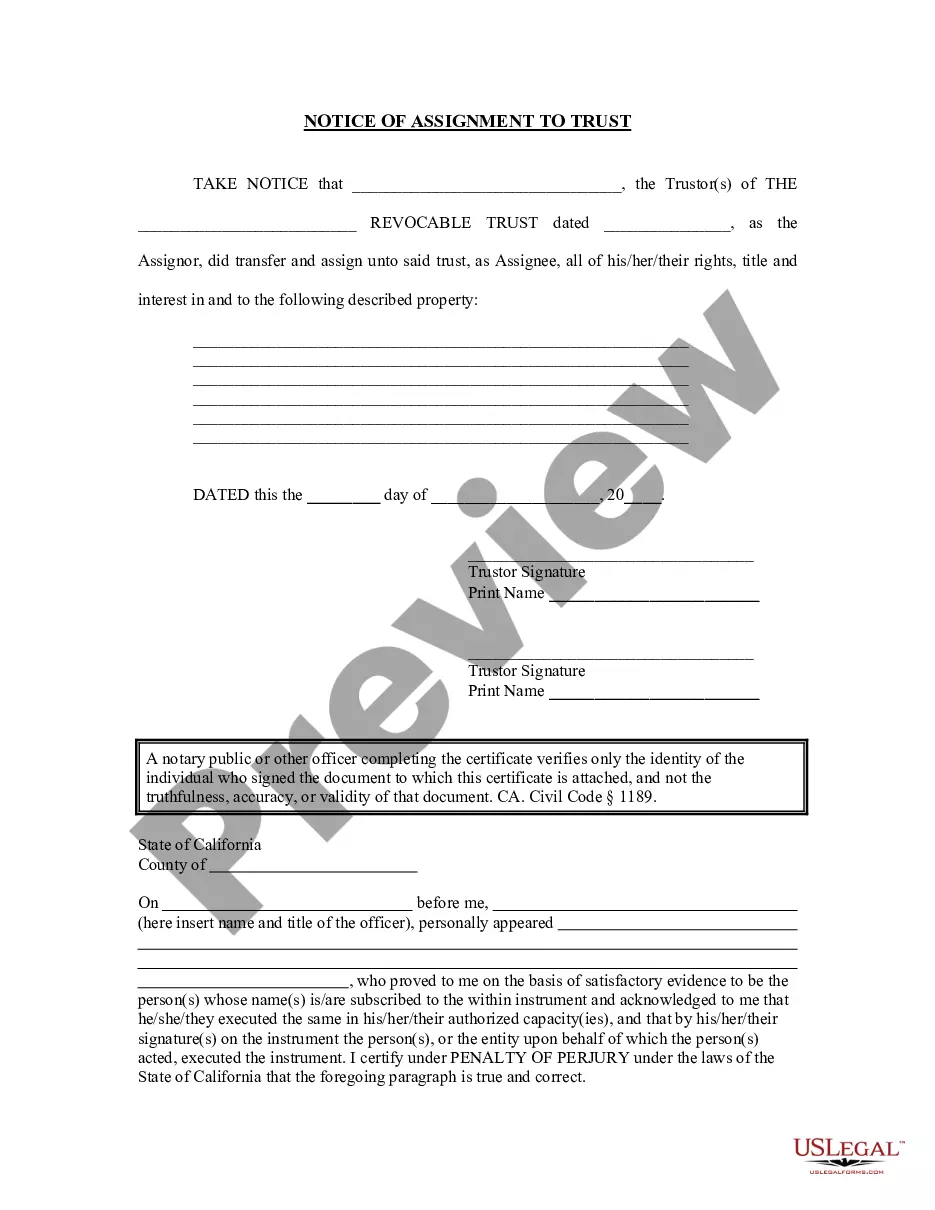
The Notice of Assignment to Living Trust is a legal document that notifies interested parties that the trustor has transferred their assets into a living trust. This form is essential for estate planning, as it outlines the specific property assigned to the trust and serves as an official notice of that transfer. Unlike other estate planning documents, this notice specifically details the assignment of personal property to a living trust while maintaining the trustor's rights during their lifetime.
Key parts of this document
- Names of the Trustor(s) and the Revocable Trust
- Description of the property being transferred
- Signatures of the Trustor(s)
- Notary acknowledgment section
- Date of the assignment
Situations where this form applies
This form should be used when a trustor wishes to officially assign their property to a living trust. It is often necessary during the estate planning process to ensure that assets are managed according to the trustor's wishes after their passing. You may also need this form to resolve any discrepancies regarding property ownership or to clarify the trust's benefits to beneficiaries.
Who this form is for
- Individuals establishing a living trust during their lifetime
- Trustors looking to assign their property to a living trust
- Estate planners or legal professionals assisting clients with asset management
Steps to complete this form
- Identify the trustor(s) and enter their names in the designated section.
- Fill in the name of the revocable trust along with the date it was established.
- Clearly describe the property being assigned to the trust.
- Have all trustors sign the notice, ensuring the print names are also included.
- Include the date on which the assignment takes place.
- Complete the notary section to finalize the document.
Does this document require notarization?
This form needs to be notarized to ensure legal validity. US Legal Forms provides secure online notarization powered by Notarize, allowing you to complete the process through a verified video call, available anytime.
Get your form ready online
Our built-in tools help you complete, sign, share, and store your documents in one place.
Make edits, fill in missing information, and update formatting in US Legal Forms—just like you would in MS Word.
Download a copy, print it, send it by email, or mail it via USPS—whatever works best for your next step.
Sign and collect signatures with our SignNow integration. Send to multiple recipients, set reminders, and more. Go Premium to unlock E-Sign.
If this form requires notarization, complete it online through a secure video call—no need to meet a notary in person or wait for an appointment.
We protect your documents and personal data by following strict security and privacy standards.
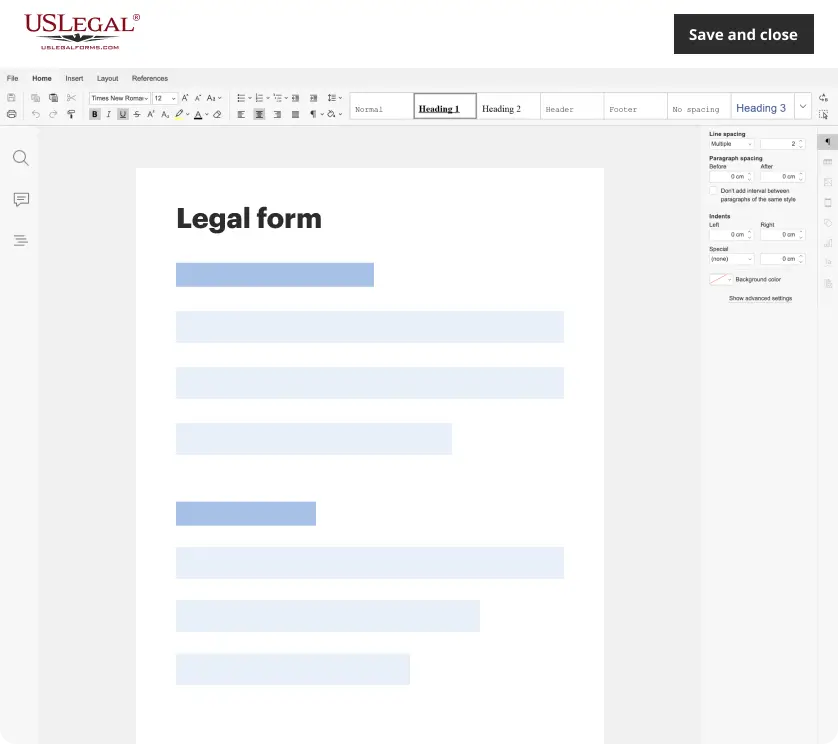
Make edits, fill in missing information, and update formatting in US Legal Forms—just like you would in MS Word.
Download a copy, print it, send it by email, or mail it via USPS—whatever works best for your next step.
Sign and collect signatures with our SignNow integration. Send to multiple recipients, set reminders, and more. Go Premium to unlock E-Sign.

If this form requires notarization, complete it online through a secure video call—no need to meet a notary in person or wait for an appointment.
We protect your documents and personal data by following strict security and privacy standards.
Common mistakes to avoid
- Failing to describe the assigned property accurately.
- Not obtaining the required signatures from all trustors.
- Omitting the date of the assignment.
- Neglecting to have the document notarized if required by state law.
Benefits of completing this form online
- Convenient access to legal forms anytime and anywhere.
- Editable templates that allow you to customize the document to suit your needs.
- Ensured compliance with current legal standards and best practices.
Legal use & context
- This form is a critical part of estate planning and establishing a living trust in California.
- It helps prevent future disputes regarding the ownership and management of the assigned property.
- Properly completed forms are essential for the enforceability of trust provisions and asset management.
What to keep in mind
- The Notice of Assignment to Living Trust is essential for formally transferring property into a living trust.
- Accurate completion and notarization are critical to ensure the document's validity.
- The form is intended for trustors and estate planners managing trust-related matters.
Looking for another form?
Form popularity
FAQ
In California, the trustee must notify beneficiaries and heirs about the existence of the trust, as well as any pertinent changes. This notice typically outlines the trust's terms and informs recipients of their rights regarding the trust assets. By adhering to the guidelines outlined in the California Notice of Assignment to Living Trust, the trustee can ensure compliance and proper communication with all parties involved.
Transferring property to a living trust in California involves changing the title of the property to reflect the trust's name. This process often requires filing specific forms with your county's recorder office. Implementing the California Notice of Assignment to Living Trust during this transfer can simplify the procedure and ensure that the property's ownership is transferred correctly.
To amend an existing living trust in California, you generally need to create a written document that clearly states the changes you wish to make. This typically requires signing the amendment in front of a notary to ensure its validity. Remember, a well-drafted California Notice of Assignment to Living Trust can help clarify any revisions you make, safeguarding your intentions.
Beneficiaries of a trust are typically notified through a formal communication sent by the trustee. This notification often includes details regarding the trust terms, their rights, and how the assets will be managed or distributed. Utilizing the California Notice of Assignment to Living Trust can help streamline this communication process, ensuring beneficiaries understand their entitlements clearly.
A common mistake parents make when setting up a trust fund is failing to fund it properly, which can lead to complications down the line. If assets are not transferred into the trust, it may not serve its intended purpose and could complicate the distribution of your estate. Keeping the California Notice of Assignment to Living Trust in mind can help ensure that all necessary documents are completed efficiently, minimizing any potential hiccups.
One potential disadvantage of placing your house in a trust in California is the associated costs, which may include initial setup fees and ongoing management expenses. Additionally, transferring title to a living trust might complicate your property tax situation, especially if you qualify for certain exemptions. This is where understanding the California Notice of Assignment to Living Trust comes into play, ensuring that the process aligns with your estate planning goals.
In California, a living trust does not require court filing. You create it to manage your assets during your lifetime and to distribute them after your passing. The California Notice of Assignment to Living Trust serves to formalize the transfer of assets into the trust, but it's not a court document. For assistance with this process and to learn more about managing your trust, consider using our platform at uslegalforms.
An assignment to a trust refers to the process of transferring ownership of assets into a trust to benefit the beneficiaries. This action is essential for the effective management of a living trust, as it allows the trust to operate as a separate legal entity. By completing a California Notice of Assignment to Living Trust, you confirm the assets designated for the trust, which helps streamline future distributions and protect the trust’s benefits.
The 16061.7 notice is provided to beneficiaries and heirs when a trust is created or modified. This notice informs them about the trust's existence and their rights under its provisions. If you have received a California Notice of Assignment to Living Trust, it signifies eligibility to receive this critical information, ensuring that all interested parties are properly informed.
In California, beneficiaries of a trust generally have the right to view the trust document. This access ensures beneficiaries understand the terms and conditions outlined within the trust, which is essential for managing expectations about asset distribution. If you have received a California Notice of Assignment to Living Trust, you are likely one of the individuals entitled to inspect the trust.