California Letter from Landlord to Tenant about Tenant engaging in illegal activity in premises as documented by law enforcement and if repeated, lease terminates
About this form
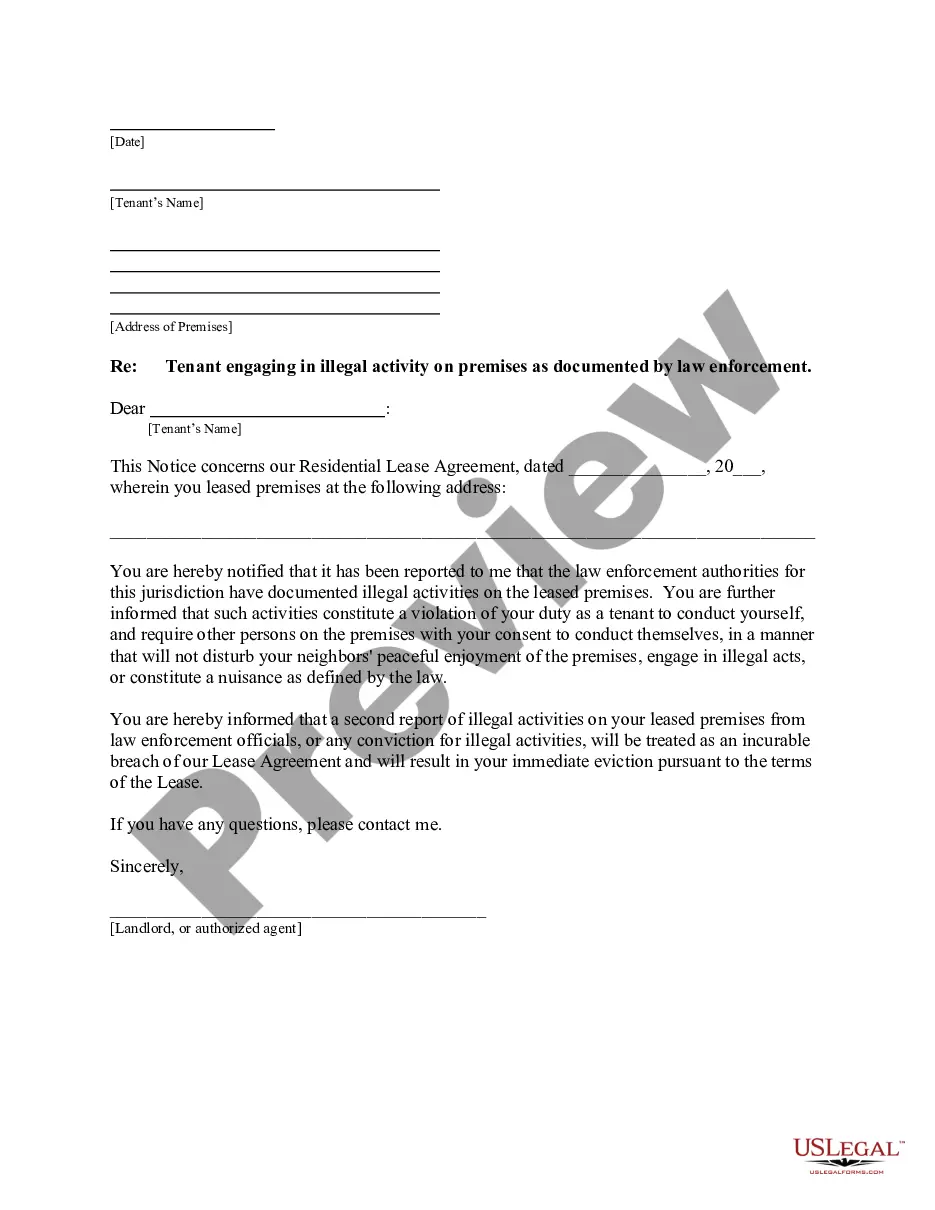
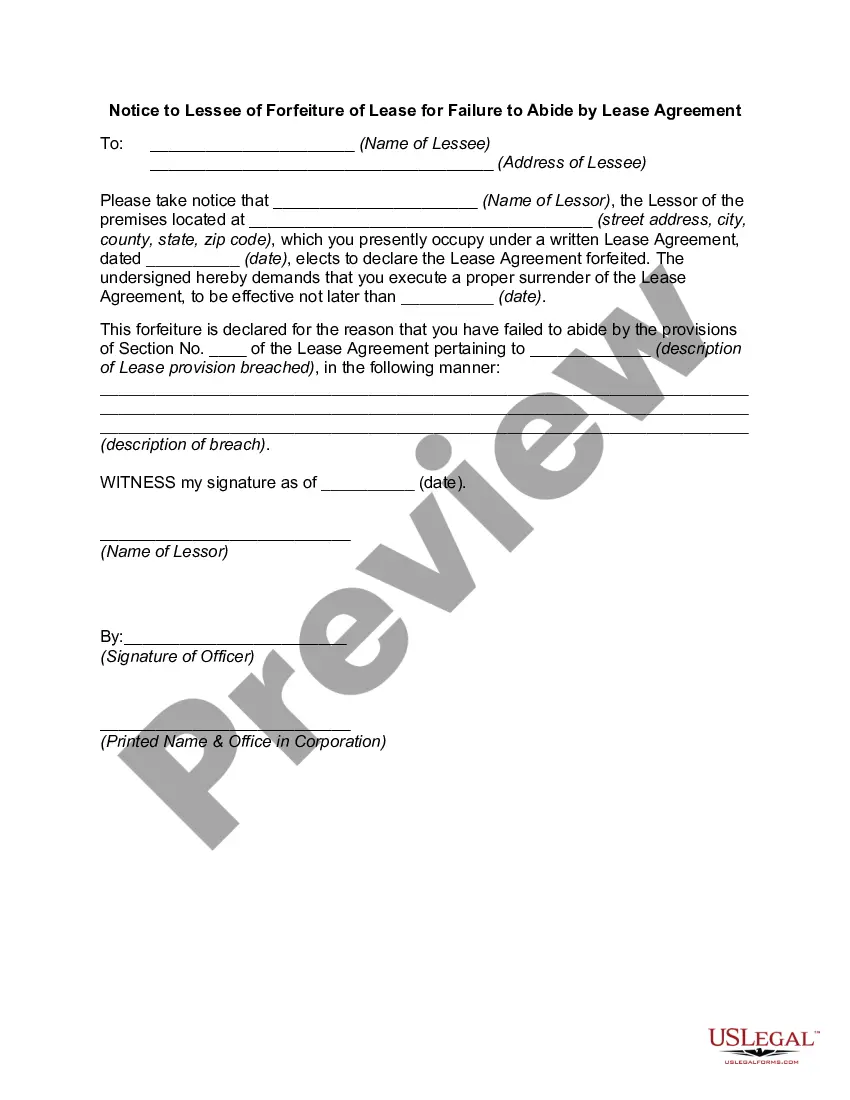
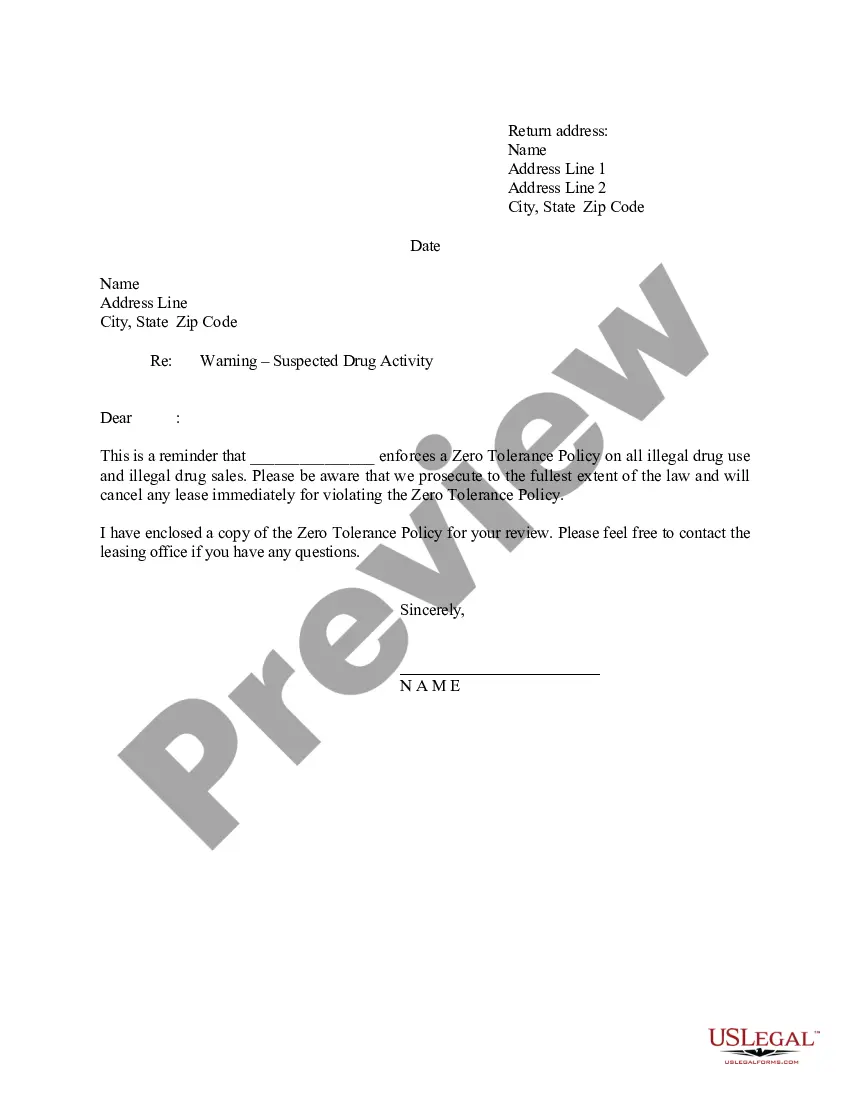
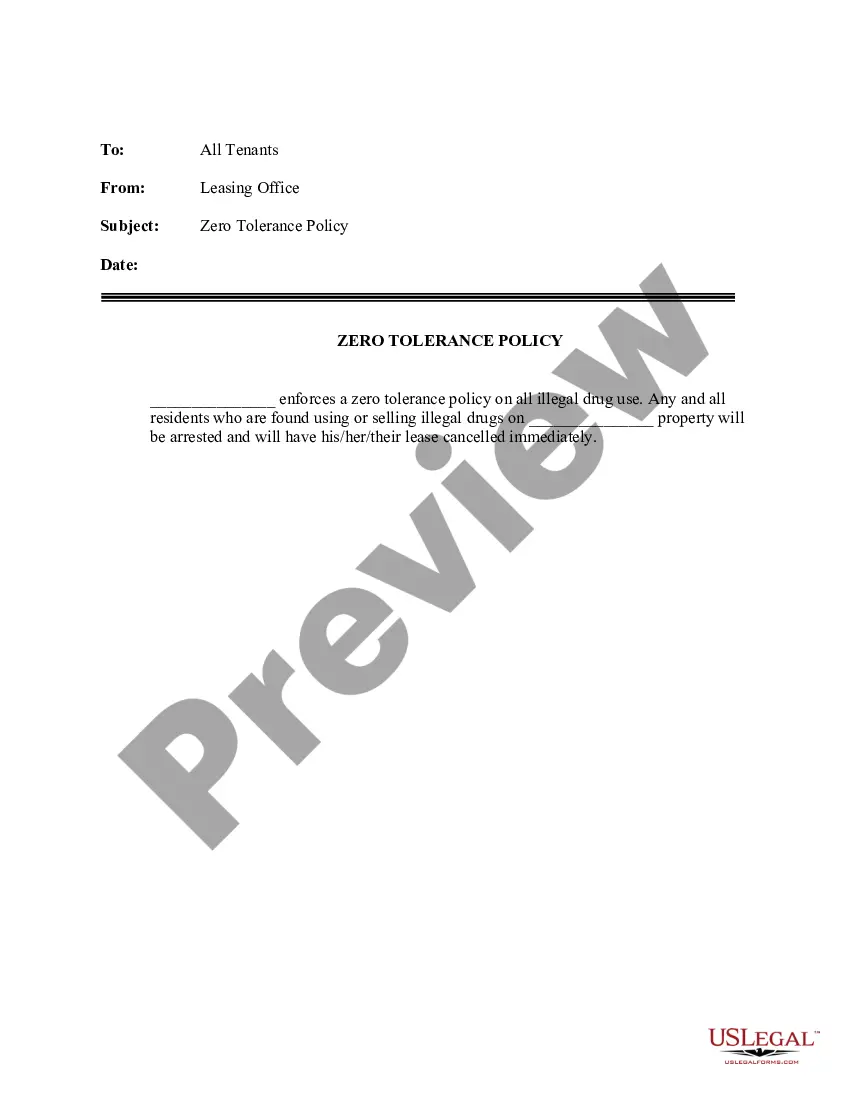
This letter from the landlord to the tenant addresses reported illegal activity on the leased premises. Its purpose is to formally demand that the tenant cease such activities, which have been documented by law enforcement. This letter serves as both a warning and a notice that repeated violations could lead to termination of the lease agreement.
What’s included in this form
- Notification of illegal activity reported by law enforcement.
- Clarification of the tenant's responsibilities to maintain a lawful environment.
- Consequences of continued illegal activity, including lease termination.
- Instructions on how the tenant can reach out with questions.

When to use this form
This form is essential for landlords who need to formally notify tenants of illegal activities occurring on the property. Use it when law enforcement has documented these activities and you wish to provide a clear warning that may lead to eviction if the behavior continues. This ensures compliance with legal standards and protects the landlord's rights while maintaining tenant accountability.
Who can use this document
This form is intended for:
- Landlords or property managers with tenants engaging in illegal activities.
- Property owners who want to ensure compliance with lease agreements.
- Anyone responsible for a rental property who needs to address misconduct by tenants.
Instructions for completing this form
- Identify the parties involved: include the landlord's and tenant's names.
- Specify the lease agreement date and property address.
- Detail the illegal activities reported by law enforcement.
- Outline potential consequences for continued illegal activity.
- Sign the letter and include the date.
- Provide contact information for any questions or clarifications.
Does this document require notarization?
Notarization is not commonly needed for this form. However, certain documents or local rules may make it necessary. Our notarization service, powered by Notarize, allows you to finalize it securely online anytime, day or night.
Get your form ready online
Our built-in tools help you complete, sign, share, and store your documents in one place.
Make edits, fill in missing information, and update formatting in US Legal Forms—just like you would in MS Word.
Download a copy, print it, send it by email, or mail it via USPS—whatever works best for your next step.
Sign and collect signatures with our SignNow integration. Send to multiple recipients, set reminders, and more. Go Premium to unlock E-Sign.
If this form requires notarization, complete it online through a secure video call—no need to meet a notary in person or wait for an appointment.
We protect your documents and personal data by following strict security and privacy standards.
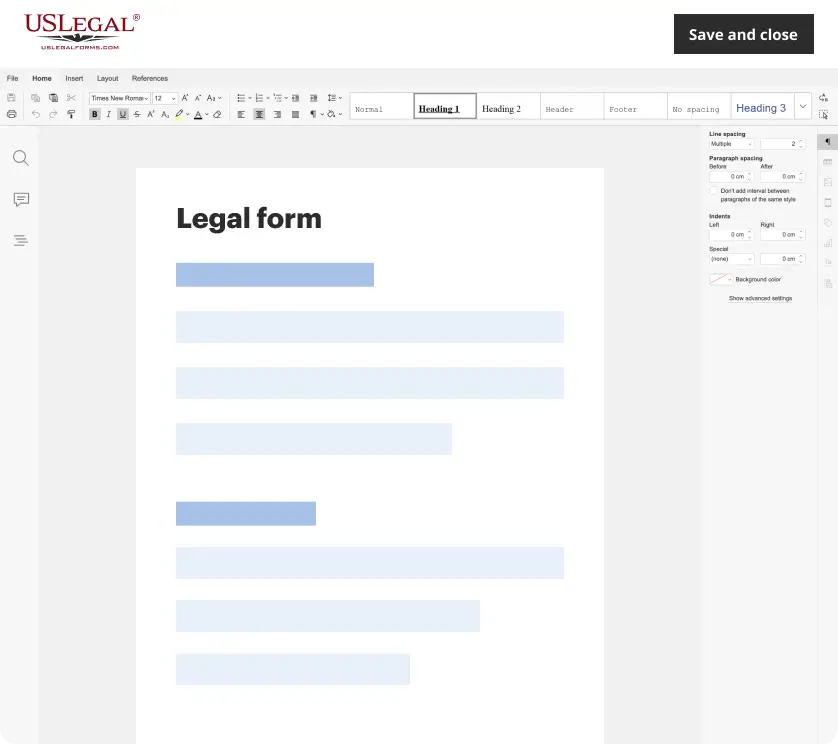
Make edits, fill in missing information, and update formatting in US Legal Forms—just like you would in MS Word.
Download a copy, print it, send it by email, or mail it via USPS—whatever works best for your next step.
Sign and collect signatures with our SignNow integration. Send to multiple recipients, set reminders, and more. Go Premium to unlock E-Sign.
If this form requires notarization, complete it online through a secure video call—no need to meet a notary in person or wait for an appointment.
We protect your documents and personal data by following strict security and privacy standards.
Avoid these common issues
- Failing to provide specific details about the reported activity.
- Not including accurate contact information for follow-up.
- Omitting the consequences of further violations.
Why complete this form online
- Convenience of instant download and access from anywhere.
- Edit and customize the letter to reflect your specific situation.
- Ensures that all legal language is appropriate and in compliance with regulations.
Key takeaways
- This letter is a formal warning required for landlords facing illegal tenant activities.
- It clearly outlines tenant responsibilities and potential consequences for violations.
- Completing the form correctly can help protect your rights as a landlord.
Looking for another form?
Form popularity
FAQ
To give notice to a tenant to vacate in California, prepare a written notice and clearly specify the deadline for moving out. This can be done by providing a California Letter from Landlord to Tenant about Tenant engaging in illegal activity in premises as documented by law enforcement and if repeated, lease terminates if applicable. Ensure you include all relevant details, and serve the notice in accordance with state laws to validate the eviction process smoothly.
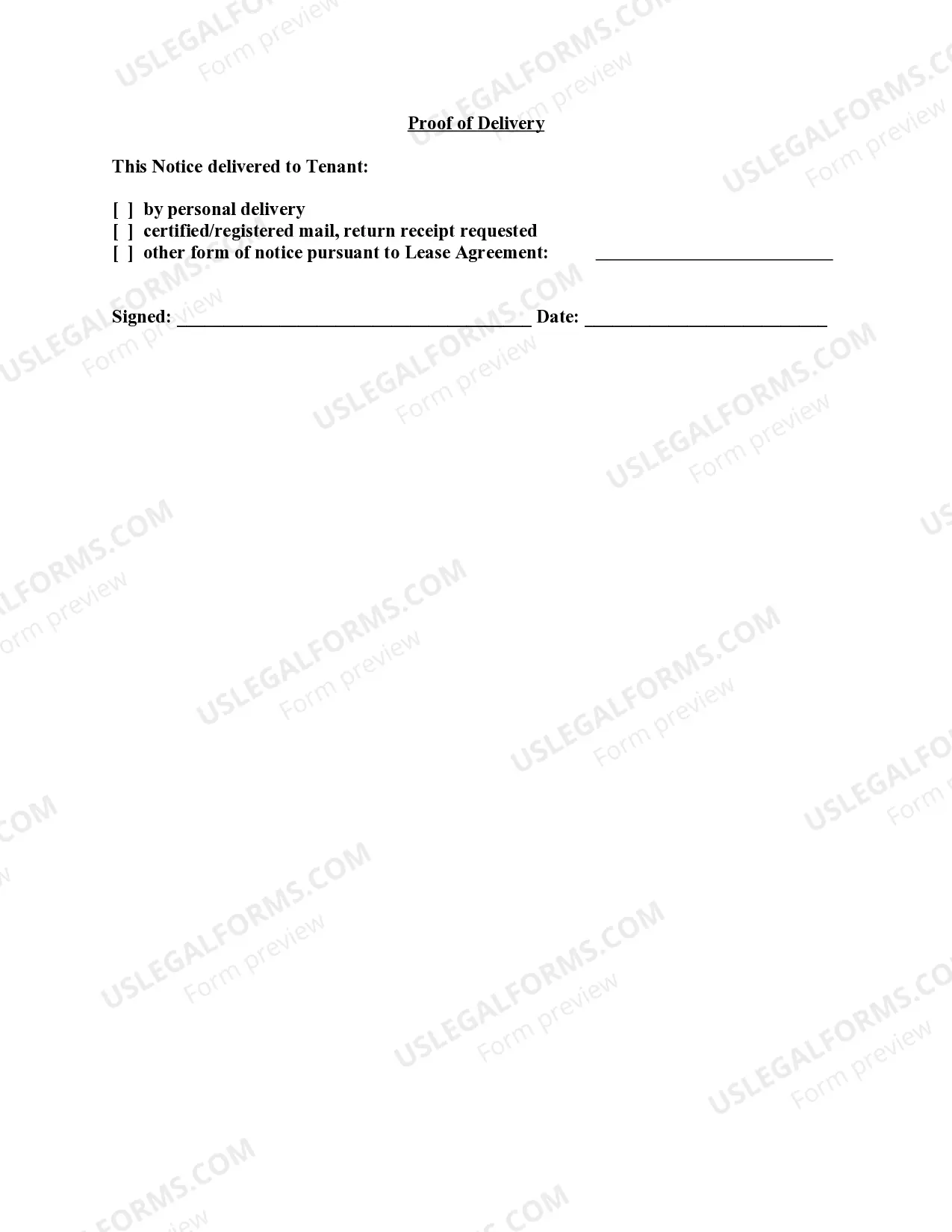
To serve a notice on a residential tenant in California, you can deliver it personally, leave it with someone at the tenant's home, or send it via certified mail with a return receipt. Ensure that the notice includes all necessary information, especially if it addresses issues related to illegal activity, such as the California Letter from Landlord to Tenant about Tenant engaging in illegal activity in premises as documented by law enforcement and if repeated, lease terminates. Accurate delivery is crucial to uphold the notice's validity.
The fastest way to evict a tenant in California typically involves filing an unlawful detainer action in court. It's essential to complete all prior notice requirements first, especially if you have issued a California Letter from Landlord to Tenant about Tenant engaging in illegal activity in premises as documented by law enforcement and if repeated, lease terminates. This legal process can expedite your situation, but it requires adherence to legal procedures.
In California, the notice period depends on the nature of the violation. For most situations, landlords must provide at least 30 days' notice. However, for serious violations, such as the California Letter from Landlord to Tenant about Tenant engaging in illegal activity in premises as documented by law enforcement and if repeated, lease terminates, a shorter notice period may apply. Always ensure that the notice complies with state laws to avoid complications.
To give a tenant notice in California, you must prepare a formal written document outlining the issue. It is advisable to send this notice using certified mail or deliver it in person. Clearly state the reason for the notice, particularly if it involves the California Letter from Landlord to Tenant about Tenant engaging in illegal activity in premises as documented by law enforcement and if repeated, lease terminates. This ensures that the tenant receives proper notification.
To write a lease violation notice, begin with a clear statement of the lease violation concerning the California Letter from Landlord to Tenant about Tenant engaging in illegal activity in premises as documented by law enforcement and if repeated, lease terminates. Include specific dates, descriptions of the violations, and any supporting evidence. It is also good practice to offer a reasonable time frame for the tenant to remedy the situation to ensure transparency and fairness.
The amount you can sue your landlord for in California varies based on the nature of the claim. For issues like unpaid rent or return of the security deposit, the damages may be the amount owed. In cases of emotional distress or negligence, compensation can be higher, depending on the circumstances. Consulting with a legal expert can help you determine a reasonable figure for your claim.
Tenants can sue landlords in California for various issues, including unsafe living conditions, illegal eviction, failure to return a security deposit, and harassment. Additionally, if a landlord violates tenant rights or enters the premises without notice, tenants may have grounds for a lawsuit. Understanding your rights is important, and seeking legal advice can help you navigate potential claims effectively.
To report illegal renting in California, you can contact your local housing authority or city government. These agencies often have the authority to investigate potential violations of housing laws. Additionally, you may want to gather evidence, such as photographs or testimonies from neighbors, to support your claim. Reporting these activities helps to improve housing standards in your community.
Yes, you can sue your landlord for emotional distress in California under specific circumstances. To be successful, you must demonstrate that the landlord's actions were unreasonable and caused you significant emotional harm. It's advisable to collect evidence, such as documentation of the distress and communications with the landlord. Consulting with a legal professional can clarify your options regarding your situation.