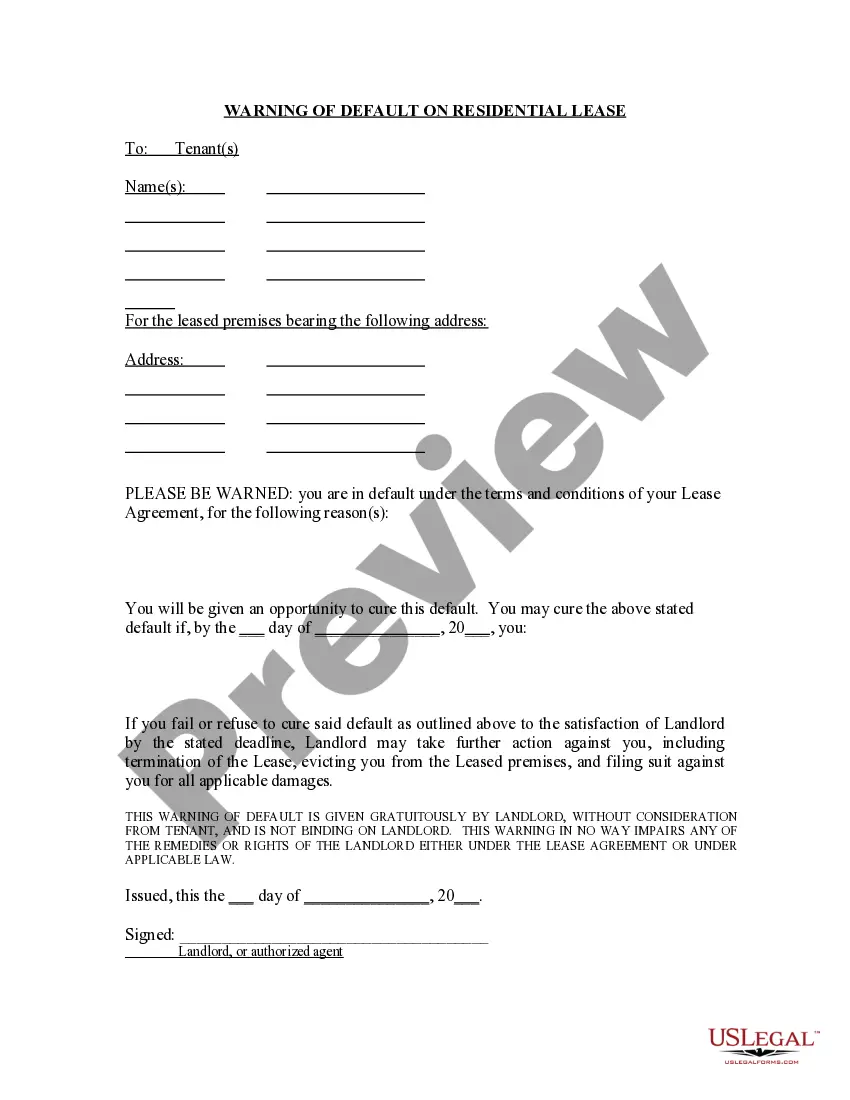
Arizona Warning of Default on Residential Lease
What this document covers
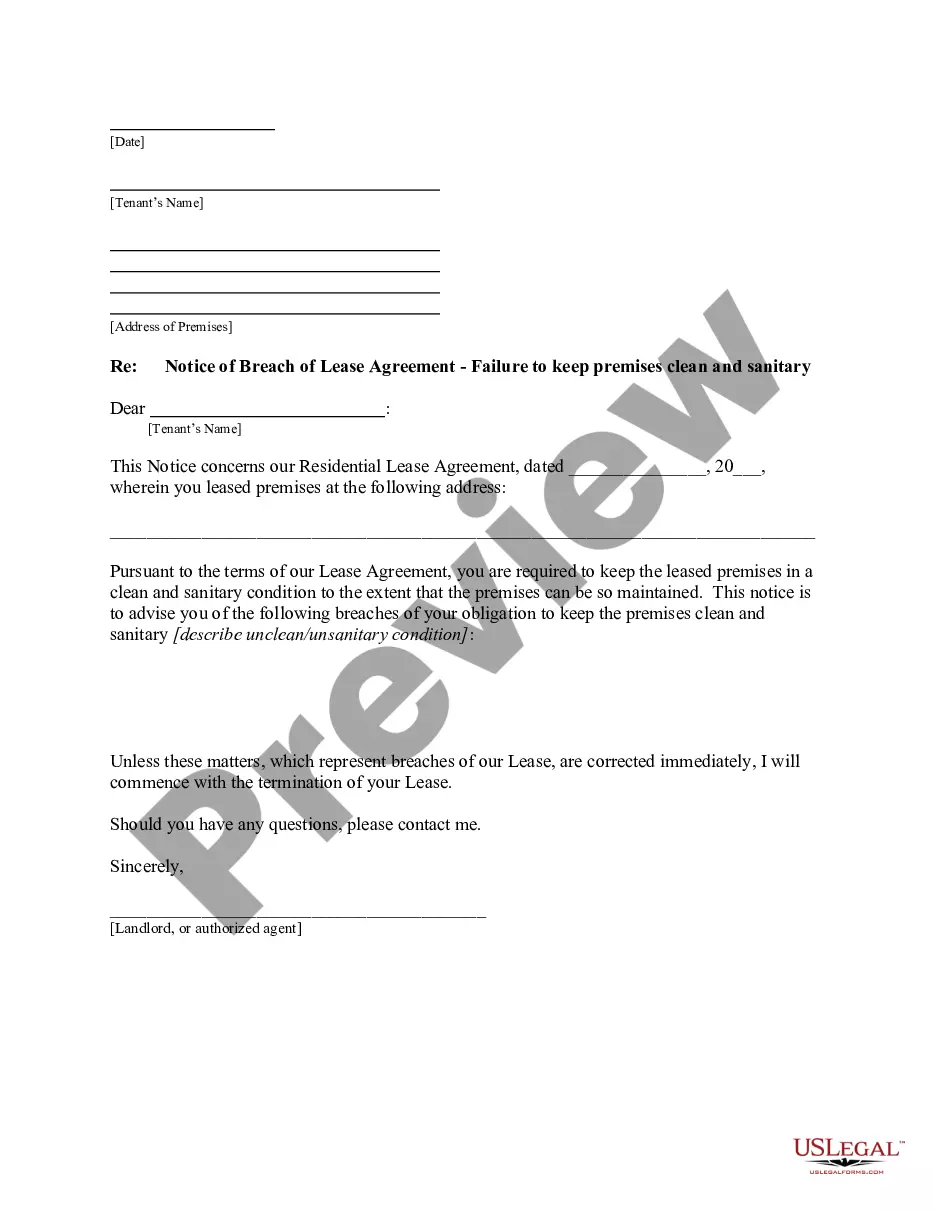
The Warning of Default on Residential Lease is a formal notification from a landlord to a tenant indicating that the tenant may be in breach of the rental agreement. The purpose of this warning is to alert the tenant to remedy the situation before further action is taken, which can include being held in default under the lease. This form is essential for landlords looking to ensure compliance with lease terms and provides a clear communication channel with tenants regarding their responsibilities.
Form components explained
- Identification of the landlord and tenant involved.
- Specification of the conditions that constitute a default.
- Statement indicating that the warning is given without consideration and is not binding.
- Date of issuance for the warning letter.
- Signature field for the landlord or authorized agent.
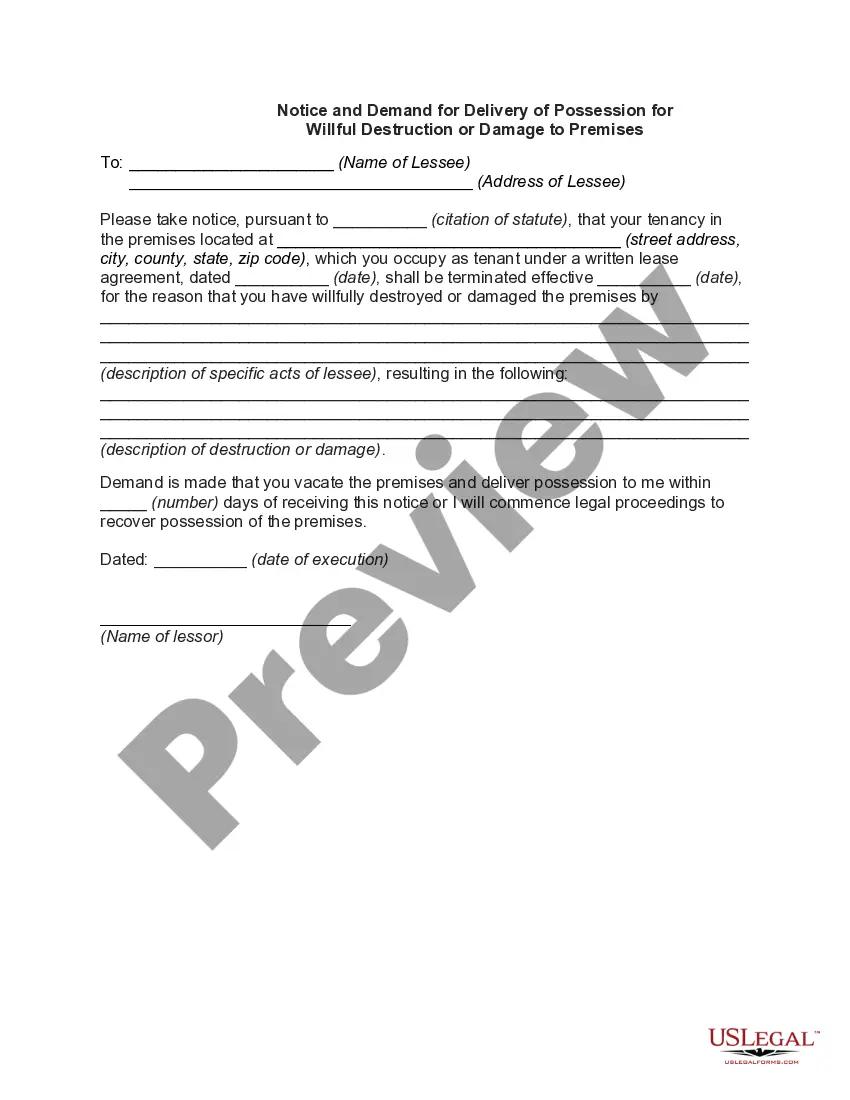
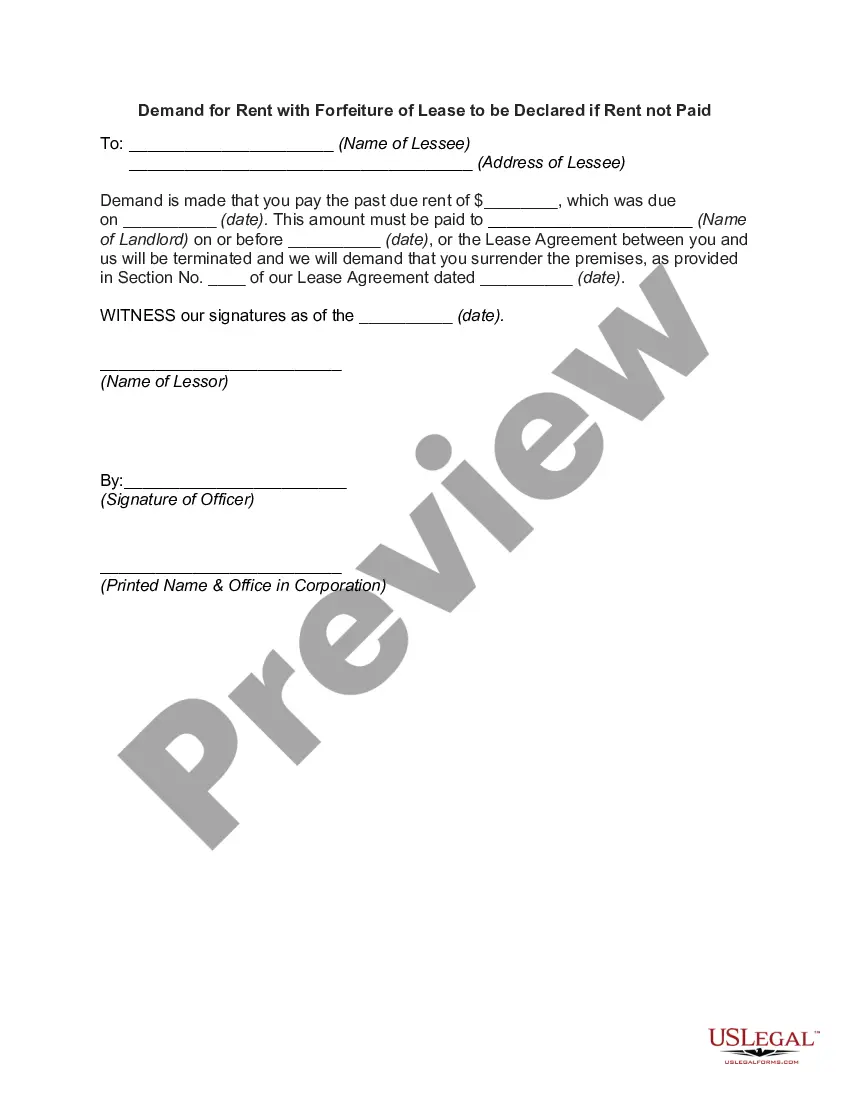



Common use cases
This form should be utilized when a landlord believes that a tenant is not complying with the terms of the residential lease. Common situations include late rent payments, unauthorized pets, or failure to maintain the property. By providing this warning, the landlord gives the tenant an opportunity to address the issues before considering legal remedies or eviction proceedings.
Who this form is for
This form is intended for:
- Landlords who rent residential properties to tenants.
- Property management companies acting on behalf of landlords.
- Authorized agents of the landlord, such as real estate professionals.
How to complete this form
- Identify the parties involved by entering the landlord's and tenant's names.
- Specify the conditions leading to the warning of default.
- Enter the date the warning is issued.
- Sign the document as the landlord or authorized agent.
- Deliver the warning to the tenant, ensuring they acknowledge receipt if possible.
Is notarization required?
Notarization is not commonly needed for this form. However, certain documents or local rules may make it necessary. Our notarization service, powered by Notarize, allows you to finalize it securely online anytime, day or night.
Get your form ready online
Our built-in tools help you complete, sign, share, and store your documents in one place.
Make edits, fill in missing information, and update formatting in US Legal Forms—just like you would in MS Word.
Download a copy, print it, send it by email, or mail it via USPS—whatever works best for your next step.
Sign and collect signatures with our SignNow integration. Send to multiple recipients, set reminders, and more. Go Premium to unlock E-Sign.
If this form requires notarization, complete it online through a secure video call—no need to meet a notary in person or wait for an appointment.
We protect your documents and personal data by following strict security and privacy standards.

Make edits, fill in missing information, and update formatting in US Legal Forms—just like you would in MS Word.

Download a copy, print it, send it by email, or mail it via USPS—whatever works best for your next step.

Sign and collect signatures with our SignNow integration. Send to multiple recipients, set reminders, and more. Go Premium to unlock E-Sign.

If this form requires notarization, complete it online through a secure video call—no need to meet a notary in person or wait for an appointment.

We protect your documents and personal data by following strict security and privacy standards.
Typical mistakes to avoid
- Failing to clearly specify the conditions that led to the warning.
- Not including the date of issuance, which is crucial for documentation.
- Omitting the signature of the landlord or the authorized agent.
Advantages of online completion
- Immediate access to a professionally drafted legal document.
- Ability to customize the form easily to fit specific situations.
- Convenience of downloading and printing the form from anywhere.
Looking for another form?
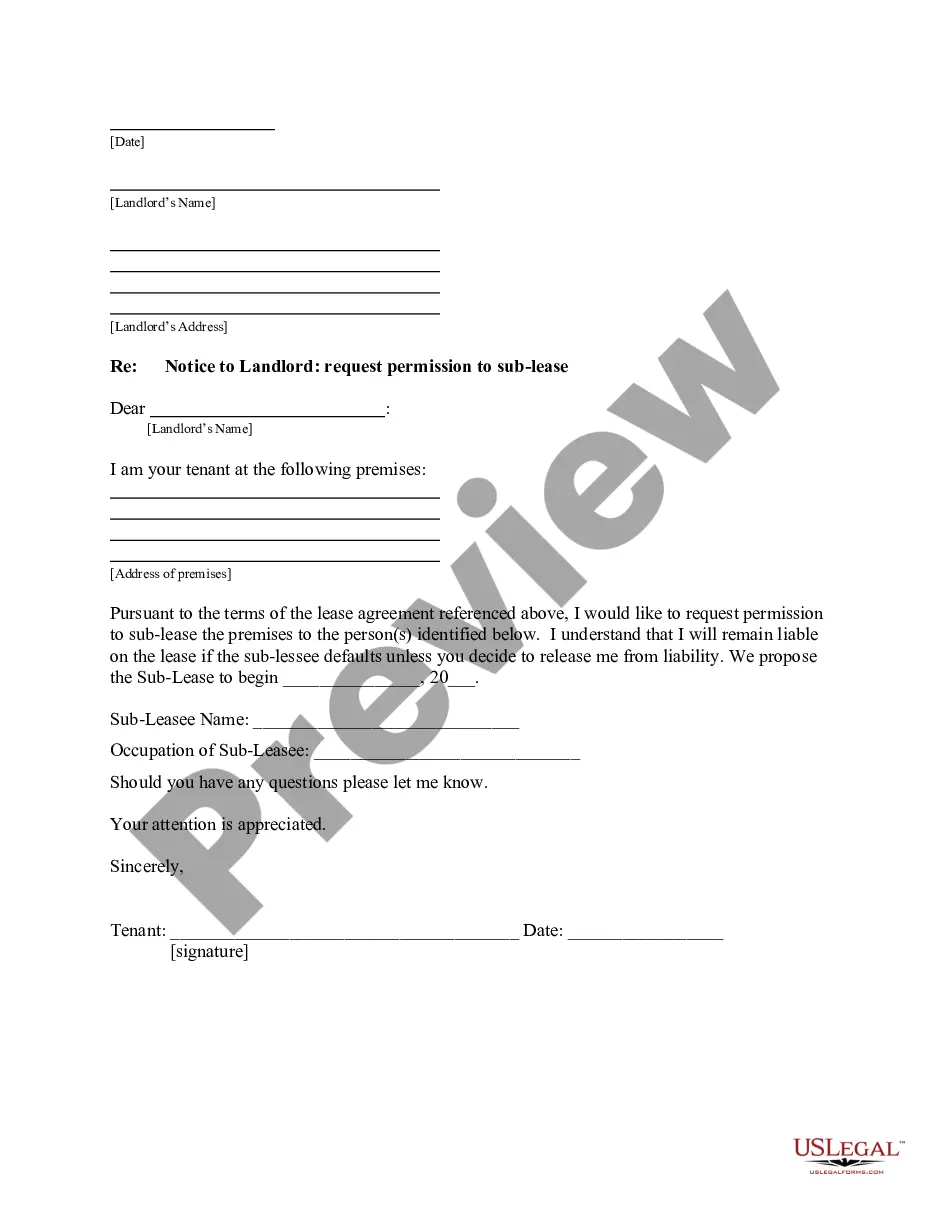
Form popularity
FAQ
In Arizona, the notice period a tenant must provide to their landlord before moving out usually depends on the lease duration. For month-to-month leases, a 30-day notice is standard, while fixed-term leases require notice as specified within the contract. Familiarizing yourself with the Arizona Warning of Default on Residential Lease is vital to ensure that you abide by the proper notice requirements and avoid any legal issues.
Arizona does not impose a strict limit on how much landlords can increase rent. However, landlords must provide proper written notice, which typically ranges from 30 to 60 days, depending on the lease agreement's terms. Understanding these regulations can help tenants prepare for any rent changes and avoid falling into an Arizona Warning of Default on Residential Lease.
In Arizona, landlords typically must give tenants at least 48 hours' notice before entering the dwelling unit for routine maintenance. This notice should be provided in writing unless otherwise specified in the lease. Understanding these terms is crucial, especially to prevent any potential Arizona Warning of Default on Residential Lease situations due to improper notice.
Currently, Arizona rental tax is not going away. It's essential to stay updated on any legislative changes that could affect rental regulations. This tax can impact your lease agreements, including situations related to an Arizona Warning of Default on Residential Lease. Always consult local legislation to understand your obligations as a tenant or landlord.
If you have concerns about your landlord in Arizona, you can report them to the Arizona Department of Housing or your local housing authority. These organizations can investigate complaints and provide assistance in resolving disputes. Additionally, if you're considering a formal complaint, resources like uslegalforms can guide you through the reporting process. Such steps ensure your concerns are addressed effectively.
In Arizona, landlords are required to provide at least 30 days notice for lease terminations or significant changes in rental agreements. This notice period ensures you have time to adjust or seek alternative housing if necessary. Familiarizing yourself with these requirements is essential, especially if you're facing situations related to the Arizona Warning of Default on Residential Lease. Knowing your rights can significantly impact your rental experience.
Landlord retaliation in Arizona occurs when a landlord takes adverse action against a tenant for exercising legal rights, like reporting unsafe conditions. Actions such as eviction, rent increase, or service termination may qualify as retaliation. Being aware of your rights can empower you to stand up against unjust treatment. If faced with retaliation, using a service like uslegalforms could help you understand your options and take action.
In Arizona, landlords must address significant problems within a reasonable time, typically within ten days. This timeframe can vary based on the severity of the issue, such as health hazards or lack of essential services. As a tenant, it's important to be aware of these timelines, especially in relation to the Arizona Warning of Default on Residential Lease. If landlords do not comply, consider taking appropriate action to protect your rights.
To file a complaint against a landlord in Arizona, you can reach out to the Arizona Department of Housing or consider utilizing mediation services. Document your issues clearly, as this will support your case during the complaint process. If necessary, you may also consult uslegalforms for guidance on drafting the complaint effectively. This resource simplifies the legal process for tenants.
In Arizona, the Department of Housing oversees landlords and ensures compliance with the Arizona Warning of Default on Residential Lease. They manage rental properties and make sure landlords follow state laws. If you face issues with your landlord, this department can provide valuable resources. Contacting them is a proactive approach to resolving rental disputes.