Alaska Employment or Job Termination Package
Overview of this form package
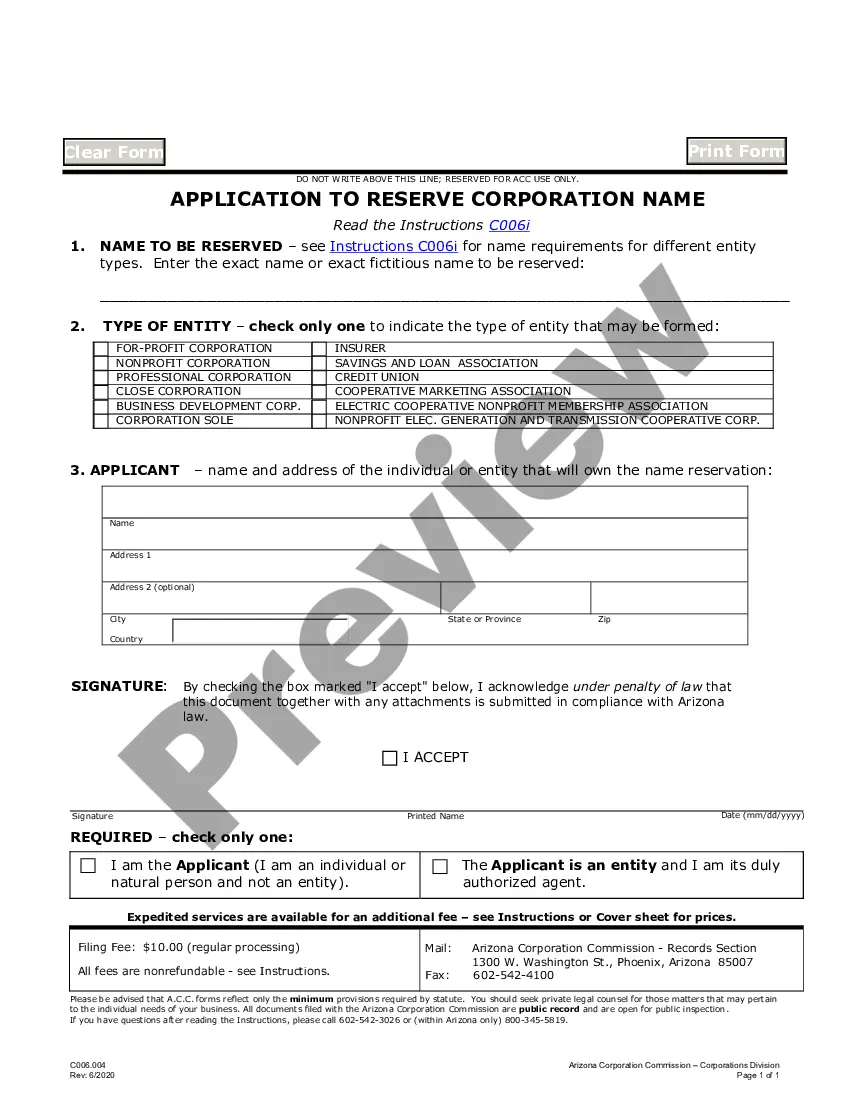
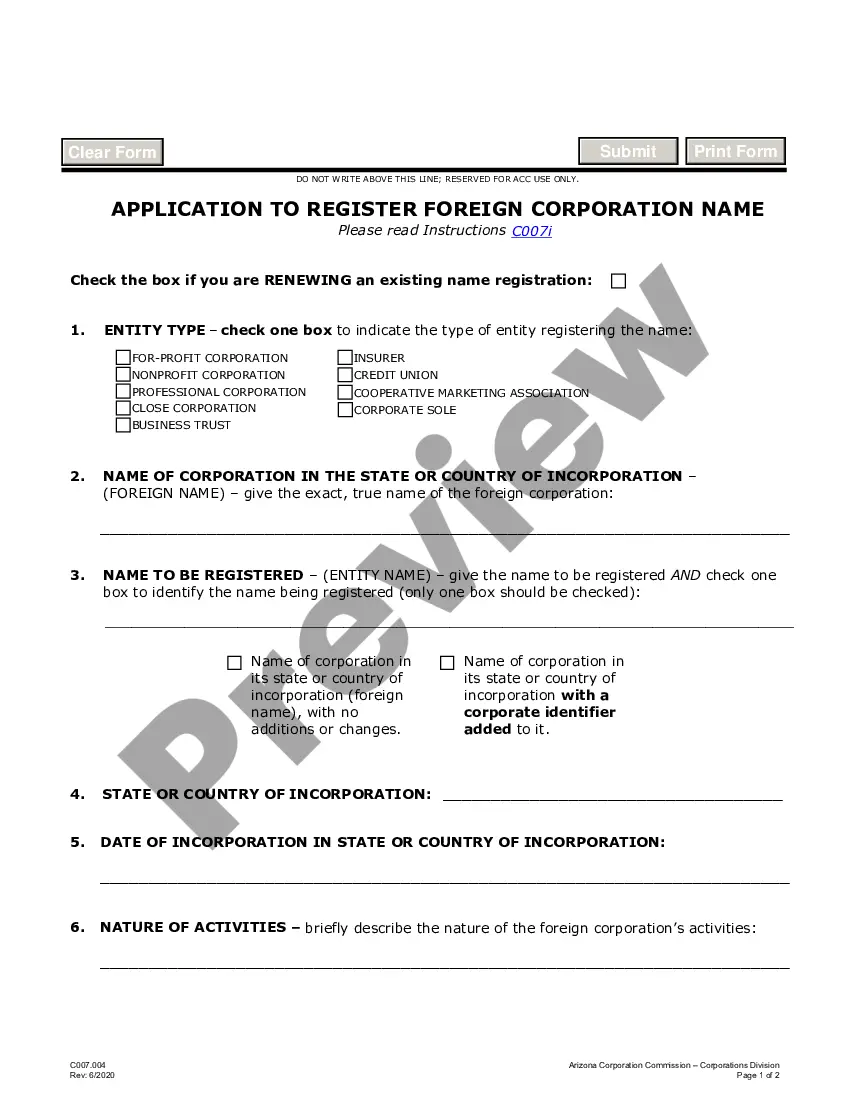
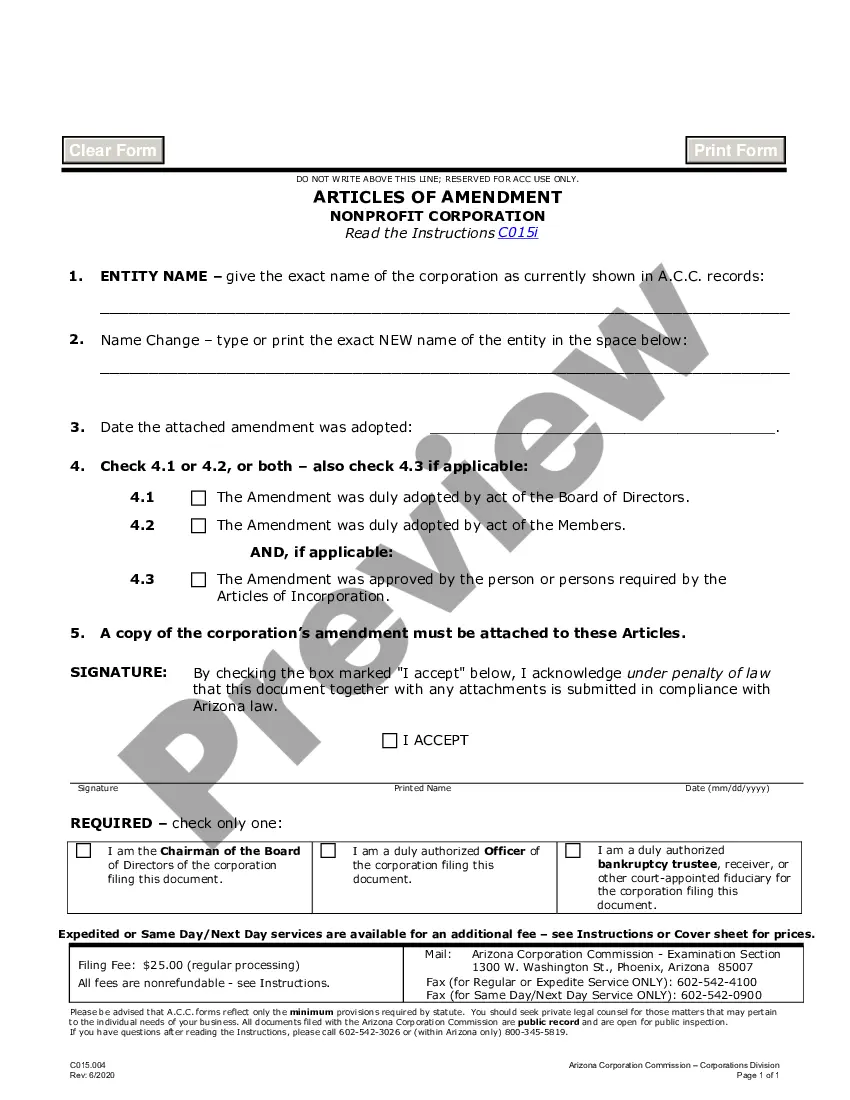
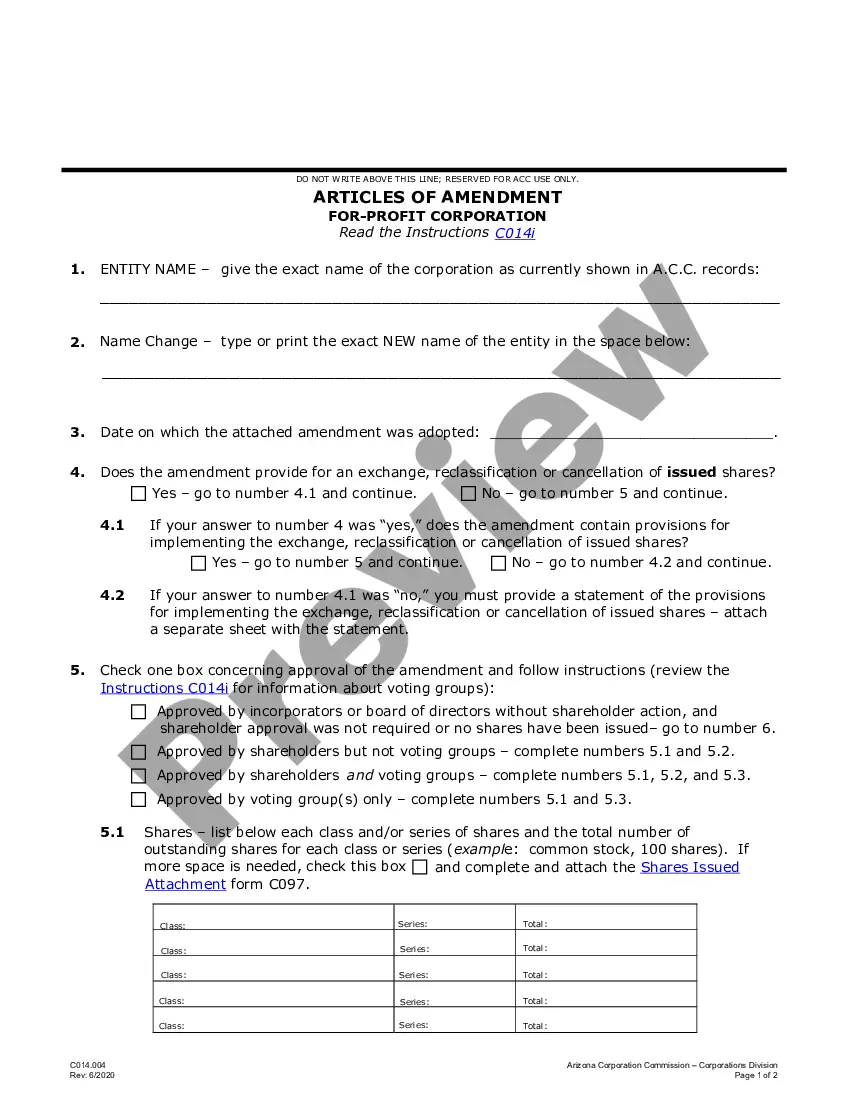
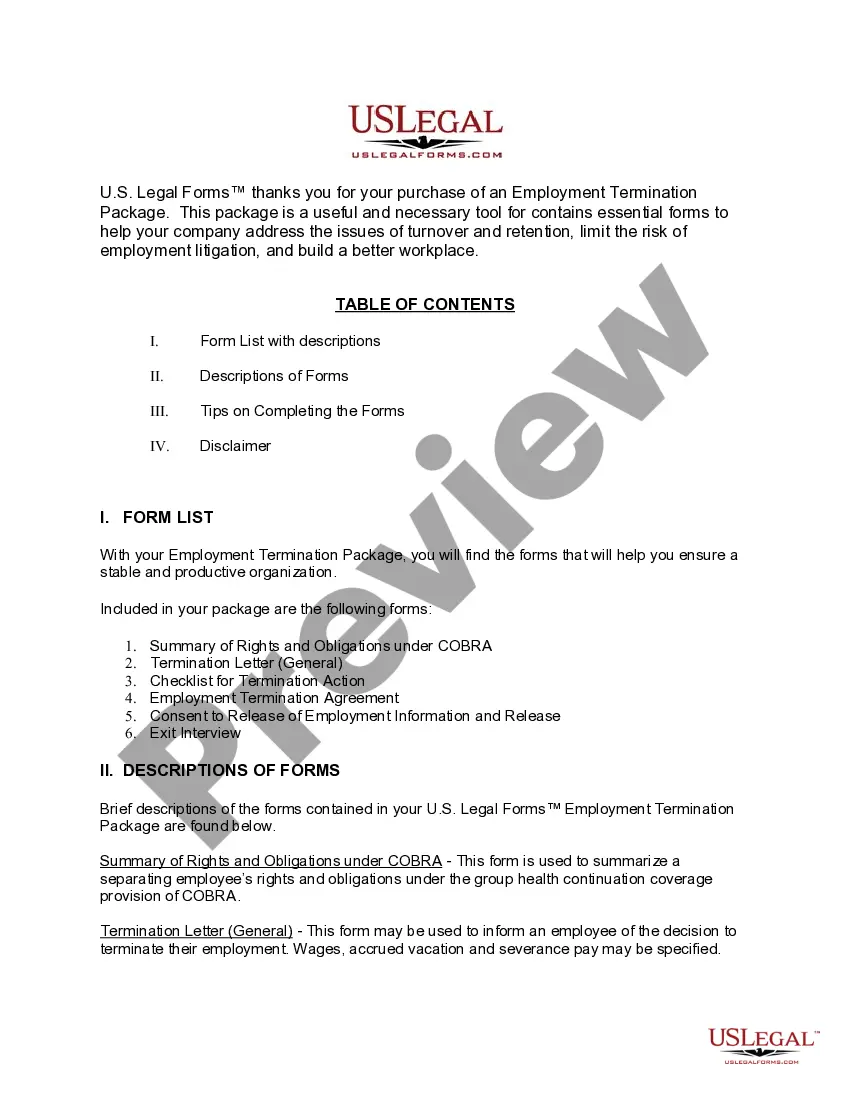
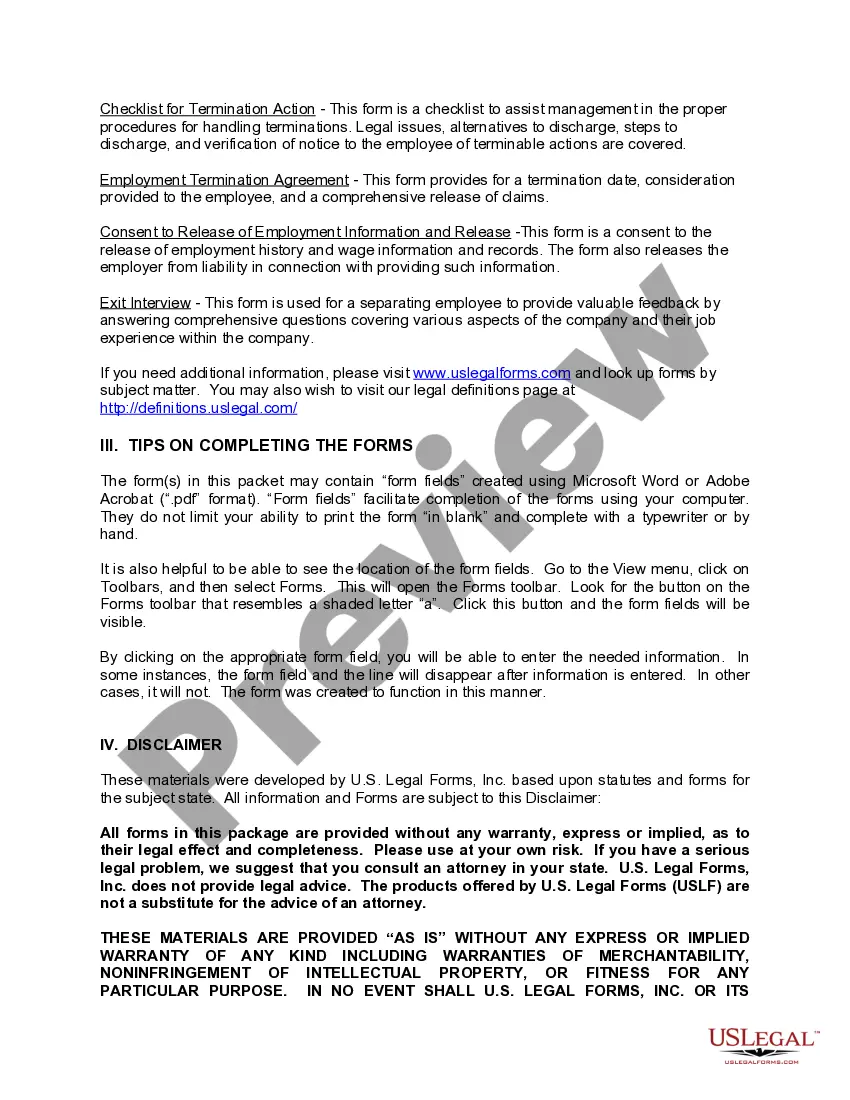
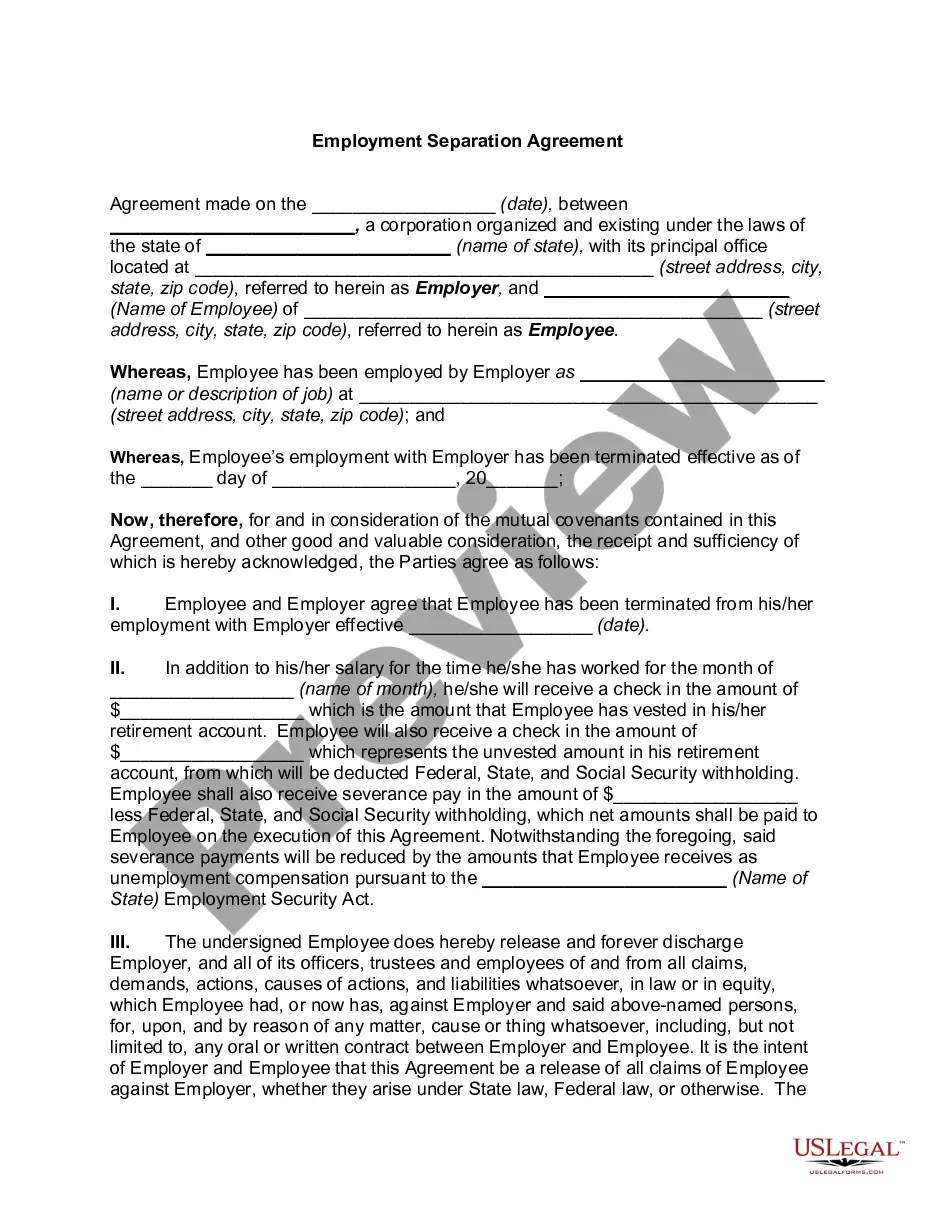
The Alaska Employment or Job Termination Package is a comprehensive collection of legal forms designed to assist employers in managing employee terminations effectively. This package helps organizations mitigate the risks associated with turnover and litigation, promoting a better workplace environment. Included are vital documents like termination letters, checklists, and agreements, all drafted by licensed attorneys to ensure legal compliance and simplicity in usage.
What’s included in this form package
Common use cases
This form package is essential when an employer needs to terminate an employee, whether for performance issues, downsizing, or other legitimate reasons. Use this package to:
- Inform an employee about their termination decision.
- Outline the rights and obligations under COBRA.
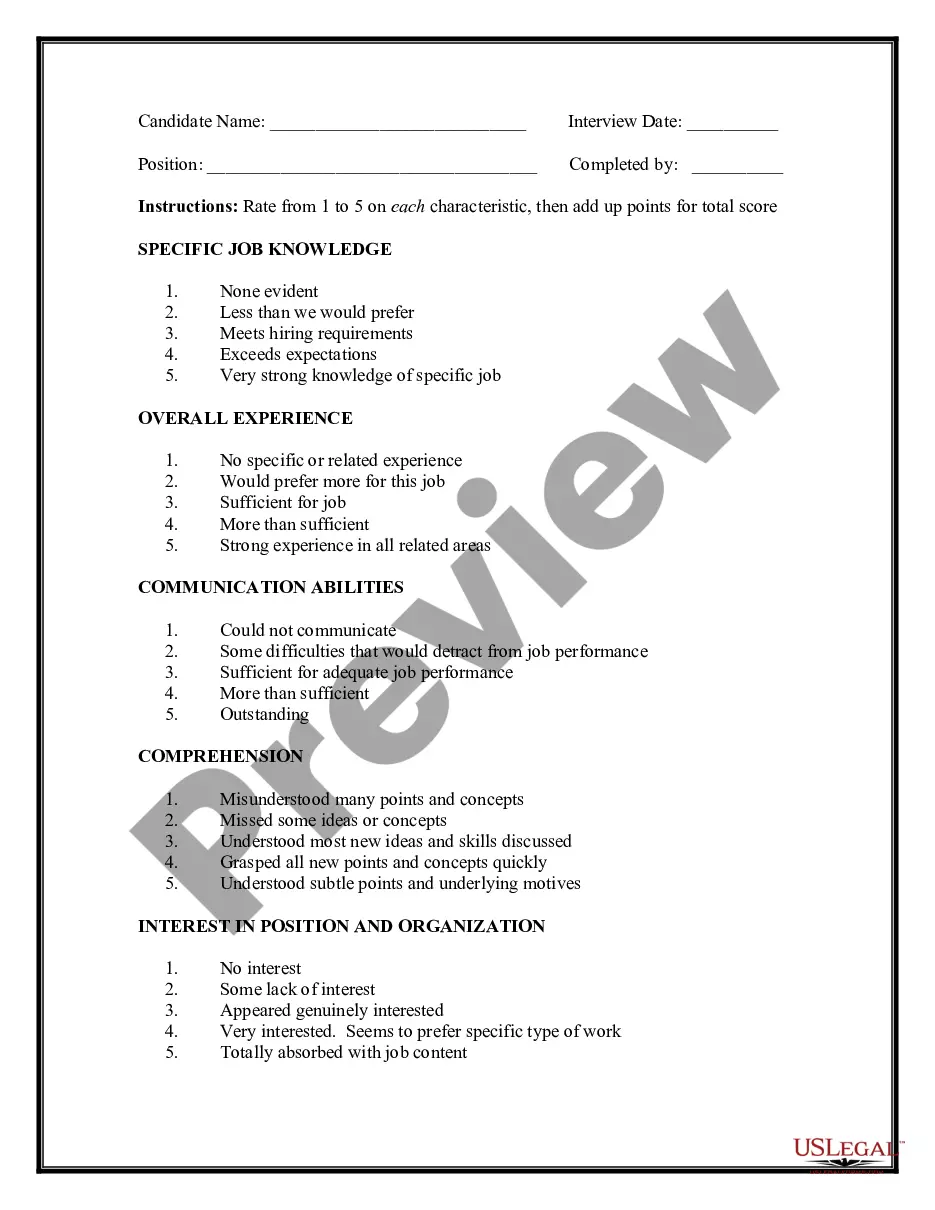
- Conduct an exit interview to gather feedback.
- Ensure compliance with legal requirements during the termination process.
Intended users of this form package
- Business owners looking to standardize their termination procedures.
- Human resource professionals responsible for managing employee relations.
- Managers needing guidance on legal compliance during employee separations.
- Any organization experiencing workforce reductions or employee turnover.
How to prepare this document
- Review all forms included in the package to understand their purpose.
- Identify the employee being terminated and gather necessary employment information.
- Fill out the Termination Letter and Employment Termination Agreement with relevant details.
- Utilize the Checklist for Termination Action to ensure all steps are followed.
- Conduct the Exit Interview and document feedback received from the employee.
- Store completed forms securely for your records.
Notarization details for included forms
Forms in this package typically do not require notarization. However, certain states or document types may still need it. US Legal Forms provides online notarization powered by Notarize, available 24/7 for your convenience.
Get your form ready online
Our built-in tools help you complete, sign, share, and store your documents in one place.
Make edits, fill in missing information, and update formatting in US Legal Forms—just like you would in MS Word.
Download a copy, print it, send it by email, or mail it via USPS—whatever works best for your next step.
Sign and collect signatures with our SignNow integration. Send to multiple recipients, set reminders, and more. Go Premium to unlock E-Sign.
If this form requires notarization, complete it online through a secure video call—no need to meet a notary in person or wait for an appointment.
We protect your documents and personal data by following strict security and privacy standards.
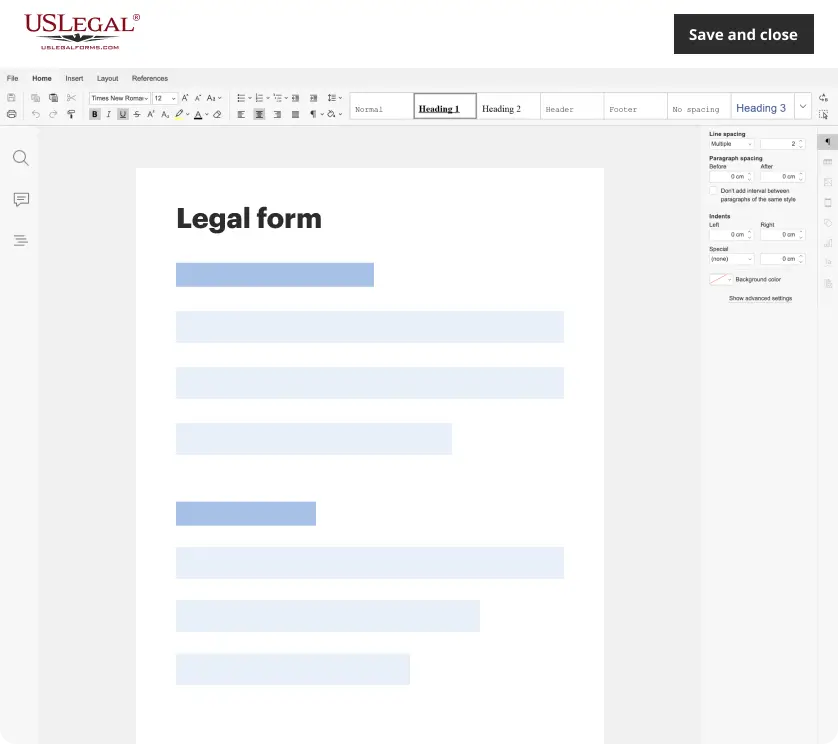
Make edits, fill in missing information, and update formatting in US Legal Forms—just like you would in MS Word.
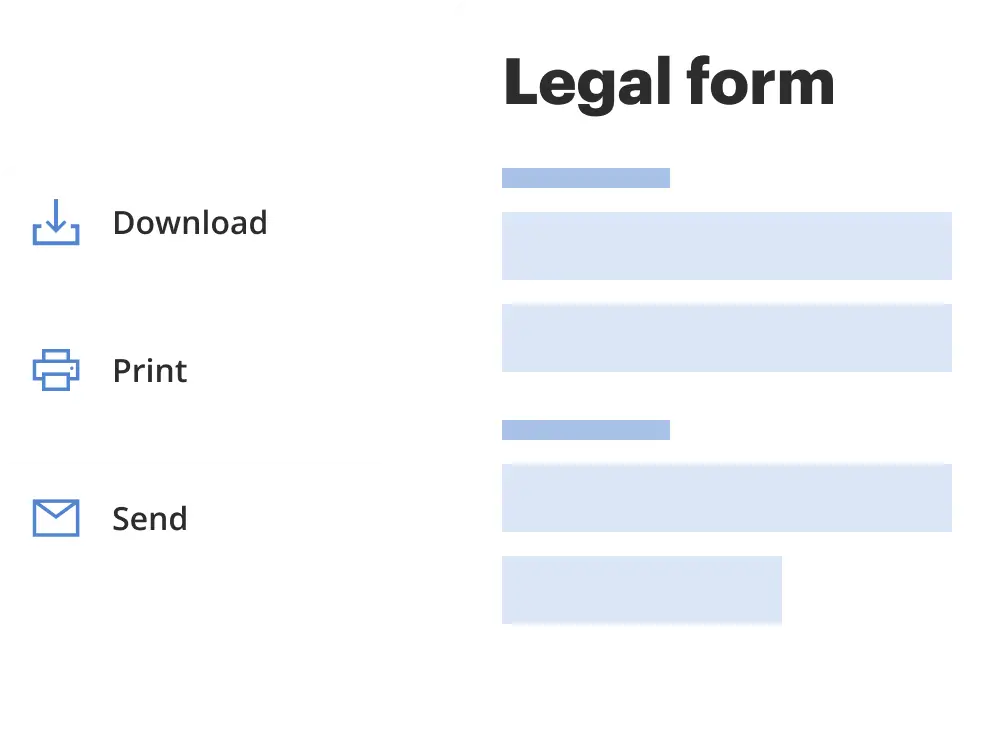
Download a copy, print it, send it by email, or mail it via USPS—whatever works best for your next step.
Sign and collect signatures with our SignNow integration. Send to multiple recipients, set reminders, and more. Go Premium to unlock E-Sign.

If this form requires notarization, complete it online through a secure video call—no need to meet a notary in person or wait for an appointment.
We protect your documents and personal data by following strict security and privacy standards.
Common mistakes to avoid
- Failing to provide a clear reason for termination in the Termination Letter.
- Neglecting to follow the Checklist for Termination Action thoroughly.
- Not conducting the Exit Interview, which can help identify issues within the organization.
- Overlooking legal obligations under COBRA regarding benefits continuation.
Benefits of using this package online
- Convenience: Download and complete forms from anywhere, anytime.
- Editability: Customize forms easily to fit your specific needs.
- Reliability: Forms are created and reviewed by licensed attorneys, ensuring accuracy.
- Streamlined process: Access all necessary documents in one package without searching separately.
Summary of main points
- The Alaska Employment or Job Termination Package is essential for legally compliant employee separations.
- Included forms address various aspects of termination, from communication to compliance.
- Using this package can help minimize the risk of litigation and improve workplace culture.
Looking for another form?
Form popularity
FAQ
The Alaska Employment or Job Termination Package is a bundled set of termination-related forms designed for Alaska employers to manage employee separations smoothly. It includes termination letters, checklists, and agreements drafted by licensed attorneys to help communicate decisions, outline COBRA rights, conduct exit interviews, and reduce legal risk.
The package supports employers in documenting a fair, compliant termination process and communicates the employee's rights, such as COBRA continuation rights, and final pay expectations. It provides termination letters, checklists, and separation agreements to support a respectful and risk‑minimizing separation. For exact entitlements, consult Alaska wage and hour rules or an attorney.
The package includes guidance on final pay timing to help Alaska employers meet expected practices after termination and outline how wages and COBRA rights are addressed. It does not replace legal advice; for precise timing, refer to applicable Alaska wage laws or consult an attorney.
The Alaska package addresses final pay timing and COBRA rights to help employers provide accurate notice and documentation after termination. It supports consistent practices to reduce disputes; for exact deadlines, consult current Alaska wage laws and a licensed attorney.
The package guides employers on final pay timing and COBRA obligations after termination, helping compliance with Alaska expectations. For the precise deadline, refer to Alaska wage rules and consult a licensed attorney.
It is tailored for Alaska with documents drafted by licensed attorneys to fit local practices, and it bundles termination letters, checklists, and agreements in one package to streamline compliant separations and reduce litigation risk.