Alaska Letter from Landlord to Tenant as Notice to tenant to inform landlord of tenant's knowledge of condition causing damage to premises
About this form
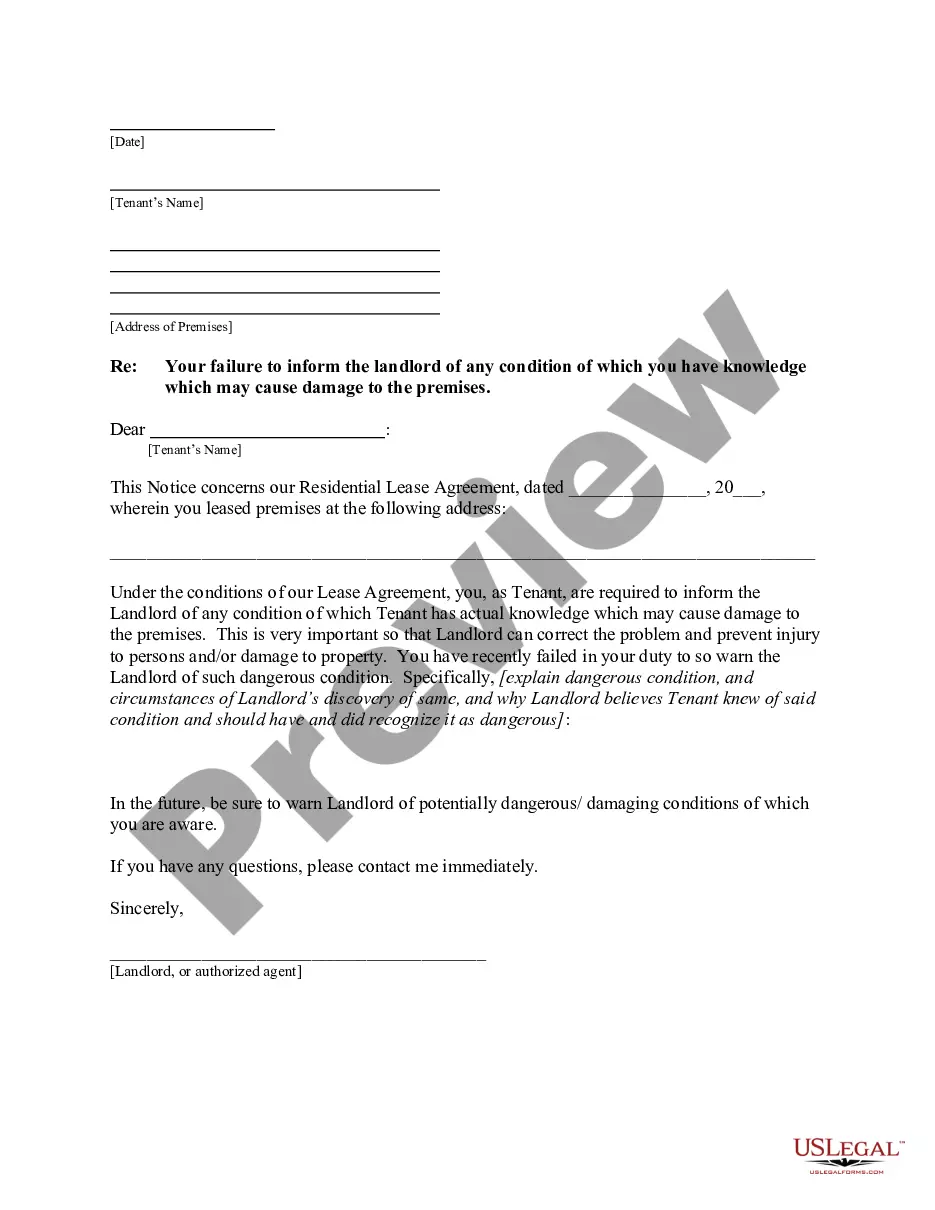
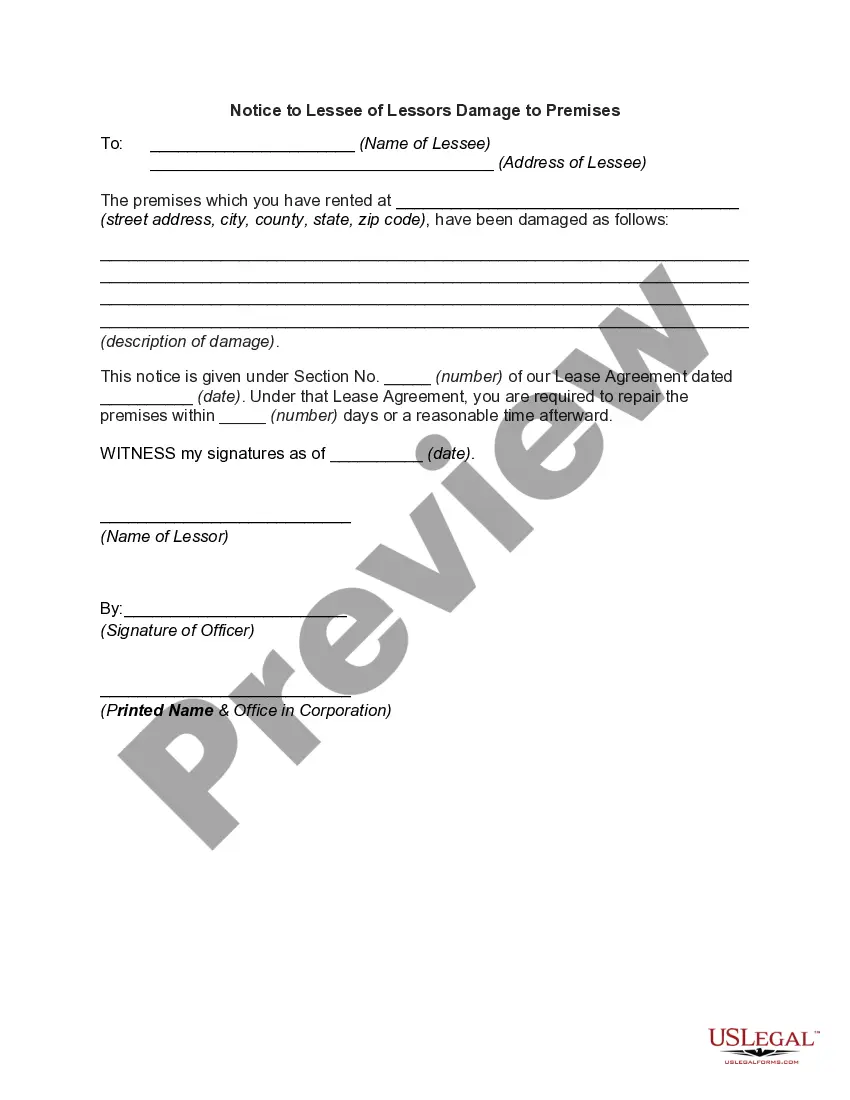
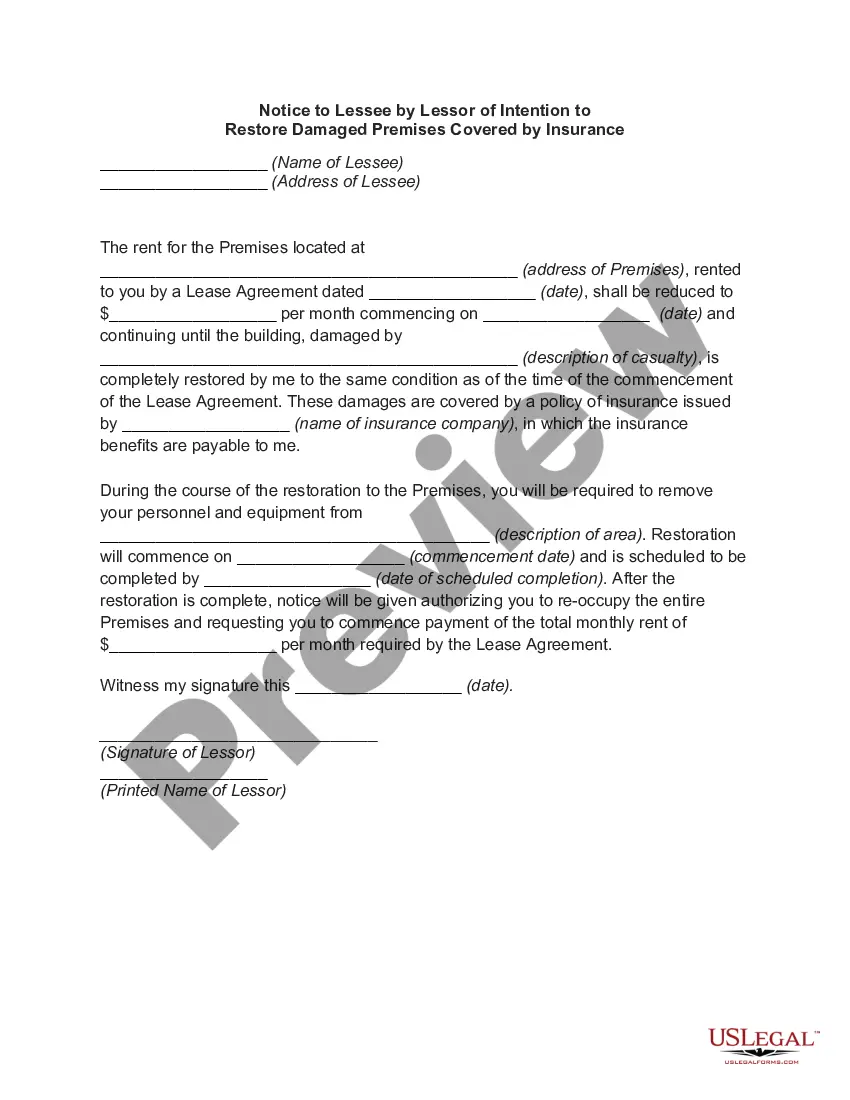
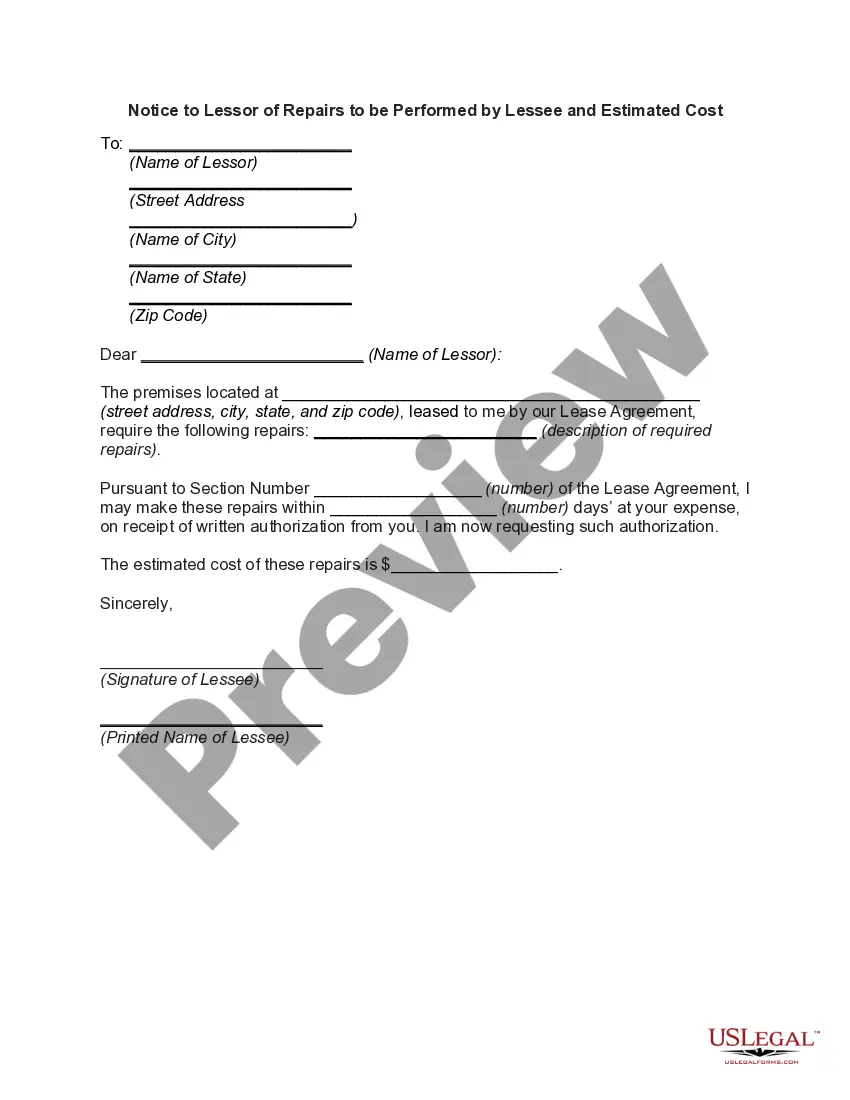
This Letter from Landlord to Tenant serves as a notice for tenants to inform the landlord about any conditions they know of that could cause damage to the premises. This form is essential for landlords to address issues before they escalate into serious problems, ensuring the safety of residents and the protection of property. The letter emphasizes tenants' responsibilities under the lease agreement and sets expectations for communication regarding these conditions.
Key parts of this document
- Identification of the landlord and tenant.
- A clear request for the tenant to report known conditions causing potential damage.
- A statement of the importance of communication regarding these issues.
- Signature section for the landlord or authorized agent.
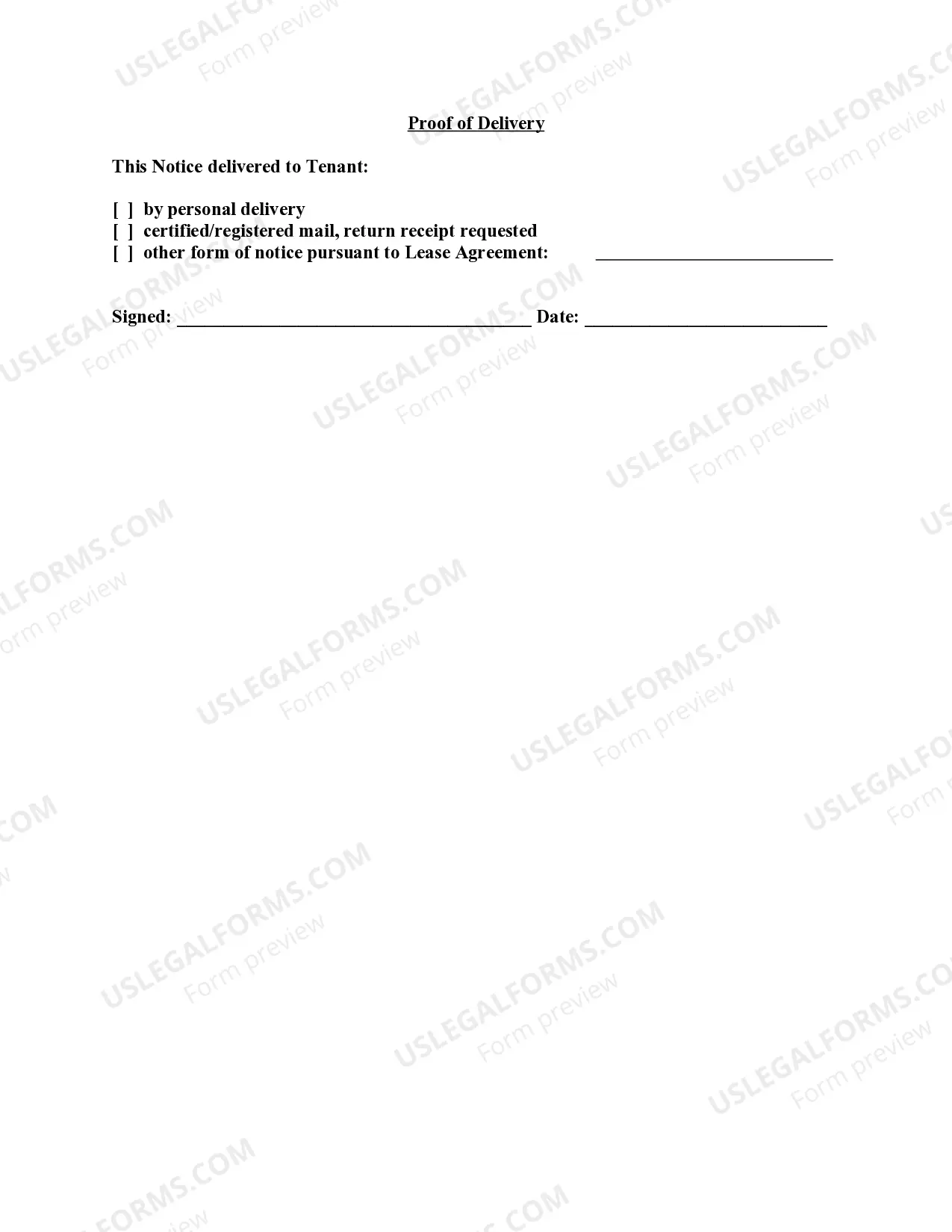
- Proof of delivery options to confirm receipt by the tenant.

When this form is needed
This form should be used when a tenant is aware of any issues within the rental property that may lead to damage. Examples include water leaks, electrical problems, or structural concerns. Landlords may also issue this letter during regular property inspections or when a tenant reports a maintenance need to clarify the tenant's obligation to notify the landlord of such conditions.
Who this form is for
- Landlords who own rental properties.
- Property managers acting on behalf of a landlord.
- Tenants who need to report known issues to their landlord.
How to prepare this document
- Identify and enter the name and address of the landlord and tenant.
- Clearly state the condition known to the tenant that may cause damage.
- Include a request for the tenant to communicate any further issues promptly.
- Provide space for the landlord or authorized agent to sign the letter.
- Choose a method for proof of delivery and note it in the designated area.
Is notarization required?
In most cases, this form does not require notarization. However, some jurisdictions or signing circumstances might. US Legal Forms offers online notarization powered by Notarize, accessible 24/7 for a quick, remote process.
Get your form ready online
Our built-in tools help you complete, sign, share, and store your documents in one place.
Make edits, fill in missing information, and update formatting in US Legal Forms—just like you would in MS Word.
Download a copy, print it, send it by email, or mail it via USPS—whatever works best for your next step.
Sign and collect signatures with our SignNow integration. Send to multiple recipients, set reminders, and more. Go Premium to unlock E-Sign.
If this form requires notarization, complete it online through a secure video call—no need to meet a notary in person or wait for an appointment.
We protect your documents and personal data by following strict security and privacy standards.
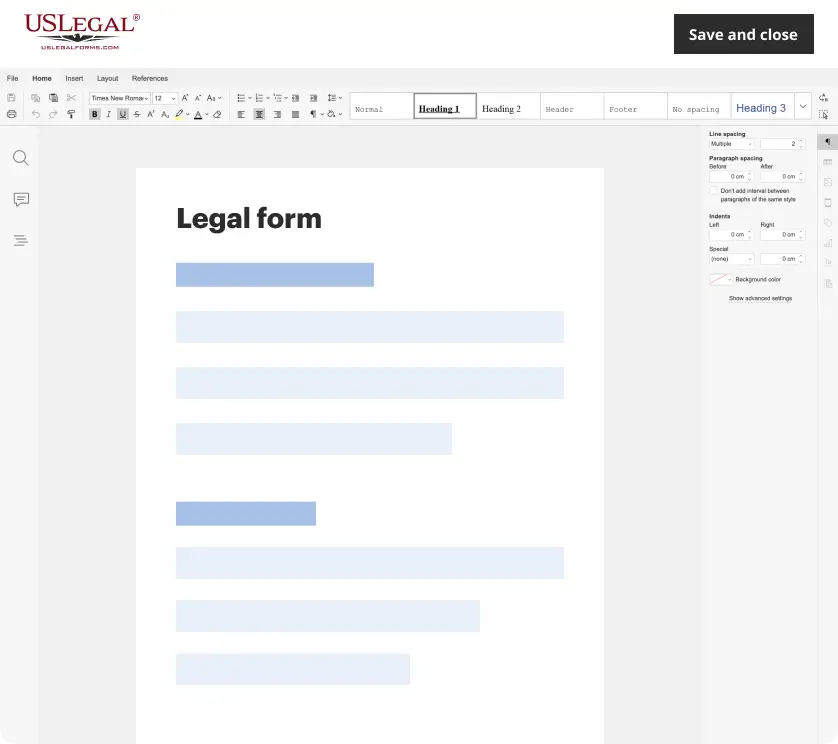
Make edits, fill in missing information, and update formatting in US Legal Forms—just like you would in MS Word.
Download a copy, print it, send it by email, or mail it via USPS—whatever works best for your next step.
Sign and collect signatures with our SignNow integration. Send to multiple recipients, set reminders, and more. Go Premium to unlock E-Sign.
If this form requires notarization, complete it online through a secure video call—no need to meet a notary in person or wait for an appointment.
We protect your documents and personal data by following strict security and privacy standards.
Typical mistakes to avoid
- Failing to include all relevant details about the condition.
- Not providing clear instructions for the tenant on how to report further issues.
- Neglecting to keep a copy of the notice for record-keeping.
- Inadequately specifying the method of delivery to the tenant.
Why complete this form online
- Convenience of downloading and printing the form immediately.
- Editability allows for customization to fit specific situations.
- Drafted by licensed attorneys, ensuring legal reliability.
- Easy access to legal documents reduces the need for costly legal consultations.
Quick recap
- This letter is essential for tenants to communicate known issues that may lead to damage.
- Landlords must use this form to clarify tenant responsibilities under the lease.
- Proper use of this notice can help prevent costly repairs and safety hazards.
Looking for another form?
Form popularity
FAQ
Landlords need to collect confidential information from their tenants in order to determine whether or not they qualify for a lease. A tenant's employer, bank account numbers, credit history, social security number and previous addresses are all valuable to identity thieves.
If you're seeking damages for emotional distress caused by a landlord's discrimination, or punitive damages for especially blatant and intentional discrimination, a lawsuit may well be your best bet. Understand what's involved in suing your landlord. You may file a lawsuit in either federal or state court.
Every tenant has a right to privacy, but that right must be balanced against the landlord's right to maintain their property.While tenants cannot unreasonably deny access to a landlord, landlords must also follow all of the state and local rules regarding access to tenants' apartments.
If you refuse access to your home If you refuse access for repairs and inspections entirely, you could be breaking your tenancy agreement and putting your health or safety at risk.You could be at risk of section 21 eviction if you rent privately and refuse access for repairs or gas or electrical safety checks.
If you refuse access, the landlord/agent can apply to the Tribunal for an order that authorises them or any other person to enter the premises.
If your landlord breaches the warranty of habitability or the warranty of quiet enjoyment, you may be able to sue her to recover monetary damages.In some states, such as California and Arizona, you may be able to seek emotional distress damages if the landlord's actions were particularly egregious.
Although the landlord is legally responsible for ensuring that you as a tenant have enough bins to dispose of household waste properly and are informed about where to dispose of your waste, you as a tenant have a responsibility to make every effort to dispose of your own household waste.
To evict a tenant in California, a landlord must put his eviction notice in writing.If a landlord is evicting a tenant for a lease violation or to take control of the property, he must give the tenant 30-60 days notice.
Can the tenant refuse the landlord access for viewings?If the tenant doesn't want to allow access, whether it be for viewings, inspections or general maintenance, that's their statutory right. The tenant has the right to possession and to the lawful use and enjoyment of the premises.