Iowa Amendment to Living Trust
About this form
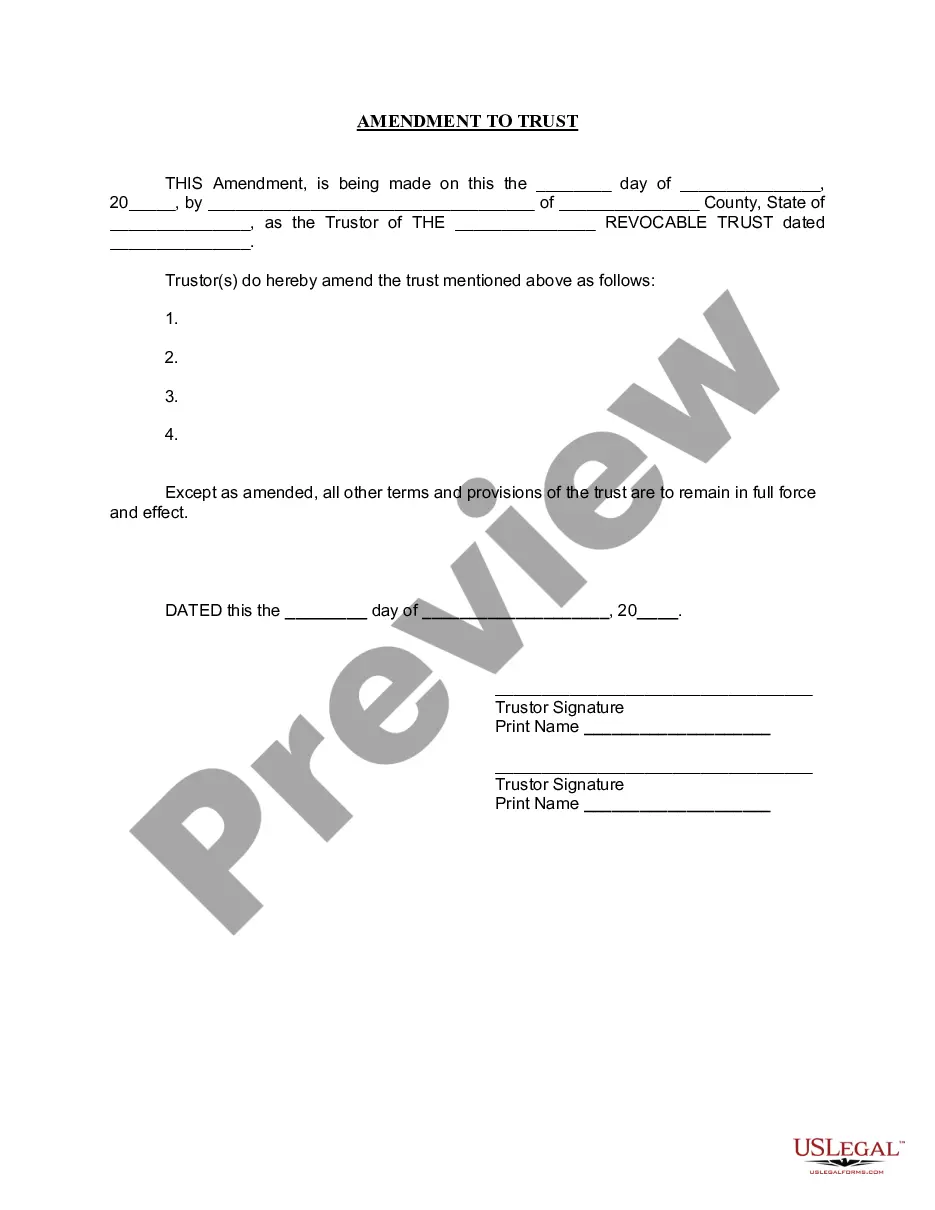
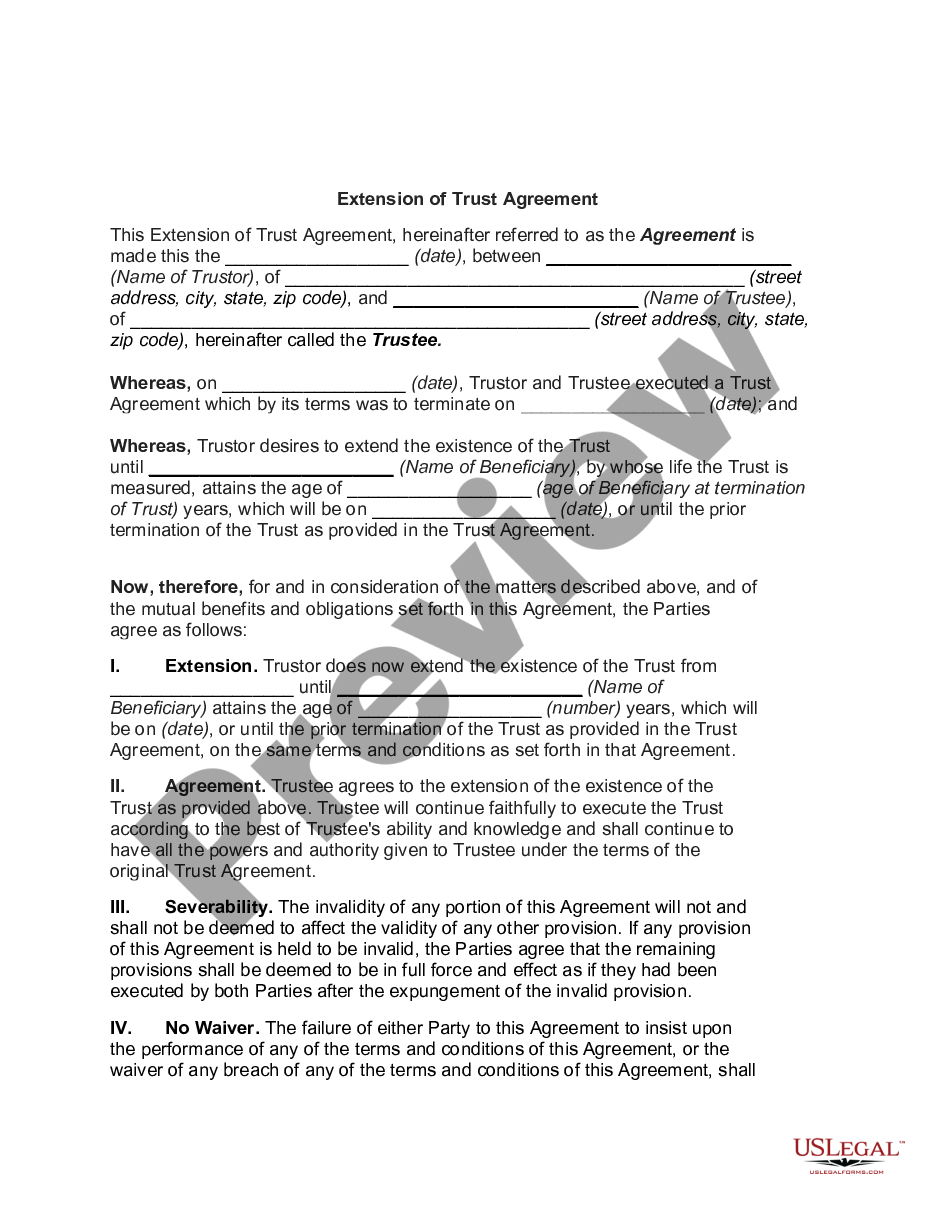
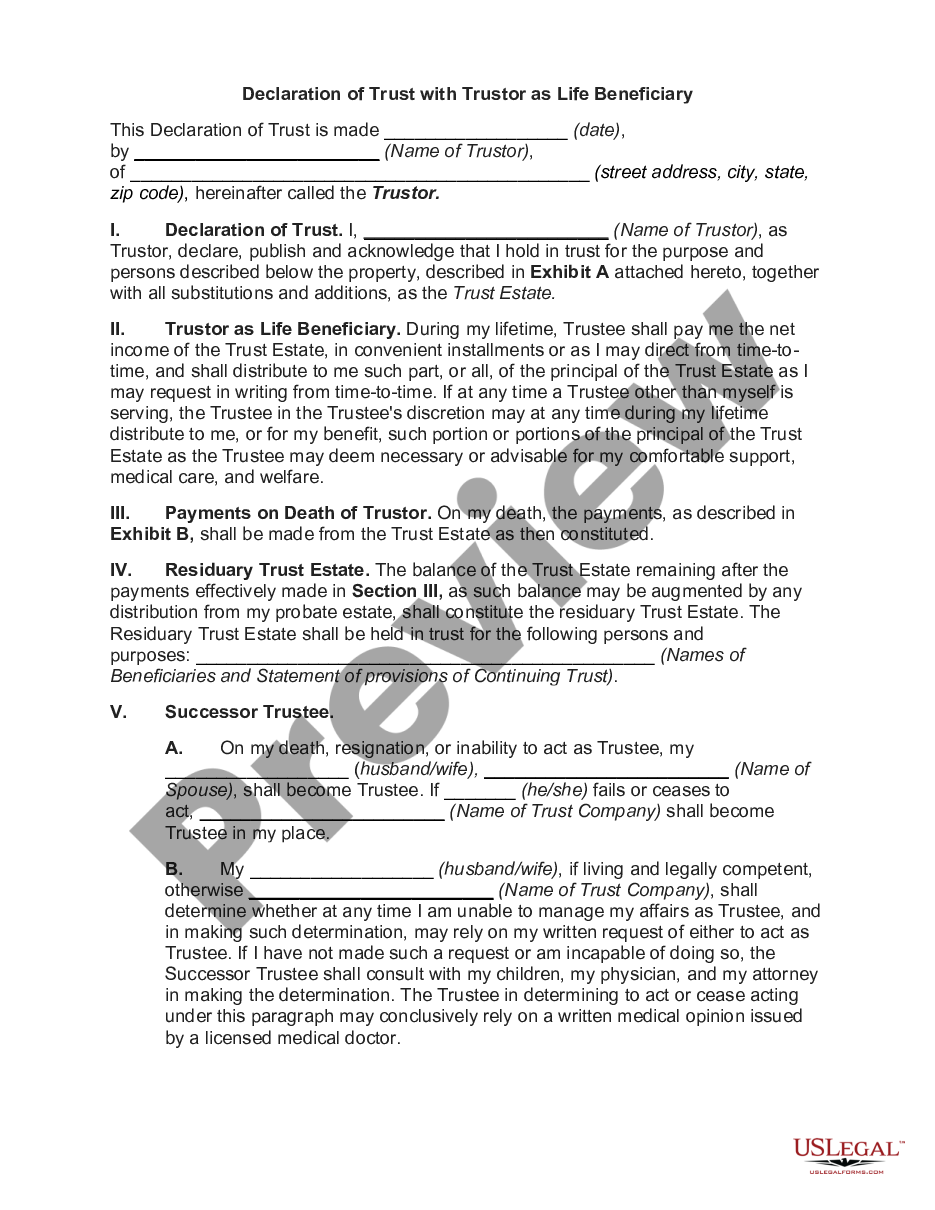
The Amendment to Living Trust is a legal document that allows the Trustor to make changes to an existing living trust. A living trust is established during the lifetime of an individual to manage their assets and property, generally for estate planning purposes. This amendment enables the Trustor to adjust specific provisions of the trust while keeping all other aspects intact and in effect. It is important to note that the Trustor's signature must be notarized for the amendment to be legally enforceable.
Main sections of this form
- Date of amendment: Indicates when the amendment is being made.
- Trustor information: Includes the name and county of the Trustor creating the amendment.
- Reference to the original trust: Identifies the existing living trust being amended.
- Amended provisions: A section where specific changes to the trust can be detailed.
- Signatures: Requires signatures from the Trustor(s), affirming the amendment.
- Notarization details: Includes a statement for notary public acknowledgment of the signatures.


Situations where this form applies
This amendment form is utilized when the Trustor wishes to make changes to certain provisions of their living trust, such as altering beneficiaries, modifying asset distribution, or updating trustee information. You may also use this form if life circumstances change, such as marriage, divorce, or the birth of a child, necessitating an update in the trust's terms.
Intended users of this form
This form is intended for individuals who have already established a living trust and wish to amend its terms. It is suitable for:
- Trustors wanting to modify the terms of their existing trust.
- Individuals undergoing life changes that impact their estate planning.
- Anyone looking to ensure their trust reflects their current wishes and circumstances.
How to complete this form
- Identify the date on which the amendment is executed.
- Enter the Trustor's full name and the county and state of residence.
- Reference the original living trust by its name and the date it was established.
- Clearly outline the specific amendments being made to the trust.
- Have the Trustor(s) sign the document in front of a notary public.
- Ensure the notary public completes the acknowledgment section confirming the identity of the signers.
Does this document require notarization?
Yes, this form must be notarized to be legally valid. US Legal Forms offers integrated online notarization services, providing a secure video call with a notary public at any time, eliminating the need for travel while ensuring that your document meets legal requirements.
Get your form ready online
Our built-in tools help you complete, sign, share, and store your documents in one place.
Make edits, fill in missing information, and update formatting in US Legal Forms—just like you would in MS Word.
Download a copy, print it, send it by email, or mail it via USPS—whatever works best for your next step.
Sign and collect signatures with our SignNow integration. Send to multiple recipients, set reminders, and more. Go Premium to unlock E-Sign.
If this form requires notarization, complete it online through a secure video call—no need to meet a notary in person or wait for an appointment.
We protect your documents and personal data by following strict security and privacy standards.

Make edits, fill in missing information, and update formatting in US Legal Forms—just like you would in MS Word.

Download a copy, print it, send it by email, or mail it via USPS—whatever works best for your next step.

Sign and collect signatures with our SignNow integration. Send to multiple recipients, set reminders, and more. Go Premium to unlock E-Sign.

If this form requires notarization, complete it online through a secure video call—no need to meet a notary in person or wait for an appointment.

We protect your documents and personal data by following strict security and privacy standards.
Typical mistakes to avoid
- Failing to specify clearly what provisions of the trust are being amended.
- Not signing the amendment in front of a notary public.
- Omitting to include the correct details of the original trust.
- Not updating the amendment after significant life changes.
Why use this form online
- Convenient access to legal forms from anywhere at any time.
- Editable templates that allow you to customize your document to fit your specific needs.
- Reliable, attorney-drafted forms ensuring compliance with current laws.
Quick recap
- This amendment allows for modifications to an existing living trust without establishing a new one.
- Trustor signatures and notarization are mandatory for the amendment to be valid.
- Proper completion of the form ensures that your estate plan reflects current wishes.
Looking for another form?


Form popularity
FAQ
Absolutely, trusts can be amended, allowing you to update their terms to better fit your circumstances. Utilizing an Iowa Amendment to Living Trust means you can modify beneficiaries, trustees, or specific provisions. By keeping your trust current, you ensure it reflects your intentions now and in the future, which is key to effective estate planning.
Yes, a trust can be altered, amended, or revoked, depending on your circumstances and intentions. With an Iowa Amendment to Living Trust, you have the flexibility to make changes as needed throughout your lifetime. This control is advantageous for adapting to new family situations, assets, or changes in your wishes.
To make changes to a living trust, you typically draft an amendment that outlines the desired modifications. This process for your Iowa Amendment to Living Trust involves clearly stating the changes and signing the document. You might also consult with a legal professional to ensure that all adjustments meet your needs and comply with state regulations.
A codicil is a document that modifies a will, while an amendment changes the terms of a trust. When working with an Iowa Amendment to Living Trust, you would use an amendment to make any adjustments or updates. Understanding this distinction helps you manage your estate planning more effectively.
A codicil generally applies to wills rather than trusts; thus, you cannot technically add a codicil to a trust. Instead, for your Iowa Amendment to Living Trust, you should create an amendment to make changes or additions. This approach ensures your trust reflects your desires without the complications associated with codicils.
Yes, you can amend an amendment to a trust. If you previously made changes to your Iowa Amendment to Living Trust but later decide to update those changes, it's possible to create a new amendment. This allows you to clarify or adjust the terms of your original trust, ensuring it aligns with your current wishes.
While you can write a codicil on your own, consulting a lawyer can provide valuable guidance and ensure legality. A legal expert can help you navigate the complexities of an Iowa Amendment to Living Trust, making sure all amendments align with your overall estate plan. Additionally, using platforms like uslegalforms can simplify this process, providing templates and support tailored to your needs. It's always wise to consider professional advice in estate matters.
To write an amendment to a living trust, start by drafting a document that states your intent to amend the existing trust. Indicate the details of the changes you want to make clearly and distinctly. Finally, sign the document in accordance with state laws to ensure its validity. This process updates your Iowa Amendment to Living Trust efficiently and effectively.
A written codicil example might begin with a statement such as, 'I, Your Name, hereby amend my trust established on Date.' Next, specify what changes you want to implement, such as adding a beneficiary or altering asset distribution. This clear outline makes it easy to follow your direction. Such a codicil is essential for accurately maintaining your Iowa Amendment to Living Trust.
Writing a codicil to a trust involves drafting a document that outlines specific changes you wish to make. Clearly identify the trust affected and specify the amendments in simple language. This way, it is easy for others to understand your intentions. Making a codicil is a straightforward method to adjust your Iowa Amendment to Living Trust without starting from scratch.