Alaska Quitclaim Deed from Individual to Husband and Wife
Overview of this form
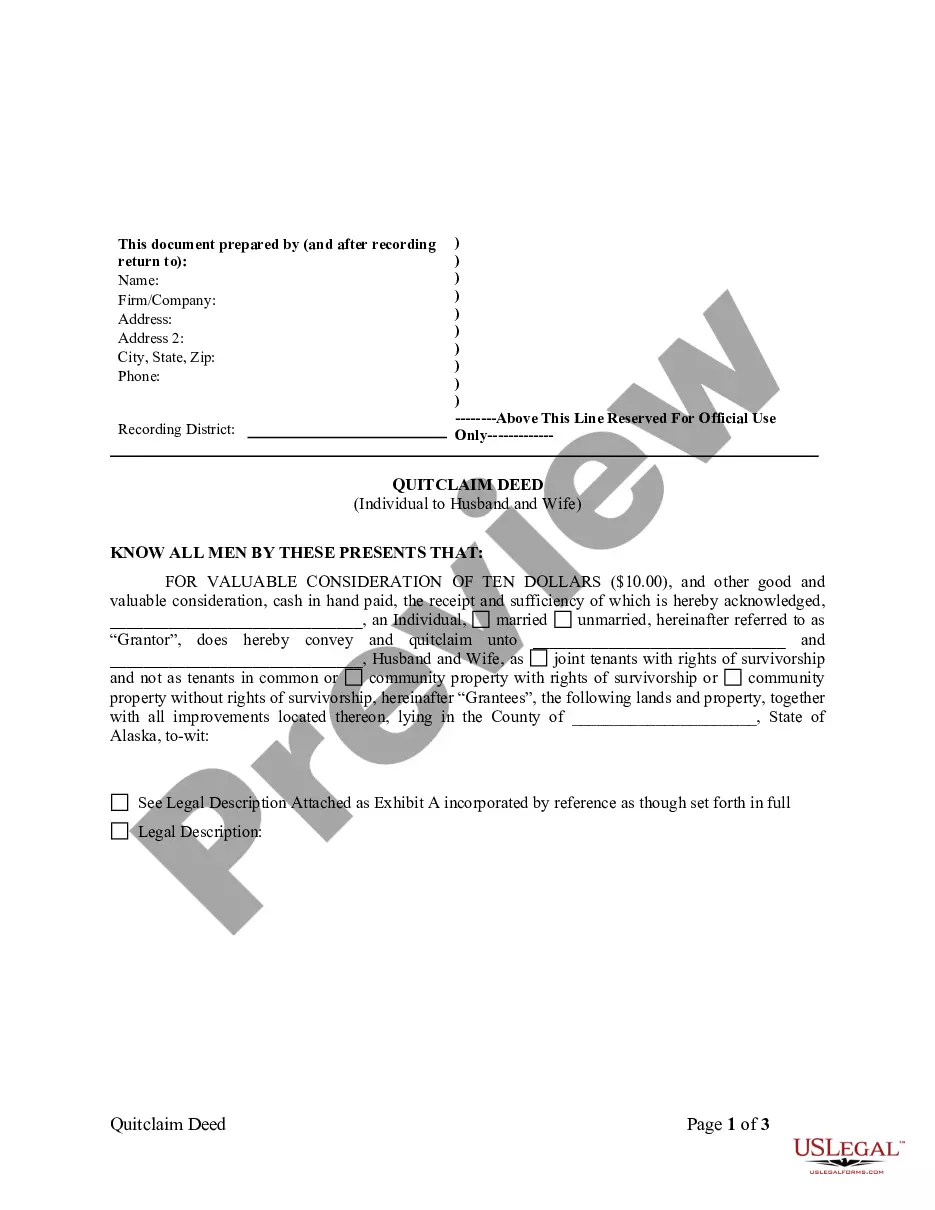
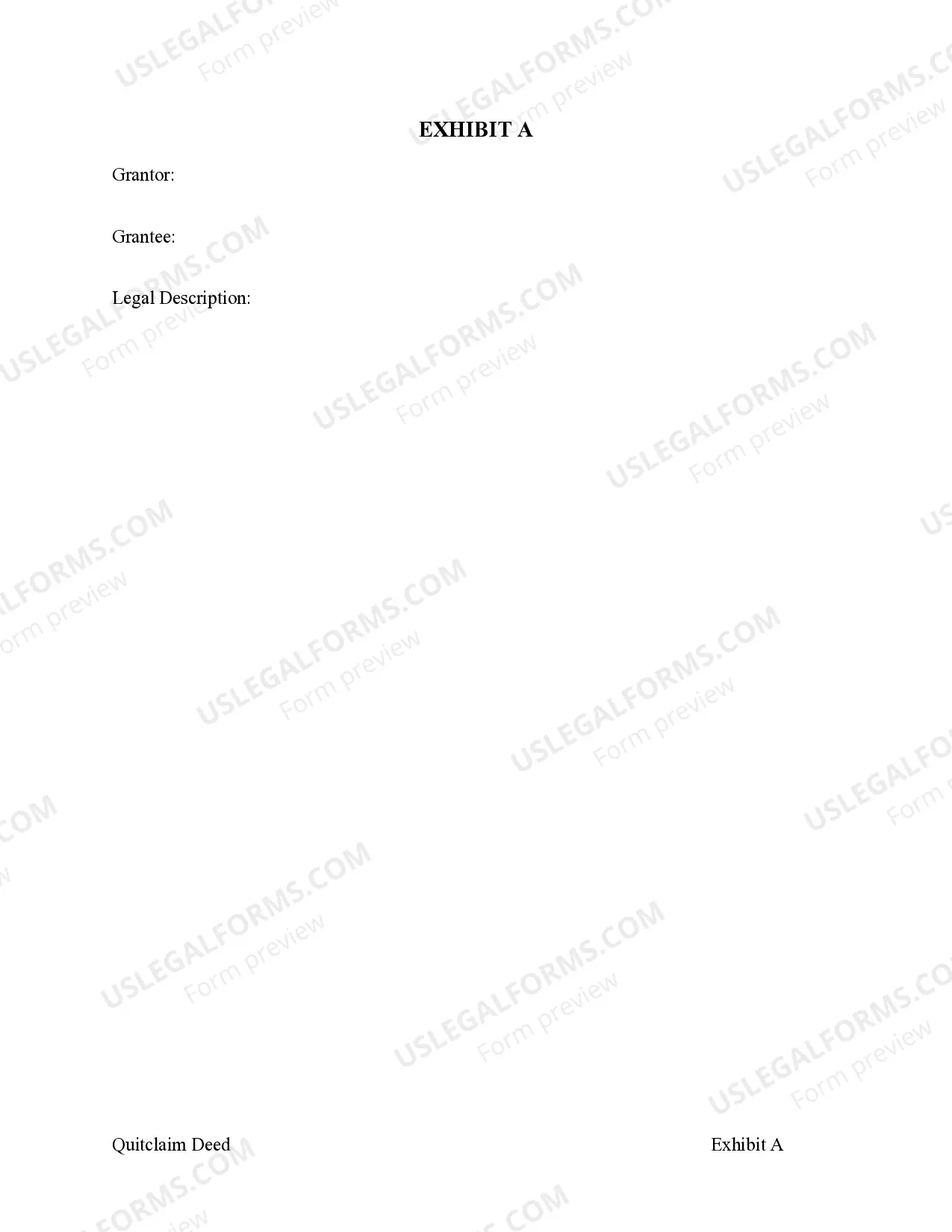
The Quitclaim Deed from Individual to Husband and Wife is a legal document that allows an individual (the Grantor) to transfer ownership of real property to a married couple (the Grantees). This deed is distinct from other type of deeds, such as warranty deeds, because it only relinquishes any claim the Grantor may have to the property without guaranteeing clear title. This document is often used in situations such as transferring property between spouses or correcting title issues.
What’s included in this form
- Grantor's information: The name and details of the individual transferring the property.
- Grantees' information: Names and details of the husband and wife receiving the property.
- Property description: A legal description of the property being conveyed.
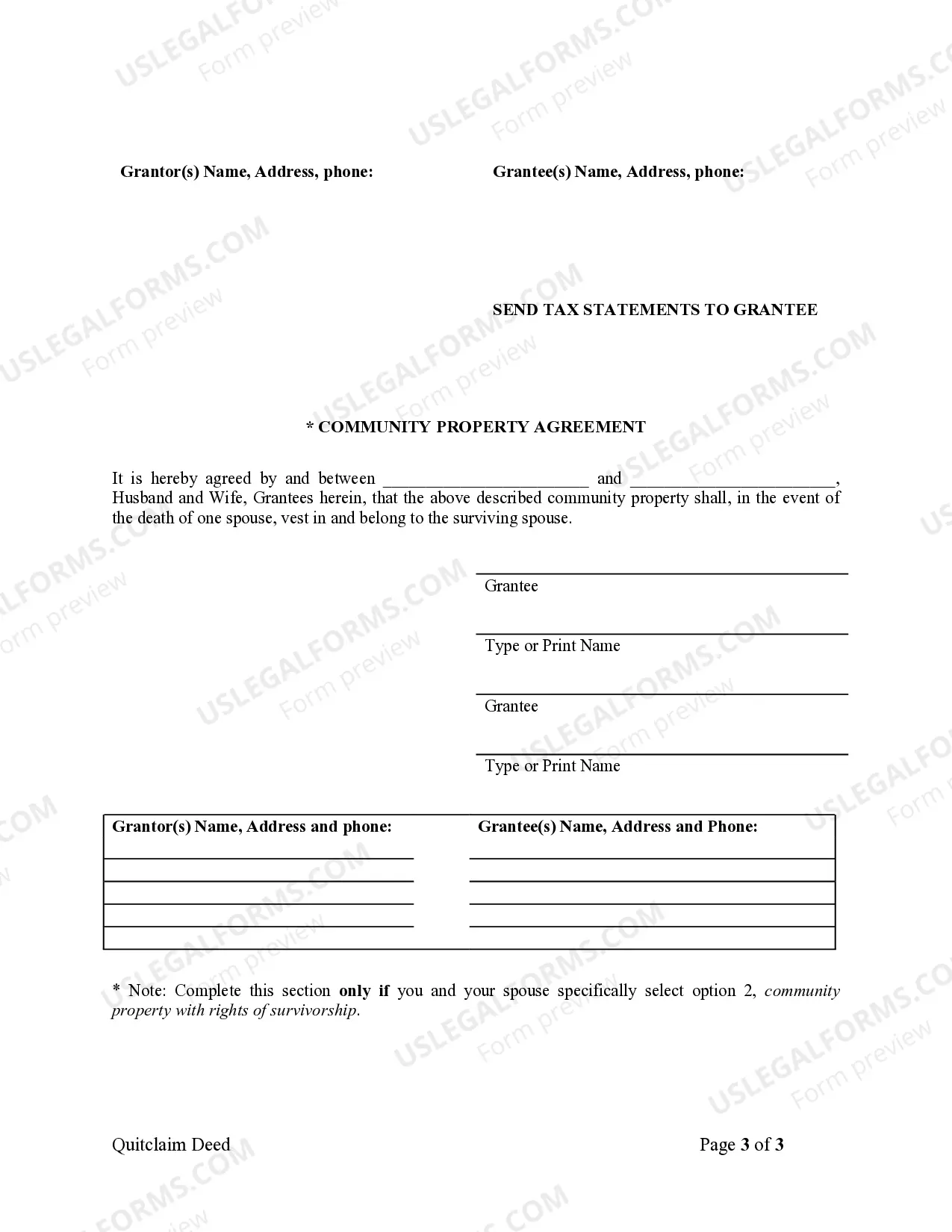
- Rights of survivorship: Specifies that the Grantees will hold the property as joint tenants with rights of survivorship.
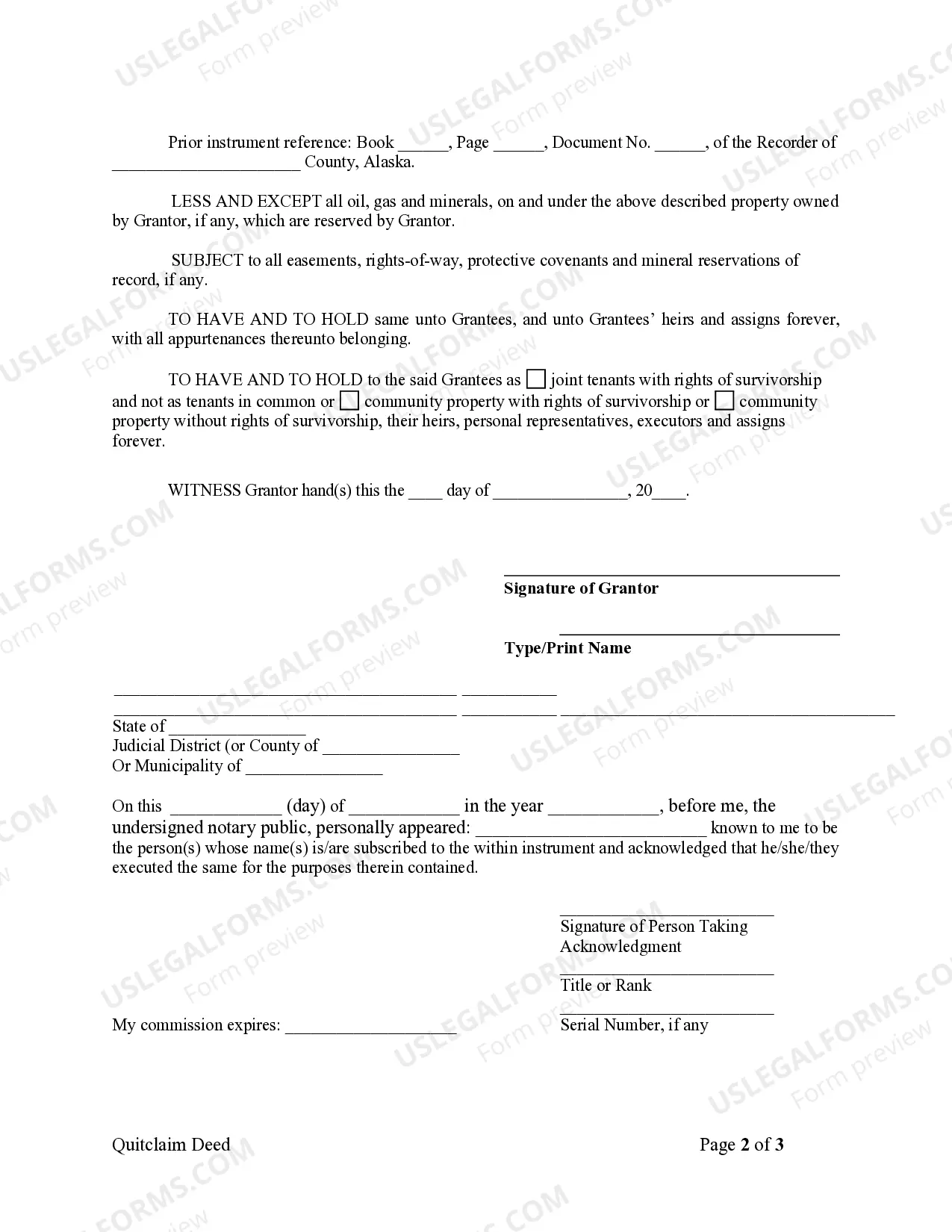
- Notary section: Requires the signature of the Grantor and may require notarization to validate the deed.





When to use this form
This form is commonly used when an individual transfers property to their spouse or to another couple. It is also useful when correcting past property title issues or when one partner wants to add the other as an owner of the property. Additionally, this deed is often utilized in divorce settlements or when property is gifted between family members.
Intended users of this form
- Individuals who want to transfer property to their spouse.
- Married couples looking to simplify property ownership.
- Individuals correcting title issues on a property.
- Attorneys assisting clients in property transfers.
Steps to complete this form
- Identify the parties: Fill in the Grantor's name and the names of the Grantees (husband and wife).
- Specify the property: Enter the legal description of the property being conveyed.
- Include rights of survivorship: Indicate how the property will be held by the Grantees.
- Add the date: Fill in the date on which the deed is being executed.
- Sign and notarize: The Grantor must sign the deed in the presence of a notary public, if required.
Does this form need to be notarized?
Yes, this form must be notarized to be legally valid in most jurisdictions. Notarization serves as a reliable way to verify the identity of the Grantor and ensure that the transfer is executed willingly. US Legal Forms offers the option for integrated online notarization, allowing for secure video calls with a notary public whenever you need it.
Get your form ready online
Our built-in tools help you complete, sign, share, and store your documents in one place.
Make edits, fill in missing information, and update formatting in US Legal Forms—just like you would in MS Word.
Download a copy, print it, send it by email, or mail it via USPS—whatever works best for your next step.
Sign and collect signatures with our SignNow integration. Send to multiple recipients, set reminders, and more. Go Premium to unlock E-Sign.
If this form requires notarization, complete it online through a secure video call—no need to meet a notary in person or wait for an appointment.
We protect your documents and personal data by following strict security and privacy standards.

Make edits, fill in missing information, and update formatting in US Legal Forms—just like you would in MS Word.

Download a copy, print it, send it by email, or mail it via USPS—whatever works best for your next step.

Sign and collect signatures with our SignNow integration. Send to multiple recipients, set reminders, and more. Go Premium to unlock E-Sign.

If this form requires notarization, complete it online through a secure video call—no need to meet a notary in person or wait for an appointment.

We protect your documents and personal data by following strict security and privacy standards.
Common mistakes
- Failing to provide a complete legal description of the property.
- Not specifying the type of ownership (joint tenancy vs. tenants in common).
- Submitting the form without notarization when required.
- Leaving out necessary signatures or dates.
Why complete this form online
- Convenience of downloading and printing as needed.
- Easy to complete with clear instructions provided.
- Access to professionally drafted legal forms tailored to state requirements.
- Ability to save and edit the form before finalizing.
Main things to remember
- This form facilitates the transfer of property from an individual to a husband and wife.
- It is essential for establishing joint tenancy with rights of survivorship.
- Proper completion and notarization are critical for its validity.
Looking for another form?

Form popularity
FAQ
The Alaska Quitclaim Deed from Individual to Husband and Wife is a legal document that lets a single Grantor transfer ownership of real property to a married couple (the Grantees). It does not guarantee clear title, only relinquishes the Grantor’s claim. It’s used to transfer between spouses or to correct title issues, with the Grantees holding as joint tenants with rights of survivorship; notarization may be required.
To fill out this quit claim deed to add a spouse, enter the Grantor’s name and details, then list the Grantees’ names (the husband and wife). Add a full property description, indicate the rights of survivorship (joint tenancy), sign the document, and complete the Notary section as required. This ensures the deed is valid and properly executed.
This form is designed for two named grantees—the husband and wife—who will hold the property as joint tenants with rights of survivorship. It shows exactly two grantees; other forms or amendments may be needed to add more people or different ownership arrangements.
Yes, this deed transfers ownership to both spouses as co-owners, but it does not address mortgage obligations. If you want your wife on the deed but not on the mortgage, you would need separate planning and financing steps, and it’s wise to consult a licensed attorney to arrange a clear title and loan structure.
Common mistakes with this form include omitting the full property description, misidentifying the Grantor or Grantees, failing to reflect the intended survivorship as joint tenants, and skipping the Notary section. Using the included components—Grantor, Grantees, Property Description, Rights of Survivorship, and Notary section—helps prevent these errors.
This form is tailored for transferring title to a married couple and explicitly states that the Grantees will hold the property as joint tenants with rights of survivorship. A standard quitclaim deed may not name a spouse or establish joint tenancy, so this Alaska-specific deed uniquely combines ownership by a husband and wife with survivorship rights.