Short Form Proposal for Contract for Home Improvements
About this form
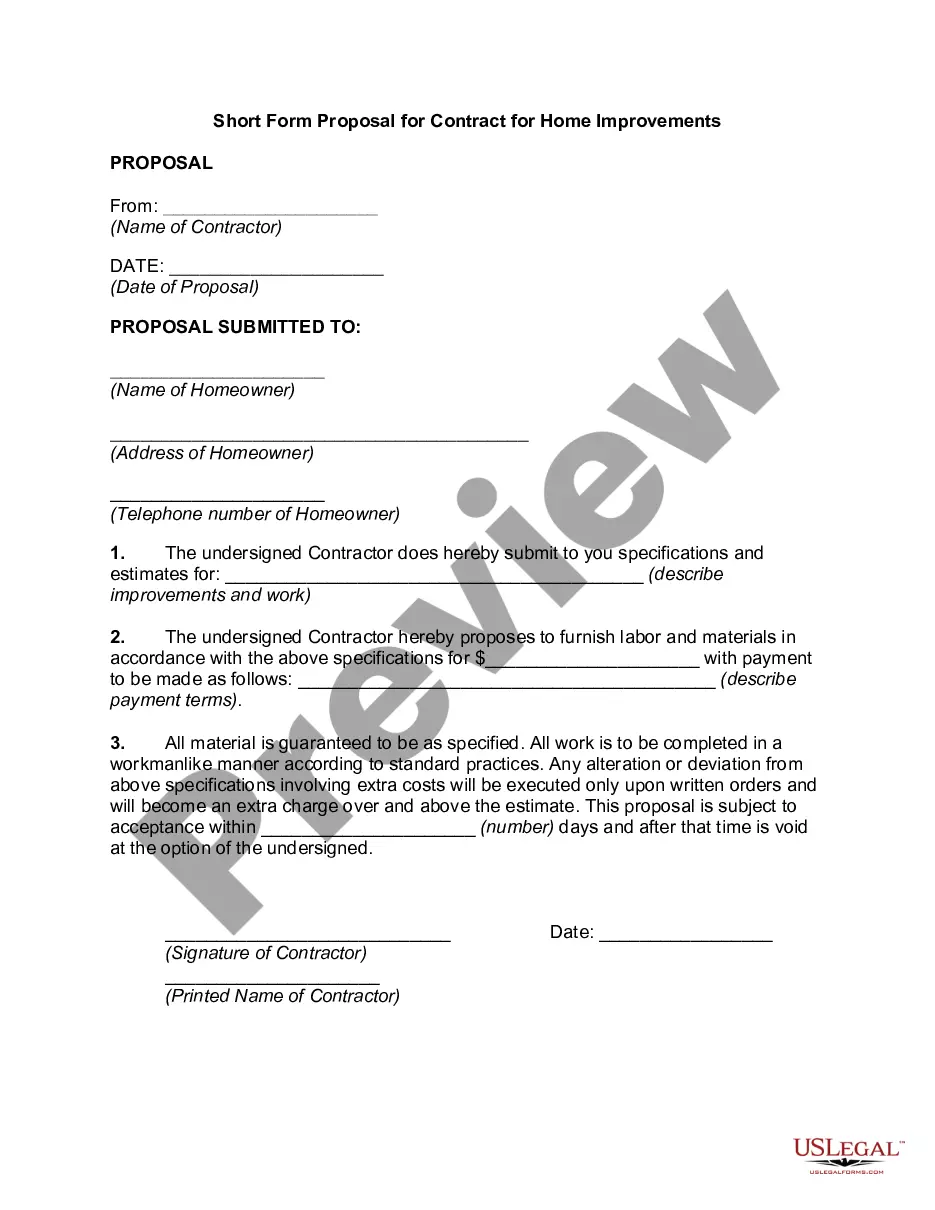
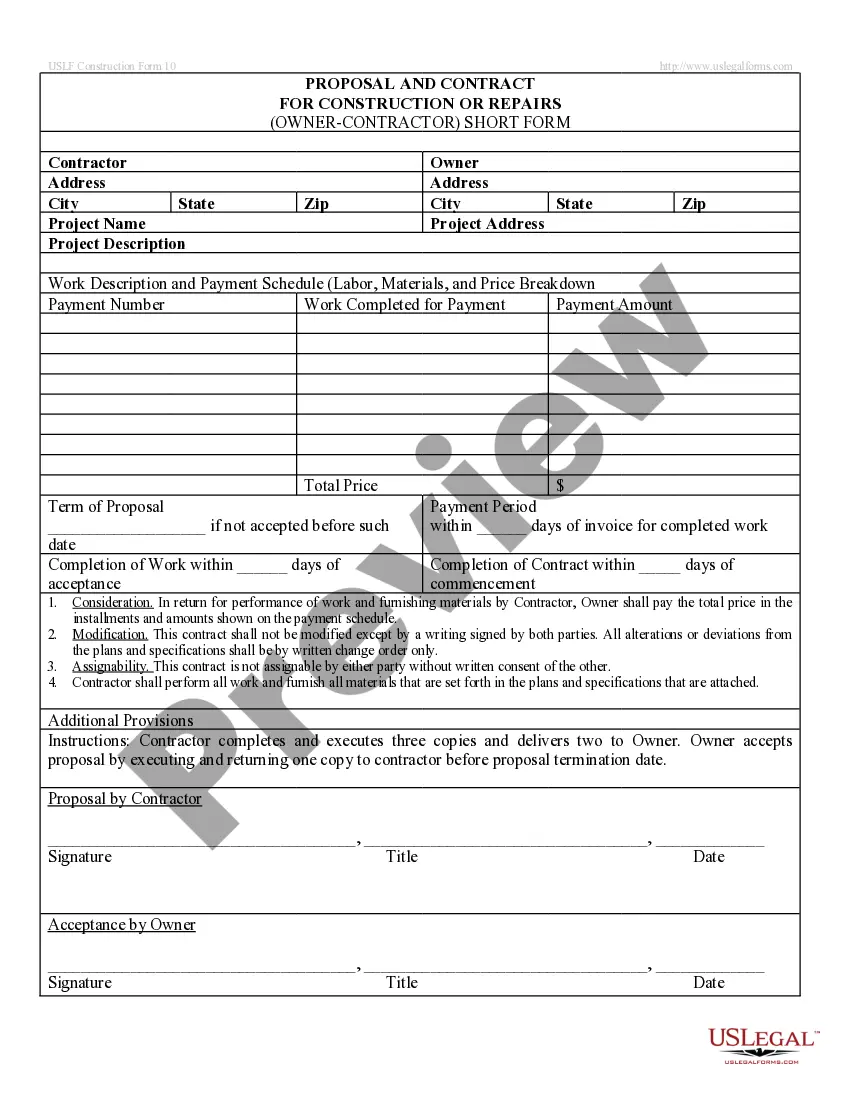
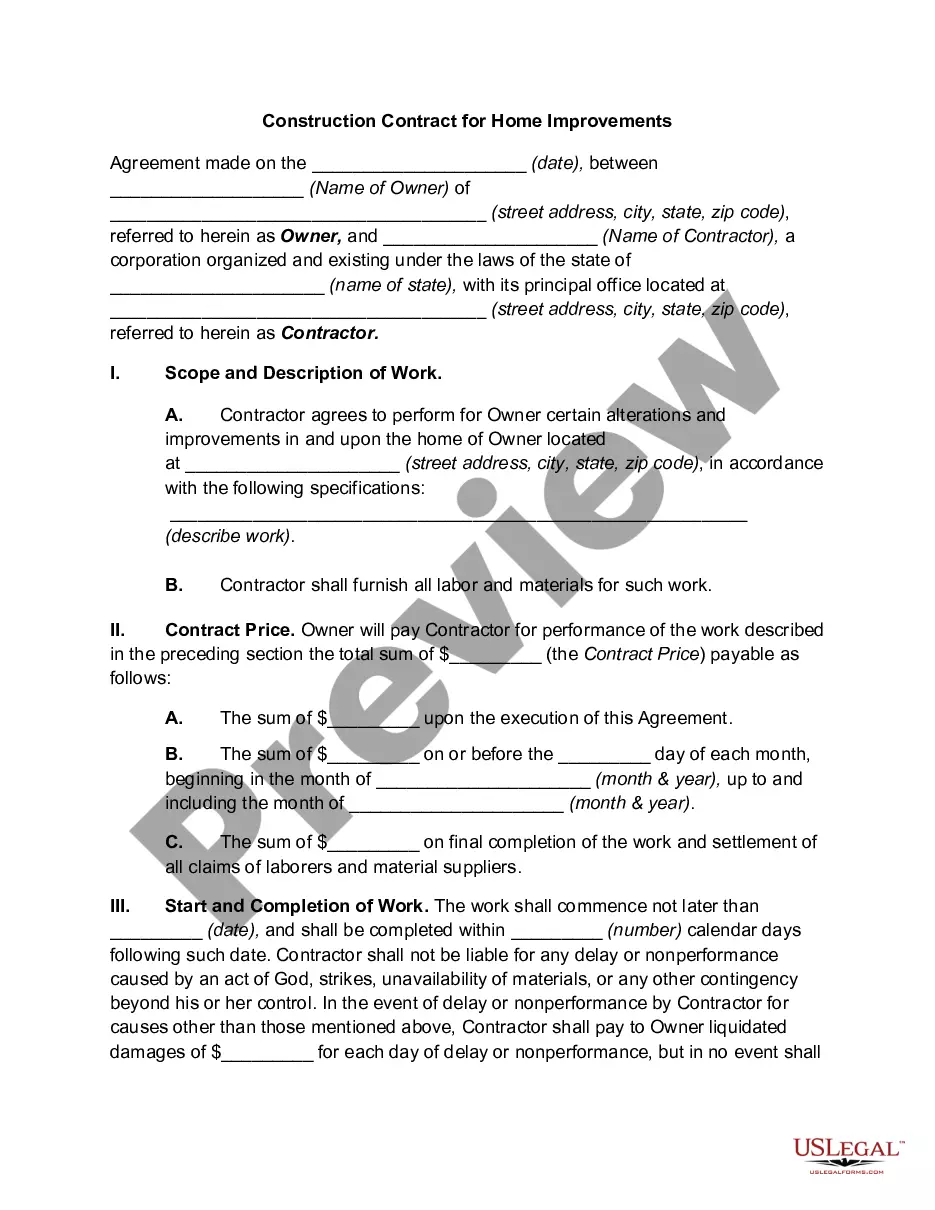
The Short Form Proposal for Contract for Home Improvements is a legal document used to outline the terms between a contractor and a homeowner regarding proposed home improvement work. This form serves as a preliminary agreement detailing the specifications, estimated costs, and terms of payment, setting it apart from a more comprehensive contract. It is essential when the total cost of the project is expected to exceed $500, as many states require written agreements in such cases.
What’s included in this form
- Proposal details including names and contact information of both parties.
- Specifications and estimates for the proposed home improvements.
- Details on labor and materials to be provided by the contractor.
- Payment terms outlining how and when payments will be made.
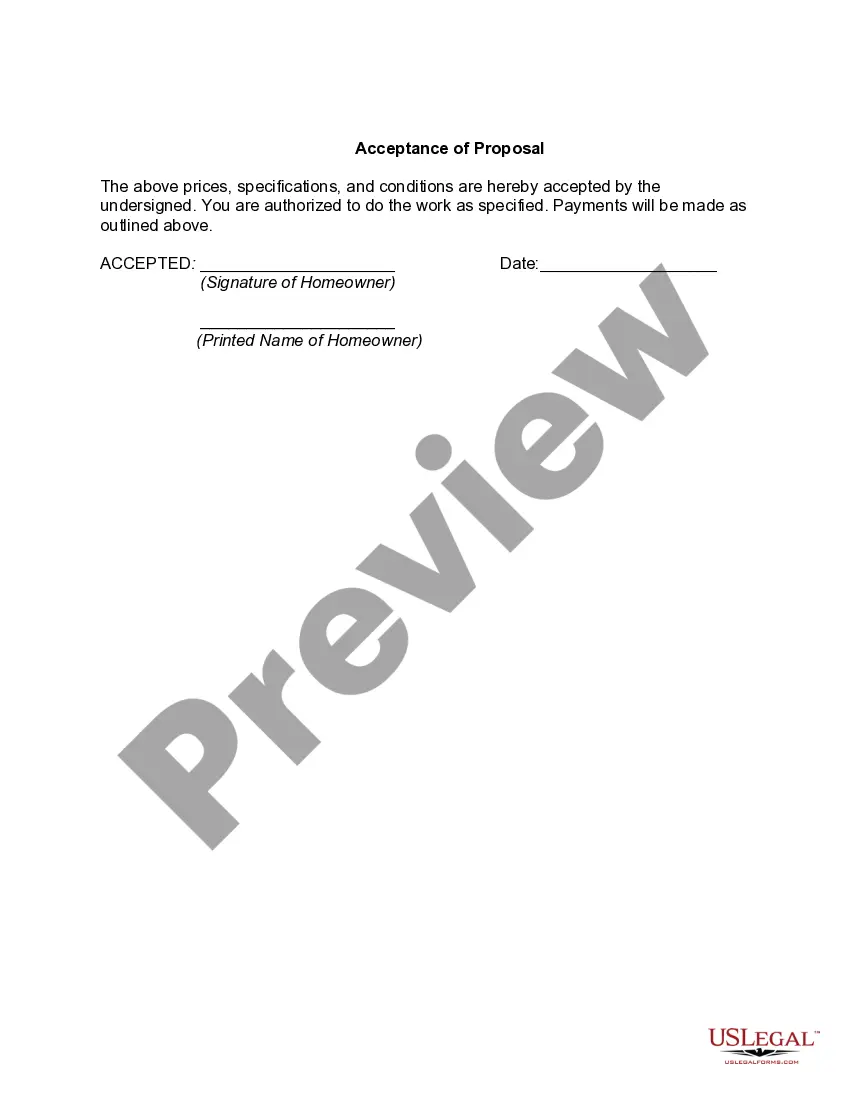
- Signatures of both the contractor and the homeowner to indicate acceptance of the proposal.
Common use cases
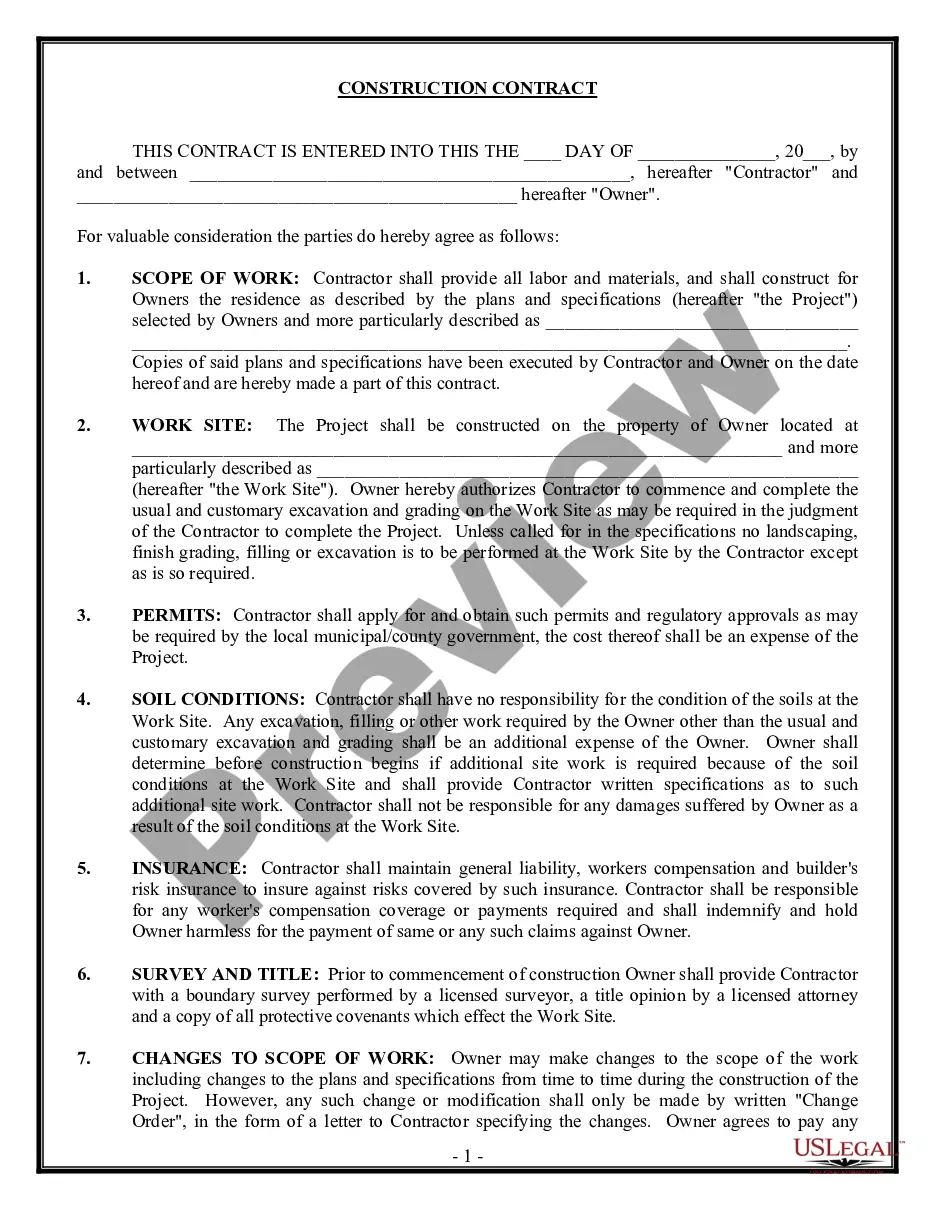
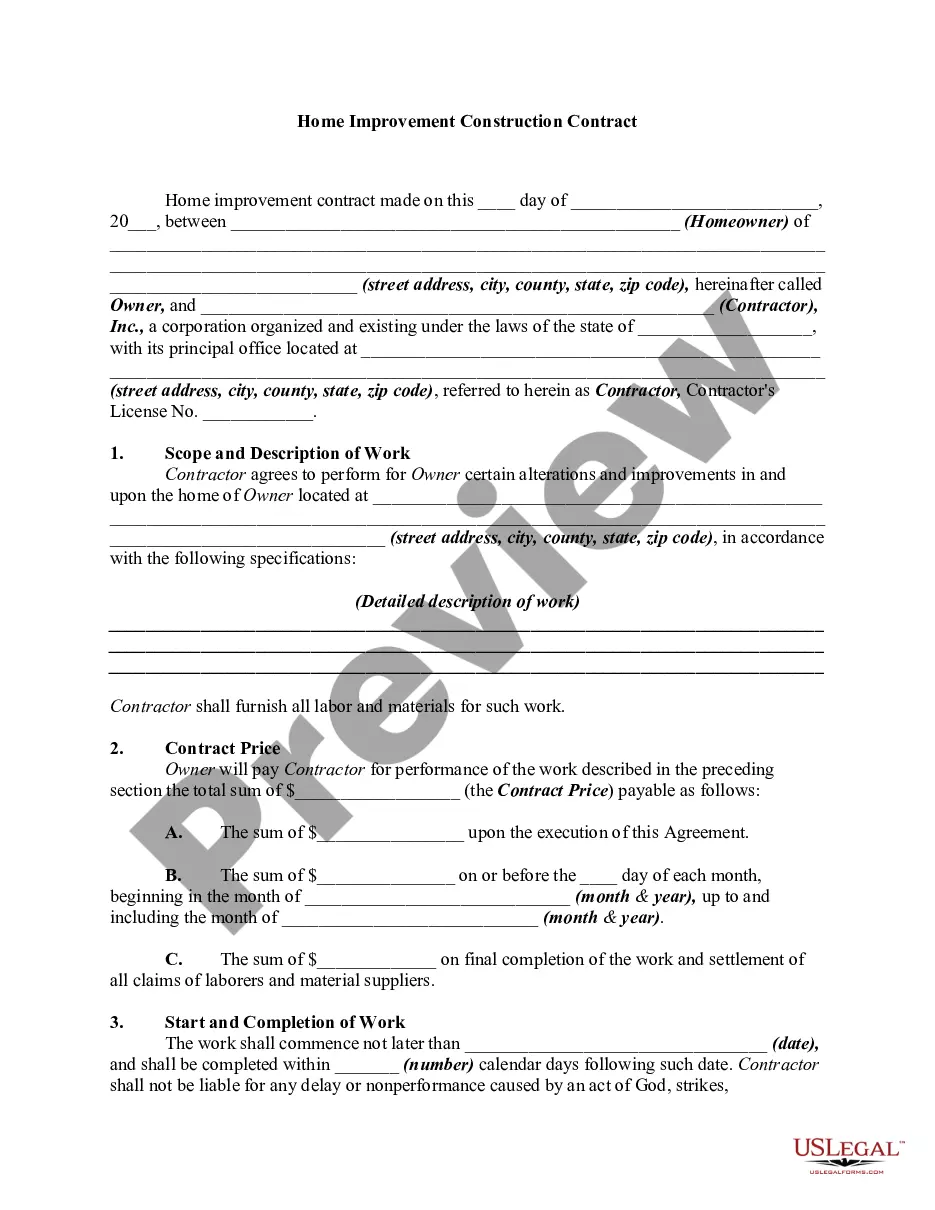
This form is typically used in situations where a homeowner wishes to undertake home improvements and needs to formalize an agreement with a contractor. It is particularly useful when the planned work will exceed $500, requiring a written proposal for legal compliance. Additionally, it can be employed to clarify the scope of work and financial arrangements before a more detailed contract is drawn up.
Who needs this form
- Homeowners planning to make improvements to their residential property.
- Contractors who need to present a formal proposal for home improvement projects.
- Tenants seeking permission to make alterations with the landlord's agreement.
Instructions for completing this form
- Identify the parties by entering the contractor's and homeowner's names and contact information.
- Describe the specific home improvements to ensure clarity on the scope of work.
- Specify the payment terms, including total cost and payment schedule.
- Have both parties read the proposal thoroughly before signing.
- Ensure both the contractor and the homeowner sign and date the proposal for acceptance.
Notarization guidance
This form does not typically require notarization to be legally valid. However, some jurisdictions or document types may still require it. US Legal Forms provides secure online notarization powered by Notarize, available 24/7 for added convenience.
Common mistakes
- Failing to provide detailed descriptions of the proposed work.
- Not including clear payment terms or deadlines.
- Skipping signatures from both parties, which can invalidate the proposal.
- Assuming verbal agreements cover all aspects of the deal.
Why use this form online
- Convenience of downloading and completing the form at any time.
- Easy customization to fit the specific needs of your home improvement project.
- Reduction of errors with a structured template that guides you through necessary information.
Key takeaways
- The Short Form Proposal for Contract for Home Improvements is essential for outlining project details and expectations.
- It is best suited for projects not exceeding $500 and simplifies communication between parties.
- Both contractor and homeowner should ensure all fields are complete and signatures obtained for validity.





Form popularity
FAQ
The names and contact information of the owner and contractor. The location of the work. A detailed description of the work to be completed (scope of work) The cost of the work and a payment schedule. The signatures of both parties and the date.
Keep It Simple While Being Complete. I agree that you don't want to overwhelm the client with too much detail. Address the Essentials. A good proposal and estimate addresses these questions: Consider Your Change Order Form. Try a Format and See How it Works.
Check Contract Basics. The basic job of a contractor agreement is to spell out the scope of the project's work. Set a Payment Schedule. Schedule Start and End Dates. Specify Change Orders. Research Your Arbitration Options. Turn Down the Contractor's Warranty.
Identifying/Contact Information. Title and Description of the Project. Projected Timeline and Completion Date. Cost Estimate and Payment Schedule. Stop Work Clause and Stop Payment Clause. Act of God Clause. Change Order Agreement. Warranty.
Consider the Requirements. Address Project Goals. State Your Company's Methodology. Mention the Project's Benefits. Wrapping Up: How to Write a Contract Proposal.
Give solutions to current entity's issues. Lay out the goals you want to achieve. Project methods, duration, and costs. State the company's good qualities. Present the benefits the entity will receive.
A contract must contain four elements to be legally enforceable: an offer, consideration, acceptance of the offer, and mutual agreement by the parties involved. A proposal simply is an offer designed by one party and offered to another to provide a solution or service, or to make a sale.
Consider the Requirements. Address Project Goals. State Your Company's Methodology. Mention the Project's Benefits. Wrapping Up: How to Write a Contract Proposal.
A proposal becomes a legally binding contract if you've instructed your client to abide by the terms of the proposal, sign it, date it, and send you funds. In other words, you can combine the proposal with a contract in order to save time.