Wisconsin Easement By Necessity Law
Description
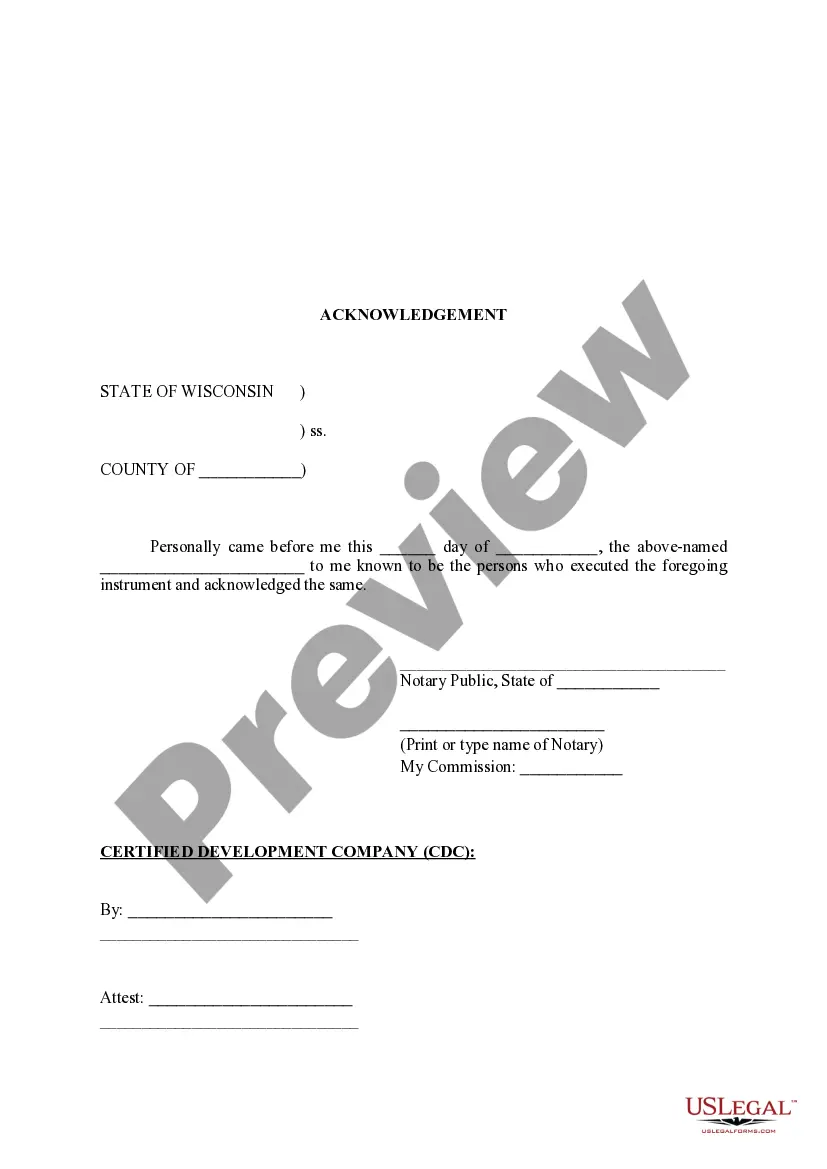
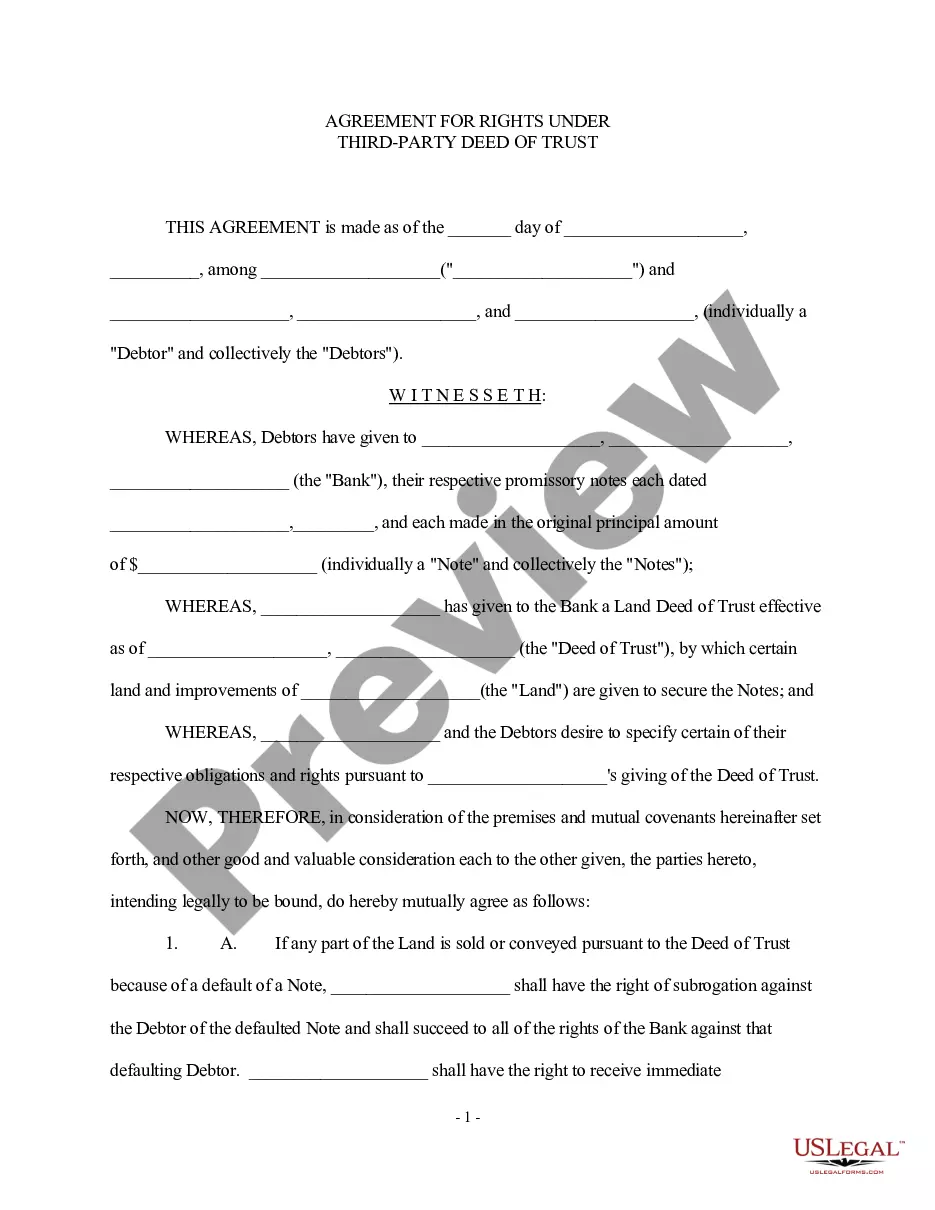
Get your form ready online
Our built-in tools help you complete, sign, share, and store your documents in one place.
Make edits, fill in missing information, and update formatting in US Legal Forms—just like you would in MS Word.
Download a copy, print it, send it by email, or mail it via USPS—whatever works best for your next step.
Sign and collect signatures with our SignNow integration. Send to multiple recipients, set reminders, and more. Go Premium to unlock E-Sign.
If this form requires notarization, complete it online through a secure video call—no need to meet a notary in person or wait for an appointment.
We protect your documents and personal data by following strict security and privacy standards.

Make edits, fill in missing information, and update formatting in US Legal Forms—just like you would in MS Word.

Download a copy, print it, send it by email, or mail it via USPS—whatever works best for your next step.

Sign and collect signatures with our SignNow integration. Send to multiple recipients, set reminders, and more. Go Premium to unlock E-Sign.

If this form requires notarization, complete it online through a secure video call—no need to meet a notary in person or wait for an appointment.

We protect your documents and personal data by following strict security and privacy standards.
Looking for another form?

How to fill out Wisconsin Third Party Lender Agreement?
Administration demands accuracy and exactness.
Unless you manage filling out forms like the Wisconsin Easement By Necessity Law daily, it can cause some misunderstanding.
Selecting the correct template from the beginning will ensure that your document submission proceeds smoothly and avoids any troubles of re-submitting a document or starting the same task from the very beginning.
If you are not a registered user, finding the desired template would require a few extra steps.
- You can always find the right template for your documentation at US Legal Forms.
- US Legal Forms is the largest online repository of forms, offering over 85 thousand templates for various fields.
- You can obtain the most recent and relevant edition of the Wisconsin Easement By Necessity Law by simply searching on the site.
- Find, save, and download templates in your profile, or check the description to ensure you possess the correct one.
- With an account on US Legal Forms, you can conveniently collect, keep in one location, and peruse the templates you save for quick access.
- When on the website, click the Log In button to sign in.
- Then, go to the My documents section, where the record of your forms is stored.
- Review the descriptions of the forms and download the ones you need at any moment.
Form popularity
FAQ
The easement belongs to the person rather than the land, so if the land owner sells the land or easement owner passes away the easement expires. An affirmative easement, also known as a positive easement, grants permission for land to be used for a specific purpose.
1) For example, A as the owner of a certain house, has a right of way over his neighbour B's land for purposes connected with the beneficial enjoyment of the house. This is an easement.
Easement of NecessityGiving a landowner right-of-way over an adjoining parcel of land in order to access a public road is the most common example of an easement by necessity. Imagine a piece of farmland that has been divided in two. The first parcel lies along a county road and has a driveway leading up to a home.
The creation of easements is usually done expressly by deed, but easements may be implied where they are necessary, or would be reasonably expected to be held by a land owner, an approach which reduces legal fees but is not altogether uncontroversial, and has been the subject of recent reform proposals.
Easement of Necessity This consists of the circumstances where the owner or occupier cannot use his property without exercising the right of easement over the servient heritage. Thus, absolute necessity is the test and the convenience.