Personal Liability For Llc
Description

Get your form ready online
Our built-in tools help you complete, sign, share, and store your documents in one place.
Make edits, fill in missing information, and update formatting in US Legal Forms—just like you would in MS Word.
Download a copy, print it, send it by email, or mail it via USPS—whatever works best for your next step.
Sign and collect signatures with our SignNow integration. Send to multiple recipients, set reminders, and more. Go Premium to unlock E-Sign.
If this form requires notarization, complete it online through a secure video call—no need to meet a notary in person or wait for an appointment.
We protect your documents and personal data by following strict security and privacy standards.

Make edits, fill in missing information, and update formatting in US Legal Forms—just like you would in MS Word.

Download a copy, print it, send it by email, or mail it via USPS—whatever works best for your next step.

Sign and collect signatures with our SignNow integration. Send to multiple recipients, set reminders, and more. Go Premium to unlock E-Sign.

If this form requires notarization, complete it online through a secure video call—no need to meet a notary in person or wait for an appointment.

We protect your documents and personal data by following strict security and privacy standards.
Looking for another form?




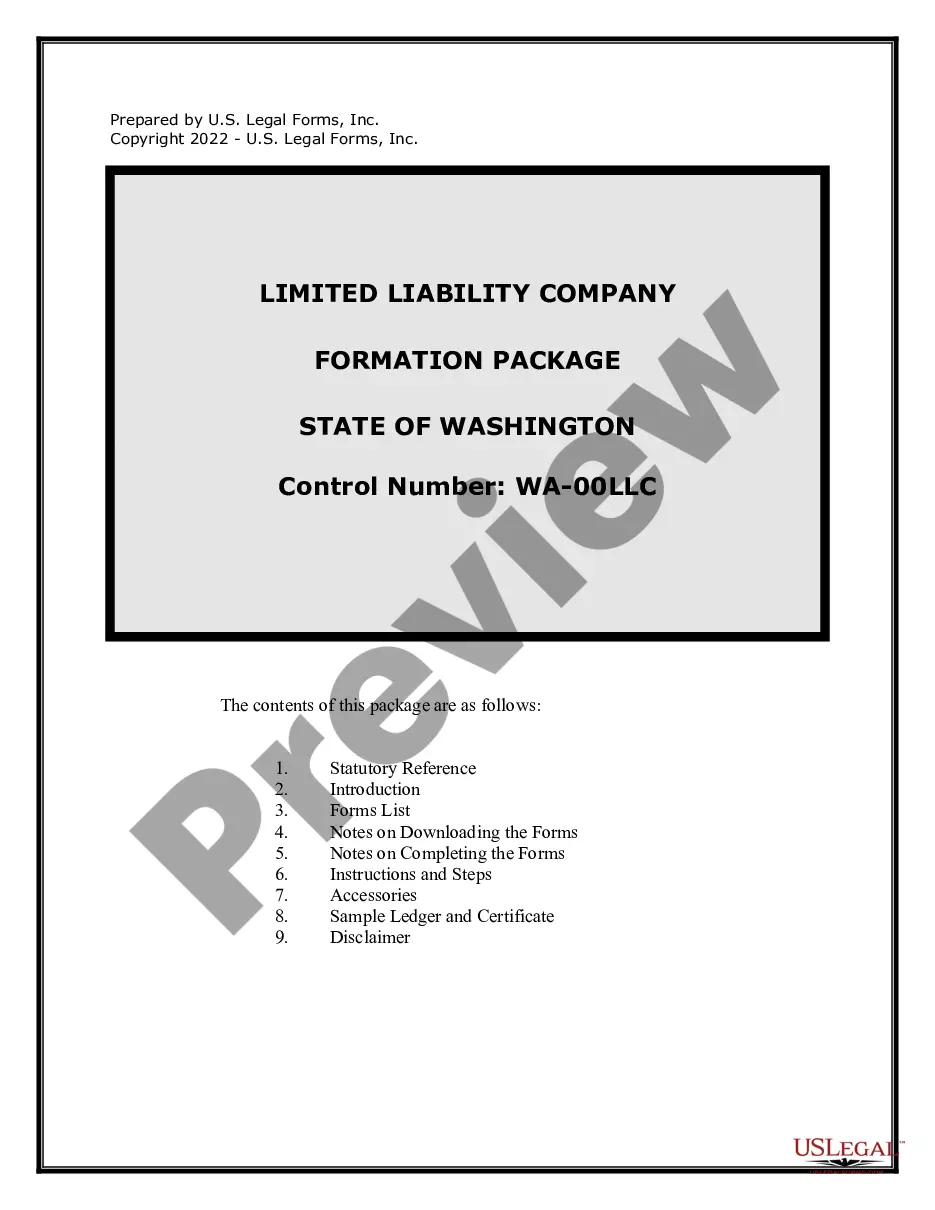
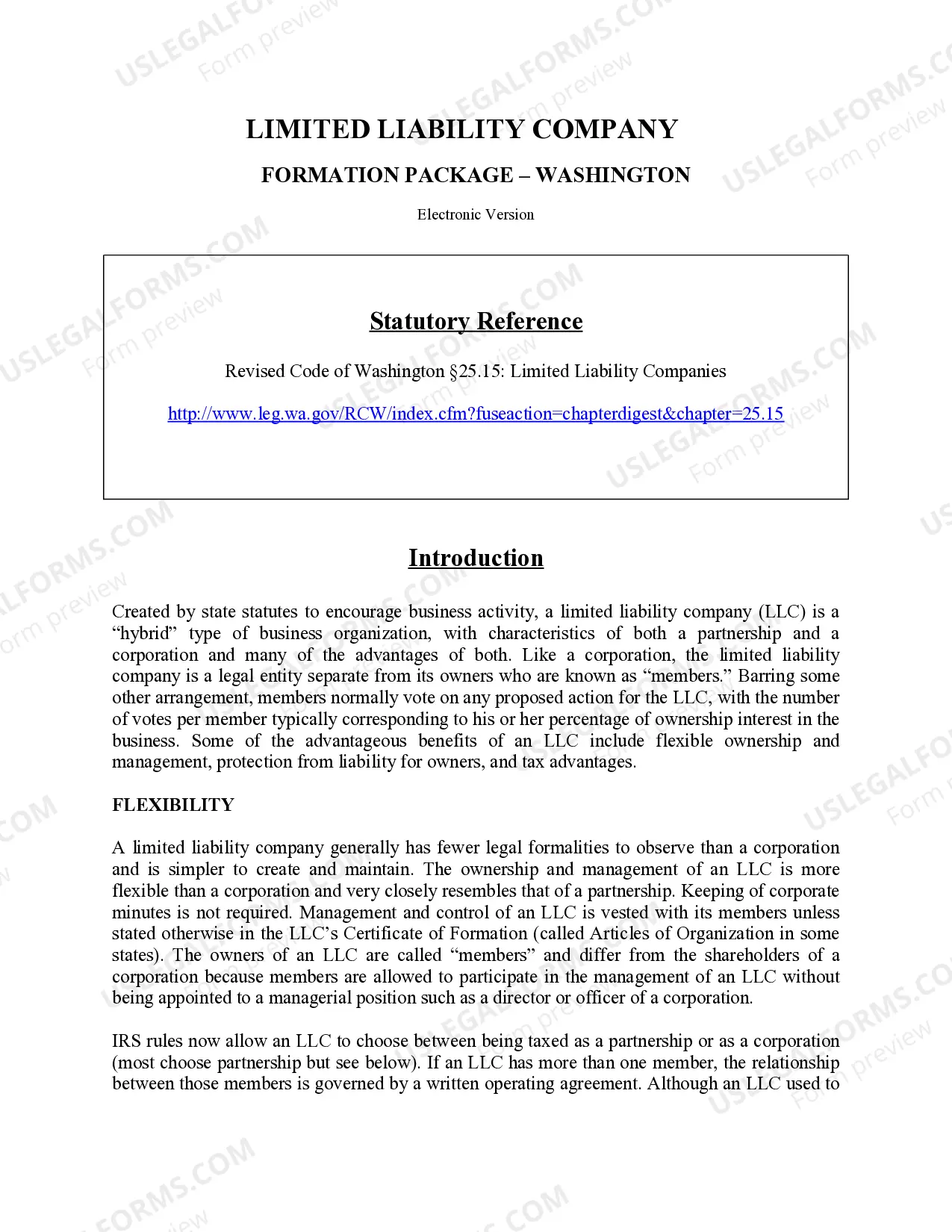
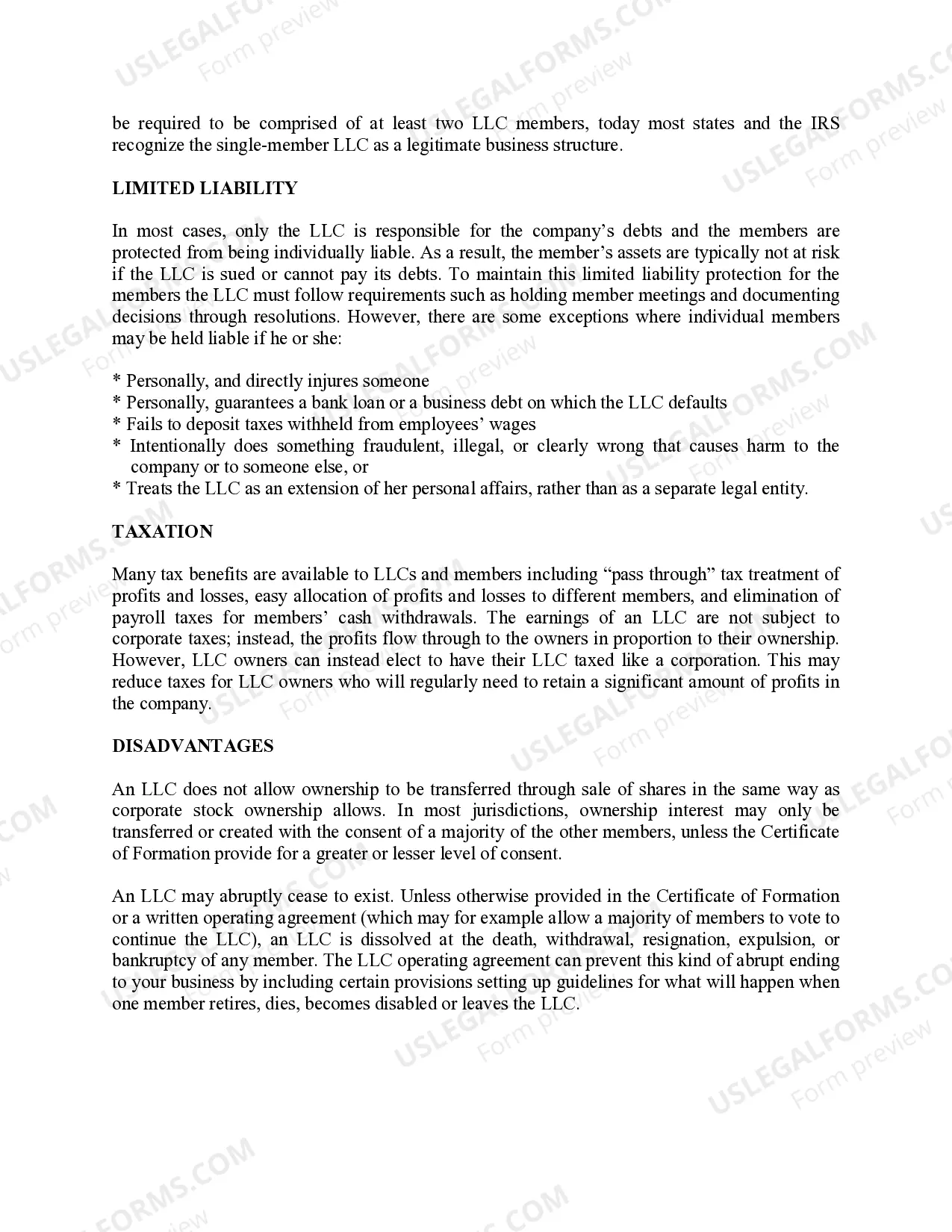
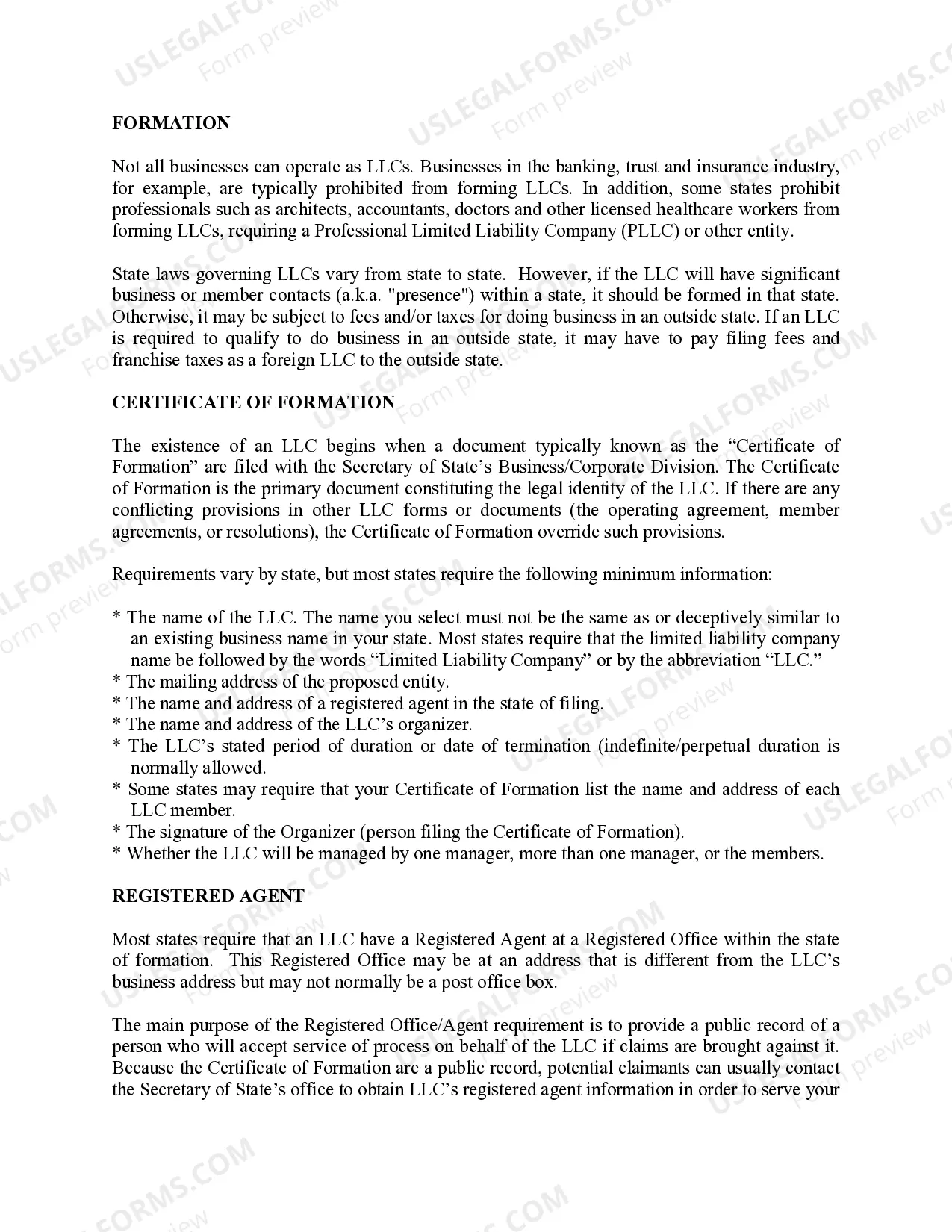
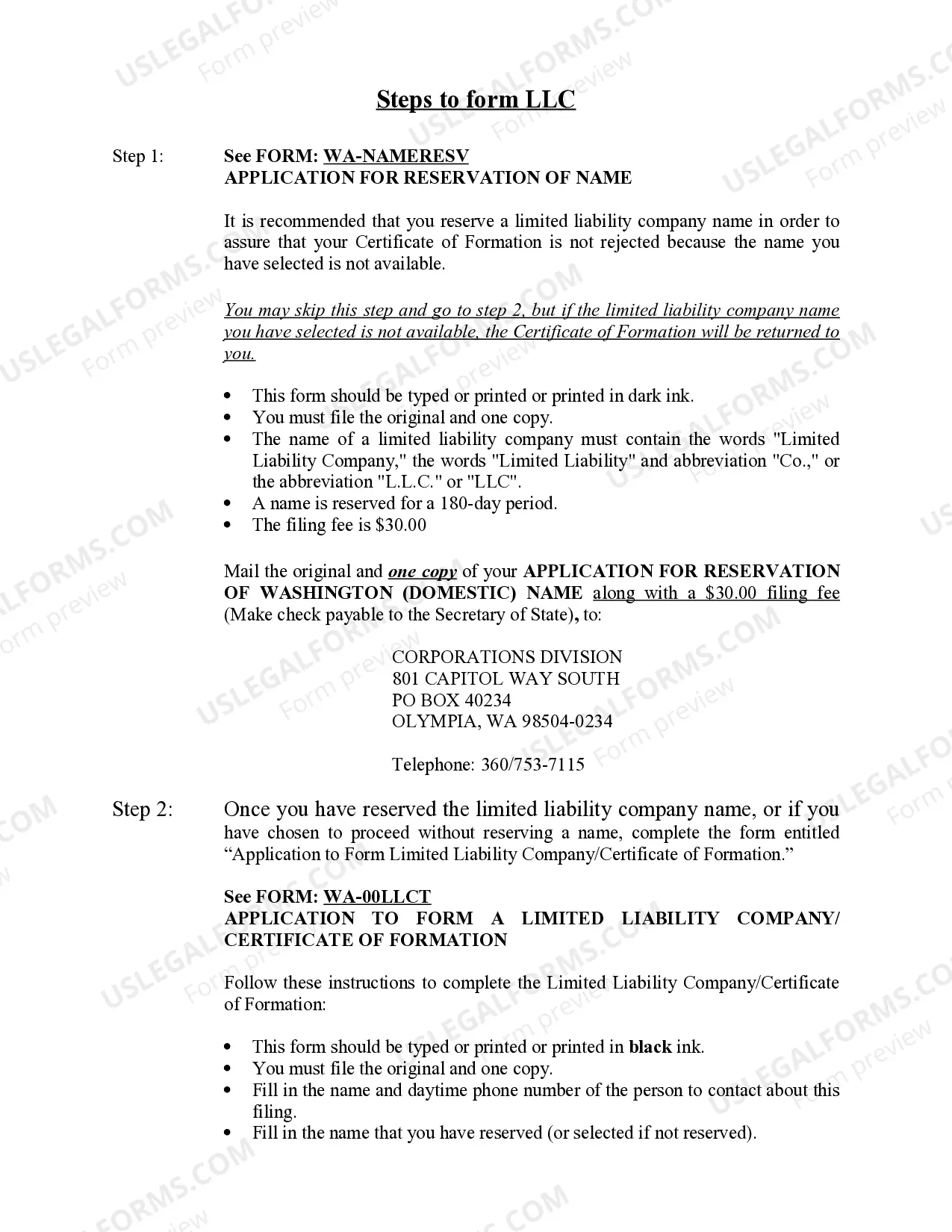
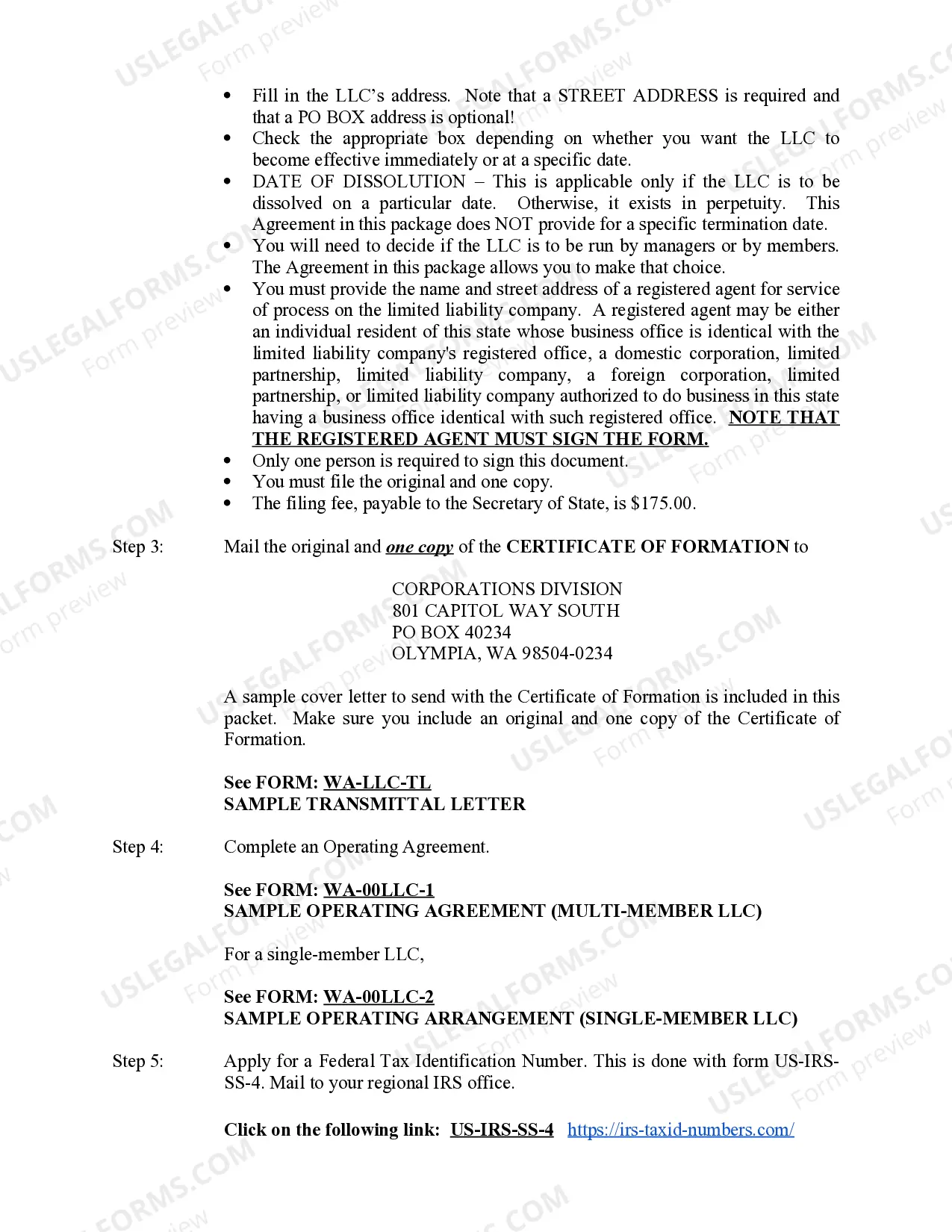
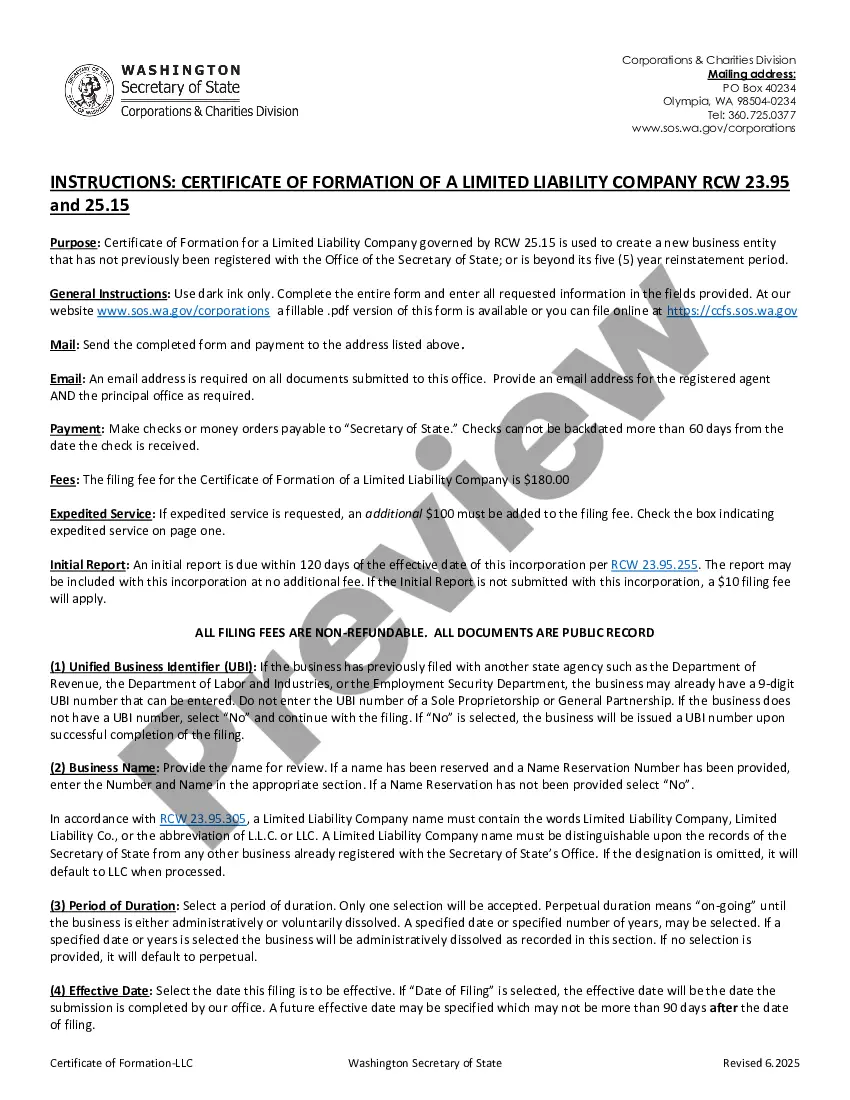
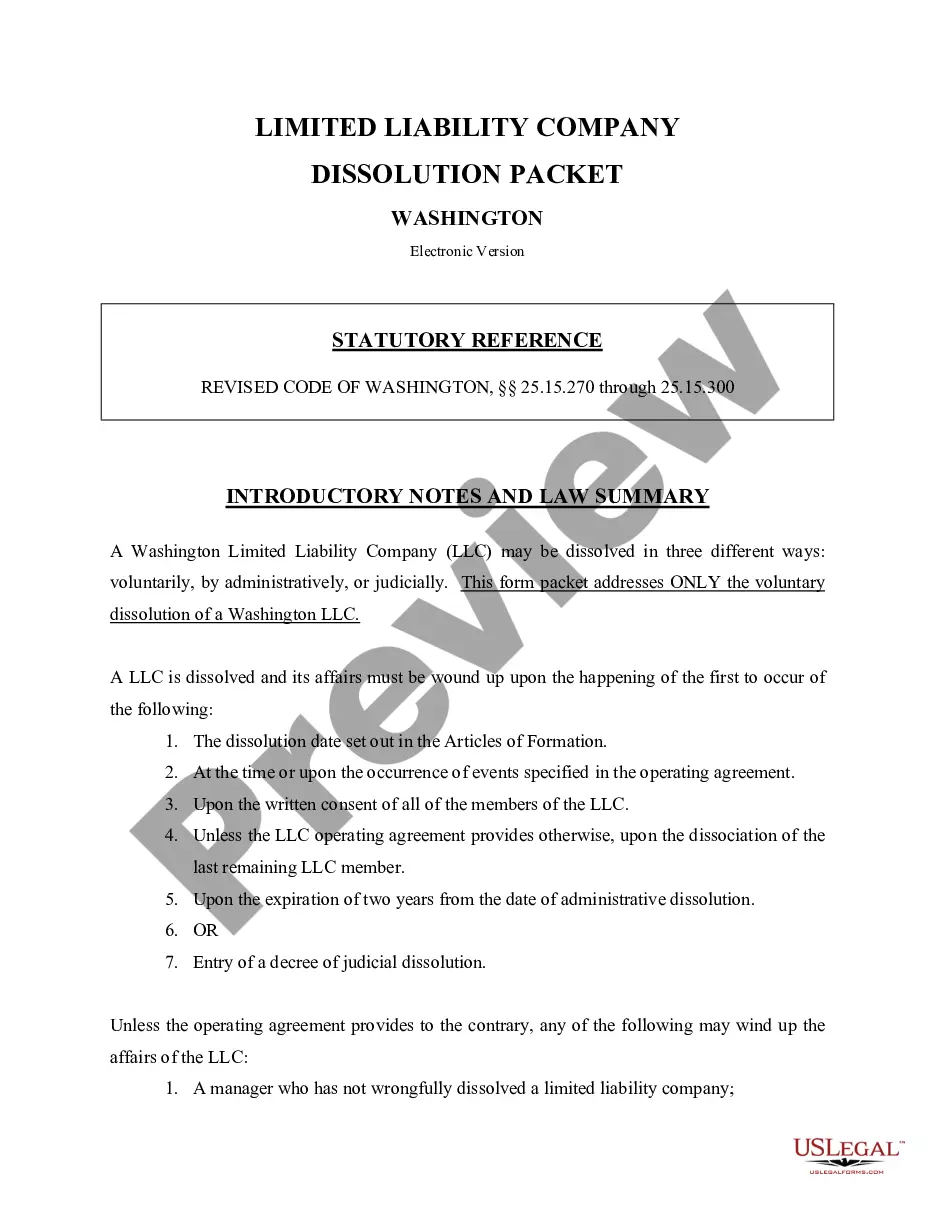
How to fill out Washington Limited Liability Company LLC Formation Package?
- First, if you're a returning user, log in to your account and check your subscription status. Ensure it’s active before proceeding.
- Next, browse through the extensive library of over 85,000 legal forms. Use the Preview mode to find a form that suits your needs and confirms to your local regulations.
- If you need to refine your search, utilize the Search tab to locate the specific template required for your LLC’s personal liability situation.
- Once you identify the correct form, click on the Buy Now button, select your preferred subscription plan, and create an account to access more resources.
- After your purchase, input your payment details through a credit card or PayPal and complete the transaction.
- Finally, download your legal form and save it on your device. You can also access it anytime from the My documents section of your profile.
By following these steps, you can effectively utilize US Legal Forms to manage your LLC’s personal liability paperwork.
Explore our extensive library today and empower your legal documentation process!
Form popularity
FAQ
An example of a limited liability company (LLC) could be a small business offering consulting services. In this case, the company structure allows the owners to benefit from liability protection while enjoying the tax benefits of pass-through taxation. If the business faces legal issues or debts, the personal assets of the owners are usually safeguarded. Using the US Legal Forms platform can help in establishing your LLC correctly to ensure compliance.
Transferring personal assets to your LLC involves formalizing the process through proper documentation. You will generally need to draft a bill of sale or an asset transfer agreement that details the assets being moved into the LLC. This step ensures that the assets are recognized as belonging to the LLC and helps maintain the liability protection. Additionally, consider consulting with a legal professional for optimal management.
Filling out a W-9 for an LLC is straightforward. You should provide the name of your LLC as it appears on official documents, and include the type of LLC in the 'Tax classification' section. Typically, you would select 'Limited Liability Company' and provide the LLC's tax ID number or your Social Security Number if it is a single-member LLC. For more assistance, you might consider using the US Legal Forms platform, which simplifies such documentation.
Typically, you do not have personal liability in an LLC for business debts or obligations. This separation is one of the key benefits of forming an LLC, as it provides a shield against personal exposure to the LLC's financial issues. However, personal liability can arise if business owners engage in fraudulent activities or fail to follow legal protocols. Therefore, maintaining compliance is essential to safeguard your personal assets.
An LLC generally protects you personally by limiting your liability for business debts. However, this protection has its limits, especially in cases of wrongdoing or neglect. Being aware of actions that could endanger this shield is vital for you as a business owner. Thus, grasping the nuances of personal liability for LLC can keep your personal assets secure.
Yes, someone can sue you personally even if you have an LLC. Certain situations, like personal guarantees or negligence, can lead to a lawsuit against you individually. It is crucial to recognize that an LLC is not an absolute shield against personal liability. Thus, understanding the implications of personal liability for LLC is necessary for effective risk management.
An LLC does provide some level of personal protection by separating your personal assets from your business liabilities. This means that, in most cases, you are not personally responsible for debts or legal claims against the LLC. However, you must maintain corporate formalities and avoid actions that would compromise this protection. Recognizing your limits regarding personal liability for LLC is essential.
Yes, obtaining liability insurance for your LLC is wise. While an LLC offers some personal protection, it does not completely shield you from every risk. Liability insurance can cover legal fees, settlements, and judgments arising from lawsuits. This adds an extra layer of protection against personal liability for LLC owners.
Yes, you can be personally liable in an LLC under certain circumstances. While an LLC generally protects members from personal liability for business debts, exceptions exist. If you engage in fraudulent activities or fail to adhere to regulatory requirements, you may compromise that protection. Therefore, understanding personal liability for LLC is crucial for your financial security.
While an LLC does offer protection against personal liability, it is crucial to understand its limits. Generally, an LLC separates your personal assets from business debts and liabilities; however, this protection can be compromised in cases of fraud or if you fail to follow legal protocols. To enhance your defense against personal liability for LLC issues, ensure you maintain proper business practices and consider legal consultations as needed.