60 Day Notice To Vacate
Description
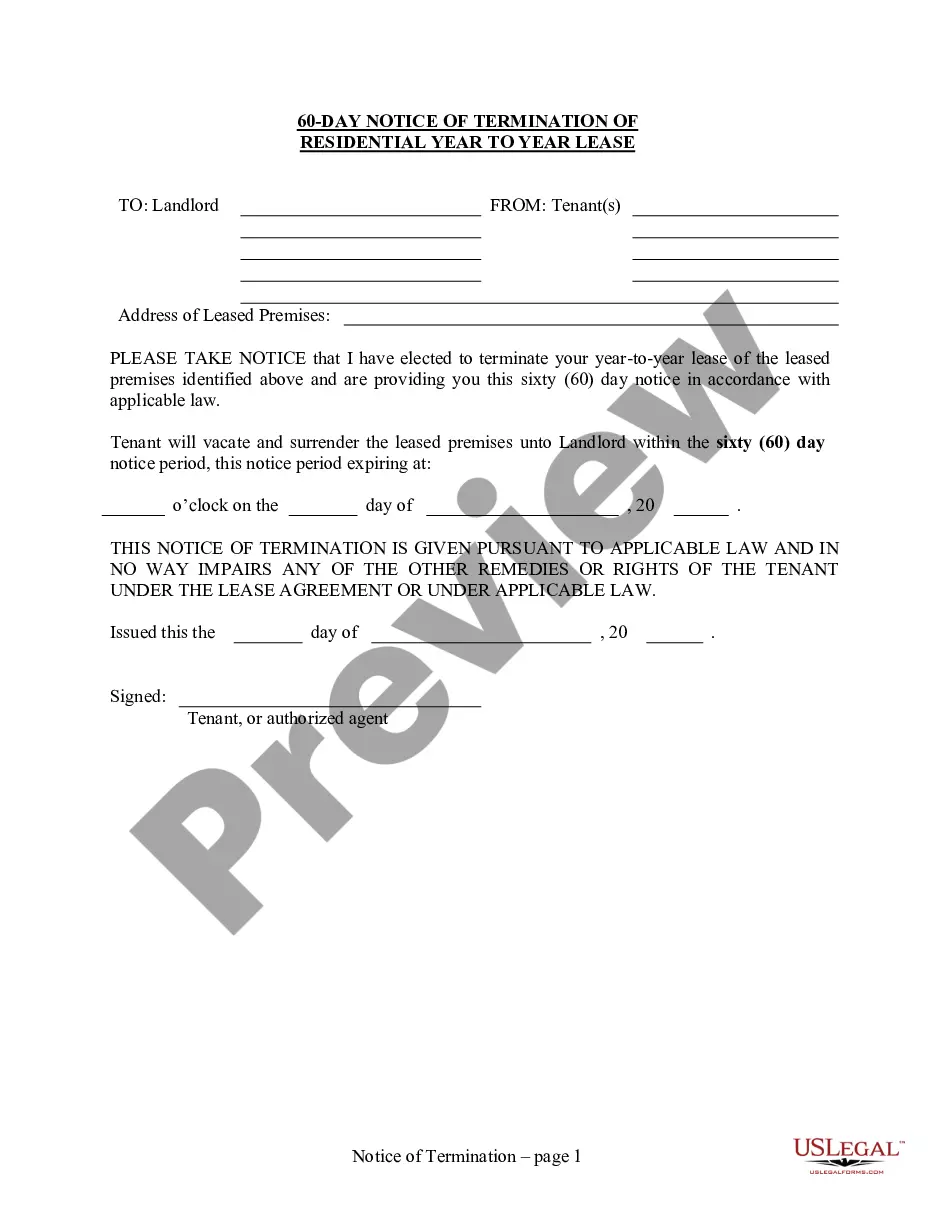
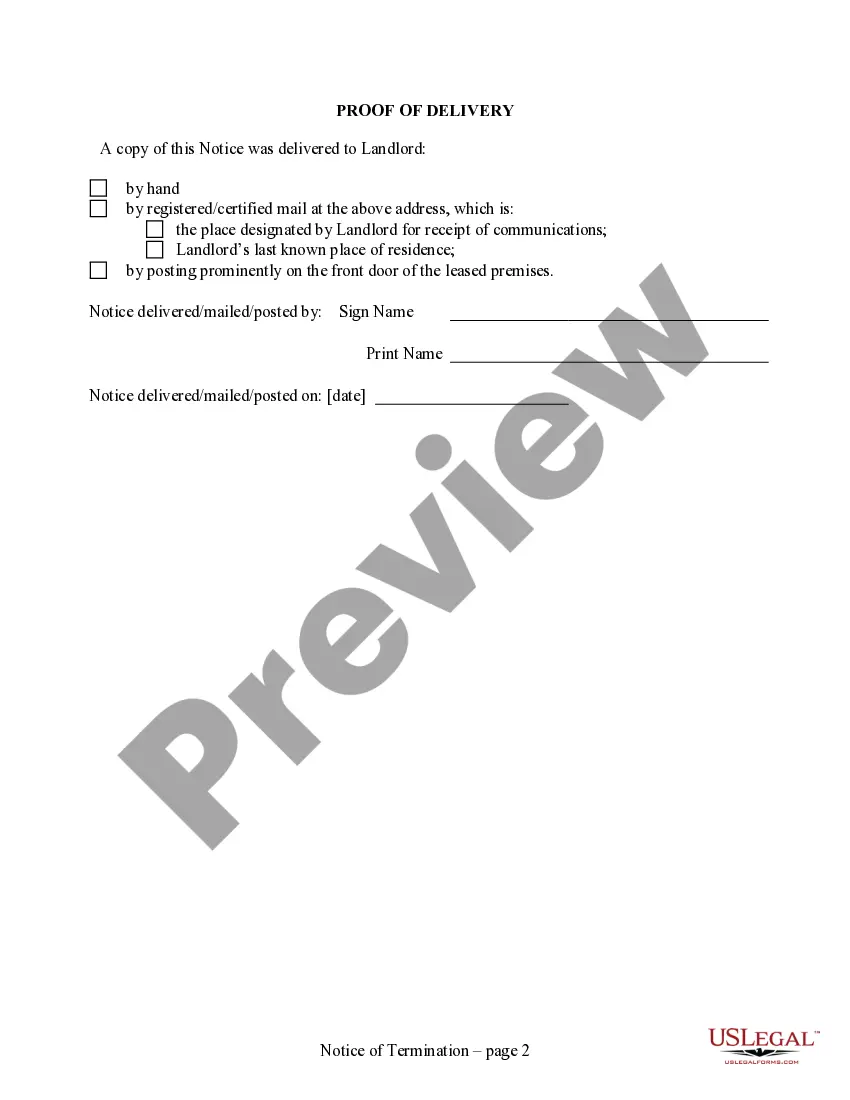
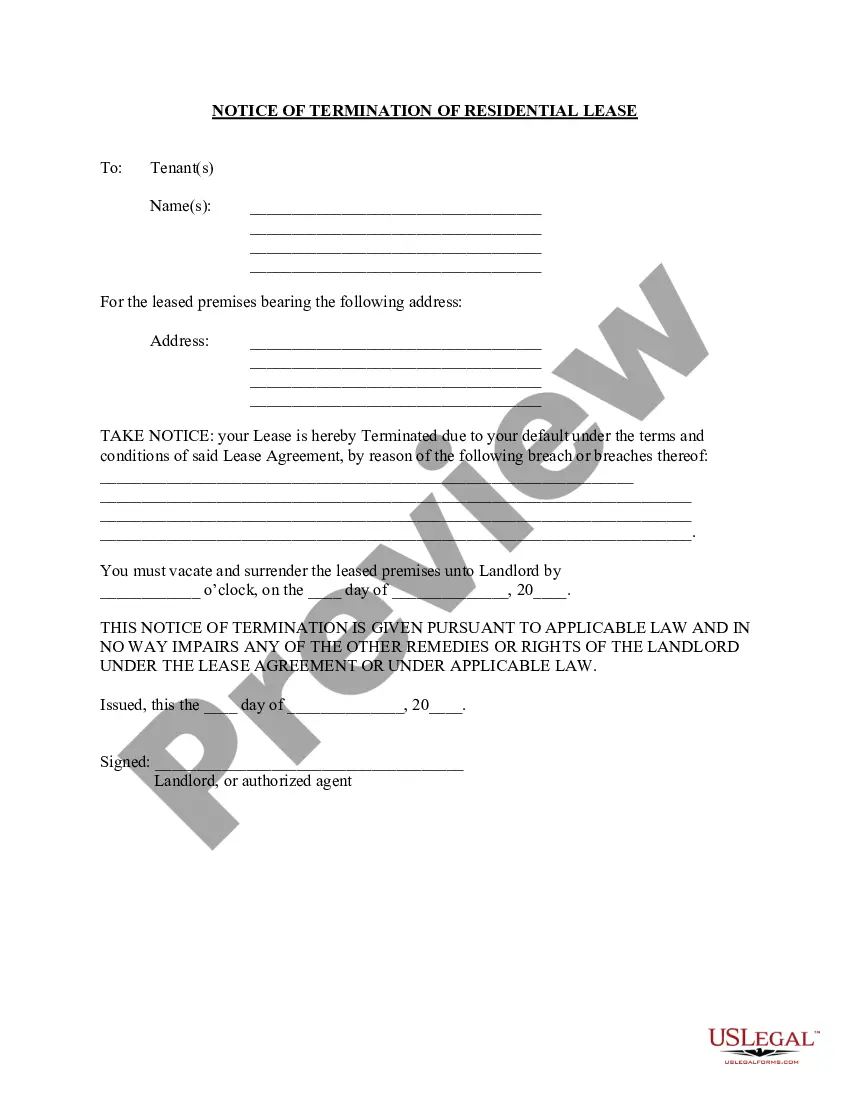
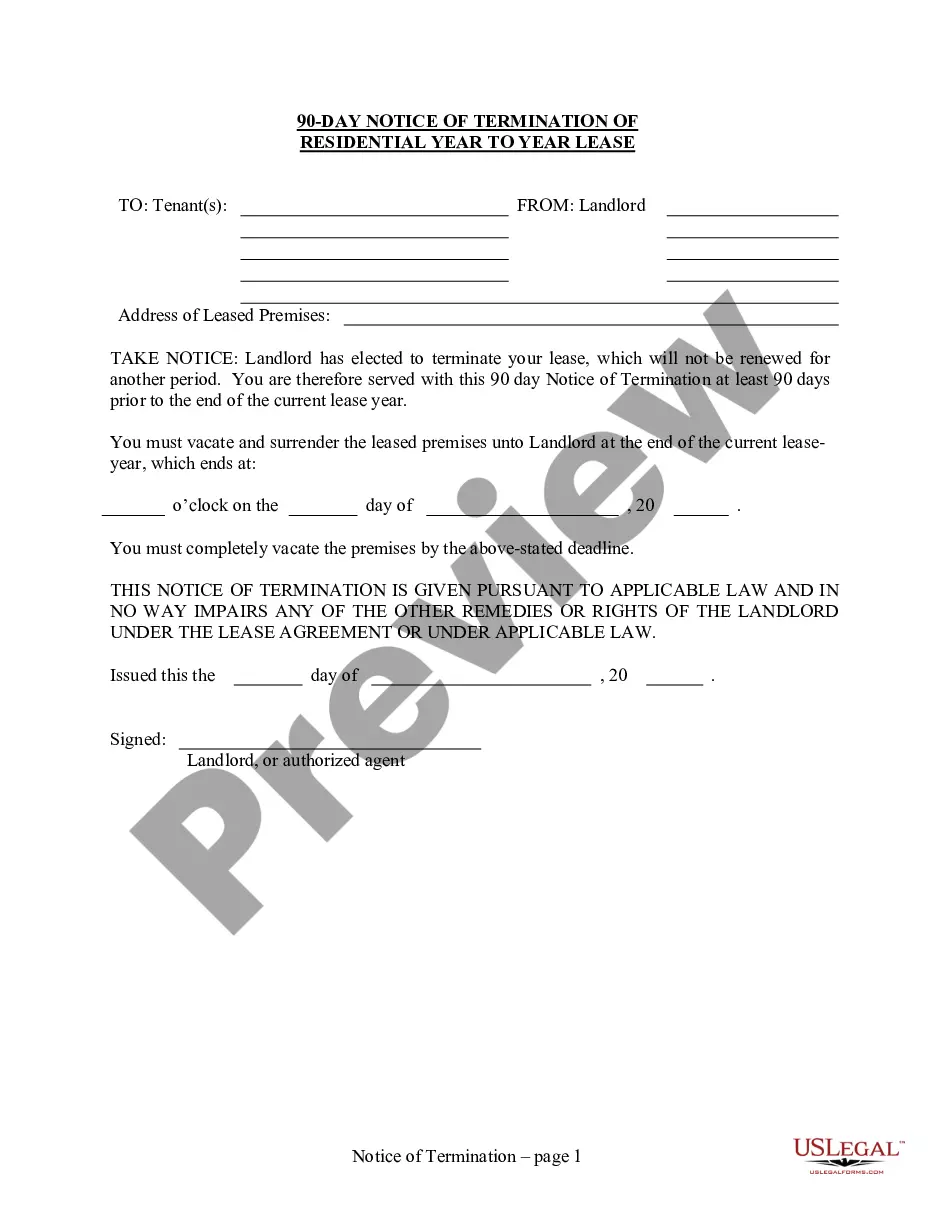
Get your form ready online
Our built-in tools help you complete, sign, share, and store your documents in one place.
Make edits, fill in missing information, and update formatting in US Legal Forms—just like you would in MS Word.
Download a copy, print it, send it by email, or mail it via USPS—whatever works best for your next step.
Sign and collect signatures with our SignNow integration. Send to multiple recipients, set reminders, and more. Go Premium to unlock E-Sign.
If this form requires notarization, complete it online through a secure video call—no need to meet a notary in person or wait for an appointment.
We protect your documents and personal data by following strict security and privacy standards.

Make edits, fill in missing information, and update formatting in US Legal Forms—just like you would in MS Word.

Download a copy, print it, send it by email, or mail it via USPS—whatever works best for your next step.

Sign and collect signatures with our SignNow integration. Send to multiple recipients, set reminders, and more. Go Premium to unlock E-Sign.

If this form requires notarization, complete it online through a secure video call—no need to meet a notary in person or wait for an appointment.

We protect your documents and personal data by following strict security and privacy standards.
Looking for another form?









How to fill out Virginia 60 Day Notice To Terminate Year-to-Year Lease - Residential From Tenant To Landlord?
- If you’re already a US Legal Forms user, log in to your account to access your previous forms. Confirm that your subscription is active before downloading any new templates.
- For first-time users, start by browsing the preview mode and descriptions of the forms available. Ensure the 60 day notice to vacate meets your needs and adheres to your local jurisdiction.
- If you don't find exactly what you need, utilize the Search tab to explore other templates that might be more appropriate.
- Once you identify the correct form, click the Buy Now button. Choose a subscription plan that best fits your requirements and create an account to move forward.
- Proceed to checkout by entering your payment information. You can pay via credit card or PayPal for a seamless transaction.
- Download the completed form to your device. You can easily access it anytime from the My Forms section.
In conclusion, utilizing US Legal Forms makes the process of creating your 60 day notice to vacate straightforward and efficient. With a huge selection of forms and expert help available, you can rest assured that your legal documentation will be accurate and trustworthy.
Start your journey today and empower yourself with confidence when it comes to legal matters.
Form popularity
FAQ
To write a 60-day vacate letter, start by clearly stating your intent to vacate your premises with the specific date of departure. Include your full name, address, and the date you are writing the letter. Utilize a respectful tone, and ensure you provide all necessary information to create an effective 60-day notice to vacate.
While sending a notice to vacate via email is possible in some cases, it may not always fulfill legal requirements. Many landlords and tenants prefer traditional methods, such as mailing a physical letter to ensure proper documentation. Always check the regulations in your area to confirm whether a 60-day notice to vacate via email is acceptable.
A notice to vacate can be deemed invalid for various reasons, such as failing to meet the required notice period or not being delivered in the proper format. If the notice lacks necessary details or is sent to the wrong address, it may also face rejection. To ensure its validity, always adhere to local laws and your lease terms when issuing a 60-day notice to vacate.
If you want to get around a 60-day notice to vacate, review your lease to check for any clauses that may allow for early termination. Additionally, negotiate with your landlord for an exception, as they might agree if you provide valid reasons. Keeping communication open is vital, and documenting conversations can help your case.
Email can count as written notice to vacate in some situations, but it is crucial to verify your local regulations and lease agreements. Many jurisdictions still prefer or mandate physical documents for a 60-day notice to vacate, so relying solely on email may not be sufficient. For legal security, consider sending a hard copy as well.
A 60-day notice to vacate is typically considered a no-fault notice, allowing tenants to leave without any specific reason. This type of notice provides tenants the freedom to move on for personal or financial reasons without facing penalties. However, you should review your lease and local laws, as regulations can vary.
In some cases, a written notice can be sent via email, but it depends on your lease agreement and local laws. Many jurisdictions require a formal method of communication, such as a physical letter, especially for a 60-day notice to vacate. To ensure that your notice complies with legal requirements, you should check your lease terms and consult a local attorney if necessary.
Formatting a letter to vacate requires a clear and business-like approach. Start with your address and the date at the top, followed by a greeting. Use a simple layout with paragraphs, stating your move-out intention and the 60-day notice to vacate clearly. End with a respectful closing and your signature for a professional touch.
To write a 60-day notice, structure your letter to include essential details like your full address, the date, and your request to vacate. Clearly state the last day you will occupy the property, allowing for proper 60-day notice to vacate. Use a professional tone and remain polite throughout the letter. It's best to send this via certified mail for proof.
Writing a 60-day vacate letter involves a few simple steps. Start with your address and the date, followed by a clear statement of your intent to vacate. Include the intended move-out date, ensuring it meets the 60-day notice to vacate requirement. Conclude with appreciation for your landlord's cooperation during your tenancy.