Court Who Where For Abortion
Description
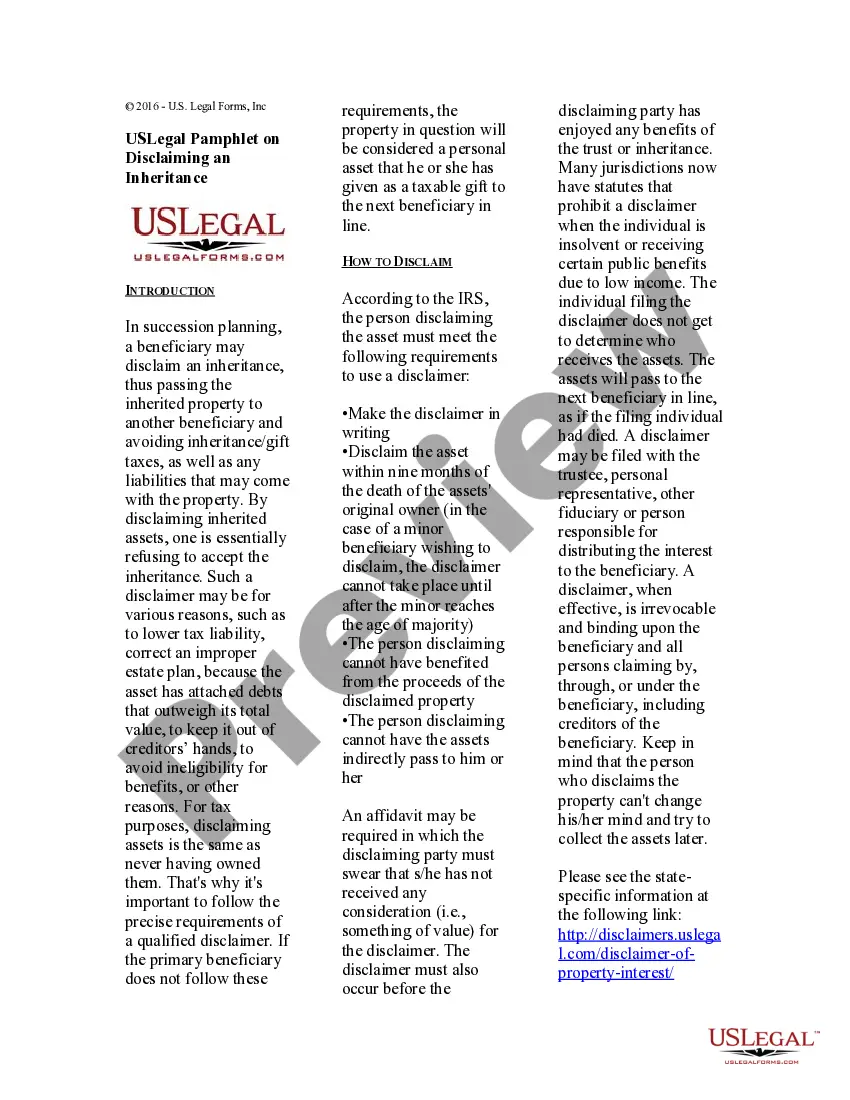
Get your form ready online
Our built-in tools help you complete, sign, share, and store your documents in one place.
Make edits, fill in missing information, and update formatting in US Legal Forms—just like you would in MS Word.
Download a copy, print it, send it by email, or mail it via USPS—whatever works best for your next step.
Sign and collect signatures with our SignNow integration. Send to multiple recipients, set reminders, and more. Go Premium to unlock E-Sign.
If this form requires notarization, complete it online through a secure video call—no need to meet a notary in person or wait for an appointment.
We protect your documents and personal data by following strict security and privacy standards.

Make edits, fill in missing information, and update formatting in US Legal Forms—just like you would in MS Word.

Download a copy, print it, send it by email, or mail it via USPS—whatever works best for your next step.

Sign and collect signatures with our SignNow integration. Send to multiple recipients, set reminders, and more. Go Premium to unlock E-Sign.

If this form requires notarization, complete it online through a secure video call—no need to meet a notary in person or wait for an appointment.

We protect your documents and personal data by following strict security and privacy standards.
Looking for another form?
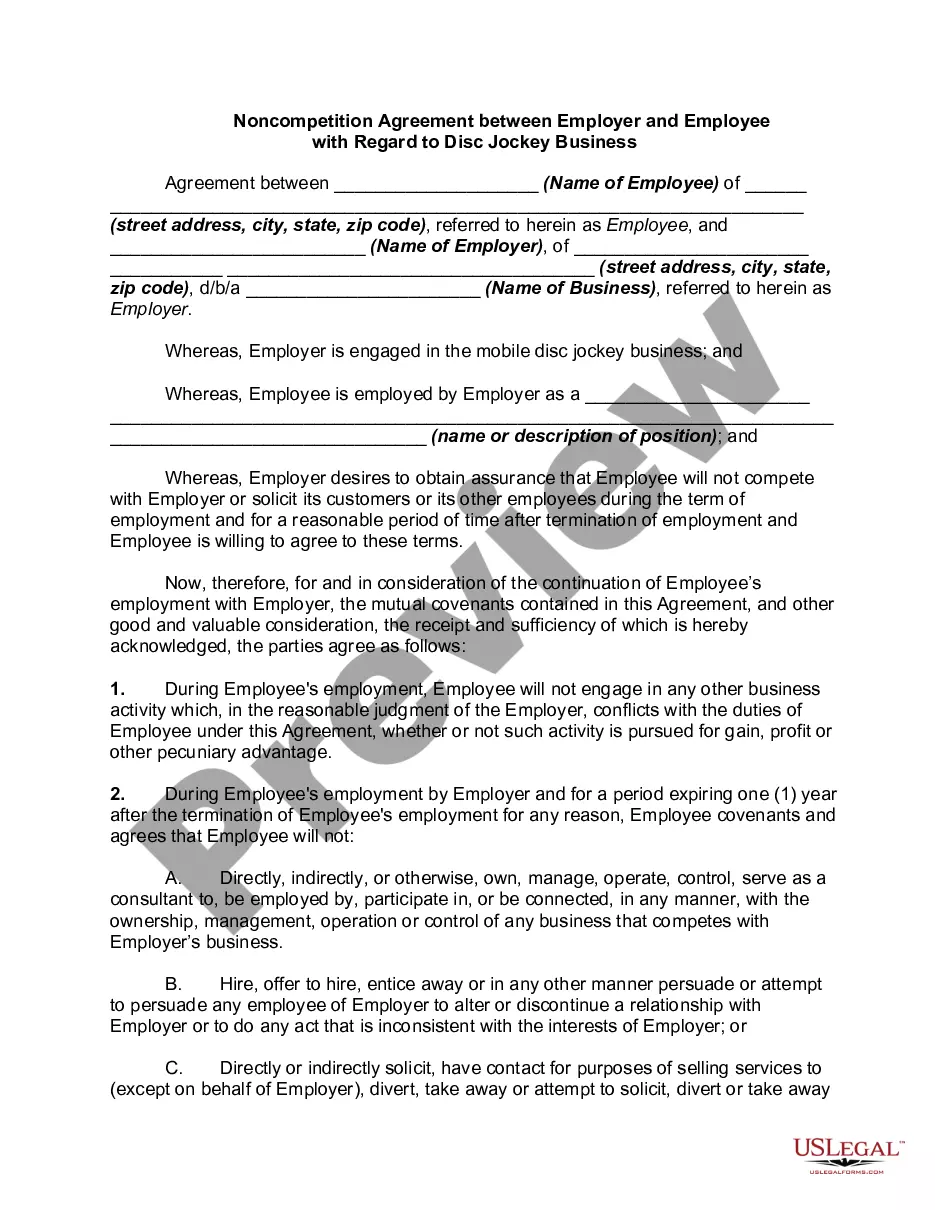






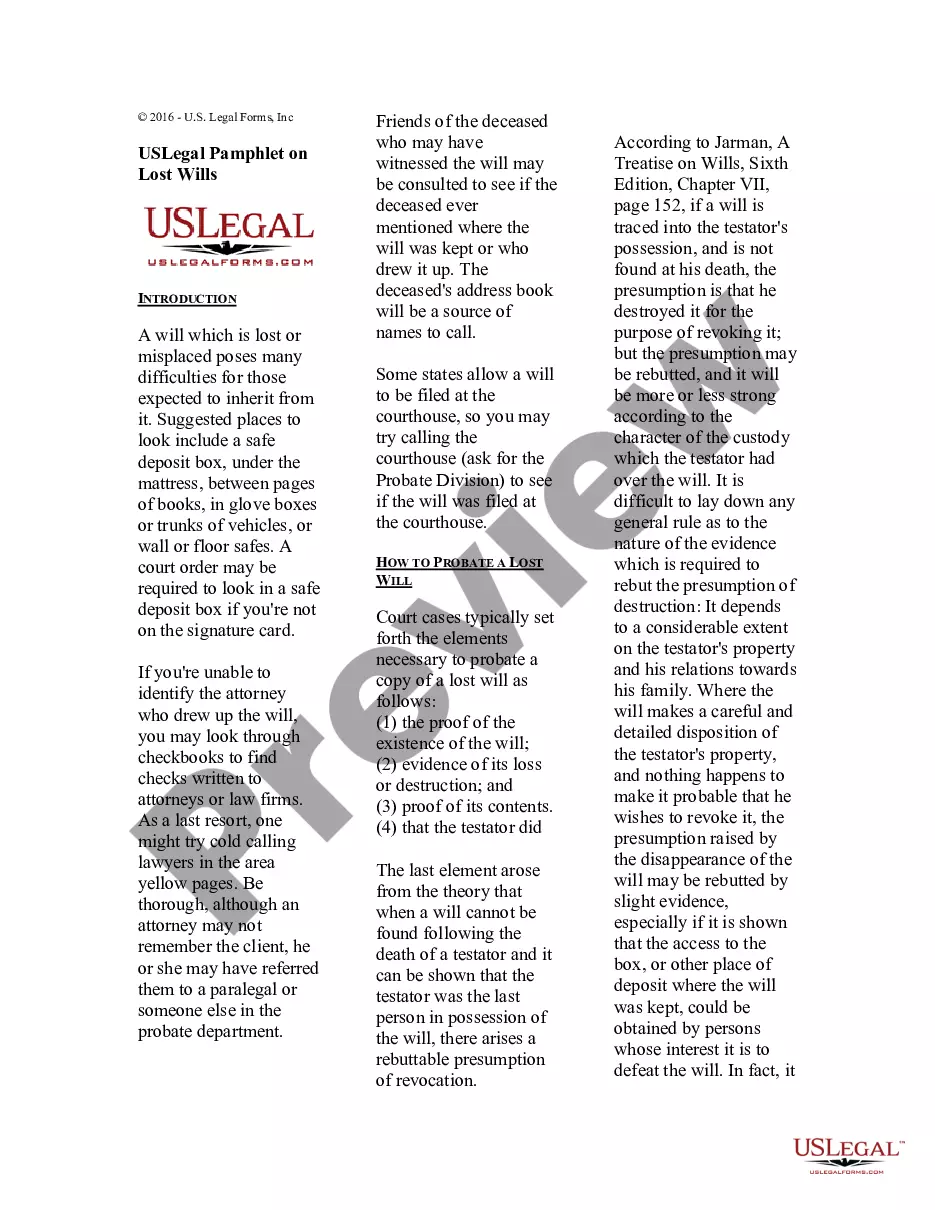
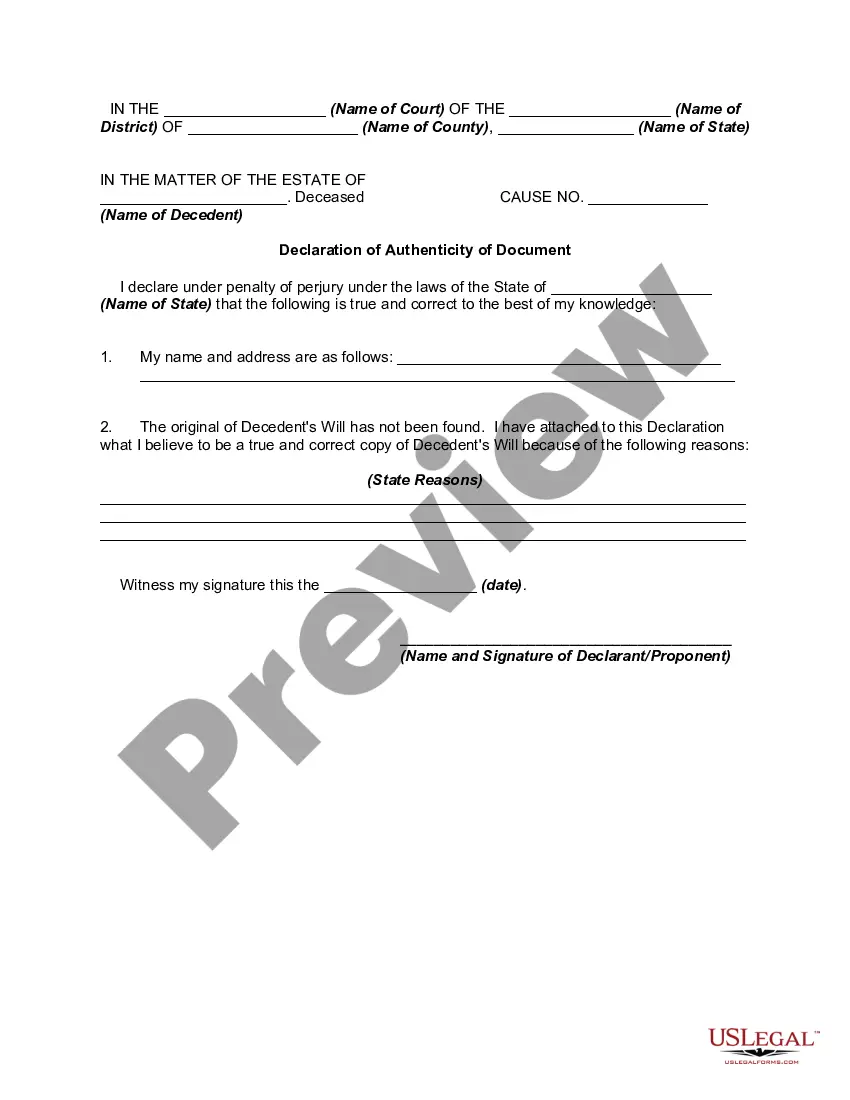
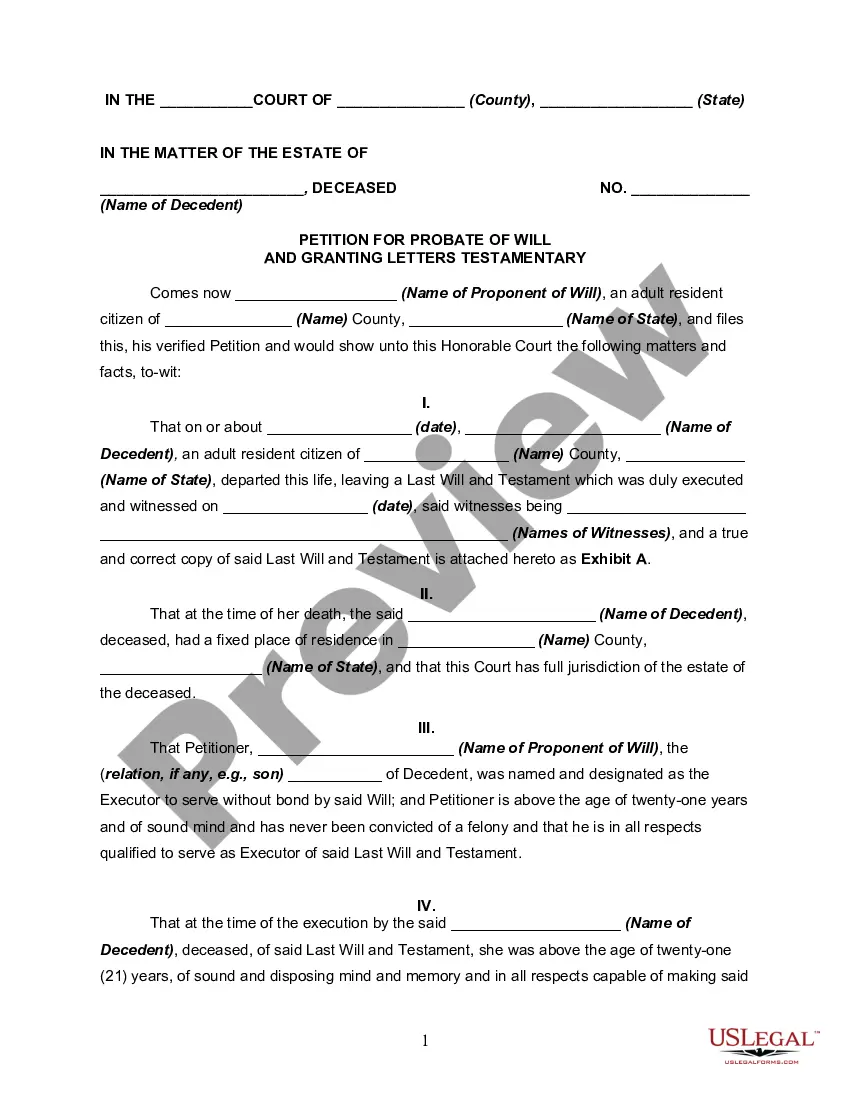
How to fill out USLegal Pamphlet On Lost Wills?
Whether for business objectives or for personal matters, everyone must confront legal circumstances sooner or later in their lives.
Completing legal documents requires meticulous attention, starting from choosing the correct form template. For instance, if you select an incorrect version of a Court Who Where For Abortion, it will be rejected once you submit it. Hence, it is vital to have a reliable source of legal paperwork like US Legal Forms.
With an extensive US Legal Forms collection available, you never have to waste time searching for the suitable template online. Take advantage of the library’s user-friendly navigation to find the right form for any occasion.
- Locate the template you require by utilizing the search bar or catalog navigation.
- Review the form’s details to ensure it aligns with your situation, state, and county.
- Click on the form’s preview to examine it.
- If it is the incorrect document, return to the search feature to find the Court Who Where For Abortion sample you need.
- Obtain the file if it suits your requirements.
- If you have a US Legal Forms account, click Log in to access previously saved documents in My documents.
- If you do not have an account yet, you can download the form by clicking Buy now.
- Select the appropriate pricing option.
- Complete the profile registration form.
- Choose your payment method: you can use a credit card or PayPal account.
- Select the document format you desire and download the Court Who Where For Abortion.
- Once it is saved, you can fill out the form using editing software or print it and complete it manually.
Form popularity
FAQ
A dissenting opinion is an appellate opinion of one or more judges which disagrees with the reasoning stated in the majority or plurality opinion and, consequently, with the result reached in a case.
Then, in 1973, this Court decided Roe v. Wade. Even though the Constitution makes no mention of abortion, the Court held that it confers a broad right to obtain one.
A dissenting opinion refers to an opinion written by an appellate judge or Supreme Court Justice who disagrees with the majority opinion in a given case. A party who writes a dissenting opinion is said to dissent.
?Majority opinion? is a judicial opinion that is joined by more than half the judges deciding a case. ?Concurring opinion,? or concurrence, is the separate judicial opinion of an appellate judge who voted with the majority.
The doctrine of judicial review holds that the courts are vested with the authority to determine the legitimacy of the acts of the executive and the legislative branches of government. The State as well as Federal courts are bound to render decisions ing to the principles of the Federal Constitution.