Motion To Dismiss For Naming Wrong Party
Description
Get your form ready online
Our built-in tools help you complete, sign, share, and store your documents in one place.
Make edits, fill in missing information, and update formatting in US Legal Forms—just like you would in MS Word.
Download a copy, print it, send it by email, or mail it via USPS—whatever works best for your next step.
Sign and collect signatures with our SignNow integration. Send to multiple recipients, set reminders, and more. Go Premium to unlock E-Sign.
If this form requires notarization, complete it online through a secure video call—no need to meet a notary in person or wait for an appointment.
We protect your documents and personal data by following strict security and privacy standards.

Make edits, fill in missing information, and update formatting in US Legal Forms—just like you would in MS Word.

Download a copy, print it, send it by email, or mail it via USPS—whatever works best for your next step.

Sign and collect signatures with our SignNow integration. Send to multiple recipients, set reminders, and more. Go Premium to unlock E-Sign.

If this form requires notarization, complete it online through a secure video call—no need to meet a notary in person or wait for an appointment.

We protect your documents and personal data by following strict security and privacy standards.
Looking for another form?

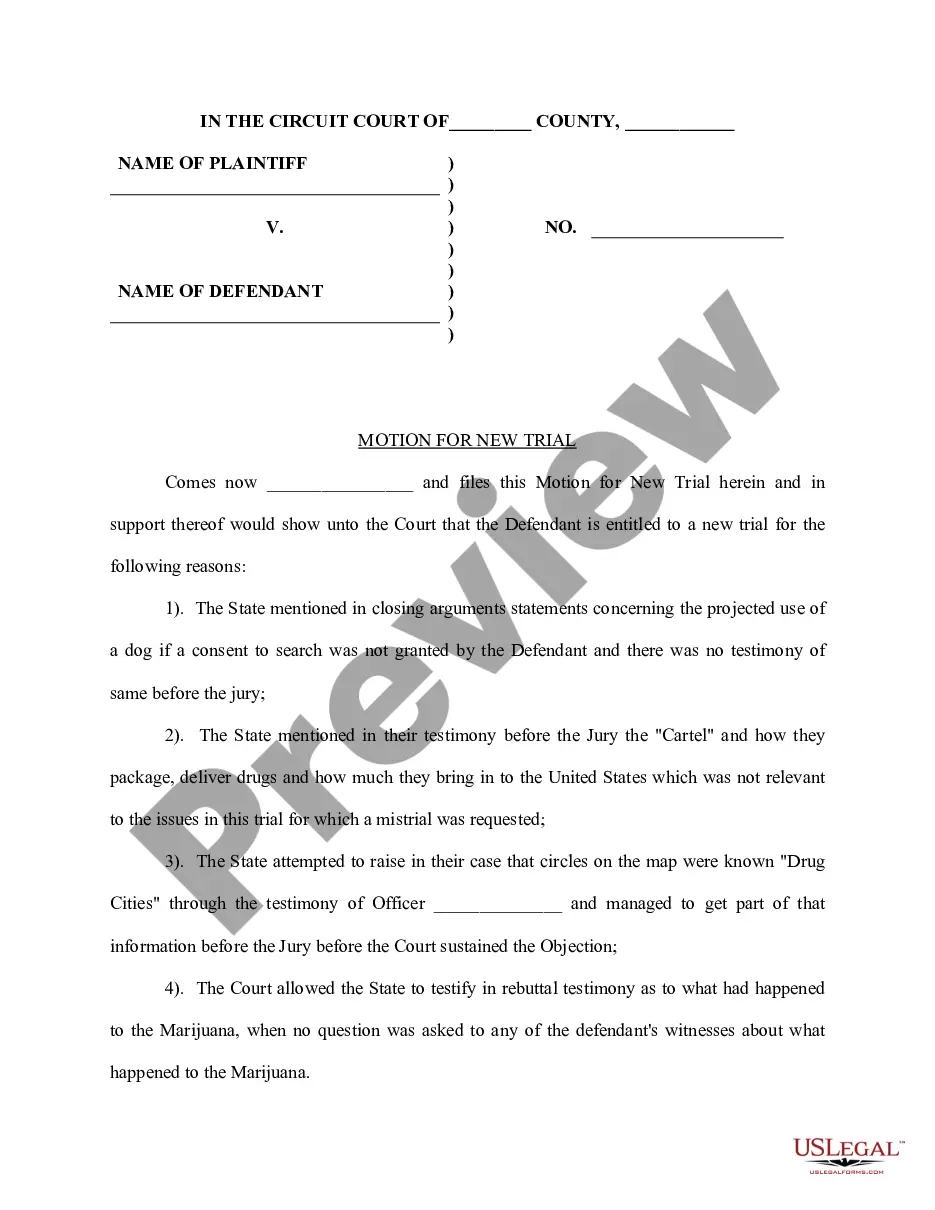
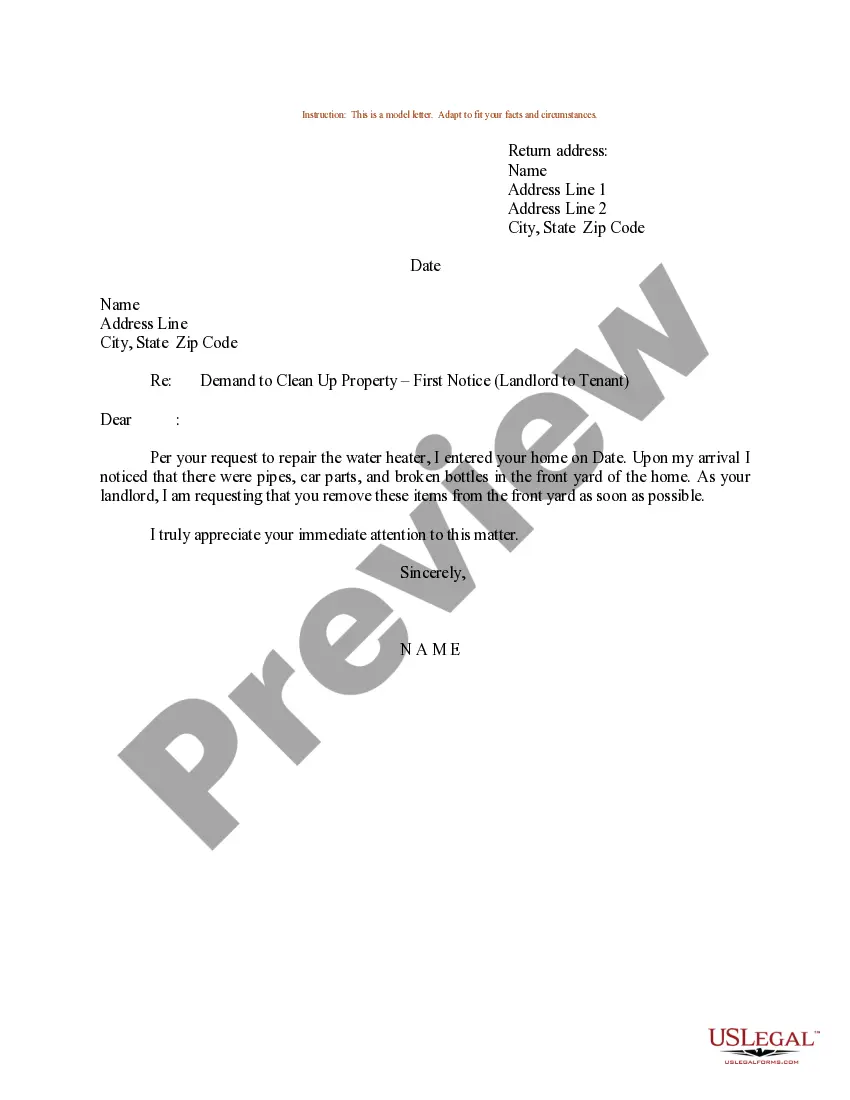
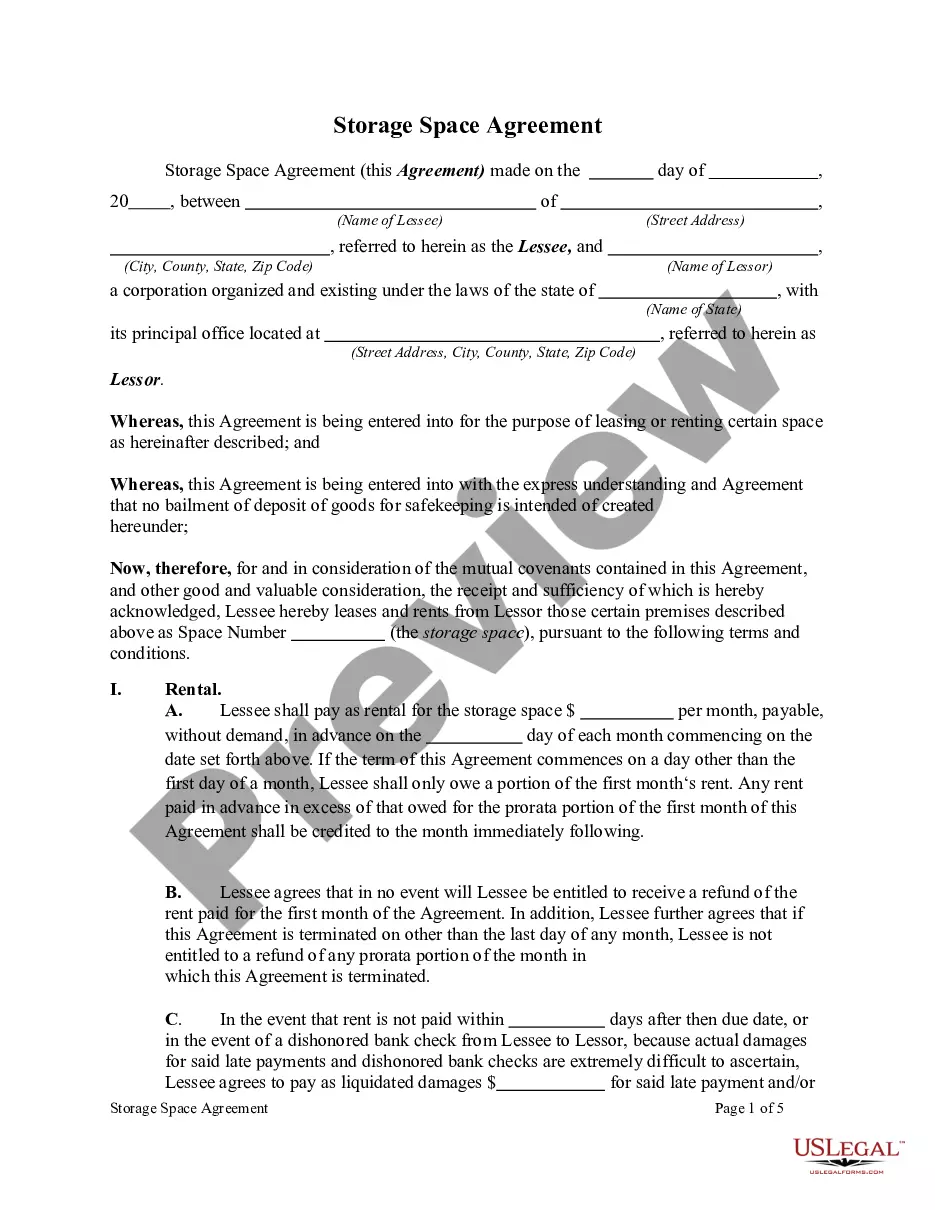

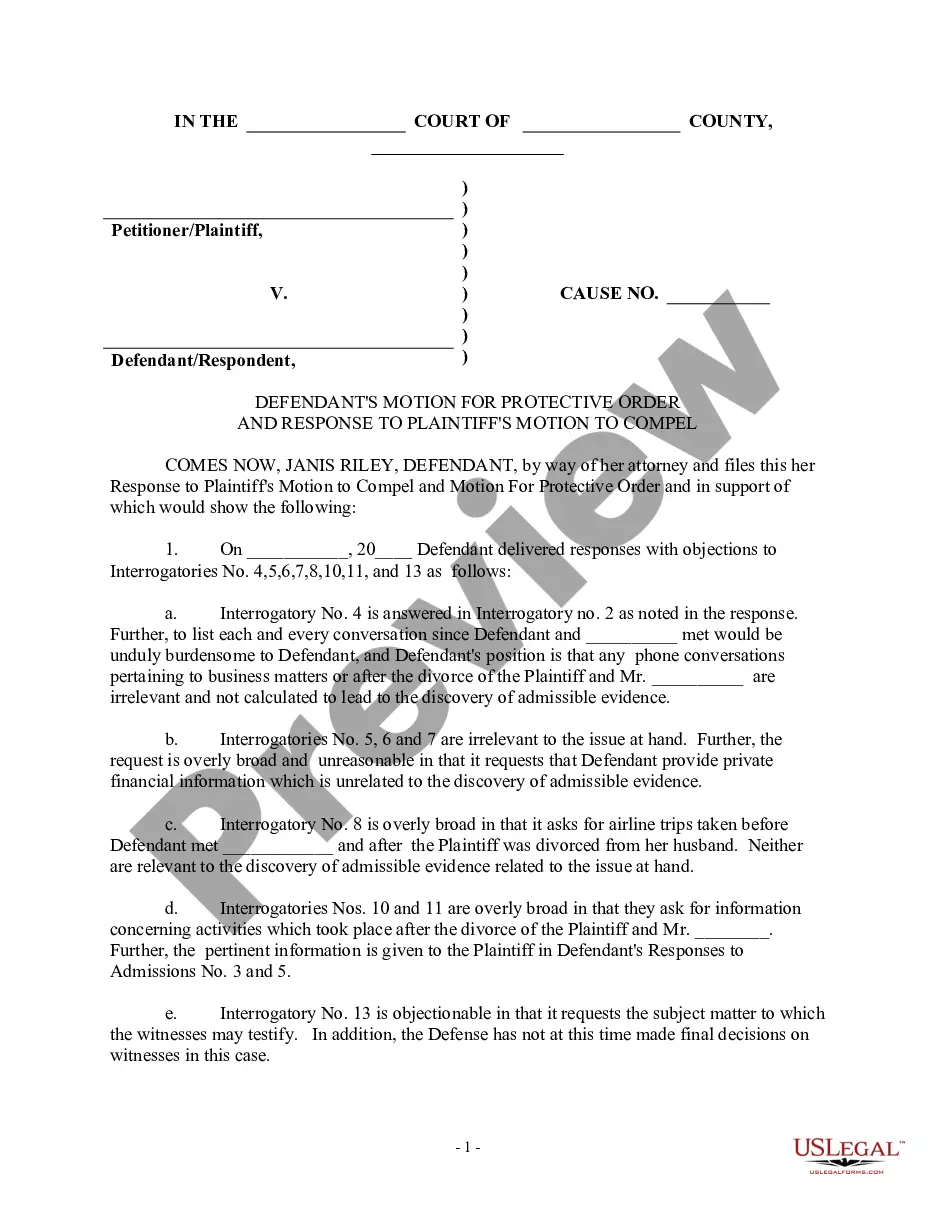
How to fill out Defendant's Motion For Protective Order And Response To Plaintiff's Motion To Compel?
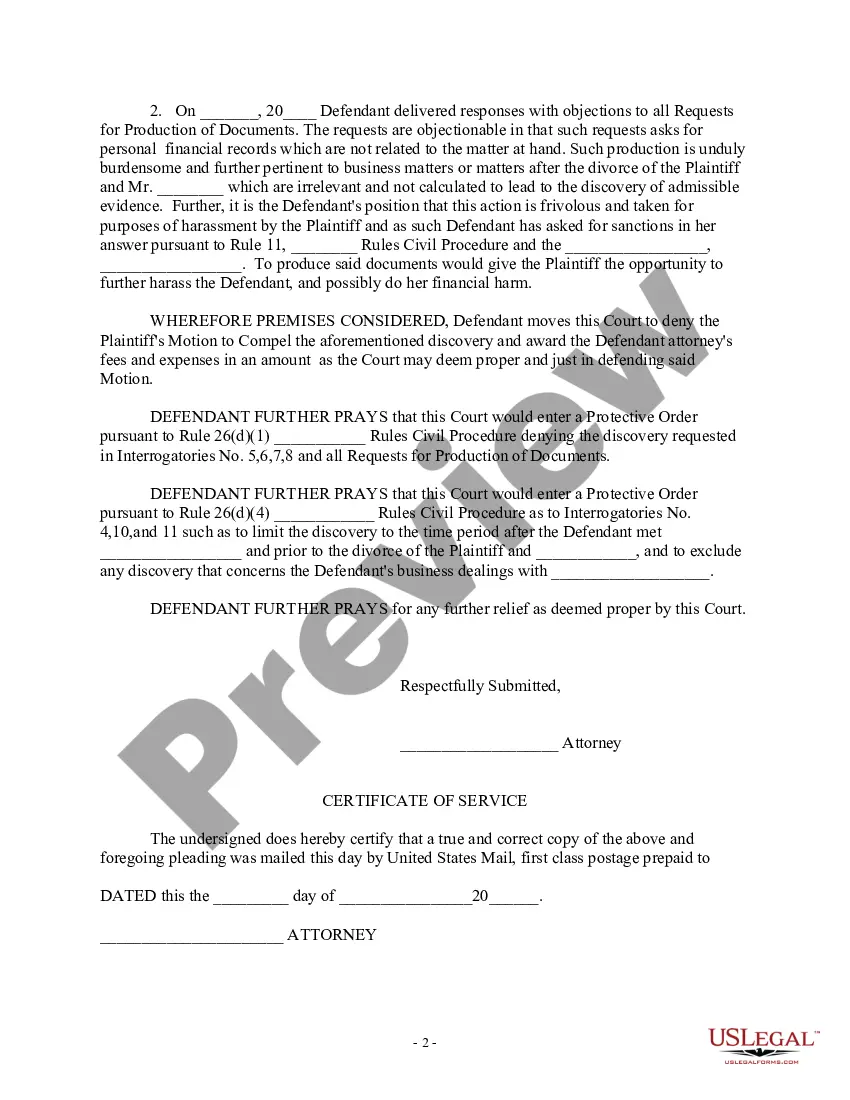
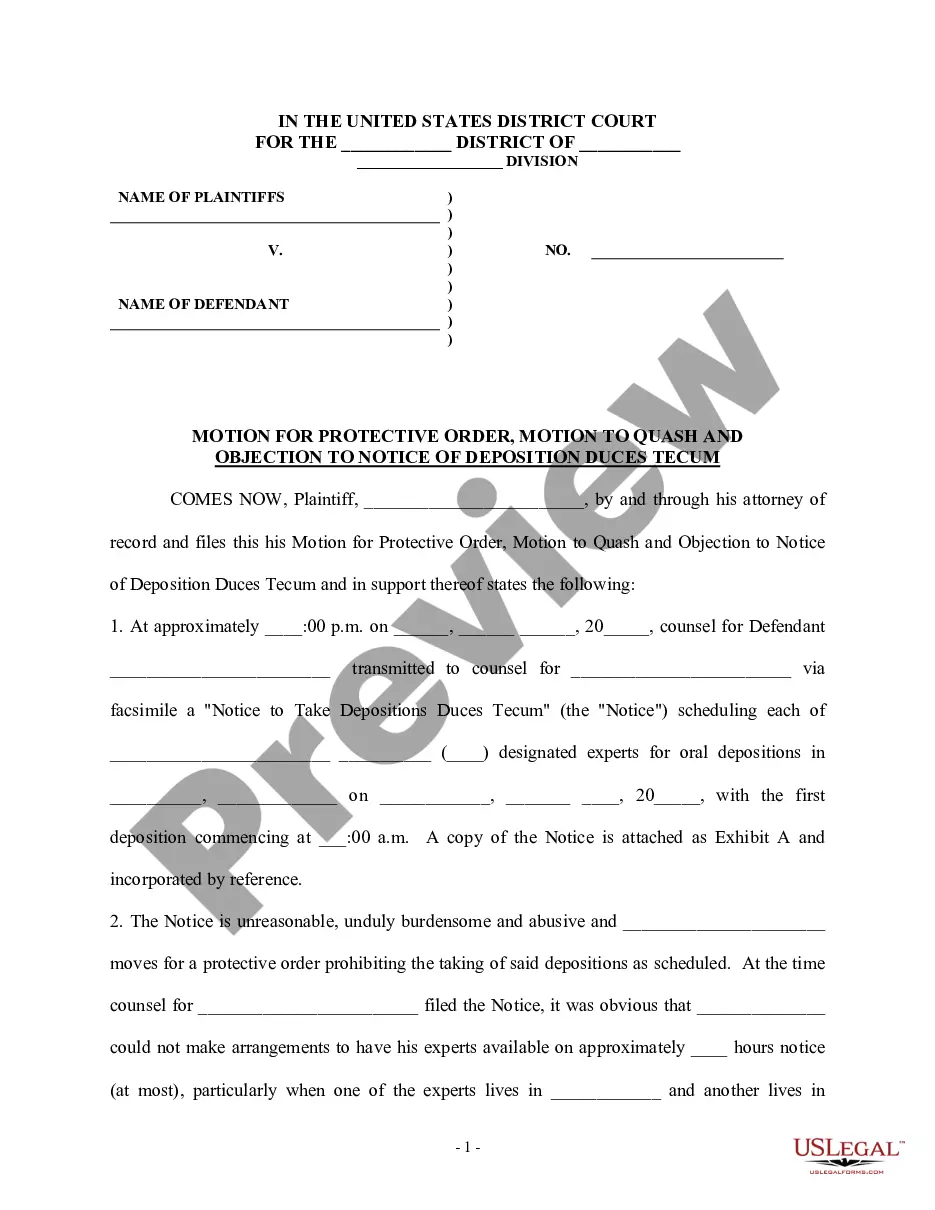
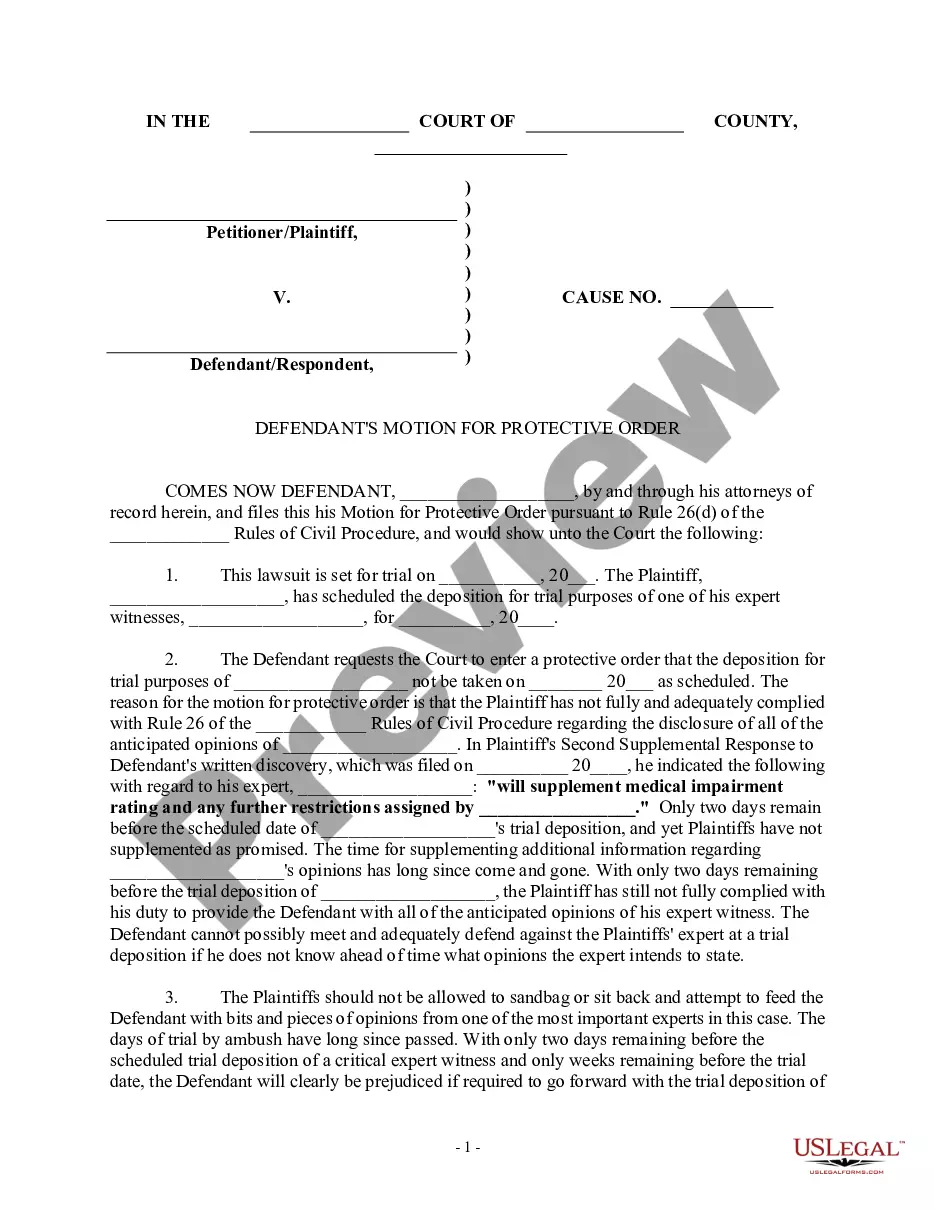
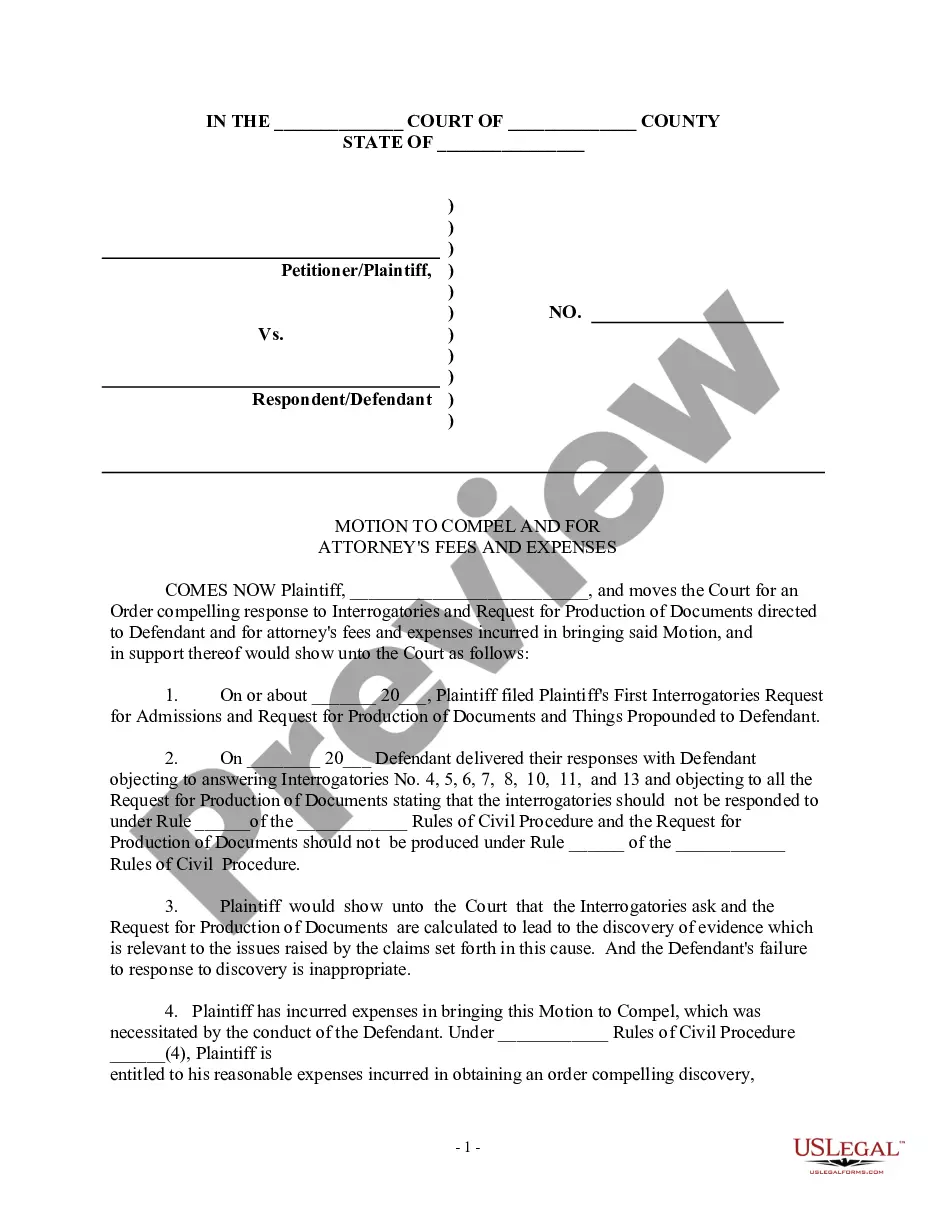
The Motion To Dismiss For Incorrect Party Identification you see on this page is a reusable formal template crafted by experienced attorneys in line with national and local laws.
For over 25 years, US Legal Forms has supplied individuals, companies, and lawyers with more than 85,000 verified, state-specific documents for any professional and personal situation. It’s the fastest, simplest, and most trustworthy method to acquire the paperwork you need, as the service ensures bank-level data protection and anti-malware safeguards.
Select the format you prefer for your Motion To Dismiss For Incorrect Party Identification (PDF, Word, RTF) and download the sample onto your device. Print the template to fill it out by hand, or utilize an online multi-functional PDF editor to efficiently and accurately fill out and sign your form with an electronic signature.
- Search for the document you require and examine it.
- Review the file you found and either preview it or check the form details to ensure it meets your requirements. If it doesn’t, use the search function to find the correct one. Click Buy Now once you have found the template you need.
- Register and Log In.
- Choose the pricing option that fits your needs and create an account. Use PayPal or a credit card for a swift payment. If you already have an account, Log In and check your subscription to proceed.
- Access the editable template.
Form popularity
FAQ
Rule 12 for motion to dismiss refers to the specific guidelines governing how a defendant can seek dismissal of a case. It allows the court to examine whether the case has valid grounds under the law before proceeding to trial. Engaging a motion to dismiss for naming the wrong party can save time and resources, protecting parties from unwarranted litigation.
The timing for filing a Rule 12 motion is typically before the defendant files an answer to the complaint. You generally must file your motion within a specific period after service of the complaint. This deadline is crucial for motions addressing procedural issues, such as a motion to dismiss for naming the wrong party, as timeliness can impact the outcome.
Writing an effective motion to dismiss involves stating the legal basis for your motion clearly and concisely. Start with a strong introduction outlining your argument and provide supporting evidence. Emphasize how a motion to dismiss for naming the wrong party can prevent further complications in your case, making it essential to articulate your points effectively.
Grounds for Rule 12 B include several defenses such as lack of subject matter jurisdiction, improper venue, and failure to state a claim upon which relief can be granted. One significant ground specifically focuses on procedural errors, like naming the wrong party in a lawsuit. Addressing these grounds effectively can lead to a successful motion to dismiss.
Filling out a motion to dismiss form requires clear and accurate information about your case. You should identify the original complaint, explain the grounds for your motion, and include relevant facts. Utilizing resources from platforms like US Legal Forms can help ensure you complete the form correctly, especially when addressing a motion to dismiss for naming wrong parties.
Rule 12 in criminal procedure outlines the process for making pretrial motions, including motions to dismiss. This rule allows defendants to challenge the validity of the charges against them before the trial begins. In the context of a motion to dismiss for naming a wrong party, this rule becomes particularly important as it addresses errors in naming the correct defendants.
The Rule 41 motion to dismiss permits a plaintiff to voluntarily dismiss their case without prejudice under certain circumstances. This can be beneficial if a plaintiff realizes they filed against the wrong party. It is also essential to consider a motion to dismiss for naming wrong party when exploring self-dismissal options, as it emphasizes the importance of proper party identification.
A motion to dismiss is a formal request for a court to dismiss a case. It is based on claims or defenses that, if accepted as true, prevent the plaintiff from winning based on legal grounds. Recognizing these grounds, especially a motion to dismiss for naming wrong party, allows defendants to act swiftly and efficiently in litigation.
To disagree with a motion, you must file a responsive pleading, often referred to as an opposition brief. In this document, present clear arguments and evidence illustrating why the motion should not be granted. If the disagreement centers on a motion to dismiss for naming wrong party, clarify why the correct party should remain in the case.
Writing a successful motion to dismiss involves outlining a clear legal basis for dismissal. Begin by stating the specific rule under which you file the motion, and then provide a detailed argument that highlights the faults in the complaint. Be sure to include references to a motion to dismiss for naming wrong party if that applies, which adds weight to your request for dismissal.