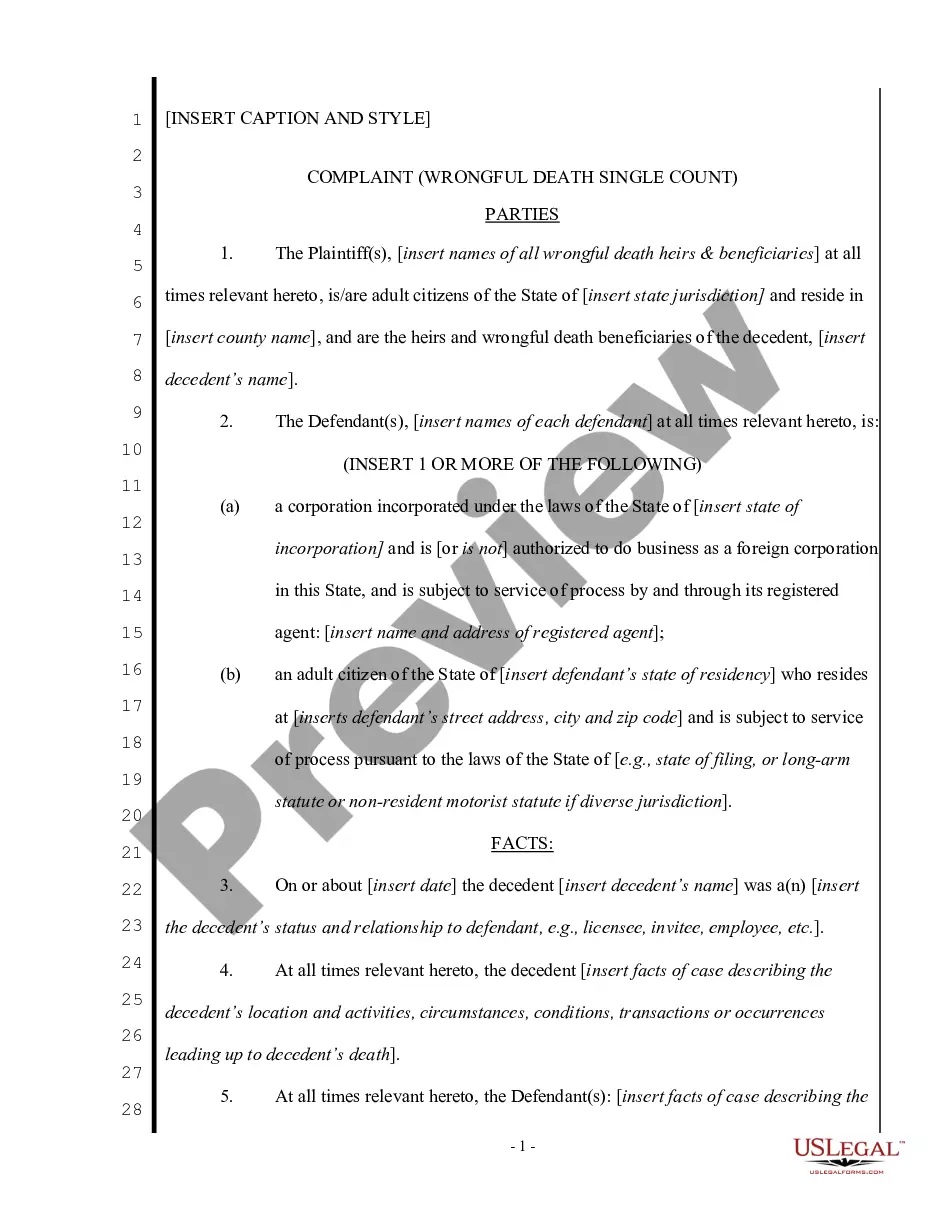
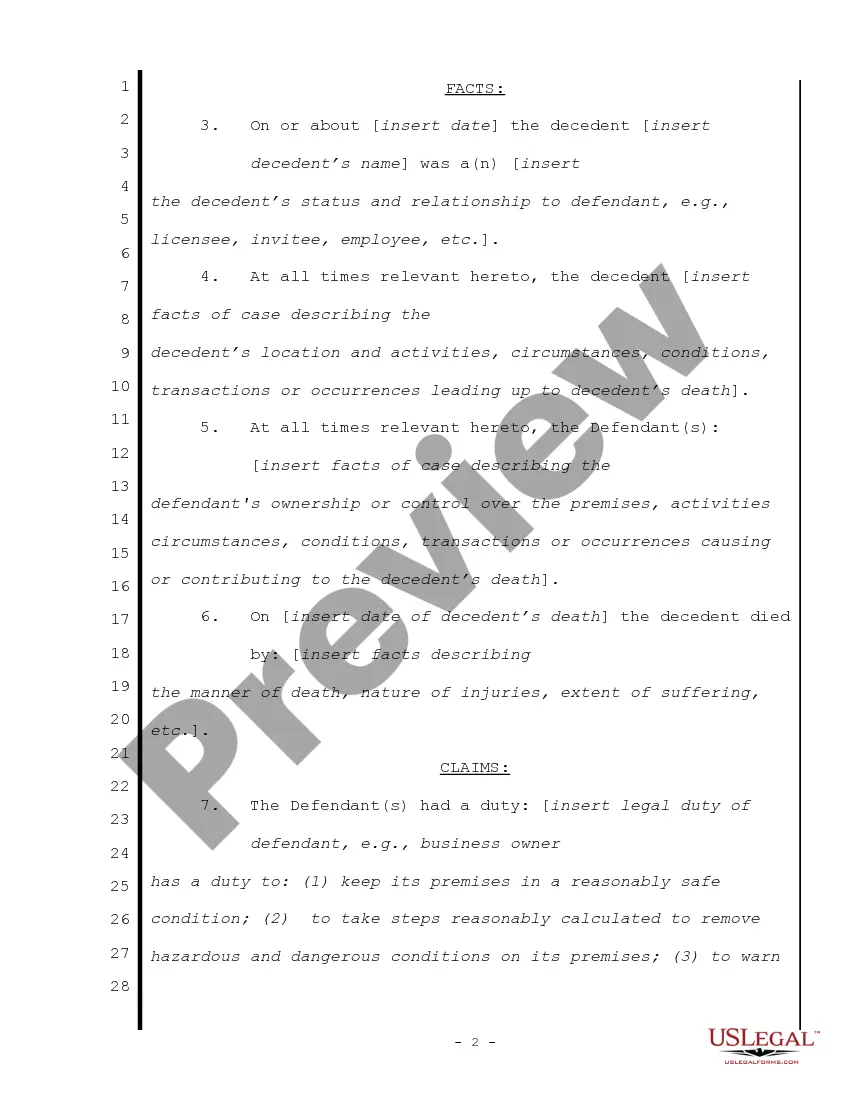
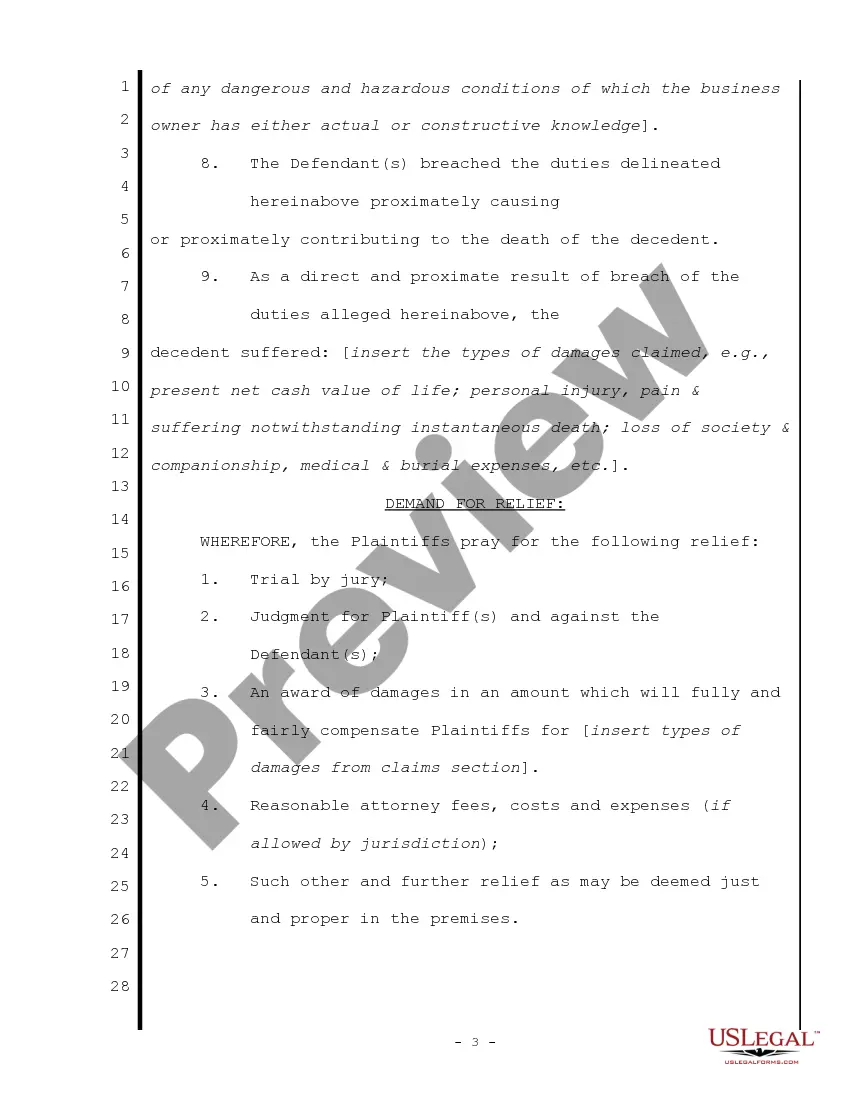
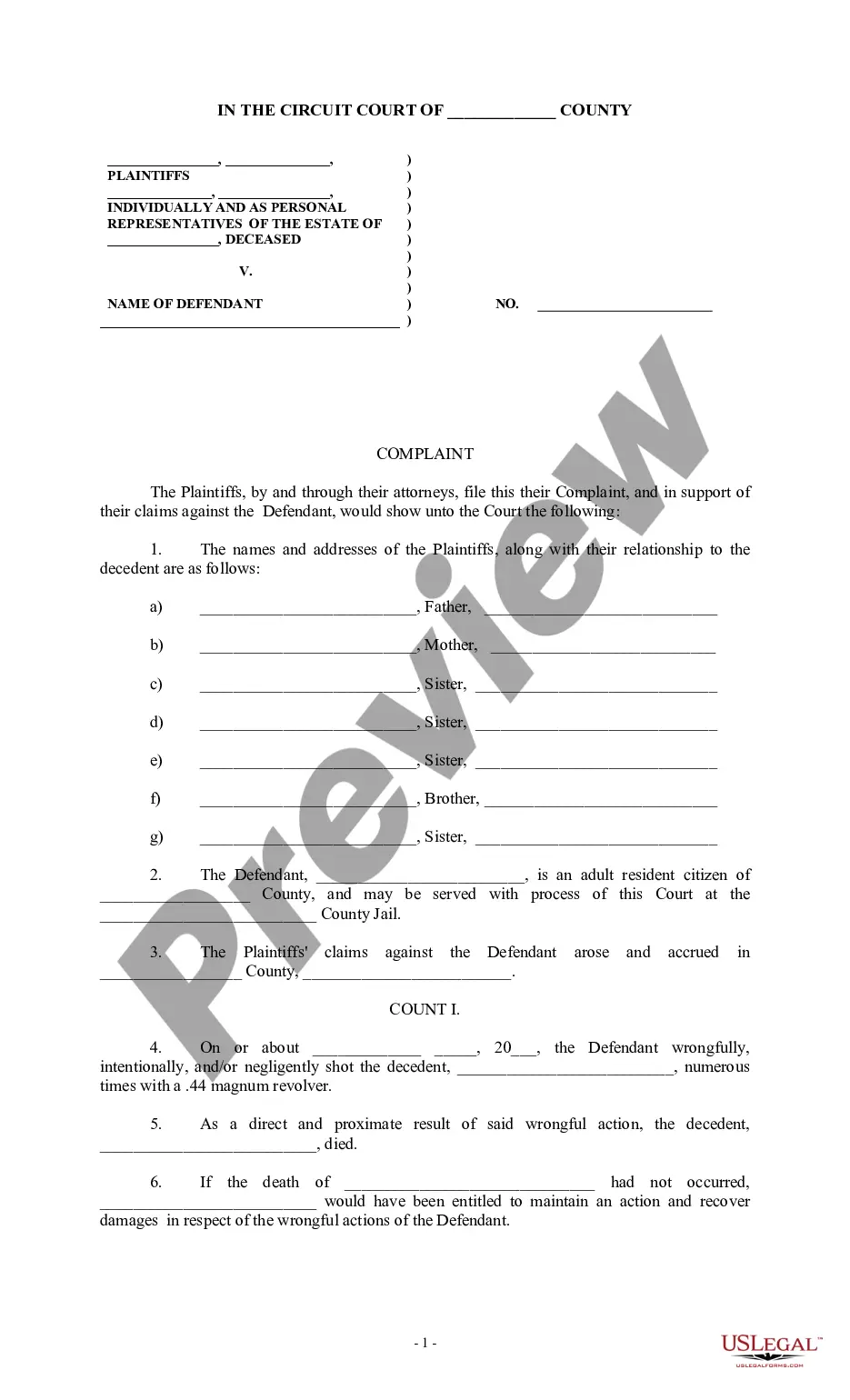
Wrongful Single Actions Contract With Theft
Description

Get your form ready online
Our built-in tools help you complete, sign, share, and store your documents in one place.
Make edits, fill in missing information, and update formatting in US Legal Forms—just like you would in MS Word.
Download a copy, print it, send it by email, or mail it via USPS—whatever works best for your next step.
Sign and collect signatures with our SignNow integration. Send to multiple recipients, set reminders, and more. Go Premium to unlock E-Sign.
If this form requires notarization, complete it online through a secure video call—no need to meet a notary in person or wait for an appointment.
We protect your documents and personal data by following strict security and privacy standards.

Make edits, fill in missing information, and update formatting in US Legal Forms—just like you would in MS Word.

Download a copy, print it, send it by email, or mail it via USPS—whatever works best for your next step.

Sign and collect signatures with our SignNow integration. Send to multiple recipients, set reminders, and more. Go Premium to unlock E-Sign.

If this form requires notarization, complete it online through a secure video call—no need to meet a notary in person or wait for an appointment.

We protect your documents and personal data by following strict security and privacy standards.
Looking for another form?




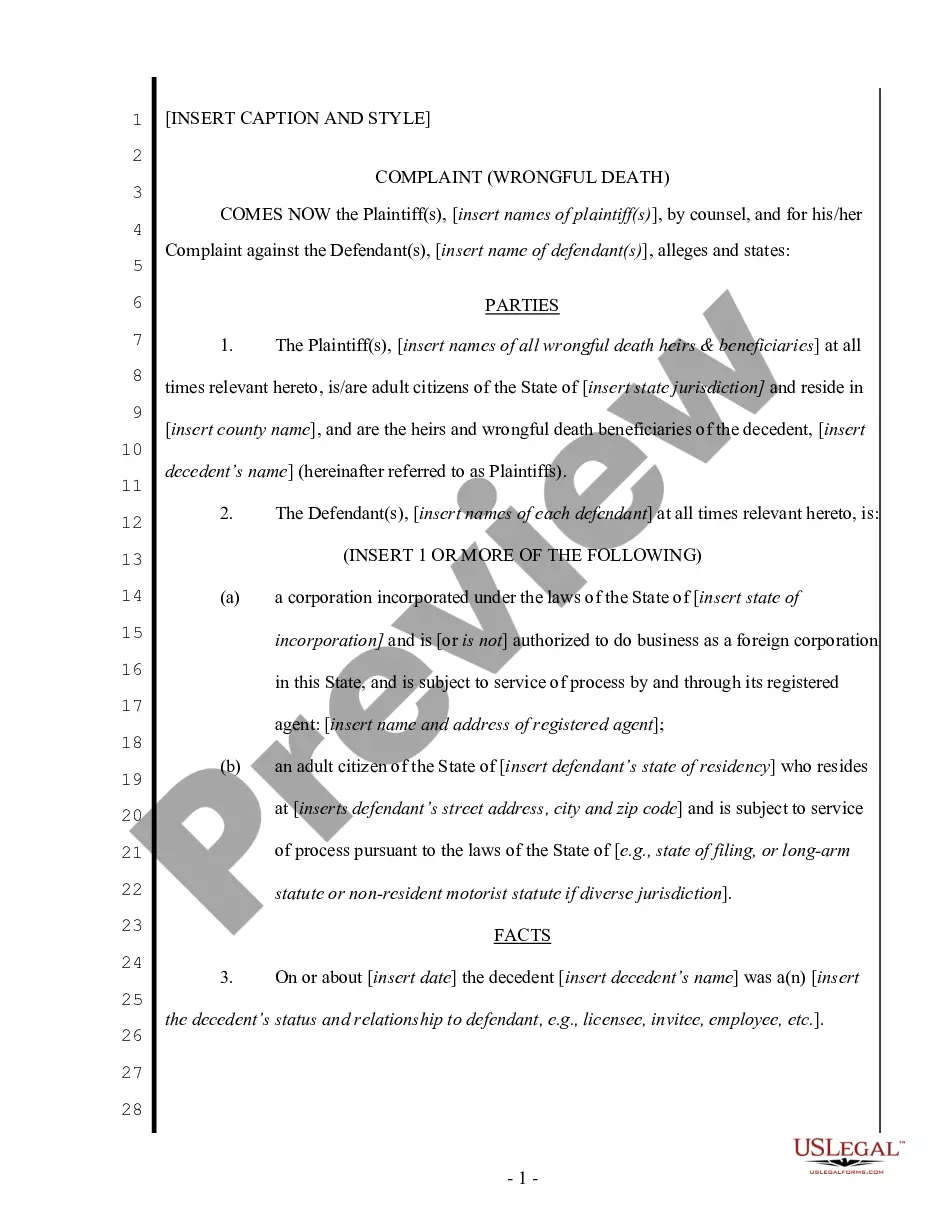
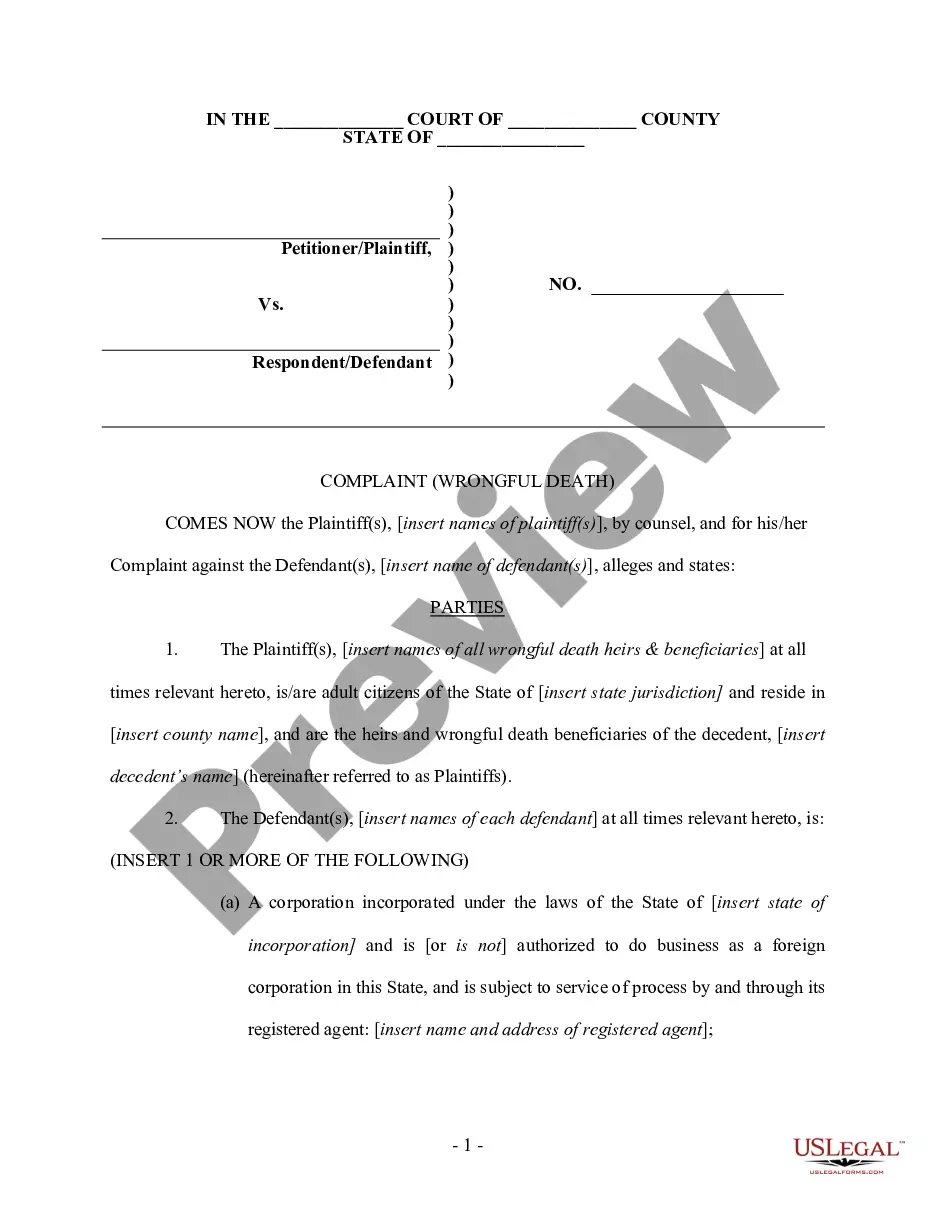
How to fill out Complaint For Wrongful Death - Single Count?
- Log in to your existing US Legal Forms account or create a new one if this is your first visit.
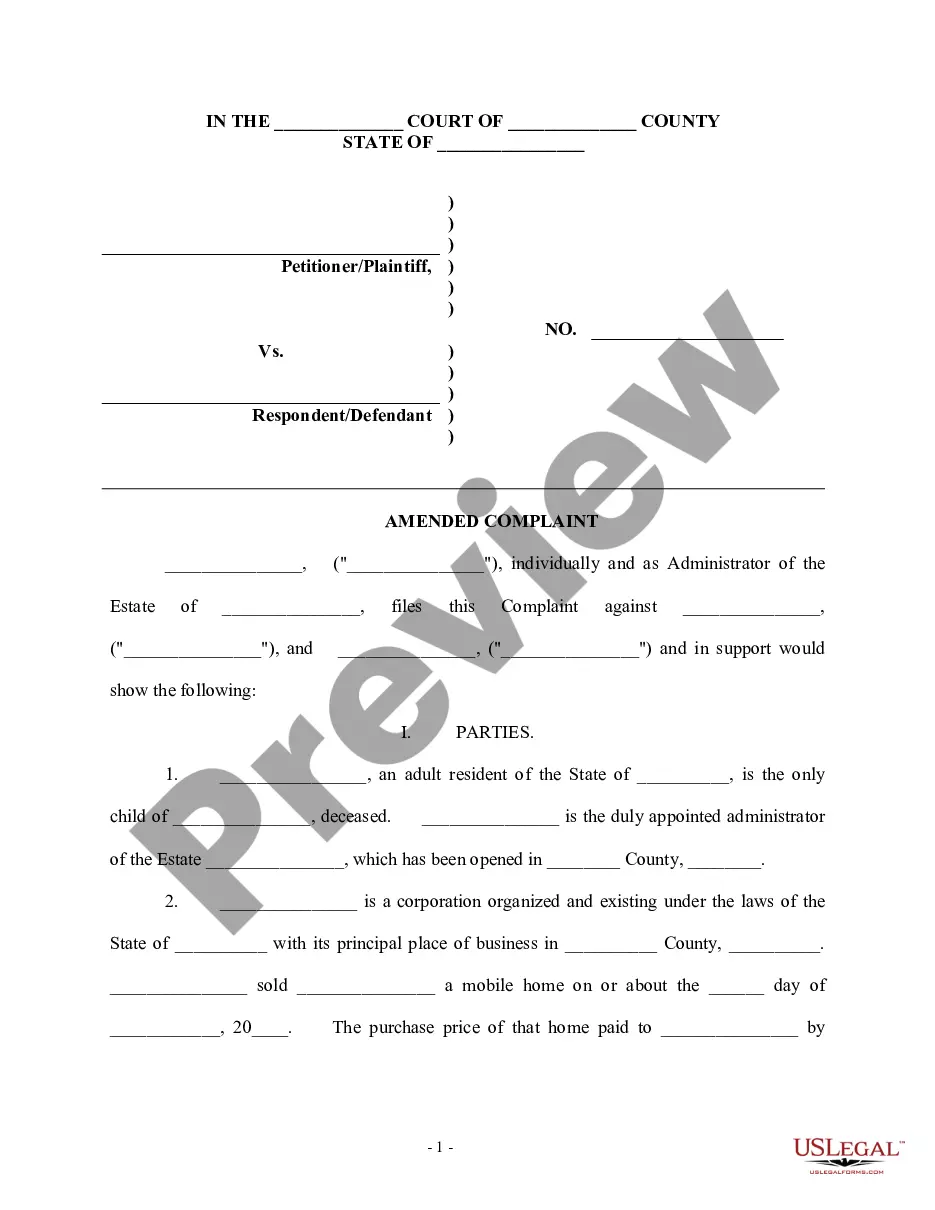
- Browse through the available forms and check the preview to find the wrongful single actions contract with theft that fits your requirements.
- If you don’t find the appropriate form, utilize the search functionality to locate the correct template.
- Select the document you need and click on the 'Buy Now' button to choose your subscription plan.
- Complete your purchase by entering your payment details, either through credit card or PayPal.
- Once purchased, download your form to your device and access it anytime from the 'My Forms' section in your account.
Obtaining your wrongful single actions contract with theft document is straightforward with US Legal Forms. The platform’s user-friendly interface and vast collection of forms ensure that you find what you need quickly and efficiently.
Start your journey towards easier legal documentation today by visiting US Legal Forms and exploring our extensive resources!
Form popularity
FAQ
Defenses to enforce a valid contract often include fraud, which involves deceiving another party about material facts. Additionally, a claim of lack of consideration can arise if no value was exchanged in the agreement. Importantly, if a wrongful single actions contract with theft applies, it can void the contract due to its unlawful foundation. Understanding these defenses helps protect your rights.
To accuse someone of stealing, you need clear evidence that demonstrates the individual took property without permission, with the intent to permanently deprive the owner. Documented proof, such as witnesses, security footage, or written communication, strengthens the accusation. If the theft relates to a wrongful single actions contract with theft, gathering comprehensive evidence is especially crucial for a strong case.
Some common defenses against enforcing a valid contract include lack of capacity, where a party cannot understand the contract terms, and duress, which involves coercing someone into signing. Additionally, if the contract was based on fraud, such as in cases of wrongful single actions contract with theft, it can be deemed unenforceable. Clients should be aware of these defenses while entering into agreements.
There are several defenses to breach of contract that can protect a party. First, impracticability occurs when unforeseen events make it impossible to perform the contract. Secondly, mutual mistake applies when both parties share a misunderstanding about a significant fact. Lastly, if a wrongful single actions contract with theft was involved, this may serve as a defense, as it challenges the contract's validity due to unlawful actions.
When pursuing a breach of contract claim, you need to prove several key elements. Primarily, you must show the existence of a legal contract and the specific terms it outlines. Additionally, it is necessary to establish that the other party did not meet their obligations. Lastly, you should clearly demonstrate how this failure has caused you harm, which can be complex in wrongful single actions contract with theft cases, where meticulous preparation is essential.
To prevail in a breach of contract case, the claimant must prove that a valid contract existed and that all terms were clear and agreed upon. They must also demonstrate that the opposing party breached the contract, either partially or fully. Finally, you will need to show the impact of the breach on your finances or situation, especially in scenarios involving wrongful single actions contract with theft, where proof of loss is critical.
A breach of contract claim generally requires three essential elements. First, the existence of a valid contract must be established. Next, it is necessary to show that a breach occurred, either through non-performance or inadequate performance by one party. Lastly, the claimant must illustrate how they suffered damages as a result of this breach, which is particularly pertinent in wrongful single actions contract with theft cases.
In breach of contract cases, the standard of proof is typically a preponderance of the evidence. This means that the claimant must show that it is more likely than not that the breach occurred. Accurately documenting your claim is crucial, particularly in wrongful single actions contract with theft situations where details can become complex. It’s important to gather supporting materials to strengthen your case.
To establish a breach of contract claim, a party must prove four key elements. First, there must be a valid contract in place. Second, the party must show that they performed their obligations under the contract. Third, they must demonstrate that the other party failed to fulfill their responsibilities. Finally, they must provide evidence showing that this failure caused them harm, especially in cases involving a wrongful single actions contract with theft.
A contract is generally not valid if signed under false pretenses. When one party misrepresents information or conceals facts, it affects the agreement's legality. In cases like wrongful single actions contract with theft, such misrepresentation can lead to the contract being voided. If you suspect you have entered into a contract under false pretenses, consider seeking legal advice to protect your rights.