Fence For Laws
Description
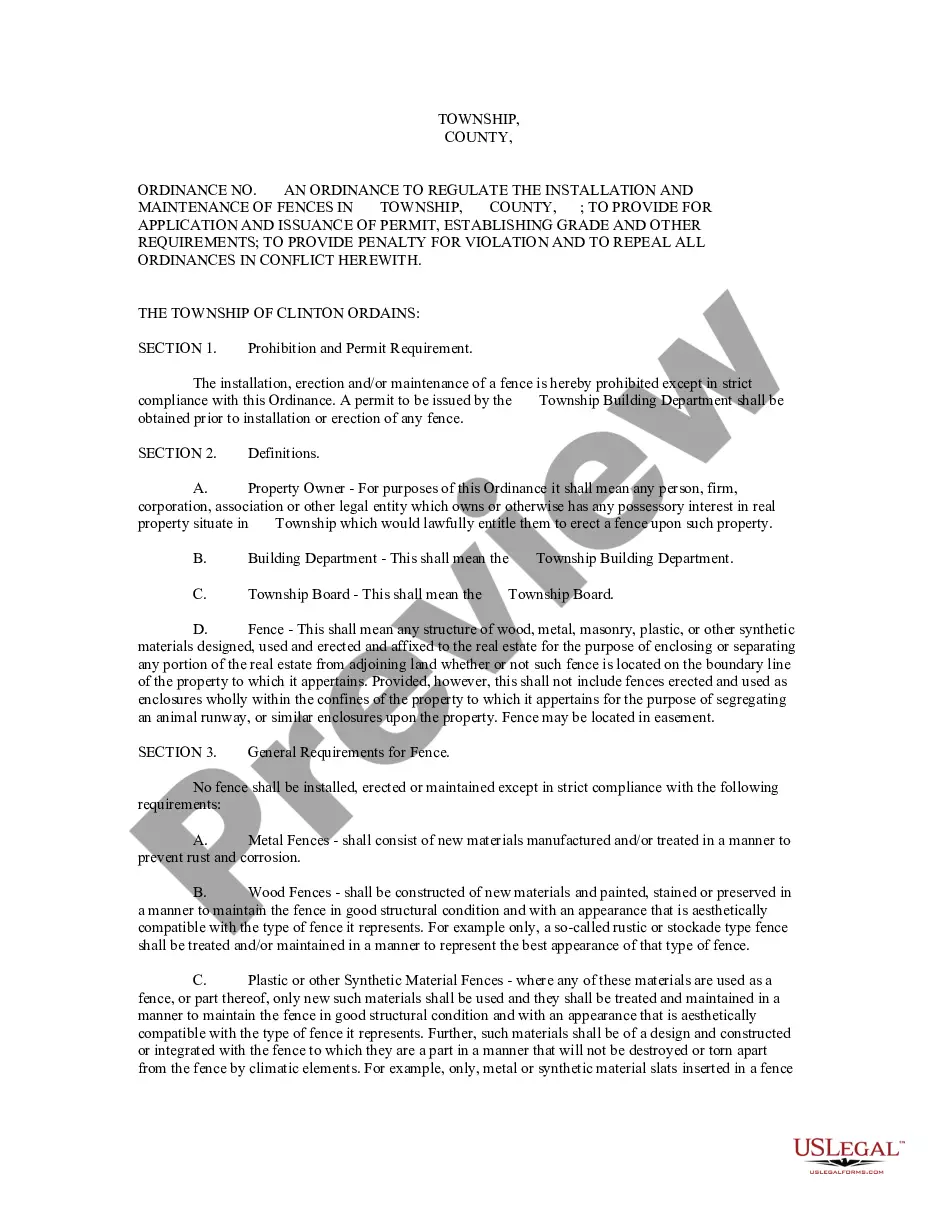
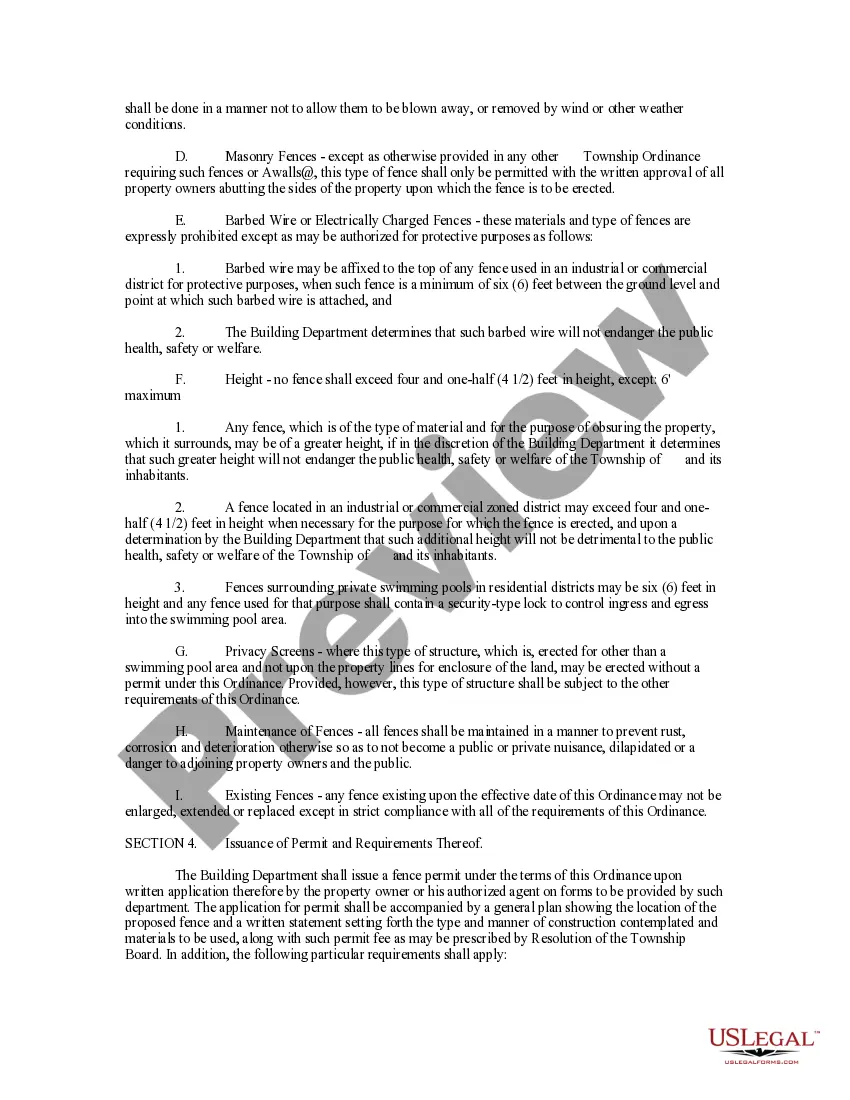
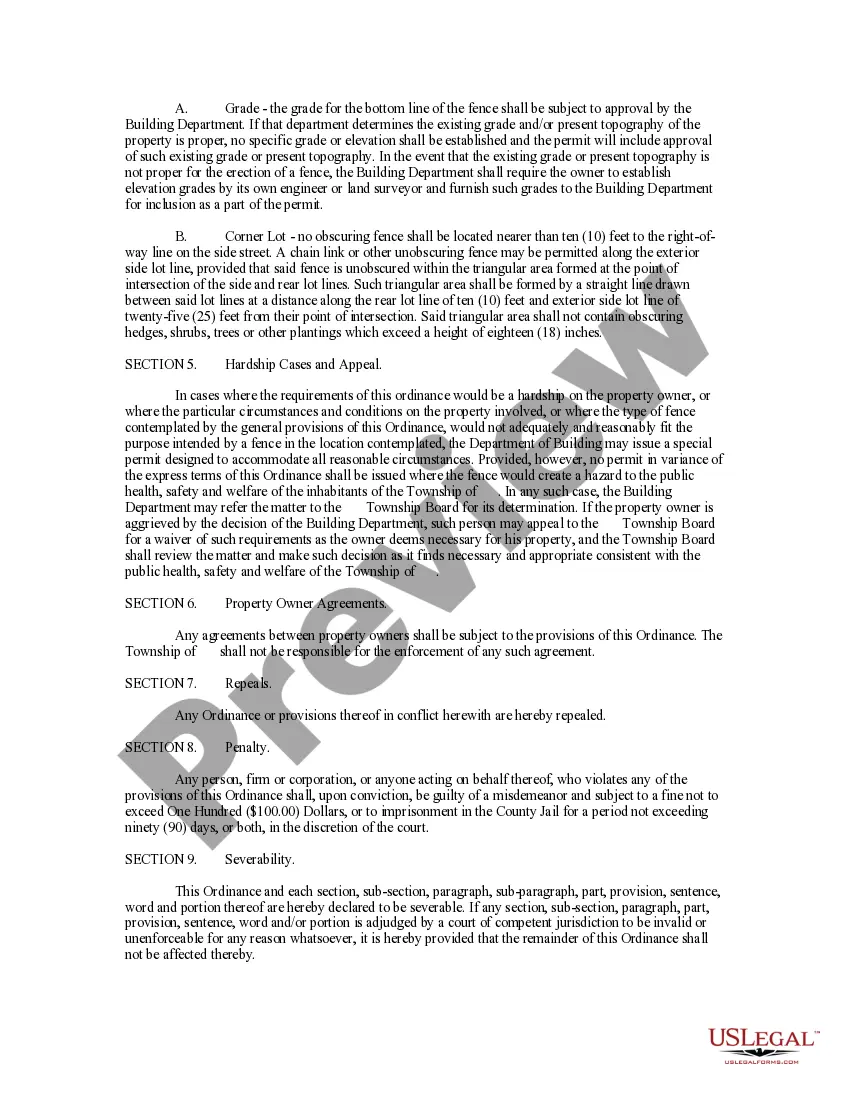
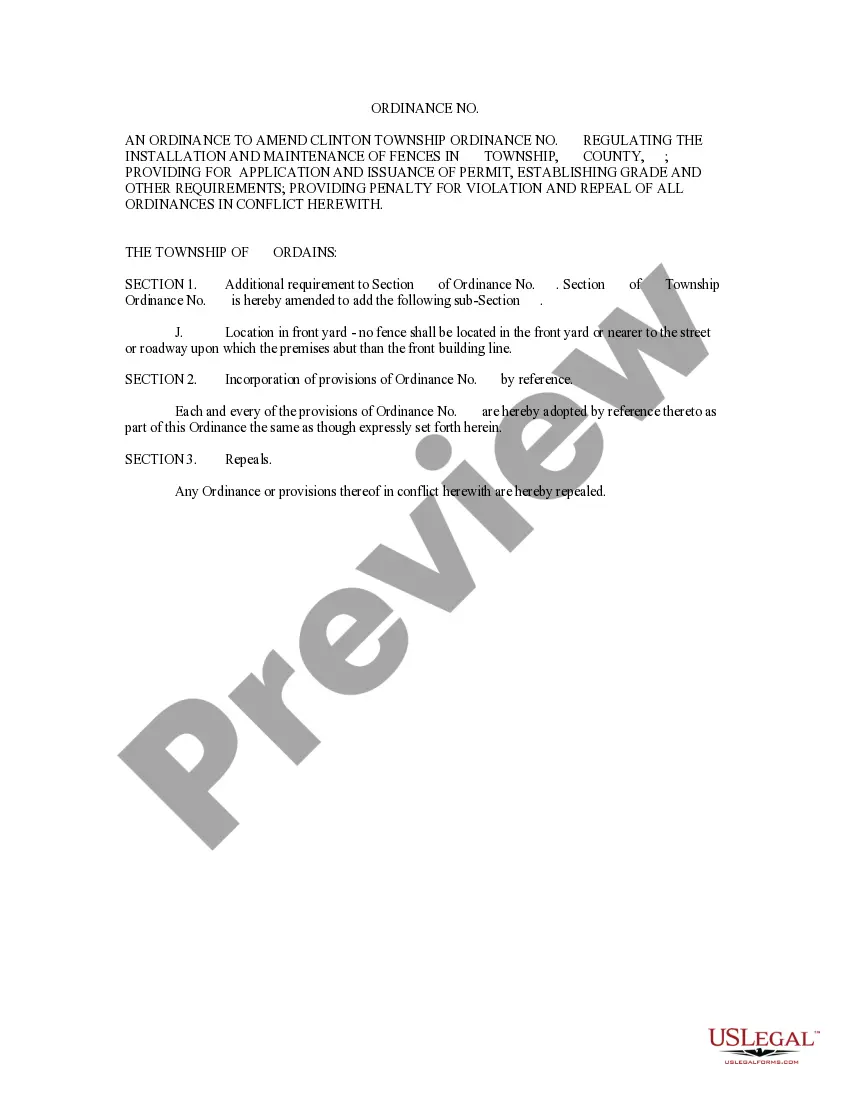
Get your form ready online
Our built-in tools help you complete, sign, share, and store your documents in one place.
Make edits, fill in missing information, and update formatting in US Legal Forms—just like you would in MS Word.
Download a copy, print it, send it by email, or mail it via USPS—whatever works best for your next step.
Sign and collect signatures with our SignNow integration. Send to multiple recipients, set reminders, and more. Go Premium to unlock E-Sign.
If this form requires notarization, complete it online through a secure video call—no need to meet a notary in person or wait for an appointment.
We protect your documents and personal data by following strict security and privacy standards.

Make edits, fill in missing information, and update formatting in US Legal Forms—just like you would in MS Word.

Download a copy, print it, send it by email, or mail it via USPS—whatever works best for your next step.

Sign and collect signatures with our SignNow integration. Send to multiple recipients, set reminders, and more. Go Premium to unlock E-Sign.

If this form requires notarization, complete it online through a secure video call—no need to meet a notary in person or wait for an appointment.

We protect your documents and personal data by following strict security and privacy standards.
Looking for another form?






How to fill out Fence Ordinance?
It is clear that you cannot become a legal authority instantly, nor can you understand how to rapidly draft Fence For Laws without possessing a specialized skill set.
Assembling legal documents is a labor-intensive undertaking that demands particular training and expertise. So why not entrust the development of the Fence For Laws to the professionals.
With US Legal Forms, one of the largest legal template collections, you can access everything from court paperwork to templates for internal office communications.
You can re-access your forms from the My documents tab at any time. If you are an existing client, you can simply Log In, and retrieve and download the template from the same tab.
Regardless of the purpose of your documents—be it financial, legal, or personal—our platform has you covered. Try US Legal Forms today!
- Locate the form you require by utilizing the search bar at the top of the page.
- Examine it (if this option is available) and read the accompanying description to ascertain whether Fence For Laws is what you are looking for.
- Initiate a new search if you require a different form.
- Create a free account and select a subscription plan to acquire the template.
- Click Buy now. After the payment is completed, you can download the Fence For Laws, complete it, print it, and send or mail it to the necessary parties or organizations.
Form popularity
FAQ
In Missouri, trespassing law prohibits entering someone's property without permission. Violations can result in legal action, fines, or other consequences. If someone builds a fence that encroaches on your property, it could involve trespassing. Knowing your rights regarding trespassing can help you navigate these situations effectively.
Indiana’s residential fence laws outline regulations regarding height, material, and placement of fences. Homeowners typically need to maintain their fences and ensure they do not encroach on neighbors' property. Local rules can differ, so consulting local ordinances is essential. Understanding Indiana’s laws can enhance your fence for laws knowledge.
The distance you can set a fence from the property line varies by local regulations. Generally, jurisdictions may require a setback of a few inches to several feet. Checking with your local zoning office ensures you follow the specific guidelines. Complying with these rules prevents future disputes with neighbors.
Fencing laws in Missouri cover various aspects, including the type of materials allowed and height restrictions. Property owners must adhere to local ordinances that dictate these regulations. It is crucial to check with local authorities to ensure compliance with state and municipal fencing laws. Educating yourself about these laws can enhance your fence for laws understanding.
Yes, you can sue someone for encroaching on your property by building a fence. If a fence crosses property lines, it may violate property laws. You may seek legal remedies to remove the fence or seek damages. Always document the situation and consult legal resources for clear guidance.
The Missouri fence law defines responsibilities for property owners regarding fence maintenance and costs. Generally, neighbors share the responsibility for boundary fences, meaning both parties contribute to expenses. Additionally, the law outlines the requirements for fence types and height. Understanding these laws helps prevent disputes among neighbors.
In California, fence laws can vary significantly by city and county. Generally, property owners must follow rules regarding height, type, and placement. Knowing the fence for laws in California can help you navigate local regulations effectively. Consider using resources like USLegalForms to understand your legal rights and duties concerning fence installation and maintenance.
Typically, the distance you should place your fence from your property line is dictated by local zoning laws. Some areas require fences to be set back several inches, while others may impose specific measurements. To ensure compliance with the fence for laws, always check with your local regulations before building. Consulting legal documents can prevent future disputes with neighbors.
The distance your fence can be from your property line depends on local zoning regulations and neighborhood agreements. Many areas allow fences to be installed right on the property line, while others may require a setback. It is crucial to review the fence for laws in your locality before installation. Consulting legal resources can clarify necessary distances and rules.
The law on fences in Texas varies by locality, but generally, property owners must adhere to boundary lines and local ordinances. Laws often focus on height restrictions, allowed materials, and maintenance obligations. Familiarizing yourself with these fence for laws can save you from costly mistakes. Always consult your local municipality for specific regulations that may apply to your property.