Siding Contract With The Future
Description
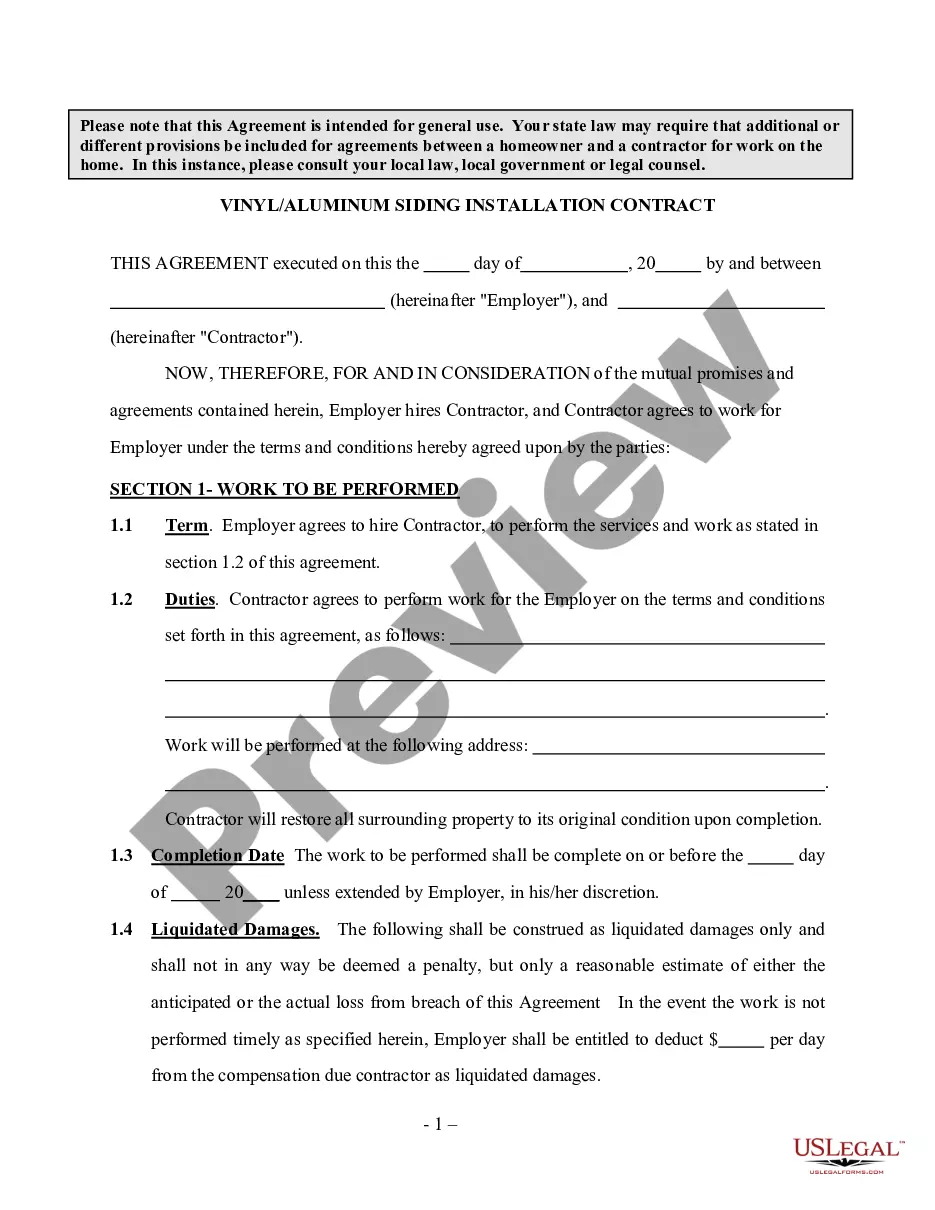
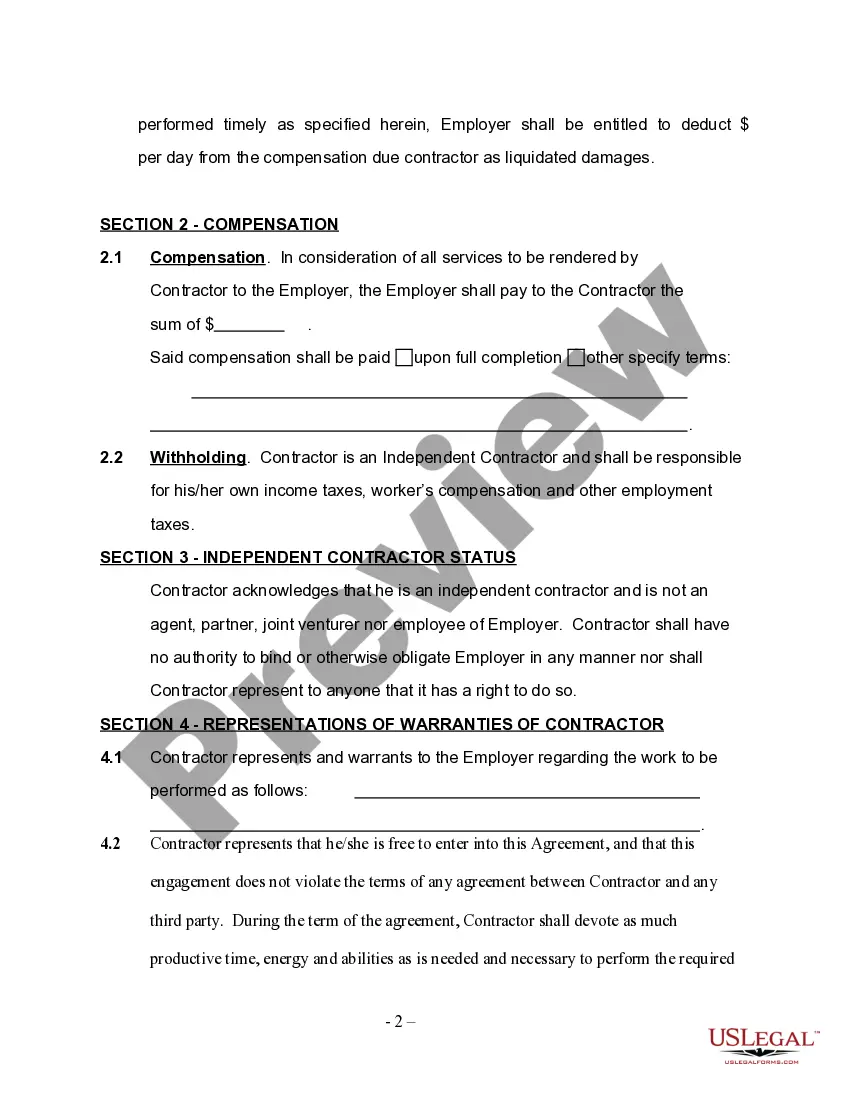
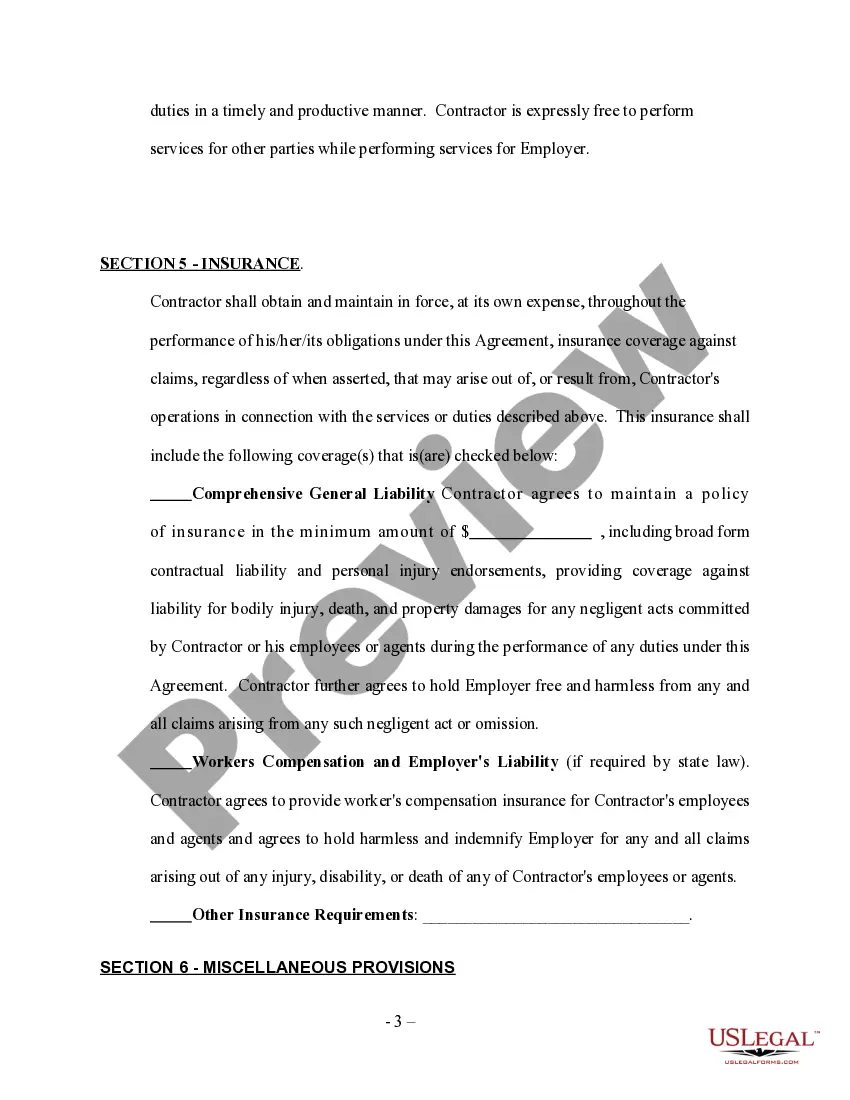
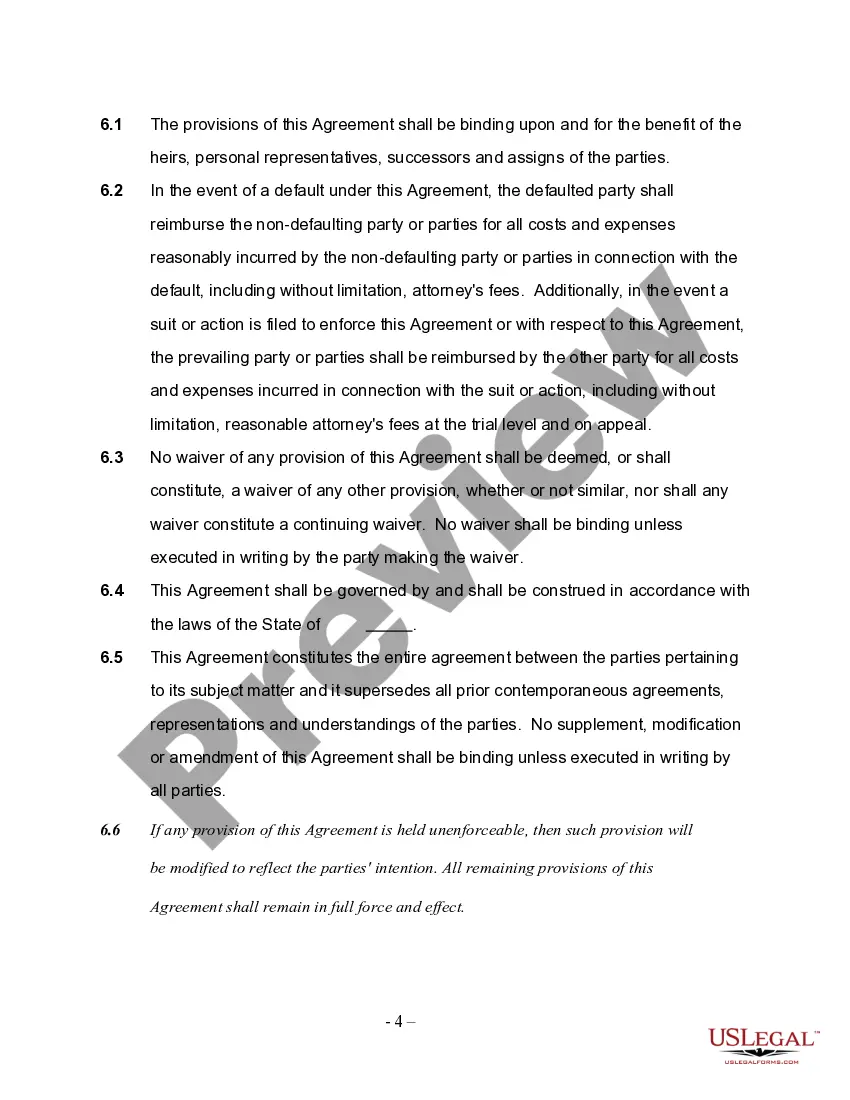
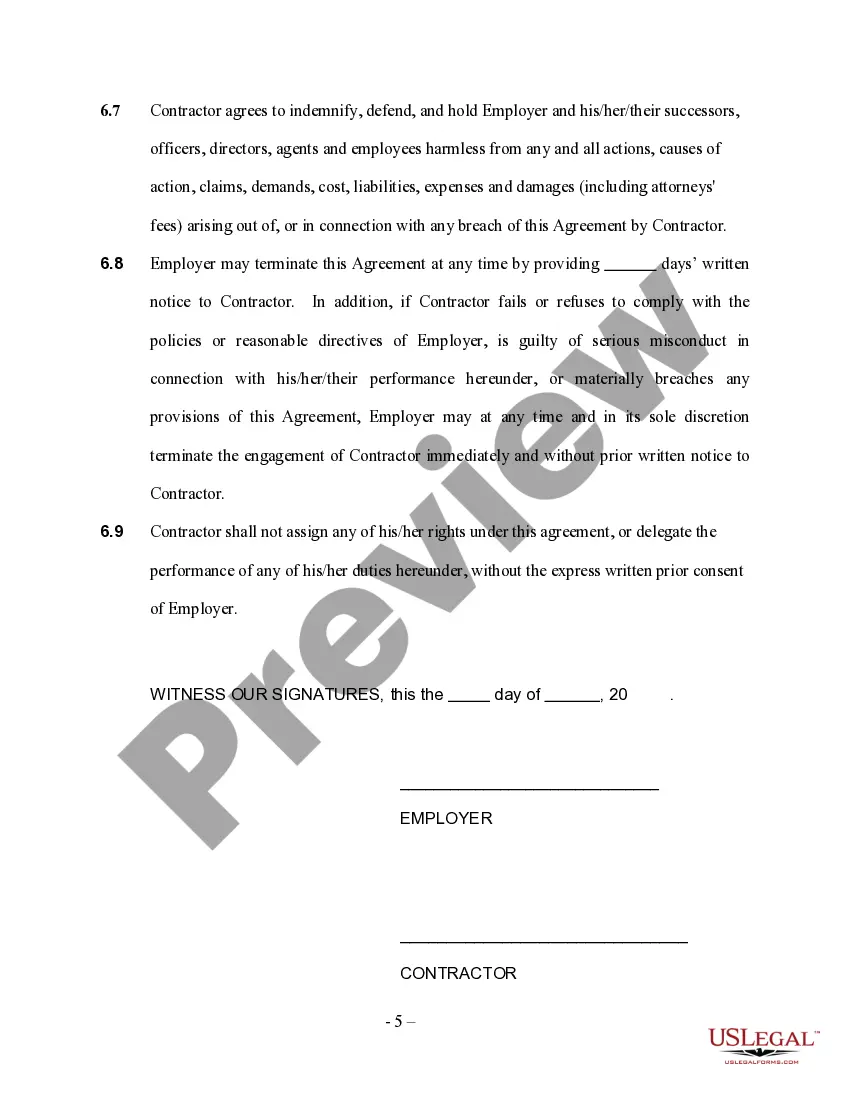
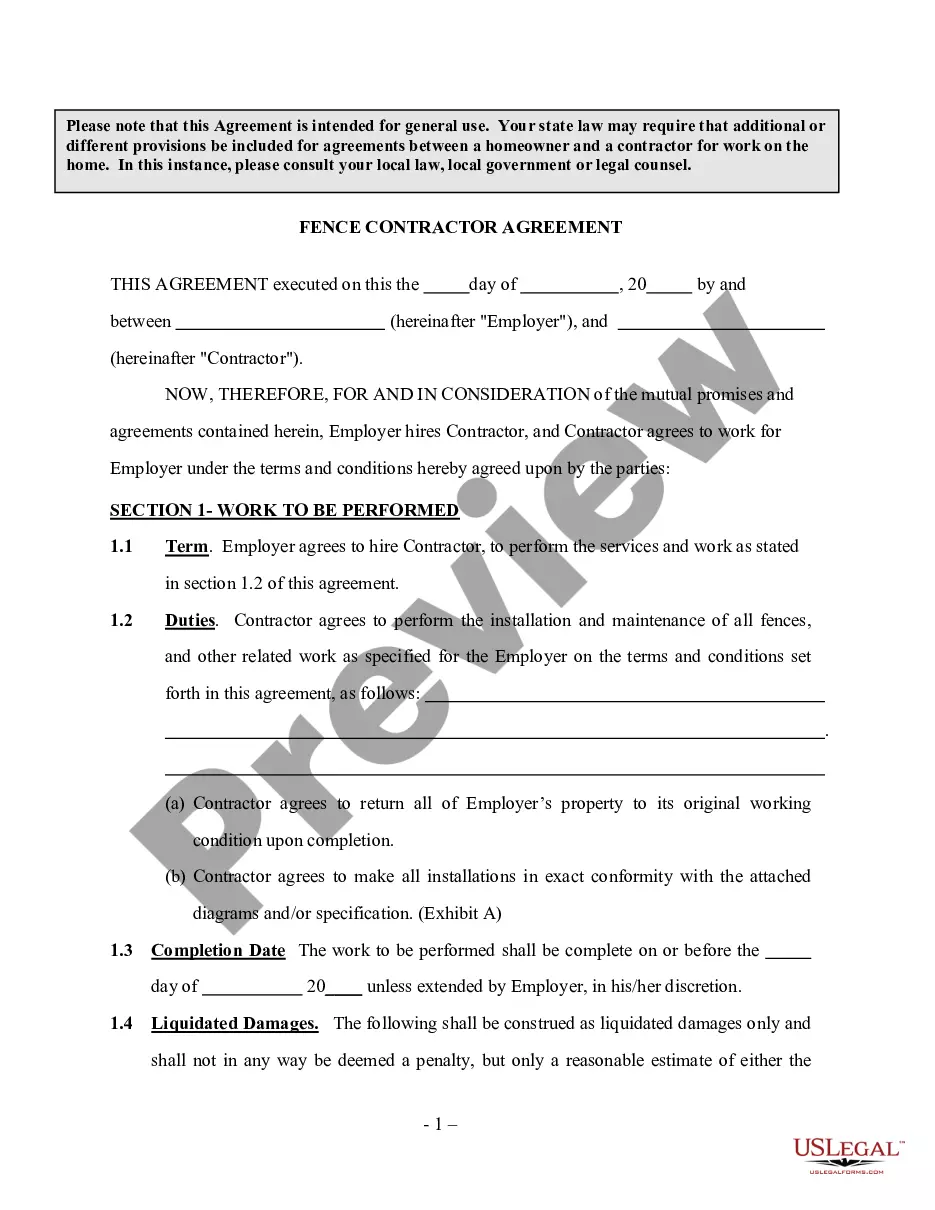
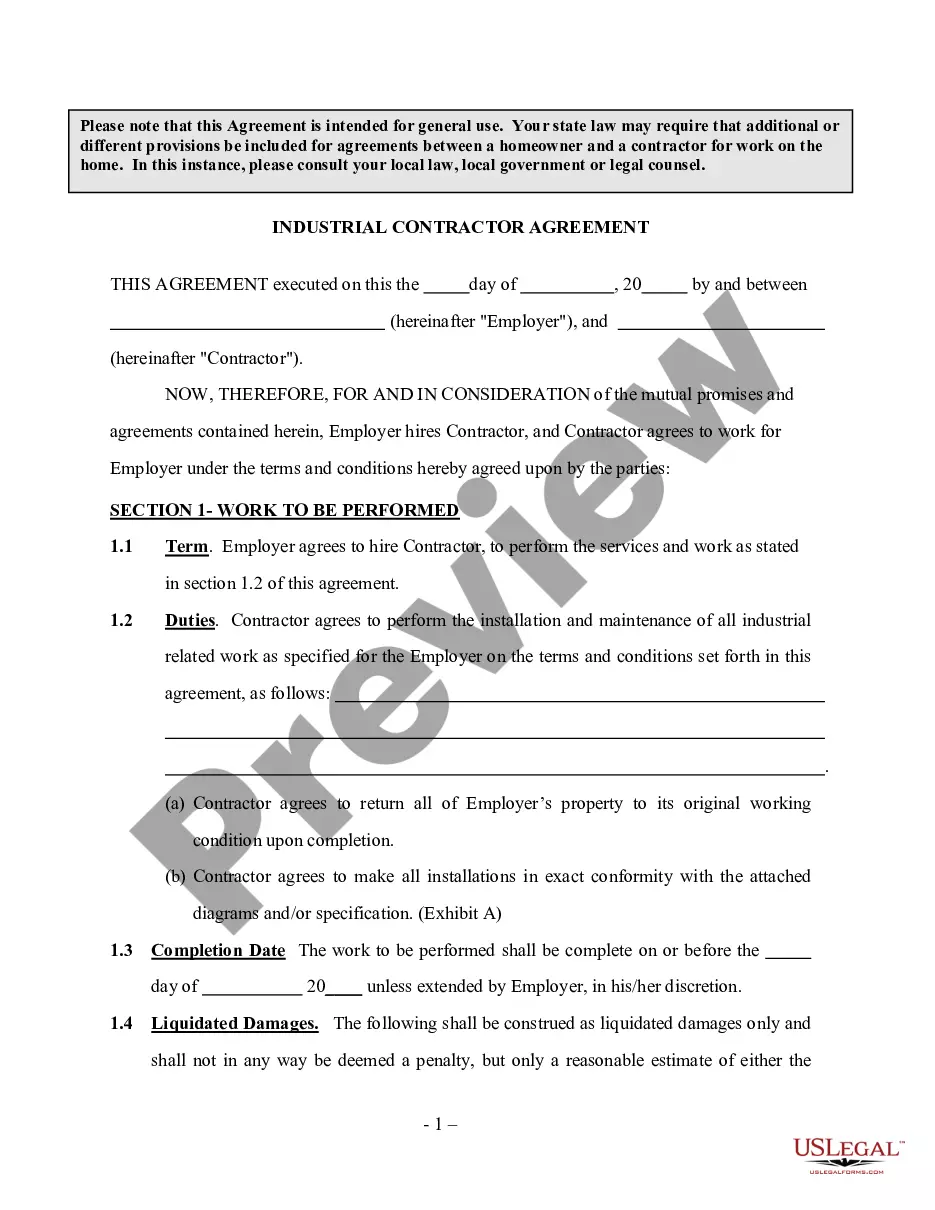
Get your form ready online
Our built-in tools help you complete, sign, share, and store your documents in one place.
Make edits, fill in missing information, and update formatting in US Legal Forms—just like you would in MS Word.
Download a copy, print it, send it by email, or mail it via USPS—whatever works best for your next step.
Sign and collect signatures with our SignNow integration. Send to multiple recipients, set reminders, and more. Go Premium to unlock E-Sign.
If this form requires notarization, complete it online through a secure video call—no need to meet a notary in person or wait for an appointment.
We protect your documents and personal data by following strict security and privacy standards.

Make edits, fill in missing information, and update formatting in US Legal Forms—just like you would in MS Word.

Download a copy, print it, send it by email, or mail it via USPS—whatever works best for your next step.

Sign and collect signatures with our SignNow integration. Send to multiple recipients, set reminders, and more. Go Premium to unlock E-Sign.

If this form requires notarization, complete it online through a secure video call—no need to meet a notary in person or wait for an appointment.

We protect your documents and personal data by following strict security and privacy standards.
Looking for another form?





How to fill out Self-Employed Vinyl Aluminum Siding Installation Contract?
- If you're a returning user, log in to your account and select the desired form template to download. Verify that your subscription is active; if it's expired, follow renewal steps based on your payment plan.
- For first-time users, start by browsing our extensive online library of over 85,000 legal forms. Use the preview mode to ensure you've selected the appropriate template that complies with local laws.
- Should you require a different document, utilize the Search tab to find the correct template.
- Proceed to purchase your document by clicking the 'Buy Now' button. Choose a subscription plan that fits your needs, and you will need to create an account to access more resources.
- Complete your transaction by entering your payment details, using either a credit card or PayPal.
- Finally, download your chosen form to your device. You can access it anytime through the My Forms section of your profile.
Utilizing US Legal Forms ensures that you have access to a rich collection of legal documents that are both affordable and tailored for your specific requirements. With expert assistance available, you can finalize your siding contract with confidence, knowing it is legally sound.
Start your journey with US Legal Forms today and make your legal documentation stress-free!
Form popularity
FAQ
To quote a siding job effectively, consider all aspects, including material costs, labor expenses, and any extra services needed. A comprehensive estimate should clearly reflect the total investment required, aligning with a siding contract with the future. By being transparent and detailed in your quote, you enhance trust with your clients and the likelihood of project approval.
The expansion rate of vinyl siding typically measures around 1/4 inch for every 12 feet of length over a temperature change of 10 degrees Fahrenheit. This knowledge is crucial when discussing a siding contract with the future. Proper installation techniques can help accommodate this expansion, ensuring durability and performance. Understanding these factors prepares you for long-term satisfaction.
When engaging with a contractor, avoid making statements that can undermine your position, such as discussing budget constraints before finalizing the siding contract with the future. Don’t disclose personal financial limitations or use language that suggests indecision. Maintaining a professional stance encourages fair negotiation and builds a stronger working relationship.
Writing a home improvement contract, such as a siding contract with the future, involves outlining the scope of work, budget, and timeline. Clearly state the details of the project, including materials and payment terms. Incorporating clauses regarding warranties and insurance helps protect your investment. A well-drafted contract sets the tone for a successful project.
Yes, it is quite common for contractors to require a 50% deposit upfront for a siding contract with the future. This payment covers the initial costs of materials and labor. However, ensure that the contract specifies when and how the remaining balance is due. Having clear payment terms protects both you and your contractor throughout the project.
A solid siding contract with the future typically includes five key elements: offer, acceptance, consideration, competency, and legality. Each element plays a crucial role in ensuring that the contract is enforceable. By carefully crafting these aspects, you can create a legally binding agreement that protects your interests. This structure provides clarity and confidence for both parties.
To create a simple siding contract with the future in focus, start by outlining the parties involved, project scope, and timelines. Specify the materials to be used, costs, and payment schedules. Don't forget to include clauses about dispute resolution and scope changes. A clear structure helps in avoiding misunderstandings between you and the contractor.
Vinyl siding typically experiences about 1/4 inch of expansion per 12-foot length for every 10 degrees Fahrenheit change in temperature. This means that in various weather conditions, your siding may shift slightly. By understanding the expansion and contraction of your vinyl siding, you can better prepare for a siding contract with the future. It’s essential to account for these changes to maintain aesthetic and functional integrity.
When drafting a siding contract with the future in mind, avoid vague language and unclear terms. Ensure every detail is specific, including deadlines and payment terms. Also, refrain from including unrealistic expectations, as this can lead to disputes later on. Clarity helps to protect both parties involved.
Yes, you can negotiate on siding to secure a fair deal. Many contractors are open to discussing the costs and terms of a siding contract with the future. Factors like project size and material choices can influence negotiations. Approaching the conversation with clear expectations can lead to successful outcomes.