Self Employed Bookkeeper For Hire
Description
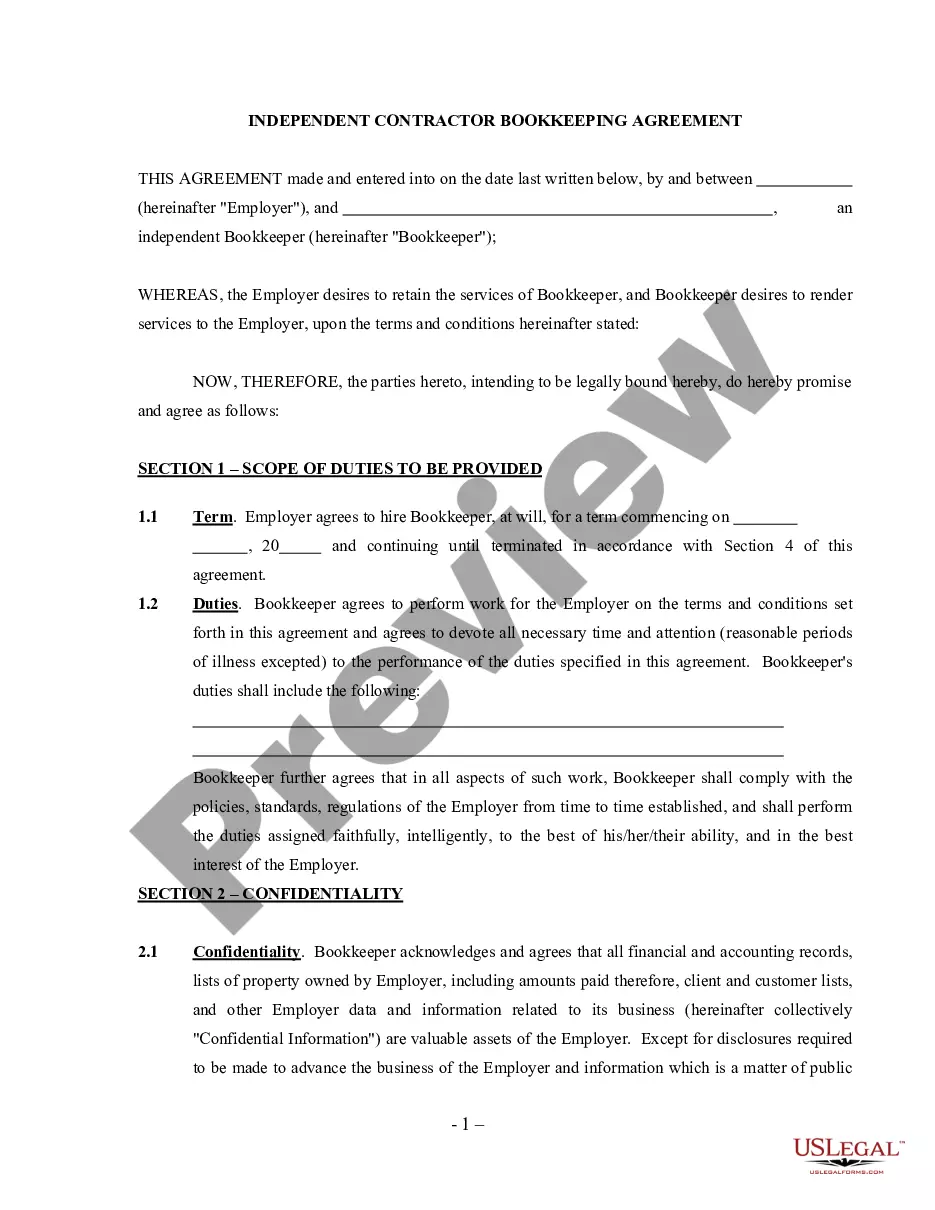
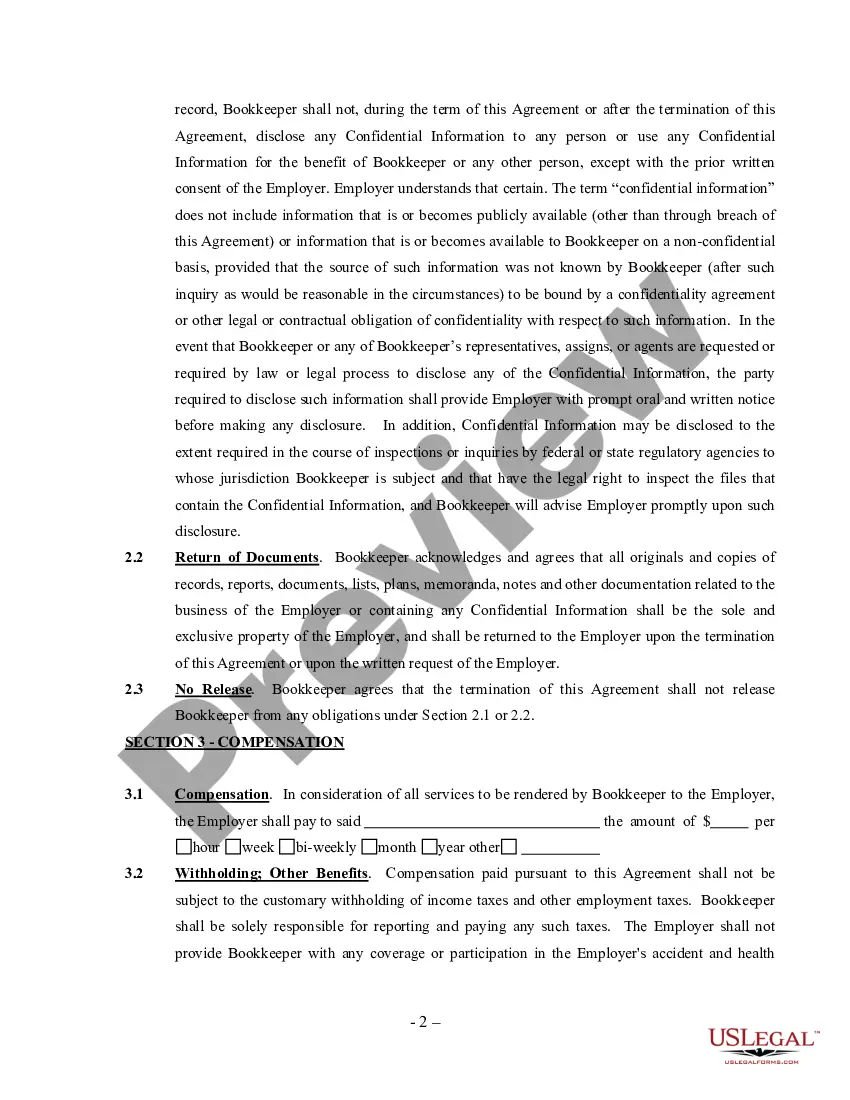
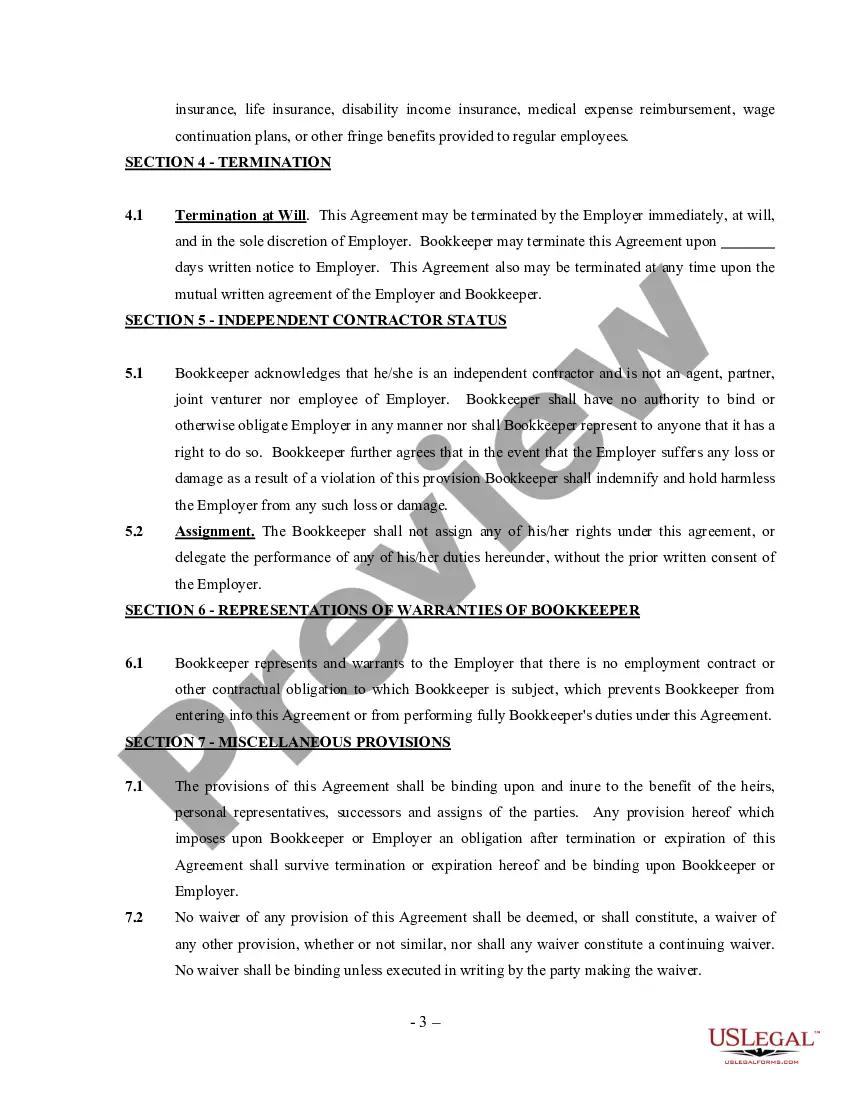
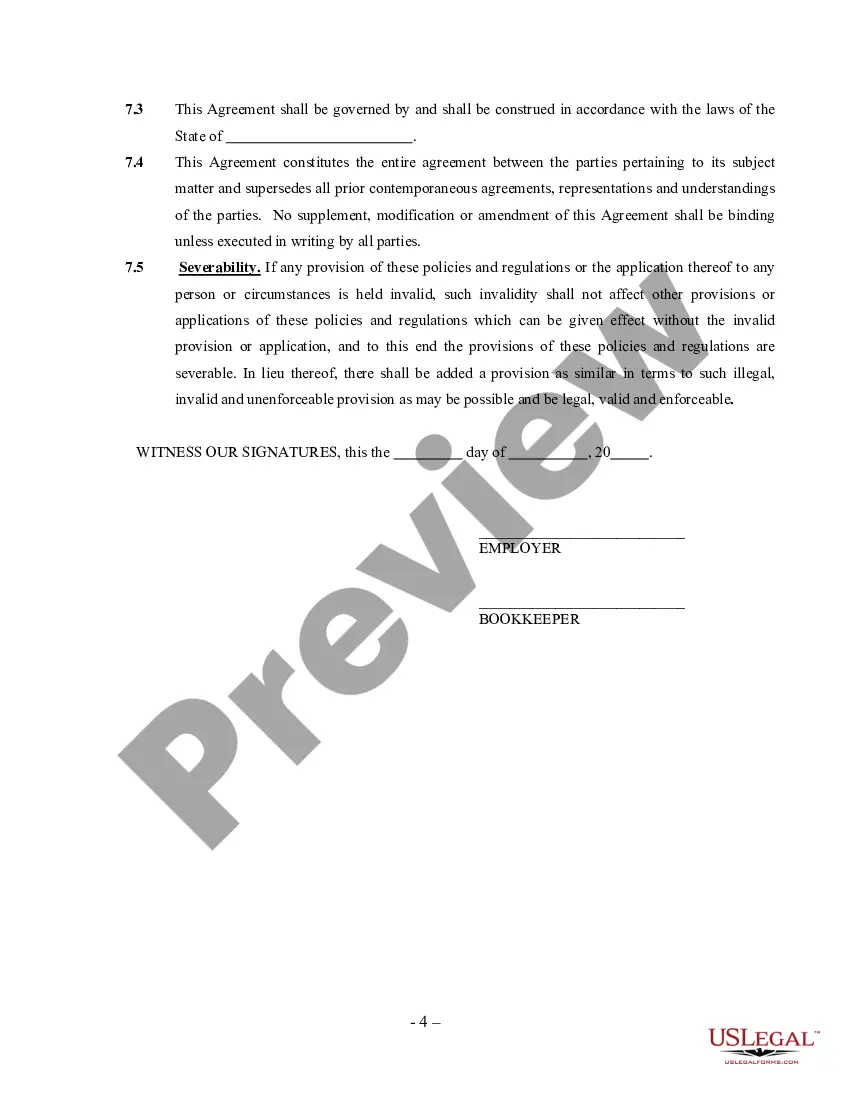
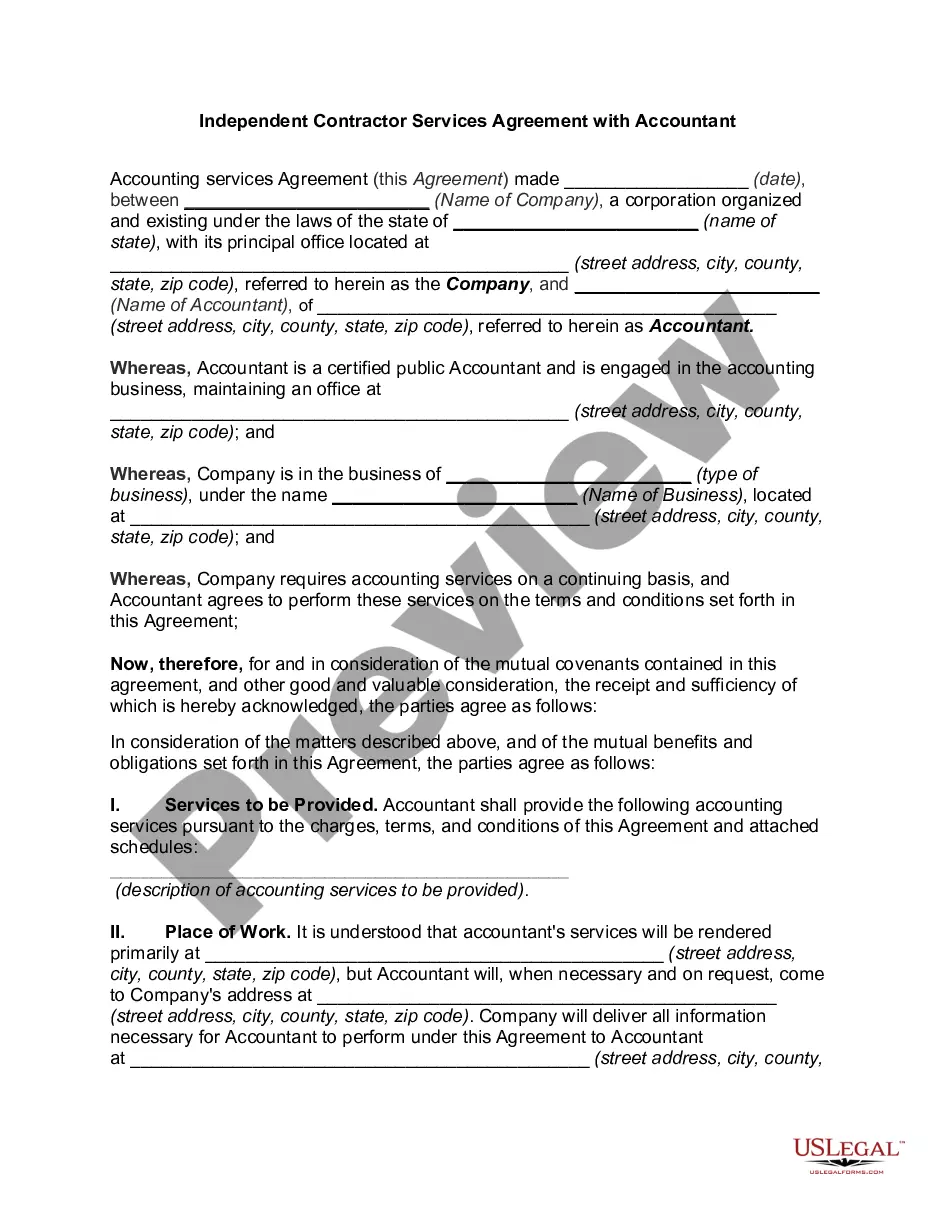
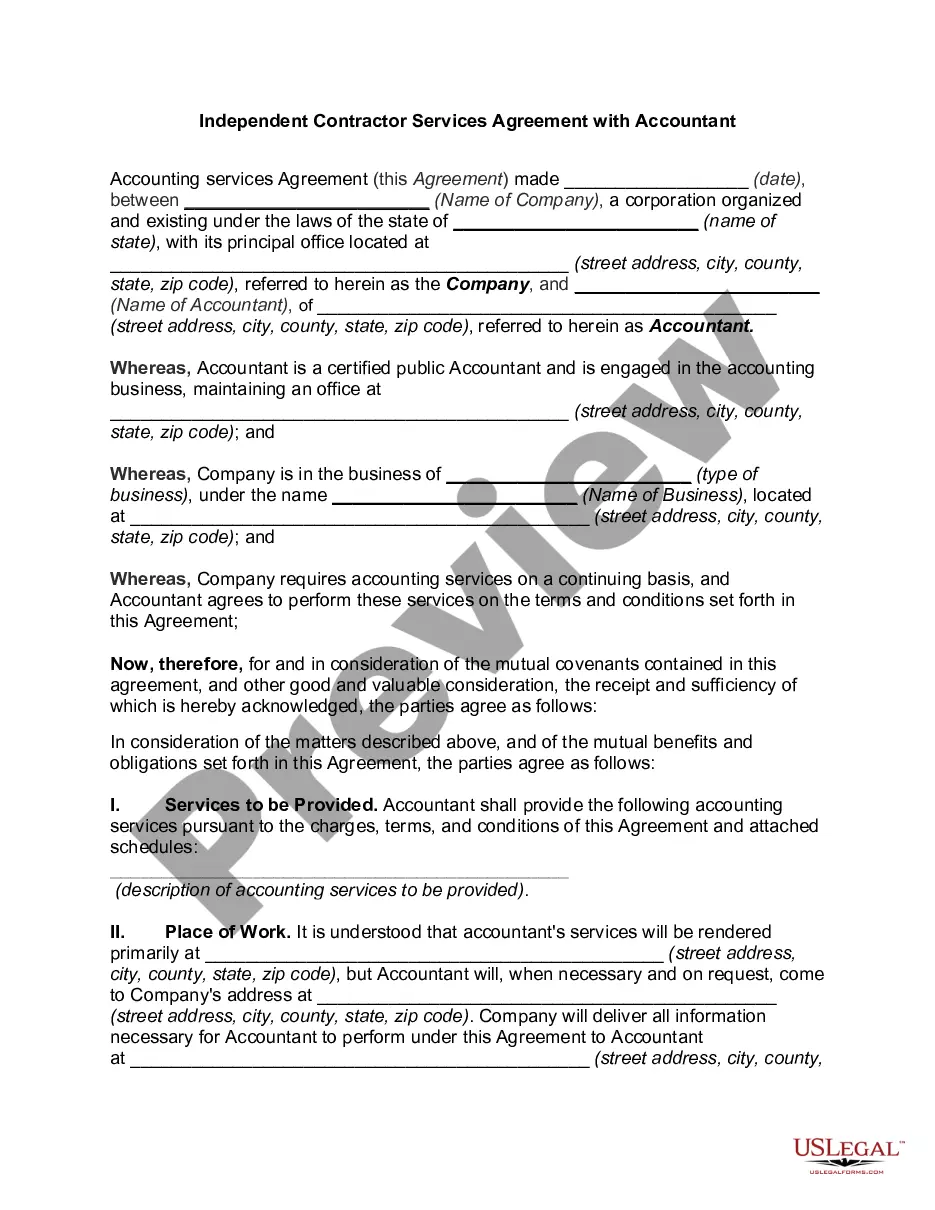
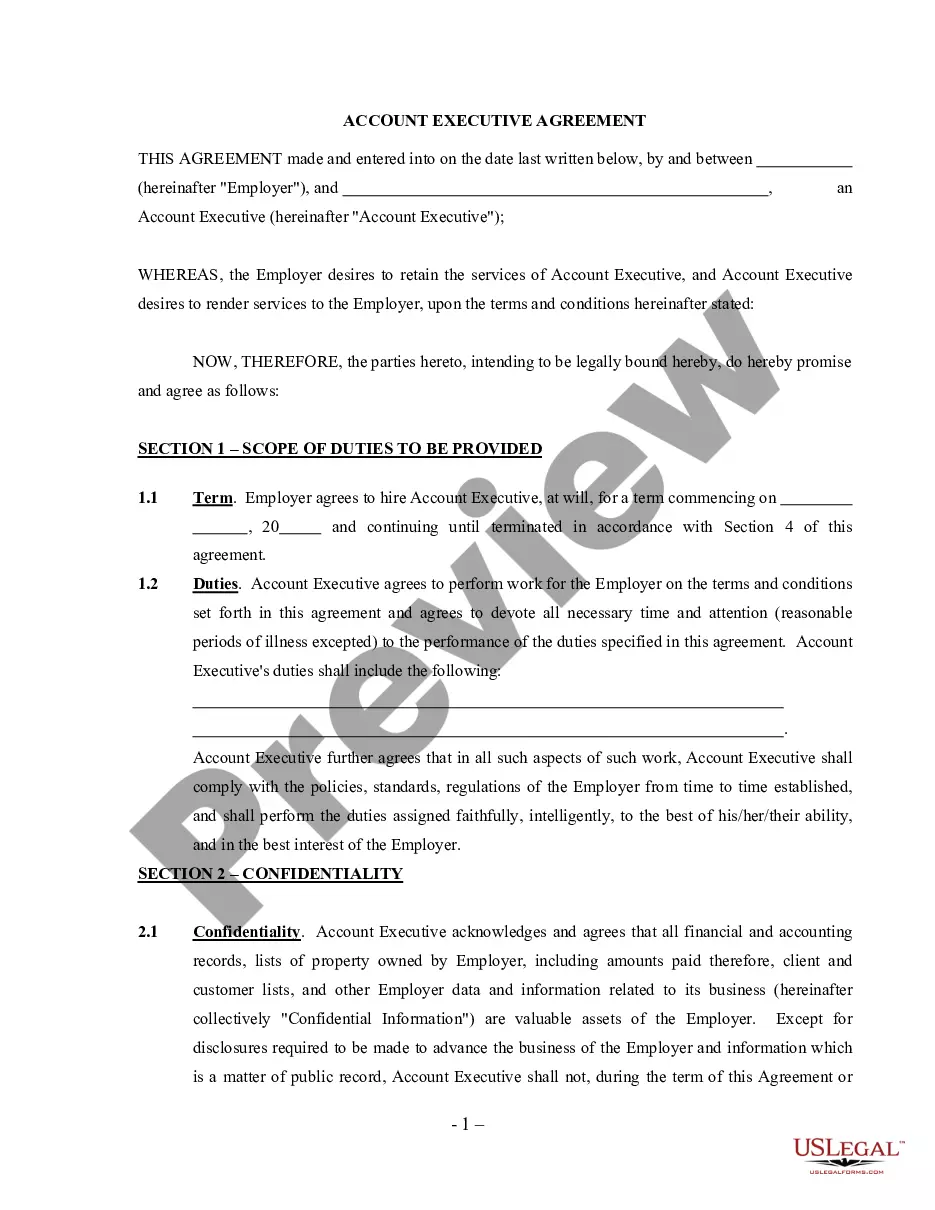
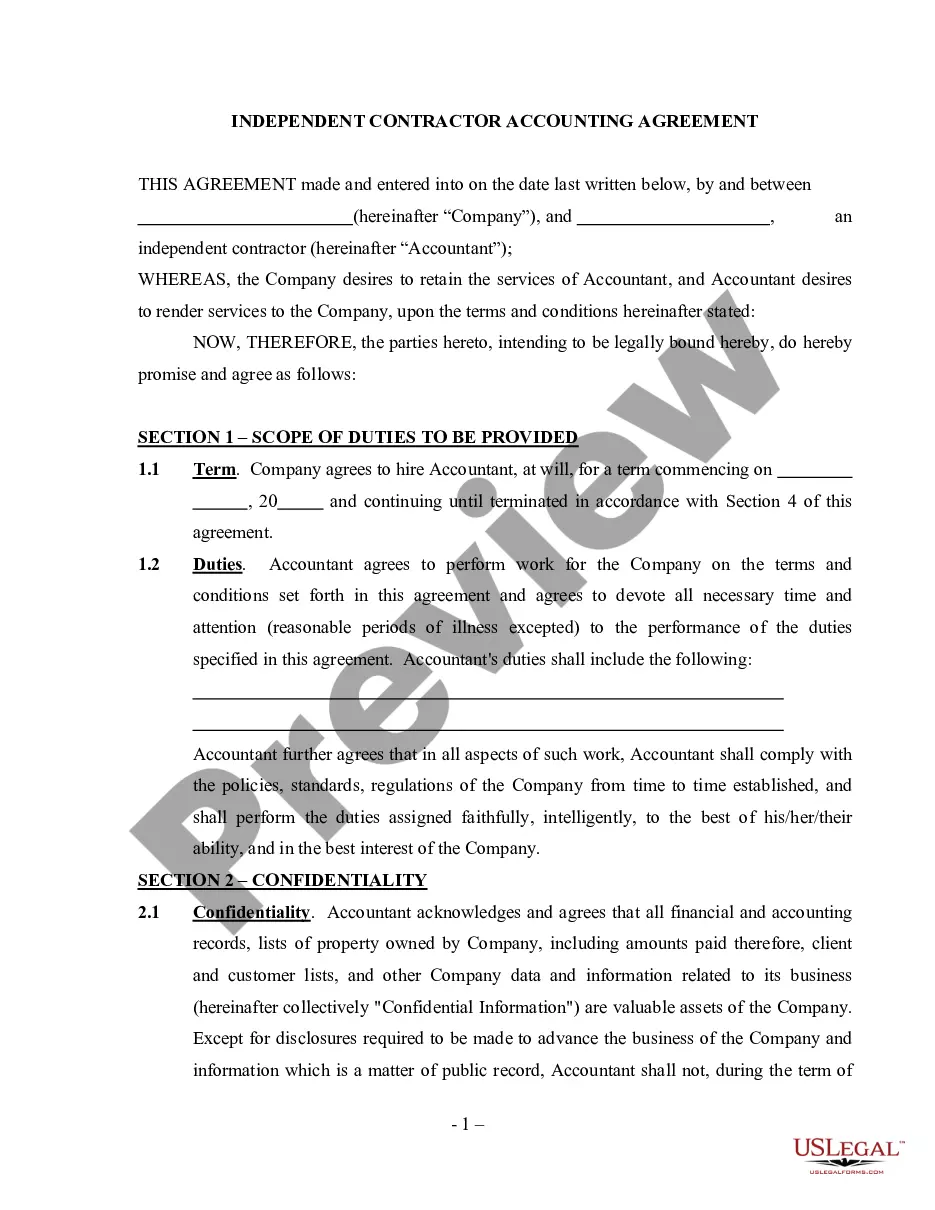
Get your form ready online
Our built-in tools help you complete, sign, share, and store your documents in one place.
Make edits, fill in missing information, and update formatting in US Legal Forms—just like you would in MS Word.
Download a copy, print it, send it by email, or mail it via USPS—whatever works best for your next step.
Sign and collect signatures with our SignNow integration. Send to multiple recipients, set reminders, and more. Go Premium to unlock E-Sign.
If this form requires notarization, complete it online through a secure video call—no need to meet a notary in person or wait for an appointment.
We protect your documents and personal data by following strict security and privacy standards.

Make edits, fill in missing information, and update formatting in US Legal Forms—just like you would in MS Word.

Download a copy, print it, send it by email, or mail it via USPS—whatever works best for your next step.

Sign and collect signatures with our SignNow integration. Send to multiple recipients, set reminders, and more. Go Premium to unlock E-Sign.

If this form requires notarization, complete it online through a secure video call—no need to meet a notary in person or wait for an appointment.

We protect your documents and personal data by following strict security and privacy standards.
Looking for another form?








How to fill out Bookkeeping Agreement - Self-Employed Independent Contractor?
The Freelance Accountant Available for Engagement you see on this page is a reusable official template prepared by qualified attorneys in accordance with federal and local statutes and guidelines.
For over 25 years, US Legal Forms has supplied individuals, enterprises, and legal experts with more than 85,000 validated, state-oriented documents for any business and personal situation. It’s the quickest, simplest, and most trustworthy way to acquire the documentation you require, as the service ensures bank-level data protection and anti-malware security.
Register for US Legal Forms to have verified legal templates for all of life’s circumstances at your fingertips.
- Search for the document you need and examine it.
- Browse through the sample you searched and view it or read the form description to verify it meets your needs. If it doesn't, utilize the search bar to locate the correct one. Click Buy Now once you've identified the template you require.
- Subscribe and Log In.
- Select the pricing plan that fits you and set up an account. Use PayPal or a credit card for a swift payment. If you already have an account, Log In and check your subscription to continue.
- Obtain the fillable template.
- Choose the format you desire for your Freelance Accountant Available for Engagement (PDF, DOCX, RTF) and download the sample to your device.
- Fill out and sign the document.
- Print the template to complete it by hand. Alternatively, employ an online versatile PDF editor to quickly and precisely fill in and sign your form with a legally-binding electronic signature.
- Download your paperwork once more.
- Access the same document again whenever necessary. Navigate to the My documents tab in your profile to redownload any previously saved documents.
Form popularity
FAQ
Absolutely, many bookkeepers work as self employed professionals. Being a self employed bookkeeper for hire offers flexibility and the opportunity to manage your own clients. This career path allows you to set your own rates and work on your terms, making it an attractive option for many.
The new $6000 tax deduction allows self employed individuals to deduct certain business expenses up to this amount. This deduction can cover various costs related to your work, including supplies and equipment. Utilizing this deduction can benefit you significantly as a self employed bookkeeper for hire, helping to maximize your tax savings.
The 30% rule suggests that self employed individuals should set aside at least 30% of their income for taxes. By following this guideline, you can prepare for tax season and avoid surprises. This practice is especially useful for those who work as a self employed bookkeeper for hire, as it helps ensure you meet your tax obligations.
The $2500 expense rule simplifies the process of deducting business expenses for self employed individuals. It allows you to deduct expenses that are $2500 or less without needing to capitalize them. This means you can easily account for smaller purchases that support your work as a self employed bookkeeper for hire.
As a self employed bookkeeper for hire, you can deduct certain expenses that are essential for your business operations. Common examples include office supplies, software subscriptions, and business-related travel costs. Understanding these deductions can significantly reduce your taxable income, allowing you to keep more of your earnings.
The hourly rate for a self employed bookkeeper for hire typically ranges from $30 to $75, depending on their experience and the complexity of your needs. Many factors influence this rate, including location, services offered, and industry specialization. When you hire a self employed bookkeeper, consider their expertise in managing your specific financial requirements. Using platforms like US Legal Forms can help you find qualified professionals who fit your budget and needs.
To handle bookkeeping as a self-employed individual, start by organizing your financial records. Track all income and expenses diligently, using accounting software or spreadsheets. Consider hiring a self-employed bookkeeper for hire to manage your finances more efficiently. This approach allows you to focus on growing your business while ensuring that your books are accurate and up-to-date.
The salary of a self employed bookkeeper for hire can vary widely based on experience, location, and workload. On average, private bookkeepers can earn anywhere from $20 to $50 per hour. Factors such as specialization in certain industries or advanced certifications can also influence their earnings. Investing in a skilled bookkeeper can provide valuable financial insights for your business.
To find a self employed bookkeeper for hire, start by asking for recommendations from your network. You can also explore online platforms that specialize in connecting businesses with freelance professionals. Additionally, consider using local job boards or dedicated bookkeeping services. This approach will help you find a qualified bookkeeper who fits your specific needs.