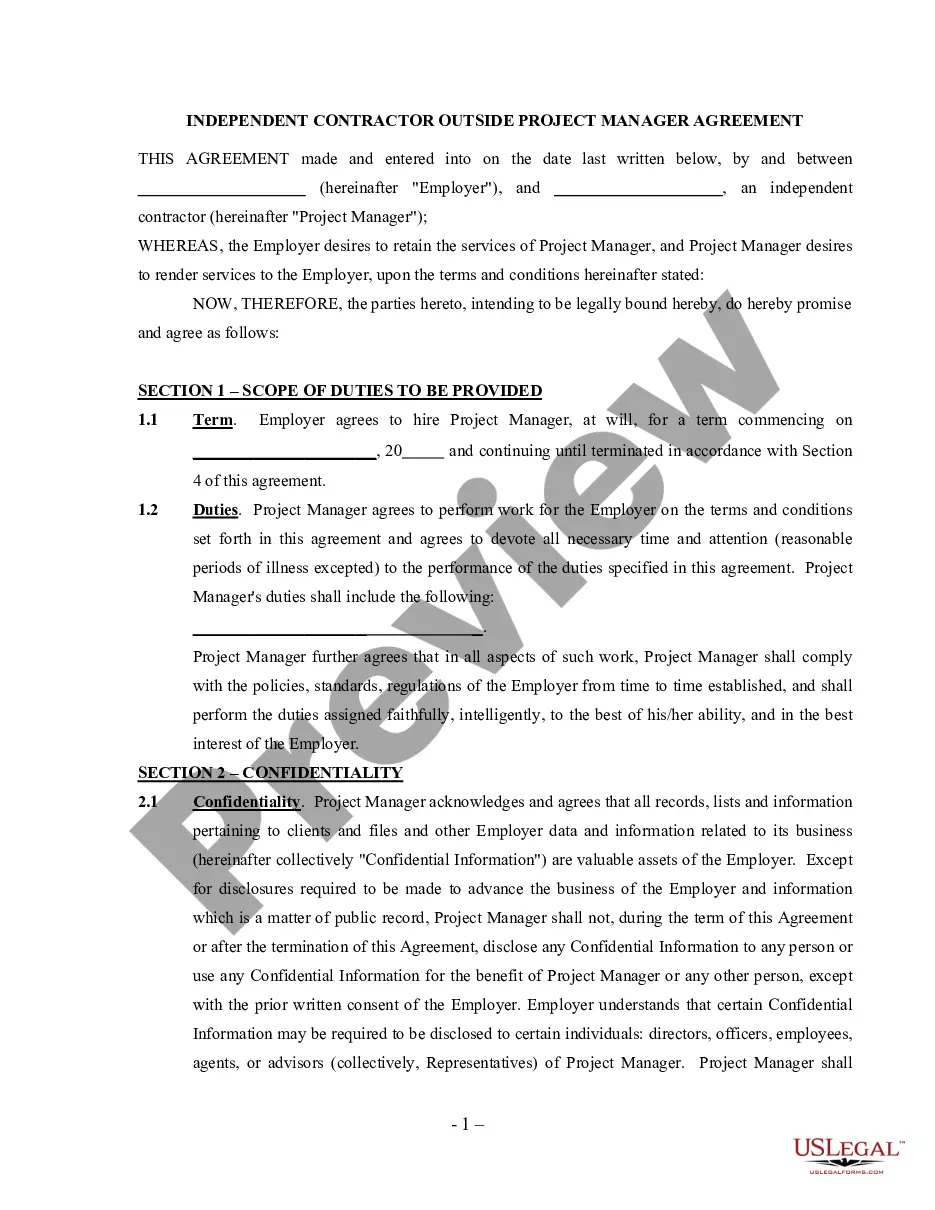
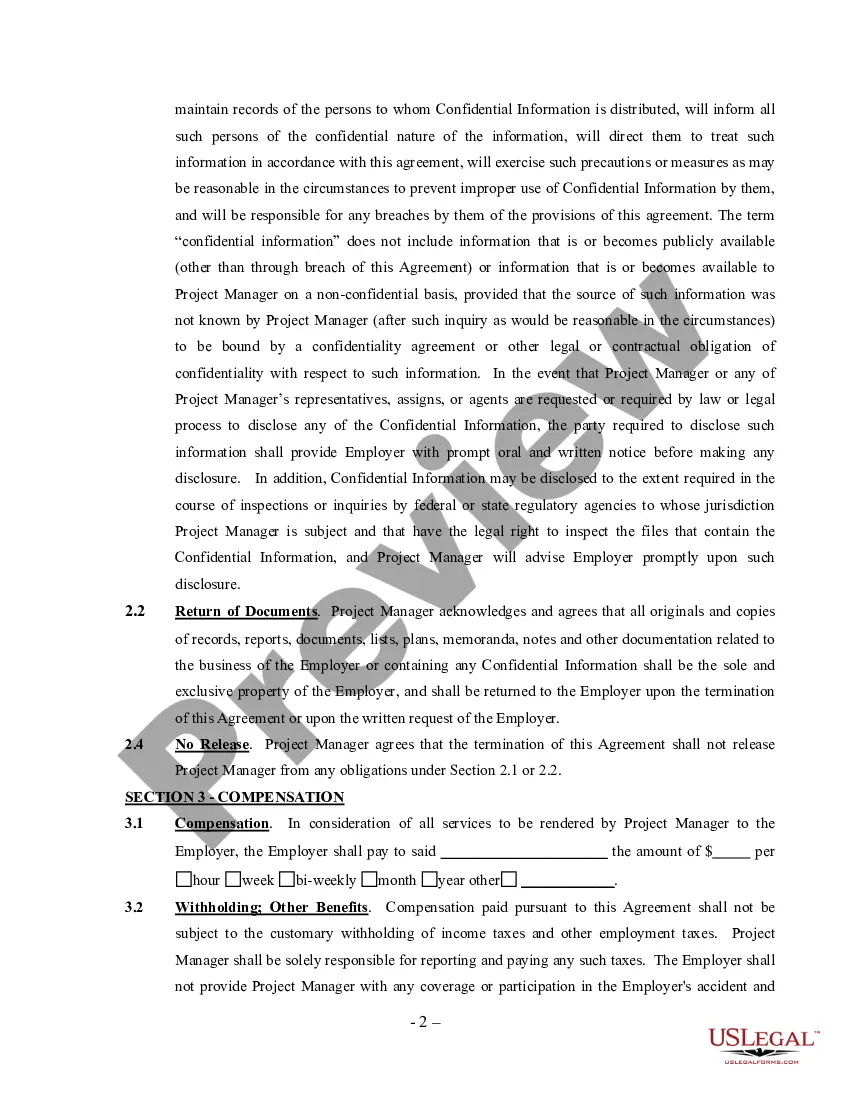
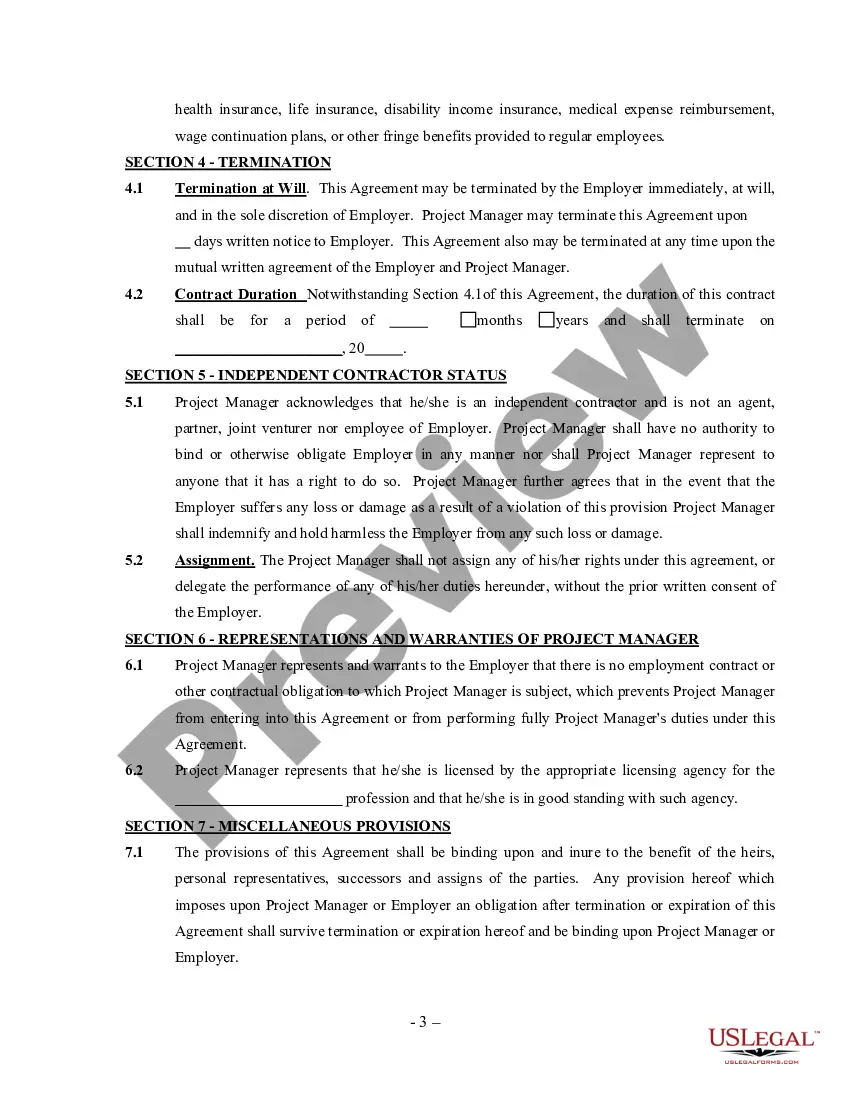
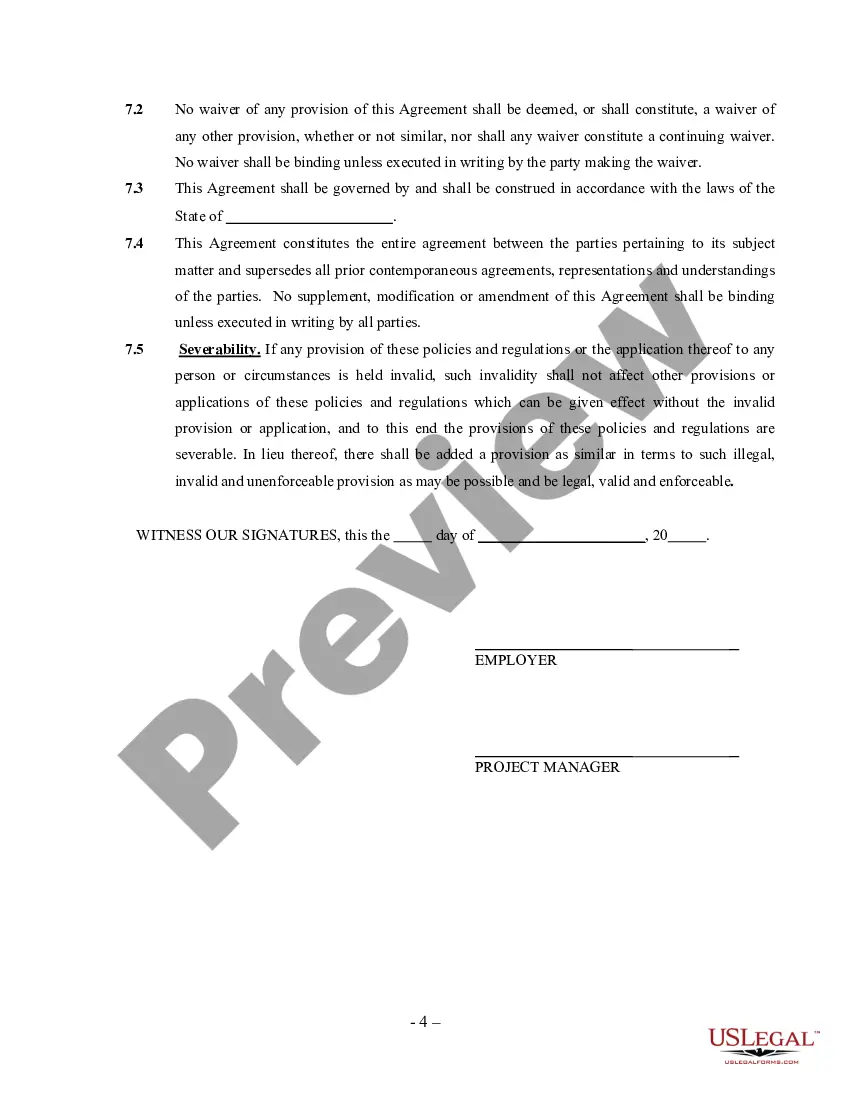
Independent Contractor With 1099
Description

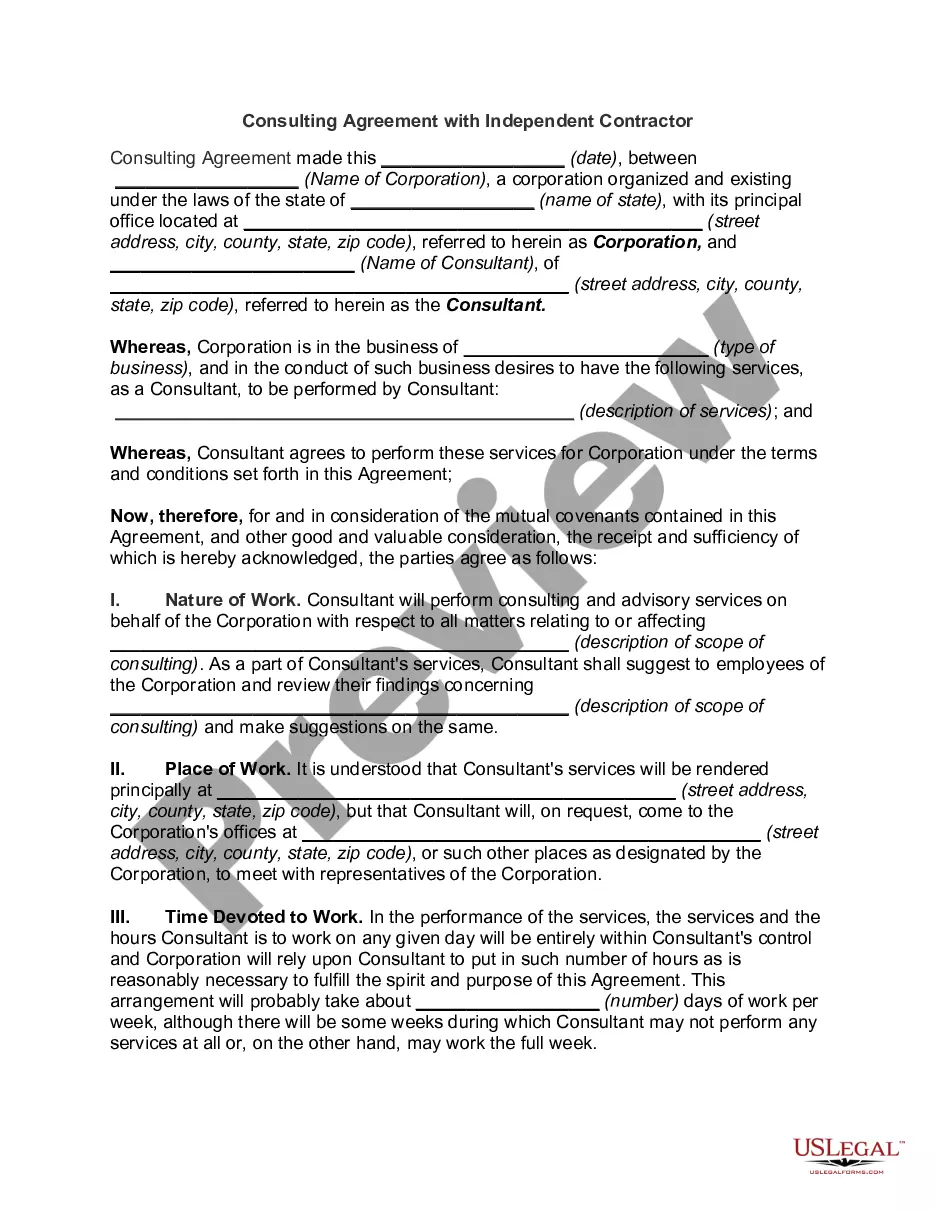
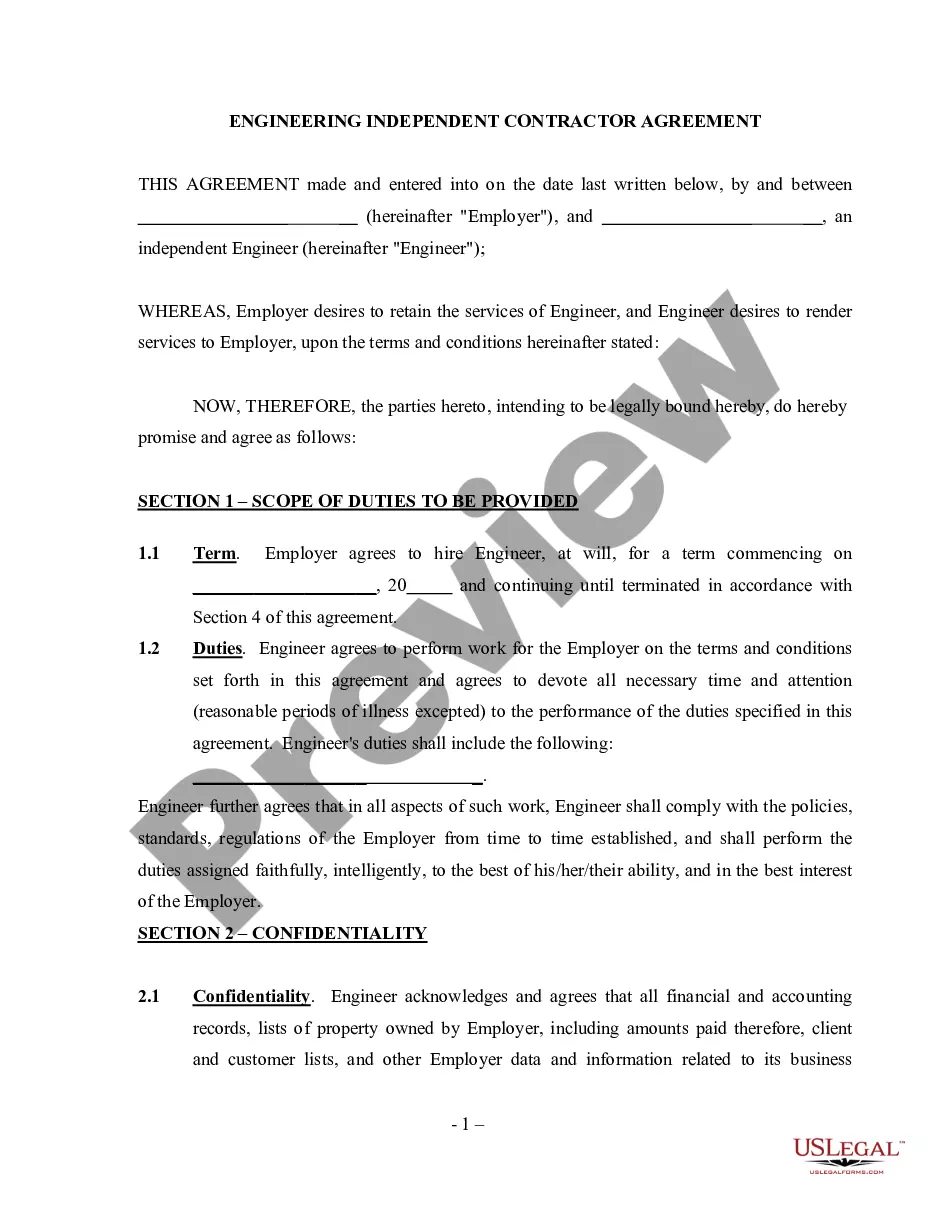
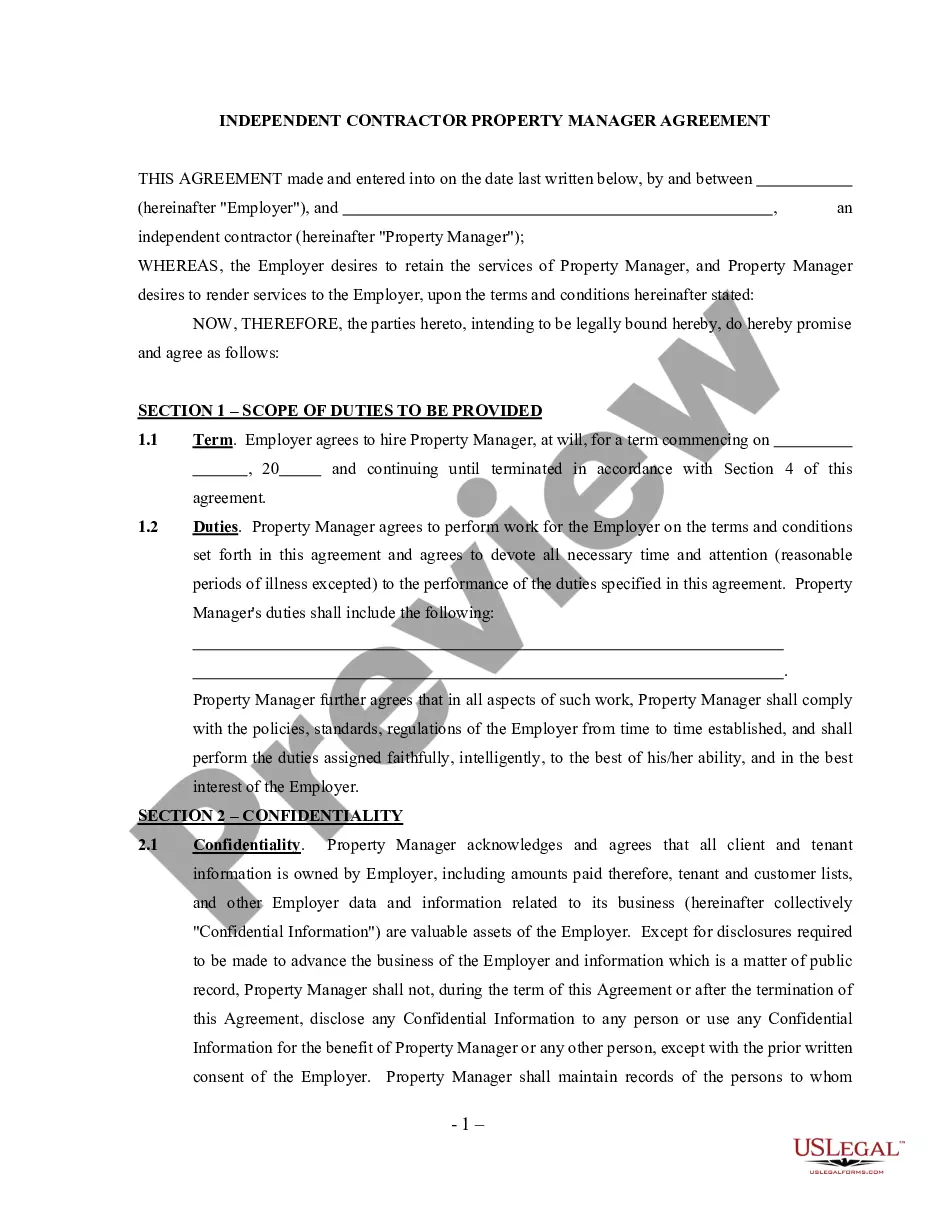
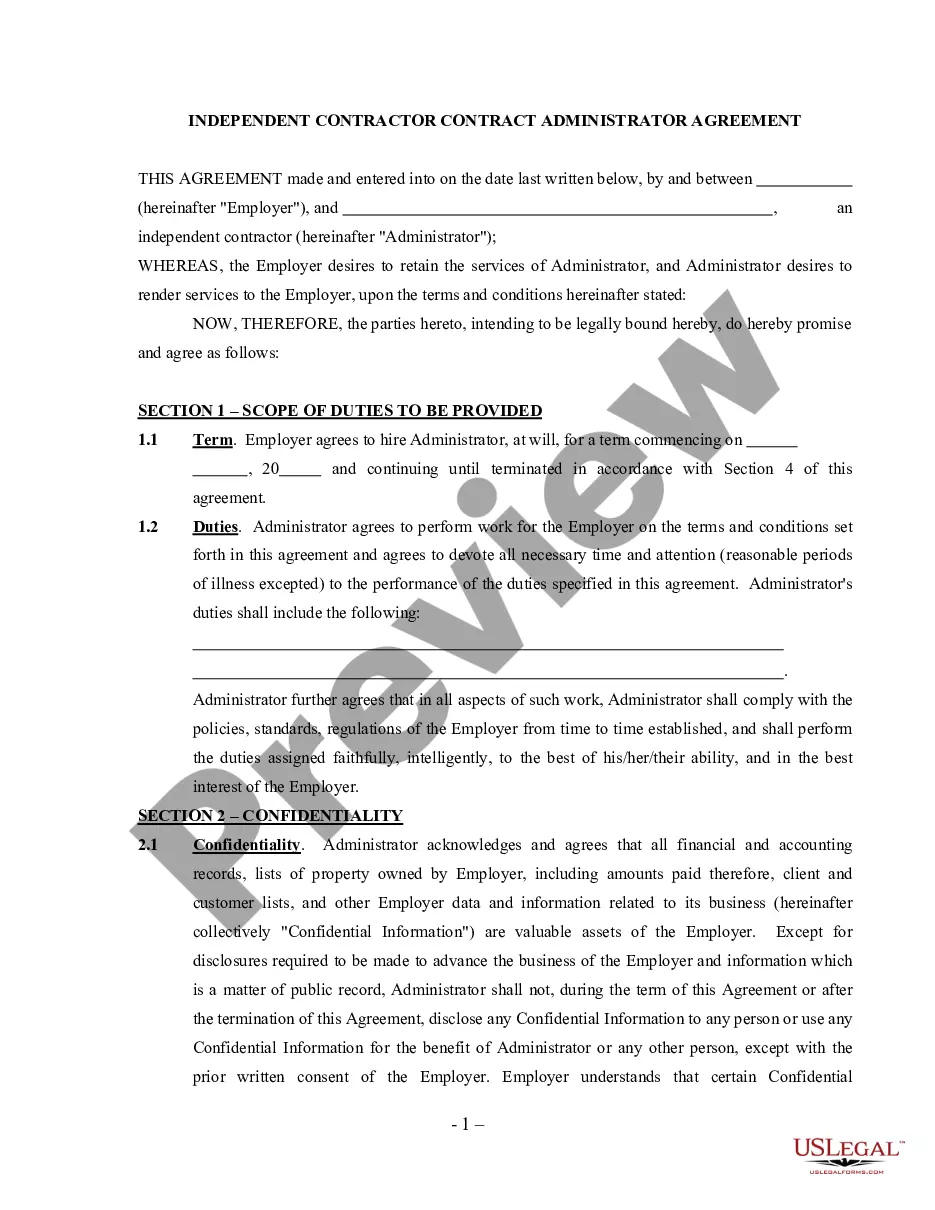
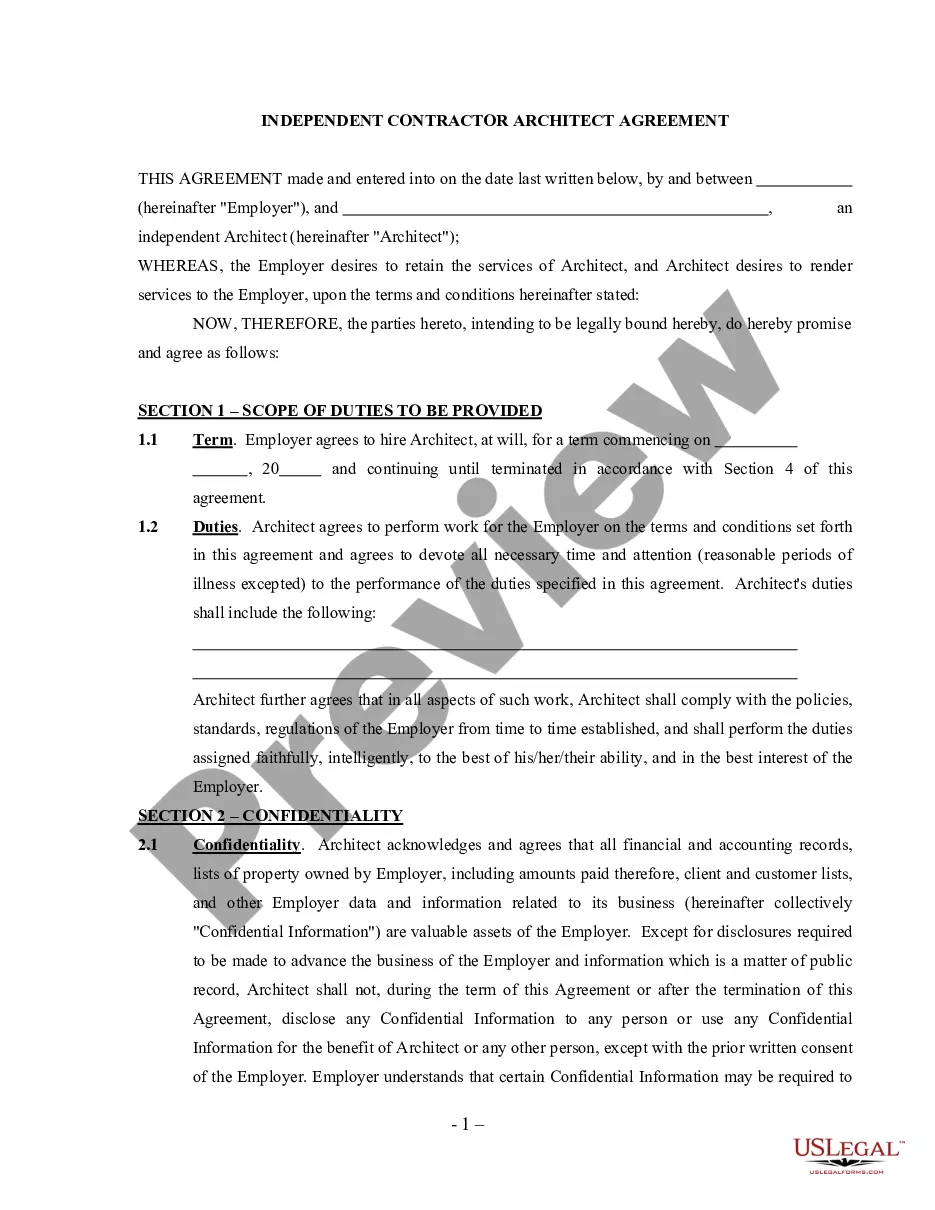
Get your form ready online
Our built-in tools help you complete, sign, share, and store your documents in one place.
Make edits, fill in missing information, and update formatting in US Legal Forms—just like you would in MS Word.
Download a copy, print it, send it by email, or mail it via USPS—whatever works best for your next step.
Sign and collect signatures with our SignNow integration. Send to multiple recipients, set reminders, and more. Go Premium to unlock E-Sign.
If this form requires notarization, complete it online through a secure video call—no need to meet a notary in person or wait for an appointment.
We protect your documents and personal data by following strict security and privacy standards.

Make edits, fill in missing information, and update formatting in US Legal Forms—just like you would in MS Word.

Download a copy, print it, send it by email, or mail it via USPS—whatever works best for your next step.

Sign and collect signatures with our SignNow integration. Send to multiple recipients, set reminders, and more. Go Premium to unlock E-Sign.

If this form requires notarization, complete it online through a secure video call—no need to meet a notary in person or wait for an appointment.

We protect your documents and personal data by following strict security and privacy standards.
Looking for another form?


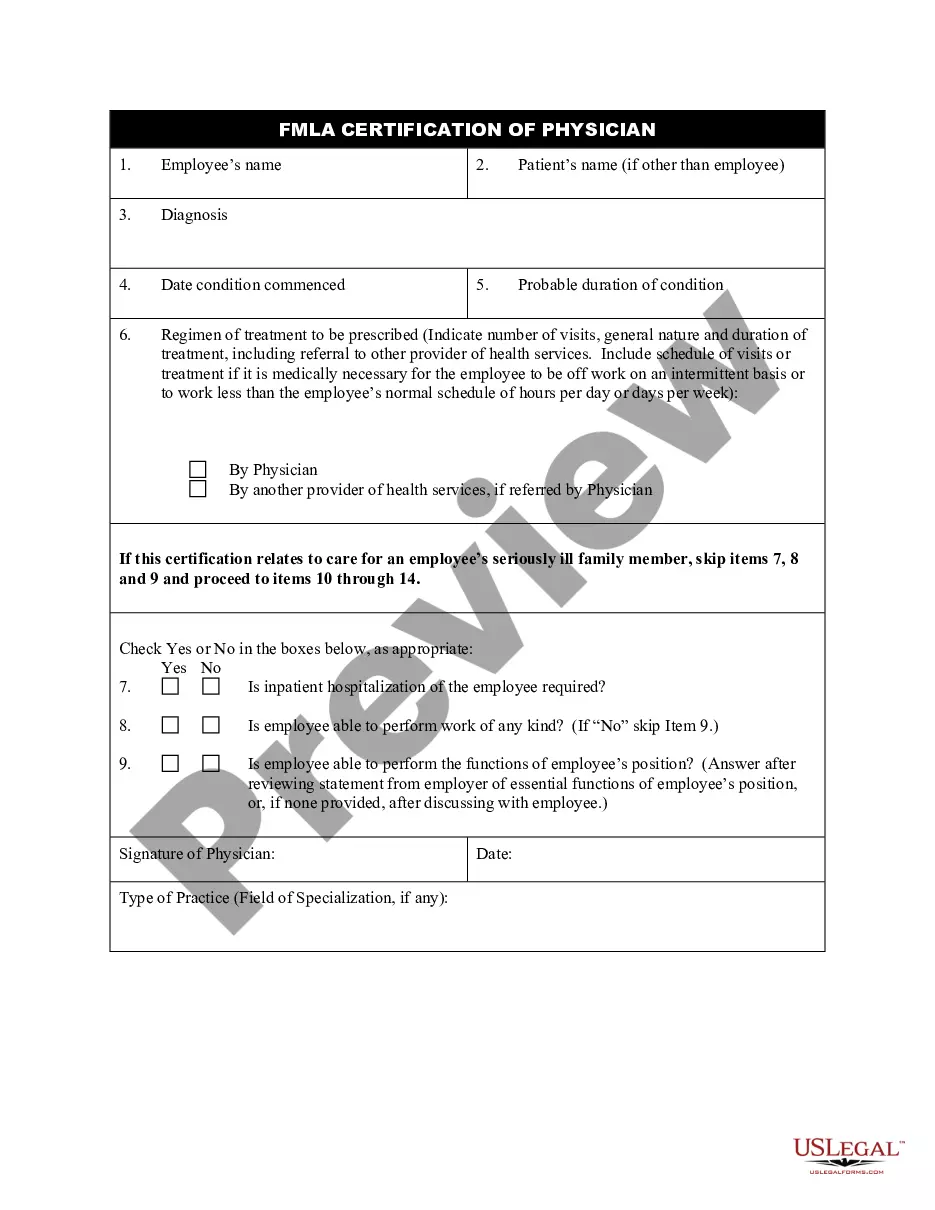
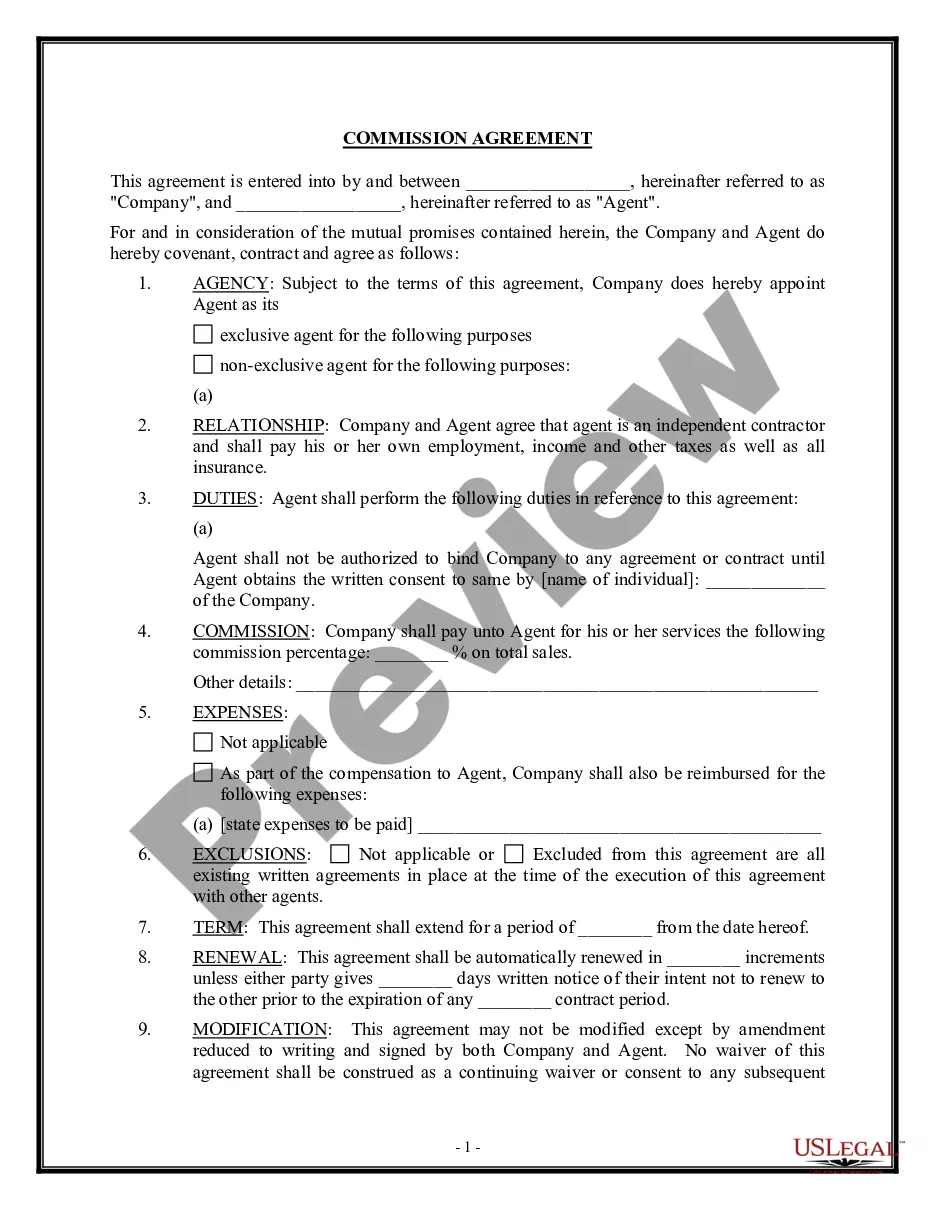




How to fill out Outside Project Manager Agreement - Self-Employed Independent Contractor?
Whether for corporate reasons or for personal matters, everyone eventually has to navigate legal issues at some point in their life.
Completing legal paperwork demands meticulous care, beginning with choosing the correct form template.
With an extensive US Legal Forms library available, you will never have to waste time searching for the right sample online. Use the library’s user-friendly navigation to find the suitable template for any situation.
- Obtain the sample you require using the search field or catalog browsing.
- Review the form’s description to confirm it aligns with your situation, jurisdiction, and locality.
- Select the form’s preview to examine it.
- If it is the incorrect document, return to the search function to locate the Independent Contractor With 1099 form you need.
- Download the file if it suits your requirements.
- If you possess a US Legal Forms account, click Log in to retrieve previously saved documents in My documents.
- If you do not yet have an account, you can acquire the form by clicking Buy now.
- Select the appropriate pricing option.
- Fill out the profile registration form.
- Choose your payment method: use a credit card or PayPal.
- Select the document format you prefer and download the Independent Contractor With 1099.
- Once downloaded, you can complete the form with editing applications or print it and fill it out by hand.
Form popularity
FAQ
Usually, anyone who was paid $600 or more in non-employment income should receive a 1099. However, there are many types of 1099s for different situations. Also, there are many exceptions to the $600 rule, meaning you may receive a 1099 even if you were paid less than $600 in non-employment income during the tax year.
If you choose to pay yourself as an independent contractor, you must file IRS Form W-9 with the LLC. The LLC then files IRS Form 1099-MISC at the end of the year. LLC members can also take a loan from the business. This option allows the members to access cash without affecting their tax liability.
Keep in mind that if you're an independent contractor, you still need to report all your income. Even if you did less than $600 of work for a client and never received a 1099. If you did pay a contractor more than $600 for services, you need to file a 1099.