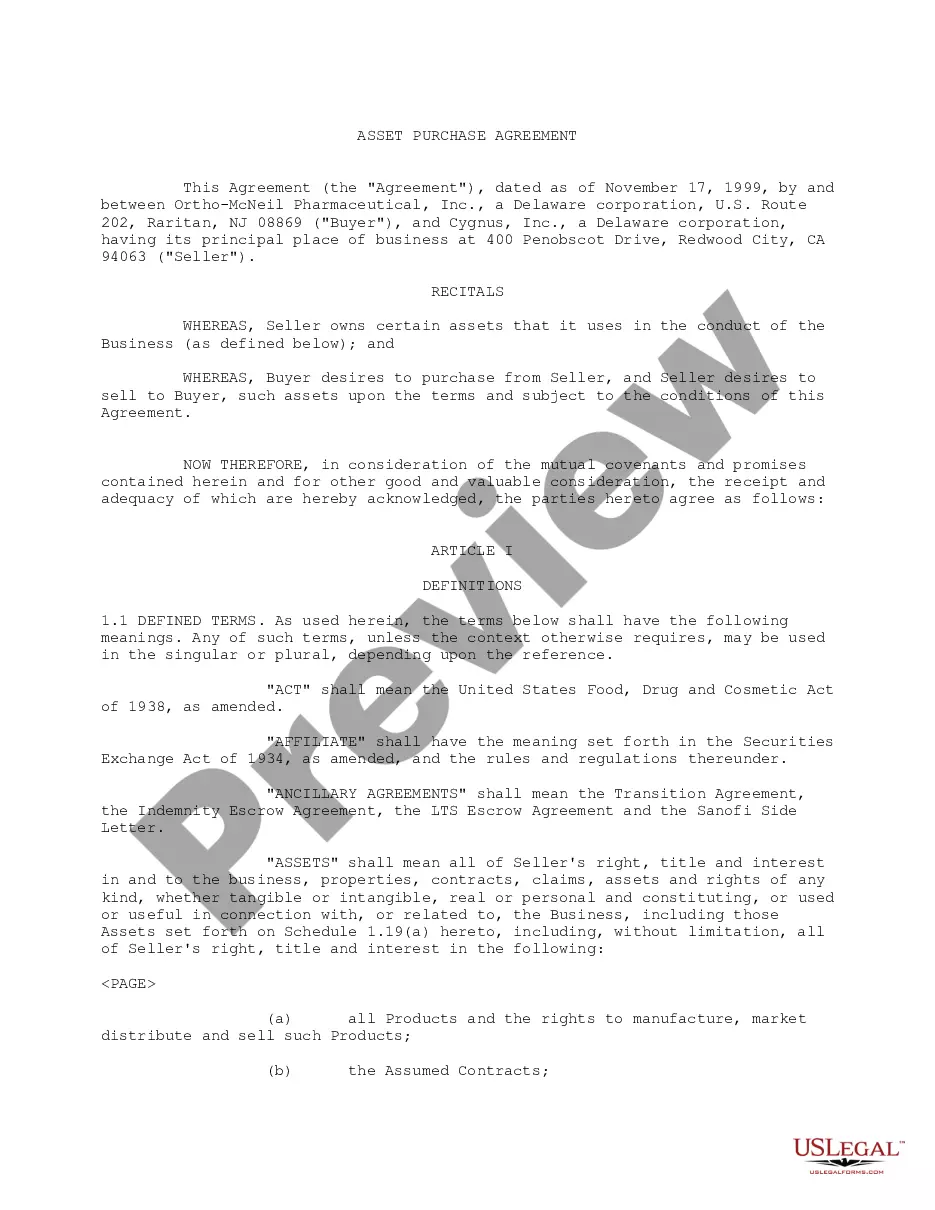
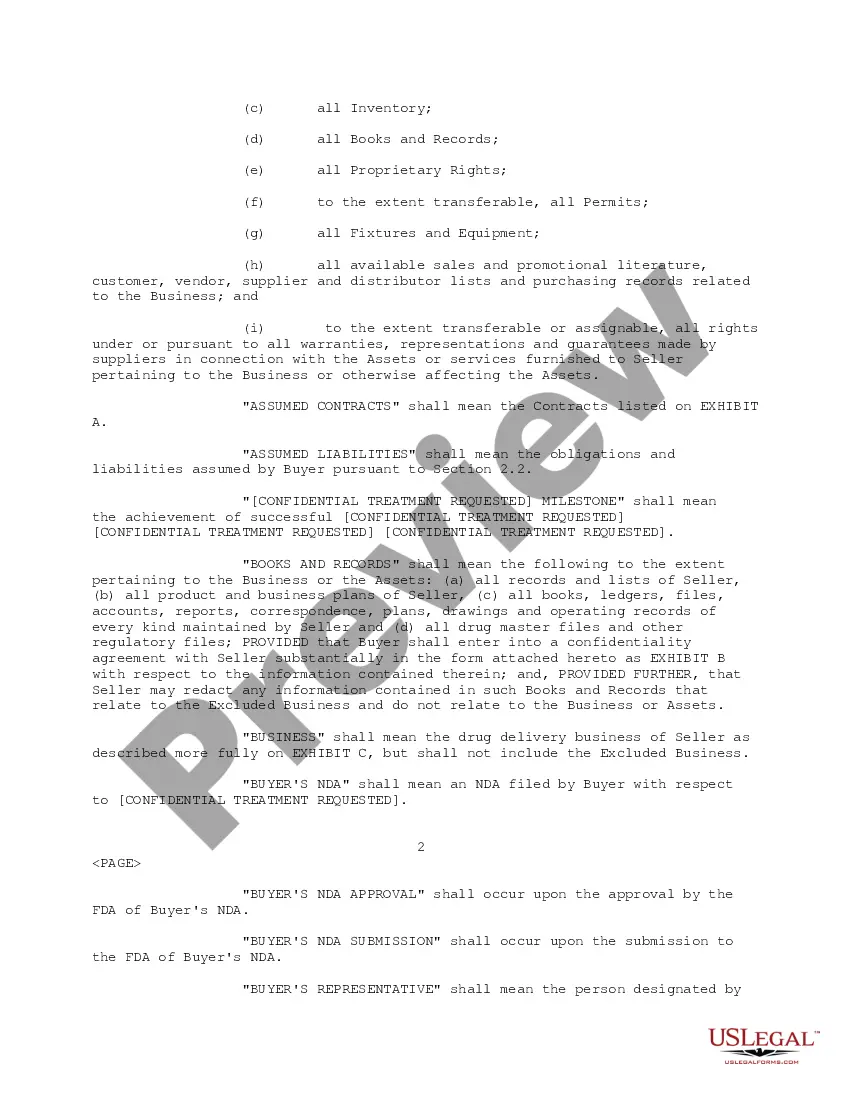
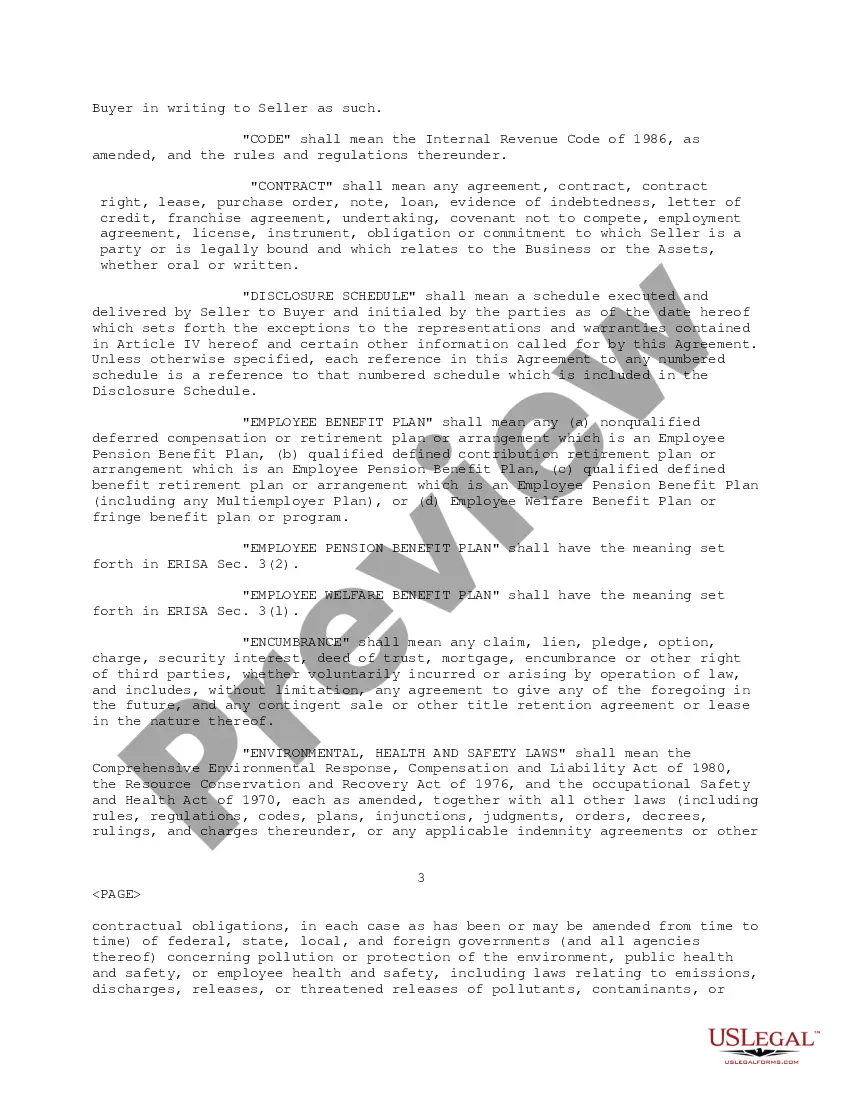
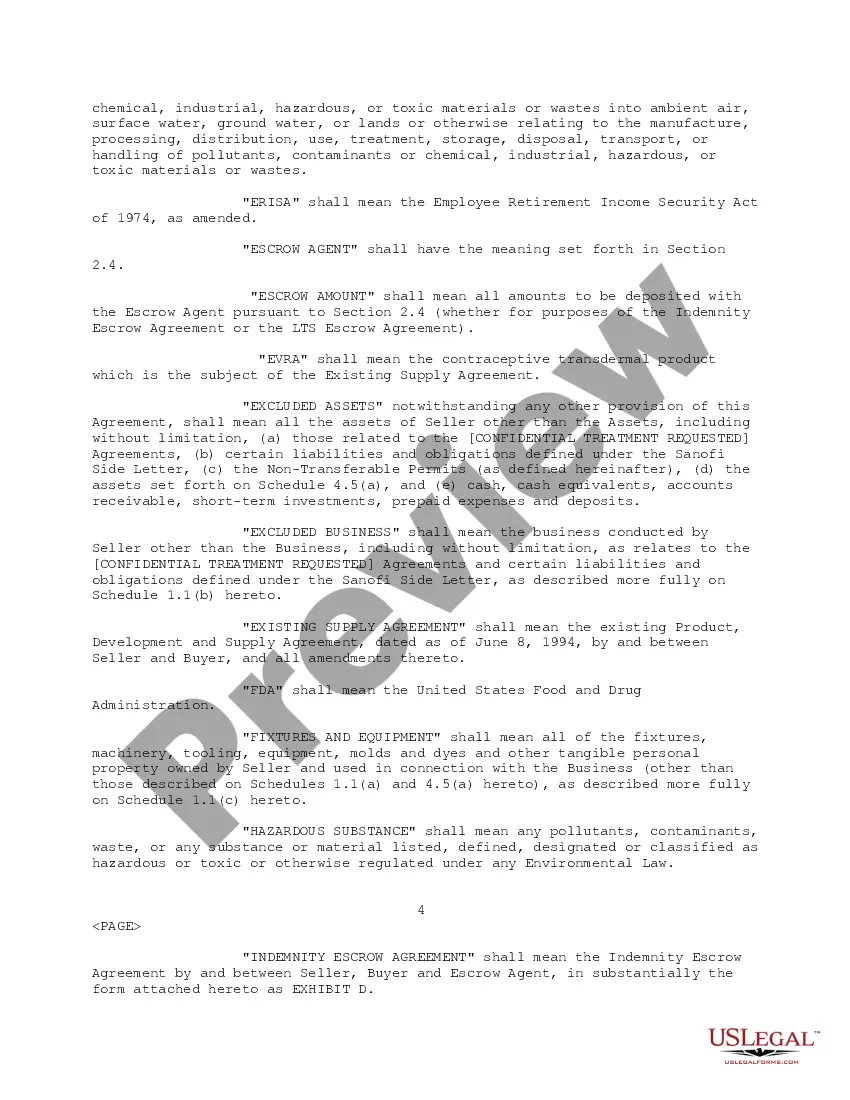
Asset Purchase Agreement As Is
Description

Get your form ready online
Our built-in tools help you complete, sign, share, and store your documents in one place.
Make edits, fill in missing information, and update formatting in US Legal Forms—just like you would in MS Word.
Download a copy, print it, send it by email, or mail it via USPS—whatever works best for your next step.
Sign and collect signatures with our SignNow integration. Send to multiple recipients, set reminders, and more. Go Premium to unlock E-Sign.
If this form requires notarization, complete it online through a secure video call—no need to meet a notary in person or wait for an appointment.
We protect your documents and personal data by following strict security and privacy standards.

Make edits, fill in missing information, and update formatting in US Legal Forms—just like you would in MS Word.

Download a copy, print it, send it by email, or mail it via USPS—whatever works best for your next step.

Sign and collect signatures with our SignNow integration. Send to multiple recipients, set reminders, and more. Go Premium to unlock E-Sign.

If this form requires notarization, complete it online through a secure video call—no need to meet a notary in person or wait for an appointment.

We protect your documents and personal data by following strict security and privacy standards.
Looking for another form?





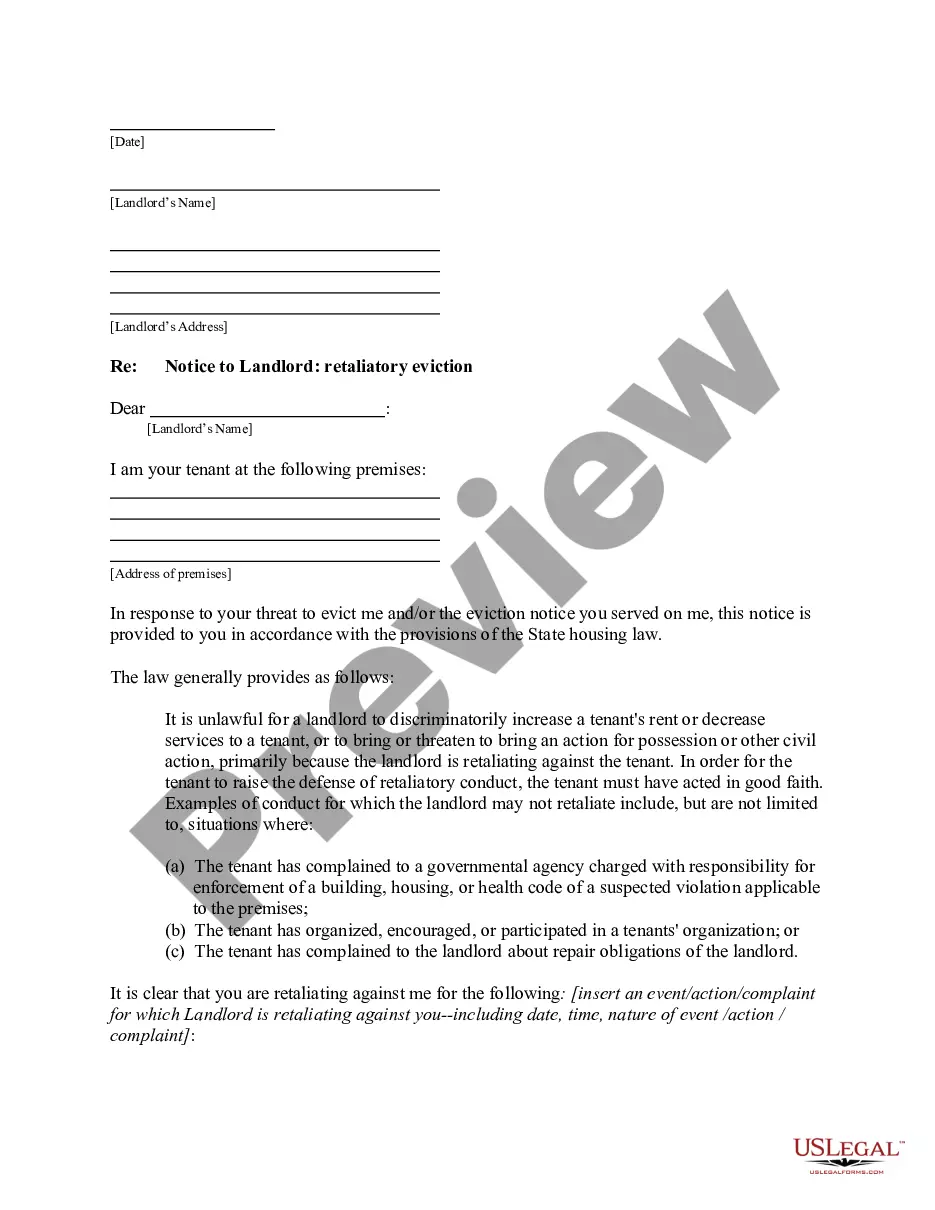



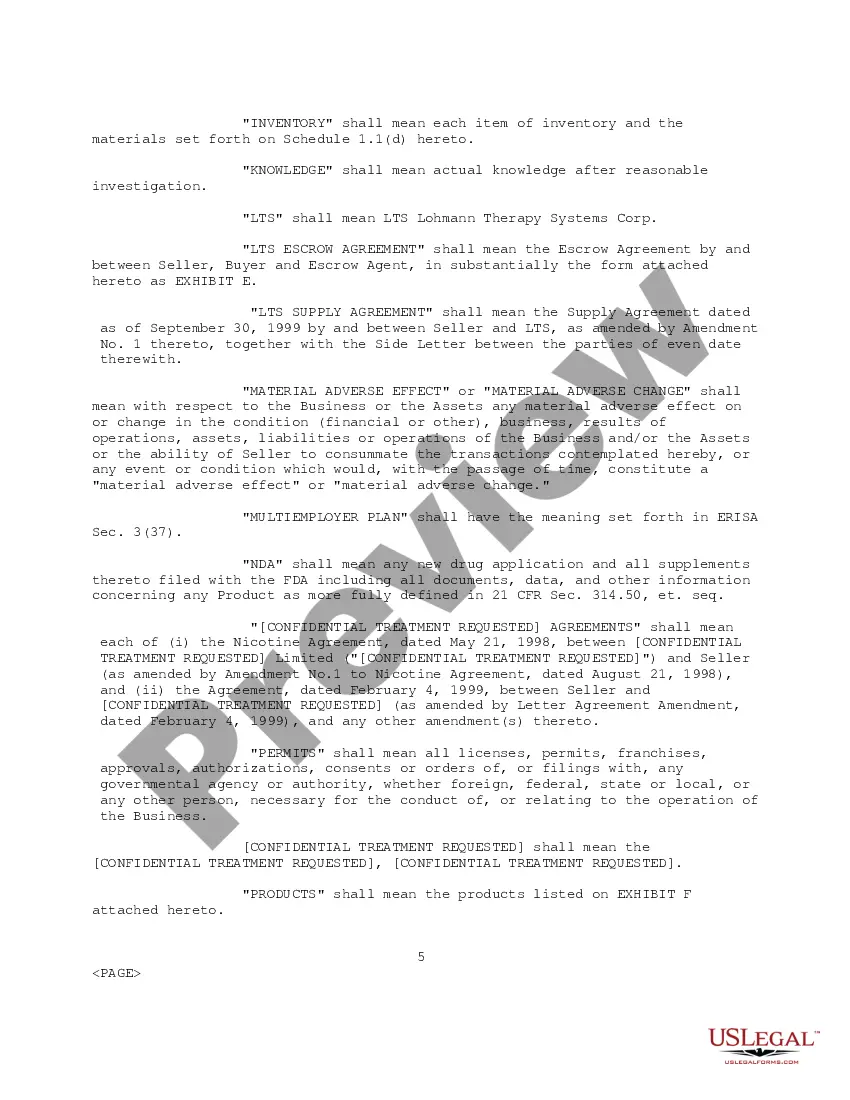
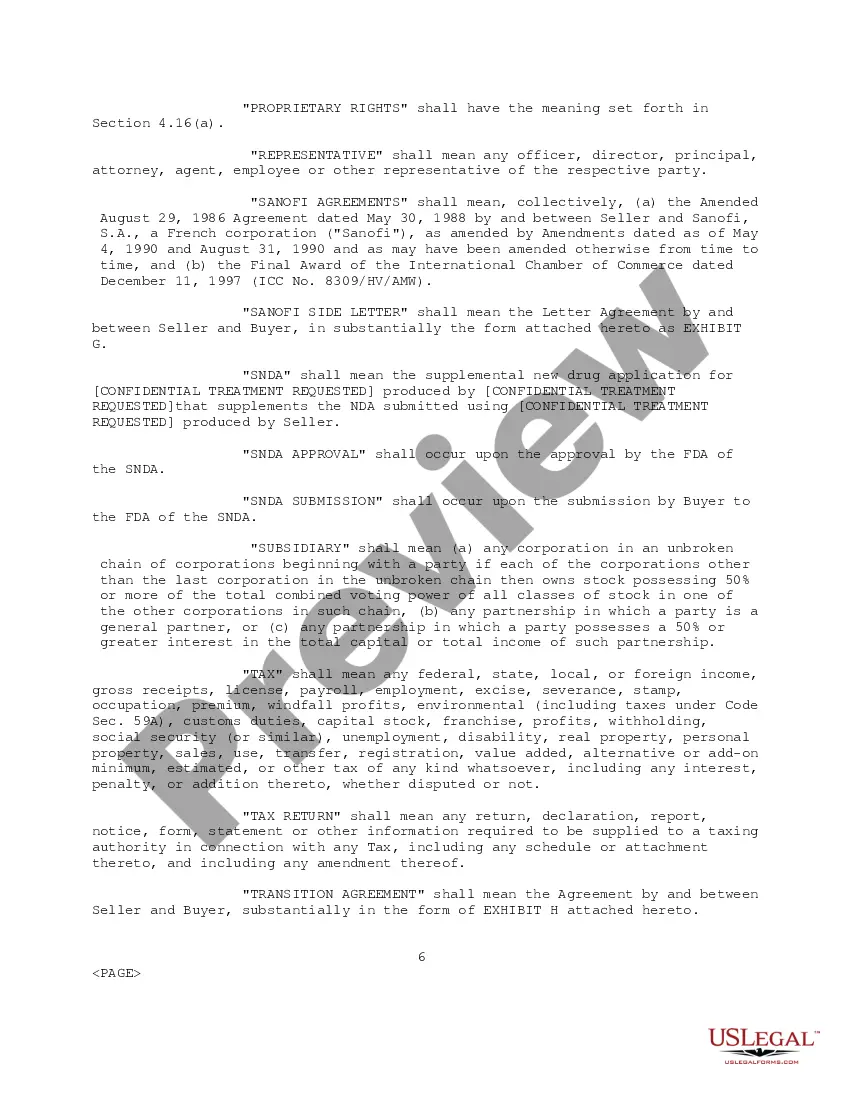
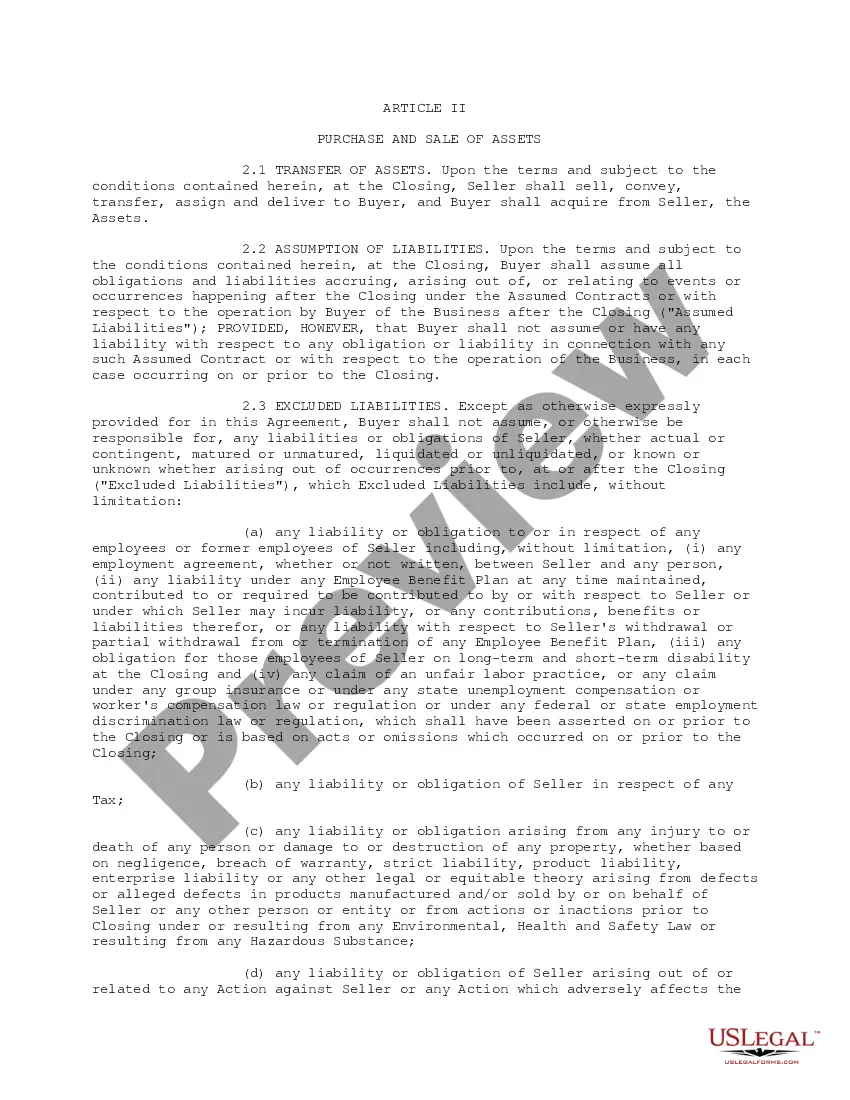
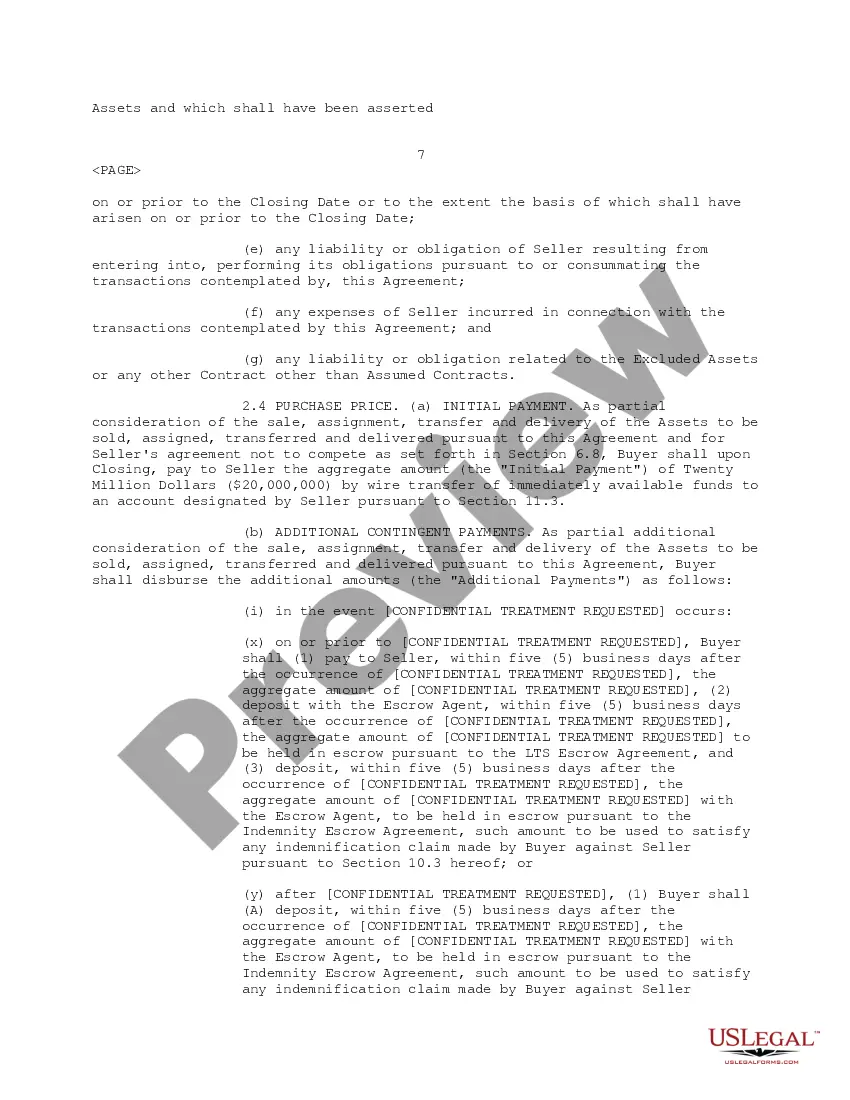
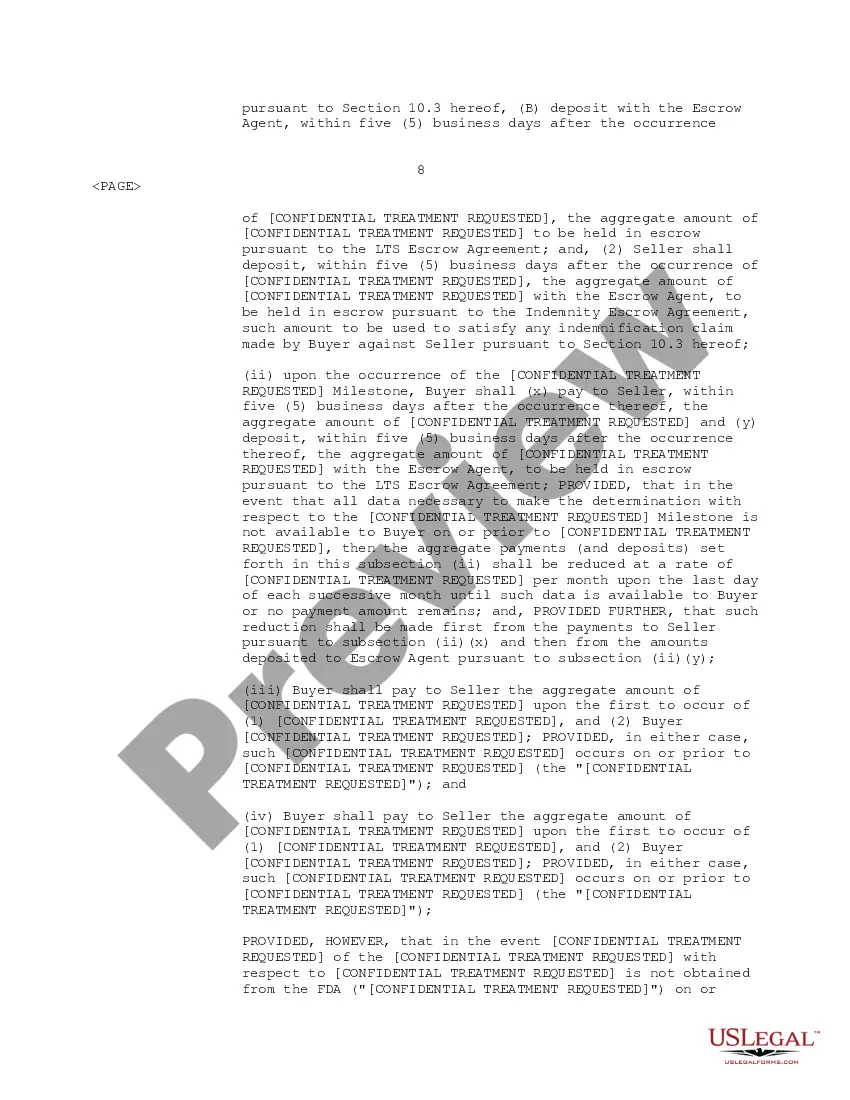
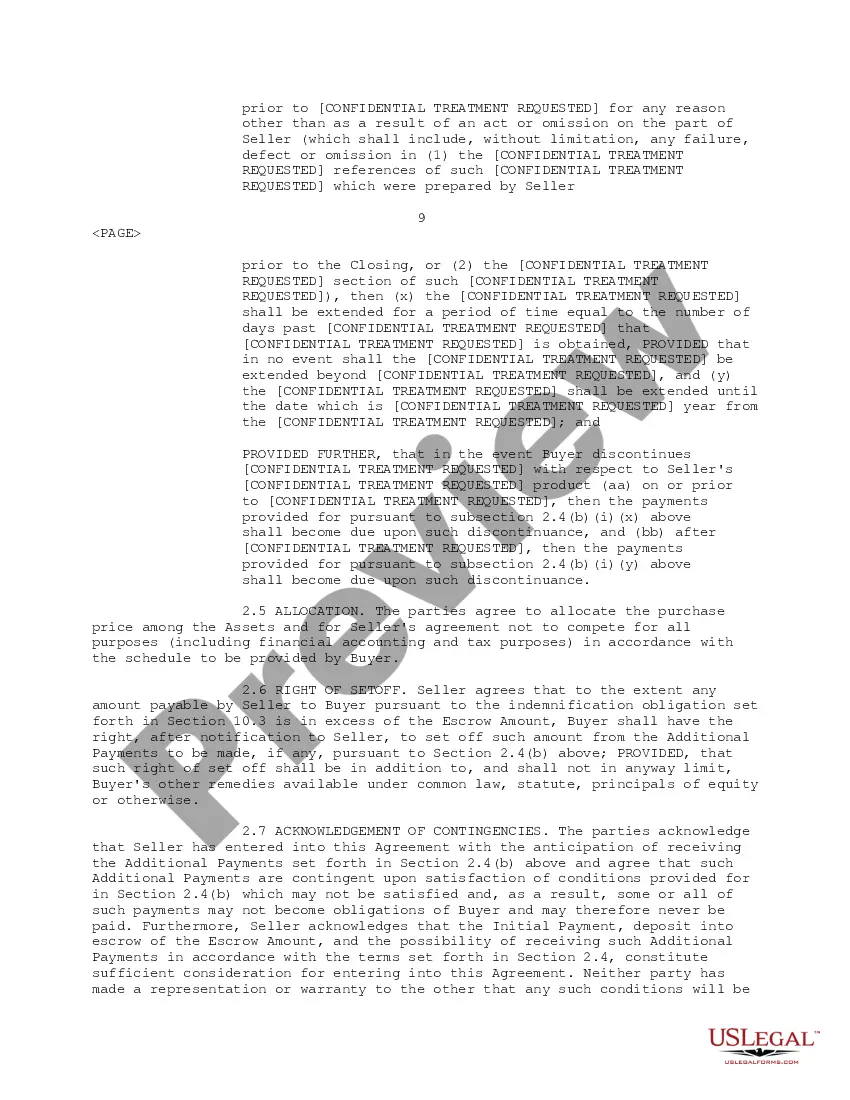
How to fill out Sample Asset Purchase Agreement Between Orth-McNeil Pharmaceutical, Inc. And Cygnus, Inc. Regarding The Sale And Purchase Of Assets Of Company - Sample?
It's well-known that one cannot instantly transform into a legal expert, nor can one swiftly comprehend how to draft an Asset Purchase Agreement As Is without a focused education.
Crafting legal documents is a lengthy endeavor that necessitates specific training and expertise. Therefore, why not entrust the development of the Asset Purchase Agreement As Is to the professionals.
With US Legal Forms, which boasts one of the largest collections of legal templates, you can access anything from court forms to templates for internal correspondence.
You can access your documents again via the My documents tab at any time. If you’re already a customer, simply Log In to find and download the template from the same section.
Regardless of the intention behind your forms—be it for financial, legal, or personal use—our platform has you covered. Give US Legal Forms a try today!
- Locate the document you need using the search bar positioned at the top of the page.
- Preview it (if available) and review the accompanying description to confirm whether the Asset Purchase Agreement As Is is what you require.
- If you need a different template, restart your search.
- Create a free account and select a subscription option to buy the form.
- Click Buy now. Once the payment is finalized, you can download the Asset Purchase Agreement As Is, complete it, print it, and send it or mail it to the relevant parties or organizations.
Form popularity
FAQ
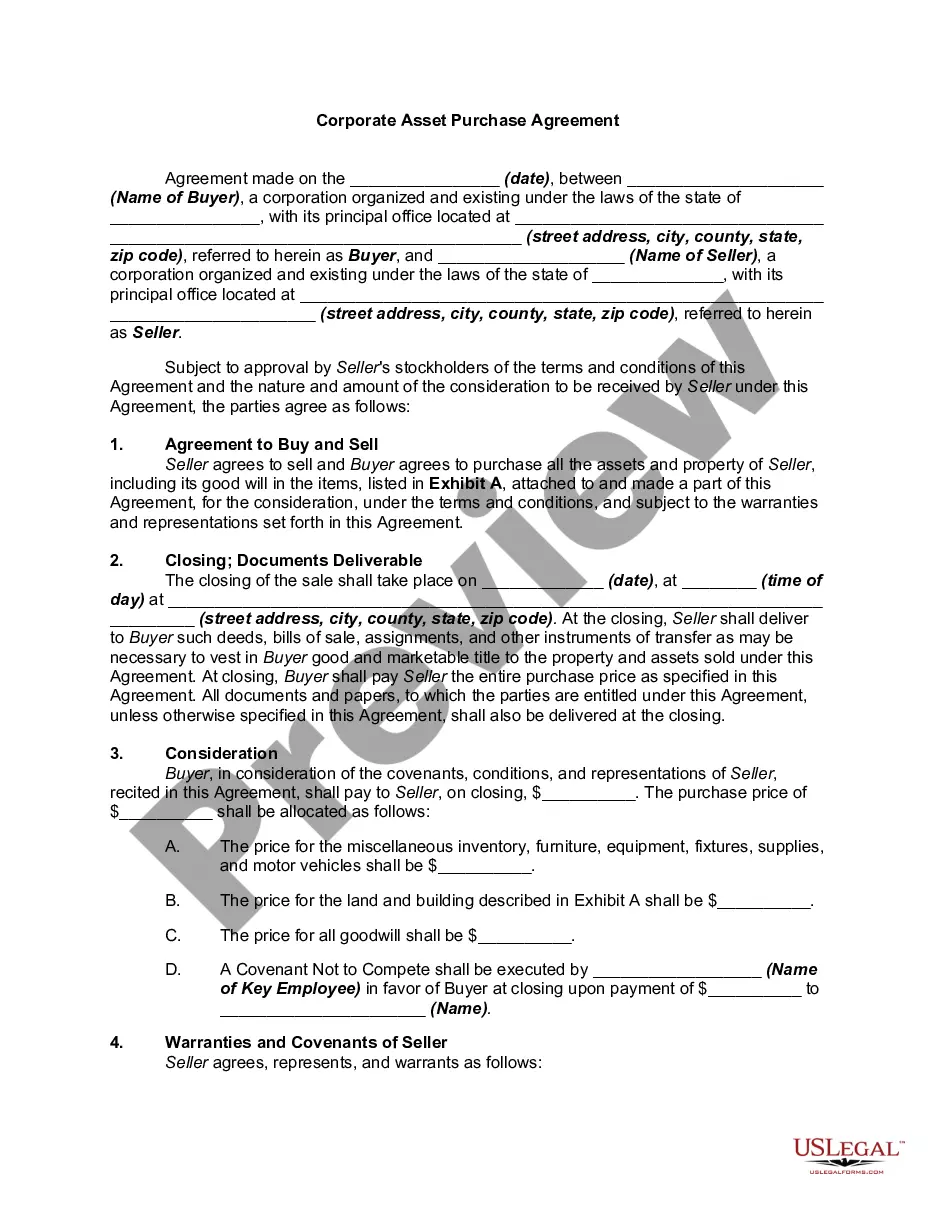
The primary difference between an Asset Purchase Agreement (APA) and a Stock Purchase Agreement (SPA) lies in what is being transferred. An APA focuses on selling specific assets, allowing the buyer to acquire only selected items of value, while an SPA involves the purchasing of a company’s stock, thus transferring ownership of the entire business entity. Choosing an asset purchase agreement as is can provide more control over what is included in the deal, protecting the buyer from potential liabilities. Understanding these differences is crucial, and US Legal Forms can help you navigate these agreements effectively.
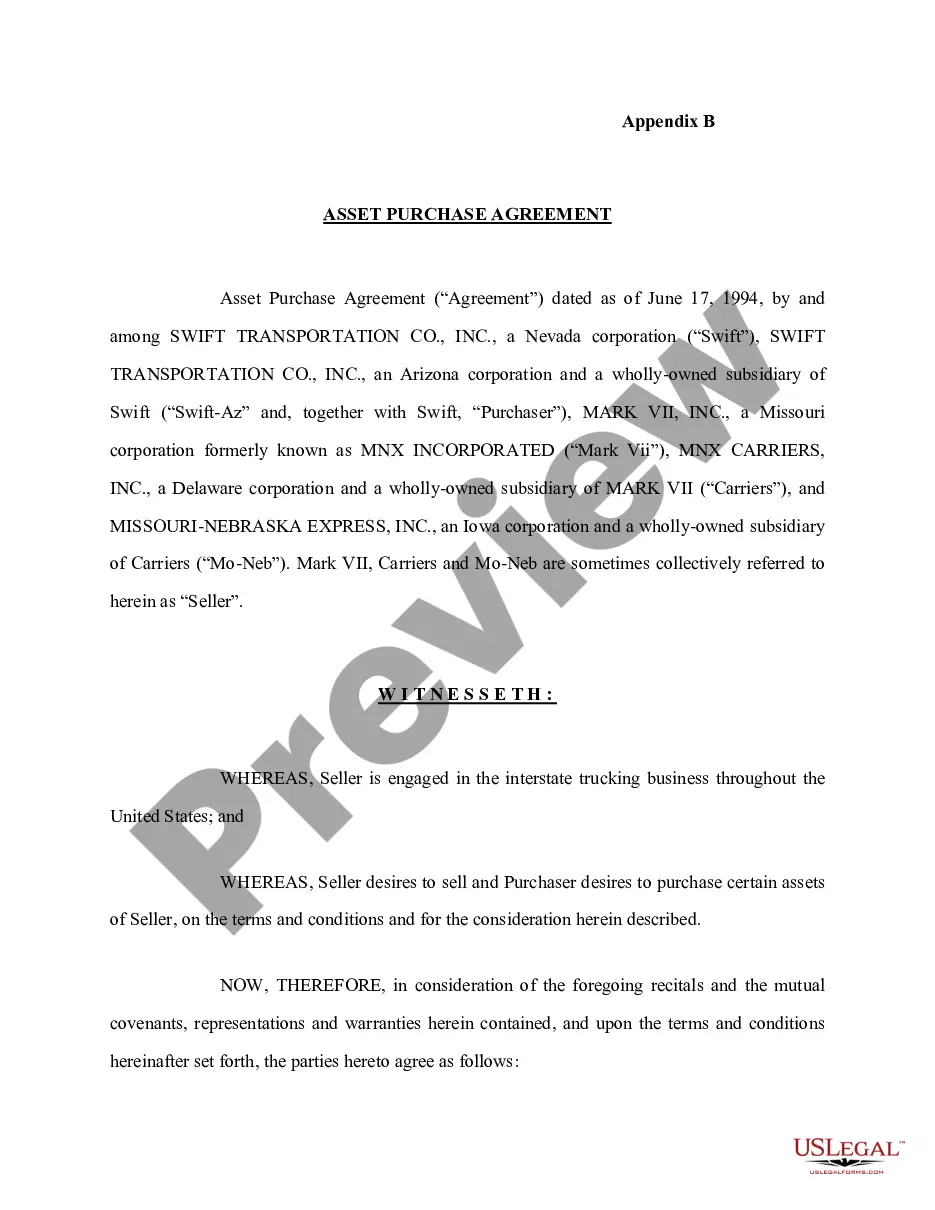
An Asset Purchase Agreement (APA) in an acquisition details the terms and conditions under which one party purchases assets from another. This type of agreement allows for the transfer of specific assets, rather than the entire company, making it a strategic choice for buyers. By using an asset purchase agreement as is, buyers can clearly define the assets they want to acquire while limiting liabilities associated with the seller. For those seeking a straightforward solution, USLegalForms offers templates to simplify the creation of an asset purchase agreement as is.
To record the purchase of a fixed asset, debit the asset account for the purchase price, and credit the cash account for the same amount.
In an asset purchase, the buyer agrees to purchase specific assets and liabilities. This means that they only take on the risks of those specific assets. This could include equipment, fixtures, furniture, licenses, trade secrets, trade names, accounts payable and receivable, and more.
Provisions of an APA may include payment of purchase price, monthly installments, liens and encumbrances on the assets, condition precedent for the closing, etc. An APA differs from a stock purchase agreement (SPA) under which company shares, title to assets, and title to liabilities are also sold.
Recording the purchase and its effects on your balance sheet can be done by: Creating an assets account and debiting it in your records ing to the value of your assets. Creating another cash account and crediting it by how much cash you put towards the purchase of the assets.
At its most basic, a purchase agreement should include the following: Name and contact information for buyer and seller. The address of the property being sold. The price to be paid for the property. The date of transfer. Disclosures. Contingencies. Signatures.